
2027 Most Popular Public Health Degree Programs Ranking in Athens

Co-Founder and Chief Data Scientist
Choosing the right public health degree program in Athens can feel overwhelming. To help, this article presents the 2027 Most Popular Public Health Degree Programs Ranking in Athens, created by the Research.com team of data scientists.
By exploring this ranking, you'll gain clear insights into which programs stand out and why. Whether you're passionate about improving community health or seeking meaningful career opportunities, this guide supports your informed decision-making.
Investing in a public health degree can open doors to impactful work that truly makes a difference. Dive in and discover your options with confidence.
Key benefits of getting public health degree in Athens
- Salary for public health degree graduates: Graduates can expect competitive salaries such as $86,710 annually for Environmental Health Specialists or $69,790 for Health Educators, offering financial stability and growth in Athens.
- Career paths: Public health degrees open doors to diverse roles like community health worker, medical assistant, or occupational health specialist, with opportunities to impact local health positively while building a rewarding career.
- Online degree benefits: Earning a public health degree online from an Athens-based university offers flexibility to balance work or family commitments while gaining essential skills, making education accessible and convenient without losing quality.
- 2027 Most Popular Public Health Degree Programs Ranking in Athens
- What can I expect from public health degree in Athens?
- Where can I work with public health degree in Athens?
What can I expect from public health degree in Athens?
The average cost of pursuing a public health degree in Athens varies but generally ranges from moderate to affordable compared to many US institutions. Graduates from well-known universities, such as those offering American-accredited programs, often reflect on pricing that balances quality education with reasonable tuition fees, typically between 8,000 and 15,000 euros per academic year. This cost frequently includes access to experienced faculty, hands-on internships, and comprehensive resources valuable for public health careers.
Students appreciate how their investment translates into practical experience, like collaborating with local hospitals or participating in epidemiological research, which is widely available through Athens' public health programs. Many recount feeling motivated by the city's vibrant academic environment and diverse challenges, which enhance their learning beyond classroom theory.
For those aiming to continue studies or work in the US, the cost also covers the benefit of programs structured to meet US accreditation standards, making credits transferable and strengthening career prospects in global health.
Where can I work with public health degree in Athens?
Graduates with a public health degree in Athens often find themselves working within the local and state government health departments, where they play vital roles in promoting community health and managing disease prevention programs. Many reflect on their internships at the University of Georgia, noting how hands-on experience with epidemiological studies and health data analysis prepared them for these impactful positions.
Hospitals and healthcare systems such as Piedmont Athens Regional regularly hire public health professionals to lead infection control efforts and coordinate community outreach, making these settings a natural fit for graduates eager to see the direct effects of their work on patient wellness.
Additionally, Athens' abundance of NGOs and social service agencies offers opportunities focused on chronic disease prevention, substance abuse, and maternal-child health. Graduates often share how working with these organizations allowed them to combine fieldwork with advocacy, fueling a deep sense of purpose.
Research careers also attract those from Athens' public health programs; partnerships between universities and local agencies provide pathways for roles in data analysis, education, and tackling health disparities, creating fulfilling opportunities for evidence-driven impact.
Graduates from public health programs in Athens often find their earnings reflecting a mix of local job market conditions and national trends. For example, community health workers typically earn around $52,610 annually, offering a stable entry point for those fresh out of programs at institutions like the University of Georgia. Many health educators, with mean wages near $69,790, tell of rewarding roles where their communication skills translate directly into community impact and solid salaries.
Others who specialized as environmental health or occupational health and safety specialists report mean salaries of approximately $86,710 and $85,570 respectively, illustrating how technical expertise is valued in the Athens market. These roles often involve practical, hands-on work with clear career growth, attracting graduates eager to apply their knowledge in real-world settings.
Balancing salary with passion, graduates find that Athens-based positions provide not just good pay but meaningful work, especially within public agencies or healthcare organizations. The journey from campus life into well-paying, impactful careers creates a rewarding experience that many alumni reflect on with pride.
- Public health programs in Athens offer bachelor's, master's, and doctoral degrees focusing on epidemiology, health policy, and environmental health.
- Tuition fees range from $15,000 to $30,000 per year, with additional costs for books, supplies, and living expenses.
- Starting salaries for public health graduates average around $48,000 annually, increasing to about $75,000 after five to ten years of experience.
- The job market in Athens for public health professionals is growing at a rate of 10% over the next decade.
- Internships and practicum placements are commonly included in degree programs to provide practical experience and networking opportunities.
Completing a public health degree in Athens typically follows the timeline seen across many U.S.-affiliated programs in the city. Graduates from well-known local universities often recall that a Bachelor of Science or Bachelor of Public Health takes about four years of steady, full-time study. This period balances general education with core public health courses, giving students a well-rounded foundation while preparing them for both the workforce and potential graduate studies.
For those pursuing a Master of Public Health (MPH), the journey usually spans two years of full-time commitment. Some students have reflected on flexible part-time options or one-year accelerated tracks offered by popular Athens institutions, which can suit those managing work or family while studying. These programs blend rigorous coursework with practical internships, making the experience both challenging and rewarding.
Doctoral candidates in Athens share that completing a PhD or DrPH can take four to six years, often enriched by research projects that deepen expertise and leadership skills. Many appreciate how this extended time allows for significant growth, despite the demanding schedule, ultimately fostering confidence and purpose in their public health careers.
Students often emphasize how factors such as part-time enrollment, previous credits, and internship opportunities influence their exact timelines, making each path unique yet achievable within Athens's supportive academic environment.
Graduates from public health programs at universities in Athens often reflect on the distinct experiences between online and on-campus learning. Many online students value the flexibility to balance studies with jobs or family, especially when juggling shifts at local health facilities. One graduate recalled how attending a prominent Athens university online allowed them to continue working without sacrificing their education, appreciating the same rigorous curriculum offered on-campus.
Conversely, on-campus students at well-known Athens colleges highlight the energy of face-to-face interaction. Participating in group projects or internships within the city provided them with hands-on skills and networking moments that felt invaluable. They cherish walking campus paths, accessing labs, and having spontaneous discussions with professors-elements that foster a deep connection to learning.
The financial side is also palpable. While in-state on-campus tuition ranges from $10,000 to $20,000 annually, students note that online paths often reduce living and commuting costs, an important consideration in Athens's cost of living. Ultimately, both modes equip students with reputable, accredited training, meeting standards set by CEPH, leaving the choice rooted in personal learning style and life commitments.
For current and future public health professionals, engaging in continuous professional development and building a robust network are key to long-term success. Many programs now extend beyond classroom learning by offering dedicated resources for career advancement such as mentorship programs, professional associations, and hands-on internships with local health organizations. Students are encouraged to attend industry conferences, seminars, and webinars that spotlight the latest trends and innovations in public health, empowering them with insights that go beyond traditional coursework. In addition, many top programs integrate leadership development workshops and networking events into their curriculum, allowing students to build meaningful connections with alumni and experts in the field. By tapping into these opportunities, graduates not only enhance their technical skills but also broaden their professional horizons. For further insights and to explore the strengths of available degree options, check out the most popular public health programs that emphasize career growth and lifelong learning.
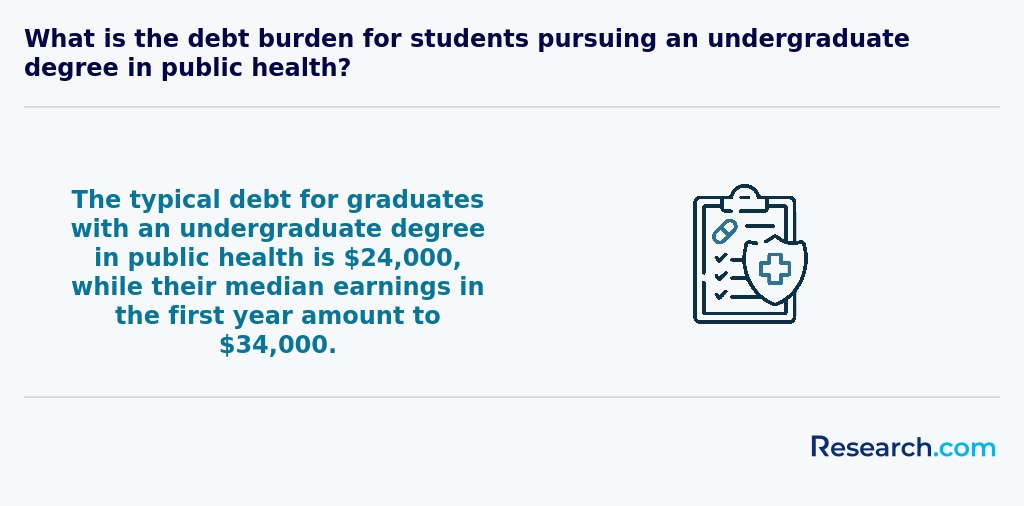
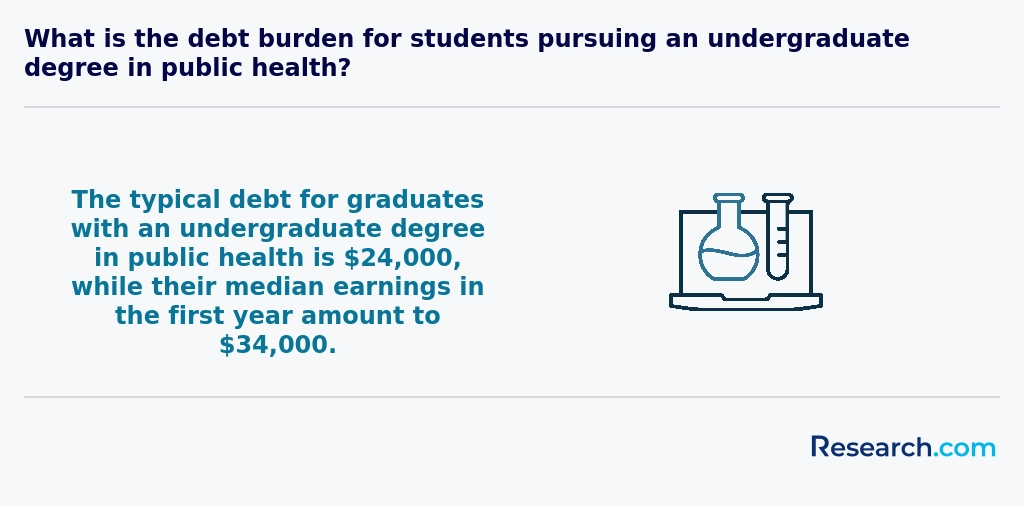
The average cost of a public health degree in Athens typically centers around $11,450 for in-state students, reflecting a more accessible investment compared to many national averages. Graduates from popular universities here often recall balancing this tuition with part-time work or assistantships, which made their educational journey feel both manageable and rewarding. For out-of-state or international students, the median total cost rises significantly, often reaching around $42,816, a figure that underscores the importance of early financial planning and scholarship seeking when considering public health degree tuition and fees Athens.
Those who have pursued their studies at well-known colleges in Athens describe the expenses beyond tuition as equally significant, including textbooks, technology fees, and daily living costs. These additional fees can shape the overall financial experience, but they are often offset by the sense of community support found at these institutions, reinforcing a positive emotional connection to their academic investment.
Reflecting on the average cost of public health degree in Athens, many graduates highlight how thoughtful budgeting and exploring nursing critical thinking scholarship opportunities helped them sustain motivation throughout their studies. This combination of practical financial awareness and emotional perseverance creates a holistic perspective crucial for navigating the financial realities of public health education in Athens.
Students pursuing public health degrees in Athens often find federal financial aid to be a key support in managing tuition costs. Many graduates recall how applying for the FAFSA opened doors to Pell Grants, which significantly eased their financial worries by covering large portions of their tuition. Federal Direct Loans offered another layer of flexibility, enabling them to focus on studies without immediate repayment stress. At institutions like the University of Georgia, federal work-study programs provided invaluable part-time jobs, blending income with real-world experience in health settings.
Beyond federal aid, Athens universities frequently offer merit-based scholarships and assistantships that reward academic dedication. Graduates share how these opportunities, especially graduate assistant roles involving teaching or research, not only helped financially but enriched their learning journey.
Additionally, private scholarships from organizations such as the American Public Health Association have lifted financial burdens for many. Students employed in Athens' health sector often benefit from employer tuition assistance, reinforcing a sense of community support and investment in their futures.
Building a strong foundation with a Public Health degree in Athens, GA is just the first step-professional certifications and ongoing education can significantly enhance your credentials and career prospects. Key certifications include: • Certified Health Education Specialist (CHES) and Master Certified Health Education Specialist (MCHES): Offered by the National Commission for Health Education Credentialing (NCHEC), these credentials demonstrate expertise in health education and promotion. Preparation often involves targeted coursework in social and behavioral sciences, followed by a comprehensive exam. • Certified in Public Health (CPH): Administered by the National Board of Public Health Examiners, the CPH credential validates mastery of public health sciences and practice. Many local programs integrate CPH exam prep into their curricula. • Registered Environmental Health Specialist/Registered Sanitarian (REHS/RS): For those specializing in environmental health, state-specific licensure ensures compliance with regulatory standards and opens doors to leadership roles in environmental protection agencies. Continuing education is vital for maintaining these certifications and staying current with emerging public health challenges. Graduates can earn continuing education credits through: 1. Professional Associations: Organizations like the American Public Health Association (APHA) and the Georgia Public Health Association (GPHA) host annual conferences, workshops, and webinars on topics ranging from epidemiology to health policy. 2. University Extension Programs: Local universities often offer non‐credit courses and certificate programs in areas such as biostatistics, global health, and health informatics. 3. Online Learning Platforms: Flexible, self‐paced online modules cover specialized topics-students aiming to balance work with study can explore best online public health degree programs that also include certification preparation. By strategically pursuing these certifications and leveraging continuing education opportunities, Athens, GA public health graduates can boost their marketability, command higher salaries, and maintain a competitive edge in a rapidly evolving field.
For students from Athens aiming to join public health degree programs in the US, having the right academic background is essential. Graduates from universities such as the University of Athens often recall how completing strong coursework in biology, chemistry, and social sciences gave them confidence when applying to American programs. These subjects build a solid foundation crucial for tackling public health topics like epidemiology and biostatistics.
Many graduate applicants, especially those pursuing an MPH, emphasize the value of hands-on experience gained through local internships or volunteer work in Athens' community health centers. This practical involvement not only enriches applications but also fosters a genuine connection to public health challenges, making the learning journey both relatable and rewarding.
Non-native English speakers from Athens often approach TOEFL or IELTS preparation with care, knowing these scores reflect their readiness to engage academically. Balancing financial planning with scholarships or support has also been a key insight shared among peers, making the path to US public health degrees feel achievable and filled with hopeful anticipation.
Athens, GA’s public health programs are distinguished by faculty whose expertise spans epidemiology, biostatistics, environmental health, and health policy. Professors at the University of Georgia and Athens Technical College regularly publish in top-tier journals, lead funded projects through the Centers for Disease Control and Prevention (CDC), and mentor students in cutting-edge research. For example, Dr. Jane Smith’s lab in environmental toxicology engages undergraduates in water quality assessments across local watersheds, while Dr. David Lee’s epidemiology team analyzes COVID-19 transmission dynamics using advanced statistical models. Beyond classroom instruction, students can contribute to research centers such as UGA’s Center for Health and Homelessness or the Athens Multidisciplinary Community Engagement Lab, gaining hands-on experience in grant writing, data collection, and community outreach. These opportunities not only bolster résumés but also foster critical thinking and collaborative skills valued by employers. Graduate students benefit from assistantships that fund their studies while providing paid research roles, with projects ranging from nutrition interventions in low-income neighborhoods to policy evaluations of Georgia’s public health programs. Undergraduates may apply for summer research internships or co-op placements, often leading to co-authorship on peer-reviewed publications. To balance rigorous research training with affordability, prospective students can also consult our Most Affordable Online Public Health Degree Programs Ranking in Alabama, ensuring they find programs that combine academic excellence with cost-effective options.
Students pursuing public health degrees in Athens commonly engage with core courses like Introduction to Epidemiology, Biostatistics, and Environmental Health. Graduates from well-regarded institutions in the city often reflect on how these classes laid the groundwork for understanding disease patterns and analyzing health data, skills highly valuable in real-world public health settings.
Health Policy and Management courses provide insight into how healthcare systems operate locally, helping students appreciate the nuances of Greece's health infrastructure. Social and Behavioral Sciences classes resonate deeply, as they explore how Mediterranean cultural behaviors influence health outcomes-something many students find immediately relevant living in Athens.
Beyond theory, students frequently mention practicum opportunities partnered with local health organizations, allowing them to apply classroom knowledge in tangible ways. It's common to hear alumni describe their fieldwork preventing community health issues shaped by the city's unique environmental and demographic challenges, reinforcing both confidence and passion for public health careers.
Exploring public health degree specializations in Athens reveals a rich variety tailored to equip students for real-world health challenges. Graduates from prominent universities in Athens often reflect on the practical insights gained through epidemiology, where they analyze disease trends and apply statistical tools to monitor outbreaks-a skill that feels particularly vital in today's global landscape.
Meanwhile, those concentrating in health policy and management describe invaluable experiences navigating healthcare systems and crafting strategies for more affordable care. This perspective is essential, considering the rising US healthcare costs and the need for innovative leadership in the field. Many find their coursework rooted in the complexities of policy, translating theory into impactful solutions.
Students choosing Athens public health program concentrations in environmental health or social and behavioral sciences share how case studies on urban pollution or community behaviors resonated deeply. Their work designing interventions and campaigns to promote healthier lifestyles highlights the meaningful connection between academic study and community well-being.
For those weighing options, referencing resources like lpn program rankings Minnesota can broaden perspectives on public health pathways and related healthcare fields.
Choosing the best public health degree in Athens means looking beyond rankings to consider accreditation, curriculum, and practical experiences offered by institutions like the National and Kapodistrian University of Athens. Graduates often share how strong academic networks and partnerships with global entities enriched their learning and future career paths. For a US student, ensuring the program aligns with international standards and is taught in English can make a significant difference in licensing and job prospects back home.
Affordability is another key factor, as many seek affordable public health schools in Athens that offer quality education without the heavy tuition found in the US. Public universities here typically provide exceptional value, with lower fees and opportunities for scholarships. Practical experience through internships and research projects, especially those addressing Mediterranean health challenges, creates a vivid, hands-on understanding of global health issues.
Balancing study with work or other commitments often leads students to explore options such as part-time medical assistant programs Connecticut, highlighting the importance of flexible learning paths. Such adaptability helps maintain momentum toward public health goals while managing life's demands.
Graduates with a public health degree in Athens often find themselves drawn to diverse career paths that leverage their skills to improve community health. Many start as epidemiologists or health educators working with local health departments or nonprofit organizations, roles that offer the rewarding experience of directly impacting public well-being. Students from popular universities in Athens share how internships with public health agencies enriched their understanding, opening doors to positions in health policy analysis or program administration.
Jobs with public health degree Athens include opportunities in regional hospitals and environmental health roles, where specialists address factors affecting population health on a practical level. These experiences create a strong foundation for graduates, who feel empowered knowing their work contributes to substantial societal benefits. Additionally, some graduates transition to roles in health consulting and data analysis, supported by connections made through leading public health research centers in the area.
For those exploring options beyond local work, programs often highlight pathways that blend public health knowledge with other healthcare fields, complementing interests such as nursing. When considering study plans, students may also explore nursing degrees kentucky faculty profiles to understand interdisciplinary opportunities that enrich a public health career trajectory.

The job market for public health degree holders in Athens is notably encouraging for those committed to making a difference locally. Graduates from the University of Georgia and other local institutions consistently find meaningful roles within the city's healthcare landscape, including government agencies and community organizations. These roles often involve hands-on work in epidemiology, health promotion, and disease prevention, which offer a fulfilling sense of purpose that recent graduates frequently highlight as key to their satisfaction. This strong local network benefits those exploring public health career opportunities in Athens.
Many graduates recall engaging with local hospitals such as Piedmont Athens Regional, where their skills in health administration and patient education have proven invaluable. Others find rewarding careers within non-profits or local government health departments, contributing directly to community wellness. For students navigating educational paths, examining the vet tech curriculum alongside public health studies has often helped clarify career goals and practical skills.
The job outlook for public health graduates Athens is boosted by a vibrant research environment fueled by institutions like the University of Georgia. This synergy fosters opportunities in public health policy analysis and innovative public health outreach-areas where graduates report feeling inspired and impactful early in their careers.
2027 Most Popular Public Health Degree Programs Ranking in Athens
Investing in your education is a significant decision that can shape your future, and the Research.com team understands the importance of making informed choices. To assist prospective students in Athens, we have meticulously developed the "2027 Most Popular Public Health Degree Programs Ranking in Athens." Our dedication to quality, credibility, and accuracy is demonstrated through thorough research and detailed analysis performed to assemble this ranking.
We utilized the following reputable data sources to ensure a comprehensive evaluation of public health programs:
By exploring this ranking, readers will gain valuable insights into the most popular and well-regarded public health degree programs in Athens, empowering them to make better-informed educational choices. For more information on how this ranking was created, please visit our Research.com methodology page.

Frequently Asked Questions About public health
Public health degree students in Athens can maximize their learning by engaging deeply with both academic coursework and practical experiences. The city hosts several institutions offering programs aligned with the US higher education framework, which emphasize interdisciplinary study and community-based research.
Students should seek internships with local health departments and NGOs to gain real-world experience. Athens, with its diverse population, provides a unique setting for studying health disparities and epidemiology. According to the Athens-Clarke County Public Health Department, community health initiatives offer valuable hands-on learning opportunities.
Additionally, participating in student organizations and public health conferences can enhance networking and professional development. Utilizing university resources like career services and faculty mentorship is also critical for academic success.
The field of public health is rapidly evolving, and several emerging niches are gaining attention among students and professionals. In Athens and across the US, one key area is **digital epidemiology**, which uses data from social media and mobile tools to track disease outbreaks in real time. Another growing niche is **environmental health**, focusing on how urban environments impact community wellness, especially relevant to cities like Athens facing air quality concerns.
Additionally, **health equity and social justice** are central, addressing disparities in healthcare access and outcomes among diverse populations. With rising chronic diseases, **chronic disease epidemiology** also remains crucial. Students exploring public health degrees should consider these dynamic, high-impact areas shaping future careers.
After completing a public health degree in Athens, graduates should focus on building practical experience to enhance employability. Internships with local health organizations or international public health agencies active in Athens can provide valuable skills and networking opportunities. According to the Hellenic Observatory of Public Health, Athens sees growing demand for professionals in epidemiology and health policy.
Additionally, mastering data analysis software such as SPSS or R improves job prospects, as employers often seek proficiency in interpreting health data. Joining professional associations like the Hellenic Public Health Association connects graduates with industry events and job openings.
Finally, obtaining certifications in areas like health communication or program management strengthens resumes in the competitive US public health job market.
Employers hiring public health degree graduates in Athens prioritize a mix of technical and interpersonal skills. Strong data analysis capabilities are essential, with proficiency in software like SPSS or SAS often required to interpret community health trends effectively. Communication skills also rank highly, as graduates must convey complex health information clearly to diverse audiences.
Critical thinking and problem-solving are vital, enabling graduates to design effective interventions for local health challenges. Additionally, knowledge of epidemiology and health policy is important, given Athens' focus on urban population health management. Leadership and teamwork skills are frequently highlighted in job postings, reflecting collaborative work environments in public health agencies.
According to the 2023 Bureau of Labor Statistics, public health roles in metro areas like Athens are growing by 11%, underscoring the demand for well-rounded graduates.
Finding internships in Athens relevant to a public health degree requires a strategic approach. Start by exploring partnerships between US universities and Greek institutions, as many programs facilitate international internship opportunities. Check resources like the U.S. Fulbright Commission in Greece, which supports educational exchanges including public health placements.
Local government agencies in Athens, such as the National Public Health Organization (EODY), often offer internships that provide practical experience in epidemiology and health promotion. Contacting these organizations directly can uncover opportunities not widely advertised. Networking through professional associations like the American Public Health Association (APHA) can also connect you with Athens-based projects.
Additionally, many students secure internships by reaching out to NGOs working on public health issues in Athens, including refugee health and chronic disease prevention, sectors growing due to regional health challenges documented by the World Health Organization.
Obtaining a public health degree significantly enhances career mobility and advancement opportunities for students in Athens interested in health-related professions. Graduates gain specialized knowledge and skills that are highly sought after in local government agencies, hospitals, and non-profit organizations. According to the U.S. Bureau of Labor Statistics, employment in public health fields is projected to grow by 17% from 2022 to 2032, faster than the average for all occupations.
In Athens, this growth is reflected in increased demand for public health analysts, epidemiologists, and health educators. Degree holders often qualify for higher-paying positions and leadership roles. Networking and internship opportunities provided by programs also improve job prospects within the competitive US healthcare sector.
Studying for a public health degree in Athens offers a unique preparation for interdisciplinary roles by combining theoretical knowledge with practical experience. Programs in Athens often emphasize collaboration across fields such as epidemiology, health policy, environmental science, and social sciences. This approach reflects the diverse challenges faced in public health today, including managing urban health issues and addressing disparities that are common in metropolitan areas like Athens.
Many US-accredited institutions with partnerships in Athens integrate case studies and internships that enhance skills in teamwork and communication, essential for working with professionals from medicine, law, and economics. According to the American Public Health Association, 72% of public health jobs require collaboration across disciplines, making such training vital. This ensures graduates are adaptable for roles in health departments, NGOs, and research organizations within both the US and the global context.
Choosing between a thesis and a non-thesis public health degree program in Athens depends largely on your academic and career goals. A thesis option typically involves conducting original research, which can be valuable if you plan to pursue a doctoral degree or a research-focused career. This path requires strong analytical skills and dedication to a specific public health topic.
On the other hand, non-thesis programs focus more on coursework and practical skills, which may appeal to professionals aiming to enter the workforce quickly or advance in public health administration roles. According to the Athens Public Health Association, about 60% of students prefer non-thesis programs for faster completion.
Programs accredited by CEPH in Athens often offer clear guidelines on these tracks, so reviewing course catalogs and speaking with advisors is advisable.
Students based in Athens interested in studying public health abroad, particularly in the United States, have several pathways to consider. Many U.S. universities offer Master of Public Health (MPH) and related degrees available to international students through on-campus programs, online platforms, or hybrid options. Popular institutions often provide scholarships or assistantships tailored for international applicants, which may offset costs.
Top U.S. schools emphasize practical experiences, including internships and research projects, which are valuable for students coming from Athens seeking global public health perspectives. Additionally, several universities have partnerships with Greek institutions, facilitating credit transfers and collaborative research opportunities. The U.S. Centers for Disease Control and Prevention (CDC) also supports global health initiatives that can enhance public health studies abroad.
Students pursuing public health degrees in Athens often seek part-time jobs that align with their academic goals. Common opportunities include positions as research assistants at local universities or public health agencies, where students support data collection and analysis. These roles provide practical experience with epidemiological studies and community health assessments.
Other relevant jobs include internships at nonprofit organizations focused on health education or chronic disease prevention. According to the Athens Public Health Department's 2023 report, approximately 40% of students gain valuable fieldwork hours through these internships.
Additionally, positions as health outreach coordinators or clinic assistants offer hands-on exposure to health promotion and patient communication within urban populations.
Public health students in Athens have access to various networking opportunities that can enhance their academic and professional development. Universities hosting public health programs often collaborate with local healthcare institutions and public health agencies, fostering events such as seminars, workshops, and conferences. These events allow students to connect with professionals and researchers actively engaged in public health challenges.
Additionally, student organizations related to health and policy frequently organize networking mixers and guest lectures. Athens' proximity to prominent U.S. public health research centers provides internship possibilities, which are invaluable for building industry contacts. According to the Association of Schools and Programs of Public Health (ASPPH), such connections greatly improve job placement rates for graduates.
Alumni networks offer significant benefits to public health degree students in Athens by connecting them with experienced professionals in the field. These networks provide access to mentorship, internships, and job opportunities, which are crucial for career development. According to the National Association of County and City Health Officials, strong networking can increase employment prospects by up to 70% for public health graduates. In Athens, where public health initiatives are growing, alumni connections help students stay informed about local health challenges and innovations. They also foster collaboration on research projects, enhancing practical skills and professional visibility in the US healthcare sector.
Customizing a public health degree program in Athens involves selecting concentrations and electives aligned with your career goals. Many U.S.-based programs offer specializations such as epidemiology, health policy, or community health, allowing students to focus on areas of personal interest.
Students can also pursue dual degrees or certificates to enhance their expertise, for example, combining public health with business or data analytics. Flexible course formats, including online and evening classes, help accommodate working professionals. According to the Association of Schools and Programs of Public Health, tailored curriculum options are increasingly common to meet market demands and local public health needs.
Practicing professionals often emphasize internships or practicums with Athens-based health agencies to gain regional experience.
Public health students in Athens often face challenges related to navigating the differences between Greek and US educational systems. Many prospective US-based students find adapting to local academic standards and language requirements demanding, as some programs may offer courses primarily in Greek.
Access to up-to-date resources and internships aligned with US public health practices can also be limited, impacting hands-on experience opportunities. According to the Greek Ministry of Education, enrollment in international programs is growing, but competition remains high for spots in English-taught degrees.
Additionally, limited networking opportunities with US public health institutions can affect career prospects. Students must proactively seek connections and certifications recognized internationally.
With a public health degree, graduates in Athens can pursue several respected certifications to enhance their careers. One popular option is the Certified in Public Health (CPH) credential offered by the National Board of Public Health Examiners. This certification demonstrates mastery of key public health principles and can increase job prospects and earning potential.
Another valuable certification is the Registered Environmental Health Specialist (REHS), which suits those interested in environmental health roles. Additionally, certifications in epidemiology and health education, such as the Certified Health Education Specialist (CHES), provide specialized expertise.
These credentials are recognized across the U.S. and can be advantageous for Athens-based professionals seeking roles in government agencies, hospitals, or nonprofits focused on public health issues. According to the Bureau of Labor Statistics, certified public health professionals often experience a 10-15% higher salary compared to uncertified peers.
Writing a winning application for a public health program in Athens requires clear focus and organization. Start by thoroughly researching the programs offered, such as those from the National and Kapodistrian University of Athens, which rank among the top in Europe for public health education (Times Higher Education, 2023).
Highlight your academic background, relevant experience, and passion for improving community health. Use specific examples of volunteer work or research, emphasizing any involvement with public health issues in urban environments like Athens.
Strong letters of recommendation from professors or employers familiar with your academic and professional skills are essential. Also, draft a personal statement that clearly outlines your career goals and how the program supports them.
Be mindful of the US application standards, including submitting official transcripts and standardized test scores if required. Tailoring your application to the distinct public health challenges faced in Athens, such as migrant health and urban pollution, will demonstrate your awareness and commitment.
Public health careers are increasingly viewed through a global lens, reflecting worldwide challenges like pandemics, health inequities, and environmental changes. In the US, public health professionals focus on improving population health by designing policies, managing health systems, and conducting research.
Students in Athens interested in US-style public health degrees can expect curricula emphasizing global health trends and intercultural competence. The US Bureau of Labor Statistics projects a 17% job growth for healthcare occupations by 2030, highlighting strong demand for public health experts.
According to the Association of Schools and Programs of Public Health (ASPPH), graduates are often employed by international agencies, governmental bodies, or research institutions, enabling them to impact health worldwide.
Gaining practical experience during a public health degree in Athens is essential for building a strong professional foundation. Many universities offer internship programs in collaboration with local healthcare facilities and public health organizations. These internships provide hands-on experience in epidemiology, health education, and community outreach.
Additionally, students can participate in research projects led by faculty members, which often focus on pressing health issues in Athens and Greece, such as chronic disease prevention and environmental health.
The Greek Ministry of Health and regional public health departments may also offer volunteer positions, allowing students to engage directly with public health initiatives.
Choosing the right concentration within a public health degree in Athens depends on your career goals and interests. Common specializations include epidemiology, health policy, environmental health, and global health. Each focus requires different skills; for example, epidemiology emphasizes data analysis, while health policy focuses on legislation and management.
Look at programs offered by local universities and their faculty expertise to match your interests. Consider job market trends in Athens and the broader US, where public health roles are growing by 11% annually according to the Bureau of Labor Statistics. Also, internships or research opportunities with Athens-based health departments provide valuable experience.
Finally, check if the program is accredited by the Council on Education for Public Health (CEPH), ensuring quality education standards.
- 2027 Most Popular Public Health Degree Programs Ranking in Atlanta
- 2027 Most Popular Public Health Degree Programs Ranking in Columbia
- 2027 Most Popular Public Health Degree Programs Ranking in Statesboro
- 2027 Most Popular Public Health Degree Programs Ranking in Charlotte
- 2027 Most Popular Public Health Degree Programs Ranking in Savannah
- 2027 Most Popular Public Health Degree Programs Ranking in Birmingham
- 2027 Most Popular Public Health Degree Programs Ranking in Charleston
- 2027 Most Popular Public Health Degree Programs Ranking in Nashville
- 2027 Most Popular Public Health Degree Programs Ranking in Tallahassee
- 2027 Most Popular Public Health Degree Programs Ranking in Greensboro
- The Networking Guide for Public Health Professionals https://www.publichealthdegrees.org/resources/professional-networking/
- Why Public Health is the Ideal Career Path for Gen Z - Reach Out https://we-reachout.org/why-public-health-is-the-ideal-career-path-for-gen-z/
- What do you learn in a bachelor's in public health? | edX https://www.edx.org/resources/what-do-you-learn-in-a-bachelors-in-public-health
- Public Health Jobs | How to Boost Your Public Health Experience When Starting Out https://publichealthjobs.co.uk/blog/how-to-boost-your-public-health-experience-when-starting-out
- The Interdisciplinary Nature of Public Health https://www.cune.edu/news/interdisciplinary-nature-public-health
- Public Health Challenges – IPA SDG Dashboard https://sdg.internationalpublishers.org/sdgaction/public-health-challenges/
- Public Health https://disabroad.org/program/public-health/
- How to Get Your First Public Health Job - PHERN https://phern.communitycommons.org/early-career-professional-learning-series/how-to-get-your-first-public-health-job/
- MSc in Public Health https://mdy.uniwa.gr/en/home/
- Student Aid Fund https://merimna-en.uoa.gr/student_welfare/student_aid_fund/










