
2027 Most Popular Public Health Degree Programs Ranking in Georgia

Co-Founder and Chief Data Scientist
Choosing the right public health degree program can shape your future career and impact your community. This article features the 2027 Most Popular Public Health Degree Programs Ranking in Georgia, created by the Research.com team of data scientists to guide you in making an informed decision.
Exploring these top programs helps you find the best fit for your goals and interests. A public health degree offers many rewarding opportunities to promote well-being and make a meaningful difference.
Read on to discover valuable insights and take the next step toward a fulfilling career in public health.
Key benefits of getting public health degree in Georgia
- Graduates with a public health degree can earn competitive salaries in Georgia, such as $52,610 annually for Community Health Workers and up to $86,710 for Environmental Health Specialists, which shows strong financial promise.
- Career paths are diverse, ranging from Health Educator roles paying around $69,790 annually to Medical Assistants earning $43,350, offering many fulfilling opportunities in healthcare settings.
- Online public health degrees from respected Georgia universities provide flexibility and affordable learning, making it easier to balance work and study while preparing for rewarding careers in the health sector.
- 2027 Most Popular Public Health Degree Programs Ranking in Georgia
- What can I expect from public health degree in Georgia?
- Where can I work with public health degree in Georgia?
What can I expect from public health degree in Georgia?
The average cost of earning a public health degree in Georgia varies considerably depending on the institution and program level, but students often find themselves investing between $10,000 to $30,000 per year in tuition. Graduates from well-known universities like the University of Georgia or Emory University recall balancing this financial commitment with the promise of a meaningful career. One graduate described stretching every dollar while gaining invaluable fieldwork experience tackling diabetes prevention in Atlanta's communities, emphasizing how this practical approach made the cost worthwhile beyond mere numbers.
Tuition at public universities tends to be more affordable than private options, yet both types of schools in Georgia integrate internships and community projects that add layers of real-world exposure. This blends academic learning with tangible impact, a feature many say transforms the financial investment into an emotional and professional reward. Rather than viewing tuition solely as expense, students gradually see it as fuel for their future roles combating pressing health challenges in the state and beyond.
Where can I work with public health degree in Georgia?
Graduates from public health programs at institutions like the University of Georgia or Georgia State University often find their skills in high demand within the state's diverse health landscape. Imagine starting your career at the Georgia Department of Public Health, where you directly impact community wellbeing by managing immunization drives or emergency response plans that protect millions. This hands-on experience transforms textbook knowledge into meaningful action.
Others discover rewarding roles inside major healthcare systems such as Emory Healthcare, applying data analysis to improve patient care and influence health outcomes. For example, a recent graduate shared how coordinating health education programs at Wellstar Health System gave them a profound sense of contributing to healthier communities every day.
Public health alumni also thrive in nonprofit sectors, developing outreach initiatives that tackle pressing issues from tobacco cessation to mental health-work that brings both challenge and fulfillment. Meanwhile, those drawn to academia can assist with impactful research at Georgia's universities, helping shape vital health policies.
Private companies in biotech and insurance offer avenues too, where analytical expertise drives innovations in drug safety and risk management, revealing how dynamic and far-reaching careers in public health truly are within Georgia.
Graduates from public health programs in Georgia, such as those at the University of Georgia or Emory University, often find diverse salary outcomes depending on their chosen career path. Entry-level roles like community health workers earn a mean annual wage around $52,610, reflecting the hands-on experience many new graduates gain early on. For health educators, often employed by local nonprofits or government agencies, the average salary is closer to $69,790, offering a meaningful step up as they expand their expertise.
More specialized positions, such as environmental health specialists and occupational health and safety specialists, command higher salaries, with averages of $86,710 and $85,570 respectively. Graduates skilled in these areas, often from urban hubs like Atlanta, tap into opportunities with agencies such as the CDC, known for competitive pay reflecting their advanced knowledge and critical public impact.
One graduate recalled starting with a community health role earning just over $50,000 but progressing into environmental health where their salary nearly doubled within a few years. This trajectory highlights how investing in additional certifications or degrees in Georgia pays off both financially and professionally, especially when paired with growing responsibilities and leadership roles.
- Public health degree costs in Georgia vary widely: in-state tuition at public universities ranges from $10,000 to $15,000 per year, while private schools may charge $25,000 or more annually.
- Employment opportunities are strong, especially in metropolitan areas like Atlanta, with jobs available in health departments, hospitals, research centers, and nonprofits.
- Starting salaries for public health graduates typically range from $45,000 to $55,000, rising to $65,000-$85,000 for mid-career professionals, and over $100,000 for senior-level roles.
- Many programs in Georgia hold CEPH accreditation, which is important for ensuring quality education and improving job prospects.
- Ongoing public health challenges and funding support create steady demand for professionals in epidemiology, health education, and environmental health sectors.
- Networking through state associations and healthcare partnerships provides essential support for internships, job placement, and career growth.
Completing a public health degree in Georgia often unfolds differently than many expect. For undergraduates pursuing a Bachelor of Science in Public Health, a full-time student at an institution like the University of Georgia typically finishes in about four years. Yet some graduates share how accelerated tracks offered by certain colleges shaved this down to three years, providing a thrilling, fast-paced academic journey.
At the graduate level, the Master of Public Health (MPH) usually demands two years full-time. However, graduates from Georgia State University often recount balancing work and study through part-time or online formats, extending their timeline but enriching their real-world experience.
Doctoral seekers face more fluid timelines, reflecting the deep dive into research and dissertation work that can span four to seven years. These varied paths reveal that completion time is not just a calendar fact but a personal story shaped by format, pace, and life circumstances unique to each learner in Georgia.
In today’s dynamic educational landscape, staying ahead means understanding emerging trends that are reshaping public health. Recent innovations include the incorporation of digital health technologies, data analytics, and interdisciplinary learning approaches that prepare graduates to tackle modern challenges. Academic institutions are increasingly integrating courses on telemedicine, health informatics, and eco-health-all areas that respond to global health crises and the evolving needs of communities. Students are now encouraged to participate in collaborative projects with tech companies, public health agencies, and local communities. This hands-on approach not only enhances learning but also boosts confidence when entering the competitive job market. Furthermore, institutions are forging partnerships with industry leaders to offer internships and mentorship programs that provide real-world exposure to cutting-edge public health practices. For prospective students in Georgia looking to balance cost and quality, there are programs known for their innovative curricula and practical training components. Check out our detailed guide on affordable public health schools in georgia to find programs that align with both your budget and career aspirations. Embracing these emerging trends can set the stage for a rewarding career that not only addresses current health challenges but also anticipates future needs in an ever-changing global environment.
Choosing between an online and on-campus public health degree in Georgia often feels like balancing flexibility against immediacy. Graduates from the University of Georgia recall the energy of vibrant classroom debates and hands-on community projects that shaped their practical skills. They cherished the direct access to professors and instant feedback that only in-person learning can offer. Meanwhile, those who completed online programs appreciated the freedom to study around work schedules and family life, relishing the ability to pause lectures or dive deeper into topics at their own pace.
Though tuition ranges from $8,000 to $12,000 annually for both formats, online students often save significantly on commuting and housing-costs that quickly add up in Atlanta or other college towns. Emory University students highlight how face-to-face networking accelerated their career start, yet many online learners found virtual forums surprisingly rich for building vital professional connections.
Ultimately, it's about your learning rhythm. If structure fuels your motivation, on-campus might energize you. If autonomy and adaptability win you over, online could be your perfect fit.
Strengthen your public health credentials and stay competitive with these key certifications and courses:
- Certified in Public Health (CPH): nationally recognized credential from the National Board of Public Health Examiners, ideal for showcasing expertise in epidemiology and community health.
- Certified Health Education Specialist (CHES): perfect for roles in health promotion, program planning and evaluation.
- Certified Professional Coder (CPC): adds value in healthcare documentation; prepare by taking medical billing and coding classes.
- Continuing Education Units (CEUs): earn CEUs through workshops from the Georgia Public Health Association or accredited online providers to keep skills current.
The average cost of a public health degree in Georgia invites a deeper look beyond surface numbers. While median total costs settle around $42,816, in-state students often experience a much more accessible pathway, averaging approximately $11,450 when factoring tuition and fees. Graduates from institutions like the University of Georgia often recall balancing affordable tuition with quality education, making their investment feel both manageable and worthwhile. This dynamic illustrates the importance of residency status in shaping the financial journey of public health students across the state.
When prospective students consider public health degree tuition and fees Georgia offers, they discover a significant gap between public and private universities. For instance, private institutions such as Emory University present a steep financial challenge, with tuition often exceeding $40,000 annually. Yet graduates from such schools express pride in their intensive training and network access, viewing their education as a long-term career investment. The variation in costs compels many to reflect on what value means personally and how to navigate education affordability without sacrificing ambition.
It's crucial to recognize additional living expenses and fees, which can quietly add thousands, raising the overall cost substantially. Many students share stories of strategic budgeting and scholarship hunting, transforming financial stress into motivation. Exploring resources like state-funded HOPE Scholarships can alleviate pressure for in-state learners, enhancing the economic feasibility of their educational goals. For those seeking concrete comparisons and a roadmap, reviewing a list of affordable public health schools in georgia often sparks clarity and renewed determination.
Understanding the average cost of public health degree in Georgia requires embracing complexity. It challenges hopefuls to weigh institutional prestige, residency benefits, and post-graduation opportunities. Every prospective student crafts a unique narrative, shaped by practical realities and dreams, as they navigate costs and chart a fulfilling public health career.
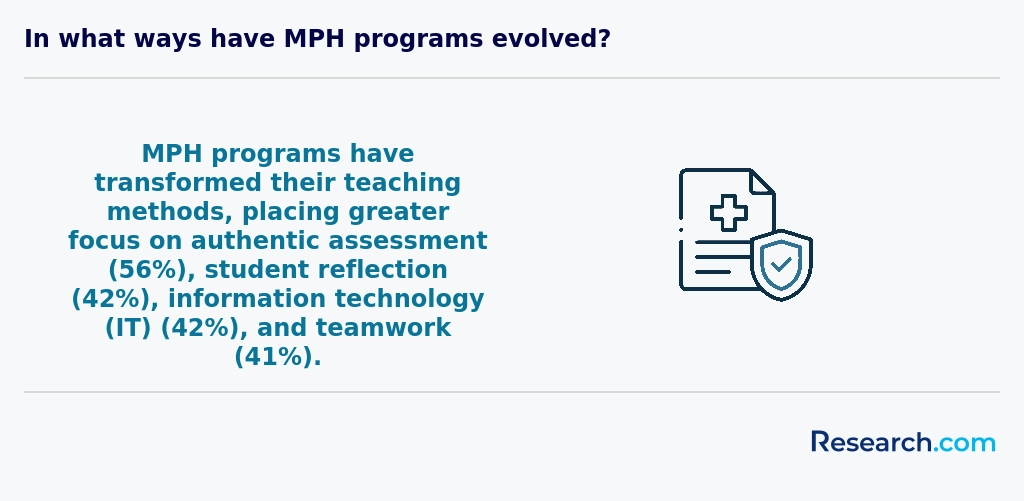
Health informatics combines the power of data analytics, information systems, and public health principles to drive evidence-based decision-making. In Georgia, where electronic health records and state health information exchanges are rapidly evolving, public health professionals with informatics expertise are in high demand to design surveillance systems, analyze population health trends, and optimize resource allocation. By integrating health informatics into your public health skill set, you can lead initiatives such as real-time disease outbreak monitoring, predictive modeling for chronic disease prevention, and the development of mobile health (mHealth) applications. These competencies not only enhance program effectiveness but also strengthen community engagement through personalized health interventions. Emerging roles at this intersection include Health Informatics Specialist, Clinical Data Analyst, and Public Health Systems Architect. Graduates looking to combine public health principles with cutting-edge data management may explore the best careers to pursue with an health informatics masters degree to understand potential pathways, certifications, and salary benchmarks.
Financial aid for public health students in Georgia goes beyond the usual assumptions of just loans and scholarships. Graduates from universities like Georgia State University often share how federal Pell Grants eased their undergraduate years by covering essential costs up to $7,395, transforming financial anxiety into academic focus. Meanwhile, the HOPE Scholarship and HOPE Grant, tailored for Georgia residents, highlight the state's commitment to supporting those pursuing applied public health fields, especially at public colleges.
Graduate students recount the relief of securing teaching or research assistantships offering not just tuition waivers but stipends that make advanced study feel achievable rather than overwhelming. These opportunities, common at the University of Georgia, illustrate how institutional aid can genuinely empower students to thrive.
The U.S. Department of Health and Human Services' Public Health Student Loan Repayment Program and various organizational scholarships reflect a deeper ecosystem of aid that working professionals and nontraditional students tap into, proving that financial support in Georgia's public health education adapts to diverse, real-life challenges and ambitions.
- The Georgia Public Health Association offers scholarships specifically for public health students.
- Institutional grants and emergency funds are administered by university financial aid offices to address unforeseen student needs.
Enrolling in a public health degree in Georgia demands more than just paperwork-it calls for genuine preparedness. Undergraduates know that simply holding a high school diploma is not enough; universities like the University of Georgia expect a solid GPA near 3.0 and foundational science courses, preparing students for the daily challenges of understanding community health issues.
Graduate hopefuls often wrestle with the reality that a bachelor's degree and relevant coursework matter deeply. Many discovered that at Georgia State University, practical experience in health settings and compelling recommendations fuel their acceptance more than standardized tests do. These elements reveal a commitment that resonates with the hands-on nature of public health, proving passion can sometimes outweigh perfect grades.
For international students, mastering English adds another layer of challenge, yet those who persist find a rewarding sense of belonging when their skills and stories come alive in classrooms. The pathway is rigorous but accessible, grounded in a blend of academic strength and heartfelt dedication to improving Georgia's communities.

Pursuing certifications and ongoing professional development can significantly enhance your public health career prospects in Georgia. Many graduates choose to obtain the Certified Health Education Specialist (CHES) credential or its master’s-level counterpart, the Master Certified Health Education Specialist (MCHES), offered by the National Commission for Health Education Credentialing. These certifications demonstrate mastery of core competencies in health education and are recognized by employers across government agencies, nonprofits, and healthcare organizations. Key continuing education and certification options include:
- Certified in Public Health (CPH): Administered by the National Board of Public Health Examiners, the CPH exam covers biostatistics, epidemiology, and health policy. Achieving this credential often leads to leadership roles and higher salaries.
- Specialty Certificates: Universities like the University of Georgia offer short-term certificates in Global Health, Environmental Health, and Program Planning, allowing you to deepen expertise in niche areas.
- Continuing Education Units (CEUs): Professional associations such as the American Public Health Association (APHA) and the Society for Public Health Education (SOPHE) host workshops, webinars, and annual conferences that award CEUs, helping you stay current with evolving best practices. To maximize affordability, consider exploring cost-effective online master’s pathways. For instance, the Low Cost Online Master's in Public Health Degree Programs Ranking in Maryland highlights programs that offer robust curricula and certification preparation at a lower tuition rate. By strategically combining certifications, CEUs, and targeted graduate coursework, you’ll position yourself as a highly qualified professional ready to tackle Georgia’s most pressing public health challenges.
Public health degrees in Georgia challenge students to engage deeply with courses that go beyond textbook theory. Core subjects like Epidemiology and Biostatistics equip learners at institutions such as the University of Georgia or Georgia State University with the skills to analyze health trends critically-skills that graduates often describe as empowering when applied during internships with the Georgia Department of Public Health.
Environmental Health and Health Policy and Management courses immerse students in the real-world complexities of safeguarding community well-being amid evolving challenges. Graduates recall fieldwork where they observed firsthand how policy decisions influence rural and urban health outcomes differently, cultivating both empathy and strategic thinking.
Social and Behavioral Sciences prompt reflection on cultural and behavioral factors shaping health in diverse Georgia populations, enabling students to connect passionately with their communities. Electives like Maternal and Child Health or Infectious Disease Control allow future public health professionals to tailor their expertise, reinforcing their sense of purpose by addressing urgent state-specific needs.
This curriculum, blending rigorous academics with practical experiences, fosters a confident, adaptable mindset essential for those eager to make tangible impacts on Georgia's public health landscape.
Graduates from public health degree specializations in Georgia often reflect on how their chosen paths prepared them for the state's intricate health landscape. Epidemiology is a prime example; students at institutions like the University of Georgia dive into real-world outbreak investigations, understanding disease patterns that directly impact their communities. Health Policy and Management graduates, especially from Emory University, describe how they confidently navigate complex healthcare systems, driving improvements in service delivery across Georgia's urban and rural hospitals.
Environmental Health specialists recount hands-on experiences in both cities and agricultural regions, addressing air and water quality issues that affect vulnerable populations. Community Health Promotion students, often from Georgia State University, share how their coursework empowers them to design impactful programs, directly responding to the needs of underserved groups. These stories highlight how Georgia public health graduate programs options offer vital, practical immersion.
For those intrigued by interdisciplinary approaches, seeing how a public health education intertwines with best careers to pursue with an health informatics masters degree can open new professional doors, especially in data-driven health initiatives.
Choosing the best public health degree in Georgia goes beyond just selecting the cheapest or closest program. Graduates often share how finding a program with strong CEPH accreditation changed the trajectory of their careers, providing the credibility needed to advance in leadership roles within state health departments. Reflect on whether a bachelor's lays your foundation or if you need the comprehensive training of an MPH, a decision many at Georgia's major research universities face as they weigh their next steps.
Consider the unique offerings that shape your passion-epidemiology in Atlanta's urban environment or global health through internships connected to local agencies. This hands-on exposure makes learning tangible and often sparks enthusiasm and confidence among students entering Georgia's public health workforce. Practical experience, combined with affordable tuition options found in public universities, especially for in-state students, can make a huge difference in your commitment to staying in Georgia after graduation. For those seeking options, a Low Cost Online Master's in Public Health Degree Programs Ranking in Maryland also offers a useful reference point outside the state when affordability is a concern.
Tracking alumni success through graduation rates and employment stats provides an unvarnished look at what your investment yields. Don't just chase the reputation of top colleges; think deeply about where practical learning, program support, and affordability converge to empower your future. Navigating the best public health programs in Georgia means embracing these complexities with a discerning eye.

Many envision public health careers as limited to research or clinical roles, yet graduates in Georgia discover a vast range of opportunities seldom highlighted. Epidemiologists, for example, are in demand-Georgia anticipates a 17% growth in this field by 2030, a fact that transforms theoretical concerns into tangible career prospects. Graduates from institutions like Emory University experience firsthand how their work on infectious disease patterns can directly influence public health policies statewide, making their roles both dynamic and impactful.
Others find themselves shaping communities through roles as health educators or community health workers, designing outreach programs that resonate on a personal level. Georgia's public health career opportunities in Georgia extend beyond frontline work; policy analysis and administration also attract graduates. State agencies and nonprofits offer avenues to craft meaningful strategies that address systemic health disparities-an aspect graduates from Georgia State University often cite as rewarding.
Environmental and occupational health careers introduce yet another dimension, ensuring workplace safety and regulatory compliance. These paths reflect the breadth of job prospects for public health graduates Georgia can offer. For those balancing work and study, exploring an accelerated associate's degree online program presents a pragmatic choice, blending flexibility with relevance to Georgia's evolving public health landscape.
The job market for public health degree graduates in Georgia is surprisingly dynamic and rooted in real community impact. Graduates from well-regarded institutions like Emory University and the University of Georgia often find themselves in roles within government agencies or nonprofit organizations where their work directly improves the health of Georgia's diverse populations. This demand is far from static; it reflects a broader shift toward preventive care and wellness, underscored by the presence of the CDC in Atlanta, which infuses the local job market with unique opportunities.
Employment outlook for public health graduates in Georgia reveals steady growth, especially in urban centers such as Atlanta and Savannah, where expanding health infrastructure calls for skilled professionals. Those entering this field experience a genuine sense of purpose, helping rural counties tackle chronic disease prevention or leading health education campaigns. Many graduates praise their choice as both fulfilling and practical, considering tuition at Georgia's public universities remains affordable compared to national standards, and the career path offers meaningful work.
For students debating options, even those pursuing the easiest associate's degree to enter the health sector find that public health in Georgia balances accessibility with promising job opportunities, driven by a broad spectrum of employers eager for qualified talent.
2027 Most Popular Public Health Degree Programs Ranking in Georgia
Investing in your education is a significant decision that can shape your future, and the Research.com team understands the importance of making informed choices. To assist prospective students in Georgia, we have meticulously crafted the "2027 Most Popular Public Health Degree Programs Ranking in Georgia." Our commitment to quality, credibility, and accuracy is reflected in the extensive research and analysis conducted to compile this ranking.
We utilized the following reputable data sources to ensure a comprehensive evaluation of public health programs:
By exploring this ranking, readers will gain valuable insights into the most popular public health degree programs offered in Georgia, empowering them to make informed decisions about their education and career paths. For more details on how this ranking was created, please visit our Research.com methodology page.


Frequently Asked Questions About public health
Public health degree students in Georgia can maximize their learning by engaging in hands-on experiences such as internships with local health departments or organizations like the Georgia Department of Public Health. These opportunities offer practical exposure to ongoing public health challenges in the state.
Participating in research projects at universities such as the University of Georgia or Emory University helps deepen understanding of issues like chronic disease prevention or infectious disease control, areas highly relevant to Georgia's population.
Networking through state public health events and professional associations, including the Georgia Public Health Association, also connects students with industry experts and potential mentors.
The public health field in Georgia is expanding into several emerging niches that reflect current health challenges and technological advances. One rapidly growing area is epidemiology, especially with a focus on infectious disease control following the COVID-19 pandemic. Georgia's Department of Public Health has increased efforts in this domain, highlighting demand for trained professionals.
Another niche is health informatics, which combines data science and public health to improve healthcare delivery. Georgia hosts centers like the Georgia Health Policy Center that emphasize this integration.
Environmental health is also gaining traction due to concerns over urban pollution in cities like Atlanta. Additionally, roles in policy development and health equity are expanding to address disparities in underserved communities across the state.
Graduates with a public health degree in Georgia can enhance their job prospects by gaining practical experience through internships offered by state agencies or local health departments. The Georgia Department of Public Health frequently partners with universities to provide opportunities that build relevant skills. Pursuing certifications such as Certified Health Education Specialist (CHES) can further demonstrate expertise to employers.
Networking through professional organizations like the Georgia Public Health Association helps connect with industry leaders and learn about job openings. According to the U.S. Bureau of Labor Statistics, Georgia expects a 6% growth in public health jobs through 2030, emphasizing the importance of staying informed about emerging health trends.
Employers in Georgia highly value public health degree graduates who demonstrate strong analytical skills. The ability to interpret and apply data in addressing community health problems is essential. According to the Georgia Department of Public Health, data-driven decision-making improves intervention strategies across the state.
Communication skills are equally important. Graduates must clearly convey health information to diverse populations and collaborate effectively with healthcare teams and policymakers.
Knowledge of local health policies and program planning is crucial. Employers look for candidates familiar with Georgia's specific public health challenges, such as managing chronic diseases and rural health disparities.
Technical proficiency in software like SAS or SPSS also enhances employability.
Finding internships in Georgia relevant to a public health degree involves leveraging multiple local resources. Many public health students explore opportunities through Georgia's universities, such as the University of Georgia and Emory University, which offer strong internship programs connected to state health departments and nonprofits.
State government agencies like the Georgia Department of Public Health frequently provide internships focused on epidemiology, health promotion, and emergency preparedness. These positions give hands-on experience in addressing public health challenges within Georgia's diverse communities.
Additionally, professional organizations such as the Georgia Public Health Association offer networking events where students can discover internship openings and connect with experts. Using job boards like Handshake or statewide internship platforms can also highlight openings specific to public health.
According to the Georgia Chamber of Commerce, public health employment is projected to grow by 12% through 2030, underlining the increasing availability of valuable internships to build your career.
A public health degree in Georgia significantly enhances career mobility and advancement by equipping graduates with in-demand skills aligned with state health priorities. According to the Georgia Department of Public Health, the region faces ongoing challenges in infectious disease management, chronic illness prevention, and health equity initiatives. Graduates with degrees such as a Bachelor or Master of Public Health (MPH) are well-positioned for roles across government agencies, non-profits, and healthcare organizations.
Employment projections from the U.S. Bureau of Labor Statistics indicate a projected growth of over 15% in public health-related jobs in Georgia between 2020 and 2030. This growth supports advancement opportunities, especially for those with research, data analysis, and health policy expertise gained through their degrees.
Additionally, Georgia's public health sector often prefers candidates with accredited degrees from institutions recognized by the Council on Education for Public Health (CEPH). Such credentials increase the likelihood of promotions, leadership roles, and higher salaries statewide.
Studying for a public health degree in Georgia equips students with skills to navigate multiple disciplines effectively. Programs often combine courses in epidemiology, healthcare policy, social sciences, and environmental health, reflecting the complexity of modern public health challenges. This interdisciplinary approach prepares graduates to work with diverse teams, including medical professionals, community organizers, and government agencies.
Georgia's public health programs emphasize real-world experiences, such as internships and community projects, often in collaboration with institutions like the Georgia Department of Public Health. These opportunities enhance practical understanding across sectors.
According to the Association of Schools and Programs of Public Health, Georgia's MPH graduates are increasingly employed in roles requiring cross-sector collaboration, demonstrating the state's focus on interdisciplinary training.
Choosing between a thesis and a non-thesis public health degree program in Georgia depends largely on your career goals and learning preferences. Thesis programs require conducting original research, suitable for students aiming for doctoral study or research roles. Non-thesis options focus more on practical skills and coursework, ideal for those seeking immediate employment in public health agencies or community organizations.
Georgia offers both types of programs at institutions such as the University of Georgia and Emory University. According to the Association of Schools and Programs of Public Health, about 40% of Georgia's public health graduates pursue research careers, highlighting the importance of thesis experience for these students.
Costs and program length also differ; thesis tracks may take longer, impacting time and tuition expenses. Consider your personal schedule and financial situation when deciding.
Students in Georgia interested in studying public health abroad have several pathways to consider. Many universities in Georgia, including the University of Georgia and Georgia State University, offer study abroad programs specifically tailored for public health students. These programs allow students to gain global health experience while earning credits that count toward their degrees.
Some programs partner with institutions in countries like Ireland, Spain, and China, providing opportunities to study global health challenges firsthand. These options are particularly valuable, given Georgia's growing focus on global health initiatives backed by the Rollins School of Public Health at Emory University.
Additionally, students can apply for internships and fellowships sponsored by organizations like the CDC, headquartered in Atlanta, which offers international public health projects. This practical experience complements academic study and enhances career prospects.
Students pursuing public health degrees in Georgia have various part-time job opportunities that can enrich their education and professional skills. Positions like community health worker assistants or outreach coordinators offer practical experience by engaging directly with populations affected by health disparities. According to the Georgia Department of Public Health, jobs in these roles support disease prevention and health promotion efforts, vital components of public health practice.
Additionally, part-time roles in data entry or health information management provide exposure to essential public health data systems, crucial for epidemiology and research.
Local hospitals and nonprofit organizations in Georgia commonly offer internships and part-time positions that help students build networks while applying theoretical knowledge in real-world settings.
Public health students in Georgia benefit from various networking opportunities that help build professional connections essential for career growth. Universities often host events, workshops, and seminars featuring public health leaders from organizations such as the Georgia Department of Public Health. These gatherings allow students to engage directly with experts and alumni working in areas like epidemiology, health policy, and community health.
Georgia also supports several student chapters of national organizations like the American Public Health Association. Participation in these groups provides access to conferences, mentoring programs, and local public health initiatives.
Additionally, internships and collaborative projects within Atlanta's extensive healthcare and research institutions offer crucial exposure and networking possibilities, helping students establish relationships with employers and practitioners.
Alumni networks play a vital role for public health degree students in Georgia by offering access to a broad community of professionals. These connections enhance career development through mentorship, job referrals, and collaborative opportunities.
Georgia's public health alumni often work in key state agencies like the Georgia Department of Public Health, which supports thousands of jobs statewide. Being part of an active alumni network increases the chances of learning about internships and entry-level positions in such organizations.
Moreover, alumni frequently participate in networking events and workshops, helping current students stay updated on public health trends and policies. According to Georgia universities, over 70% of their public health graduates report securing employment through alumni contacts.
In Georgia, public health degree programs offer flexible options to tailor your education according to specific career goals. Many universities provide concentrations such as epidemiology, health policy, environmental health, or community health. Selecting a concentration allows you to focus on areas with growing demand in Georgia's healthcare workforce.
Additionally, students can often choose elective courses, internships, or research projects aligned with local public health challenges. For instance, with Georgia facing issues like chronic diseases and infectious outbreaks, programs may include opportunities to work with the Georgia Department of Public Health.
Graduate certificates and dual degrees are also available, providing pathways into administration or specialized roles.
Public health students in Georgia often encounter unique challenges during their studies. One prominent issue is access to sufficient practical experiences, as many programs require internships or fieldwork in diverse community settings. Securing these placements in rural or underserved areas can be difficult, affecting skill development.
Financial concerns also impact students, with Georgia's average graduate tuition for public health programs ranging from $10,000 to $25,000 annually, according to the National Center for Education Statistics. Balancing work and study adds pressure on many learners.
Additionally, the evolving nature of public health, including responses to COVID-19, demands students stay current with rapidly changing policies and technologies, which can be overwhelming.
With a public health degree in Georgia, you can pursue several professional certifications that enhance career opportunities. The most recognized certification is the Certified in Public Health (CPH) credential, offered by the National Board of Public Health Examiners. It validates your knowledge and skills in core public health areas.
Other certifications include Certified Health Education Specialist (CHES) for those focused on health promotion and education, and Registered Environmental Health Specialist (REHS), relevant for roles in environmental health departments in Georgia.
These certifications often require a bachelor's or master's degree and passing a specialized exam. Holding them can improve job prospects across state agencies, hospitals, and nonprofits in Georgia's growing public health sector.
To write a winning application for a public health program in Georgia, start by researching programs that align with your career goals. Many Georgia schools, such as the University of Georgia and Georgia State University, offer accredited programs recognized by the Council on Education for Public Health (CEPH).
Highlight your academic achievements, relevant work experience, and commitment to community health. According to the Georgia Department of Public Health, effective applications often demonstrate understanding of local health challenges like chronic disease and access disparities. Include specific examples showing your initiative and leadership.
Strong letters of recommendation from academic or professional mentors boost credibility. Also, ensure your personal statement clearly explains why you want to study public health in Georgia, mentioning any regional public health interests.
Finally, prepare for standardized requirements such as GRE scores if needed, and carefully proofread your application to avoid errors. Applying early improves your chances due to competitive demand, as public health jobs in Georgia are projected to grow 13% through 2030 (Bureau of Labor Statistics).
Public health careers in Georgia reflect broader global trends emphasizing the importance of disease prevention, health promotion, and addressing health inequities. According to the U.S. Bureau of Labor Statistics, employment for health educators and community health workers is projected to grow 17% from 2022 to 2032, faster than the average for all occupations, highlighting increasing demand nationwide, including Georgia.
Globally, public health professionals work on issues such as infectious disease control, environmental health, and health policy. Georgia's public health programs often integrate global health perspectives, preparing students to respond to challenges like pandemics and chronic disease management through international collaboration.
The Georgia Department of Public Health emphasizes workforce development to improve health outcomes statewide, aligning with global efforts to strengthen public health infrastructure. This makes public health a dynamic and impactful career choice for students seeking roles at local and global levels.
Gaining practical experience while studying for a public health degree in Georgia is vital for career readiness. Many universities in the state offer internship opportunities and cooperative education programs with local health departments, hospitals, and community organizations. These partnerships allow students to apply classroom knowledge to real-world challenges.
The Georgia Department of Public Health frequently collaborates with academic institutions, providing placements in areas like epidemiology and health promotion. According to the Georgia Board of Public Health, these internships often enhance job prospects upon graduation.
Additionally, students can engage in research projects or volunteer with nonprofit health agencies, which helps build valuable skills. Participating in workshops and seminars hosted by Georgia public health associations also supports professional growth.
Choosing the right concentration within a public health degree program in Georgia begins with understanding your career goals and interests. Common concentrations include epidemiology, health policy, environmental health, and community health education. Each area addresses different public health challenges faced by Georgia's diverse populations.
Researching Georgia-specific health data, such as CDC reports on chronic diseases and infectious outbreaks, can help pinpoint areas in urgent need of expertise. For example, Georgia has a high prevalence of diabetes and heart disease, which makes epidemiology and health promotion strong concentration choices.
Additionally, consider the faculty expertise and available internships at Georgia universities to gain practical experience.
- 2027 Most Popular Public Health Degree Programs Ranking in South Carolina
- 2027 Most Popular Public Health Degree Programs Ranking in Florida
- 2027 Most Popular Public Health Degree Programs Ranking in Alabama
- 2027 Most Popular Public Health Degree Programs Ranking in Mississippi
- 2027 Most Popular Public Health Degree Programs Ranking in Kentucky
- 2027 Most Popular Public Health Degree Programs Ranking in Louisiana
- 2027 Most Popular Public Health Degree Programs Ranking in Arkansas
- 2027 Most Popular Public Health Degree Programs Ranking in Missouri
- 2027 Most Popular Public Health Degree Programs Ranking in Indiana
- 2027 Most Popular Public Health Degree Programs Ranking in Ohio
- Why Public Health is the Ideal Career Path for Gen Z - Reach Out https://we-reachout.org/why-public-health-is-the-ideal-career-path-for-gen-z/
- How to Be a Good Candidate for a Public Health Job https://www.publichealthdegrees.org/careers/highest-paid-public-health-jobs/good-candidate/
- Public Health: A Global Perspective https://www.routledge.com/Public-Health-A-Global-Perspective/Singh/p/book/9781032644226
- Steps to take when applying for a graduate program | PH SPOT https://phspot.org/how-i-think-i-got-into-grad-school/
- Public Health Jobs | Public Health Jobs in the UK | Publichealthjobs.co.uk https://publichealthjobs.co.uk/
- Master of Science (M.S.) Major in Public Health Education and Promotion (Non-thesis Option) https://mycatalog.txstate.edu/graduate/education/health-human-performance/public-healthed-promo-nonthesis-ms/
- Letter of Intent for Admissions to Masters of Public Health - how this program fits to my goals? https://essayforum.com/graduate/intent-admissions-masters-public-health-64817/
- Medical University of GdaÅsk https://publichealth.mug.edu.pl/
- Public Health/Global perspective - Wikiversity https://en.wikiversity.org/wiki/Public_Health/Global_perspective
- Public Health Overview https://explorehealthcareers.org/careers/public-health/











