2027 Most Popular Public Health Degree Programs Ranking in Alabama

Co-Founder and Chief Data Scientist
Choosing the right public health degree program in Alabama can feel overwhelming. To help, the Research.com team of data scientists has created the 2027 Most Popular Public Health Degree Programs Ranking in Alabama.
This article guides you through the top programs, making it easier to find one that fits your goals and interests.
With a public health degree, you open the door to meaningful careers that impact communities and improve lives. Exploring this ranking can empower your decision and bring you closer to a fulfilling future.
Key benefits of getting public health degree in Alabama
- Graduates with a public health degree in Alabama can earn competitive salaries, such as $86,710 for Environmental Health Specialists and $52,610 for Community Health Workers, offering strong financial rewards.
- Career paths include roles in health education, safety, and community health, like a University of Alabama graduate who quickly advanced in occupational health and safety fields.
- Online public health degrees from institutions like Auburn University allow flexible study schedules, making it easier for students to balance work and personal life while gaining valuable skills.
- 2027 Most Popular Public Health Degree Programs Ranking in Alabama
- What can I expect from public health degree in Alabama?
- Where can I work with public health degree in Alabama?
What can I expect from public health degree in Alabama?
The average cost of pursuing a public health degree in Alabama is generally lower than the national average, making it a practical choice for many local students. For example, graduates from the University of Alabama at Birmingham (UAB) and Auburn University often report manageable tuition fees that allow them to focus more on their studies and practical training rather than financial stress. Many students find that this affordability balances well with the program length, as a typical Master of Public Health (MPH) takes about two years full-time, with part-time options providing added flexibility.
Graduates frequently describe the value they receive for their investment through hands-on learning opportunities, such as internships at local health departments or community organizations. This real-world experience often enhances their enthusiasm and confidence, contributing positively to their career readiness. However, it is worth noting that costs can vary depending on whether a student attends a public or private institution, or chooses to study full-time versus part-time.
Ultimately, Alabama's public health programs offer an appealing balance of quality education, practical exposure, and affordability that resonates with students seeking impactful careers in public health within the state.
Where can I work with public health degree in Alabama?
Graduates with a public health degree in Alabama often find employment in a variety of settings that reflect the state's unique health challenges and priorities. Many work at the Alabama Department of Public Health, where they engage in roles such as epidemiology or emergency preparedness, helping to manage outbreaks or promote vaccination programs. This hands-on involvement is frequently described by graduates from the University of Alabama at Birmingham, who appreciate the real-world impact of their efforts.
Others start their careers in local health departments scattered throughout Alabama's 67 counties. Here, public health workers tackle issues ranging from opioid misuse to chronic disease, bringing community-specific knowledge into practice. Graduates from Auburn University often highlight the satisfaction of addressing such local challenges directly.
Hospitals and healthcare providers in cities like Birmingham and Mobile also employ public health professionals to improve patient outcomes and ensure compliance with regulations. Students from Alabama State University note that these roles often blend clinical understanding with public health strategies, expanding their skill set.
Nonprofit and private sectors offer additional pathways, with many graduates working in organizations focused on substance abuse prevention or corporate wellness programs. Such positions allow them to combine passion with advocacy, especially when serving underserved populations statewide.
Graduates from public health programs in Alabama, such as those at the University of Alabama at Birmingham or Auburn University, can anticipate varied earnings depending on their chosen career paths. For example, community health workers typically earn around $52,610 annually, offering a reliable starting salary for those entering the field directly after obtaining a bachelor's degree.
Health educators, who often require more specialized training or experience, report a higher mean annual salary near $69,790. Many graduates find this role fulfilling as it allows them to design impactful programs within local communities.
Other graduates who pursue roles as environmental health specialists or occupational health and safety specialists can expect even greater compensation, with average annual wages of approximately $86,710 and $85,570 respectively. These positions usually demand advanced knowledge and sometimes graduate education, but they also tend to offer more stability and leadership opportunities in Alabama's growing healthcare sector.
It's important to consider that these salaries can fluctuate based on whether one works in urban centers like Birmingham or more rural areas. Graduate experiences often highlight how employers in metropolitan regions may provide higher pay alongside diverse career advancement prospects, enhancing job satisfaction and financial security.
- Alabama offers both undergraduate and graduate public health programs accredited by CEPH, including Bachelor of Science and Master of Public Health degrees.
- In-state tuition at public institutions typically ranges from $9,000 to $12,000 per year, while private schools charge between $20,000 and $30,000 annually.
- Starting salaries for public health graduates in Alabama usually range from $45,000 to $55,000 per year, with experienced professionals earning $65,000 to $85,000 annually.
- The job market is growing at about 10% over the next decade, which is slightly above the national average in public health-related fields.
- Common employers include state and local health departments, hospitals, nonprofits, and federal agencies within the state.
The time it takes to complete a public health degree in Alabama depends largely on the level of study chosen. Associate degrees generally require about two years of full-time study at community colleges, providing a quicker pathway for students eager to enter the workforce or pursue further education. Graduates of these programs often appreciate the practical foundation it gives them.
Bachelor's degrees, such as the Bachelor of Science in Public Health offered by the University of Alabama at Birmingham (UAB), typically take four years of full-time study. Students often find this timeframe aligns well with their goals, balancing rigorous coursework with opportunities for internships or part-time work. Some who opted for part-time or accelerated options reflect positively on the flexibility these paths offer.
Master's degrees like the MPH usually take about two years full time, though options extending beyond three years are common for those balancing work and study. Many Alabama students benefit from programs that incorporate practicum experiences, deepening their connection to the field.
Doctoral degrees range from four to six years and are pursued by a smaller group, often at larger universities. These programs demand significant commitment, but graduates frequently express a strong sense of achievement and readiness for leadership roles.
Pursuing professional certifications and licensure can significantly boost your credibility and career prospects in public health. In Alabama, the most recognized credential for health education professionals is the Certified Health Education Specialist (CHES) exam, administered by the National Commission for Health Education Credentialing (NCHEC). To qualify, candidates must hold a bachelor’s degree in public health or a related field and complete coursework aligned with NCHEC-approved competencies. Upon passing the CHES exam, professionals can advance to the Master Certified Health Education Specialist (MCHES) designation by demonstrating advanced experience and passing the MCHES examination. Additionally, the Certified in Public Health (CPH) credential, offered by the National Board of Public Health Examiners (NBPHE), is available to those with a graduate degree in public health and at least 25 hours of public health–related continuing education. Maintaining these certifications requires periodic continuing education units (CEUs), which can be earned through workshops, conferences, or accredited online courses. Beyond certification, certain public health roles in healthcare facilities may require state licensure or specialized training. For example, administrative positions like a health unit coordinator often demand both clinical knowledge and strong organizational skills; those exploring this pathway can refer to our guide on how to become a health unit coordinator for detailed steps. Moreover, Alabama’s Department of Public Health offers various training programs in emergency preparedness, environmental health, and epidemiology investigations-valuable for professionals seeking licensure in specialized areas. By obtaining and maintaining these credentials, public health graduates not only meet employer requirements but also demonstrate a commitment to lifelong learning and excellence in community health practice.
Online and on-campus public health degrees in Alabama offer distinct experiences that cater to different student needs. Graduates from the University of Alabama at Birmingham appreciate the on-campus format for its hands-on involvement in local health projects and direct access to laboratories and research centers, which enrich learning through face-to-face collaboration. This immersive setting often inspires a deep sense of community and motivation.
Conversely, those who chose Auburn University's online program highlight the flexibility to balance work and family while pursuing their degree. These students value the ability to access lectures and assignments anytime, though some mention missing the spontaneous interactions typical of campus life. Online learning demands strong self-discipline but allows students from varied locations to participate without relocating.
Cost-wise, both formats in Alabama hover around similar tuition levels, though online programs sometimes offer modest savings. While on-campus degrees cultivate immediate networking opportunities and resource access, online programs leverage digital platforms to connect students in creative ways.
When evaluating public health degree options, it’s important to understand how Alabama’s offerings stack up against those in other regions in terms of curriculum breadth, cost, and graduate outcomes. While Alabama boasts strong programs like the University of Alabama at Birmingham and Auburn University-with competitive tuition rates near $1,045 per credit hour and median salaries up to $83,820 for Environmental Health Specialists-other states may offer unique specializations or more affordable pathways. Prospective students should consider factors like in-state vs. out-of-state tuition differences, online delivery options, and support services that vary regionally. For those exploring alternatives beyond Alabama, the Northeast can present compelling opportunities. For instance, Maine’s public health programs often emphasize rural health initiatives and environmental health research, with lower average tuition and robust community partnerships. To compare affordability and program prestige, review the Affordable Public Health Degree Programs Ranking in Maine, which highlights top schools that deliver quality education at a reduced cost. By juxtaposing these rankings, students can make informed decisions tailored to their career goals and financial circumstances.
The average cost of a public health degree in Alabama generally reflects a balance between affordability and quality education. Median total costs for these programs hover around $44,451, with in-state students benefiting from a significantly lower median cost of approximately $10,639. Graduates from institutions like the University of Alabama at Birmingham often recall their affordable tuition as a decisive factor in pursuing their public health careers, especially when combined with scholarships or employer tuition assistance.
While public universities offer more accessible tuition rates for residents, those attending as out-of-state students or enrolling in private colleges may face much higher costs. The financial commitment can reach upwards of $30,000 annually, which aligns with typical out-of-state and private institution charges. Students must consider additional expenses as well; fees, books, and supplies can add several thousand dollars each year, making it important to look at the comprehensive cost picture rather than tuition alone.
Understanding the cost of public health programs Alabama 2027 involves also thinking about hidden expenses like fieldwork travel required in many programs. Graduates often share positive experiences about how practical placements enhanced their education, despite these added costs. Prospective students seeking a clearer picture of affordability might explore the most affordable public health programs in Alabama, which help balance quality and cost effectively for many learners.

Students pursuing public health degrees in Alabama often rely on a variety of financial aid options to manage costs. Graduates from the University of Alabama at Birmingham (UAB) frequently share how institutional scholarships, awarded based on merit or financial need, played a key role in reducing their tuition burden. Many also emphasize the importance of completing the Free Application for Federal Student Aid (FAFSA) early, as it opens doors to federally backed grants like the Pell Grant, which can provide up to $7,395 annually for eligible undergraduates.
Some public health students benefit from the Alabama Student Assistance Program, which offers need-based grants specifically for in-state residents. Others mention county-level grants or tuition reimbursement programs that require a commitment to work locally in public health roles, which can feel both motivating and reassuring for those dedicated to their communities.
Work-study jobs connected to Alabama universities often allow students to gain hands-on experience while earning income, blending professional growth with financial support. For part-time students balancing work and study, employer tuition reimbursement remains a valuable resource, particularly within the state's healthcare sector. This multifaceted aid landscape reflects the real challenges and opportunities faced by Alabama public health students today.
The public health landscape in Alabama is rapidly evolving, driven by technological advancements, increased governmental focus on community health, and a growing emphasis on preventative care. As future public health professionals prepare to enter the workforce, it is essential to understand the broader industry trends that will shape job opportunities and impact community outcomes. Recent developments include the integration of digital health tools, a surge in telehealth initiatives, and an increased demand for data-driven decision-making. These trends are not only transforming how services are delivered but also opening new frontiers in research and policy development. For example, public health programs are now incorporating innovative courses on health informatics and digital epidemiology, ensuring that graduates are well-equipped to respond to emerging challenges. Moreover, statewide efforts to enhance healthcare accessibility and improve chronic disease management are leading to significant investments in local health systems. Staying abreast of these trends can provide students with competitive advantages in the job market and inspire them to develop solutions that address Alabama-specific health disparities. For a closer look at programs that balance quality education with affordability, explore our guide to most affordable public health programs in alabama. This resource highlights institutions that emphasize innovative learning while mitigating financial barriers, preparing graduates to excel in a dynamic public health arena. By understanding industry trends and future prospects, students can align their educational choices with long-term career goals, ensuring they contribute effectively to transforming public health in Alabama and beyond.
To enroll in a public health degree in Alabama, students generally need a high school diploma or its equivalent, but prerequisites grow more specific depending on the degree level. For example, graduates from universities like the University of Alabama often recall the importance of foundational coursework in biology, chemistry, and mathematics when applying for a bachelor's program. This academic base is crucial, as it prepares students for the complex health topics they will encounter.
At the master's level, such as those offered by the University of Alabama at Birmingham, applicants typically must hold a bachelor's degree. Many graduates emphasize how prior coursework in biology or statistics helped them adapt quickly to MPH curricula. Some programs highly value hands-on experience-internships or volunteer work in community health settings are often seen as proof of commitment and understanding of real-world challenges.
Though standardized tests like the GRE may not be required everywhere, CEPH-accredited programs in Alabama often recommend familiarity with epidemiology and biostatistics. Graduates often express relief when test-optional policies allowed them to demonstrate skill through practical experience instead of exams, highlighting the diverse pathways into public health education in the state.

Pursuing recognized credentials after your degree can showcase specialized skills and improve job prospects.
- Certified in Public Health (CPH): Validates mastery of core public health sciences through the National Board of Public Health Examiners.
- Certified Health Education Specialist (CHES): Demonstrates expertise in designing and evaluating health education programs.
- Certified in Infection Control (CIC): Focuses on prevention and management of healthcare-associated infections.
- Project Management Professional (PMP): Equips you to lead public health initiatives with structured planning and execution.
For hands-on clinical experience alongside your public health training, consider medical assistant certification to strengthen your candidacy for diverse health roles.
Students pursuing public health degrees in Alabama commonly encounter foundational courses that equip them with practical and theoretical knowledge relevant to local health challenges. For example, those studying at the University of Alabama's public health program often describe the Introduction to Public Health course as eye-opening, providing a clear overview of how public health systems operate nationally and within Alabama.
Graduates recall that Epidemiology courses help them understand disease patterns specific to the region, such as diabetes and cardiovascular issues that are prevalent in Alabama communities. Meanwhile, classes in Biostatistics allow students to interpret real data from state health reports, fostering confidence in using numbers to drive public health decisions.
Environmental Health and Health Policy are other core subjects. Students at institutions like Auburn University value Environmental Health for linking classroom learning with local issues like pollution in industrial areas. Health Policy courses emphasize familiarizing students with the particular laws and healthcare systems affecting Alabama's populations.
Many graduates highlight how Social and Behavioral Sciences courses resonate deeply by exploring human behavior's impact on health, reflecting their internships with community health programs across the state. This comprehensive curriculum blends theory and practice, preparing students empathetically and effectively for careers that address Alabama's distinct public health needs.
Public health degree specializations in Alabama commonly include epidemiology, health policy and management, environmental health, and community health promotion and education. Graduates from universities like the University of Alabama at Birmingham often share how the epidemiology track gave them practical skills to analyze disease trends, essential in a state facing chronic diseases and frequent infectious outbreaks. However, some students also emphasize how health policy and management prepares them to lead healthcare organizations serving rural and underserved populations, highlighting the diverse opportunities within Alabama's public health landscape.
Environmental health specialization resonates with those interested in tackling the impacts of industrial pollution and agricultural risks prevalent in Alabama, while community health promotion appeals to students passionate about combating the state's high obesity and diabetes rates. Such specializations allow students to align their studies with real community needs, making their education feel both relevant and rewarding. These examples illustrate some of the best public health concentration options Alabama has to offer, blending rigorous academics with meaningful local impact.
For students exploring their career paths, it's also worth considering roles connected to the broader healthcare field, such as how to become a health unit coordinator, which some public health graduates pursue to gain practical experience before advancing academically or professionally.
Choosing the best public health degree programs Alabama offers means balancing accreditation, curriculum quality, and practical experience. Graduates from the University of Alabama at Birmingham often recall how their CEPH-accredited degree opened doors by confirming their education met industry standards. However, not all programs boast this accreditation, which can affect licensure and job prospects. Students should explore programs that align with their interests-whether epidemiology or community health education-to cultivate skills tailored to Alabama's unique health challenges.
Cost considerations matter too. Alabama's public health colleges are known for affordable in-state tuition, making higher education less daunting financially compared to many states. Yet, graduates advise weighing tuition against available financial aid and assistantships carefully. Some found that internships with local health departments were the most rewarding component, offering real-world insights beyond the classroom.
For those focusing on affordability, reviewing resources like the Affordable Public Health Degree Programs Ranking in Maine can offer perspective on how costs vary nationwide while reinforcing why Alabama remains competitive.
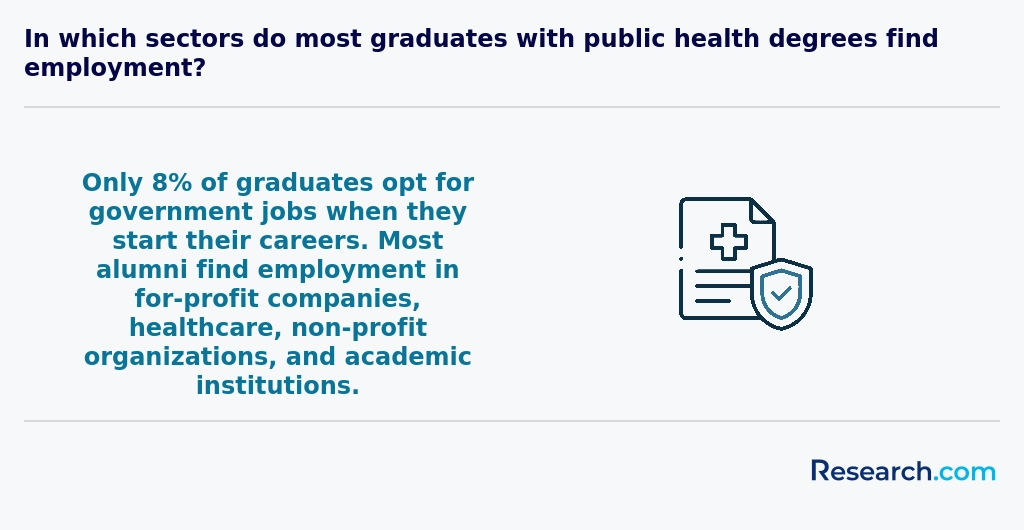
Graduates with a public health degree in Alabama find diverse career opportunities tailored to local needs. Many step into roles within state or local health departments, addressing public health challenges faced by communities throughout Alabama. For example, graduates from the University of Alabama at Birmingham often become epidemiologists or health educators, managing vaccination campaigns and outreach programs. This hands-on experience offers a sense of purpose as they directly impact population health.
Career opportunities for public health graduates Alabama also include community health positions focused on at-risk populations. Working as community health workers or program coordinators in both rural and urban settings allows graduates to tackle chronic disease prevention - a pressing issue statewide. Such roles demand strong communication and leadership skills cultivated during studies.
Some graduates pursue healthcare administration, overseeing hospital operations and improving patient services. Salaries here typically range from $60,000 to $80,000, reflecting the importance of these roles. Others engage in research or academia at institutions like the University of Alabama, contributing knowledge that shapes public policy.
Environmental health specialists, occupational health professionals, and health policy analysts form additional career paths, each addressing Alabama's unique health landscape. Students considering efficient pathways should explore the fastest degree programs available to tailor their education for quicker entry into the workforce.
The public health career opportunities in Alabama reflect a dynamic environment shaped by state health initiatives and diverse community needs. Graduates from well-known public universities in Alabama often find themselves stepping into roles like epidemiology or health education within local health departments and hospitals, benefiting from strong partnerships between these institutions and public agencies. For example, recent graduates describe feeling confident entering the workforce due to these connections, which can help overcome typical job market challenges.
While Alabama's median salaries for public health roles, around $45,000 annually, may fall below the national average, the lower cost of living in the state often balances this difference, making it a practical choice financially. The Alabama job outlook for public health graduates remains optimistic, supported by steady demand tied to ongoing efforts to address health disparities and chronic diseases in both rural and urban areas. However, students should be mindful that competition exists and regional funding can fluctuate.
Education costs in Alabama are relatively affordable, with in-state tuition averaging about $10,000 per year at public universities, significantly reducing financial barriers. Many students benefit from this and pursue a public health degree through online programs for seniors or traditional routes, which helps expand their employment options after graduation.
2027 Most Popular Public Health Degree Programs Ranking in Alabama
Investing in your education is a significant decision that can shape your future, and the Research.com team understands the importance of making informed choices. To assist prospective students in Alabama, we have meticulously crafted the "2027 Most Popular Public Health Degree Programs Ranking in Alabama." Our commitment to quality, credibility, and accuracy is reflected in the extensive research and analysis conducted to compile this ranking.
We utilized the following reputable data sources to ensure a comprehensive evaluation of public health degree programs:
By exploring this ranking, readers will gain valuable insights into the most popular public health programs available in Alabama, helping them make informed decisions about their educational paths. For more details on our methodology, please visit our Research.com methodology page.


Frequently Asked Questions About public health
Public health degree students in Alabama can maximize their learning by engaging deeply with local health initiatives. Alabama faces significant public health challenges, including a higher prevalence of chronic diseases such as diabetes and cardiovascular conditions compared to the national average, as reported by the Alabama Department of Public Health. Students who participate in community-based projects or internships gain valuable, hands-on experience.
Additionally, partnering with organizations like the Alabama Public Health Association offers networking and professional development opportunities. Utilizing resources at universities accredited by the Council on Education for Public Health (CEPH) ensures exposure to up-to-date research and methodologies.
Finally, staying informed about state health policies and data enhances students' ability to apply their academic knowledge to real-world situations effectively.
Emerging niches within the public health field reflect evolving societal needs and technological advances. In Alabama, areas like epidemiology and health informatics are growing rapidly due to increased demand for data-driven disease tracking and health management.
Another expanding niche is environmental health, focusing on issues such as air and water quality, which are critical in Alabama's industrial and agricultural regions. Additionally, behavioral health and community wellness gain prominence as public health shifts towards prevention and mental health support.
Genomics and personalized medicine also represent innovative fields where Alabama's universities are beginning to contribute through research and applied programs.
Preparing for the job market after earning a public health degree in Alabama involves a mix of strategic planning and practical experience. Graduates should prioritize gaining hands-on experience through internships or volunteer work with local health departments, hospitals, or nonprofit organizations. According to the Alabama Department of Public Health, internships can significantly improve employment prospects by providing real-world skills.
Networking is critical. Joining professional associations like the Alabama Public Health Association can help graduates connect with employers and stay informed about job openings. Additionally, obtaining certifications such as Certified Health Education Specialist (CHES) can enhance credibility.
Strong communication and data analysis skills are in high demand in Alabama's public health sector, particularly as the state focuses on addressing chronic disease prevention and health disparities.
Employers in Alabama seek specific skills in public health degree graduates to address the state's unique health challenges. Strong analytical abilities are critical, enabling professionals to interpret data and design effective health interventions. Communication skills are also essential for educating communities and collaborating with healthcare teams.
Knowledge of epidemiology and biostatistics is highly valued, as Alabama faces persistent issues such as high rates of chronic diseases and health disparities, noted by the Alabama Department of Public Health. Additionally, graduates proficient in program planning and policy development are preferred to support statewide public health initiatives.
Leadership and cultural competence are important for engaging Alabama's diverse populations effectively, ensuring health equity across urban and rural areas.
Finding internships in Alabama relevant to a public health degree involves strategic research and networking. Start by exploring university career centers, which often list internships connected to public health organizations and state health departments. For example, the Alabama Department of Public Health offers internship opportunities that provide real-world experience in epidemiology and community health.
Additionally, consider organizations such as the Centers for Disease Control and Prevention's southern offices in Atlanta, which serve nearby Alabama communities and may offer regional internships. Professional associations like the Alabama Public Health Association also share internship listings.
Online platforms such as Handshake and USAJobs.gov often feature public health internships available in Alabama. Networking at local health events and volunteering can open doors to hidden internship opportunities as well.
A public health degree in Alabama significantly enhances career mobility and advancement opportunities within the state's growing healthcare sector. Alabama's public health workforce is projected to expand by nearly 16% from 2020 to 2030, according to the Alabama Department of Public Health. This growth creates demand for qualified professionals across diverse roles such as epidemiology, health education, and community health management.
Graduates with a public health degree benefit from eligibility for certifications such as Certified Health Education Specialist (CHES), which employers in Alabama increasingly value for leadership and specialized positions. Additionally, many public agencies and non-profits in the state favor candidates with formal education for promotions and salary increases.
Furthermore, Alabama's strong network of universities offers access to internships and partnerships with state health departments, facilitating practical experience that is crucial for career advancement. This combination of academic credentials and hands-on training sets graduates apart in the job market.
Studying for a public health degree in Alabama equips students with interdisciplinary skills critical for addressing complex health challenges. Programs often integrate coursework from epidemiology, environmental health, health policy, and social sciences. This multidisciplinary approach reflects the state's diverse health needs, including rural healthcare access and chronic disease prevention.
Alabama's institutions emphasize hands-on experience through community partnerships, allowing students to collaborate with healthcare providers, government agencies, and nonprofit organizations. According to the Alabama Department of Public Health, this experience is vital given the state's ranking with higher rates of diabetes and obesity compared to the national average.
Graduates learn to work effectively across sectors, preparing them for roles that require teamwork in government, healthcare, and social services. This preparation aligns with public health workforce competencies highlighted by the Council on Education for Public Health.
When choosing between a thesis and a non-thesis public health degree program in Alabama, consider your career goals. Thesis programs emphasize research, ideal for students aiming for doctoral studies or research roles. Non-thesis tracks focus on practical skills and coursework, suitable for those targeting public health practice or administrative jobs.
Alabama universities often offer both options, with thesis tracks requiring a substantial research project. According to the Association of Schools and Programs of Public Health, Alabama's public health workforce is growing, especially in applied areas like epidemiology and health education.
Cost, time commitment, and your interest in conducting independent research should guide your decision.
Students in Alabama seeking to study public health abroad have several pathways to consider. Many universities in Alabama, such as the University of Alabama at Birmingham (UAB), which is known for its strong public health programs, offer study abroad opportunities through partnerships with international institutions. These programs often include semester-long exchanges or summer internships focused on global health challenges.
Additionally, students can access federally funded initiatives like the Global Health Corps or apply for scholarships supporting international study in public health. The Association of Schools and Programs of Public Health (ASPPH) provides resources to identify accredited programs worldwide, ensuring quality education.
According to the Alabama Department of Public Health, international experience is highly valued in the state, enhancing career prospects in governmental and nonprofit sectors.
Students pursuing public health degrees in Alabama can benefit from several part-time job opportunities that align with their academic studies. Positions such as community health worker assistants, health educators, and data entry specialists in healthcare settings are commonly available. These roles offer practical experience in public health outreach, data management, and patient communication.
According to the Alabama Department of Public Health, the state has a growing need for professionals skilled in health promotion and disease prevention, which these roles support. Additionally, many public health programs recommend internships or assistantships in local health departments or nonprofit organizations to gain hands-on experience while studying.
Working part-time in these sectors can enhance a student's resume and provide valuable insights into Alabama's unique public health challenges, such as combating chronic diseases and addressing rural healthcare disparities.
Public health students in Alabama benefit from numerous networking opportunities that enhance their educational and professional growth. Universities such as the University of Alabama at Birmingham (UAB) offer connections to a wide network of healthcare professionals through partnerships with local hospitals and public health agencies. UAB's School of Public Health, for example, maintains strong ties with the Alabama Department of Public Health, facilitating internships and collaborative projects.
Additionally, student organizations and professional groups provide forums for networking. Associations like the Alabama Public Health Association host annual conferences and workshops that attract public health experts statewide, creating valuable contacts for students.
Students also have access to national networks via campus chapters of the American Public Health Association (APHA), enabling engagement beyond Alabama. These resources collectively help students build connections that support career advancement in public health across the region.
Alumni networks play a crucial role for public health degree students in Alabama by connecting them with experienced professionals across the state. These networks offer valuable mentorship opportunities, helping students navigate their career paths in a competitive job market. According to the Alabama Department of Public Health, the state faces ongoing challenges such as high rates of chronic diseases, making connections to local public health experts essential for practical learning and employment.
Through alumni events and online platforms, students gain access to internships, job openings, and collaborative projects. This support can significantly enhance professional development and community engagement.
Additionally, alumni often provide guidance on graduate programs, certifications, and continuing education, which are important for advancing in public health careers in Alabama.
In Alabama, students pursuing a public health degree can tailor their studies by selecting specializations aligned with their career goals. Many universities offer concentrations such as epidemiology, health policy, environmental health, and community health. Choosing electives and internships focused on local health issues, like Alabama's high rates of chronic diseases, can deepen practical knowledge.
Students may also engage with state agencies or non-profits for hands-on experience, critical for roles in public health administration or research. Accredited programs often provide flexible formats, including online and part-time options, to accommodate working professionals. According to the Alabama Department of Public Health, this customized approach helps meet the state's workforce needs effectively.
Public health students in Alabama often face significant challenges related to limited local resources. According to the Alabama Department of Public Health, rural areas make up a large portion of the state, which can restrict students' access to diverse practicum sites and community health projects. This geographic limitation sometimes slows hands-on learning opportunities.
Financial constraints are another issue. The average in-state tuition at Alabama public universities remains moderately high, and many students rely on scholarships or loans. Additionally, balancing work, family, and study commitments is common among Alabama students.
Finally, Alabama's public health workforce shortage, reported by the Health Resources & Services Administration, may increase competition for internships and jobs, posing further challenges to new graduates.
With a public health degree in Alabama, graduates can pursue several professional certifications to enhance their career prospects. One of the most recognized certifications is the Certified in Public Health (CPH) credential, offered by the National Board of Public Health Examiners. This certification validates mastery of public health knowledge and skills and is valued across Alabama's healthcare and government sectors.
Another option is becoming a Certified Health Education Specialist (CHES), which focuses on health education and promotion. Alabama's public health job market, projected to grow faster than the national average, often prefers candidates with these certifications. Additionally, certifications in epidemiology or healthcare quality improvement can be pursued, depending on one's specialization within public health.
Writing a winning application for a public health program in Alabama requires clear focus and preparation. Start by researching programs accredited by the Council on Education for Public Health (CEPH), such as those at the University of Alabama at Birmingham. Highlight your understanding of Alabama's public health challenges, including rural health disparities and infectious disease rates, which are higher than the national average according to the Alabama Department of Public Health.
Craft a strong personal statement that outlines your passion for improving community health and links your experiences to program goals. Include relevant volunteer work, internships, or employment demonstrating commitment. Be sure to articulate your academic readiness by emphasizing coursework in biology, statistics, and social sciences. Accurate and complete application materials paired with strong recommendations can improve your admission chances significantly.
Public health careers offer a global perspective by addressing health challenges that cross national borders. Professionals trained in public health learn to manage issues such as infectious diseases, chronic illnesses, and health disparities worldwide. In the US, including Alabama, the demand for public health workers with global knowledge is rising due to international travel and migration.
According to the Alabama Department of Public Health, statewide efforts reflect a growing need for expertise in global health trends affecting local communities. Public health degrees often include coursework on global health policies, epidemiology, and cultural competence to prepare students for diverse environments.
Nationally, the Bureau of Labor Statistics projects a 17% growth in public health jobs by 2030, many requiring skills applicable to global health contexts. This shows how public health careers combine local and global strategies to improve population health.
Gaining practical experience while studying for a public health degree in Alabama is essential for career readiness. Many Alabama universities, including the University of Alabama at Birmingham, offer internship opportunities through partnerships with local health departments and hospitals. These internships allow students to apply classroom knowledge in real-world settings.
Additionally, Alabama's public health students can participate in community-based projects focused on issues like chronic disease prevention and maternal health, which remain critical in the state according to the Alabama Department of Public Health. Volunteering with organizations such as the Alabama Rural Health Association also provides valuable hands-on experience.
Fieldwork and practicum courses are typically integrated into public health programs, ensuring students meet competency requirements and gain direct exposure to public health challenges in Alabama's diverse populations.
Choosing the right concentration within a public health degree program in Alabama depends on your career goals and the state's health needs. Alabama faces significant challenges such as high rates of chronic diseases, including diabetes and heart disease, which suggests a strong demand for expertise in epidemiology and community health.
Consider concentrations like health policy, environmental health, or biostatistics, depending on whether you prefer research, policy-making, or hands-on prevention work. According to the Alabama Department of Public Health, demand for skilled professionals in rural health and health education is growing.
Review program offerings at Alabama universities, noting which concentrations have strong local partnerships or internship opportunities to enhance practical experience.
- 2027 Most Popular Public Health Degree Programs Ranking in Mississippi
- 2027 Most Popular Public Health Degree Programs Ranking in Georgia
- 2027 Most Popular Public Health Degree Programs Ranking in Florida
- 2027 Most Popular Public Health Degree Programs Ranking in Louisiana
- 2027 Most Popular Public Health Degree Programs Ranking in Arkansas
- 2027 Most Popular Public Health Degree Programs Ranking in Kentucky
- 2027 Most Popular Public Health Degree Programs Ranking in South Carolina
- 2027 Most Popular Public Health Degree Programs Ranking in Missouri
- 2027 Most Popular Public Health Degree Programs Ranking in Indiana
- 2027 Most Popular Public Health Degree Programs Ranking in Illinois
- The Networking Guide for Public Health Professionals https://www.publichealthdegrees.org/resources/professional-networking/
- Financial Aid Guide https://www.publichealth.org/resources/financial-aid/
- Young WFPHA Initiative – Empowering Young Public Health Professionals https://www.wfpha.org/young-wfpha/
- How to Get Your First Public Health Job - PHERN https://phern.communitycommons.org/early-career-professional-learning-series/how-to-get-your-first-public-health-job/
- Dive deeper into public health topics. https://www.apha.org/topics-and-issues
- For Students https://www.alabamapublichealth.gov/socialwork/students.html
- Public Health Challenges – IPA SDG Dashboard https://sdg.internationalpublishers.org/sdgaction/public-health-challenges/
- Top 15 Places to Look For M.P.H. Jobs - Benedictine University Online https://online.ben.edu/programs/public-health/mph/resources/top-places-to-find-mph-jobs/
- Effective Networking Strategies for Public Health Professionals | PH SPOT https://phspot.org/effective-networking-strategies-for-public-health-professionals/
- Work Experience Opportunities - Everyone Health Careers https://careerseveryonehealth.co.uk/work-experience/