2027 Most Valuable Public Health Degree Programs Ranking in Phoenix

Co-Founder and Chief Data Scientist
Choosing the right public health degree program in Phoenix is a big step toward a rewarding career. To help you navigate this important decision, this article presents the 2027 Most Valuable Public Health Degree Programs Ranking in Phoenix. Created by the Research.com team of data scientists, this ranking offers clear insights into which programs deliver strong value and career potential.
Exploring these programs can inspire confidence and guide you toward opportunities that fit your goals. Earning a public health degree opens doors to meaningful work that truly makes a difference.
Key benefits of getting public health degree in Phoenix
- Graduates with a public health degree in Phoenix can earn competitive salaries, such as Environmental Health Specialists making around $86,710 annually and Health Educators earning approximately $69,790 per year.
- Career paths are diverse, including roles like Community Health Worker or Occupational Health and Safety Specialist, offering meaningful work that impacts community well-being and safety.
- Online public health degrees from Phoenix institutions provide flexible schedules and the ability to learn remotely, making it easier to balance work, family, and studies while advancing your career.
- 2027 Most Valuable Public Health Degree Programs Ranking in Phoenix
- What can I expect from public health degree in Phoenix?
- Where can I work with public health degree in Phoenix?
What can I expect from public health degree in Phoenix?
The average cost of pursuing a public health degree in Phoenix typically dances between $8,000 and $15,000 per year, depending on whether you enroll in the vibrant public universities or the private colleges scattered throughout the Valley of the Sun. Imagine a graduate from a local state university reflecting on their journey-balancing tuition payments while immersing themselves in community-driven projects tackling asthma outbreaks in Maricopa County. Their investment feels meaningful, fueled by accessible fees and scholarships tailored to students passionate about transforming regional health landscapes.
At private institutions, costs can climb, flirting with $20,000 annually, but students often describe this as an investment in specialized mentorship and cutting-edge research opportunities focused on urban heat effects and chronic disease prevention specific to Phoenix. Graduates frequently highlight support networks and hands-on internships with Maricopa County's health departments as priceless experiences that justify the expense, turning tuition into a gateway for lifelong purpose and career growth in public health.
Where can I work with public health degree in Phoenix?
Graduates from Arizona State University's public health programs often step into roles that feel like frontline adventures. Imagine working with the Maricopa County Department of Public Health, tracking disease outbreaks or designing campaigns that ripple through entire neighborhoods. It's real-world impact that fuels their passion-turning data into lifesaving actions amidst Phoenix's vibrant urban pulse.
Others find themselves woven into the fabric of Phoenix's sprawling hospital giants, like Banner Health, where they craft community health plans or bridge gaps between doctors and the social factors affecting patients. Picture a day spent designing programs that tackle health disparities right where they arise, blending science with heart.
For those who crave grassroots change, nonprofits such as the American Lung Association of the Desert Southwest become their playground. Graduates build outreach programs targeting the unseen struggles of vulnerable populations-transforming empathy into proactive wellness.
The corporate landscape hums quietly in the background, where workplace wellness champions develop initiatives that boost not just health but morale and productivity.
Research hubs like ASU's School of Public Health invite another breed of graduates to dive deep into data and teaching, stirring new ideas that echo throughout Native communities and beyond.
Imagine stepping out of a Phoenix classroom at ASU or Grand Canyon University, diploma in hand, and stepping into a world where your public health degree translates into real dollars flowing back into your life. Fresh graduates often land roles as Health Educators, pocketing around $69,790 annually-that's enough to cover rent in midtown Phoenix and still enjoy the vibrant local food scene.
Or picture yourself as a Community Health Worker, earning a solid $52,610 a year, making meaningful community impact while gaining valuable experience. For those who dive deeper, becoming an Environmental Health Specialist or an Occupational Health and Safety Specialist can push your pay near the $85,000 to $87,000 range, aligning nicely with Phoenix's growing industries and its desert landscape of opportunity.
Graduates often share how their MPH degrees open doors to roles with nuanced responsibilities and bigger paychecks-a rewarding boost that feels like a tangible prize for sleepless study nights. In Phoenix's dynamic public health panorama, your earnings reflect not only your skills but your commitment to local wellbeing, making each paycheck an echo of your positive community impact.
- Annual tuition for public health programs in Phoenix ranges from $9,000 to $15,000 at public universities, and between $20,000 and $35,000 at private institutions.
- Employment in public health in the Phoenix area is expected to grow by about 14% over the next decade, driven by regional population growth.
- Entry-level public health graduates typically earn between $48,000 and $55,000 annually, with mid-career salaries ranging from $75,000 to $90,000.
- Several local schools offer programs accredited by the Council on Education for Public Health (CEPH), ensuring nationally recognized quality education.
- Students gain practical experience through diverse community health settings available in Phoenix's urban and rural environments.
Imagine stepping onto the vibrant campus of Arizona State University, where eager graduates recall their journey through a public health degree that usually spans four bustling years. Some accelerated their path, packing summer sessions like puzzle pieces, slicing that timeline to just three years of intense discovery. Over at local community colleges, other students embraced two years of foundational studies, diving deep into public health basics before launching their careers.
For those chasing a Master of Public Health in Phoenix, it's a focused 18 to 24-month marathon-one graduate described it as a whirlwind of late nights and "aha" moments, fueled by passion and purpose. Part-time students balance jobs and life, stretching the timeline but savoring each critical insight.
Doctoral candidates embark on a longer odyssey, three to five years of unraveling complex health puzzles and crafting original research that shapes communities.
Whether you're full-time forging ahead or flexing your pace with online options, Phoenix's public health degrees blend tradition with flexibility, empowering your unique timeline and dreams.
Picture a Phoenix student juggling a day job and family while diving into public health through an online program offered by a local university. The flexibility lets them attend lectures at midnight or chat with professors through virtual forums, blending study and life without stepping on the sunbaked sidewalks. Contrast that with a campus-bound peer at a popular Phoenix college, whose days are mapped around lively discussions in lecture halls, spontaneous hallway debates about epidemiology, and quick trips to campus labs buzzing with hands-on research.
On-campus students soak in the immediacy of face-to-face mentorship and benefit from local internship connections, essential for public health roles requiring field experience in the Phoenix community. Meanwhile, online learners save on commuting time and housing costs, but occasionally pay tech fees and rely on digital libraries, carving their own unique path through the degree.
Both paths cradled by Phoenix's vibrant educational scene, offering distinct vibes: one pulsating with campus energy, the other humming with remote rhythm.
Imagine stepping onto the campus of a bustling Phoenix university, where the desert sun lights up your path toward a public health degree. The average cost of a public health degree in Phoenix hovers around $32,494, blending tuition, fees, and supplies into a figure most local graduates become familiar with. Many in-state students relish the somewhat gentler financial stretch, with median costs near $17,850, making the dream more attainable without sacrificing quality.
Graduates from Arizona State University's public health programs often describe the price tag as an investment that expands their professional horizons. Their stories paint a picture of balancing tuition payments with student life and occasional splurges on textbooks and other course essentials. This practical experience reshapes the concept of public health degree tuition and fees Phoenix residents encounter, emphasizing that while out-of-state costs can nearly double, persistence and planning pave the way for success.
Those exploring private colleges in Phoenix sometimes weigh steeper tuition against smaller class sizes and specialized resources, fueling their passion for making a difference in community health. For prospective students focused on efficiency and affordability, checking out the top 6 month associate programs online might provide a shortcut towards meeting educational goals without financial strain.

Imagine walking onto the Arizona State University campus, your tuition worries eased by a Pell Grant that covers thousands without the headache of repayment. That's the reality for many Phoenix public health students, who tap into the federal FAFSA pond to swim in grants, loans, and work-study gigs tied directly to the healthcare field. These work-study roles, often located right on campus or in community health centers, turn study breaks into paychecks, letting students gain hands-on experience while keeping finances afloat.
Over at Grand Canyon University, graduates often recall the relief brought by merit-based scholarships and need-based awards tailored to public health hopefuls. Beyond university coffers, state aid like the AzLEAP grant acts as a financial lifeline for lower-income learners, making the dream of serving Phoenix's health needs more attainable.
- Local organizations and professional bodies offer scholarships designed to nurture future public health leaders.
- Employer tuition programs are golden tickets for those already working in healthcare roles, fueling career advancement with educational support.
Picture a student juggling evening shifts funded by Title IX programs, each dollar pushing them closer to their degree and a stronger community. Phoenix's mosaic of aid options turns educational challenges into triumphs, empowering students to focus on what truly matters-making a lasting impact in public health.
In Phoenix, stepping into a public health degree program feels like preparing for a vital mission-one that starts with a sturdy foundation. Graduates from local universities recall beginning their journey clutching a high school diploma or bachelor's degree, depending on their chosen level. Imagine walking through the bustling halls of Arizona State University, where the air buzzes with ambition, backed by a solid mix of biology, chemistry, and social science coursework laid out like stepping stones toward the vibrant world of public health.
Many speak fondly of the moment they realized volunteering at a community clinic wasn't just experience; it was a story that painted their personal statement with authentic colors. The blend of professional zeal and academic credentials, sometimes bolstered by GRE scores-unless waived-makes the application shine in Phoenix's competitive landscape.
Letters of recommendation arrive like trusted endorsements from mentors who witnessed late-night study sessions or tireless outreach efforts. These elements together craft more than an application; they weave a narrative of purpose, passion, and readiness to join Arizona's vital public health community.
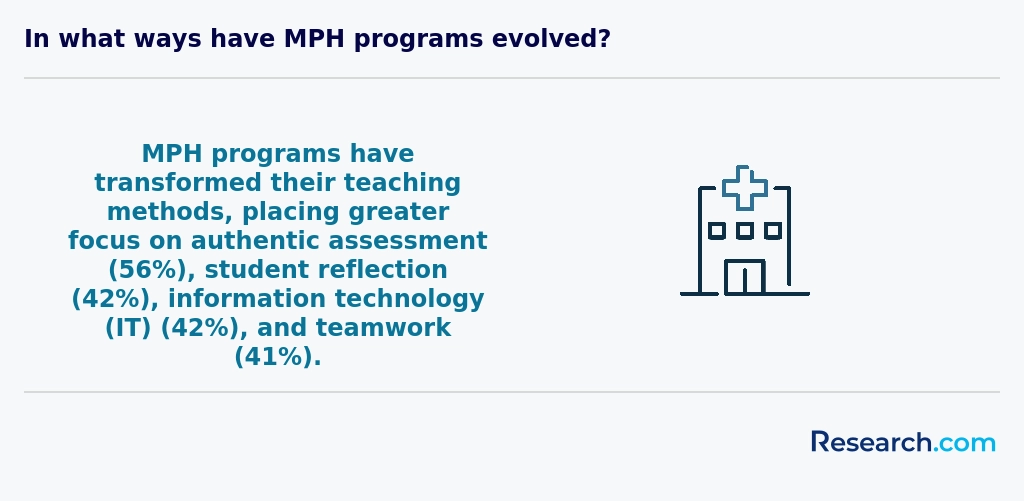
Think of yourself diving into a Phoenix public health degree, where your curriculum unfolds like a vibrant roadmap through the city's unique health landscape. Courses like Introduction to Public Health greet you first, laying the foundation with stories of past epidemics and modern triumphs that your peers from Arizona State University often recall with enthusiasm. Epidemiology follows-imagine unraveling the mysteries behind local chronic diseases, like diabetes, through data that matters right outside your classroom windows.
Biostatistics might sound dry, but graduates reflect on those "aha" moments when numbers transform into life-saving insights. Environmental Health takes on new meaning amid Phoenix's desert air and heat, with students at the University of Arizona eagerly exploring how urban sprawl impacts respiratory health. Health Policy and Management offers a backstage pass to how hospitals and clinics actually run, a topic that excites many who want to shape Arizona's healthcare future.
Social and Behavioral Sciences rounds it out by painting the human stories behind statistics-like the vibrant Latino and Native American communities in the region-helping you connect health to culture. Hands-on internships with local health agencies add a pulse of reality, blending classroom theory with the city's living, breathing health challenges.
In Phoenix, the public health degree specializations invite students to dive into vivid worlds where epidemics are puzzles waiting to be solved, and health policies are the keys to community transformation. Graduates from Phoenix's top universities find themselves mastering Epidemiology, where tracking disease outbreaks feels like detective work amid bustling cityscapes. Others embrace Health Policy and Management, crafting frameworks that actually change how local hospitals and clinics serve their communities, sparking real hope. Environmental Health students wander urban parks and factories, learning how to shield neighborhoods from unseen toxins, weaving science with the desert's unique challenges.
Community Health, a favorite among hands-on learners, centers on personalized outreach in diverse Phoenix neighborhoods-graduates relish stories of engaging local families in wellness programs that feel less like lectures and more like neighborhood gatherings. Meanwhile, Global Health opens doors to international issues, yet students stay grounded in Phoenix's multicultural environment, bridging global challenges with local action. This spectrum of the best public health concentration areas Phoenix offers turns degrees into practical adventures.
Some seekers explore interdisciplinary blends, combining biostatistics and health communication to decode data rhythms or craft messages that truly resonate. Aspiring students can even weigh their educational journey by exploring affordable options like an associates degree online cheap, making these transformative opportunities accessible.
Imagine walking the sunlit campus of a Phoenix university, chatting with graduates who glow with pride-not just because they earned a degree, but because their program was a launchpad for real-world impact in community health. Choosing the best public health programs in Phoenix means zeroing in on accreditation first; it's your professional passport, ensuring employers recognize your skill-set. A graduate from ASU often shares how diving into environmental health or biostatistics shaped their unique career path in the Valley's vibrant, desert ecosystem.
Affordability sharpens your focus next, especially as tuition dances between public and private rates. Many turn to low cost online bachelor degree programs to stretch budgets while balancing work and life. Whether attending evening classes or hybrid formats, flexibility is more than convenience-it's the heartbeat of staying motivated amid Phoenix's dynamic pace.
Finally, graduates highlight the thrill of connecting to local health departments, fueled by Arizona's growing demand for health educators. These tailored internships aren't hypothetical; they're stepping stones into a profession shaped by the Valley's unique challenges and triumphs. For those hunting affordable public health degrees Phoenix offers options that blend passion, practicality, and purpose.

Graduates exploring public health career opportunities in Phoenix find themselves at the vibrant crossroads of innovation and real-world impact. Imagine diving into epidemiology, where you decode disease patterns for the Arizona Department of Health Services during a citywide outbreak, turning data into lifesaving actions. Or picture yourself crafting health education programs that resonate with Phoenix's diverse communities, empowering neighbors through nutrition and wellness, inspired by insights gained at Arizona State University.
Jobs with public health degree Phoenix holders often include environmental health specialties - safeguarding desert water quality and battling pollution as the city expands. Those drawn to management might thrive as public health administrators, juggling budgets and policies across Phoenix's bustling hospital networks. Graduates frequently share excitement about these dynamic roles, especially when collaborating on cutting-edge local government initiatives. Pursuing a degree here at an affordable cost under $15,000 annually helps turn these inspiring career visions into achievable futures.
Consider the enthusiasm of recent grads stepping into research or global health spheres, some even exploring anchors part-time Ph.D. in economics, blending data science and policy to shape smarter public health strategies.
The public health job opportunities in Phoenix are expanding like a vibrant desert bloom under the city's growing sun. Graduates from local institutions such as Arizona State University find themselves stepping into a bustling job market fueled by a diverse range of employers-from government agencies to nonprofits focused on community wellness. Imagine a recent graduate who, after completing internships through their university's partnerships, joins a local health department tackling chronic disease prevention or infectious disease outbreaks; these roles are not just jobs but vital missions with tangible impacts on city residents.
Many Phoenix public health degree career outlooks reflect a city investing heavily in its health infrastructure, creating pathways in data analysis, health policy, and outreach programs. Graduates often share stories of how hands-on experiences open doors to leadership positions. The practical approach in Phoenix's colleges encourages students to envision themselves in dynamic roles improving public health outcomes while earning competitive wages-making the journey both inspiring and attainable. For those curious about advanced studies, programs like the anchors part-time Ph.D. in economics may offer further specialization.
2027 Most Valuable Public Health Degree Programs Ranking in Phoenix
Investing in your education is a significant decision that can shape your future, and the Research.com team understands the importance of making informed choices. To assist prospective students in Phoenix, we have meticulously crafted the "2027 Most Valuable Public Health Degree Programs Ranking in Phoenix." Our commitment to quality, credibility, and accuracy is reflected in the extensive research and analysis conducted to compile this ranking.
We utilized the following reputable data sources to ensure a comprehensive evaluation of public health degree programs:
By exploring this ranking, readers will gain valuable insights into the most valuable public health degree programs in Phoenix, helping them make informed decisions about their educational investments. For more details on our methodology, please visit our Research.com methodology page.

# 3 position
University of Phoenix-Arizona
Master of Public Health

# 4 position
Brookline College-Phoenix
Master of Public Health

Frequently Asked Questions About public health
Public health degree students in Phoenix can maximize their learning by engaging with local community health initiatives. Phoenix, with its diverse population and distinct public health challenges such as high rates of diabetes and air quality concerns, offers valuable real-world learning opportunities. Partnering with organizations like the Arizona Department of Health Services can provide practical experience.
Students should also seek internships at Phoenix-area hospitals and public health agencies to apply classroom knowledge. Many universities in Phoenix offer strong connections to these local institutions, enhancing networking.
Participating in research projects focusing on Arizona's specific health issues helps deepen understanding and impact.
Emerging niches in the public health field offer exciting opportunities for students pursuing degrees in Phoenix. One key area is health informatics, combining data analysis with healthcare to improve patient outcomes. The demand for professionals skilled in managing electronic health records is growing nationwide, including in Arizona.
Another expanding field is environmental public health, critical in Phoenix due to air quality and water issues influenced by the desert climate. Public health experts here focus on addressing conditions caused by pollution and climate change.
Global health equity is also gaining traction, with many programs emphasizing social determinants of health. According to the Arizona Department of Health Services, initiatives targeting underserved communities continue to expand, highlighting the importance of culturally competent care.
Preparing for the job market after earning a public health degree in Phoenix involves strategic planning. Graduates should seek internships and volunteer opportunities with local health departments or community organizations to gain practical experience. Phoenix's healthcare sector is one of the fastest-growing in Arizona, offering roles in epidemiology, health education, and policy development.
Networking is essential; professional groups like the Arizona Public Health Association provide valuable connections. Additionally, obtaining certifications such as Certified Health Education Specialist (CHES) can improve employability. According to the US Bureau of Labor Statistics, public health careers in Arizona are projected to grow by 11% from 2022 to 2032, reflecting strong demand in the region.
Employers in Phoenix highly value public health graduates who demonstrate strong analytical skills and the ability to interpret complex health data. Given the area's diverse population and unique health challenges, cultural competence and effective communication are essential. Professionals must be prepared to address public health disparities common in Arizona, as reported by the Arizona Department of Health Services.
Skills in program planning and management are also sought after, enabling graduates to design and implement health interventions efficiently. Knowledge of local public health policies and regulations, especially those influencing Maricopa County, is critical for success. Additionally, proficiency with digital health tools and data software is increasingly important in this tech-driven field.
Finding internships in Phoenix relevant to a public health degree involves exploring opportunities with local health departments, hospitals, and nonprofit organizations. The Maricopa County Department of Public Health frequently offers internships focused on community health initiatives and epidemiology. Universities such as Arizona State University also provide partnerships with city agencies, enhancing access to practical experience. Networking events and career fairs held by Phoenix-area colleges are valuable for meeting potential employers. Additionally, platforms like Handshake and the Arizona Public Health Association's job board list internships tailored to public health students. These experiences are essential for gaining hands-on skills and improving job prospects in a growing healthcare market.
A public health degree significantly enhances career mobility and advancement opportunities in Phoenix. The city's growing healthcare sector demands skilled professionals in areas such as epidemiology, health education, and policy analysis. According to the Arizona Department of Health Services, employment for public health roles in Phoenix is projected to grow by 18% through 2028, outpacing many other local industries.
Holding a degree often qualifies graduates for higher-level positions including public health program managers and community health directors. Many Phoenix employers prefer candidates with formal education due to increasing complexity in disease prevention and data management. Additionally, connections to local health organizations during studies can facilitate networking and internships, boosting career prospects.
Studying for a public health degree in Phoenix offers unique opportunities to engage with diverse community health challenges, preparing students for interdisciplinary roles. Phoenix's public health programs emphasize collaboration across fields such as epidemiology, health policy, environmental health, and social services. This multidisciplinary approach reflects workforce demands, as the Maricopa County Department of Public Health highlights the need for professionals skilled in integrating data analysis, communication, and policy development.
Moreover, Phoenix universities often incorporate practical experiences with local health agencies, fostering skills in teamwork and cross-sector problem solving. According to the Arizona Department of Health Services, Phoenix faces complex issues like chronic disease management and health disparities, requiring public health experts to work alongside healthcare providers, government, and community organizations.
Choosing between a thesis and a non-thesis public health degree in Phoenix depends largely on your career goals and learning preferences. Thesis programs emphasize research, requiring students to design and complete a substantial project, which is ideal for those considering doctoral studies or research roles. Non-thesis options focus more on practical skills, often involving internships or capstone projects, fitting those targeting public health practice or administration.
In Phoenix, public health programs often align with local industry needs, including agencies like the Maricopa County Department of Public Health, which values applied skills. According to the U.S. Bureau of Labor Statistics, Arizona expects a 12% growth in public health jobs by 2030, emphasizing practical experience.
Prospective students should evaluate available faculty expertise, program flexibility, and future plans before deciding between thesis and non-thesis tracks.
Students based in Phoenix interested in studying public health abroad have several pathways available through U.S. institutions. Many universities in Arizona, including those in Phoenix, offer study abroad programs or partnerships with international schools where students can earn credits toward their public health degrees.
For example, Arizona State University provides global immersion experiences and exchange programs in countries with diverse public health challenges. These opportunities help deepen students' understanding of global health systems and epidemiology.
Additionally, students may participate in federally supported programs like the Fulbright Scholarship or the Gilman Scholarship, which facilitate international study for U.S. citizens. These options enable Phoenix-based students to gain real-world exposure while pursuing accredited degrees.
According to the Association of Schools and Programs of Public Health, nearly 30% of CEPH-accredited schools encourage international study components, enhancing career prospects in global health fields.
Part-time job opportunities in Phoenix that complement public health degree education often include roles in healthcare settings, community outreach, and research assistance. Students may find valuable experience working as medical assistants or health educators in local clinics, which helps develop patient communication and health promotion skills.
Given Phoenix's growing focus on public health challenges like diabetes and respiratory diseases, positions in non-profit organizations or public health departments offer practical exposure to disease prevention programs. According to the Arizona Department of Health Services, engaging in community outreach roles can deepen understanding of local health trends.
Additionally, part-time research assistant jobs at universities or public health agencies enhance data collection and analysis skills, crucial for many public health careers. These opportunities provide real-world context and complement academic learning effectively.
Public health students in Phoenix benefit from a variety of networking opportunities that connect them to professionals, faculty, and peers in the field. Arizona State University, home to a well-regarded public health program, hosts events such as career fairs and guest speaker sessions, providing valuable chances to meet leaders in local health organizations.
The Maricopa County Department of Public Health often partners with universities to offer internships and volunteer roles, enabling students to gain practical experience while expanding their professional networks.
Additionally, Phoenix hosts chapters of national public health associations, like the American Public Health Association, where students can attend meetings and workshops focused on regional health challenges.
Alumni networks offer valuable support to public health degree students in Phoenix by connecting them with experienced professionals in the region's healthcare and community organizations. These networks facilitate mentorship opportunities, which can guide students through challenging coursework and career decisions while providing insight into local public health issues.
The Phoenix metropolitan area employs over 8,000 public health professionals, according to the U.S. Bureau of Labor Statistics, making local connections essential for job placement. Alumni often share job openings or internships in nearby hospitals, government agencies, and nonprofits.
Engaging with alumni can also help students access exclusive workshops, conferences, and continuing education events tailored to Phoenix's public health priorities, such as chronic disease prevention and environmental health.
Customizing a public health degree program in Phoenix allows students to align their education with specific career goals. Many Phoenix institutions offer flexible curricula where students can choose concentrations such as epidemiology, health policy, environmental health, or community health. For example, Arizona State University provides various track options that target different sectors of public health. Elective courses and practical internships in local health departments or organizations like the Maricopa County Department of Public Health offer hands-on experience tailored to career interests. Additionally, certificate programs and online course options enable further specialization and skill development while balancing work or personal commitments.
Public health students in Phoenix often face challenges related to balancing rigorous coursework with practical fieldwork. Many programs require internships or community projects, which can be time-consuming alongside academic responsibilities.
Access to up-to-date local data can also be difficult. While Phoenix faces unique public health issues such as high rates of chronic diseases and heat-related illnesses, students sometimes struggle to find comprehensive recent statistics within publicly available sources like the Maricopa County Department of Public Health.
Additionally, financial constraints and limited scholarship opportunities can impact student retention and success. According to the National Center for Education Statistics, cost remains a significant barrier for many Arizona students pursuing higher education in health fields.
With a public health degree in Phoenix, graduates can pursue several professional certifications that enhance their career prospects. The most common is the Certified in Public Health (CPH) credential, offered by the National Board of Public Health Examiners, which validates core public health knowledge. Many Phoenix employers also value certifications like Certified Health Education Specialist (CHES) and Certified Public Health Administrator (CPHA).
Given Phoenix's growing population and public health challenges, certified professionals have an edge in local health departments and nonprofits. According to the Arizona Department of Health Services, certified public health workers contribute significantly to community health improvements statewide.
To write a winning application for a public health program in Phoenix, begin by thoroughly researching local institutions such as Arizona State University, which offers well-regarded public health degrees. Emphasize your passion for addressing health challenges in Arizona, where issues like chronic disease and environmental health are prominent according to the Maricopa County Department of Public Health.
Highlight relevant experience, including community service or internships, demonstrating your commitment to improving population health. Craft a clear personal statement explaining why studying public health in Phoenix aligns with your career goals and local health priorities.
Lastly, ensure your application meets all requirements, includes strong recommendation letters, and is submitted before deadlines to improve your chances of admission.
Public health careers increasingly require a global perspective, even for students based in Phoenix. Professionals must understand how diseases, health policies, and social factors impact populations worldwide. According to the Association of Schools and Programs of Public Health (ASPPH), graduates with global health experience have better job prospects and often receive higher salaries.
Many public health degree programs in Phoenix include courses addressing global health challenges such as pandemics, health inequities, and environmental threats. The U.S. Bureau of Labor Statistics reports that employment for public health professionals is expected to grow 13% nationally by 2032, reflecting demand influenced by global health issues.
Understanding international health systems improves career flexibility. Public health experts from Phoenix often collaborate with agencies like the CDC or WHO, tackling problems that cross borders. This global outlook is critical when responding to health crises like COVID-19, which highlighted the interconnected nature of public health careers.
Gaining practical experience while studying for a public health degree in Phoenix is crucial for career readiness. Many Phoenix universities, such as Arizona State University, have established partnerships with local health departments, hospitals, and nonprofit organizations. These connections provide students internship opportunities that allow hands-on experience in diverse settings like disease prevention and health promotion.
Local agencies, including the Maricopa County Department of Public Health, often collaborate with students for community-based projects. Additionally, some programs incorporate practicum requirements, ensuring students apply classroom knowledge in real-world environments.
Networking events and public health conferences in Phoenix also offer valuable exposure to professionals in the field.
Choosing the right concentration within a public health degree program in Phoenix requires understanding both your interests and local health needs. Phoenix faces challenges such as high rates of diabetes and respiratory illnesses, shaping demand for specialists in epidemiology, community health, and environmental health, according to the Arizona Department of Health Services.
Consider concentrations that align with these priorities and your career goals. For example, a focus on health promotion or policy can prepare you for roles addressing statewide health disparities. Research program options at Phoenix-area universities, examining curriculum and internship opportunities in local health departments.
Data from the Bureau of Labor Statistics shows employment growth for healthcare occupations in Arizona is above the national average, highlighting regional demand.
- 2027 Most Valuable Public Health Degree Programs Ranking in Tucson
- 2027 Most Valuable Public Health Degree Programs Ranking in San Diego
- 2027 Most Valuable Public Health Degree Programs Ranking in La Jolla
- 2027 Most Valuable Public Health Degree Programs Ranking in Albuquerque
- 2027 Most Valuable Public Health Degree Programs Ranking in Irvine
- 2027 Most Valuable Public Health Degree Programs Ranking in Los Angeles
- 2027 Most Valuable Public Health Degree Programs Ranking in Salt Lake City
- 2027 Most Valuable Public Health Degree Programs Ranking in Berkeley
- 2027 Most Valuable Public Health Degree Programs Ranking in San Francisco
- 2027 Most Valuable Public Health Degree Programs Ranking in Austin
- Online Healthcare Courses | University of Phoenix https://www.phoenix.edu/videos/fields-of-study/online-healthcare-courses.html
- Top 15 Places to Look For M.P.H. Jobs - Benedictine University Online https://online.ben.edu/programs/public-health/mph/resources/top-places-to-find-mph-jobs/
- Engaging students through service-learning opportunities in public health https://sneb.org/engaging-students-through-service-learning-opportunities-in-public-health/
- Public Health Challenges – IPA SDG Dashboard https://sdg.internationalpublishers.org/sdgaction/public-health-challenges/
- Pre-Professional Health Experience Guide | PublicHealthOnline.org https://www.publichealthonline.org/pre-professional-experience/
- Medical University of GdaÅsk https://publichealth.mug.edu.pl/
- Arizona https://www.publichealthdegrees.org/st/arizona/
- Areas in Public Health https://www.publichealthcareers.org/areas-in-public-health.html
- Financial Aid Guide https://www.publichealth.org/resources/financial-aid/
- Letter of Intent for Admissions to Masters of Public Health - how this program fits to my goals? https://essayforum.com/graduate/intent-admissions-masters-public-health-64817/