2027 Most Valuable Public Health Degree Programs Ranking in Charlotte

Co-Founder and Chief Data Scientist
Choosing the right public health degree can shape your future in meaningful ways. If you're in Charlotte and considering this path, understanding which programs offer the most value is essential.
This article presents the 2027 Most Valuable Public Health Degree Programs Ranking in Charlotte, developed by the Research.com team of data scientists. It aims to guide you through reliable data to help make an informed decision.
Explore opportunities that can lead to rewarding careers while making a positive impact on community health. Your journey starts with the right information.
Key benefits of getting public health degree in Charlotte
- Graduates with a public health degree in Charlotte can expect competitive salaries, such as $52,610 annually for Community Health Workers and up to $86,710 for Environmental Health Specialists, making it a financially rewarding field.
- Career paths are diverse, including roles in health education, safety, and environmental health, with many local graduates finding fulfilling jobs that directly impact community wellbeing.
- Choosing an online public health degree offers great flexibility, allowing working professionals in Charlotte to balance studies and life while gaining skills valued by employers.
- 2027 Most Valuable Public Health Degree Programs Ranking in Charlotte
- What can I expect from public health degree in Charlotte?
- Where can I work with public health degree in Charlotte?
What can I expect from public health degree in Charlotte?
When considering the cost of a public health degree in Charlotte, students typically face tuition ranging from $10,000 to $25,000 per year, depending on whether they attend a public university or a private college. Many graduates from Charlotte-based institutions appreciate that these costs come with strong ties to local healthcare systems, such as Atrium Health and Novant Health, which provide valuable internship opportunities that enhance their learning experience.
One practical example comes from graduates who balance part-time work while taking advantage of flexible online and hybrid courses offered by Charlotte's schools, allowing them to manage expenses without sacrificing education quality. These options help students stay financially afloat while gaining hands-on exposure to public health challenges specific to the region, like chronic disease prevention.
Additionally, scholarship programs and employer tuition reimbursements can significantly offset expenses. Graduates often express relief at discovering these resources early, helping them plan realistic budgets and avoid debt.
Factoring in the living costs in Charlotte, which remain moderate compared to larger metro areas, many students find that completing a public health degree here is both a feasible and rewarding investment for future careers in healthcare and community services.
Where can I work with public health degree in Charlotte?
Graduates with a public health degree from Charlotte institutions like UNC Charlotte or Central Piedmont Community College find diverse career pathways locally. Many begin by applying to Mecklenburg County Health Department, where they contribute to vital community health programs such as infectious disease control or maternal health initiatives tailored to Charlotte's large population. This direct impact often feels rewarding, as graduates see their efforts improve local wellbeing.
Hospitals such as Novant Health and Carolinas HealthCare System are common employers. Here, graduates take on roles in health promotion and data analysis, organizing vaccination clinics or chronic disease prevention projects. Several grads share how meaningful it is to work within these systems, bridging clinical care and public health.
Others tap into Charlotte's corporate wellness scene, developing programs that boost employee mental health and safety. Non-profits like the American Heart Association's local chapter also hire graduates to lead community education and advocacy, offering a chance to champion causes they care about.
Graduates with a public health degree in Charlotte can anticipate solid earning potential by targeting roles backed by the latest salary data. Community health workers in the area earn an average annual wage of around $52,610, a practical starting point for many entry-level professionals. Those stepping into the health educator role see a higher mean salary, approximately $69,790, reflecting the specialized knowledge gained during their studies.
Charlotte's strong healthcare presence supports varied opportunities; for example, environmental health specialists typically earn near $86,710 annually, while occupational health and safety specialists make about $85,570. These figures align with the growing demand for experts handling workplace and community health.
Graduates from Charlotte-area universities often find their practical experience during internships translates into job offers with competitive pay. Many report moving quickly from entry-level roles near $40,000-$50,000 to mid-career salaries pushing beyond $80,000 as they gain expertise and certifications. The city's expanding healthcare industry means practical skills acquired locally are in high demand, turning studies into rewarding salaries.
- Annual tuition at in-state public universities in Charlotte ranges from $7,000 to $10,000, while private colleges charge between $20,000 and $35,000.
- Entry-level public health graduates earn approximately $50,000 to $60,000 per year in Charlotte.
- Salaries can increase to $70,000 to $90,000 after five to ten years of experience, depending on role and responsibility.
- Common job roles include epidemiologists, health educators, and community health workers in hospitals, research centers, and government agencies.
- Internships and practicum placements are frequently available, offering practical experience and networking opportunities.
Completing a public health degree in Charlotte typically depends on your chosen level and study format. For example, a full-time student at the University of North Carolina at Charlotte can expect to finish a Bachelor of Science in Public Health in about four years. Graduates often share how this steady pace fits well alongside part-time jobs or internships, allowing them to build experience while studying.
If you're pursuing a Master of Public Health, plan for around two years of full-time study, although some nearby programs offer accelerated options that let students finish in one year. Graduates from Johnson & Wales University appreciate this flexibility-it lets them quickly advance their careers without long gaps.
Doctoral programs, such as a PhD or DrPH, usually take between four and six years because they involve deep research and a dissertation. Students balancing work and family often choose part-time or online options available in Charlotte, which can extend the timeline but provide valuable accessibility.
Choosing between an online and on-campus public health degree in Charlotte often comes down to how you prefer to learn and manage your time. On-campus programs at places like the University of North Carolina at Charlotte or Central Piedmont Community College immerse you directly in campus life. Graduates often recall face-to-face interactions with professors and classmates, plus hands-on labs and internships with Charlotte's health departments that build real-world skills.
In contrast, online programs offer flexibility for those balancing work or family. Many students appreciate completing coursework from home while still participating in virtual discussions and local practicums arranged by the school. This setup works well for residents near Charlotte who want to avoid commuting but need dependable technology and self-discipline.
Cost is another practical factor. On-campus tuition averages around $9,000 yearly for in-state students, but online options might reduce extra fees and commuting expenses. Advisors and career services feel more immediate on campus, while online learners should check how robust a program's remote support is before committing.
Public Health degree programs in Charlotte, NC, stand out for their robust industry partnerships, providing students with real-world experience and networking channels that accelerate career readiness. Through collaborations with entities like the Mecklenburg County Health Department, Atrium Health, and local non-profits, students gain access to structured internships, field placements, and project-based learning. These partnerships often culminate in hands-on roles where interns contribute to community health assessments, outbreak investigations, and health promotion initiatives, ensuring they graduate with both theoretical knowledge and practical skills. Many programs formalize these opportunities via dedicated liaison offices that match students to placements aligned with their interests, from epidemiology and environmental health to health policy and data analysis. For example, an MPH student at the University of North Carolina at Charlotte recently partnered with a statewide health coalition to develop a strategic plan for vaccination outreach, earning course credit and professional references. Such immersive experiences not only enhance résumés but also foster mentoring relationships with seasoned public health professionals. To explore affordable programs with similar practical advantages, consider our ranking of Low Cost Public Health Degree Programs Ranking in Salt Lake City, UT, which highlights institutions that pair cost-effectiveness with industry engagement.
The average cost of a public health degree in Charlotte varies notably based on residency status and institution. For in-state students attending popular schools such as the University of North Carolina at Charlotte, the median total cost is about $7,239. This is a feasible investment for many locals seeking a degree without incurring excessive debt. Graduates often recall that keeping expenses manageable allowed them to focus more on internships and practical experience rather than financial stress.
Out-of-state students face a significantly higher median total cost, approximately $37,650, reflecting the premium charged by public universities for non-resident tuition. This can feel daunting but many students mitigate this through scholarships, assistantships, or by transferring after completing some credits locally. When budgeting for the public health degree tuition and fees in Charlotte, factoring in additional costs such as registration and technology fees is also essential; these often add several hundred dollars annually.
One practical approach shared by recent graduates is to research financial aid options early. Charlotte public health students tend to have access to a range of supports including university-specific scholarships geared towards health sciences and federal or state aid. Prospective students planning their finances should check out institutions carefully-some have better packages to offset costs.
Researching a valuable public health school in north carolina can directly impact affordability and overall student satisfaction, making the cost of a degree more transparent and manageable. Planning with these cost considerations in mind will help future students in Charlotte confidently navigate their path to a public health career.

Obtaining professional certifications and pursuing advanced credentials can significantly boost the credibility and career trajectory of Public Health graduates in Charlotte, NC. Common certifications include the Certified in Public Health (CPH) credential offered by the National Board of Public Health Examiners, which validates expertise in core public health disciplines, and the Certified Health Education Specialist (CHES) or Master Certified Health Education Specialist (MCHES) certifications from the National Commission for Health Education Credentialing. These credentials not only enhance job prospects-often translating to salary increases of 10%–15%-but also demonstrate a commitment to lifelong learning. Continuing education is another critical component for staying current with emerging public health challenges. Many local institutions, such as the University of North Carolina at Charlotte, offer workshops and certificate programs in topics like epidemiologic methods, health informatics, and community health assessment. Online platforms also provide flexible options for professionals balancing work and study. For those seeking doctoral-level preparation, an online phd public health program can deepen research skills and open doors to leadership roles in academia, government agencies, and global health organizations. To maintain certification, most credentialing bodies require completion of continuing education credits (CEUs) every two to five years. Charlotte-based public health professionals often fulfill these requirements through local conferences hosted by the Mecklenburg County Health Department or virtual seminars offered by the American Public Health Association (APHA). By strategically combining certifications, CEUs, and advanced degrees, graduates can ensure their qualifications remain competitive and aligned with evolving community health needs.
If you're pursuing a public health degree in Charlotte, start by completing the FAFSA to access federal aid like Pell Grants, which can cover up to $7,395 annually. Many graduates from the University of North Carolina at Charlotte highlight how these grants significantly eased their tuition burden while focusing on studies.
Next, consider federal loans-direct subsidized and unsubsidized options offer manageable interest rates and repayment plans. Graduates often recommend applying early to maximize eligibility. Work-study programs are also practical; students have reported balancing part-time campus jobs that helped with living expenses without adding debt.
State aid through North Carolina's Need-Based Scholarship or NC Future Scholars can make a big difference, especially for lower-income students enrolled in public health programs locally. Many Charlotte students find these state grants complement federal assistance well.
Don't overlook merit scholarships from institutions like UNC Charlotte that reward academic achievement and community service in public health fields. Lastly, if you're employed in healthcare locally, check employer tuition assistance programs-many graduates tapped these benefits to fund their degree while working.
To enroll in a public health degree program in Charlotte, you need to meet specific academic and professional prerequisites that set you up for success. For undergraduate programs at universities like the University of North Carolina at Charlotte, a high school diploma with strong science and math grades-especially biology and chemistry-is essential. Many graduates recall how solid preparation in these subjects helped them grasp complex public health topics more quickly.
If you're aiming for a Master of Public Health (MPH), holding a bachelor's degree is mandatory. This degree doesn't always have to be in public health, but having coursework in biology, social sciences, or health-related studies makes your application stronger. Local graduate students often mention that maintaining a GPA around 3.0 or higher was key for admission.
Additionally, hands-on experience matters. Volunteering at community clinics or internships with organizations like the Mecklenburg County Health Department provides real-world insight and enhances your application. Letters of recommendation and a genuine statement of purpose reflecting your passion and goals are also commonly required for programs in Charlotte, helping you stand out as a well-prepared candidate.
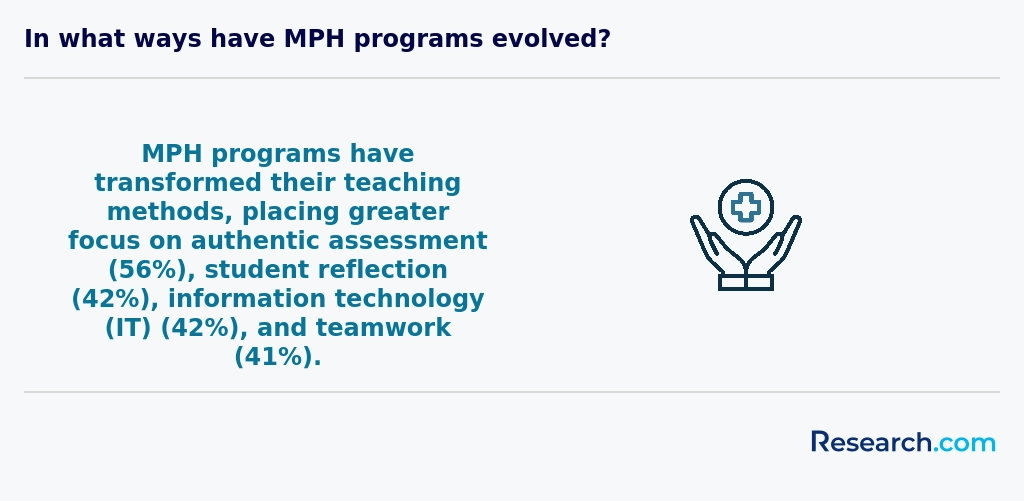
As the landscape of public health rapidly evolves, staying ahead of emerging trends is essential for both prospective students and current professionals. In Charlotte, NC, public health education is increasingly incorporating advancements in technology, data analytics, and community engagement to equip graduates with the tools needed for tomorrow's challenges. Institutions are now emphasizing interdisciplinary collaboration, integrating digital health strategies with traditional public health practices. This shift not only prepares students for evolving roles in healthcare but also aligns academic curricula with industry demands. Recent initiatives in curriculum design have seen a greater focus on real-time data analysis, artificial intelligence applications in epidemiology, and the use of mobile health platforms to improve community outreach. These innovations are complemented by enhanced experiential learning opportunities, such as partnerships with local healthcare organizations and public health agencies, which provide students with hands-on experience in addressing current and future health challenges. For those considering their academic future, selecting a program at a valuable public health school in north carolina can offer unique insights into these emerging trends. The integration of sustainable practices, technological advancements, and community-based projects ensures that graduates are not only ready to enter the workforce but are equipped to lead transformative health initiatives in diverse settings. Embracing these trends paves the way for a proactive approach to public health challenges, setting the stage for a resilient and innovative future in the field.
Public health degree programs in Charlotte include core courses designed to build a strong foundation and practical skills. Graduates from institutions like the University of North Carolina at Charlotte often mention that Introduction to Public Health, Epidemiology, and Biostatistics courses provide essential knowledge for understanding disease patterns and health data analysis. These classes are very hands-on, involving real data sets and community case studies from Mecklenburg County, helping students connect theory to local health challenges.
Students also take courses in Environmental Health that focus on specific regional issues such as air quality and water safety, which are especially relevant in Charlotte's urban environment. Health Policy and Management classes offer practical insight into how local health systems operate, preparing students to navigate and influence public health policies effectively.
Moreover, social and behavioral sciences classes explore health disparities that affect diverse Charlotte neighborhoods. Graduates recall how this coursework deepened their understanding of community needs, often motivating them to engage in internships with local health departments or nonprofits to directly apply what they've learned.
When pursuing public health degree specializations Charlotte offers several practical options tailored to current workforce demands, especially at institutions like the University of North Carolina at Charlotte. Graduates often highlight Epidemiology, which trains students to analyze disease patterns-key for roles in managing outbreaks and improving community health. Another popular concentration is Health Policy and Management, preparing students to navigate healthcare systems and take on leadership roles in local agencies or hospitals.
Environmental Health is also in demand, focusing on how surroundings impact wellness, useful for those interested in pollution control or occupational safety. Community Health specialization equips students to develop and implement effective health education programs, which graduates find rewarding as they see direct improvements within neighborhoods. Biostatistics, a key specialization, enhances skills in applying data analysis crucial for healthcare decisions and research.
These Charlotte public health program concentrations give students clear, career-ready skills aligned with local needs. Many graduates find that focusing on these specializations helps them remain competitive in a growing market that values expert knowledge. For those looking to continue education, options like an online phd public health can further enhance expertise and job prospects.
Choosing the best public health degree programs Charlotte offers starts with confirming CEPH accreditation, a key quality marker that graduates often praise for preparing them well for certification exams and job readiness. Many students in Charlotte appreciate programs like those at the University of North Carolina at Charlotte, where practical, interdisciplinary experiences connect classroom learning with real-world health challenges in the city. Focusing on program specializations-such as epidemiology or health behavior-helps tailor your education to your career goals, giving you a competitive edge.
Affordability is another major factor. Charlotte students aiming to limit debt often find tuition rates around or below the national average, making affordable public health schools in Charlotte attractive options. One graduate described how budgeting carefully for tuition and choosing a program with strong local partnerships led to valuable internships at nearby hospitals.
Lastly, explore course delivery formats and graduate employment rates. Flexible online or hybrid programs enable working professionals to advance their careers without interruption. For a deeper dive into budgeting your options, check out the Low Cost Public Health Degree Programs Ranking in Salt Lake City, UT to get a sense of comparable affordability outside Charlotte as well.
Graduates with a public health degree in Charlotte find diverse career paths that match the city's strong healthcare network. Many step into roles as health educators or community health workers, developing programs to boost health literacy and decrease chronic disease rates locally. Others become epidemiologists, working closely with agencies like Mecklenburg County Public Health Department to track and manage outbreaks, gaining hands-on experience that Charlotte-based graduates often highlight as invaluable. Jobs with public health degree in Charlotte also include healthcare administration, where graduates manage hospital operations at well-known institutions such as Atrium Health and Novant Health, ensuring patient care efficiency. Policy analysis roles attract those interested in shaping local health policies that advance equity across the metro area. Environmental health specialist positions are another option, addressing safety standards and environmental concerns impacting community well-being. For students seeking a practical edge, Charlotte universities emphasize internships and cooperative programs securing real-world experience and job connections. Some even opt for a 6 month course with high salary to quickly boost employability.
Public health job opportunities in Charlotte are expanding steadily, driven by a growing metropolitan area with strong healthcare infrastructure. Graduates from local universities often find roles with organizations like the Mecklenburg County Public Health Department or major medical centers such as Atrium Health. These employers seek skilled professionals for community health education, epidemiology, and policy development. Entry-level positions typically offer salaries ranging from $45,000 to $60,000, which is competitive given Charlotte's cost of living.
Charlotte public health degree employment outlook is optimistic, reinforced by partnerships focusing on health equity and pandemic preparedness. Graduates recall how practical internships and connections made through their colleges helped them secure jobs quickly. For students balancing budget concerns, exploring options like easiest masters degrees online can provide affordable pathways to enhance qualifications and improve job prospects.
2027 Most Valuable Public Health Degree Programs Ranking in Charlotte
Investing in your education is a significant decision that can shape your future, and the Research.com team understands the importance of making informed choices. To assist prospective students in Charlotte, we have meticulously crafted the "2027 Most Valuable Public Health Degree Programs Ranking in Charlotte." Our commitment to quality, credibility, and accuracy is reflected in the extensive research and analysis conducted to compile this ranking.
We utilized the following reputable data sources to ensure a comprehensive evaluation of public health degree programs:
By exploring this ranking, readers will gain valuable insights into the most valuable public health degree programs in Charlotte, empowering them to make well-informed decisions that align with their career goals. For more details on our methodology, please visit our Research.com methodology page.


Frequently Asked Questions About public health
Students pursuing public health degrees in Charlotte can maximize their learning by engaging deeply with the city's diverse healthcare community. Charlotte is home to major institutions like Atrium Health and Novant Health, which offer internship and practicum opportunities essential for hands-on experience.
Participating in local public health research projects through universities such as the University of North Carolina at Charlotte provides valuable exposure to real-world challenges. These experiences enhance understanding beyond classroom theory, especially given Charlotte's focus on addressing health disparities in urban populations.
Networking with professionals via Charlotte's public health organizations and conferences also supports career growth. According to the Charlotte Regional Health Equity Report 2023, students involved in community health initiatives gain insights into regional health trends, improving their readiness for diverse public health roles.
The field of public health is constantly evolving, and several emerging niches are gaining traction in Charlotte's academic and professional communities. One key area is health informatics, which combines data analysis with health care to improve outcomes. This is particularly relevant as Charlotte's health systems increasingly integrate electronic health records.
Another growing specialization is environmental health, focusing on how pollution and urban development impact community well-being. Given Charlotte's rapid population growth and industrial expansion, this niche addresses pressing local concerns.
Additionally, public health policy and management are expanding to meet demands for better health equity and access in diverse populations throughout Mecklenburg County. Schools like UNC Charlotte reflect this demand through specialized courses and research.
These niches reflect broader national trends, adapting to Charlotte's unique demographic and economic landscape.
Preparing for the job market after earning a public health degree in Charlotte involves gaining practical experience and building a strong professional network. Internships with local health departments, such as the Mecklenburg County Public Health Department, offer valuable hands-on opportunities. Charlotte is home to several healthcare organizations and nonprofit agencies focused on community health, providing potential entry points for graduates.
Networking through professional groups like the North Carolina Public Health Association can connect students with employers. Additionally, certification in areas like health education or epidemiology can improve job prospects. According to the U.S. Bureau of Labor Statistics, public health jobs in North Carolina are expected to grow by 11% between 2020 and 2030, making the region promising for graduates.
Employers in Charlotte seek public health graduates with strong analytical and communication skills. Proficiency in data management and interpretation is crucial, as the city emphasizes evidence-based health initiatives. According to the North Carolina Department of Health and Human Services, professionals who can assess community health trends and design targeted programs are in high demand.
Additionally, teamwork and cultural competency are vital due to Charlotte's diverse population. Public health workers must collaborate effectively across different communities and organizations. Knowledge of local health policies and emergency preparedness is also valued, especially as Charlotte continues to expand its healthcare infrastructure.
These skills prepare graduates to address pressing public health challenges within the region efficiently and compassionately.
Finding internships in Charlotte related to a public health degree involves leveraging local resources and institutions focused on community health. The city hosts several healthcare systems, such as Atrium Health and Novant Health, which offer internship programs in various public health areas.
Students should explore opportunities through Charlotte's public agencies like the Mecklenburg County Public Health Department, which frequently partners with universities for internships addressing local health initiatives.
Additionally, connecting with nearby universities such as the University of North Carolina at Charlotte can provide access to internship listings and career services tailored to public health students. National databases like the CDC's Public Health Internship Program may also list Charlotte-specific positions.
Networking through local public health events and organizations like the North Carolina Public Health Association can further increase internship prospects. According to the Charlotte Chamber of Commerce, the healthcare sector employs over 20% of the city's workforce, indicating many potential placements in public health settings.
Obtaining a public health degree in Charlotte significantly enhances career mobility and advancement opportunities in the region. The city's growing healthcare sector, valued at over $30 billion annually according to the Charlotte Regional Business Alliance, depends heavily on qualified public health professionals.
Graduates with public health credentials often find roles in local hospitals, government agencies, and nonprofit organizations. The North Carolina Department of Health and Human Services highlights that public health occupations in Charlotte are projected to grow by 15% through 2030, exceeding the national average.
Professionals holding advanced degrees, such as a Master of Public Health (MPH), typically experience faster promotions and higher salaries, benefiting from Charlotte's expanding emphasis on population health management and community outreach programs.
Studying for a public health degree in Charlotte equips students with skills needed for interdisciplinary roles by emphasizing collaboration across health, policy, and social sciences. Local programs, often accredited by CEPH, incorporate coursework in epidemiology, environmental health, and health policy, encouraging broad perspectives.
Charlotte's diverse population and urban health challenges provide practical learning opportunities. For example, partnerships with Atrium Health and the Mecklenburg County Health Department expose students to community health initiatives and data analysis, fostering teamwork among medical professionals, data scientists, and policymakers.
According to the North Carolina Department of Health, Charlotte ranks among the top contributors to regional public health research, supporting graduates in blending knowledge from multiple disciplines effectively.
When choosing between thesis and non-thesis public health degree programs in Charlotte, consider your career goals and learning preferences. Thesis programs typically emphasize research skills and require a significant project, which suits students planning to pursue doctoral studies or research-intensive roles. Non-thesis programs focus more on practical skills and coursework, often appealing to professionals seeking leadership or administrative positions in public health agencies.
Charlotte's public health job market is growing, with a 7% increase in related employment predicted over the next decade, according to the U.S. Bureau of Labor Statistics. This trend supports diverse educational paths.
Evaluate each Charlotte university's curriculum and faculty expertise. Also, factor in program length and flexibility, as thesis options often take longer to complete.
Students based in Charlotte who are interested in studying public health abroad have several practical pathways through U.S. university partnerships and exchange programs. Institutions such as the University of North Carolina at Charlotte offer connections with global universities, enabling students to gain international experience without interrupting their degree progress.
Many U.S. public health programs encourage semesters abroad in countries with diverse health systems, allowing students to explore global health challenges firsthand. The Council on Education for Public Health (CEPH) notes that international exposure enhances competencies like cultural awareness and epidemiological methods. Additionally, scholarship opportunities may be available through federal and state programs supporting study abroad for health disciplines.
Charlotte offers diverse part-time job opportunities that complement public health degree education. Positions in local hospitals and clinics, such as patient support roles or health education assistants, allow students to gain practical experience. According to the North Carolina Department of Health and Human Services, Charlotte's healthcare sector is growing steadily, with a 5% increase in public health-related jobs from 2021 to 2023.
Public health students may also find roles in community outreach programs or non-profits focused on health awareness. These jobs develop skills in communication and program coordination, key for public health careers. Additionally, research assistant positions at institutions like the University of North Carolina Charlotte provide exposure to data analysis and epidemiology projects.
Public health students in Charlotte have access to numerous networking opportunities that enhance their educational experience and career prospects. Local institutions like the University of North Carolina at Charlotte and Central Piedmont Community College partner with healthcare organizations, offering internships that connect students with professionals. The Mecklenburg County Public Health Department frequently hosts events and workshops where students can meet experts and gain practical knowledge.
Professional organizations such as the Charlotte American Public Health Association chapter provide regular meetings and conferences. These events attract local health leaders and policy makers, giving students insight into public health challenges and employment trends in the region.
According to the Charlotte Regional Business Alliance, the healthcare sector employs over 25,000 workers, creating a vibrant environment for networking. Students can leverage job fairs, volunteer opportunities, and seminars to build meaningful relationships within Charlotte's growing public health community.
Alumni networks play a crucial role for students pursuing public health degrees in Charlotte. These networks offer access to professionals already working in the diverse public health sector in the city, including hospitals, government agencies, and nonprofits. According to the Charlotte Regional Business Alliance, the area is home to over 30 public health organizations, providing numerous career opportunities.
Through alumni connections, students gain mentorship, internship placements, and job referrals. Networking events and online platforms organized by universities help students build relationships that often lead to employment after graduation. Studies show that 85% of jobs in the U.S. are filled through networking, emphasizing its importance.
Additionally, alumni networks facilitate knowledge sharing about local health challenges and innovations, enhancing students' understanding of Charlotte's public health landscape.
Public health degree programs in Charlotte offer various ways to tailor your education to match your career aspirations. Many local institutions provide concentrations such as epidemiology, health policy, or community health, allowing you to focus on specific public health areas. For example, tailoring your coursework to urban health challenges addresses Charlotte's growing population and shifting demographics.
Internships and practicum experiences with agencies like Mecklenburg County Public Health can provide hands-on learning and networking opportunities. Additionally, certificates in data analysis or health communication complement core studies and improve job prospects. According to the North Carolina Department of Health and Human Services, Charlotte's public health workforce needs professionals skilled in disease prevention and health equity, shaping what you might emphasize during your studies.
Public health students in Charlotte often encounter several challenges that impact their academic experience. One major difficulty is balancing coursework with internships or practicum requirements, which are critical for gaining hands-on experience in the city's diverse health settings. The high cost of living in Charlotte, which rose by 5.9% in 2023 according to the US Bureau of Labor Statistics, also strains student budgets, especially for non-residents.
Students frequently report limited access to local public health data specific to Charlotte neighborhoods, complicating research projects focused on region-specific issues. Additionally, navigating Charlotte's competitive job market after graduation can be challenging due to growing demand for experienced professionals.
Graduates with a public health degree in Charlotte can pursue several professional certifications to advance their careers. One widely recognized certification is the Certified in Public Health (CPH) credential, offered by the National Board of Public Health Examiners. This certification validates a professional's knowledge and skills in public health practice.
Another option is the Certified Health Education Specialist (CHES) credential, awarded by the National Commission for Health Education Credentialing. It is especially useful for those interested in community health promotion.
For professionals focusing on infection control, the Certification in Infection Prevention and Control (CIC) is an important credential.
Local agencies such as the Mecklenburg County Health Department often value these certifications due to Charlotte's growing public health workforce, reflecting a 10% jobs growth forecast through 2030 according to the Bureau of Labor Statistics.
To write a winning application for a public health program in Charlotte, begin by thoroughly researching the specific programs you are interested in, such as those offered by the University of North Carolina at Charlotte. Tailor your personal statement to highlight your commitment to improving community health, referencing local public health challenges Charlotte faces, including disparities in infant mortality and chronic disease rates reported by the Charlotte-Mecklenburg Health Department (2023).
Showcase relevant experience, whether through internships, volunteer work, or employment in healthcare or social services. Strong letters of recommendation from professionals familiar with your skills and dedication are essential. Finally, ensure your application is error-free and submitted before deadlines to increase your chances of acceptance.
Public health careers in the United States, including Charlotte, increasingly reflect global challenges such as pandemics, chronic disease, and health equity. Professionals trained in Charlotte benefit from curricula that incorporate international health policies and global disease trends. According to the Association of Schools and Programs of Public Health, nearly 20% of US public health graduates work in global health roles.
Charlotte-based programs prepare students to address issues worldwide by teaching cultural competence and international health systems. The city's growing healthcare sector allows for practical experience with diverse populations impacted by global health dynamics. Understanding these perspectives is crucial for a successful public health career in an interconnected world.
Gaining practical experience while studying for a public health degree in Charlotte is essential for career readiness. Many local universities collaborate with healthcare organizations, nonprofits, and government agencies to offer internships and fieldwork opportunities. For example, partnerships with the Mecklenburg County Health Department provide hands-on experience in community health programs and disease prevention.
Additionally, Charlotte hosts several public health initiatives focusing on issues such as chronic disease and health equity, where students can volunteer or contribute to research projects. Engaging in these roles helps build valuable skills and professional networks. Students should also explore service-learning courses that combine classroom instruction with community engagement.
Choosing the right concentration within a public health degree program in Charlotte involves evaluating local health needs and personal career goals. Charlotte faces unique public health challenges, including rising rates of chronic diseases like diabetes and heart disease, according to the Mecklenburg County Health Department. Concentrations in epidemiology, health policy, or community health can be particularly relevant.
Consider programs that offer experiential learning opportunities through partnerships with local hospitals, clinics, or health departments. Data from the CDC show that Charlotte's public health workforce increasingly demands skills in data analysis and health communication.
Review curriculum details and faculty expertise to ensure alignment with your interests and Charlotte's evolving health priorities.
- 2027 Most Valuable Public Health Degree Programs Ranking in Greensboro
- 2027 Most Valuable Public Health Degree Programs Ranking in Columbia
- 2027 Most Valuable Public Health Degree Programs Ranking in Chapel Hill
- 2027 Most Valuable Public Health Degree Programs Ranking in Athens
- 2027 Most Valuable Public Health Degree Programs Ranking in Statesboro
- 2027 Most Valuable Public Health Degree Programs Ranking in Savannah
- 2027 Most Valuable Public Health Degree Programs Ranking in Atlanta
- 2027 Most Valuable Public Health Degree Programs Ranking in Washington
- 2027 Most Valuable Public Health Degree Programs Ranking in College Park
- 2027 Most Valuable Public Health Degree Programs Ranking in Columbus
- Career in Public Health for International Students: Countries & Fees in 2026 https://leverageedu.com/learn/career-abroad-career-in-public-health/
- The Interdisciplinary Nature of Public Health https://www.cune.edu/news/interdisciplinary-nature-public-health
- Pre-Professional Health Experience Guide | PublicHealthOnline.org https://www.publichealthonline.org/pre-professional-experience/
- Public Health https://disabroad.org/program/public-health/
- What do you learn in a bachelor's in public health? | edX https://www.edx.org/resources/what-do-you-learn-in-a-bachelors-in-public-health
- Public Health Degrees & Careers | How To Work In Public Health https://www.learnhowtobecome.org/medical-health-careers/public-health/
- Top 15 Places to Look For M.P.H. Jobs - Benedictine University Online https://online.ben.edu/programs/public-health/mph/resources/top-places-to-find-mph-jobs/
- Medical University of GdaÅsk https://publichealth.mug.edu.pl/
- How to Get Your First Public Health Job - PHERN https://phern.communitycommons.org/early-career-professional-learning-series/how-to-get-your-first-public-health-job/
- Careers https://www.publichealthdegrees.org/careers/