
2027 Most Affordable Public Health Degree Programs Ranking in South Carolina

Co-Founder and Chief Data Scientist
Choosing the right public health degree program in South Carolina can feel overwhelming. That's why the Research.com team of data scientists has carefully crafted the 2027 Most Affordable Public Health Degree Programs Ranking in South Carolina to guide you.
This ranking helps you discover quality programs that won't break the bank, making your educational journey more affordable and focused.
Reading the article gives you valuable insights to make an informed decision, opening doors to a meaningful career in public health that truly makes a difference.
Key benefits of getting public health degree in South Carolina
- Salary benefits: Graduates with a public health degree in South Carolina can earn competitive salaries, such as $52,610 annually for Community Health Workers or up to $86,710 for Environmental Health Specialists, offering strong financial stability.
- Career paths: Public health graduates from universities like the University of South Carolina can pursue diverse roles including Health Educator and Occupational Health Specialist, allowing for meaningful work in community wellbeing and safety.
- Online degree advantages: Earning a public health degree online from institutions such as Clemson University offers flexible learning to balance work and study, helping graduates achieve their goals without sacrificing current commitments.
- 2027 Most Affordable Public Health Degree Programs Ranking in South Carolina
- What can I expect from public health degree in South Carolina?
- Where can I work with public health degree in South Carolina?
What can I expect from public health degree in South Carolina?
When considering the cost of a public health degree in South Carolina, many students find that public universities offer affordability that truly eases financial concerns. For instance, graduates from well-known schools like the University of South Carolina or Clemson University often share how in-state tuition made pursuing their dreams much more accessible compared to private institutions. These public schools typically have tuition rates that are significantly lower, helping students focus more on their studies and gaining real-world experience without overwhelming debt.
Private colleges also provide excellent programs but usually come with higher price tags. However, many students in these programs tap into scholarships and financial aid options specifically designed to support public health education within the state, which can greatly reduce costs. One recent graduate recalled how their internship opportunities, combined with scholarships, made an otherwise costly degree manageable and rewarding.
Ultimately, in South Carolina, you can expect tuition to vary widely but anticipate practical financial strategies to support your education, especially if you take advantage of in-state benefits and local scholarships.
Where can I work with public health degree in South Carolina?
Graduates with a public health degree in South Carolina find themselves stepping into diverse and impactful roles. Many start their careers at the South Carolina Department of Health and Environmental Control (DHEC), where they work on real-world issues like disease control and emergency preparedness. Imagine being part of a team protecting your community during a health crisis-this is the kind of meaningful work waiting for you.
Hospitals in cities like Charleston or Greenville often hire graduates to promote health education and manage chronic disease programs. Alumni from the University of South Carolina's Arnold School of Public Health frequently describe their joy in improving patient outcomes through data-driven strategies.
Nonprofits focused on maternal health or substance abuse prevention offer another rewarding path. Graduates coordinate outreach efforts, collaborating closely with local communities to reduce health disparities-making a direct difference in people's lives.
Research roles at institutions such as Clemson University give graduates the chance to analyze health trends that shape state policies. If you crave variety and purpose, these career paths in South Carolina will empower you to create lasting change while building a fulfilling career.
Graduates from public health programs at institutions like the University of South Carolina often find rewarding careers with competitive salaries that reflect their dedication and specialized skills. For example, entering roles such as community health workers can result in a mean annual wage of about $52,610 in South Carolina, a solid starting point for recent grads eager to make an impact.
Many graduates pursue opportunities as health educators, where the mean salary jumps to nearly $69,790 annually. This role allows a graduate to actively shape community wellness programs, a dynamic and fulfilling path seen often among alumni from colleges like Clemson University.
Those specializing further in environmental health or occupational health and safety can expect salaries ranging from $85,570 to $86,710, reflecting the significant responsibility involved in safeguarding public health at workplaces and communities.
Graduates who have taken advantage of practicum experiences or internships in urban centers such as Charleston often report feeling empowered by their career prospects because the state's healthcare landscape continues to expand, boosting demand and compensation for qualified public health professionals.
- Public health degrees in South Carolina are available at bachelor's and master's levels, with specializations like epidemiology and health policy.
- In-state tuition at public universities ranges from $10,000 to $13,000 per year, while out-of-state tuition ranges from $22,000 to $28,000 annually.
- Financial aid and scholarships are often available specifically for public health students to help reduce education costs.
- The unemployment rate in health-related fields in South Carolina is below the national average, indicating strong job opportunities.
- Entry-level salaries average around $45,000 per year, with mid-career professionals earning between $60,000 and $75,000 annually.
Completing a public health degree in South Carolina typically matches national timelines, making your goals very achievable. For example, many undergraduates at the University of South Carolina find that earning a Bachelor of Science in Public Health takes about four years of dedicated full-time study. This structure balances core public health knowledge with general education, providing a comprehensive foundation without extending your time unnecessarily.
Graduate students pursuing a Master of Public Health often complete their studies in two years. Some fortunate graduates with previous experience accelerate this to as few as 12 to 18 months. Flexibility is key here-busy professionals attending part-time programs, common in Columbia and Greenville, might spread their studies out over three to four years while continuing their careers.
Doctoral students embarking on a DrPH or PhD journey usually invest three to six years, depending on research demands and the pace of dissertation work. Many appreciate that South Carolina schools offer in-person, online, and hybrid options, which help accommodate diverse lifestyles. This thoughtful approach makes finishing a public health degree both a gratifying and manageable experience.
Investing in a Public Health degree means weighing upfront costs against long-term career earnings. On average, in-state students at the University of South Carolina spend roughly $14,000 per semester (tuition plus fees), while out-of-state attendees face closer to $16,500. Assuming a two-year MPH, total investment ranges from $56,000 to $66,000. Here’s how to evaluate your ROI:
- Break-Even Point: With an average starting salary of $66,710 for Health Educators, in-state graduates recoup tuition in under two years, while out-of-state students break even in about two to three years.
- Lifetime Earnings: Over a 20-year career, even conservative salary growth projections (3% annual increase) yield total earnings exceeding $1.8 million, making the degree one of the highest ROI options in South Carolina.
- Opportunity Cost: Compare the cost of attendance with potential earnings from alternative credentials. For example, explore programs elsewhere-even outside South Carolina-by checking our Inexpensive Public Health Degree Programs Ranking in New Orleans, LA to gauge regional affordability differences. By calculating your break-even timeline and projecting salary growth, you can make an informed choice that balances financial commitment with the rewarding career prospects of public health.
Choosing between online and on-campus public health degrees in South Carolina comes down to your lifestyle and learning preferences. Online programs, like those at the University of South Carolina, offer unmatched flexibility-imagine fitting coursework around your job or family commitments while still earning an accredited degree. Graduates often praise the ability to learn asynchronously, which lets them study on their schedule without sacrificing quality. Plus, the in-state tuition averages around $6,500, making it an affordable option when you factor in savings on commuting and housing.
On-campus programs, such as Clemson University's Master of Public Health, provide an immersive experience filled with face-to-face mentorship and hands-on practicum opportunities in local communities. Many students find that engaging directly with peers and faculty enriches their understanding and builds lasting professional networks. Although tuition ranges higher, roughly $8,000 to $12,000, the access to campus libraries, group study sessions, and career services can be invaluable for those who thrive in a traditional college environment.
Public health programs in South Carolina integrate applied learning through practicum and internships supervised by experienced faculty and local partners.
- Placements at South Carolina Department of Health and Environmental Control (DHEC) or county health departments
- Projects with nonprofits like the American Red Cross or community wellness coalitions
- Clinical rotations in hospitals and clinics, such as MUSC or Prisma Health
- Research assistant roles in university centers like the Arnold School of Public Health or Clemson’s Public Health Research Lab
These experiences typically span one to three semesters, earning course credit while building professional networks and enhancing job readiness. For additional clinical training options, explore easy nursing programs to get into.
The average cost of a public health degree in South Carolina typically centers around $12,833 for in-state students, making it an achievable investment in your future. Whether you're pursuing an undergraduate or graduate public health degree, schools like the University of South Carolina and Clemson University offer strong programs that many graduates describe as transformative and worth every dollar spent. These universities balance quality education with reasonable tuition fees, so you know you're getting solid value as you build a career dedicated to improving community health.
Graduate programs, such as a Master of Public Health, often have higher tuition but also come with more specialized training that can open doors to exciting job opportunities. Many students find that the tuition reflects the depth of experience they gain, from practical fieldwork to collaborating with local health departments. The average cost public health degree South Carolina students pay encourages them to plan not just tuition, but also other factors like fees and living expenses.
One helpful tip from recent graduates is to explore options like scholarships or programs offering tuition assistance. South Carolina's institutions often partner with community health organizations, which can reduce financial strain. For those considering flexible learning, looking into the cheapest online public health school in south carolina might be a worthwhile path to balance cost and convenience while pursuing your goals.
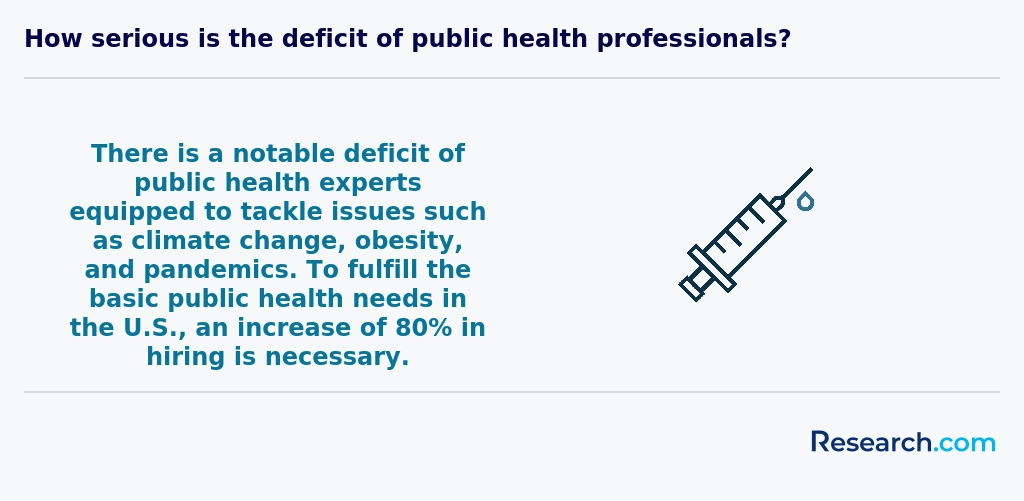
In today’s rapidly evolving landscape, staying informed about emerging trends in public health education is crucial for success. As technology and global challenges reshape the health sector, South Carolina’s programs are adapting to provide more flexible, innovative, and career-oriented approaches. For instance, blended learning models and advanced online platforms are not only increasing accessibility but also ensuring that students gain up-to-date skills in areas such as data analytics, digital health communication, and emergency preparedness. Prospective students can now take advantage of programs that emphasize practical, real-world experience alongside traditional coursework. Moreover, institutions are investing in partnerships with local health agencies and research centers, which enrich learning with hands-on projects and internships. These initiatives prepare graduates to address complex health issues-from preventive care to outbreak management-using both innovative technology and community-driven strategies. If you’re looking for flexible learning options, consider exploring programs from the cheapest online public health school in south carolina, where students receive a comprehensive education that meets industry standards while keeping costs manageable. This forward-looking approach not only enhances the educational experience but also significantly boosts career readiness in a competitive market. By understanding these trends, prospective students can choose programs that are both affordable and aligned with the future demands of public health.
When pursuing a public health degree in South Carolina, financial aid can feel like a lifeline, especially as tuition at state universities such as the University of South Carolina ranges from $8,000 to $11,000 per year for in-state students. Many graduates recall how completing the FAFSA opened doors to federal support like Pell Grants and low-interest loans, easing their worries about upfront costs.
State-specific aid also plays a crucial role. The South Carolina Need-Based Grant, for example, has helped numerous public health undergraduates cover expenses when funds were tight. High-achieving residents often earn the LIFE Scholarship, which can significantly reduce tuition, enabling students to focus more on their studies than financial stress.
At universities like USC, institution-specific scholarships and assistantships offer fantastic support. Graduate students pursuing an MPH sometimes receive stipends through teaching or research roles, making advanced education more accessible and rewarding.
Don't overlook external scholarships from groups like the American Public Health Association or local health agencies. Many graduates found that employers in South Carolina's health sector also provided tuition reimbursement, supporting their professional growth while reducing financial strain.
Professional certifications can significantly enhance your credentials and signal expertise to employers in fields such as epidemiology, health education, and environmental health. Many South Carolina graduates pursue the Certified Health Education Specialist (CHES) credential, administered by the National Commission for Health Education Credentialing (NCHEC), which validates mastery in program planning, implementation, and evaluation. Experienced professionals can aim for the Master Certified Health Education Specialist (MCHES) to demonstrate advanced skills. For those targeting management or policy roles, the Certified in Public Health (CPH) exam offered by the National Board of Public Health Examiners (NBPHE) can bolster your profile. Environmental health specialists often seek Registered Environmental Health Specialist (REHS) status through state health departments or organizations like the National Environmental Health Association (NEHA). Additional certifications-such as Certified Infection Control (CIC) and Certified Health Data Analyst (CHDA)-underscore specialized expertise in critical areas of public health. These credentialing processes typically require documented education, work experience, and successful completion of a rigorous examination. Maintaining certification involves continuing education credits (CECs), ensuring you stay abreast of evolving practices. Earning certifications can translate into higher salary potential and greater job mobility, especially in competitive markets. Additionally, graduates interested in specialized roles in health information management can explore the health information technician career path, which combines data integrity, privacy regulations, and health informatics to support efficient healthcare delivery and research initiatives.
To enroll in a public health degree program in South Carolina, you'll need to meet some clear prerequisites that set the foundation for your success. If you're aiming for an undergraduate degree, having a high school diploma or GED with a solid GPA between 2.5 and 3.0 is essential. Many graduates from institutions like the University of South Carolina recall how strong skills in biology, chemistry, and math made their coursework more manageable and rewarding.
For those pursuing a Master of Public Health (MPH), a bachelor's degree from an accredited school is mandatory, though it doesn't have to be in health sciences. Graduates often mention how completing prerequisite courses like statistics and social sciences gave them confidence entering programs such as the one at Clemson University's Public Health Department.
Letters of recommendation and a heartfelt statement of purpose truly make your application shine, reflecting your passion for improving community health. While GRE scores are less commonly required, checking each school's specifics is wise. Meeting these criteria opens doors to impactful careers right here in South Carolina's diverse communities.

If you're diving into a public health degree in South Carolina, expect a well-rounded curriculum that covers essential courses like Introduction to Public Health, Epidemiology, and Biostatistics. Graduates from institutions such as the University of South Carolina often share how learning epidemiology helped them understand how diseases spread through communities in real time, equipping them to make informed decisions during health crises.
Courses in Environmental Health and Health Policy give you tools to tackle pollution issues or navigate the complexities of healthcare systems, which are crucial for serving South Carolina's unique community needs. Many students find Social and Behavioral Sciences particularly inspiring, as it shows how individual behaviors and cultural factors impact health outcomes in both urban and rural areas.
Practical learning is emphasized at colleges like Clemson University, where hands-on experiences in health communication and public health ethics prepare you to engage directly with local populations. These courses transform theory into action, making your studies feel relevant and empowering as you prepare to make a real difference.
When considering a public health degree specializations South Carolina offers, graduates from universities like the University of South Carolina often highlight Epidemiology as a top choice. This specialization empowers students to track and study disease patterns-vital in a state managing chronic illnesses like diabetes and heart disease. Environmental Health is another popular path, where students tackle real challenges such as water quality and pollution, equipping themselves for roles in local health agencies or the EPA.
Health Policy and Management appeals to many because it involves crafting policies to improve healthcare access, an issue South Carolina faces with nearly 15% of residents uninsured. Social and Behavioral Sciences allow students to create impactful interventions for community concerns like substance abuse, as seen in programs at Clemson University. Others choose Global Health or Public Health Informatics, areas growing rapidly in response to global outbreaks or the rising need for data-driven public health strategies.
Graduates looking to move into the workforce sometimes explore the health information technician career path, combining public health knowledge and data skills to meet modern demands. These specializations offer both purpose and practical impact within South Carolina's public health landscape.
Choosing the best affordable public health degrees South Carolina means looking closely at accreditation, program flexibility, and local relevance. Graduates from well-known colleges here often praise the balance between quality education and real-world experience, especially through internships with South Carolina's public health agencies. Imagine yourself learning cutting-edge epidemiology or health policy on a campus known for strong community ties, then applying that knowledge during a practicum in Charleston or Columbia.
Consider how the program fits your lifestyle-whether an on-campus immersion or an online format allows you to work while earning your degree. Many students find that part-time options or accelerated tracks help keep their momentum without overwhelming commitments. Also, investigate financial aid possibilities to ease your cost burden, as local universities are usually more affordable than out-of-state alternatives.
Finally, aim to connect with current students or alumni. Their stories often reveal the true value of a program and inspire confidence in your choice. For more insights on affordability beyond South Carolina, you might explore the Inexpensive Public Health Degree Programs Ranking in New Orleans, LA.

Graduates with a public health degree in South Carolina unlock diverse career paths that make a real difference in people's lives. From universities like the University of South Carolina and Clemson, many find themselves working in community health education, developing programs that encourage healthy living and prevent illness. Others specialize in health policy analysis, shaping local and state policies that strengthen public health systems. If you're drawn to hands-on work, environmental health roles offer opportunities to tackle pollution and sanitation issues directly affecting your neighbors.
Many graduates embrace roles in epidemiology, tracking disease outbreaks and managing responses-an essential field highlighted through recent public health challenges. Health services management is another rewarding path, where you can lead clinics or nonprofit organizations, ensuring care reaches those who need it most. If you are exploring options and wonder about acceleration, be sure to check out this top associate's degree in 6 months to build your foundation quickly.
Career opportunities with public health degree South Carolina graduates have show that the field blends passion with purpose, making it a fulfilling choice for anyone wanting to impact community health positively.
The public health job outlook South Carolina shines with promising growth and opportunity. Graduates from well-known institutions like the University of South Carolina and Clemson University often find themselves stepping confidently into roles at state health departments, nonprofit organizations, and healthcare facilities. These environments offer hands-on experiences that truly prepare students for meaningful careers. For many graduates, working in cities such as Charleston or Columbia provides the chance to impact communities directly while growing professionally within a supportive network.
Employment opportunities for public health graduates SC extend across various sectors, including epidemiology, health education, and policy consulting. Salaries align well with these opportunities, often starting around $46,000 and increasing with experience or advanced degrees, reflecting the state's commitment to nurturing talent. Many students invest their resources wisely by exploring affordable programs and even certificate programs that pay well, which can enhance credentials without adding excessive tuition costs.
2027 Most Affordable Public Health Degree Programs Ranking in South Carolina
Investing in your education is a significant decision that can influence your career and personal growth, and the Research.com team recognizes the importance of guiding you through this process with trustworthy information. To help prospective students in South Carolina, we have carefully developed the "2027 Most Affordable Public Health Degree Programs Ranking in South Carolina." Our dedication to quality, credibility, and accuracy is demonstrated through comprehensive research and data analysis.
We utilized the following reputable data sources to ensure a thorough evaluation of public health programs:
By consulting this ranking, readers will gain essential insights into affordable and quality public health degree options in South Carolina, empowering them to make well-informed educational decisions. For further information on our approach, please visit our Research.com methodology page.

# 2 position
South University-Columbia
Bachelor of Science in Public Health


# 5 position
University of South Carolina-Columbia
Master of Public Health in Physical Activity & Public Health


Frequently Asked Questions About public health
Public health degree students in South Carolina can maximize their learning experience by engaging actively with local health departments and community organizations. South Carolina's health agencies often provide internships and practical opportunities, which allow students to apply classroom knowledge in real-world settings. The South Carolina Department of Health and Environmental Control (DHEC) is a key partner offering valuable resources and hands-on experience.
Students should also take advantage of research projects focused on state-specific issues such as HIV prevention and rural health disparities, which are significant in South Carolina according to CDC reports. Networking with regional public health professionals through conferences and workshops further enhances learning and career prospects.
Emerging niches within the public health field in South Carolina reflect national trends focused on addressing complex health challenges. One significant area is health informatics, which combines data analysis and technology to improve healthcare delivery. The demand for health informatics specialists is projected to grow as South Carolina invests in digital health systems, according to the South Carolina Department of Health and Environmental Control (DHEC).
Another key niche is environmental health, driven by concerns over pollution and climate change impacts in coastal and rural communities. Public health students increasingly focus on sustainable practices and disaster preparedness.
Additionally, community health and policy roles are expanding to tackle disparities affecting underserved populations in both urban and rural areas.
Graduates with a public health degree in South Carolina can improve their job prospects by gaining practical experience through internships or volunteer roles with local health departments or nonprofit organizations. The South Carolina Department of Health and Environmental Control (DHEC) frequently offers such opportunities, which provide valuable insight into public health challenges. Networking is essential; joining professional groups like the South Carolina Public Health Association can connect students to job openings and mentorship.
Enhancing skills in data analysis and public health informatics is important, as these areas are growing rapidly in the state. According to the U.S. Bureau of Labor Statistics, employment for health educators and community health workers in South Carolina is expected to grow by 11% from 2020 to 2030.
Obtaining certifications, such as Certified Health Education Specialist (CHES), can further increase competitiveness in the job market. Developing communication and cultural competency skills also supports success in South Carolina's diverse communities.
Employers in South Carolina highly value public health graduates who possess strong analytical and communication skills. The ability to interpret data accurately and convey findings clearly is essential for addressing the state's diverse health challenges. According to the South Carolina Department of Health and Environmental Control, skills in epidemiology and biostatistics are critical for managing local disease outbreaks and health trends.
Project management and community engagement abilities are also important, as many public health roles involve coordinating with local agencies and educating populations. Graduates familiar with health policy and program evaluation are preferred to support evidence-based decision-making. Proficiency in using public health software and technology adds a competitive edge for employment in South Carolina's evolving healthcare environment.
Finding internships in South Carolina that align with a public health degree involves a mix of research, networking, and leveraging local resources. Many colleges and universities in South Carolina, such as the University of South Carolina, offer dedicated career services to help students connect with internships that focus on community health, epidemiology, or health promotion. According to the South Carolina Department of Health and Environmental Control (DHEC), there are numerous public health initiatives, providing opportunities for practical experience.
Students should explore local government health departments, nonprofit organizations, and healthcare providers, which frequently offer internship programs tailored to public health students. Utilizing internship databases and attending relevant job fairs in metropolitan areas like Charleston and Columbia can also be effective strategies. Networking through professional associations such as the South Carolina Public Health Association further enhances internship prospects for students.
A public health degree in South Carolina significantly enhances career mobility and advancement opportunities. Graduates gain essential skills in community health, epidemiology, and health policy, which are in demand across government agencies, healthcare providers, and non-profits.
According to the South Carolina Department of Health and Environmental Control, the state anticipates growing employment opportunities in public health by 15% from 2020 to 2030, faster than the national average. This growth creates a favorable job market for degree holders.
Professionals with advanced degrees, such as a Master of Public Health (MPH), often qualify for leadership roles and higher salaries, supporting long-term career development in both urban and rural areas of South Carolina.
Studying for a public health degree in South Carolina equips students with skills to work across multiple disciplines. Programs emphasize collaboration with healthcare, social services, environmental science, and policy-making sectors. This interdisciplinary approach reflects the complex nature of public health challenges.
Many South Carolina universities partner with local health departments and community organizations, providing hands-on experience in diverse settings. According to the South Carolina Department of Health and Environmental Control, these partnerships enhance practical learning and improve community health outcomes.
Courses often include training in data analysis, communication, and leadership, preparing graduates to address health disparities and implement programs in varied fields. This broad foundation makes students adaptable for roles in government, nonprofits, and private sectors statewide and beyond.
When choosing between thesis and non-thesis public health degree programs in South Carolina, consider your career goals first. A thesis option usually requires original research and is ideal if you plan to pursue a PhD or work in research-driven roles. Non-thesis programs focus more on practical skills through exams or projects and suit students aiming for applied public health careers.
South Carolina's public health workforce is growing, and professionals with research experience may have an edge in academic or government roles. According to the South Carolina Department of Health and Environmental Control, public health research funding impacts job growth.
Cost and time commitment also differ; thesis tracks often take longer due to research obligations. Students should review program requirements carefully and seek advice from academic advisors before deciding.
Students based in South Carolina who wish to study public health abroad have several options through university partnerships and exchange programs. Many South Carolina institutions offering public health degrees, such as the University of South Carolina, have established connections with global universities, allowing students to gain international experience while earning credits. These programs often focus on global health issues and provide exposure to diverse health systems.
According to the Council on Education for Public Health (CEPH), studying abroad can enhance cross-cultural competencies crucial for public health careers. Scholarships and financial aid may also be available to help with travel expenses. South Carolina's growing public health workforce benefits from graduates with international perspectives, addressing challenges like infectious diseases and health disparities.
Students pursuing public health degrees in South Carolina have several part-time job opportunities that align with their studies. Working as community health aides or outreach coordinators allows students to engage directly in local health initiatives and gain practical experience. The South Carolina Department of Health and Environmental Control (DHEC) often offers part-time positions or internships in epidemiology, environmental health, and health education.
Hospital volunteering and assisting in clinics provide hands-on experience with patient interaction and data collection. According to recent labor statistics, healthcare support roles in South Carolina are projected to grow by 14% over the next decade, reflecting increased opportunities in the field.
Additionally, part-time research assistant roles at universities or public health agencies help students develop skills in data analysis and program evaluation.
Public health students in South Carolina benefit from diverse networking opportunities tailored to support their academic and professional growth. Many universities collaborate with local health departments and organizations, offering internships and practical experiences. For example, the South Carolina Department of Health and Environmental Control (DHEC) engages students in community health projects, providing valuable connections in public health practice.
Professional associations such as the South Carolina Public Health Association (SCPHA) offer student memberships, events, and conferences to foster interaction with established public health professionals. These gatherings serve as platforms for mentorship, job leads, and collaboration.
Additionally, several universities host guest lectures and career fairs focused on public health careers in the state. Such events increase access to employers and alumni networks, helping students establish important contacts before graduation.
Alumni networks offer significant advantages to public health degree students in South Carolina by providing access to professional connections across the state's healthcare industry. Graduates from institutions like the University of South Carolina contribute to a vibrant community that supports mentorship and career guidance. According to the South Carolina Department of Health and Environmental Control, collaborations through these networks help students connect with agencies focused on addressing state-specific public health issues, such as infectious diseases and rural health disparities.
These connections often lead to internships and job opportunities, facilitating smoother transitions into the workforce.
Customizing a public health degree program in South Carolina allows students to align their education with personal career goals. Many state universities offer concentrations such as epidemiology, health policy, environmental health, and community health. These options enable learners to focus on areas with strong local demand, such as addressing rural health disparities prevalent in South Carolina. Elective courses, internships, and research projects are additional tools for tailoring the degree. For example, internships with the South Carolina Department of Health and Environmental Control provide hands-on experience in public health practice. According to the South Carolina Public Health Association, such relevant experiences improve job readiness significantly.
Public health students in South Carolina often face challenges related to limited local resources and funding for community health initiatives. According to the South Carolina Department of Health and Environmental Control, rural areas experience significant health disparities, which can complicate fieldwork and internships for students seeking practical experience.
Many programs require hands-on training, but transportation and access issues in rural parts of the state can limit opportunities. Additionally, the demand for public health professionals is growing, but students sometimes encounter difficulty balancing demanding coursework with part-time jobs needed to support their education.
Networking opportunities remain less abundant compared to larger metropolitan areas. Furthermore, students must stay current with evolving public health policies and technologies amid relatively modest state investment in advanced research facilities, as noted by the South Carolina Budget and Control Board.
With a public health degree in South Carolina, graduates can pursue several recognized professional certifications that enhance career opportunities. One of the most sought-after is the Certified in Public Health (CPH) credential, offered by the National Board of Public Health Examiners. This certification demonstrates mastery of key public health skills.
Another common path is becoming a Registered Health Education Specialist (CHES), which focuses on community health education and promotion. South Carolina also offers opportunities for certifications in epidemiology, environmental health, and health administration through specialized bodies.
According to the South Carolina Department of Health and Environmental Control, certified professionals tend to have better job prospects and higher salaries within the state's public health system.
Applying to public health programs in South Carolina requires a clear and focused application that highlights your commitment to community health. Start with a strong personal statement describing your goals and how a public health degree will help you improve local health outcomes.
Include relevant experience such as volunteer work, internships, or employment in healthcare settings to demonstrate practical knowledge. Schools like the University of South Carolina value applicants familiar with state health challenges, such as addressing rural health disparities reported by the South Carolina Department of Health and Environmental Control (DHEC).
Ensure your academic records meet program requirements, typically including coursework in biology, statistics, and social sciences. Finally, secure strong recommendation letters that emphasize your leadership and dedication to public health goals in South Carolina communities.
Public health careers are increasingly viewed through a global lens, reflecting the interconnected nature of health challenges worldwide. Professionals trained in South Carolina benefit from education aligned with international standards, preparing them to address issues such as infectious diseases, environmental health, and health disparities. According to the South Carolina Department of Health and Environmental Control, statewide efforts emphasize global health perspectives to improve local outcomes.
Many public health programs in South Carolina incorporate global health topics, recognizing that pandemics and chronic diseases do not respect borders. This prepares graduates to work in diverse settings, including international organizations, government agencies, and NGOs.
Understanding global health trends enhances a graduate's ability to form partnerships and contribute solutions that have both local and global impact, an essential skill in today's public health workforce.
Gaining practical experience while studying for a public health degree in South Carolina is essential for career readiness. Many universities offer internships and cooperative education placements through partnerships with local health departments, hospitals, and nonprofit organizations. For example, the South Carolina Department of Health and Environmental Control (DHEC) collaborates with students to provide real-world public health practice opportunities.
Additionally, students can participate in research projects related to health disparities and disease prevention, which South Carolina faces at higher rates than some other states. These hands-on experiences help develop skills in data analysis, community outreach, and program planning.
Furthermore, joining student public health associations or volunteering with community health initiatives allows students to build professional networks and gain leadership experience within the state's health sector.
Choosing the right concentration within a public health degree in South Carolina depends on your interests and career goals. Popular areas include epidemiology, health policy, environmental health, and community health. South Carolina's public health challenges, such as high rates of chronic diseases and rural health disparities, may guide your focus. For example, epidemiology is crucial for addressing infectious diseases in the state, while environmental health deals with local industrial impacts.
Check program accreditation, like CEPH, and research faculty expertise. Consider internships offered through partnerships with organizations such as the South Carolina Department of Health and Environmental Control. Understanding local health trends from CDC and state reports can help you align specialization with workforce needs.
- 2027 Most Affordable Public Health Degree Programs Ranking in Alabama
- 2027 Most Affordable Public Health Degree Programs Ranking in Arkansas
- 2027 Most Affordable Public Health Degree Programs Ranking in New Jersey
- 2027 Most Affordable Public Health Degree Programs Ranking in Connecticut
- 2027 Most Affordable Public Health Degree Programs Ranking in Michigan
- 2027 Most Affordable Public Health Degree Programs Ranking in Minnesota
- 2027 Most Affordable Public Health Degree Programs Ranking in New Hampshire
- 2027 Most Affordable Public Health Degree Programs Ranking in New Mexico
- 2027 Most Affordable Public Health Degree Programs Ranking in Arizona
- 2027 Most Affordable Public Health Degree Programs Ranking in California
- : - - Sumter Campus http://bulletin.uscsumter.edu/preview_entity.php
- How to carve a niche in your public health career | PH SPOT https://phspot.org/carvinganiche/
- For Academic Public Health https://globalnetworkpublichealth.org/
- South Carolina https://www.publichealthdegrees.org/st/south-carolina/
- Areas in Public Health https://www.publichealthcareers.org/areas-in-public-health.html
- What do you learn in a bachelor's in public health? | edX https://www.edx.org/resources/what-do-you-learn-in-a-bachelors-in-public-health
- Pre-Professional Health Experience Guide | PublicHealthOnline.org https://www.publichealthonline.org/pre-professional-experience/
- Public Health Degrees & Careers | How To Work In Public Health https://www.learnhowtobecome.org/medical-health-careers/public-health/
- Know more about thesis vs non- thesis: what is the difference? https://studyfans.com/en/blogs/816
- Public Health https://disabroad.org/program/public-health/









