2027 BS in Business Administration: A Cohort Schedule Versus Flexible Course Selection
Audited and Verified:
Our Editorial and Data Verification Process
Research.com uses government datasets, official education statistics and primary institutional information to support its career and degree guides. Our review process checks factual accuracy, occupational definitions, source dates and the requirements associated with the credentials discussed.
How This Article Was Fact-Checked
Our editorial team verifies salary estimates, employment projections, education requirements and program information against original data providers and official organizations. Salary figures are checked against the relevant occupational definitions and reporting periods. Information about licensure, accreditation and required in-person training is reviewed separately.
Fact-checked and verified on:

Co-Founder and Chief Data Scientist
A BS in Business Administration can offer a prescribed cohort schedule or let you choose courses term by term. That difference affects more than convenience: it can determine when you take prerequisites, how you manage group work, and whether your graduation plan survives a change in work or family obligations.
This guide is for prospective and returning students comparing those structures. It explains what each actually controls, where advertised flexibility can fall short, and what to verify before choosing a program.
Key Things You Should Know
- Choose a cohort if its published course sequence fits your calendar and you value predictable enrollment; choose flexible selection if you need to vary your course load and required classes are offered often enough.
- Neither structure guarantees self-paced study or faster graduation. Check live sessions, prerequisite chains, course rotation, group projects, and leave policies before enrolling.
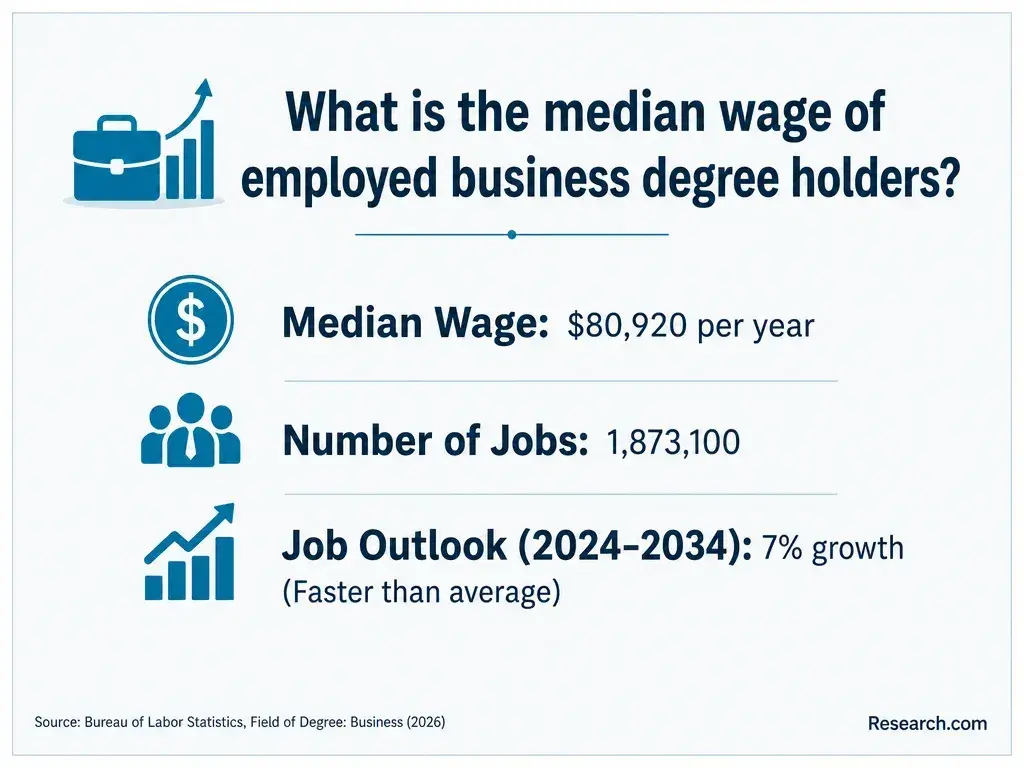
- Scheduling is not an earnings advantage. The Bureau of Labor Statistics reports a $75,940 May 2025 median for human resources specialists, an occupation-wide figure rather than pay attributable to either degree format.
What Is a BS in Business Administration Cohort Schedule?
In a cohort, a group of students begins together and follows a planned sequence of courses. A school may reserve sections for the group, set a common pace, and build recurring teamwork into classes.
Some cohorts have fixed entry dates or live meetings; others deliver coursework online with weekly deadlines. Cohort describes how students progress, not where or when every class meets.
The chief advantage is a more visible path through prerequisites and graduation requirements. The limitation is that missing a required course can be difficult to recover from if its next offering is tied to the following cohort. Ask what happens if you need to reduce your course load, pause for a term, or repeat a class.
For someone working regular hours, a dependable sequence may be easier to plan around than term-by-term registration, but only if its actual meeting times fit. Readers hoping to earn a business administration degree while keeping your job should obtain a sample weekly calendar, not rely on the word "cohort" or "online."
How Does Flexible Course Selection Work in a Business Administration Degree?
Flexible course selection generally means students choose from available classes each term, subject to prerequisites, enrollment limits, and the degree audit. You might take fewer courses during a busy season or select electives that support a business concentration. It does not necessarily mean on-demand starts, unlimited course choices, or self-paced assignments.
Its value depends on the timetable behind the catalog. If accounting must precede finance, and finance is offered only occasionally, freedom to register for other courses may not protect your graduation date. Transfer students should also check whether accepted credits satisfy specific business requirements rather than merely add elective credits.
Accelerated calendars are a separate feature: shorter terms may create more start dates but compress the same coursework into fewer weeks. Compare published course lengths and weekly expectations when considering fast-track bachelor's degree options; flexibility in choosing a start date does not reduce the work required.
Which Is Better: A Cohort Schedule or Flexible Course Selection?
A cohort is the stronger choice when its sequence fits your life and you want fewer registration decisions. Flexible selection is stronger when your available study time changes and the school offers required courses frequently enough to accommodate those changes.
The comparison below focuses on the scheduling conditions that can change your answer, rather than assuming that one format is always more supportive or faster.
| Decision factor | Cohort schedule | Flexible course selection |
| Course sequence | Usually prescribed in advance | Chosen within prerequisites and availability |
| Changing course load | May require leaving the group's sequence | Often easier, but may delay a prerequisite chain |
| Peer continuity | Often the same classmates across courses | Classmates may change each term |
| Main risk to completion | Limited recovery options after a missed course | Required classes may not run when needed |
A working parent, for example, may prefer flexible selection if a lighter term is sometimes necessary. A student with predictable work hours may prefer a cohort if it secures access to required classes.
In either case, compare an actual term-by-term plan through graduation, including a scenario in which you miss one course. Online business school comparisons across the United States can help build a shortlist, but each school's current schedule must settle the decision.
Requirements vary by institution, but a BS in Business Administration commonly combines general education with accounting, economics, finance, marketing, management, operations, business law, statistics or quantitative reasoning, and a culminating project or capstone. An official concentration may add a prescribed set of courses; taking a few related electives does not automatically create one.
Curriculum matters to the schedule decision because courses are not interchangeable. Accounting and quantitative prerequisites can govern when you take finance or analytics, while a capstone may be restricted to the final stage of study.
Ask for a degree map showing prerequisites, course rotation, concentration availability, and any internship or project requirements. If your intended work is specifically in logistics, comparing the courses in a general BS with supply chain degrees by cost and length may be more useful than comparing schedules alone.
Delivery mode and scheduling model are separate decisions. An online cohort may require live evening presentations, while a campus program may let students choose among multiple class sections. Either mode can include fixed deadlines, team simulations, proctored exams, internships, or capstones.
Online study can remove a commute, but it may add technology requirements and make coordinating team work across schedules more difficult. Campus study may offer easier in-person access to classmates, faculty, and local recruiting, while imposing travel and fixed meeting times. Request a recent syllabus for required courses and confirm live attendance, exam arrangements, software, accessibility support, and any campus visits.
When comparing affordable colleges for online business degrees, check whether the quoted cost covers the delivery conditions you can actually use. A lower-priced online option is not a bargain if required sessions conflict with work or caregiving.
Requirements depend on whether you are entering as a first-year student, transferring, or returning after an enrollment gap. Schools commonly request academic transcripts and may set separate standards for admission to the institution and to the business major. Prior college work may satisfy prerequisites, general education, or electives, but the receiving institution decides how each course applies.
Before applying, request the program's current admission criteria and a preliminary review of previous coursework. Ask specifically about math, statistics, accounting, and economics preparation; whether any requirements can be completed after admission; and when the school issues an official degree audit.
For a closer look at possible starting requirements, use business administration degree prerequisite planning. Do not mistake admission or a transfer-credit total for confirmation of a graduation date.
Completion time depends on applicable prior credits, course load, prerequisite order, and how often required classes run. A cohort may publish a clear calendar, but that timeline usually assumes uninterrupted progress.
Flexible selection may let you adjust your load, though taking fewer courses or waiting for a required class can extend enrollment. Neither structure is automatically quicker.
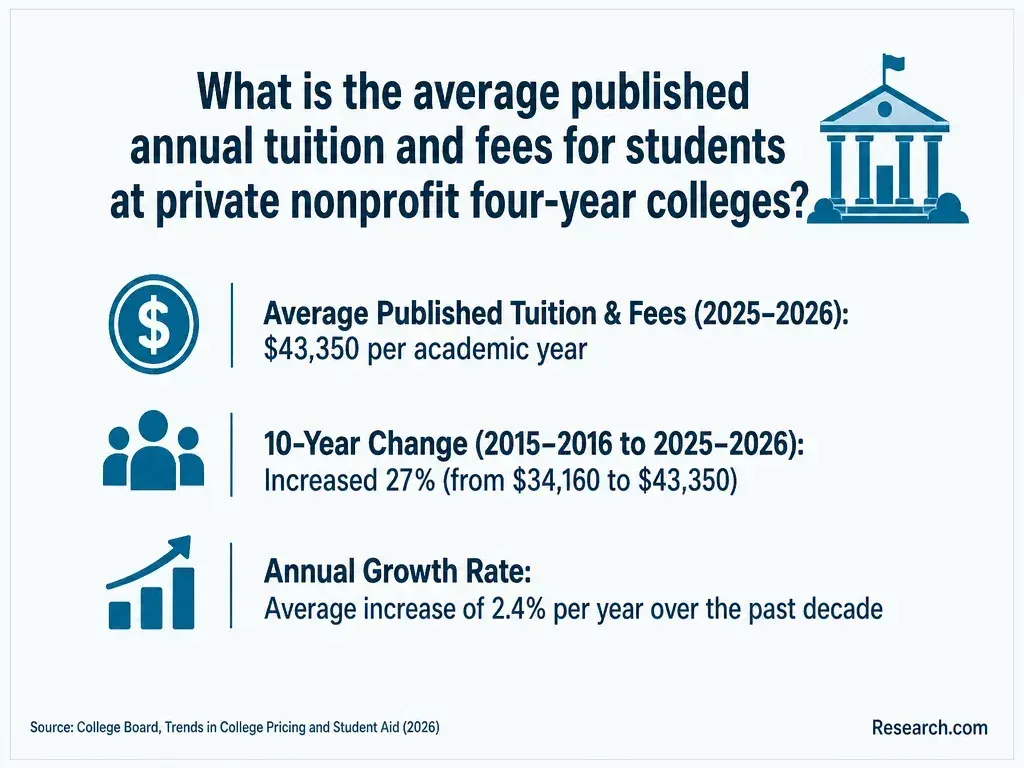
For a usable cost comparison, ask each school for an individualized estimate of remaining required courses, tuition and mandatory fees, and the terms needed to finish. Add books, software, proctoring, travel, and any earnings you would give up to attend.
Check financial-aid eligibility and employer reimbursement rules separately; aid offers and workplace benefits are not guaranteed. Comparing low-cost online business administration pathways is a starting point, not a substitute for a school-approved audit and a total-cost estimate.
First, confirm the institution's accreditation status with its accreditor and check that the accreditor is recognized by the U.S. Department of Education. Then, if a school advertises AACSB, ACBSP, or IACBE accreditation, verify the accreditor's listing and whether the specific business program or academic unit is covered. Institutional and business-program accreditation are distinct; neither proves that a particular schedule will work for you.
For this decision, quality evidence also includes published course rotations, advising access, policies for interrupted enrollment, and how often students can obtain required classes. Ask the program which catalog and policies will apply to your entry term, and request its process for handling an unavailable course.
If a specialized degree is an alternative, comparisons such as project management programs with lower total costs still require the same accreditation and course-availability checks.
The degree can support applications for roles in operations coordination, human resources, marketing support, sales, and project coordination. The appropriate entry point depends on prior experience and evidence of skills, not whether courses were taken with a cohort.
Employers may look for spreadsheet work, professional communication, budgeting basics, relevant employment, or a supervised project. Management positions generally require demonstrated responsibility beyond introductory coursework.
As one labor-market reference, the Bureau of Labor Statistics reports a $75,940 median annual wage for human resources specialists in May 2025. That is the median across the occupation, not an expected starting salary for a new business graduate.
If your target is a specific function, compare its job postings and required skills with your curriculum; students focused on project coordination might also examine project management degrees with prior-credit pathways rather than assume a general business degree is the most direct route.
Do Business Administration Graduates Need Licenses or Certifications?
There is no general license required simply to hold a BS in Business Administration or work in many entry-level business roles. Specific work can have separate rules.
Accounting licensure, for example, depends on state requirements, while some financial-services activities require role-specific licensing. Voluntary credentials in areas such as HR or project management have their own eligibility rules; a business course or concentration does not award them.
Check the requirements for the job you actually want before paying for another credential. A student considering a project-management degree instead of, or in addition to, a certification should compare the full education cost and available assistance.
Information on FAFSA grants and scholarships for project management students is relevant to that separate degree decision, not evidence that certification requires a bachelor's. For many roles, documented work experience and targeted training may be the more direct next step.
Other Things You Should Know About Business Administration Programs
Possibly, if the school offers both pathways. Ask an adviser how the switch affects course eligibility, your degree audit, tuition, and expected completion term before changing enrollment.
Not necessarily. Some programs reserve seats for cohort members; others do not. Request the written registration policy for required business courses.
That depends on the program's leave and reentry rules. Confirm when your next required course would be available and whether returning students follow a new catalog.
Look for student organizations, recurring group projects, faculty events, and career-service activities. Ask whether online students can participate and whether attendance is scheduled or optional.
- Cost of Attendance (Budget) | 2025-2026 Federal Student Aid Handbook https://fsapartners.ed.gov/knowledge-center/fsa-handbook/2025-2026/vol3/ch2-cost-attendance-budget
- Online group projects in higher education - PMC https://pmc.ncbi.nlm.nih.gov/articles/PMC10038701/
- Understanding College Costs | studentaid.gov https://studentaid.gov/resources/prepare-for-college/students/choosing-schools/consider-costs
- Accreditation: Postsecondary Education Institutions | ed.gov http://www.ed.gov/laws-and-policy/higher-education-laws-and-policy/college-accreditation/accreditation-postsecondary-education-institutions
- How Long Does It Take to Get a Business Degree? | SCU https://www.scu.edu/business/blog/admissions/how-long-does-it-take-to-get-a-business-degree/
- Business Administration, B.S.: Degrees: Indiana University | iu.edu https://online.iu.edu/degrees/business-administration-bs-undergraduate.html
- College of Business Administration - Academic Catalog https://catalog.uic.edu/ucat/colleges-depts/business-administration/
- What is Cohort vs. Self-Paced Learning? - Wharton | Wharton Executive Education https://executiveeducation.wharton.upenn.edu/thought-leadership/wharton-online-insights/cohort-vs-self-paced-learning/