2027 Most Affordable Online Public Health Degree Programs Ranking in South Carolina

Co-Founder and Chief Data Scientist
Choosing the right public health degree program can be overwhelming, especially when considering affordability and quality. To help South Carolina students navigate this important decision, Research.com's team of data scientists created the 2027 Most Affordable Online Public Health Degree Programs Ranking in South Carolina.
This article highlights affordable programs that balance cost with strong academic value, giving you confidence in your choice.
Pursuing a public health degree opens doors to meaningful careers dedicated to improving community wellbeing. Exploring this ranking will empower you to take the next step toward a rewarding future.
Key benefits of getting online public health degree in South Carolina
- Graduates with a public health degree in South Carolina can expect rewarding salaries, such as $52,610 annually for Community Health Workers and up to $86,710 for Environmental Health Specialists, reflecting strong earning potential in this field.
- Career paths are diverse, with options ranging from Health Educator roles at $69,790 yearly to Occupational Health and Safety Specialists, allowing graduates from schools like the University of South Carolina to find fulfilling work that fits their interests.
- Completing a public health degree online, like through Clemson University's program, offers flexibility and convenience, enabling students to balance studies with work or family while earning the same respected credential as on-campus programs.
- 2027 Most Affordable Online Public Health Degree Programs Ranking in South Carolina
- What can I expect from online public health degree in South Carolina?
- Where can I work with online public health degree in South Carolina?
What can I expect from online public health degree in South Carolina?
The average cost of an online public health degree in South Carolina is thoughtfully structured to support students' dreams of making a difference. Many respected institutions like the University of South Carolina and Clemson University offer competitive in-state tuition rates, often ranging from approximately $8,000 to $15,000 per year. Graduates frequently share how financial aid, scholarships, and flexible payment plans make pursuing their degree not only affordable but empowering.
Students appreciate the opportunity to balance their education with life's demands thanks to part-time and full-time options. One graduate recounted completing coursework after work hours, feeling grateful for the program's understanding of busy schedules. The investment feels worthwhile when engaging in meaningful projects designed around South Carolina's unique public health challenges, turning theory into real-life impact. These programs do more than offer a degree-they open doors to transformative careers that contribute directly to communities across the state.
Where can I work with online public health degree in South Carolina?
Graduates with an online public health degree from universities like the University of South Carolina or Clemson often find rewarding careers throughout South Carolina's vibrant health sector. Many step into roles at the South Carolina Department of Health and Environmental Control (DHEC), where they help protect communities by working in epidemiology, environmental health, or emergency preparedness.
Others join health systems such as Prisma Health or MUSC Health, contributing to life-changing community health programs that tackle diabetes, obesity, and heart disease-conditions affecting nearly 40% of adults in the state. These positions let graduates feel the direct impact of their work as they improve patient outcomes and support healthier lives.
Nonprofit organizations and local government agencies also offer dynamic paths, enabling graduates to engage with rural communities, schools, and policy makers to promote health equity and wellness. For those drawn to innovative roles, South Carolina's growing health IT and consulting industries provide exciting opportunities in data analysis and wellness program management.
Public health graduates find their skills valued everywhere, inspiring positive change across the state's diverse communities and making a real difference in South Carolina's future.
Graduates with an online public health degree from institutions like the University of South Carolina or Clemson University often find rewarding career paths with attractive salaries. For example, many community health workers in South Carolina earn a mean annual wage of around $52,610, providing a stable foundation early in their careers. Those passionate about educating communities can step into roles as health educators, where the average salary rises impressively to about $69,790 per year, reflecting their vital role in promoting wellness across the state.
Graduates aiming higher often pursue specialized roles such as environmental health specialists or occupational health and safety specialists, with mean wages near $86,710 and $85,570 annually. These positions, commonly found within South Carolina's robust healthcare and public health networks, offer both financial rewards and meaningful opportunities to impact public well-being.
Many students from local universities share inspiring stories of starting with community health outreach positions and advancing to leadership roles, driven by their dedication and the quality training received online. With South Carolina's supportive public health environment and lower living costs, earnings here translate into a fulfilling lifestyle and bright career prospects.
- Tuition for online public health programs in South Carolina ranges from $9,000 to $15,000 per year for in-state students.
- Programs cover key subjects like epidemiology, health policy, community health, and environmental health.
- Starting salaries for public health graduates in South Carolina range from $45,000 to $55,000 annually.
- Mid-career salaries typically increase to between $65,000 and $75,000 per year.
- The state expects an 11% job growth rate in healthcare-related fields, higher than the national average.
- Many online programs offer flexible schedules and part-time options, and are accredited for credibility and employment value.
Completing an online public health degree in South Carolina fits various lifestyles, thanks to flexible pacing options across different program levels. Many graduates from institutions like the University of South Carolina and Clemson University share how their journeys ranged from two years for associate degrees to about four years for bachelor's programs, tailored to their work and family commitments.
For those pursuing a master's, online MPH programs often extend from two to four years, allowing busy professionals at colleges like MUSC to balance career growth with education. This flexibility boosts confidence, as students feel empowered to learn without sacrificing their personal lives.
Doctoral candidates appreciate that completing a DrPH or PhD can take 3 to 5 years, recognizing how part-time options accommodate deep research alongside job responsibilities. Graduates describe their experiences as rewarding and motivating, knowing their studies at South Carolina's institutions position them for meaningful public health impact.
With tuition rates often competitive here, students feel supported both financially and academically, making the time investment truly worthwhile in building brighter futures in public health.
Choosing between an online or on-campus public health degree in South Carolina means embracing different-but equally valuable-paths toward your goals. Online programs offer incredible flexibility, allowing you to balance coursework with career and family commitments from anywhere in the state. Graduates from online tracks at universities like the University of South Carolina often share how this freedom empowered them to thrive without giving up their daily responsibilities.
On-campus degrees, such as those from the Medical University of South Carolina, provide immersive, hands-on experiences. Students cherish engaging directly with professors and accessing local health departments, deepening their connection to the community and real-world public health projects.
Both options meet rigorous CEPH accreditation standards, meaning whether you study remotely or face-to-face, your education builds the strong foundation needed to make a positive impact. For South Carolina public health students, the choice comes down to your lifestyle, learning preferences, and excitement for direct collaboration or flexible study rhythms.
Navigating the application process for an online Public Health degree in South Carolina involves several key steps to ensure you meet all requirements and submit a competitive candidacy: 1. Research and Compare Programs • Verify regional accreditation and CEPH approval for each institution. • Review coursework, specializations, and delivery format to match your career goals. • For broader affordability comparisons, explore our Inexpensive Online Public Health Degree Programs Ranking in Iowa. 2. Check Admission Requirements & Deadlines • Note minimum GPA (typically 2.5–3.0) and prerequisite coursework (e.g., statistics, biology). • Determine if GRE/MAT scores are required or waived. • Record application deadlines-most fall between November and March for summer/fall entry. 3. Gather Documentation • Official transcripts from all postsecondary institutions. • Test scores (if applicable) and proof of English proficiency (for international students). • Resume or curriculum vitae highlighting relevant work/volunteer experience. • Two to three letters of recommendation from academic or professional references. 4. Craft a Personal Statement • Explain your motivation for public health, career objectives, and why you chose online delivery. • Showcase any community health projects, research involvement, or leadership roles. 5. Secure Financial Aid & Scholarships • Complete the FAFSA early (opens October 1). • Apply for state‐specific awards such as the South Carolina Public Health Association Scholarship. • Explore university assistantships and federal grant opportunities. 6. Submit Application & Follow Up • Create an online applicant portal account for each school. • Upload all required documents and pay application fees. • Confirm receipt with the admissions office and track any outstanding items. By following this step-by-step guide and planning ahead, you’ll maximize your chances of admission into a reputable online Public Health program in South Carolina.
The average cost of earning an online public health degree in South Carolina can be both manageable and rewarding for students committed to advancing their careers. For in-state students, the median total cost stands at about $25,751, while out-of-state students often see a median closer to $55,800. These figures reflect a spectrum of opportunities, from public universities known for affordability to private institutions offering competitive programs with robust support systems.
Many graduates from popular South Carolina universities share how the balance of quality education and reasonable tuition empowered them to focus on their studies without overwhelming financial stress. The flexibility of online public health programs allows students to continue working or managing family commitments, turning a degree pursuit into a practical and uplifting journey.
When exploring affordable online public health programs South Carolina offers, it's encouraging to see how the state's public universities provide strong value, combining tuition savings with comprehensive coursework. These programs often attract students who want to make a real impact in communities, benefiting from the state's focus on accessible education and hands-on learning.
Prospective students looking for the most affordable public health schools in south carolina will find valuable options by researching local universities and their online program offerings. For a curated list of these institutions, consider visiting most affordable public health schools in south carolina.

Calculating the return on investment (ROI) of an online Public Health degree helps prospective students understand how quickly their education costs can be offset by career earnings. In South Carolina, the median in-state total cost of an online public health degree is $36,207, while out-of-state students may incur up to $84,972. By comparing these figures with average starting salaries-$49,900 for Community Health Workers, $66,710 for Health Educators, and $83,820 for Environmental Health Specialists-you can estimate payback periods and long-term financial gains. On average, an in-state student earning a mean annual wage of $66,710 as a Health Educator can recoup tuition within 7 months, assuming full-time employment and no other expenses. Out-of-state students, investing up to $84,972, may break even after roughly 1.3 years in an Environmental Health Specialist role. Factoring in salary growth-public health occupations are projected to grow 13% by 2031-can further shorten the ROI horizon. For those seeking to maximize ROI, accelerated pathways offer both time and cost savings. Programs designed to be completed in as few as 11 months reduce living costs and allow graduates to enter the workforce sooner. To explore these options, consider our review of the best rated accelerated online mph programs, which highlight institutions offering compressed schedules without compromising accreditation or curriculum quality. When evaluating program ROI, also account for financial aid, employer tuition reimbursement, and potential salary differentials across specializations. By aligning costs, duration, and expected earnings, you can select an online Public Health degree in South Carolina that delivers the strongest financial and professional outcomes.
Online public health students in South Carolina can confidently pursue their education knowing a variety of financial aid options are within reach. Many graduates from institutions like the University of South Carolina have benefited from federal aid such as Pell Grants, which provide crucial funds without the burden of repayment. Imagine receiving up to $7,395 to help cover tuition costs, allowing you to focus more on your studies and less on finances.
State-specific scholarships like the Palmetto Fellows and LIFE Scholarship also empower South Carolina residents to reduce their educational expenses significantly. These merit-based awards recognize dedication and academic excellence, rewarding your hard work and commitment.
Many students find additional support through institutional scholarships and assistantships offered by schools such as Clemson University, which often value leadership and community service in public health.
Furthermore, programs like the National Health Service Corps offer loan forgiveness to those who pledge to serve underserved communities, turning your passion into a rewarding career while easing financial strain.
To embark on an online public health degree journey in South Carolina, applicants often start with a high school diploma or equivalent for undergraduate programs, while graduate hopefuls bring a bachelor's degree, often in related fields like health sciences or social sciences. Imagine a graduate from a well-known South Carolina university who balanced work and studies, proving that a solid academic foundation opens doors to impactful careers.
A key step many students embrace is maintaining a competitive GPA, generally around 2.5 to 3.0, showcasing dedication and readiness for advanced learning. Graduates from popular South Carolina colleges recall how this benchmark motivated them to excel, knowing it reflects their ability to thrive in public health studies.
While some schools still request GRE scores, many have adapted to value hands-on experience and recommendations more. Students highlight how volunteering in community health roles or securing strong recommendation letters helped affirm their passion and commitment to improving public health in South Carolina's diverse communities.
This process empowers hopefuls, fostering confidence and setting them firmly on a path toward meaningful contributions in public health.
Achieving success in an online Public Health program requires not only academic diligence but also a proactive approach to building your professional network and honing practical skills. Prospective students should focus on time management techniques, actively participate in virtual discussions, and take advantage of digital tools provided by the institution. Establishing an online presence through professional social networks and engaging in webinars or virtual conferences can provide invaluable insights and connections in the public health arena. In addition, students are encouraged to seek guidance from mentors and alumni who have successfully navigated online studies. For example, exploring resources from the most affordable public health schools in south carolina can offer actionable advice on managing coursework, securing internships, and leveraging career opportunities. By balancing rigorous coursework with strategic networking and professional development efforts, students can enhance their learning experience and better prepare for the challenges and rewards of a public health career.
Online public health degree programs in South Carolina empower students with a dynamic mix of courses tailored to real-world impact. Graduates from well-known institutions in the state often describe their journey through foundational subjects like epidemiology and biostatistics as eye-opening, learning to analyze data that shapes effective health strategies for communities. Imagine exploring how disease patterns unfold in South Carolina's own counties and using that insight to protect vulnerable populations.
Courses in environmental health and health policy bring the state's unique challenges into focus, inspiring students to create solutions that make a difference locally and beyond. Community health and behavioral sciences classes connect learners to the heart of South Carolina's diverse populations, sparking a passion for reducing health disparities in rural areas.
Students value interactive experiences, from virtual case studies to capstone projects, which deepen their understanding of health program planning and emergency preparedness. This hands-on approach cultivates confidence to lead public health initiatives that improve lives across South Carolina and the world.
South Carolina's online public health degree specializations open doors to meaningful careers that transform communities. Graduates from leading universities in the state often choose Epidemiology, where they dive into analyzing disease patterns to protect populations from outbreaks. Imagine applying these skills during a real public health crisis, helping save lives through data-driven decisions. Others find passion in Health Promotion and Education, creating programs that inspire healthier lifestyles in schools and local organizations.
Environmental Health is a vital specialization for students eager to tackle pollution and workplace safety, especially relevant in South Carolina's diverse industrial regions. Meanwhile, Public Health Administration prepares future leaders to effectively manage health programs, nurturing the skills needed to improve systems statewide. Many also pursue Global Health, ready to address health challenges that span the globe but are deeply connected to South Carolina's growing multicultural communities.
Students appreciate how affordable public health concentrations in South Carolina empower them to grow without financial strain. For those seeking flexibility and excellence, exploring the best rated accelerated online mph programs in the state offers a dynamic path forward.
Choosing the best accredited public health programs SC begins with ensuring the program's accreditation, often from the Council on Education for Public Health (CEPH). Graduates from leading South Carolina universities appreciate how this accreditation not only guarantees quality education but also opens doors to rewarding careers. Imagine balancing your studies with work or family through flexible, asynchronous courses designed to fit your lifestyle-many South Carolina schools make this possible, allowing you to pursue your passion without compromise.
Cost plays a key role, and many find that affordable online public health degrees South Carolina offers can make a difference. Public institutions often provide tuition rates below the national average, easing financial stress so you can focus on learning and impacting local communities. For those seeking comprehensive support and relevant curriculum, programs tailored to South Carolina's unique health challenges inspire confidence and readiness for tomorrow's workforce.
Exploring options like the Inexpensive Online Public Health Degree Programs Ranking in Iowa can also spark ideas on affordability and value, helping you find a path that feels right and achievable. Trust your journey knowing that many before you have found success through well-rounded programs that blend quality, flexibility, and community impact.
Graduates who earn an online public health degree in South Carolina open doors to inspiring career paths that truly make a difference. Many find rewarding roles in state and local health departments, tackling real issues like infectious disease control and health education. At institutions such as the University of South Carolina or Clemson University, students gain hands-on knowledge that empowers them to become epidemiologists tracking outbreaks or health educators promoting wellness in their hometowns.
These public health professionals often share stories of joy from community outreach, working to improve lives across both urban centers and underserved rural areas. With growing online public health degree job opportunities South Carolina offers, graduates become program managers, environmental health specialists, or biostatisticians shaping healthier futures through data-driven insights.
Those seeking flexible paths often explore the fastest adult degree programs online available in the state, balancing education with work and family. This vibrant field welcomes you to build a meaningful career dedicated to positive change and community well-being.
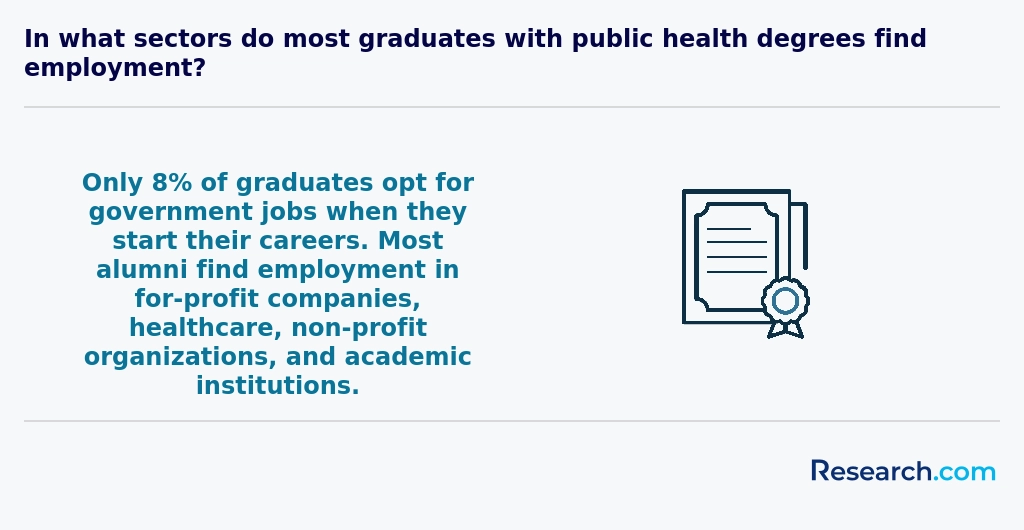
The job market for online public health degree holders in South Carolina is vibrant and full of opportunity. Graduates from popular institutions such as the University of South Carolina or Clemson University often share stories of landing roles within the state's growing healthcare sector, including positions at the South Carolina Department of Health and Environmental Control. These roles encompass public health specialists and health educators, empowering graduates to directly impact community health and wellness. This dynamic environment is a testament to the promising public health career opportunities South Carolina offers.
Public health students appreciate the flexibility of online programs, allowing them to balance study with practical experience and family life. Many find rewarding careers in community health programs, hospitals, and non-profit organizations focused on disease prevention and health advocacy. Tuition remains affordable at state schools, making it easier to achieve professional goals without excessive financial burden.
For those exploring their education pathway, considering the easiest online degrees to get might be a helpful step toward entering this fulfilling field.
2027 Most Affordable Online Public Health Degree Programs Ranking in South Carolina
Investing in your education is a significant decision that can have a lasting impact, and the Research.com team recognizes the importance of making well-informed choices. To support prospective students in South Carolina, we have carefully developed the "2027 Most Affordable Online Public Health Degree Programs Ranking in South Carolina." Our dedication to quality, credibility, and accuracy is demonstrated through thorough research and precise analysis in compiling this ranking.
We utilized the following reputable data sources to ensure a comprehensive evaluation of online public health programs:
By reviewing this ranking, readers will gain valuable insights into the most affordable and credible online public health programs in South Carolina, enabling them to make confident and strategic decisions about their education. For more information on how this ranking was assembled, please visit our Research.com methodology page.


Frequently Asked Questions About public health
Online public health degree students in South Carolina can enhance their learning by actively engaging with local health issues. South Carolina faces unique challenges such as high rates of diabetes and obesity, which provide relevant case studies for coursework (South Carolina Department of Health and Environmental Control, 2023). Connecting with community organizations for internships or virtual volunteer opportunities offers practical experience. Utilizing university-provided resources like academic advisors and online libraries supports academic success. Additionally, forming or joining study groups with peers helps deepen understanding through collaboration. Staying updated on state public health policies through official state websites also aids in contextualizing course content effectively.
Emerging niches within public health reflect shifting priorities in the field, driven by evolving societal needs. In South Carolina, areas like epidemiology and health informatics are gaining momentum as the state addresses ongoing health disparities, with chronic diseases affecting nearly 35% of adults according to the South Carolina Department of Health and Environmental Control (SCDHEC).
Environmental health is also growing, especially given concerns over coastal pollution and its impacts. Additionally, public health professionals trained in behavioral health are increasingly essential to support mental health initiatives in rural South Carolina.
Global health perspectives and health equity are further emerging niches as communities seek stronger responses to pandemics and social determinants of health. These specializations enhance career opportunities within South Carolina's public health system.
Preparing for the job market after earning an online public health degree in South Carolina involves strategic planning and networking. The state's public health sector employs over 10,000 professionals, with growth projected at 6% through 2030, according to the U.S. Bureau of Labor Statistics. Gaining relevant experience is crucial-consider internships or volunteer roles with local health departments or organizations like the South Carolina Department of Health and Environmental Control (DHEC).
Building a professional network through state public health associations can improve job prospects. Also, obtaining certifications such as Certified Health Education Specialist (CHES) enhances credibility. Finally, tailoring your resume to reflect skills in data analysis, epidemiology, and community health aligns with employers' needs in South Carolina's evolving public health landscape.
Employers in South Carolina seeking graduates with online public health degrees prioritize a mix of technical and interpersonal skills. Strong data analysis capabilities are essential, given the increasing reliance on health informatics to improve community health outcomes. According to the South Carolina Department of Health and Environmental Control, proficiency in statistical software and understanding epidemiology are in high demand.
Communication skills are also crucial, as public health professionals often engage with diverse populations to promote health education and policies. Leadership and cultural competency are valued since South Carolina's public health workforce serves varied communities with unique health challenges. Adaptability and problem-solving ability complete the key skill set employers want in this field.
Finding internships in South Carolina relevant to a public health degree involves leveraging local health departments, hospitals, and nonprofit organizations. The South Carolina Department of Health and Environmental Control (DHEC) offers internship opportunities that provide hands-on experience in epidemiology, community health, and policy development.
Additionally, reaching out to organizations like the Palmetto Health Foundation and university-affiliated research centers can uncover valuable placement options. Many programs also encourage students to seek internships with federally qualified health centers serving over 1 million South Carolinians who face public health challenges.
Networking through professional associations such as the South Carolina Public Health Association can further assist students in securing relevant internships with real-world impact.
An online public health degree can significantly enhance career mobility and advancement opportunities in South Carolina. The state's growing focus on healthcare, with public health jobs projected to increase by over 10% through 2030 according to the Bureau of Labor Statistics, creates strong demand for qualified professionals.
Obtaining an accredited online degree equips students with relevant skills in epidemiology, health promotion, and policy analysis, which are highly valued by employers such as the South Carolina Department of Health and Environmental Control (DHEC) and local healthcare organizations.
This degree offers flexibility, allowing working professionals to gain credentials without interrupting their careers, thus supporting steady advancement. Additionally, South Carolina's participation in regional public health initiatives often requires advanced education, making an online public health degree a practical choice to meet those qualifications.
Studying for an online public health degree in South Carolina equips students to thrive in interdisciplinary roles by emphasizing collaboration across multiple fields such as epidemiology, healthcare policy, social sciences, and environmental health. Programs often include coursework that integrates data analysis, health communication, and community engagement, preparing graduates for roles that require versatile skills.
South Carolina's public health challenges, including high rates of chronic diseases and rural healthcare access, highlight the need for professionals who can work with diverse teams to develop effective solutions. According to the South Carolina Department of Health and Environmental Control, understanding these complex issues demands a broad approach.
Many online programs encourage practical experience through internships or projects with local health departments or nonprofits, further fostering interdisciplinary competence. This prepares students to address health disparities using a holistic perspective, valuable in government, nonprofit, and private sectors.
Choosing between a thesis and a non-thesis online public health degree in South Carolina depends on your career goals and learning preferences. Thesis programs typically require original research and a formal paper, making them a good fit for students aiming for doctoral studies or research roles.
Non-thesis options often focus on practical skills through coursework and fieldwork, suitable for those targeting public health practice or administration jobs. South Carolina's public health workforce needs align with both paths, with the Department of Health reporting growing demand for applied professionals.
Cost and time commitment also matter; thesis tracks can take longer due to research requirements.
Students based in South Carolina seeking to study public health abroad through online programs have several pathways. While South Carolina institutions may offer global learning components, many students explore programs at U.S. universities with established international partnerships. These programs sometimes include virtual exchanges, international fieldwork, or collaborative research opportunities abroad.
South Carolina residents can also access online degrees recognized by organizations such as the Council on Education for Public Health (CEPH), ensuring quality education with global perspectives.
According to the South Carolina Department of Health and Environmental Control, demand for public health professionals is growing regionally, which encourages programs to incorporate global health topics into their curricula.
Prospective students should verify that study abroad components comply with their online degree's accreditation and residency requirements to maximize educational value and credit transferability.
Students pursuing online public health degrees in South Carolina can benefit from part-time jobs that provide practical experience and enhance their resumes. Common opportunities include roles as community health workers, who educate and assist local populations. According to the South Carolina Department of Health and Environmental Control, demand for community health jobs is growing, reflecting the state's focus on preventive care.
Other suitable positions include roles in data collection and analysis at health clinics or nonprofits. These jobs help students apply their skills in epidemiology and biostatistics. Additionally, part-time work with local health departments or hospital outreach programs offers valuable insight into public health administration in diverse communities throughout South Carolina.
Online public health students in South Carolina benefit from multiple networking opportunities despite the virtual format. Many universities hosting these programs connect students with local health departments and nonprofit organizations through internships and virtual events.
The South Carolina Public Health Association (SCPHA) offers memberships and online forums where students can engage with practitioners and policymakers statewide. SCPHA also hosts an annual conference, attracting hundreds of public health professionals from South Carolina.
Furthermore, students can join national groups such as the American Public Health Association, which offers regional chapters and virtual meetups featuring South Carolina-specific topics. Networking via social media groups focused on South Carolina public health is another growing avenue.
These opportunities help supplement virtual learning with real-world connections that are essential for career development in the state.
Alumni networks provide crucial support for online public health degree students in South Carolina by fostering connections that extend beyond the virtual classroom. These networks enable students to access mentorship from experienced graduates who understand challenges specific to the state's public health landscape.
South Carolina faces unique public health issues, such as a higher prevalence of chronic diseases compared to national averages, making local insights from alumni especially valuable (South Carolina Department of Health and Environmental Control, 2023). Alumni often share job opportunities and guidance relevant to regional employers and agencies.
Participating in alumni events and online forums helps students build professional relationships, which can lead to internships, research collaborations, and employment within the state's health departments and organizations.
Customizing an online public health degree program in South Carolina allows students to align their education with specific career goals. Many universities offer concentrations such as epidemiology, health promotion, or environmental health, which help tailor the curriculum. Students can select electives focused on areas like healthcare administration or global health, depending on their interests.
Practical experience through internships or community projects is often integrated into these programs, providing direct exposure to South Carolina's public health challenges. According to the South Carolina Department of Health and Environmental Control, addressing local health disparities requires diverse expertise, which specialized coursework supports.
Online formats also offer flexible pacing, enabling students to balance work or family commitments while advancing their careers.
Online public health students in South Carolina commonly face challenges related to balancing coursework with personal and professional responsibilities. Many learners juggle full-time jobs or family care while pursuing their degrees. Limited access to high-speed internet, especially in rural areas of the state, can hinder participation in virtual classes and timely submission of assignments.
Another significant challenge is securing relevant local internships or practicum experiences, which are essential for hands-on learning. South Carolina's public health workforce demands practical skills that online learning sometimes struggles to provide in real time. Additionally, some students report difficulties with time management and staying motivated without in-person support. According to the South Carolina Department of Health and Environmental Control, the state's health disparities increase the need for well-trained graduates, heightening pressure on students to succeed amid these challenges.
With an online public health degree in South Carolina, graduates can pursue several professional certifications that enhance career prospects. The most recognized credential is the Certified Health Education Specialist (CHES), offered by the National Commission for Health Education Credentialing. CHES certification validates expertise in health promotion and community health.
Another key certification is the Certified in Public Health (CPH), administered by the National Board of Public Health Examiners. This credential demonstrates mastery in core public health competencies.
For those interested in epidemiology or health data, the Social Worker Licensure or the Registered Environmental Health Specialist (REHS) certifications may also be relevant, depending on one's specialization and career goals.
According to the South Carolina Department of Health and Environmental Control, demand for certified public health professionals continues to rise, supporting a strong job outlook for credentialed graduates.
Writing a winning application for an online public health program in South Carolina begins with understanding the specific requirements of each institution. Most programs require a bachelor's degree, a minimum GPA around 3.0, and relevant volunteer or work experience in health-related fields. Demonstrating knowledge of local public health challenges, such as addressing the state's high rates of chronic diseases (South Carolina Department of Health and Environmental Control), can strengthen your narrative.
Clear, concise personal statements that outline your goals and commitment to improving community health are essential. Including specific examples of leadership or projects in public health enhances your application's impact.
Strong letters of recommendation from professionals familiar with your skills in public or health sectors also support acceptance.
A career in public health offers a global outlook that addresses health challenges beyond local borders. Public health professionals work on issues such as disease prevention, health education, and policy development worldwide. Graduates with an online public health degree from South Carolina universities are well-equipped to join this international workforce.
The U.S. Public Health Service emphasizes that 1 in 5 jobs in South Carolina relate to health care and public health, reflecting strong regional demand and global relevance. The growing interconnectedness of health concerns, such as pandemics and chronic diseases, highlights the need for skilled practitioners with broad perspectives.
International organizations, including the World Health Organization and CDC, often collaborate with states like South Carolina to implement health programs, demonstrating career roles with global outreach. Students gain skills to tackle health disparities locally and globally, making online public health degrees a gateway to diverse, impactful careers.
Gaining practical experience while pursuing an online public health degree in South Carolina is essential for career readiness. Many programs incorporate internships or practicum opportunities with local health departments, hospitals, or nonprofit organizations. South Carolina's Department of Health and Environmental Control (DHEC) often partners with universities to provide hands-on experience for students. These placements allow you to apply classroom knowledge to community health initiatives and policy development.
Additionally, virtual internships have grown, enabling remote work with public health agencies nationwide. Students can also participate in research projects focusing on regional health issues, such as managing chronic disease rates in South Carolina, which are higher than the national average according to CDC data.
Choosing the right concentration within an online public health degree in South Carolina begins with assessing local health priorities. South Carolina faces challenges such as high rates of diabetes and obesity, making concentrations like epidemiology or community health particularly relevant. According to the South Carolina Department of Health and Environmental Control, understanding these issues prepares students for targeted interventions.
Students should also consider their career goals. Concentrations in health policy or environmental health can lead to roles influencing regulations or managing risks. Reviewing job market trends specific to South Carolina's healthcare sector can guide this choice.
Lastly, evaluate program offerings. Many universities provide specializations aligned with state health needs and allow flexibility to focus on topics like biostatistics or global health, helping tailor education to personal and professional ambitions.
- 2027 Most Affordable Online Public Health Degree Programs Ranking in North Carolina
- 2027 Most Affordable Online Public Health Degree Programs Ranking in Florida
- 2027 Most Affordable Online Public Health Degree Programs Ranking in Virginia
- 2027 Most Affordable Online Public Health Degree Programs Ranking in Maryland
- 2027 Most Affordable Online Public Health Degree Programs Ranking in Missouri
- 2027 Most Affordable Online Public Health Degree Programs Ranking in Ohio
- 2027 Most Affordable Online Public Health Degree Programs Ranking in Pennsylvania
- 2027 Most Affordable Online Public Health Degree Programs Ranking in Illinois
- 2027 Most Affordable Online Public Health Degree Programs Ranking in Texas
- 2027 Most Affordable Online Public Health Degree Programs Ranking in Massachusetts
- Careers in Public Health. Life’s Work https://www.publichealthcareers.org/
- Young WFPHA Initiative – Empowering Young Public Health Professionals https://www.wfpha.org/young-wfpha/
- Are there Practical Experience Courses in an MPH Program? - Master's in Public Health Degree Programs https://www.masterspublichealth.net/faq/are-there-practical-experience-courses-in-an-mph-program/
- Today’s Guide to Public Health Certifications https://www.publichealthdegrees.org/resources/public-health-certifications/
- 2025 Most Affordable Online MPH Programs https://www.onlineu.com/most-affordable-colleges/public-health-masters-degrees
- Public Health Degrees & Careers | How To Work In Public Health https://www.learnhowtobecome.org/medical-health-careers/public-health/
- Letter of Intent for Admissions to Masters of Public Health - how this program fits to my goals? https://essayforum.com/graduate/intent-admissions-masters-public-health-64817/
- Public Health Graduate: How Can you Gain Experience Before Your First Job? - Global Health and Education Projects | GHEP https://globalhealthprojects.org/public-health-graduate-how-can-you-gain-experience-before-your-first-job/
- https://www.uscb.edu https://www.uscb.edu/academics/public-health-human-services/public-health/index.html
- Loading https://www.cpalms.org/PreviewResourceStudentTutorial/Preview/166485