
2027 Most Affordable Online Public Health Degree Programs Ranking in Texas

Co-Founder and Chief Data Scientist
Choosing the right public health degree program is an important step for students in Texas aiming to make a difference in their communities. This article presents the 2027 Most Affordable Online Public Health Degree Programs Ranking in Texas, carefully developed by the Research.com team of data scientists to help you find programs that combine quality and affordability.
By exploring this ranking, you'll gain valuable insights to guide your decision and invest in a future that supports health and well-being.
Getting a public health degree opens doors to meaningful careers that positively impact lives.
Key benefits of getting online public health degree in Texas
- Graduates with a public health degree in Texas can enjoy rewarding salaries, such as a Community Health Worker earning about $52,610 annually and a Health Educator making around $69,790 per year, reflecting strong financial potential in this field.
- Potential career paths include roles like Medical Assistant or Environmental Health Specialist, offering diverse opportunities for public health graduates from Texas universities to make a meaningful impact in community well-being and safety.
- Completing a public health degree online offers flexibility and convenience, as demonstrated by successful graduates from Texas universities who balance work and study, making education accessible without sacrificing career or family time.
- 2027 Most Affordable Online Public Health Degree Programs Ranking in Texas
- What can I expect from online public health degree in Texas?
- Where can I work with online public health degree in Texas?
What can I expect from online public health degree in Texas?
The average cost of an online public health degree in Texas varies widely depending on the institution, but students often find themselves balancing affordability with program quality. For example, graduates from popular universities like the University of Texas offer programs ranging roughly between $10,000 and $25,000 for a bachelor's degree when considering in-state tuition and fees. This range reflects the diversity of options-from community colleges to research universities-each with different pricing models.
Students frequently appreciate the value of flexible, asynchronous courses that allow them to work while studying, which helps mitigate the financial burden. However, some graduates mention that additional costs such as textbooks, technology fees, or optional internships can affect their total expenses.
Despite a seemingly broad price range, many find the investment worthwhile due to the strong regional focus on Texas-specific public health issues. Graduates often express satisfaction knowing their education directly addresses challenges faced by medically underserved counties, making their skills highly relevant and actionable.
Where can I work with online public health degree in Texas?
Graduates with an online public health degree in Texas often find diverse employment opportunities, but the path depends on personal interests and local needs. Many secure roles in government agencies such as the Texas Department of State Health Services, contributing to disease prevention and emergency preparedness. For instance, those who studied at the University of Texas Health Science Center have shared how rewarding it is to impact public health policies statewide.
Others pursue careers in large healthcare systems like Baylor Scott & White or Texas Health Resources, focusing on patient education and wellness programs. Graduates from Texas A&M's School of Public Health highlight how the state's healthcare sector offers hands-on experiences benefiting communities, especially in underserved areas.
Nonprofit work also attracts many graduates, where they lead initiatives addressing HIV/AIDS or maternal health. Those who chose this path often describe a strong sense of purpose and direct community engagement that makes their work personally meaningful.
Some find roles in research or private industry, analyzing health data or advising on policies. Considering these varied paths can help prospective students envision how their degree from a Texas institution might translate into fulfilling careers in public health.
Graduates with an online public health degree in Texas can expect varied salary outcomes depending on their chosen career path and experience. For example, community health workers in the state earn around $52,610 annually, aligning closely with national figures. Health educators, who often find roles in growing metropolitan areas like Dallas-Fort Worth or Houston, report higher mean wages near $69,790, reflecting demand in these vibrant healthcare markets.
Environmental health specialists and occupational health and safety specialists, common career options for Texas public health graduates, typically earn between $85,570 and $86,710 annually. These roles often attract those from institutions like the University of Texas or Texas A&M who seek specialized expertise.
Many graduates share that starting salaries near $45,000 to $55,000 reflect entry-level realities at Texas colleges, but with additional certifications and experience, incomes can substantially increase. Access to internships and networking opportunities in Texas' health departments further boosts earning potential. These experiences highlight the positive financial return possible from public health degrees, though individual outcomes depend greatly on location, role, and continuous professional growth.
- In-state tuition for online public health bachelor's programs in Texas typically ranges from $7,000 to $12,000 per year.
- Entry-level salaries for public health graduates in Texas average around $45,000 annually, with experienced professionals earning $70,000 or more.
- Public health job opportunities in Texas are projected to grow by 10-15% over the next decade.
- Most online programs in Texas are accredited by the Council on Education for Public Health (CEPH), important for licensure and job placement.
- Graduates benefit from local internships and practicum opportunities with public health agencies, hospitals, and nonprofits.
- Many programs offer flexible schedules designed for working adults balancing studies and jobs.
Full-time students pursuing a Bachelor of Science in Public Health from Texas universities like the University of Texas or Texas A&M typically complete their degrees in about four years. This timeline reflects a traditional undergraduate pace but can vary significantly with personal circumstances. Some graduates share how accelerated tracks allowed them to finish in under three years by taking extra courses during summer terms, though they often mention the intense workload required.
For master's degrees such as the online Master of Public Health (MPH), completion generally takes two years full-time at institutions like Texas State University. Graduates balancing work and family find part-time plans helpful, extending studies to three or four years with more manageable schedules. This flexibility resonates especially well among working public health professionals in Texas cities and rural areas alike, where asynchronous classes help manage variable internet access.
Dual degrees, such as MPH combined with an MBA offered online, present alternatives that can shorten overall study time compared to pursuing degrees separately, though they demand careful planning. Overall, completion times depend on program structure, personal commitments, and the ability to stay enrolled consistently in Texas's diverse online education landscape.
Embarking on an online public health degree can be highly rewarding when you adopt the right strategies early on. First, establish a dedicated study space and maintain a consistent schedule that accommodates both coursework and personal commitments. Prioritize time management by using digital calendars and setting clear goals for weekly learning outcomes. Engaging with peers through virtual study groups and discussion forums can enhance your understanding of complex subjects and foster a sense of community. Additionally, take advantage of online resources such as webinars, virtual office hours, and career services to stay informed and motivated. For those exploring budget-friendly options, our guide on cheapest public health schools in texas provides valuable insights into affordable programs while ensuring quality education. Lastly, keep track of industry trends and continue to develop essential skills through supplemental courses and certifications, which can boost your employability and career advancement in the competitive field of public health.
Online and on-campus public health degrees in Texas differ mainly in structure and student experience. Graduates from UTHealth School of Public Health praise the flexibility of online programs, which allow them to juggle work and family while studying at their own pace without missing core content. In contrast, on-campus students often highlight the value of face-to-face interactions and spontaneous conversations with professors and peers that enrich their learning and build professional networks.
Cost is another key consideration. Online students may save on housing and commuting but might face unique fees linked to remote delivery. On-campus students at Texas public universities experience an average in-state tuition of about $10,000 per year, which includes access to campus resources like libraries and student groups focused on public health.
Both formats require internships, but online learners appreciate the chance to complete practicums locally, connecting theory to real communities, while on-campus students benefit from university-facilitated placements. Ultimately, personal discipline and preferred learning style guide the choice between these paths in Texas public health education.
Consider respected credentials to enhance your public health qualifications:
- Certified in Public Health (CPH): Validates core public health competencies recognized by employers.
- Certified Health Education Specialist (CHES): Demonstrates expertise in community health promotion and education.
- Lean Six Sigma Green Belt: Strengthens process‐improvement skills applicable to public health programs.
- Medical billing and coding: Gain administrative expertise with medical billing and coding certification online.
Determining the average cost of an online public health degree in Texas involves considering multiple factors, including residency and degree level. For many students, especially those attending well-known institutions like the University of Texas or Texas A&M University, the median total cost for completing an online public health degree is approximately $33,600. In-state students typically benefit from lower tuition, with median costs around $22,176, making these programs more accessible to Texas residents. Out-of-state students often face higher expenses, with median costs reaching about $50,313.
Graduates from these programs often reflect positively on their investment, noting that affordable online public health programs Texas offer flexibility that fits busy schedules without sacrificing quality. One graduate shared how managing work and study was possible because the program kept costs reasonable while providing comprehensive public health education. Such experiences highlight the value of weighing cost against program reputation and support services.
Prospective students should also explore financial aid and scholarships that many Texas colleges provide, tailored to public health or online degree candidates. To identify options that best match personal needs and budgets, researching the cheapest public health schools in texas is a helpful first step.
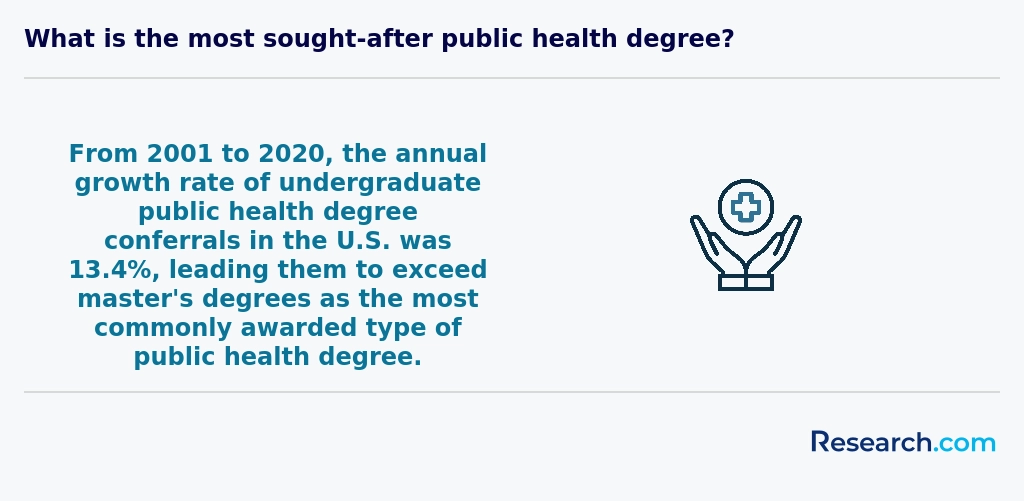
As online public health programs evolve, technology-driven approaches are reshaping both curricula and professional opportunities. Telehealth and digital health platforms now play a central role in community outreach, allowing students to develop skills in virtual patient engagement and remote health assessments. Coursework increasingly incorporates modules on mobile health (mHealth) apps, wearable sensors, and digital epidemiology, ensuring graduates are prepared to manage health crises in real time. Data analytics and artificial intelligence (AI) have become foundational components of contemporary public health education. Students learn to harness big data-from electronic health records to social media sentiment analysis-to identify disease patterns, optimize resource allocation, and inform policy decisions. Geographic Information Systems (GIS) mapping is also featured, enabling future professionals to visualize health disparities and target interventions more effectively. Interdisciplinary collaboration is another emerging focus area. Online programs are introducing joint projects with nursing, informatics, and environmental science cohorts to mirror real-world team-based practice. For those exploring community-based roles, including public health nursing, resources such as how to become a public health nurse with no experience can be invaluable for understanding pathways into the field. As climate change, global pandemics, and health equity challenges intensify, graduates of these forward-looking programs will be equipped with the digital literacy and cross-sector collaboration skills essential for impactful public health leadership.
Students pursuing online public health degrees in Texas often find financial aid essential to managing tuition costs, which generally range from $7,000 to $15,000 per year for in-state learners. Many graduates from universities like the University of Texas or Texas A&M recall applying for federal aid through the Free Application for Federal Student Aid (FAFSA), unlocking opportunities such as the Pell Grant, which can cover up to $7,395 annually for eligible undergraduates.
State-specific support also plays a significant role. The Texas Higher Education Coordinating Board's Texas Public Educational Grant (TPEG) is frequently cited by online students as a helpful source that eases tuition expenses, especially for those attending public institutions. Additionally, emergency relief through the Texas CARES Grant has provided critical assistance during unforeseen hardships, reflecting a responsive aid system in the state.
Merit-based scholarships offered by institutions and departmental awards at schools known for public health programs can further alleviate financial pressures. Meanwhile, federal and state low-interest loans, like the Direct Unsubsidized Loans for graduate students, offer flexibility but require careful consideration, as graduates emphasize the importance of understanding repayment terms and potential loan forgiveness programs like Public Service Loan Forgiveness (PSLF).
Some students working within Texas healthcare settings have benefited emotionally and financially from employer tuition reimbursement, an opportunity that encourages professional growth without substantial financial strain.
Online public health degrees in Texas include a hands-on practicum to bridge theory with practice. These immersive experiences help you develop key competencies in real-world settings.
- Most programs require 200–300 field hours, typically completed in your final semester.
- You can often choose a local placement-such as a health department, nonprofit or clinic-near your home or workplace.
- A qualified preceptor or site supervisor guides your project and evaluates performance.
- Coursework related to your practicum ensures you apply public health methods to community needs.
- Flexible scheduling accommodates part-time or full-time students, with many placements offering evening and weekend options.
For those seeking to enhance administrative expertise alongside public health practice, consider our medical billing and coding certification.
Enrolling in an online public health degree program in Texas typically demands a solid academic foundation and administrative compliance. Most undergraduate applicants come prepared with a high school diploma or GED, often submitting SAT or ACT scores unless the school follows a test-optional policy. For instance, graduates from prominent Texas universities share how their early focus on biology and math prerequisites eased their transition into public health studies.
Graduate applicants usually hold a bachelor's degree and demonstrate proficiency in relevant fields like statistics and health sciences. Some have noted that highlighting professional experience in health-related jobs, such as community health roles in Houston or Dallas, strengthened their applications. Letters of recommendation and personal statements remain key components, reflecting both academic readiness and passion for public health.
While GRE requirements are loosening at many Texas institutions, demonstrating a clear record of academic and practical engagement appears to be the norm. Additional hurdles, like proving Texas residency to access favorable tuition, reinforce a commitment to local education. These layered prerequisites, while challenging, often bolster students' confidence as they pursue flexible, affordable online public health paths.
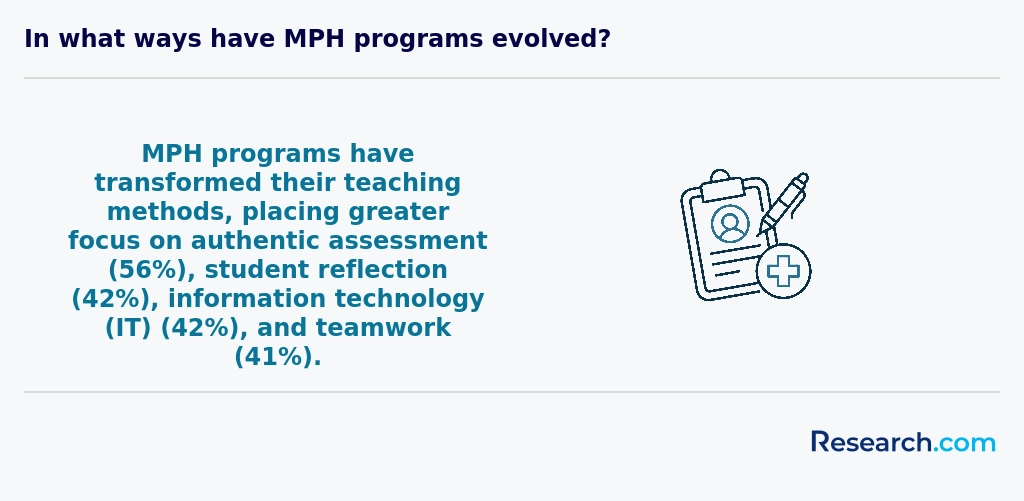
Succeeding in an online public health program requires intentional strategies, self-discipline, and proactive engagement. Follow these expert tips to maximize your learning curve and prepare for a dynamic career in public health: • Establish a Consistent Study Schedule Allocate dedicated blocks of time each week for lectures, readings, and assignments. Use calendar alerts or time-blocking apps to maintain accountability and avoid last-minute cramming. • Engage Actively with Peers and Faculty Participate in discussion boards, virtual office hours, and group projects. Building relationships with classmates and instructors not only enriches your understanding but also strengthens your professional network. • Leverage Online Resources and Support Services Familiarize yourself with your institution’s academic advising, library databases, and career services. Many schools offer writing centers, tutoring, and technical support tailored to distance learners. • Apply Theory to Real-World Scenarios Seek volunteer or internship opportunities with health departments, nonprofits, or research teams. Hands-on experience solidifies classroom concepts and enhances your resume. • Cultivate Time-Management and Self-Care Skills Balance coursework with personal and professional obligations by setting realistic goals and incorporating regular breaks. Practice stress-management techniques-like mindfulness or brief exercise-to maintain well-being. For additional program options that prioritize affordability and flexibility, explore our Affordable Online Bachelor's in Public Health Degree Programs Ranking in the South to find the right fit for your career ambitions.
Online public health degree programs in Texas typically include core courses such as Introduction to Public Health, which grounds students in essential concepts like disease prevention and health promotion. Graduates from institutions like the University of Texas at Austin recall how this foundation sparked their passion for tackling health disparities across diverse Texan communities.
Epidemiology is another staple, with coursework tailored to address Texas's unique challenges, such as managing infectious diseases in urban and rural settings. This practical focus helps students feel prepared to respond effectively to real population health needs.
Biostatistics and Environmental Health courses often emphasize data analysis and environmental impacts, vital for Texas where industries and agriculture intersect with public health. Graduates value the hands-on skills gained, which translate directly into their roles in state health departments.
Furthermore, classes in Health Policy and Management and Social and Behavioral Sciences challenge students to consider complex systems and cultural dimensions, reflecting Texas's diverse population. Many students appreciate how these courses connect theory to community realities, especially when paired with practicum experiences at local health agencies.
Online public health degree programs in Texas typically offer specializations such as Epidemiology, Health Policy and Management, Environmental Health, and Community Health, catering to a range of interests within the field. Graduates from universities with strong public health departments often share that these tracks helped them engage deeply with real-world challenges, like analyzing disease outbreaks or developing effective community outreach campaigns. For example, students choosing Epidemiology can expect to gain skills in data interpretation crucial for managing chronic disease trends common in Texas.
While these specializations provide clear paths, it's worth considering how the Texas affordable public health degree concentrations align with workforce needs. Some graduates highlight rewarding experiences focused on policy design and environmental health efforts, particularly in regions facing specific public health risks. The flexibility of online study also supports those balancing work and family, with institutions across Texas adapting to this demand.
Students curious about career pathways related to these specializations may find it useful to explore resources like how to become a public health nurse with no experience, which complements these degree focuses.
Choosing the best online public health degree in Texas involves weighing multiple practical factors without assuming a one-size-fits-all solution. Accreditation by the Council on Education for Public Health (CEPH) is critical, as graduates from these programs, such as those from popular universities in Texas, often report greater confidence when pursuing professional certifications. However, accreditation alone doesn't guarantee the program fits your lifestyle or goals.
Cost is a decisive element, especially for students seeking affordable Texas online public health degrees. Many find that in-state tuition rates under $10,000 per year make a significant difference without sacrificing quality. Graduates appreciate how this balance allows them to manage finances while gaining valuable knowledge.
Flexibility plays a major role, too-students juggling work or family often favor asynchronous classes offered by Texas institutions to maintain momentum. Moreover, programs providing local internship opportunities enhance real-world readiness, echoing the experiences of alumni who found these placements invaluable.
Specializations like epidemiology or environmental health can shape your future path. Reflecting on personal interests aligned with regional health issues in Texas adds depth to your decision. Prospective students might explore the Affordable Online Bachelor's in Public Health Degree Programs Ranking in the South to compare options that merge affordability and relevance effectively.
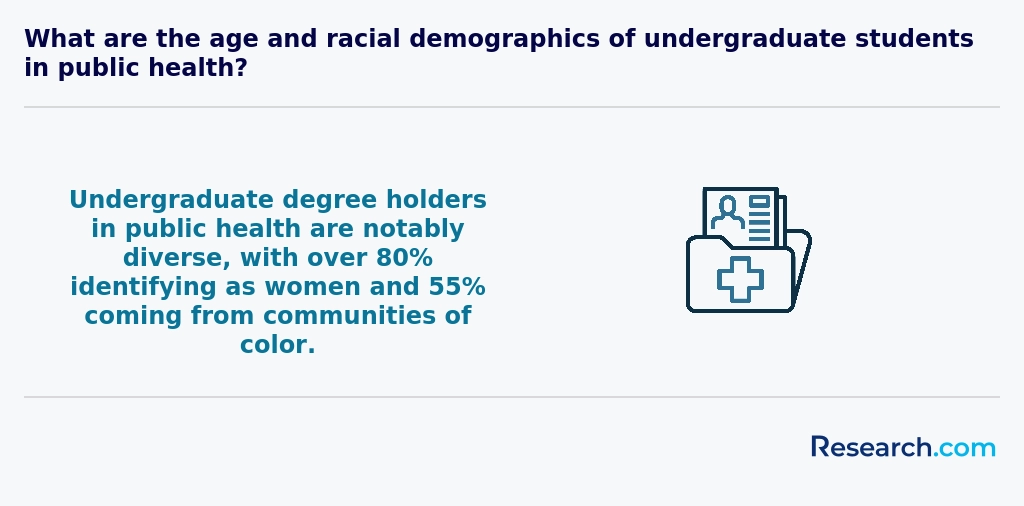
Graduates with an online public health degree in Texas often find diverse options in shaping their careers. Many become health educators or community health workers, roles vital for promoting healthier lifestyles, especially in underserved areas. Students at universities like the University of Texas and Texas A&M report feeling empowered when developing community workshops that directly impact local well-being. For those interested in data and disease patterns, epidemiology presents strong opportunities; epidemiologists in Texas typically earn between $70,000 and $90,000, reflecting steady demand in public health agencies.
Others pursue careers as health policy analysts, navigating the complexities of Texas' evolving healthcare laws. This role requires critical thinking and adaptability, skills honed through practical coursework and internships offered by institutions such as Texas State University. Graduates value how their online education allowed them to balance work and study while gaining applicable insights. Public health career opportunities in Texas also include positions like biostatisticians and environmental health specialists, offering a wide scope for applying analytical expertise to real-world issues.
For students uncertain about the rigor of public health degrees, exploring the easiest online degree options can be a helpful starting point before committing to the demands of these careers.
The job market for graduates with an online public health degree in Texas remains robust, particularly in metropolitan hubs like Houston, Dallas, and San Antonio, where public health challenges demand skilled professionals. Graduates from well-known public health programs at Texas universities often share experiences of finding roles in diverse settings such as public health departments, hospitals, and non-profit organizations. These jobs range from health educators to epidemiologists, reflecting the broad skills acquired during their studies. For many pursuing these roles, especially through online programs, the flexibility to balance work and study while remaining in Texas is a significant advantage.
Texas public health degree employment can vary by region, but salaries typically start around $45,000 with potential to exceed $75,000 for experienced practitioners. These figures align with the growing need for public health expertise to tackle ongoing issues like chronic diseases and health disparities. Some graduates highlight the value of local tuition rates, which make online degrees accessible without relocating.
Despite positive trends, students should consider that many employers require formal credentials such as an MPH. For those concerned about dissertation work, options like an online phd without dissertation offer alternative pathways to advance their qualifications and strengthen their competitiveness in the Texas market.
2027 Most Affordable Online Public Health Degree Programs Ranking in Texas
Investing in your education is a significant decision that can influence your career and future, and the Research.com team recognizes the importance of making well-informed choices. To support prospective students in Texas, we have carefully developed the "2027 Most Affordable Online Public Health Degree Programs Ranking in Texas." Our dedication to quality, credibility, and accuracy is demonstrated through thorough research and detailed analysis to produce this ranking.
We utilized the following reputable data sources to ensure a comprehensive evaluation of online public health degree programs:
By consulting this ranking, readers will obtain valuable insights into affordable, high-quality public health programs in Texas, empowering them to make confident educational decisions. For more information about our approach, please visit our Research.com methodology page.


Frequently Asked Questions About public health
Students pursuing online public health degrees in Texas can maximize their learning by actively engaging with coursework and practical experiences. Texas offers abundant public health challenges and opportunities, making internships with local health departments or organizations such as the Texas Department of State Health Services valuable for real-world exposure.
Using online discussion forums and virtual study groups helps maintain connection with peers and faculty, enhancing understanding and support. According to the Texas Higher Education Coordinating Board, over 25% of Texas public health graduates find employment within statewide health systems, underscoring the importance of networking early.
Additionally, staying informed about Texas-specific health trends-like chronic disease rates reported by the Texas Public Health Data Warehouse-enables students to apply relevant knowledge effectively in their studies and future careers.
The field of public health in Texas is rapidly evolving, with several emerging niches drawing significant attention. One such area is health informatics, which combines data analysis with healthcare to improve health outcomes; the Texas Department of State Health Services highlights the growing demand for skilled data professionals. Another promising niche is environmental health, focusing on issues like air quality and water safety, which is critical in Texas due to its industrial sectors and climate challenges.
Additionally, community health promotion has gained traction, addressing disparities especially in underserved Texas populations. The rise of telehealth also creates new roles in digital health education and management. These areas offer specialized opportunities for those pursuing online public health degrees in Texas.
Preparing for the job market after completing an online public health degree in Texas involves several strategic steps. First, gaining relevant experience through internships or volunteer work with Texas health departments or nonprofit organizations can boost employability. According to the Texas Department of State Health Services, the demand for public health professionals in Texas is expected to grow by 15% by 2030.
Networking is also essential. Joining professional groups such as the Texas Public Health Association can provide valuable connections and job leads. Additionally, obtaining certifications like the Certified Health Education Specialist (CHES) can make candidates more competitive in the Texas job market.
Continual learning about local public health issues, such as infectious disease control and chronic disease prevention, is vital for staying relevant and effective in Texas's diverse communities.
Employers in Texas highly value practical skills when hiring public health degree graduates. Key competencies include data analysis, as the ability to interpret health statistics is crucial for managing community health programs. Communication skills are also essential for educating diverse populations and collaborating with health agencies.
Knowledge of health policy and program planning is critical, especially in Texas where public health systems address varied regional challenges. Skills in epidemiology help graduates track disease patterns, a priority validated by Texas Department of State Health Services reports showing ongoing needs in this area.
Technical proficiency with health informatics tools is increasingly demanded, reflecting the state's investment in digital health data management. Overall, graduates with a mix of analytical, interpersonal, and technical skills stand out to Texas employers.
Finding internships in Texas relevant to a public health degree involves a strategic approach combining online research, networking, and utilization of university resources. Many Texas universities with public health programs have partnerships with local health departments, nonprofits, and hospitals offering internship placements. For example, the Texas Department of State Health Services frequently posts internship opportunities on its website, providing practical experience in various public health areas.
Students should also explore programs affiliated with the Texas Public Health Association, which connects interns to agencies across the state. Additionally, platforms like Handshake and Indeed can list public health internships tailored to Texas.
Networking through professional organizations and attending Texas-based public health events can significantly increase internship prospects. According to the Bureau of Labor Statistics, Texas employs over 50,000 public health workers, highlighting ample opportunities for hands-on learning in this field.
An online public health degree in Texas significantly enhances career mobility and advancement opportunities. The state's growing healthcare sector, including public agencies and nonprofit organizations, increasingly values formal education in public health for leadership roles.
According to the Texas Workforce Commission, healthcare occupations are projected to grow 21% by 2030, creating demand for qualified public health professionals. An accredited online degree equips students with skills in epidemiology, health policy, and data analysis, making them competitive for roles such as health program managers and policy analysts.
Employers often recognize online degrees alongside traditional ones, especially when they come from regionally accredited Texas universities. This flexibility allows working professionals to gain credentials without leaving their jobs, facilitating promotions and salary increases.
Studying for a public health degree online in Texas offers a strong foundation for interdisciplinary roles by integrating knowledge from fields such as epidemiology, health policy, biostatistics, and environmental health. Texas public health programs emphasize collaboration across sectors, preparing students to work with professionals in healthcare, social services, and government agencies.
Many Texas programs align with competencies from the Council on Education for Public Health (CEPH), ensuring graduates are skilled in communication, data analysis, and program planning. Given Texas's diverse population and public health challenges, students learn to apply culturally informed strategies in real-world settings.
According to the Texas Department of State Health Services, over 40% of public health jobs require cross-disciplinary expertise, highlighting the importance of such training.
Choosing between a thesis and a non-thesis online public health degree program in Texas depends on your career goals and learning preferences. Thesis programs usually require original research and a formal paper, which is ideal if you plan to pursue a PhD or a research-based position.
Non-thesis programs focus more on coursework and practical skills, suited for students aiming to work directly in public health organizations or agencies. According to the Texas Higher Education Coordinating Board, Texas has more than 20 accredited public health programs offering both options.
Consider your time availability, since theses often take longer to complete. Also, research Texas-specific job trends, as some employers prefer practical experience over research.
Students based in Texas who wish to study public health abroad while pursuing an online degree have several options focused on international collaboration. Many Texas universities with accredited public health programs partner with foreign institutions to offer exchange opportunities or joint online courses. For instance, the University of Texas system often facilitates global learning through virtual internships and study-abroad initiatives, enabling students to gain international public health perspectives without leaving Texas.
Alternatively, Texas students can enroll in online programs from schools with strong global health curricula accredited by CEPH (Council on Education for Public Health). These programs often include international case studies and practicum placements abroad.
While direct degree conferral from abroad is less common for US-based online learners, combining Texas-based studies with virtual or short-term overseas experiences remains a practical approach.
Part-time job opportunities in Texas that complement public health degree education include roles in community health outreach, health education, and data collection. Many local health departments and nonprofit organizations seek part-time workers to support health promotion and disease prevention efforts. For example, Texas recorded over 1,000 community health workers employed statewide in 2023, according to the Texas Department of State Health Services.
Additionally, part-time positions in healthcare facilities, such as patient service representatives or health information technicians, offer practical experience with health systems. These roles help students develop skills in communication, data management, and public health program implementation.
Working in research assistant roles at universities or public health institutes also enhances understanding of epidemiology and policy analysis. Such positions often provide flexible hours suited for online students.
Online public health students in Texas can access a variety of networking opportunities crucial for career growth. Many Texas universities offering online programs encourage virtual participation in student organizations and public health clubs, fostering connection among peers and faculty.
Students often benefit from statewide professional associations like the Texas Public Health Association, which hosts conferences and webinars accessible remotely. These events provide direct interaction with public health professionals and potential employers.
Moreover, partnerships between online programs and local health departments offer online students internship placements and projects, helping build practical experience and professional contacts within Texas's diverse communities.
According to the Texas Department of State Health Services, public health employs over 51,000 people statewide, indicating a strong network of professionals for students to engage with.
Alumni networks play a vital role for students pursuing online public health degrees in Texas by offering valuable professional connections. These networks provide access to a community of graduates working in diverse public health roles across the state, including local health departments and nonprofit organizations. According to the Texas Department of State Health Services, Texas employs over 65,000 public health professionals, creating ample opportunities for networking and mentorship.
Online students benefit from alumni-hosted webinars, job boards, and regional events that help bridge the gap between virtual learning and industry engagement. These resources foster collaboration, career guidance, and job placement support statewide.
Customizing an online public health degree program in Texas allows students to align their education with specific career goals. Many Texas universities offer concentrations such as epidemiology, health policy, community health, or biostatistics, enabling learners to specialize according to their interests.
Students can often choose electives or capstone projects focused on areas like infectious disease control or health informatics. This flexibility supports career paths in government agencies, healthcare organizations, or NGOs. According to the Texas Department of State Health Services, public health jobs in epidemiology and health education are expected to grow by 15% over the next decade, highlighting the value of specialized skills.
Additionally, some programs provide internships or practicum opportunities with Texas-based public health departments, offering practical experience tailored to regional needs.
Online public health students in Texas often face several notable challenges. A common issue is balancing coursework with professional and personal responsibilities, especially since many students are working adults. According to the Texas Higher Education Coordinating Board, nearly 60% of online learners juggle jobs alongside their studies.
Technical difficulties also pose challenges, as reliable internet access can vary across Texas, impacting participation in virtual classes and timely submission of assignments.
Moreover, online students may experience limited opportunities for in-person networking and practical experiences, which are crucial for careers in public health.
Lastly, navigating state-specific public health regulations remotely can be complex without direct faculty support.
Graduates with an online public health degree in Texas can pursue various professional certifications to advance their careers. One of the most recognized is the Certified in Public Health (CPH) credential, offered by the National Board of Public Health Examiners. This certification validates core public health knowledge and skills.
Additionally, Texas offers certifications such as the Texas Community Health Worker Certification, supporting those focused on community outreach. Another option is the Certified Health Education Specialist (CHES), which emphasizes health education expertise.
These certifications can enhance job prospects in state agencies, healthcare, and nonprofit sectors, where public health employment is projected to grow by 12% in Texas through 2030, according to the Texas Workforce Commission.
Applying to an online public health program in Texas requires clear focus and preparation. Begin by researching programs accredited by the Council on Education for Public Health (CEPH), as Texas schools like the University of Texas and Texas A&M offer respected online degrees. Highlight your motivation to address public health issues in Texas, where challenges like chronic disease and health access disparities persist, as documented by the Texas Department of State Health Services.
Strong applications include a compelling personal statement that explains your goals and relevant experiences. Emphasize any volunteer or work history in public health or related fields. Submit all required documents on time, including transcripts and letters of recommendation from professional or academic sources.
Many programs value clear career objectives and commitment to Texas communities. Including specific references to regional health statistics or particular populations can strengthen your case.
The global perspective on a public health career highlights the increasing demand for professionals who can address worldwide health challenges. Public health experts work on issues like infectious diseases, health education, and policy development across diverse populations.
In Texas, online public health degree programs prepare students to join a global workforce by focusing on both local and international health concerns. According to the Texas Department of State Health Services, the state faces significant public health challenges that mirror global trends, such as chronic disease management and emergency preparedness.
Graduates with public health degrees often find opportunities in global organizations, government agencies, and community health programs, contributing to health outcomes on multiple levels.
Gaining practical experience while studying for an online public health degree in Texas is crucial for applying classroom knowledge to real-world challenges. Many Texas universities require internships or practicum placements as part of their programs. These hands-on experiences often occur with local health departments, hospitals, non-profits, or government agencies.
The Texas Department of State Health Services offers valuable internship opportunities for students to engage directly with public health initiatives across the state. Additionally, some institutions partner with community organizations in major cities such as Houston and Dallas, providing students practical exposure remotely or on-site.
Online students are encouraged to communicate with academic advisors early to identify suitable placements that meet program requirements and public health workforce needs in Texas, where chronic diseases and preventive care remain top priorities. Practical experience strengthens resumes and prepares graduates for diverse health roles in Texas's dynamic environment.
Choosing the right concentration within an online public health degree program in Texas depends on your career goals and local public health needs. Texas faces unique challenges such as high rates of chronic diseases and disparities in rural healthcare, making areas like epidemiology or community health particularly relevant. According to the Texas Department of State Health Services, understanding these issues can guide your focus.
Consider concentrations that align with your interests and the job market. For example, health policy and management prepares students for administrative roles, while environmental health addresses issues like air quality important in Texas urban centers.
Research program curricula carefully to ensure they cover your preferred concentration and offer practical skills. Look for programs accredited by the Council on Education for Public Health (CEPH) to guarantee quality education.
Also evaluate faculty expertise, online resources, and internship opportunities to maximize your learning and career prospects within Texas's public health sector.
- 2027 Most Affordable Online Public Health Degree Programs Ranking in Kansas
- 2027 Most Affordable Online Public Health Degree Programs Ranking in Missouri
- 2027 Most Affordable Online Public Health Degree Programs Ranking in Arizona
- 2027 Most Affordable Online Public Health Degree Programs Ranking in Florida
- 2027 Most Affordable Online Public Health Degree Programs Ranking in Iowa
- 2027 Most Affordable Online Public Health Degree Programs Ranking in South Carolina
- 2027 Most Affordable Online Public Health Degree Programs Ranking in North Carolina
- 2027 Most Affordable Online Public Health Degree Programs Ranking in Illinois
- 2027 Most Affordable Online Public Health Degree Programs Ranking in Virginia
- 2027 Most Affordable Online Public Health Degree Programs Ranking in South Dakota
- What Can You Do With a Public Health Degree? https://www.publichealthdegrees.org/careers/what-can-you-do-with-public-health-degree/
- Students and Alumni associations - Europubhealth https://www.europubhealth.org/students-alumni-associations/
- Pre-Professional Health Experience Guide | PublicHealthOnline.org https://www.publichealthonline.org/pre-professional-experience/
- Master of Public Health Online https://www.unthealth.edu/tcom/public-health/master-of-public-health-online.html
- Loading https://www.cpalms.org/PreviewResourceStudentTutorial/Preview/166485
- What can I do with an online DrPH? - MPH Online https://www.mphonline.org/careers-online-drph/
- Top 15 Places to Look For M.P.H. Jobs - Benedictine University Online https://online.ben.edu/programs/public-health/mph/resources/top-places-to-find-mph-jobs/
- Letter of Intent for Admissions to Masters of Public Health - how this program fits to my goals? https://essayforum.com/graduate/intent-admissions-masters-public-health-64817/
- For Academic Public Health https://globalnetworkpublichealth.org/
- Public Health: A Global Perspective https://www.routledge.com/Public-Health-A-Global-Perspective/Singh/p/book/9781032644226









