
2027 Best Public Health Degree Programs Ranking in Alabama

Co-Founder and Chief Data Scientist
Choosing the right public health degree program is an important step for students in Alabama who want to make a difference in their communities. This article features the 2027 Best Public Health Degree Programs Ranking in Alabama, developed by the Research.com team of data scientists to provide clear and reliable guidance.
By exploring this ranking, you'll discover programs that match your goals and interests, helping you make an informed choice. Earning a public health degree opens doors to meaningful careers that improve lives and promote wellness. Dive in to find the best fit for your future.
Key benefits of getting public health degree in Alabama
- Salary for public health degree graduates: Graduates in Alabama can expect competitive salaries such as $86,710 for Environmental Health Specialists and $69,790 for Health Educators, offering strong financial rewards in meaningful careers.
- Career paths: Public health graduates from universities like the University of Alabama often pursue roles in community health, safety, or health education, allowing them to impact local well-being in diverse and rewarding ways.
- Benefits of online degrees: Earning a public health degree online from programs such as Auburn University's offers flexible scheduling and the chance to balance work and study, making education more accessible without sacrificing quality.
- 2027 Best Public Health Degree Programs Ranking in Alabama
- What can I expect from public health degree in Alabama?
- Where can I work with public health degree in Alabama?
What can I expect from public health degree in Alabama?
In Alabama, the average cost of earning a public health degree often surprises many prospective students seeking value without sacrificing quality. Graduates from the University of Alabama at Birmingham recall balancing the in-state tuition, which typically ranges between $9,000 and $12,000 annually, with the invaluable opportunities of hands-on internships and community engagement embedded in the curriculum.
These costs might feel daunting at first, but many students find themselves grateful for financial aid packages and scholarships specifically tailored for Alabama residents, which help ease the financial weight while nurturing a deep connection to local public health challenges.
Imagine immersing yourself in a program where practical experience combats real-world issues like chronic disease and rural health disparities-each dollar spent transforms into skill and impact. The financial investment in Alabama's public health degrees becomes less about tuition and more about the rewarding career path and network opportunities that follow.
Where can I work with public health degree in Alabama?
Graduates with a public health degree in Alabama find themselves at the heart of a vibrant spectrum of career opportunities that challenge the ordinary expectations of a typical job path. Many step into roles at the Alabama Department of Public Health, where they are not just employees but active architects shaping policies that influence millions. Imagine working on epidemiology projects or emergency preparedness initiatives that directly impact your own community-this is a reality for many graduates from the University of Alabama at Birmingham (UAB).
Others discover meaningful careers within healthcare systems like UAB Health System or Baptist Health, where they transform patient education and data analysis into tools for change. These roles are more than desk jobs; they are vital connections between research and real lives, often involving collaboration with public health agencies.
Non-profit sectors and community health centers call for passionate graduates to spearhead outreach efforts that tackle health disparities across Alabama's rural and urban landscapes. Graduates from Auburn University, for example, report fulfilling experiences creating programs that support vulnerable populations, from maternal health to substance abuse recovery.
Academic and research institutions further expand horizons, offering chances to dive deep into biostatistics or social determinants of health, driving innovations that ripple through Alabama's healthcare landscape. These paths illustrate how a public health degree in Alabama is less about a fixed destination and more about embracing a dynamic role in improving lives every day.
Graduates with a public health degree in Alabama often find themselves stepping into roles that offer meaningful work alongside solid pay. Those starting as community health workers can expect a mean annual wage near $52,610, a figure that reflects Alabama's growing emphasis on public health outreach. Students from universities like the University of Alabama at Birmingham feel encouraged knowing their initial salary falls within this range, giving them both financial footing and purpose.
Health educators, another common path, report average earnings around $69,790 annually. Graduates from Auburn University often share how this salary aligns with their passion for community wellness and education, fueling their drive as they help improve local health outcomes.
For those targeting specialized roles after obtaining a master's degree, salary prospects jump significantly. Environmental health specialists and occupational health and safety specialists in Alabama earn mean annual wages of approximately $86,710 and $85,570 respectively, highlighting ample opportunities for advanced graduates to gain both professional prestige and rewarding compensation.
These figures emphasize that public health degrees in Alabama don't just open doors-they open paths to careers where graduates feel their work matters and their paycheck is a fair reflection of that impact.
- Public health degree tuition in Alabama for in-state bachelor's students ranges from $8,000 to $12,000 per year.
- Master of Public Health (MPH) programs cost between $10,000 and $16,000 annually for in-state students.
- Employment for health educators and community health workers in Alabama is projected to grow by about 11% over the next decade.
- Starting salaries for public health graduates in Alabama average around $45,000 per year, with experienced professionals earning over $70,000 annually.
- Several Alabama universities, including UAB and the University of South Alabama, have CEPH-accredited public health programs.
Completing a public health degree in Alabama often defies a simple timeline, as it depends on choices far beyond just showing up each semester. Graduates from the University of Alabama at Birmingham often remark that a Bachelor's degree typically takes about four years, a rhythm matching national expectations, but the real spotlight is on how they balance general studies with crucial public health coursework. This phase feels like building a foundation-exciting yet demanding.
When stepping into graduate territory, many find the two-year Master of Public Health programs at institutions like UAB both a challenge and a chance to tailor their journey. Some students opt for part-time or accelerated tracks, allowing them to juggle work and life, transforming the timeline into a personal narrative rather than a fixed schedule. It's common for these students to feel energized by the flexibility, gaining confidence as they shape their futures.
Doctoral candidates in Alabama face an even broader timeline, spanning four to six years or more, shaped by deep research and evolving passions. These scholars often describe their experience as an immersive exploration-balancing coursework, research, and community engagement while growing into public health leaders. The journey is uniquely their own, marked by perseverance and rewarding breakthroughs.
Choosing between online and on-campus public health degrees in Alabama means weighing flexibility against immersion. Graduates from the University of Alabama at Birmingham often praise the online MPH program for letting them balance work, family, and study without relocating, appreciating the freedom to learn epidemiology and health policy at their own pace. This flexibility feels empowering, especially for non-traditional students who need control over their schedules.
Conversely, on-campus students at the University of South Alabama describe their experience as deeply engaging, valuing face-to-face interaction with professors and peers. The hands-on internships and community fieldwork enrich their education in ways that textbooks alone can't capture. They often highlight the sense of belonging and networking that fuels motivation and confidence-feelings hard to replicate online, no matter the technology.
Both paths hold the promise of accredited, quality education-from CEPH accreditation to comparable curricula-but your choice shapes not only how you learn but how you connect with the public health world around you in Alabama.
Earning the Certified in Public Health (CPH) credential from the National Board of Public Health Examiners validates your expertise and sets you apart in Alabama’s competitive job market. To achieve and maintain CPH certification:
- Meet eligibility: hold a public health degree (MPH, DrPH) or a related graduate degree with public health coursework.
- Pass the CPH exam, which covers eight core domains such as epidemiology, health policy, and biostatistics.
- Complete 50 continuing education credits every two years to renew your credential.
Benefits of CPH:
- Demonstrates mastery of public health principles to employers at state and local health departments.
- Improves prospects for leadership and specialized roles in epidemiology, community health, and health policy.
- Signals commitment to professional growth and best practices in public health.
For additional administrative and data management skills that complement a public health career, consider exploring medical coding and billing classes online with financial aid.
The average cost of a public health degree in Alabama shapes many students' educational journeys in significant ways. For in-state students, the median total cost hovers around $10,639, a figure that feels achievable yet demands careful financial planning. Graduates from universities like the University of Alabama at Birmingham recall balancing their textbooks, lab fees, and internship travel expenses, all while feeling the pride of investing in a career dedicated to community health. This cost reflects not just tuition but the full experience, including vital hands-on learning that deepens knowledge and builds confidence.
Out-of-state students face a higher financial threshold but often find the return on investment well worth the added expense. The public health degree tuition and fees Alabama students encounter can be daunting initially, but many graduates reflect on scholarships and work-study programs that made these costs less overwhelming. At institutions such as the University of South Alabama, students navigate these financial complexities alongside their coursework, often discovering unexpected support that fuels both ambition and optimism.
For prospective students exploring affordable options, it's worth consulting the cheapest public health schools in Alabama. These options reveal how cost-effective pathways can open doors to meaningful careers in public health, encouraging students to think beyond sticker prices and embrace the full learning experience in the state's dynamic educational landscape.

A thriving campus community plays a pivotal role in shaping a well-rounded public health education. Beyond rigorous academics, students benefit from vibrant extracurricular activities, mentoring programs, and networking events that bridge classroom learning with real-world experiences. Many institutions host public health clubs, peer support groups, and wellness centers designed to promote collaborative learning and personal growth. These environments not only enhance your academic journey but also build valuable connections that can guide your career path. For instance, campus career fairs and alumni mentorship programs offer firsthand insights into diverse public health roles and opportunities. Additionally, for prospective students seeking affordable options without compromising quality, exploring the cheapest public health schools in alabama can provide a clearer picture of financially accessible pathways. Overall, a rich campus life is an integral component, ensuring that educational success is matched by personal development and community engagement.
Financial aid for public health degrees in Alabama often exceeds mere tuition relief, transforming the entire educational journey. Graduates from the University of Alabama at Birmingham frequently recount how Pell Grants unlocked opportunities they never thought possible, covering crucial tuition costs without strings attached. The University's merit-based scholarships recognized not only academic excellence but also the financial hardships many face, creating a lifeline when federal aid alone fell short.
Consider how the Alabama Student Assistance Program (ASAP) amplifies this effect for local residents, layering need-based grants atop federal support to ease the burden of daily expenses. For some, the chance to engage in federally funded work-study positions meant more than money-it was practical experience that made classroom theories real.
Beyond institutional resources, nonprofit groups like the Alabama Public Health Association offer scholarships that kindle hope and commitment toward state-focused careers. This mosaic of financial aid reshapes the path, shifting public health studies from an intimidating expense to an accessible, inspiring endeavor.
Alabama’s top Public Health programs emphasize immersive internships and field placements that bridge classroom theory with real-world impact. At the University of Alabama at Birmingham, students spend up to 200 practicum hours in settings ranging from county health departments to non-profit wellness centers, gaining hands-on experience in epidemiological surveillance and community outreach. Auburn University’s summer placement program partners with rural clinics, allowing students to conduct environmental health assessments under professional supervision, which graduates often cite as pivotal in honing their analytical and communication skills. Many programs in Alabama also offer interdisciplinary practica, where Public Health students collaborate with nursing, social work, and data science peers. This cross-disciplinary approach mirrors professional realities, fostering teamwork and adaptability. For those drawn to data-driven population health, exploring the health informatics career path can illuminate how internships in informatics labs complement traditional fieldwork and prepare graduates for emerging roles in digital health. Feedback and mentorship are integral components of these placements. Faculty advisors conduct mid-term evaluations with community supervisors, ensuring students refine their project designs and stakeholder engagement techniques. Alumni report that this iterative feedback loop not only reinforces technical competencies-such as data collection protocols and program evaluation methods-but also cultivates professional confidence essential for leadership roles in public health.
Enrolling in a public health degree in Alabama often means navigating a set of prerequisites that go beyond just academic transcripts. At popular institutions like the University of Alabama at Birmingham, graduates recall the challenge of maintaining a solid GPA while completing foundational courses in biology, chemistry, and mathematics. These courses aren't mere formalities-they build the scientific mindset crucial for public health careers.
For master's programs, applicants typically present a bachelor's degree, sometimes from unrelated fields, yet successful candidates often share stories of how their social sciences or health background fueled their passion for public health. Many emphasize the importance of submitting strong letters of recommendation and compelling statements of purpose to convey their dedication clearly.
Doctoral hopefuls at Alabama's research-driven schools highlight the necessity of demonstrable research skills and previous academic achievements. Their journeys show the value of perseverance and focused preparation, proving that the path to public health expertise in Alabama is as rewarding as it is demanding.
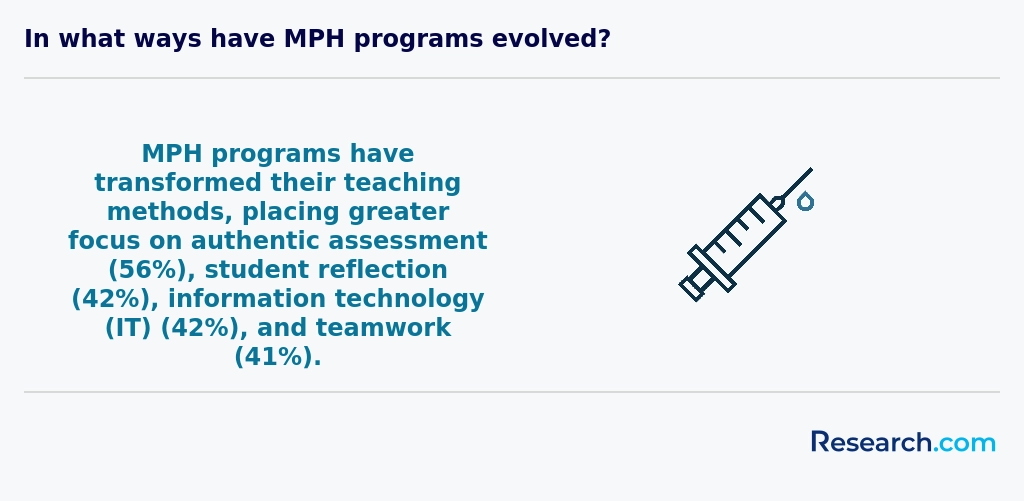
At universities like the University of Alabama at Birmingham, students quickly discover that public health courses are far from abstract-they are tools for real impact. Coursework in epidemiology challenges graduates to trace disease patterns not just through data, but through the lived experiences of Alabama's diverse communities. Biostatistics becomes the language in which students decode health trends affecting their own neighbors.
Environmental health classes surface the urgency of addressing pollution and occupational risks apparent in both rural and industrial areas across the state. Policy and management teachings often spark passionate debates among students about the effectiveness of Alabama's public health regulations, grounding theories in local realities.
Social and behavioral sciences reveal why some health interventions succeed only when deeply understanding cultural contexts, something graduates at Auburn University frequently cite as transformative. Program planning and evaluation courses empower students to design interventions that genuinely meet Alabama's unique needs, especially tackling prevalent chronic illnesses.
Public health ethics and community health weave throughout, reminding students that their studies are inseparable from human stories, fostering a strong sense of purpose as they prepare to serve Alabama's populations.
Public health degree specializations Alabama students pursue reveal much about the state's unique health landscape. Graduates from popular universities often speak of their deep engagement with Epidemiology, where they study chronic diseases rampant in Alabama, such as diabetes and heart disease, transforming abstract data into urgent community action. At the same time, many find fulfillment in Health Promotion and Education, crafting programs that resonate with Alabama's diverse populations, bridging gaps in understanding and fostering healthier lifestyles. Those focusing on Environmental Health describe eye-opening internships near industrial zones and agricultural regions, where they witness the real stakes of pollution and workplace hazards, gaining hands-on insight that textbooks alone can't provide.
In programs across the state, concentrations also include Global Health and Public Health Policy and Management, equipping students with skills to strategize both locally and internationally. Alabama's public health programs concentrations challenge students to think beyond borders and bureaucracy alike. Many grads highlight how in-state tuition helped them pursue these paths affordably while gaining practical experience, critical in a field projected to grow rapidly. Some explore the health informatics career path, blending data science with public health, underscoring the innovative potential within Alabama's public health degree specializations.
Choosing the best public health degree in Alabama goes beyond just picking a school with a shiny reputation. Graduates from the University of Alabama at Birmingham often reflect on how pivotal CEPH accreditation was in opening doors to meaningful internships and jobs linked directly to the state's health challenges. Imagine yourself diving into coursework tailored to rural health disparities, gaining not just knowledge but real-world skills that impact communities close to home. This kind of focused education transforms the way you see public health.
Cost matters too, but it's how you balance affordability with quality that counts. Many students share how finding affordable public health colleges Alabama-based allowed them to pursue their degrees without debt overwhelm, especially when paired with scholarships or flexible class options. For busy adults, there's even the option to accelerate progress with programs like the fastest online bachelor's degree for working adults, making education fit life, not replace it.
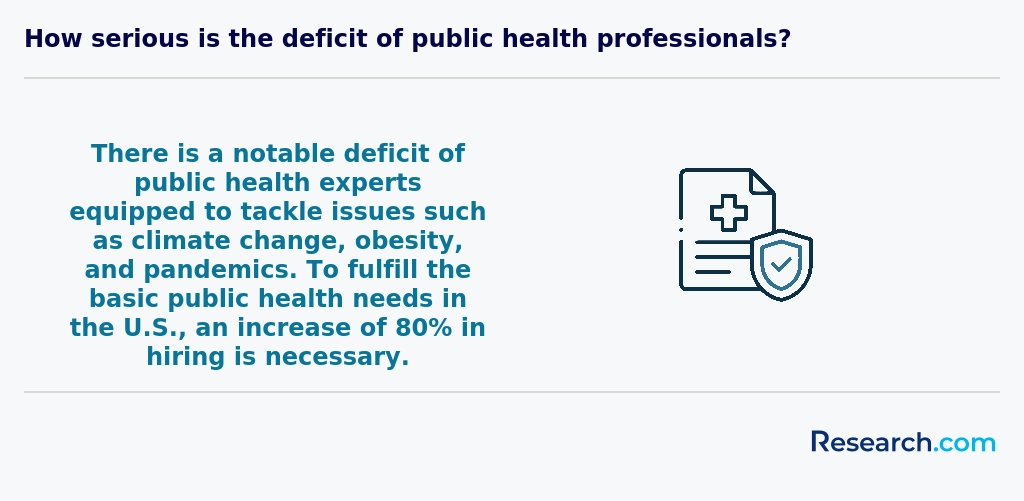
Graduates with a public health degree in Alabama find themselves stepping into roles that challenge both the intellect and passion for community welfare. From working as a public health educator or health promotion specialist, many alumni at institutions like the University of Alabama at Birmingham share how their efforts directly influence improving health literacy in rural zones where chronic illnesses persist. These are not just jobs; they are opportunities to shape real change.
Others gravitate toward the analytical side, becoming epidemiologists who decode patterns of disease outbreaks-a vital function recognized by the Alabama Department of Public Health. Such careers highlight just how critical data and research are for combating health emergencies like COVID-19 locally. This diversity of roles underlines the robust public health career opportunities in Alabama.
Public health degree job prospects in Alabama also extend into health policy analysis and administration, where graduates at Auburn University apply their knowledge to streamline healthcare laws and programs, enhancing system efficiencies amid complex challenges. For those intrigued by environmental concerns, roles addressing pollution and occupational safety reflect Alabama's distinct industrial landscape.
These avenues reflect more than just career choices-they invite graduates to engage with their communities in meaningful ways. Many find the financial feasibility of Alabama's in-state tuition paired with their passion motivating, even inspiring peers to consider easy majors as stepping stones toward these dynamic paths.
For graduates holding a public health degree, Alabama's job market is both promising and dynamic, shaped by the state's ongoing public health initiatives and community needs. Universities like the University of Alabama at Birmingham and Auburn University provide graduates with practical experiences that open doors to roles in rural healthcare, maternal and child health, and disease prevention. These positions reflect the real-world challenges Alabama faces, making the path from classroom to community deeply rewarding.
Public health degree job outlook Alabama is particularly bright as demand for health education specialists and community health workers grows steadily. Graduates often share how working within Alabama's public health system brings a unique sense of purpose, knowing their efforts contribute directly to improving local health outcomes. Despite salaries that may start around $40,000, the meaningful impact and job stability attract many eager professionals.
Cost considerations weigh heavily for many students choosing their education path. Alabama's competitive tuition encourages students to invest wisely. Some turn to resources emphasizing the cost of online associate's degree programs as a stepping stone toward more advanced public health studies, balancing affordability with career ambition.
2027 Best Public Health Degree Programs Ranking in Alabama
Investing in your education is a significant decision that can shape your future, and the Research.com team understands the importance of making informed choices. To assist prospective students in Alabama, we have meticulously crafted the "2027 Best Public Health Degree Programs Ranking in Alabama." Our commitment to quality, credibility, and accuracy is reflected in the extensive research and analysis conducted to compile this ranking.
We utilized the following reputable data sources to ensure a comprehensive evaluation of public health programs:
By exploring this ranking, readers will gain valuable insights into the best public health degree programs available in Alabama, helping them make informed decisions about their educational paths. For more details on our methodology, please visit our Research.com methodology page.


Frequently Asked Questions About public health
Students pursuing public health degrees in Alabama can maximize their learning by engaging with both academic and practical experiences. Alabama offers diverse internship opportunities through partnerships with organizations like the Alabama Department of Public Health, which employs over 2,000 staff statewide to address key public health issues.
Participating in internships or practicum placements can provide hands-on experience, essential for understanding community health challenges unique to Alabama, including chronic disease management and rural health disparities. Additionally, students should leverage networking events and local public health conferences to connect with professionals.
Accessing up-to-date research from sources such as the Centers for Disease Control and Prevention (CDC) regional offices based in the Southeast can also enhance their academic foundation. Finally, utilizing Alabama universities' resources, such as research centers focusing on epidemiology and health promotion, will strengthen both knowledge and career readiness.
Emerging niches within the public health field in Alabama reflect wider national trends while addressing local needs. One growing area is biostatistics and health data analytics, fueled by the increasing use of big data to improve health outcomes. The Alabama Department of Public Health highlights a rising demand for professionals skilled in managing and interpreting health data to combat chronic diseases prevalent in the state, such as diabetes and cardiovascular conditions.
Environmental health is also gaining attention, with a focus on addressing pollution and its health impacts in industrial regions of Alabama. Additionally, rural health initiatives are crucial due to the state's large rural population facing disparities in healthcare access.
Behavioral health is another critical niche, supported by efforts to tackle mental health and substance abuse challenges, especially opioid addiction, which has affected Alabama communities significantly.
To prepare for the job market after earning a public health degree in Alabama, graduates should combine strong academic credentials with practical experience. Internships and volunteer work with local health departments, such as the Alabama Department of Public Health, can provide valuable real-world exposure. Networking at regional public health events or through professional organizations like the Alabama Public Health Association can open doors to job opportunities.
Understanding state-specific health challenges-such as higher rates of chronic disease and rural health disparities-is essential. According to the U.S. Bureau of Labor Statistics, Alabama's demand for public health professionals is growing steadily. Graduates should also consider certifications like Certified Health Education Specialist (CHES) to enhance their qualifications.
Employers in Alabama value public health degree graduates who demonstrate strong analytical skills. The ability to interpret health data and assess community needs is essential in a state where chronic diseases like diabetes affect over 13% of adults, according to the CDC. Communication skills are also critical, enabling professionals to educate diverse populations effectively.
Leadership and program management experience are often sought after, especially for roles in local health departments such as the Alabama Department of Public Health. Familiarity with public health policies and cultural competency helps graduates address health disparities in both urban and rural settings. Proficiency in statistical software and grant writing further enhances employability.
Finding internships in Alabama relevant to a public health degree involves exploring various local organizations and institutions engaged in health initiatives. Students should connect with university career centers, especially at schools like the University of Alabama at Birmingham, which offers strong ties to public health agencies. Many internships are available through state health departments, such as the Alabama Department of Public Health, where students can gain practical experience in epidemiology, health education, and policy.
Additionally, nonprofit organizations and hospitals across Alabama provide internship opportunities, helping students build professional networks. Websites like Handshake and the Alabama Public Health Association also list openings specific to public health. Early application and proactive outreach increase the chances of placement. According to the U.S. Bureau of Labor Statistics, Alabama's public health sector is growing steadily, making internships valuable for career advancement.
A public health degree in Alabama plays a crucial role in enhancing career mobility and advancement. Graduates gain skills that are highly valued by state agencies, hospitals, and non-profits addressing local health concerns such as chronic diseases and health disparities. According to the Alabama Department of Public Health, the demand for trained public health professionals is growing due to ongoing efforts to improve statewide health outcomes.
Holding a degree often opens doors to leadership roles and specialist positions. For example, professionals with a Bachelor's or Master's in Public Health (BPH or MPH) typically qualify for roles in epidemiology, health education, and policy development.
Alabama's public health sector, supported by institutions like the University of Alabama at Birmingham, encourages career advancement through certifications and continuing education linked to degree programs. This continued learning fosters upward movement within agencies and community organizations.
Studying for a public health degree in Alabama equips students with skills that span multiple disciplines, reflecting the complex nature of health challenges. Programs often incorporate coursework in epidemiology, biostatistics, environmental health, and health policy. This multidisciplinary approach prepares graduates to work collaboratively across sectors such as healthcare, government, and community organizations.
Alabama's public health programs emphasize practical experience through internships and partnerships with state agencies like the Alabama Department of Public Health. This exposure helps students understand real-world health issues, such as the state's high rates of chronic diseases, including diabetes and heart disease, as reported by the CDC.
By integrating social sciences, data analysis, and communication skills, Alabama's public health education fosters versatile professionals ready to address diverse health needs.
Choosing between a thesis and a non-thesis public health degree program in Alabama depends largely on your career goals and learning preferences. Thesis programs often suit students interested in research or pursuing a doctorate, as they require original research and a formal thesis document. Non-thesis options focus more on practical skills and coursework, which appeal to professionals aiming to enter the workforce quickly.
Alabama's public health workforce is growing, with a 2023 report from the Alabama Department of Public Health showing an increased demand for skilled practitioners. Thesis tracks may provide an edge for academic or research positions in this expanding market. Conversely, non-thesis programs frequently offer internships or capstone projects, preparing students for applied public health roles across Alabama's diverse communities.
Students in Alabama interested in studying public health abroad have several options through their home institutions. Many Alabama universities offering public health degrees, such as the University of Alabama at Birmingham (UAB), participate in exchange programs or have study abroad partnerships with universities in countries like the United Kingdom, Canada, and Ireland. These opportunities allow students to gain global perspectives on health challenges while earning credits toward their degree.
Additionally, organizations such as the Council on Education for Public Health (CEPH) support global public health initiatives that some Alabama schools integrate into their curricula. According to the Alabama Department of Public Health, global health experience enhances students' readiness to address diverse health issues domestically and internationally.
Students pursuing public health degrees in Alabama can benefit from various part-time job opportunities that align with their academic goals. Positions such as community health workers, patient care assistants, and health education aides offer practical experience. According to the Alabama Department of Public Health, community health roles are expanding rapidly due to increased focus on rural healthcare access.
Additionally, jobs in local hospitals and clinics provide exposure to healthcare systems and patient interaction, enhancing skills in health communication and data collection. Nonprofit organizations in Alabama also hire part-time staff for health outreach programs, allowing students to engage with diverse populations.
Such roles not only support academic learning but contribute to career readiness in public health fields.
Public health students in Alabama have a variety of valuable networking opportunities to enhance their careers. Many universities in Alabama, such as the University of Alabama at Birmingham (UAB), offer student organizations specifically focused on public health. These groups often host events where students can connect with local health professionals and alumni.
Students can also engage with statewide associations like the Alabama Public Health Association, which provides conferences and workshops for emerging professionals. These events help students build contacts in government agencies, hospitals, and nonprofit sectors active within Alabama's healthcare system.
Internships facilitated by Alabama's Department of Public Health offer real-world experience and face-to-face networking with established practitioners, important for future job placement. According to the Alabama Department of Public Health, collaborative efforts with universities strengthen connections between students and the industry, increasing employment opportunities in the state's public health workforce.
Alumni networks play a significant role for public health degree students in Alabama. These networks provide access to experienced professionals who can offer mentorship and career guidance tailored to the state's public health challenges. For example, Alabama faces notable rural health disparities, and alumni often work in local health departments, providing insight into practical solutions.
Students benefit from job placement opportunities through alumni connections, which can be crucial given Alabama's competitive public health job market. Additionally, alumni events and online platforms facilitate networking, helping students stay informed about emerging trends in areas like epidemiology and health education.
According to the Alabama Department of Public Health, partnerships fostered by alumni networks help bridge education and real-world practice, improving career outcomes. Overall, these networks create a supportive community that enhances learning beyond the classroom.
In Alabama, customizing a public health degree program often starts with selecting specific concentrations or electives that align with your career goals. Many universities offer specializations in areas such as epidemiology, health policy, environmental health, or community health education. This flexibility allows students to gain targeted skills relevant to state and local health needs.
Students can also opt for internships or practicum experiences with Alabama's public health departments or healthcare organizations. According to the Alabama Department of Public Health, hands-on experience in local settings enhances job readiness and networking opportunities.
Additionally, some programs support part-time or online coursework options, enabling working professionals to balance education with their careers effectively.
Public health students in Alabama often face several challenges throughout their education. One significant issue is limited access to diverse practicum sites, as many rural areas in Alabama have fewer public health resources and organizations, restricting hands-on learning opportunities.
Additionally, Alabama's public health workforce faces shortages, with a Health Resources & Services Administration report from 2022 highlighting that only 9.7 public health workers serve per 10,000 residents, below the national average. This impacts mentorship and employment prospects for students.
Financial constraints also affect students, as tuition and living costs can be a barrier, especially for those balancing work and study. Moreover, navigating evolving public health challenges like chronic diseases and infectious outbreaks requires solid, up-to-date training despite limited state funding.
With a public health degree in Alabama, graduates can pursue several respected professional certifications to advance their careers. One of the most recognized is the Certified in Public Health (CPH) credential offered by the National Board of Public Health Examiners, which validates broad public health knowledge.
Another key certification is the Certified Health Education Specialist (CHES), relevant for those focusing on health promotion and education. Alabama's public health workforce often benefits from this credential, given the state's focus on community health improvement.
For professionals interested in epidemiology, the Registration of Public Health Microbiologists (RPHM) or certifications through the American Board of Medical Microbiology are valuable options.
In Alabama, earning these certifications can enhance job prospects in local health departments and agencies, aligning with the state's strategic health objectives outlined by Alabama Department of Public Health data and workforce trends.
Writing a winning application for a public health program in Alabama requires clear demonstration of your commitment to improving community health. Start by researching the specific programs at Alabama universities like the University of Alabama at Birmingham, known for its strong public health curriculum. Tailor your personal statement to highlight relevant experiences, such as volunteering or work in health settings that address Alabama's public health challenges, including high rates of chronic diseases reported by the Alabama Department of Public Health.
Include strong letters of recommendation from professionals who can attest to your skills and dedication. Emphasize your understanding of key public health issues affecting Alabama populations. Finally, ensure your application is complete, well-organized, and proofread to avoid any errors that could weaken your candidacy.
Public health careers are increasingly viewed through a global lens, reflecting the interconnected nature of health challenges. Professionals trained in Alabama's public health programs often engage with global issues like pandemics, environmental health, and health equity. The World Health Organization emphasizes the need for global collaboration in addressing diseases that cross borders.
In Alabama, public health graduates are prepared to contribute to both local and international efforts. According to the Alabama Department of Public Health, the state supports programs addressing global health threats, which enriches educational opportunities for students.
With globalization, students can expect career paths that involve international agencies, NGOs, or government roles focused on global health security and policy development, making public health a field with broad, worldwide impact.
Gaining practical experience while studying for a public health degree in Alabama is essential for career readiness. Many universities in Alabama offer internship programs with local health departments, hospitals, and nonprofit organizations. For instance, the Alabama Department of Public Health collaborates with students to provide hands-on opportunities in epidemiology and community health outreach.
Students can also participate in service-learning projects focused on prevalent state issues, such as the management of chronic diseases or opioid addiction.
Additionally, some programs encourage research assistant positions, allowing students to engage in public health studies. These experiences build valuable skills and professional networks within Alabama's public health system.
Choosing the right concentration within a public health degree program in Alabama begins with understanding your career goals and interests. Common concentrations include epidemiology, health policy, environmental health, and community health education. Each offers distinct paths, addressing specific public health needs in Alabama, such as managing chronic diseases or improving rural health access.
Consider Alabama's public health challenges like high rates of diabetes and cardiovascular disease, reported by the Alabama Department of Public Health. Specializing in chronic disease prevention or health equity can be especially impactful locally.
Research program curricula, faculty expertise, and available internships to align concentration choices with hands-on experiences and Alabama's workforce demands.
- 2027 Best Public Health Degree Programs Ranking in Mississippi
- 2027 Best Public Health Degree Programs Ranking in Florida
- 2027 Best Public Health Degree Programs Ranking in Louisiana
- 2027 Best Public Health Degree Programs Ranking in Indiana
- 2027 Best Public Health Degree Programs Ranking in Maryland
- 2027 Best Public Health Degree Programs Ranking in Minnesota
- 2027 Best Public Health Degree Programs Ranking in Michigan
- 2027 Best Public Health Degree Programs Ranking in Nebraska
- 2027 Best Public Health Degree Programs Ranking in Connecticut
- 2027 Best Public Health Degree Programs Ranking in New Hampshire
- Dive deeper into public health topics. https://www.apha.org/topics-and-issues
- Pre-Professional Health Experience Guide | PublicHealthOnline.org https://www.publichealthonline.org/pre-professional-experience/
- Financial Aid Guide https://www.publichealth.org/resources/financial-aid/
- Engaging students through service-learning opportunities in public health https://sneb.org/engaging-students-through-service-learning-opportunities-in-public-health/
- Today’s Guide to Public Health Certifications https://www.publichealthdegrees.org/resources/public-health-certifications/
- 5 Internships for a Master’s in Public Health Student - Healthcare Administration Degree Programs https://www.healthcare-administration-degree.net/lists/5-internships-for-a-masters-in-public-health-student/
- Students and Alumni associations - Europubhealth https://www.europubhealth.org/students-alumni-associations/
- For Students https://www.alabamapublichealth.gov/socialwork/students.html
- Public Health: A Global Perspective https://www.routledge.com/Public-Health-A-Global-Perspective/Singh/p/book/9781032644226
- Why Public Health is the Ideal Career Path for Gen Z - Reach Out https://we-reachout.org/why-public-health-is-the-ideal-career-path-for-gen-z/











