2027 Best Public Health Degree Programs Ranking in Mississippi

Co-Founder and Chief Data Scientist
Choosing the right public health degree program is a big step toward a rewarding career in improving community health. This article presents the 2027 Best Public Health Degree Programs Ranking in Mississippi, developed by the Research.com team of data scientists to guide students in making informed decisions.
By exploring these top programs, you'll discover options that align with your goals and values. Earning a public health degree opens doors to meaningful work and the chance to make a real difference. Let this ranking help you find the path that fits you best.
Key benefits of getting public health degree in Mississippi
- Graduates with a public health degree in Mississippi can earn competitive salaries, such as $52,610 annually for Community Health Workers and up to $86,710 for Environmental Health Specialists, reflecting strong financial opportunities in this field.
- Career paths are diverse, with options ranging from health education to occupational safety, inspired by graduates from universities like the University of Mississippi who find rewarding roles improving community well-being.
- Online public health degrees in Mississippi offer flexibility and accessibility, allowing students to balance work and studies effectively, as seen with graduates from institutions such as the University of Southern Mississippi.
- 2027 Best Public Health Degree Programs Ranking in Mississippi
- What can I expect from public health degree in Mississippi?
- Where can I work with public health degree in Mississippi?
What can I expect from public health degree in Mississippi?
The average cost of a public health degree in Mississippi is accessible and designed to support motivated students passionate about making a difference. Many graduates from institutions like the University of Mississippi and Jackson State University share how affordable tuition combined with scholarships and financial aid made pursuing their public health dreams possible. Students often find that the investment leads to rewarding career opportunities within the state's health departments and nonprofits.
For example, a Bachelor of Science in Public Health may range from approximately $7,000 to $12,000 per year for in-state students, while Master of Public Health programs typically cost between $10,000 and $20,000 annually. These costs consider tuition and fees but can be offset by internship opportunities that often include stipends, allowing students to gain valuable hands-on experience without financial strain.
Graduates highlight how the supportive Mississippi educational community and practical learning experiences provide not only academic growth but also a deep sense of purpose. Choosing to study public health here means stepping into a role that influences real lives across rural and urban communities alike.
Where can I work with public health degree in Mississippi?
With a public health degree in Mississippi, graduates find inspiring opportunities to make a real difference. Many step into rewarding roles within state and local government agencies like the Mississippi State Department of Health, where they work on community health outreach and disease prevention programs that deeply impact everyday lives.
Graduates from schools such as the University of Mississippi Medical Center or Jackson State University often share how their education prepared them to develop patient wellness initiatives and infection control strategies in hospitals across the state. Working in healthcare organizations offers a dynamic environment where their efforts help reduce health disparities.
Others are drawn to nonprofit organizations, where they passionately address issues like maternal health and substance abuse prevention, collaborating with local communities to create meaningful change. Some pursue academic or research careers, contributing valuable insights to public health challenges unique to Mississippi, supported by ongoing funding for health disparities research.
Federal agencies like the CDC and private consulting firms also present exciting career paths, allowing graduates to engage in disease surveillance or policy development. The future is bright for those eager to improve Mississippi's health landscape.
Graduates with a public health degree from universities like the University of Mississippi or Jackson State University often step into fulfilling careers that offer rewarding salaries while making real community impact. In Mississippi, a Community Health Worker with a public health background typically earns around $40,000 to $45,000 initially, with nationwide data showing a mean annual wage of $52,610, signaling growth potential as experience builds.
Health Educators, many of whom start their journey through local colleges' public health programs, enjoy even higher earnings, with mean wages nationally at $69,790. This aligns well with Mississippi's rising demand for skilled professionals dedicated to education and wellness.
Environmental Health Specialists and Occupational Health and Safety Specialists, often equipped with advanced skills gained through Mississippi's reputable programs, command impressive national averages of $86,710 and $85,570 annually, respectively. These roles highlight pathways where graduates can thrive financially and professionally, contributing to safer, healthier communities across the state.
Every public health graduate's journey showcases progress, resilience, and the joy of meaningful work that benefits families and neighborhoods throughout Mississippi.
- Public health degrees in Mississippi are available at universities like the University of Mississippi and Jackson State University, offering BSPH and MPH programs.
- Annual tuition for in-state students ranges from $7,000 to $10,000, with out-of-state costs generally higher but still affordable compared to other states.
- Entry-level public health salaries average between $40,000 and $50,000, increasing to $60,000 to $75,000 or more with experience or advanced degrees.
- The job market is growing due to public health challenges such as chronic diseases and health disparities, with employers including state health departments and nonprofits.
- Students have access to community engagement and internship programs tailored to Mississippi's health concerns, enhancing career readiness.
Completing a public health degree in Mississippi is an achievable and rewarding journey that fits various lifestyles and ambitions. At schools like the University of Mississippi Medical Center or the University of Southern Mississippi, undergraduates typically finish their Bachelor of Science or Bachelor of Arts in about four years of full-time study, balancing classes with vibrant campus life and community projects. Many graduates recall feeling energized by the hands-on experiences that brought theory to life.
For those pursuing a Master of Public Health (MPH), the path usually takes two years of full-time dedication, but flexible options allow busy professionals to extend their studies over three years or more without losing momentum. Graduates often share how practicum opportunities enriched their learning, deepening their connection to local communities while polishing professional skills.
Doctoral degrees, such as PhDs or DrPHs, extend between four and six years, inspired by in-depth research and meaningful public health challenges. These timelines accommodate passion-driven learners who thrive on discovering solutions that impact Mississippi's health landscape profoundly.
Earning professional certifications can significantly boost your credentials and open doors to advanced roles in Mississippi’s public health sector. Many graduates pursue the Certified in Public Health (CPH) credential, administered by the National Board of Public Health Examiners, to validate their mastery of core public health competencies. Others opt for the Certified Health Education Specialist (CHES) or Master Certified Health Education Specialist (MCHES) through the National Commission for Health Education Credentialing, demonstrating expertise in planning, implementing, and evaluating health education programs. Environmental Health Specialists may seek Registered Environmental Health Specialist/Registered Sanitarian (REHS/RS) certification to underscore their proficiency in environmental risk assessment and regulatory compliance. Beyond these foundational certificates, specialized credentials-such as the Certified in Infection Control (CIC) or Tobacco Treatment Specialist (TTS)-allow professionals to stand out in niche areas. Maintaining these certifications typically requires ongoing professional development credits, encouraging lifelong learning and engagement with the latest public health research and best practices. Networking through state chapters of the American Public Health Association (APHA) or local Mississippi Public Health Association events also provides opportunities for mentorship, job leads, and collaborative projects. For those aiming to transition into leadership or administrative positions, targeted training programs and workshops in project management, data analytics, and policy advocacy can be invaluable. Advancing your career often involves roles in departmental leadership, program coordination, or executive management. Many graduates chart a course toward becoming a health services manager, where they oversee operations, budgets, and staff development within healthcare facilities or public health agencies. By strategically combining certifications with hands-on experience, Mississippi public health professionals can accelerate their career trajectories and make a larger impact on community well-being.
Choosing between online and on-campus public health degrees in Mississippi means embracing different paths that both lead to rewarding careers. Online programs offer the freedom to balance work, family, and study, allowing students to engage with coursework on their own schedules. Graduates from these flexible formats often appreciate the savings from reduced commuting and housing costs, especially compared to the $7,000 to $10,000 average tuition at Mississippi's public universities. This option empowers those who need convenience without sacrificing educational quality.
On the other hand, on-campus students at institutions like the University of Mississippi Medical Center and Mississippi State University value the vibrant, hands-on learning experience. They connect directly with faculty and peers through labs, research opportunities, and community projects, all crucial for real-world public health impact. This collaborative environment nurtures professional relationships, providing a strong foundation for careers focused on teamwork and local engagement.
Both paths share the same rigorous curriculum, with hybrid models blending the best of both worlds. Whichever route you choose, Mississippi's public health programs inspire personal growth and community commitment, preparing graduates to make a meaningful difference.
A rewarding Public Health education is about more than rigorous academics-it’s also defined by the vibrant campus life and support services that help students thrive. In Mississippi, many universities offer enriching environments where you can join public health clubs, participate in community outreach programs, and attend career fairs that connect you with industry professionals. These experiences not only complement your academic pursuits by enhancing soft skills like leadership and teamwork but also create lasting networks among peers and mentors. Students frequently mention that engaging in campus events and utilizing support services like tutoring, counseling, and career advising can be key factors in their academic and professional success. Moreover, prospective students looking to balance quality education with affordability can explore options at the cheapest public health schools in mississippi, which offer robust student services alongside competitive programs. This integrated approach to campus life ensures that as you pursue your Public Health degree in Mississippi, you’re not only gaining knowledge but also building the foundation for a well-rounded and impactful career.
The average cost of a public health degree in Mississippi reflects an encouraging balance between quality education and affordability, especially for students determined to make a difference in their communities. In-state students typically invest around $9,772 for their entire degree, a figure that has inspired many graduates from top Mississippi institutions to pursue their passion for public health without overwhelming financial burden. Imagine a graduate from the University of Southern Mississippi sharing how affordable tuition allowed them to focus on impactful community health projects rather than worrying about excessive fees.
For those exploring options, the Mississippi public health degree tuition fees are quite competitive compared to other states. This affordability means more opportunities to access scholarships, assistantships, and financial aid that further lighten the cost. It's common to hear about students from the University of Mississippi who have benefited from financial support, enabling them to thrive academically and personally while gaining real-world public health experience.
Living expenses in Mississippi also complement these tuition costs, with the overall environment supporting students' financial well-being during their studies. These factors collectively make Mississippi an ideal place for anyone looking to embark on a rewarding public health career. To explore options further and find the cheapest public health schools in mississippi could open doors to amazing educational journeys at a manageable cost.
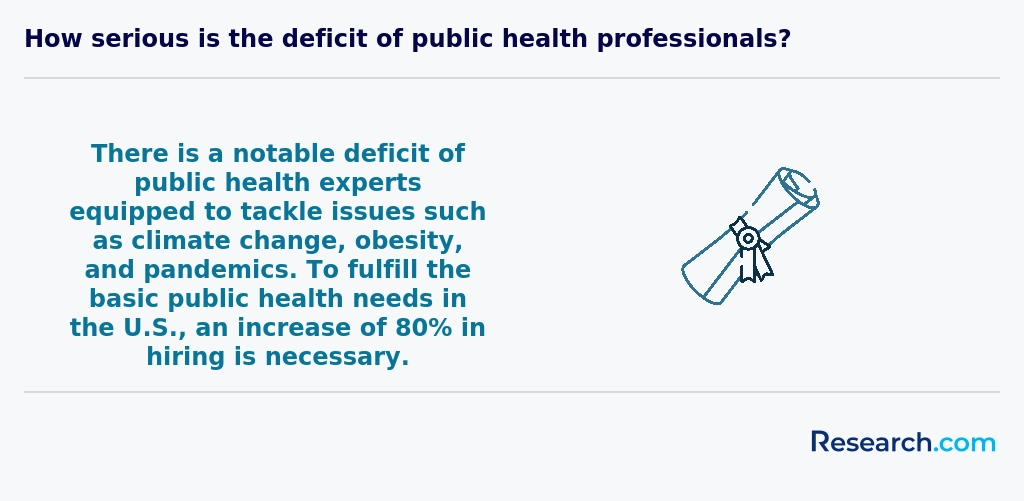
Accredited public health programs in Mississippi meet rigorous standards that employers and graduate schools trust. Before applying, verify:
- Council on Education for Public Health (CEPH) accreditation
- Regional accreditation of the institution (e.g., SACSCOC)
- Approval by the Mississippi Institutions of Higher Learning
CEPH accreditation ensures comprehensive training in epidemiology, health policy, biostatistics and practicum experiences. Always check each university’s accreditation status on official sites or the CEPH directory.
For insight into accreditation across health fields, explore our medical assistant programs.
Students pursuing public health degrees in Mississippi can access a wide range of financial aid that truly makes higher education attainable and rewarding. For many at the University of Mississippi Medical Center and Jackson State University, federal aid like Pell Grants have been a game-changer, covering thousands of dollars annually without the pressure of repayment. These grants combined with Federal Direct Loans offer flexible options tailored to individual needs.
State programs add an encouraging layer of support. The Mississippi Eminent Scholars Program has helped graduates who excelled in high school by providing scholarships specifically for public universities, while the Helping Heroes Grant honors veterans and their families with dedicated tuition assistance. These grants have allowed numerous students to focus on their studies without financial worries.
Merit-based and need-based scholarships from these institutions foster a community where dedication is recognized and rewarded. Graduates often share how programs like the Public Health Service Scholarship inspired them, offering financial help in exchange for serving underserved Mississippi communities-a meaningful way to give back and grow professionally.
Enrolling in a public health degree program in Mississippi is an exciting step toward making a meaningful impact on community well-being. Typically, aspiring students start with a completed high school diploma or equivalent, such as a GED. For those aiming to study at universities like the University of Mississippi or Jackson State University, submitting SAT or ACT scores might be required, although some campuses now offer test-optional options, reflecting flexibility in admissions.
Graduates often recall how a strong foundation in science and math-courses like biology and chemistry-prepared them to excel in their studies. For those pursuing a Master of Public Health, a bachelor's degree with at least a 3.0 GPA and relevant coursework in health sciences or statistics helps set the stage for success.
Additionally, letters of recommendation and personal statements tell the story of your passion and readiness, while hands-on volunteer or work experience in local health settings enriches your application and deepens your connection to Mississippi's unique health challenges.
With tuition often more affordable here than the national average, your dedication combined with these well-defined prerequisites opens doors to a rewarding career improving health across the state.

Public health degree programs in Mississippi offer a vibrant curriculum designed to empower students with impactful knowledge and skills. At universities like the University of Mississippi and Jackson State University, students dive into essential courses such as Introduction to Public Health, which opens their eyes to real-world challenges like disease prevention and health equity in local communities.
Graduates often recall their enriching experiences studying Epidemiology, where they analyze patterns of chronic illnesses that deeply affect Mississippi's neighborhoods. Meanwhile, Biostatistics courses equip students with the confidence to interpret critical health data, making it easier to advocate for evidence-based solutions.
Hands-on learning continues in environmental health classes, where students explore how Mississippi's unique natural events, like hurricanes, influence public health, fostering a strong sense of purpose. Courses in health policy and social sciences deepen understanding of systems and behaviors, inspiring students to become change-makers who address health disparities statewide.
These programs blend theory with practical application, helping students feel motivated and ready to make a difference in their own communities.
Mississippi's public health degree programs offer inspiring specializations that prepare students to make a real impact. Graduates from universities like the University of Mississippi and Jackson State thrive in focused areas such as Epidemiology, where they analyze disease trends to fight chronic illnesses common in the state. Others choose Health Policy and Management, equipping themselves to design and implement effective health programs that tackle local healthcare disparities. Many find passion in Community Health, working with underserved rural populations to deliver life-changing education and outreach.
Environmental Health is another powerful specialization, especially important for those motivated to combat challenges like flooding and pollution affecting Mississippi communities. At institutions known for public health, students feel empowered learning how to protect air and water quality for future generations. Additional options include Maternal and Child Health, Global Health, and Biostatistics, each opening doors to rewarding paths in public health within Mississippi and beyond. Exploring becoming a health services manager is a common career goal for these graduates, proving the diverse, impactful opportunities a public health degree specializations Mississippi offers.
Choosing the best public health degree in Mississippi means finding a program that truly fits your passion and lifestyle. Graduates from top public health colleges in Mississippi often highlight the value of CEPH accreditation, which guarantees a high-quality education recognized nationwide. The University of Mississippi Medical Center, for example, offers specialized coursework addressing rural health-a perfect fit if you want to tackle local challenges with real impact.
Many students appreciate affordable public health degree Mississippi options, where tuition remains lower than national averages. This allows you to invest in your future confidently, knowing you are making a smart financial choice. Flexibility is another key-whether through online courses or hybrid formats-which supports working professionals balancing studies and life. Mississippi schools embrace these models, helping students thrive without sacrifice.
Graduates often praise programs with strong community partnerships that open doors for internships and meaningful connections. If you seek to accelerate your career, exploring masters in one year could be your ideal path, combining speed with quality in Mississippi's supportive environment.
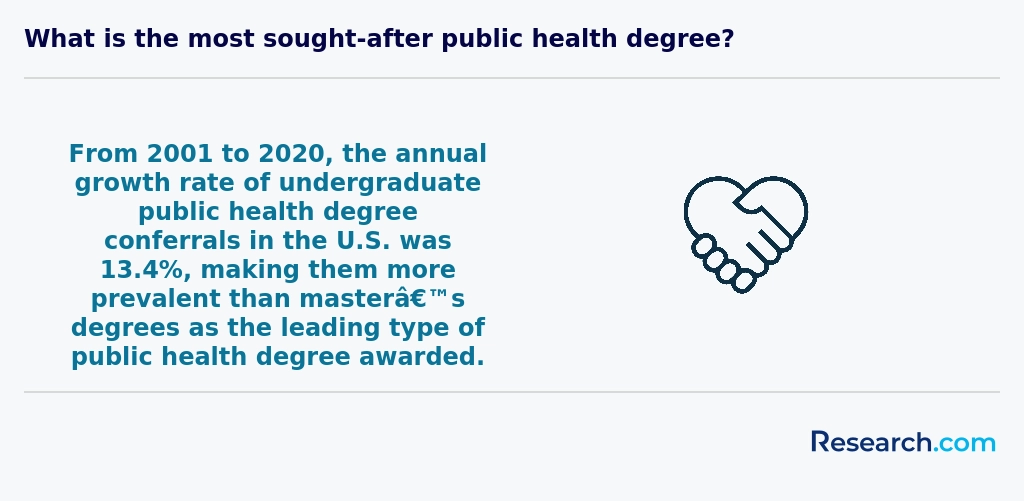
Graduates with a public health degree from universities like the University of Mississippi or Jackson State University find exciting opportunities to become epidemiologists, analyzing disease patterns to protect communities throughout Mississippi. These roles combine scientific curiosity with real-world impact, offering rewarding careers that serve public health agencies directly addressing state challenges. Many graduates embrace positions as health educators or community health workers, passionately supporting rural areas where access to care is limited, inspiring healthier lifestyles across the state. This is a truly fulfilling path for those eager to build strong, resilient communities.
Others pursue roles as health services managers, steering hospitals and clinics to provide efficient and effective care. Graduates from Mississippi's top schools report the pride they feel managing programs that touch thousands of lives annually. Careers in environmental health uniquely connect with the state's industries, addressing water quality and workplace safety to ensure healthier environments. Those exploring public health careers in Mississippi appreciate that the affordable tuition costs encourage timely graduation and quick entry into meaningful roles.
For prospective students looking to begin their journey, exploring easy associate's degree programs locally can be a great stepping stone to embark on these impactful public health degree job opportunities.
The public health job opportunities in Mississippi are growing steadily, offering a promising landscape for graduates of local programs like those at the University of Mississippi and Jackson State University. Graduates often share how their education equips them to tackle real challenges, such as managing community health initiatives or supporting state immunization drives. These experiences showcase the tangible impact of their work within Mississippi's unique healthcare environment.
Mississippi public health career outlook is bright due to increasing investment in public health infrastructure and ongoing efforts to address chronic diseases and health disparities. Many graduates find rewarding roles in state health departments, nonprofits, and hospitals, where their skills in epidemiology and health education are highly valued. The average tuition costs at Mississippi universities also make this a smart choice for students aiming for a fulfilling career without huge debt.
For those aiming to maximize their earnings, exploring high paying master's degrees related to public health can be a strategic move. Overall, Mississippi offers a supportive environment for public health professionals ready to make a positive difference in their communities.
2027 Best Public Health Degree Programs Ranking in Mississippi
Investing in your education is a significant decision that can shape your future, and the Research.com team understands the importance of making informed choices. To assist prospective students in Mississippi, we have meticulously crafted the "2027 Best Public Health Degree Programs Ranking in Mississippi." Our commitment to quality, credibility, and accuracy is reflected in the extensive research and analysis conducted to compile this ranking.
We utilized the following reputable data sources to ensure a comprehensive evaluation of public health programs:
By exploring this ranking, readers will gain valuable insights into the best public health degree programs available in Mississippi, helping them make well-informed decisions about their educational paths. For more details on our methodology, please visit our Research.com methodology page.


Frequently Asked Questions About public health
Public health degree students in Mississippi can maximize their learning experience by engaging actively with local community health initiatives. Mississippi faces significant public health challenges, including high rates of obesity and chronic diseases, according to the Mississippi State Department of Health, offering students real-world contexts to apply their studies. Participating in internships or practicums with state health agencies or nonprofits provides valuable hands-on experience.
Students should also leverage Mississippi's growing focus on telehealth and rural health services, which are critical areas in the state's public health landscape. Building networks with professionals through conferences and local health organizations can deepen understanding and open career opportunities. Utilizing university resources for research projects linked to Mississippi's health priorities enhances both learning and impact.
The public health field is expanding rapidly, with several emerging niches gaining prominence in Mississippi and across the United States. One key area is health informatics, where professionals use data and technology to improve healthcare delivery and disease surveillance. This niche is growing due to increased digital health records and telemedicine.
Another emerging focus is environmental health, addressing pollution and its effects, which is crucial in Mississippi due to industrial impacts along the Gulf Coast. Additionally, community health and health equity remain priorities, aiming to reduce disparities in rural and underserved populations. These niches offer strong career prospects for public health graduates.
Preparing for the job market after earning a public health degree in Mississippi involves strategic planning and skill-building. Graduates should consider obtaining internships or practicum experiences during their studies, as these provide valuable hands-on training and networking opportunities.
Mississippi's public health sector often looks for candidates skilled in community health, epidemiology, and data analysis. According to the Mississippi State Department of Health, demand for public health workers has risen due to ongoing health challenges such as chronic diseases and infectious outbreaks.
Additionally, earning certifications like the Certified Health Education Specialist (CHES) can improve job prospects. Staying informed about local health policies and engaging with organizations like the Mississippi Public Health Association also helps graduates enter the workforce more effectively.
Employers in Mississippi seek public health graduates with strong analytical and communication skills. The ability to interpret data, conduct community health assessments, and develop health promotion strategies is highly valued. According to the Mississippi Department of Health, skills in epidemiology and biostatistics are essential to address local health challenges like chronic diseases and infectious outbreaks.
Leadership and teamwork skills are also critical, as public health professionals often collaborate with diverse stakeholders. Familiarity with public health policies and regulations specific to Mississippi enhances job readiness. Practical experience through internships or projects focused on Mississippi communities significantly boosts a graduate's employability in this field.
Finding internships related to public health in Mississippi involves utilizing multiple resources. Start by contacting universities with accredited public health programs, such as the University of Mississippi Medical Center, which often have connections to local health departments and nonprofits.
The Mississippi State Department of Health and local community health organizations offer internship opportunities that provide practical experience in epidemiology, health education, and policy implementation. According to the Mississippi Public Health Association, internships can significantly improve job prospects in the state.
Online platforms like Handshake and Indeed also list internships in public health within Mississippi. Networking through professional groups and attending state public health events can reveal additional openings not widely advertised.
A public health degree significantly enhances career mobility and advancement in Mississippi's growing healthcare sector. Graduates are well-positioned for roles in government agencies, nonprofit organizations, and healthcare institutions, sectors that are expanding due to ongoing public health challenges.
According to the Mississippi Department of Health, demand for public health professionals is expected to grow by 15% through 2030, outpacing many other fields. This growth offers graduates multiple pathways for upward mobility, including leadership roles in epidemiology, community health, and health policy.
Moreover, public health degrees equip students with skills valued statewide, such as data analysis and program management, which employers report as critical for advancement. Partnerships between Mississippi universities and local health departments often provide practical experience, further supporting career development.
Studying for a public health degree in Mississippi offers students a strong foundation for interdisciplinary roles by integrating multiple fields like epidemiology, health policy, and community health. Programs often emphasize collaboration with local health departments, hospitals, and nonprofits, providing practical experience across various sectors. This hands-on approach prepares graduates to tackle complex health issues unique to Mississippi, such as high rates of chronic diseases and health disparities, reported by the Mississippi State Department of Health.
Curricula typically include courses in social sciences, biology, and data analysis, equipping students with versatile skills. This blend fosters adaptability essential for careers involving diverse teams and strategies to improve population health.
When choosing between a thesis and a non-thesis public health degree program in Mississippi, consider your career goals and learning preferences. A thesis option involves conducting original research, which can be valuable if you plan to pursue a doctorate or a research-focused job. It typically requires more time and strong writing skills.
In contrast, a non-thesis program focuses on practical skills and coursework, appealing to professionals aiming for leadership or administrative roles in public health agencies. Given Mississippi's health challenges, such as high rates of chronic disease and health disparities reported by the Mississippi State Department of Health, hands-on experience is beneficial.
Additionally, thesis programs may require close faculty mentorship, so consider availability of advisors experienced in Mississippi's public health landscape.
Students based in Mississippi seeking public health degrees with an international focus have several options for studying abroad through partnering programs and exchange opportunities. Universities such as the University of Mississippi and Jackson State University often collaborate with institutions worldwide to offer study abroad programs emphasizing global health challenges.
These programs allow students to gain firsthand experience in diverse health systems, particularly in regions facing infectious diseases or resource limitations. According to the Mississippi State Department of Health, understanding global health is vital given the state's public health challenges related to chronic diseases and health disparities.
Students should explore scholarships and federal financial aid options that support study abroad initiatives, as well as consult university international offices for tailored guidance.
Part-time job opportunities in Mississippi that complement public health degree education often include roles in healthcare facilities, community outreach programs, and local government agencies. Positions such as health educator assistants, research aides, or administrative support in public health departments provide practical experience aligned with academic studies. According to the Mississippi Department of Health, public health outreach and preventive care efforts have increased demand for skilled support staff.
Additionally, working with nonprofit organizations focused on chronic disease prevention or maternal and child health allows students to engage directly with affected communities. These roles help develop communication and data collection skills important for public health careers.
Public health students in Mississippi benefit from various networking opportunities that connect them with professionals and peers. Universities such as the University of Mississippi Medical Center offer access to local health departments, nonprofit organizations, and state agencies focused on public health initiatives. These connections provide internships and collaborative projects essential for real-world experience. Additionally, students can join statewide organizations like the Mississippi Public Health Association, which hosts events and conferences fostering professional relationships. According to the Mississippi State Department of Health, these engagements enhance career prospects by promoting mentorship and exposure to public health issues unique to Mississippi's population.
Alumni networks provide valuable resources for public health degree students in Mississippi by fostering professional connections within the state's health sector. Graduates from programs such as those at the University of Mississippi Medical Center often remain active in these networks, helping students secure internships and job placements. According to the Mississippi Public Health Association, strong alumni ties can increase employment opportunities in local health departments, clinics, and non-profits. These networks also facilitate mentorship, offering guidance on navigating Mississippi's unique public health challenges, such as rural health disparities and chronic disease management. Access to experienced alumni enhances career readiness and professional growth for students.
Customizing a public health degree in Mississippi allows students to align their education with specific career goals. Many universities offer concentrations such as epidemiology, health policy, or environmental health. This flexibility helps students specialize in areas of high demand within the state, like chronic disease prevention or rural health improvement.
Students can also select electives that address Mississippi's unique public health challenges. For example, coursework may focus on maternal and child health, reflecting state priorities outlined by the Mississippi State Department of Health. Practical experiences through internships and community projects further personalize learning and enhance job readiness.
Additionally, online and hybrid programs provide adaptability for working professionals seeking advancement without interrupting their careers. Mississippi's evolving public health workforce benefits from these adaptable education paths, preparing graduates to tackle local health issues effectively.
Public health students in Mississippi encounter several distinctive challenges during their education. One major difficulty is limited access to diverse practicum sites due to the state's rural composition, which can restrict hands-on learning opportunities.
Additionally, Mississippi ranks poorly in health outcomes nationally, with high rates of chronic diseases such as diabetes and heart conditions. Students must grapple with these complex public health issues, which require a deep understanding of social determinants and healthcare disparities.
Funding can also pose challenges. Many students face financial constraints, as Mississippi offers fewer scholarships specific to public health compared to other states, according to the Mississippi Institutions of Higher Learning.
Finally, navigating workforce demands-for instance, preparing to meet the needs of underserved communities-adds to the academic pressure. These realities shape the educational experience for students aiming to improve public health across the state.
With a public health degree in Mississippi, graduates can pursue several recognized professional certifications to enhance their career prospects. One of the most sought-after is the Certified in Public Health (CPH) credential, offered by the National Board of Public Health Examiners. This certification demonstrates mastery of public health skills and knowledge valued nationwide.
Many professionals also pursue certifications like the Certified Health Education Specialist (CHES) or the Registered Environmental Health Specialist (REHS), which complement public health roles. Mississippi's state health department often values these certifications for roles in community health and epidemiology.
Obtaining these credentials typically requires a combination of education, work experience, and successful completion of an exam. These certifications can boost job competitiveness in Mississippi's expanding public health sector, which has seen growth due to increased focus on rural health initiatives.
Applying to a public health program in Mississippi requires careful preparation to make your application stand out. Admissions committees value a clear statement of purpose outlining your career goals and how the program fits your interests. Highlight any relevant volunteer work, internships, or professional experience, especially those tied to Mississippi's health challenges, like chronic disease management or rural healthcare disparities.
Mississippi ranked lowest nationally in public health outcomes by the United Health Foundation in 2023, so demonstrating awareness of local health issues can be impactful. Strong letters of recommendation from academic or professional mentors who can vouch for your dedication are essential.
Additionally, ensure your academic transcripts reflect solid performance in science and social science courses. Some programs may require GRE scores; check each school's requirements carefully. Proofreading your application for clarity and accuracy is crucial to conveying professionalism.
Public health careers are increasingly viewed through a global lens, reflecting the interconnectedness of health issues worldwide. Professionals trained in Mississippi are equipped to address local needs while understanding international health challenges such as pandemics, health disparities, and environmental risks. The U.S. Bureau of Labor Statistics projects a 17% growth in public health jobs through 2031, underscoring demand driven by global and domestic factors.
Mississippi public health graduates benefit from programs that emphasize cultural competence and global health perspectives, preparing them to work with diverse populations. This global outlook aligns with goals by organizations like the World Health Organization, impacting policy and practice locally and abroad.
Gaining practical experience while studying for a public health degree in Mississippi is essential for career readiness. Many universities in the state encourage internships with local health departments, hospitals, and community organizations. For example, the Mississippi Department of Health offers internship opportunities where students can understand real-world public health challenges, such as addressing the state's high chronic disease rates.
Students often complete fieldwork or practicum courses as part of degree requirements. These placements help develop skills in data analysis, program evaluation, and health education. Additionally, partnering with federally qualified health centers provides exposure to underserved populations, a significant element in Mississippi's public health landscape.
Networking with local professionals during these experiences can also enhance employment prospects after graduation. Seek out campus career services and professional associations like the Mississippi Public Health Association for guidance and opportunities.
Choosing the right concentration within a public health degree program in Mississippi involves considering both your career goals and the local health landscape. Public health fields such as epidemiology, health policy, environmental health, and community health education each offer unique focuses. For example, Mississippi faces challenges like high obesity rates and infectious diseases, making epidemiology and community health education critical areas of study.
Research from the Mississippi State Department of Health highlights the need for professionals specialized in chronic disease prevention and rural health. Understanding these regional needs can guide your concentration choice.
Additionally, consider program availability; not all Mississippi institutions offer every concentration. Review curriculum specifics and potential internship opportunities aligned with state public health agencies. This alignment increases job prospects post-graduation.
- 2027 Best Public Health Degree Programs Ranking in Louisiana
- 2027 Best Public Health Degree Programs Ranking in Alabama
- 2027 Best Public Health Degree Programs Ranking in Florida
- 2027 Best Public Health Degree Programs Ranking in Indiana
- 2027 Best Public Health Degree Programs Ranking in Minnesota
- 2027 Best Public Health Degree Programs Ranking in Michigan
- 2027 Best Public Health Degree Programs Ranking in Maryland
- 2027 Best Public Health Degree Programs Ranking in Connecticut
- 2027 Best Public Health Degree Programs Ranking in New Hampshire
- 2027 Best Public Health Degree Programs Ranking in Idaho
- MPH vs. MS in Public Health: Which Degree Is Right for You? - ResearchUpdate https://researchupdate.org/mph-vs-ms-in-public-health-which-degree-is-right-for-you/
- Internships for MPH Students https://www.publichealthdegrees.org/careers/internships/
- Why Public Health is the Ideal Career Path for Gen Z - Reach Out https://we-reachout.org/why-public-health-is-the-ideal-career-path-for-gen-z/
- Effective Networking Strategies for Public Health Professionals | PH SPOT https://phspot.org/effective-networking-strategies-for-public-health-professionals/
- Young WFPHA Initiative – Empowering Young Public Health Professionals https://www.wfpha.org/young-wfpha/
- Master of Public Health Specializations: What are they and how should you navigate the decision? https://masterspublichealth.com/master-of-public-health-specializations/
- Inactive Programs https://www.msfinancialaid.org/programs/inactive-programs/
- Dive deeper into public health topics. https://www.apha.org/topics-and-issues
- Public Health Degrees & Careers | How To Work In Public Health https://www.learnhowtobecome.org/medical-health-careers/public-health/
- 2025 Most Affordable Online MPH Programs https://www.onlineu.com/most-affordable-colleges/public-health-masters-degrees