2027 Most Popular Public Health Degree Programs Ranking in Pennsylvania

Co-Founder and Chief Data Scientist
Choosing the right public health degree program in Pennsylvania can be overwhelming. To help, this article introduces the 2027 Most Popular Public Health Degree Programs Ranking in Pennsylvania, created by the Research.com team of data scientists.
By exploring this ranking, you'll gain clarity on which programs stand out based on key insights. Pursuing a public health degree opens doors to meaningful careers that impact communities positively.
Whether you're just starting or considering a change, this guide provides valuable information to support your educational journey and future success.
Key benefits of getting public health degree in Pennsylvania
- Graduates in Pennsylvania with a public health degree can earn competitive salaries in roles like Environmental Health Specialist averaging $86,710 annually and Health Educators with $69,790, offering strong financial stability.
- Career paths include roles at local health departments or nonprofit organizations, as shown by graduates from the University of Pennsylvania who pursue diverse public health jobs from community health work to occupational safety.
- Completing a public health degree online, such as through Drexel University, allows flexible learning that fits your lifestyle and accelerates your career without commuting, perfect for busy adults pursuing growth.
- 2027 Most Popular Public Health Degree Programs Ranking in Pennsylvania
- What can I expect from public health degree in Pennsylvania?
- Where can I work with public health degree in Pennsylvania?
What can I expect from public health degree in Pennsylvania?
The average cost of obtaining a public health degree in Pennsylvania varies widely depending on the level of study and institution type. For example, graduates from popular programs at universities such as the University of Pennsylvania or Drexel University often report paying between $30,000 and $60,000 per year for tuition and fees, especially for Master of Public Health (MPH) degrees. Community colleges offering associate degrees in public health tend to be more affordable, with annual costs typically under $10,000.
Many students highlight the value of their investment through hands-on internships in cities like Philadelphia and Pittsburgh, where they gain real-world experience tackling pressing health issues like urban disparities and opioid addiction. Graduates frequently mention the satisfaction of directly contributing to community projects, which reinforces the worth of their tuition expenses.
Financial aid and scholarships available at Pennsylvania institutions also help reduce costs, making public health education more accessible. This financial support, combined with Pennsylvania's diverse learning environments, fosters a rewarding academic journey for students dedicated to improving health outcomes.
Where can I work with public health degree in Pennsylvania?
Graduates with a public health degree in Pennsylvania find diverse job opportunities across settings such as government agencies, healthcare systems, nonprofit organizations, and academia. For example, many graduates from institutions like the University of Pennsylvania and Temple University secure roles within the Pennsylvania Department of Health, contributing to community health initiatives, emergency preparedness, and disease control efforts statewide.
Healthcare systems including UPMC and the University of Pennsylvania Health System actively hire public health professionals as epidemiologists, health educators, and administrators. These roles allow graduates to work directly on improving patient outcomes and managing health programs, providing a fulfilling career path that reflects their training.
Nonprofits also offer rewarding positions; graduates often express satisfaction in developing health advocacy and environmental health projects for groups such as the Pennsylvania Association of Community Health Centers. The ability to influence public policy and improve health disparities in both urban and rural Pennsylvania adds meaningful purpose to their work.
With the U.S. Bureau of Labor Statistics projecting a 16% growth for health educators and community health workers by 2032, Pennsylvania's expanding demand further solidifies career stability and positive employment prospects in public health fields.
Graduates with public health degrees from institutions like the University of Pennsylvania or Drexel University in Pennsylvania can expect varied earning potentials based on their chosen career paths. For example, community health workers in the state earn a mean annual wage of around $52,610, reflecting entry-level opportunities for many bachelor's degree holders.
Health educators, often holding a bachelor's or master's degree, see higher wages, with an average annual salary of approximately $69,790. These professionals frequently find roles in urban centers such as Philadelphia and Pittsburgh, where demand for public health expertise is strong and salaries are slightly elevated.
For those specializing further, fields like environmental health and occupational safety offer mean salaries of $86,710 and $85,570 respectively. Graduates from Pennsylvania universities highlight the rewarding nature of these roles, emphasizing not only competitive pay but the chance to impact community health positively.
In real-world terms, a recent graduate working as an environmental health specialist at a Philadelphia hospital might enjoy both a meaningful career and a salary above $85,000, signifying the solid return on investment in public health education within the state.
- Tuition for public health programs in Pennsylvania ranges from $15,000 to $30,000 per year at public universities for in-state students, with private schools sometimes charging over $40,000.
- Employment in public health-related jobs in Pennsylvania is projected to grow by about 7% over the next decade, outpacing many national growth rates.
- Entry-level salaries for public health graduates typically range from $45,000 to $55,000 annually, increasing to $70,000 or more after five to ten years of experience.
- Several Pennsylvania schools have Council on Education for Public Health (CEPH) accreditation, ensuring quality education and better job prospects.
- Many programs offer both on-campus and online learning options, providing flexibility for working students.
Completing a public health degree in Pennsylvania generally aligns with established academic timelines but allows for flexibility based on individual circumstances. Full-time students pursuing a Bachelor of Science in Public Health at institutions like Pennsylvania State University or Temple University typically finish within four years, reflecting the standard duration for undergraduate degrees nationwide.
Graduates often remark on balancing part-time study while working, which can extend completion to five or six years. Universities such as Drexel and West Chester accommodate these students with evening or online classes, highlighting the adaptable pathways available. For graduate students, completing a Master of Public Health (MPH) at schools like the University of Pittsburgh usually takes about two years full-time, consistent with CEPH accreditation standards.
Some students accelerate their MPH programs to around one year, though this requires a rigorous schedule. Alternatively, part-time or online MPH options can stretch beyond three years, suiting those needing flexibility. Doctoral programs, such as PhDs or DrPHs at Pennsylvania universities, typically require three to five years post-master's due to intensive research demands and dissertation work.
Public health programs in Pennsylvania should be CEPH-accredited to guarantee curriculum quality, faculty expertise, eligibility for federal aid and smooth credit transfer. Graduating from an accredited school also paves the way for valuable industry credentials:
- Certified in Public Health (CPH): National board exam that proves mastery of core public health disciplines.
- Certified Health Education Specialist (CHES): Validates your ability to design, implement and evaluate health promotion programs.
- Registered Environmental Health Specialist (REHS/RS): Offered by NEHA for careers in environmental and occupational health.
To broaden your skill set and appeal to a wider range of employers, consider supplementing your public health expertise with medical billing and coding classes online.
Online and on-campus public health degrees in Pennsylvania differ primarily in delivery and experience. On-campus studies, as seen at institutions like the University of Pittsburgh and Temple University, provide immersive environments where students engage directly with faculty and peers. Graduates often recall hands-on learning in labs and invaluable networking through career services, which supports internship placements and collaborative projects.
Conversely, online programs, such as those offered by Pennsylvania State University World Campus, emphasize flexibility. Students frequently balance coursework with jobs or family, benefiting from asynchronous lessons accessible statewide. These programs maintain rigorous CEPH accreditation standards, ensuring educational quality parallels traditional formats.
Cost considerations also differ: in-state tuition for on-campus programs ranges from $10,000 to $30,000 annually, while online options sometimes lower fees but add technology costs. Many online learners appreciate savings on commuting and housing, which eases financial pressure.
Success in either format hinges on individual preferences like self-discipline for online learners or value placed on direct mentorship and local internship access for those on-campus.
Earning a public health degree is just the first step toward standing out in a competitive job market; obtaining professional certifications and engaging in continuing education can demonstrate your commitment to excellence and expand your expertise. The Certified in Public Health (CPH) credential, administered by the National Board of Public Health Examiners (NBPHE), validates core competencies across disciplines like biostatistics, environmental health, and health policy. Eligibility typically requires a graduate-level public health degree and relevant field experience, followed by a proctored exam covering epidemiology, social and behavioral sciences, and leadership. Similarly, the Certified Health Education Specialist (CHES) credential from the National Commission for Health Education Credentialing (NCHEC) focuses on planning, implementing, and evaluating health education programs, with recertification through continuing education contact hours (CECHs) every five years. Beyond these flagship certifications, specialized credentials-such as the Registered Environmental Health Specialist/Registered Sanitarian (REHS/RS) and the Certified in Infection Control (CIC)-allow professionals to deepen expertise in niche areas. Many state and national agencies accept a combination of formal coursework, workshops, and online modules to fulfill CECH requirements, ensuring you stay current with emerging public health challenges. For working professionals balancing study with career demands, affordable online master’s pathways can be invaluable; consider reviewing our Most Affordable Online Master's in Public Health Degree Programs Ranking in the West to identify flexible, cost-effective options that support both your academic and professional development goals. By strategically pursuing certifications and lifelong learning, you’ll enhance your credibility, broaden your network, and accelerate your impact in the field of public health.
The average cost of earning a public health degree in Pennsylvania typically ranges around $40,389 for in-state students, while out-of-state students can expect to pay closer to $57,880 in total. These figures provide a realistic benchmark for students planning their finances, reflecting the median total cost including tuition, fees, and additional expenses over the course of the program.
Graduates from well-known Pennsylvania public health programs often share that managing tuition alongside living costs requires careful budgeting. For example, students attending Pennsylvania State University or the University of Pittsburgh note that in-state tuition for a Master of Public Health (MPH) ranges from approximately $14,000 to $18,000 annually, with out-of-state tuition increasing the burden significantly. These investments reflect the rigorous education and valuable experiences gained at these institutions.
Prospective students researching cost of public health programs in Pennsylvania can find opportunities to reduce expenses through scholarships and financial aid, which many schools actively promote. Financial support often plays a pivotal role in student satisfaction and success, giving learners more peace of mind as they focus on their studies and future careers.
To explore more about affordable options and compare programs, consider visiting resources on affordable public health programs in pennsylvania that can guide you toward making an informed decision tailored to your financial situation.
Public health students in Pennsylvania benefit from multiple financial aid options tailored to offset tuition costs, which can average around $11,000 annually at public universities and exceed $35,000 at private institutions. Federal aid, such as Pell Grants, offers need-based, non-repayable funding, while graduate students often utilize Direct Unsubsidized and Grad PLUS Loans, which require repayment with interest. Completing the FAFSA is essential to access these funds.
State programs like the Pennsylvania State Grant provide additional need-based support specifically for residents attending eligible public health programs in-state. Graduates from schools like the University of Pittsburgh and Temple University frequently mention leveraging specialized scholarships and assistantships, which combine financial support with practical teaching or research experience.
Many working professionals rely on employer tuition assistance from healthcare organizations in Pennsylvania, which can cover significant portions of public health degree costs. Furthermore, federal work-study opportunities and graduate assistantships enable students to earn income while gaining relevant experience, making advanced education financially feasible and rewarding.
As the public health landscape continues to evolve, Pennsylvania is at the forefront of integrating innovative technologies and community-based strategies into its educational programs and professional practices. Emerging trends include the increased use of digital health tools, artificial intelligence in epidemiological research, and a stronger focus on data-driven decision making that not only enhance learning but also prepare graduates for the complexities of modern healthcare challenges. In response to growing demands for flexibility and accessibility, many institutions are now offering hybrid study models that combine in-person experiences with online coursework, giving students real-world exposure while accommodating diverse life circumstances. Additionally, career support and professional development initiatives are being bolstered to ensure graduates possess the adaptability and technical proficiency required in today’s dynamic job market; in fact, many experts recommend exploring options like affordable public health programs in pennsylvania that emphasize these advancements. Keeping an eye on these future-oriented shifts, students and professionals alike can better navigate their educational journeys and contribute effectively to a healthier tomorrow.
To enroll in public health degree programs in Pennsylvania, applicants must meet specific academic and administrative prerequisites designed to ensure preparedness and success. For undergraduate programs at schools like Temple University or the University of Pittsburgh, a high school diploma with strong grades in biology, chemistry, mathematics, and social sciences is essential. Many students appreciate that some institutions have adopted test-optional policies, reducing pressure from standardized exams like the SAT or ACT.
Graduate programs, such as Master of Public Health (MPH) degrees at the University of Pennsylvania, require a bachelor's degree and often prefer candidates with relevant coursework or professional experience in health, biology, or statistics. A minimum GPA around 3.0 is standard, demonstrating academic competence.
Applicants usually submit letters of recommendation, personal statements, and resumes. Graduates frequently recall the value of clearly articulating their public health goals and relevant experiences, which strengthened their applications.
Practical prerequisites such as immunization records and background checks are common due to the community-focused nature of coursework and internships, ensuring safety and compliance within healthcare environments.

Earning a Public Health degree is just the first step toward a thriving career; professional certifications and ongoing education signal expertise, boost credibility, and open doors to leadership roles. Many employers in Pennsylvania prefer candidates who hold specialized credentials in addition to their academic qualifications. Key certifications include:
- Certified in Public Health (CPH): Administered by the National Board of Public Health Examiners, the CPH credential validates mastery of core public health sciences. Candidates typically need a bachelor’s or higher degree in public health and must pass a comprehensive exam emphasizing biostatistics, epidemiology, environmental health, and health policy.
- Certified Health Education Specialist (CHES): Offered by the National Commission for Health Education Credentialing, CHES demonstrates proficiency in planning, implementing, and evaluating health education programs. Graduates often prepare through coursework in community health assessment, behavior change theories, and program evaluation.
- Registered Environmental Health Specialist/Registered Sanitarian (REHS/RS): Ideal for those focused on environmental health, this state‐level certification requires a degree in public health or environmental science and successful completion of a rigorous exam covering food safety, water quality, and waste management. In addition to these credentials, professionals can enhance their skillset through continuing education units (CEUs). Universities and professional associations across Pennsylvania offer workshops and online modules in data analysis, grant writing, and emergency preparedness. For students curious about transitioning into healthcare coordination, understanding how long does it take to become a healthcare coordinator can guide your curriculum planning and internship selection. By strategically pursuing certifications and CEUs, Public Health graduates not only strengthen their resumes but also stay abreast of evolving best practices, ensuring they remain competitive in a dynamic job market.
Public health degree programs in Pennsylvania feature a core curriculum designed to equip students with essential skills for addressing health challenges. Graduates from universities such as the University of Pennsylvania and Temple University recall foundational courses including Introduction to Public Health, which provides a clear view of public health's role in society, and Epidemiology, where they learn to analyze disease patterns-a vital skill during events like flu seasons or local outbreaks.
Biostatistics courses further sharpen their ability to interpret health data, often used in internships at Philadelphia hospitals to assess community health trends. Environmental Health classes highlight real-world issues like air and water quality, which resonate with students living in urban or industrial regions across the state.
Health Policy and Management trains students to navigate healthcare systems, a strength noted by graduates working in Pennsylvania's government health departments. Social and Behavioral Sciences deepen understanding of how lifestyle and social factors affect health outcomes, something many students experience firsthand during practicum placements in diverse community settings.
These hands-on experiences foster confidence and enthusiasm among students, making these courses highly relevant for those committed to advancing public health in Pennsylvania.
Public health degree specializations in Pennsylvania cover diverse, practical fields preparing graduates to address both local and global health challenges. Epidemiology is a prominent focus, where students at well-regarded institutions in the state gain skills to analyze disease patterns-many graduates report satisfaction working with government health departments to develop prevention strategies. Health Policy and Management is another key concentration, relevant given Pennsylvania's complex healthcare system; alumni often express pride in influencing policy reforms tackling disparities in access to care. Environmental Health specialization addresses the state's industrial legacy, providing expertise in pollution control and occupational safety, highly valued in community health roles.
Popular colleges also offer Community Health and Social and Behavioral Sciences, emphasizing health promotion in diverse urban and rural communities across Pennsylvania, aligning well with the best public health concentration options Pennsylvania offers. Other areas like Global Health, Biostatistics, and Maternal and Child Health are often part of these programs, enabling degree customization. Many students appreciate how these focused programs equip them with relevant skills and confidence to excel, even pondering how long does it take to become a healthcare coordinator, reflecting career progression ambitions.
Choosing the best public health degree in Pennsylvania starts with aligning your career focus with program specializations such as epidemiology or health policy. Graduates from Penn State University frequently emphasize how CEPH-accredited programs ensure rigorous training and boost confidence entering the workforce. Affordability is also crucial; in-state tuition at public institutions like Penn State averages around $19,000 annually, making them attractive for budget-conscious students exploring affordable public health degrees Pennsylvania offers. Private universities, while more costly, often provide scholarships that alumni praise for reducing financial stress.
Program flexibility is important-many in Pennsylvania offer online or hybrid formats suitable for working professionals balancing life commitments. Graduates highlight how faculty expertise and internships tied to Pennsylvania health agencies provide valuable real-world experience and strong job connections. Graduate employment rates in the state remain steady, reinforcing the value of programs with local industry ties.
For more details on flexible learning options, see the Most Affordable Online Master's in Public Health Degree Programs Ranking in the West.
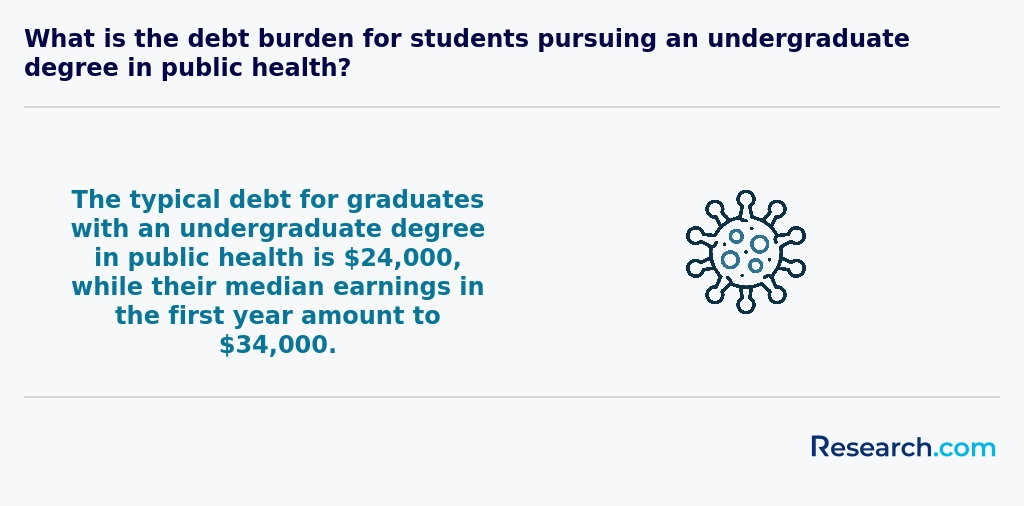
Graduates with a public health degree in Pennsylvania find diverse job opportunities across sectors tailored to the state's unique public health demands. Government roles in the Pennsylvania Department of Health are prominent, employing over 7,200 epidemiologists and related professionals in fields like environmental health and policy analysis, reflecting healthy job growth. Graduates from universities with strong public health programs often secure positions as epidemiologists, health educators, or policy advisors, fields essential for managing disease prevention and health promotion statewide.
Healthcare organizations and hospitals provide roles in managing community outreach and data analysis to enhance patient outcomes. Nonprofits focused on substance abuse prevention and health equity also employ public health graduates, creating meaningful community impact. These pathways demonstrate the variety available for those seeking public health career opportunities in Pennsylvania.
Many graduates from Pennsylvania's public health programs feel optimistic about their careers, often sharing that practical experiences shape their commitment to community wellbeing. Those exploring advanced degrees can access affordable options and support through open enrollment college courses online, further expanding job prospects.
The public health job outlook Pennsylvania offers is promising, with employment opportunities spanning state health departments, hospitals, nonprofits, and academia. Graduates from well-regarded institutions like Pennsylvania State University often find roles in Philadelphia and Pittsburgh, where healthcare systems are extensive and demand for public health expertise is high. These metropolitan areas provide a range of career options, including epidemiology, health education, and program management focused on chronic disease and emergency preparedness.
Graduates appreciate that Pennsylvania's median salaries, typically between $50,000 and $80,000, reflect competitive compensation with added benefits in government and university positions. The state's relatively affordable tuition, such as in-state graduate programs at Penn State, makes pursuing a degree cost-effective and aligns well with local career opportunities.
For those interested in advancing their credentials while balancing work, options like an online phd without dissertation appeal to many public health professionals. The Pennsylvania public health career opportunities continue to expand in health equity and behavioral health, drawing graduates eager for meaningful community impact.
2027 Most Popular Public Health Degree Programs Ranking in Pennsylvania
Investing in your education is a significant decision that can shape your future, and the Research.com team understands the importance of making informed choices. To assist prospective students in Pennsylvania, we have carefully developed the "2027 Most Popular Public Health Degree Programs Ranking in Pennsylvania." Our dedication to quality, credibility, and accuracy is demonstrated through thorough research and detailed analysis to produce this trusted ranking.
We utilized the following reputable data sources to ensure a comprehensive evaluation of public health degree programs:
By reviewing this ranking, readers will gain valuable insights into top public health programs in Pennsylvania, empowering them to make well-informed decisions about their educational futures. For more information about how the ranking was created, please visit our Research.com methodology page.
# 1 position
Pennsylvania State University-Main Campus
Master of Public Health

# 2 position
Pennsylvania State University-Main Campus
PhD in Public Health





Frequently Asked Questions About public health
Public health degree students in Pennsylvania can maximize their learning by engaging deeply with both academic coursework and practical experiences. Pennsylvania hosts several accredited schools offering public health programs that emphasize applied skills. Students should seek internships with local health departments, hospitals, or community organizations to gain real-world insights into regional health challenges such as opioid addiction and chronic disease management, which remain prevalent in the state according to the Pennsylvania Department of Health.
Participating in research projects focused on Pennsylvania's population health can also enhance understanding. Networking with professionals through state public health conferences or societies broadens career opportunities and knowledge. Additionally, students benefit from staying informed about Pennsylvania's health policies and demographic trends to contextualize their studies effectively.
Emerging niches in the public health field in Pennsylvania reflect evolving community needs and technological advances. One key area is **health informatics**, which combines data analysis with healthcare to improve patient outcomes. The demand for professionals skilled in managing electronic health records is growing rapidly statewide.
Another expanding field is **environmental health**, focusing on the impact of pollution and climate change on public wellness. Pennsylvania's industrial history makes this particularly relevant, with agencies like the Department of Environmental Protection emphasizing these concerns.
Global health is also gaining traction, as the COVID-19 pandemic highlighted the importance of disease prevention and preparedness both locally and internationally. According to the Pennsylvania Department of Health, careers addressing emergency response and vaccination strategies are increasing.
Graduates with public health degrees in Pennsylvania should focus on building practical experience to enhance their job prospects. Internships and fieldwork with local health departments or nonprofit organizations provide valuable hands-on skills. The Pennsylvania Department of Health often partners with universities to offer such opportunities. Networking through professional associations like the Pennsylvania Public Health Association can also connect graduates to employers and industry events.
Certification, such as the Certified in Public Health (CPH) credential, is highly regarded and can increase competitiveness. According to the U.S. Bureau of Labor Statistics, employment in Pennsylvania's public health sector is expected to grow, especially in epidemiology and health education, emphasizing the importance of relevant experience and credentials.
Employers in Pennsylvania highly value public health degree graduates who possess strong analytical skills. The ability to interpret complex data and make evidence-based decisions is crucial in addressing local health issues. Communication skills are also essential, as professionals must effectively share information with diverse communities and stakeholders.
Knowledge of health policies and regulations in Pennsylvania is important, enabling graduates to navigate state-specific public health laws. Additionally, expertise in program planning and evaluation helps improve community health outcomes efficiently. According to the Pennsylvania Department of Health, teamwork and cultural competency significantly enhance success in public health careers within the state.
Finding internships relevant to a public health degree in Pennsylvania involves strategic research and networking. Start by exploring university career centers, which often maintain partnerships with local organizations. Many Pennsylvania institutions connect students with internships at health departments, hospitals, and community nonprofits.
The Pennsylvania Department of Health offers multiple internship opportunities each year, particularly in epidemiology and health promotion. National organizations like the Centers for Disease Control and Prevention (CDC) also provide remote internship options for Pennsylvania students. According to a 2023 report by the Association of Schools and Programs of Public Health, internships significantly improve job placement rates post-graduation.
Networking through professional groups like the Pennsylvania Public Health Association can further increase your chances of securing an internship. Additionally, online platforms such as Handshake and LinkedIn list specific local public health internships.
A public health degree in Pennsylvania significantly enhances career mobility and advancement opportunities. Graduates with this qualification often access a wide range of employment options, from government agencies to healthcare organizations. According to the Pennsylvania Department of Health, the state's growing focus on health promotion and disease prevention has increased demand for skilled public health professionals.
Professionals with degrees in public health can advance to roles in epidemiology, health policy, and community health management. The Bureau of Labor Statistics projects a 12% growth rate for health education specialists in Pennsylvania through 2030, higher than the national average. This growth translates to more job openings and promotional prospects for degree holders.
Additionally, many Pennsylvania employers prefer candidates with at least a bachelor's degree for entry-level positions, while advanced degrees may lead to leadership or specialized research roles. Networking opportunities provided by local public health programs and associations further facilitate career growth across the state.
Studying for a public health degree in Pennsylvania equips students with skills to address complex health issues through an interdisciplinary approach. Many Pennsylvania programs emphasize collaboration across fields like epidemiology, health policy, environmental health, and social sciences.
Students gain experience working with diverse data sets and communities, preparing them for roles in government agencies, healthcare organizations, and nonprofits. Pennsylvania's public health workforce is expected to grow due to increasing demand for experts who can connect healthcare, behavioral science, and policy effectively.
Institutions often incorporate internships and partnerships with local health departments, enhancing practical skills. According to the Pennsylvania Department of Health, collaborative public health initiatives have improved outcomes by integrating expertise from multiple disciplines.
When choosing between a thesis and a non-thesis public health degree program in Pennsylvania, prospective students should consider their career goals and learning preferences. A thesis option typically requires conducting original research, ideal for students aiming to pursue doctoral studies or research roles. Non-thesis programs often emphasize practical skills with additional coursework or a capstone project, suitable for those seeking professional practice in community health or policy.
In Pennsylvania, many accredited schools offer both paths, reflecting national trends where about 40% of public health master's students select thesis options, according to the Council on Education for Public Health (CEPH). Understanding these differences helps align academic preparation with desired outcomes.
Students in Pennsylvania looking to study public health abroad can explore various options through partnerships between local universities and international institutions. Several Pennsylvania schools, including the University of Pittsburgh and Temple University, offer study abroad programs specifically in public health disciplines. These programs may last from a few weeks to a full semester and provide practical exposure to global health challenges.
Additionally, many schools participate in exchange programs governed by the Pennsylvania State System of Higher Education (PASSHE), allowing students to gain experience in countries with diverse public health practices. Pennsylvania ranks among states with increasing interest in global health education, reflecting the value of international perspectives in public health careers. According to the Pennsylvania Department of Health, such exposure is critical in addressing issues like infectious diseases and health disparities worldwide, which complements local training.
Students pursuing public health degrees in Pennsylvania can benefit from various part-time jobs that provide practical experience and complement their studies. Positions such as community health workers are in demand, with Pennsylvania employing over 2,000 professionals in this role, according to the Bureau of Labor Statistics (2023). These jobs offer hands-on exposure to public health outreach and education.
Other opportunities include research assistant roles at universities or public health organizations like the Pennsylvania Department of Health. These roles develop skills in data collection and analysis, vital for epidemiology careers.
Additionally, jobs in nonprofit health advocacy groups allow students to engage with policy and program development, directly supporting public health initiatives statewide.
Public health students in Pennsylvania benefit from various networking opportunities aimed at connecting them with professionals and peers in the field. Many universities partner with local health departments and organizations to provide internships and community projects. For example, the Pennsylvania Department of Health frequently collaborates with academic institutions, offering events and seminars that encourage student engagement.
Students can also join statewide organizations such as the Pennsylvania Public Health Association, which hosts conferences and workshops fostering professional relationships. Additionally, major cities like Philadelphia and Pittsburgh feature health-related career fairs and meetups, providing platforms for students to expand their networks.
These activities help students build contacts critical for career advancement, supported by the state's emphasis on public health workforce development, as reported by the Pennsylvania Department of Health's 2023 workforce report.
Alumni networks play a crucial role in supporting public health degree students in Pennsylvania by providing access to professional connections and job opportunities. Many Pennsylvania universities with public health programs maintain active alumni groups that organize workshops, mentorships, and networking events. These connections often lead to internships and employment in state agencies, hospitals, and nonprofit organizations.
Research from the Pennsylvania Department of Health highlights that 65% of public health job placements stem from professional networks, demonstrating the value of alumni engagement. Additionally, alumni can offer real-world advice, helping students navigate career paths in epidemiology, health policy, and community health roles.
Such networks also facilitate ongoing education and collaboration, enhancing students' professional growth long after graduation.
Customizing a public health degree program in Pennsylvania allows students to align their education with specific career goals. Many universities in Pennsylvania offer concentrations such as epidemiology, health policy, environmental health, and community health. For example, the University of Pittsburgh and Drexel University provide flexible curriculum options to tailor coursework and practical experiences.
Students can often choose electives, internships, and research projects that target local health challenges, including Pennsylvania's focus on opioid addiction and chronic disease prevention. According to the Pennsylvania Department of Health, programs addressing these issues are prioritized, helping graduates fill critical workforce needs.
Additionally, some programs offer dual degrees or certificates, enhancing marketability in fields like biostatistics or health informatics. Engaging with local public health agencies for hands-on work can further personalize learning and career preparation.
Public health students in Pennsylvania often encounter several challenges during their studies. A key difficulty is balancing rigorous coursework with practical fieldwork requirements, as many programs demand hands-on experience in healthcare settings or community organizations. Access to internships can be competitive, especially in urban centers like Philadelphia and Pittsburgh, where demand is high.
Financial concerns are also significant. Tuition fees vary widely, and while financial aid is available, students frequently face challenges securing sufficient scholarships or assistantships. According to the Pennsylvania Department of Education, graduate student debt remains above the national average, impacting career choices.
Additionally, students must navigate complex issues such as health disparities and evolving public health policies, which require critical thinking and adaptability. Staying current with developments in epidemiology and health data analysis adds to the academic demands, making time management a crucial skill for success.
A public health degree opens doors to several professional certifications that can enhance career prospects in Pennsylvania and beyond. One of the most recognized certifications is the Certified in Public Health (CPH) credential, offered by the National Board of Public Health Examiners. This credential demonstrates mastery of core public health knowledge and skills.
Graduates may also pursue certification as a Registered Health Education Specialist (CHES), which is valuable for those focused on health education and promotion roles. Additionally, the Certified Health Data Analyst (CHDA) certification is ideal for professionals handling public health data and analytics.
These certifications are widely respected in Pennsylvania's healthcare and government sectors, improving job opportunities and professional credibility.
To write a winning application for a public health program in Pennsylvania, start by highlighting your academic background and relevant experience. Many programs, such as those at the University of Pennsylvania and Drexel University, look for applicants with strong foundations in biology, statistics, or social sciences. Including volunteer or work experience in health-related fields strengthens your case.
Personal statements should clearly explain your motivation for studying public health and your career goals. Tailoring your essay to mention Pennsylvania's specific public health challenges-such as addressing opioid addiction or urban health disparities-can make your application stand out.
Letters of recommendation from professors or employers familiar with your skills are essential. Finally, meeting deadlines and submitting all required documents punctually is crucial, as Pennsylvania schools often have competitive admissions.
A career in public health is increasingly viewed through a global lens, reflecting the interconnected nature of health challenges. Professionals trained in Pennsylvania's public health programs often engage with issues such as infectious disease control, health equity, and disaster preparedness on an international scale. According to the Association of Schools and Programs of Public Health, global health competencies are emphasized in many US programs, including those in Pennsylvania. This approach prepares graduates to work with diverse populations and global agencies like the WHO. The demand for skilled public health workers is growing, with the US Bureau of Labor Statistics projecting a 17% increase by 2030, highlighting opportunities worldwide.
Gaining practical experience while studying for a public health degree in Pennsylvania is essential to build relevant skills and improve job prospects. Many universities in the state offer internships through partnerships with local health departments, hospitals, and nonprofit organizations. For example, the Pennsylvania Department of Health frequently provides internship opportunities that expose students to public health programs and policy development.
Students can also participate in research projects which are often available at universities with strong public health programs. These projects allow hands-on experience analyzing health data and evaluating community health initiatives.
Volunteering with public health organizations, such as community clinics or the American Red Cross, can further supplement academic learning with real-world impact. According to the National Association of County and City Health Officials, Pennsylvania employs over 11,000 public health workers, creating a broad range of practicum options.
Choosing the right concentration within a public health degree program in Pennsylvania depends on your career goals and interests. Common concentrations include Epidemiology, Health Policy, Environmental Health, and Community Health Education. Pennsylvania's health landscape, including urban centers like Philadelphia and rural areas in Appalachia, influences the demand for certain specialties.
For example, the Pennsylvania Department of Health highlights chronic disease prevention and opioid crisis management as priority areas, making concentrations focused on behavioral health and epidemiology appealing. Additionally, programs often align with the workforce needs noted by the Bureau of Labor Statistics, which projects a 16% growth in health educators and community health workers nationwide through 2031.
Consider practical training opportunities too. Many Pennsylvania schools partner with local health departments and organizations, providing valuable field experience that shapes your expertise in the chosen concentration. Reviewing specific curricula and available internships can guide your decision effectively.
- 2027 Most Popular Public Health Degree Programs Ranking in Maryland
- 2027 Most Popular Public Health Degree Programs Ranking in Ohio
- 2027 Most Popular Public Health Degree Programs Ranking in Connecticut
- 2027 Most Popular Public Health Degree Programs Ranking in Massachusetts
- 2027 Most Popular Public Health Degree Programs Ranking in Kentucky
- 2027 Most Popular Public Health Degree Programs Ranking in Indiana
- 2027 Most Popular Public Health Degree Programs Ranking in New Hampshire
- 2027 Most Popular Public Health Degree Programs Ranking in Maine
- 2027 Most Popular Public Health Degree Programs Ranking in Michigan
- 2027 Most Popular Public Health Degree Programs Ranking in Georgia
- Public Health https://www.ccp.edu/degree-programs/public-health
- Public Health Challenges – IPA SDG Dashboard https://sdg.internationalpublishers.org/sdgaction/public-health-challenges/
- The Interdisciplinary Nature of Public Health https://www.cune.edu/news/interdisciplinary-nature-public-health
- Master of Public Health Specializations: What are they and how should you navigate the decision? https://masterspublichealth.com/master-of-public-health-specializations/
- Loading https://www.cpalms.org/PreviewResourceStudentTutorial/Preview/166485
- Finding Fulfillment in Your Public Health Career Journey | PH SPOT https://phspot.org/finding-fulfillment-in-your-public-health-career-journey/
- Today’s Guide to Public Health Certifications https://www.publichealthdegrees.org/resources/public-health-certifications/
- Medical University of GdaÅsk https://publichealth.mug.edu.pl/
- Public Health https://www.moravian.edu/rehab/ph-and-hs/public-health-program
- Areas in Public Health https://www.publichealthcareers.org/areas-in-public-health.html