
2027 Most Popular Public Health Degree Programs Ranking in Michigan

Co-Founder and Chief Data Scientist
Choosing the right public health degree program in Michigan can shape your future career and impact the communities around you. This article presents the 2027 Most Popular Public Health Degree Programs Ranking in Michigan, compiled by the Research.com team of data scientists to help you make an informed decision.
Explore programs that align with your goals and values while gaining insights into top options available. Pursuing a public health degree can open doors to rewarding opportunities that improve lives and promote well-being.
Read on to discover programs worth considering as you take this important step forward.
Key benefits of getting public health degree in Michigan
- Salary benefits: Graduates with a public health degree in Michigan can expect competitive salaries, such as $52,610 annually for Community Health Workers and up to $86,710 for Environmental Health Specialists, offering strong financial stability.
- Career paths: A public health graduate from the University of Michigan can pursue diverse roles including Health Educator or Occupational Health and Safety Specialist, enjoying meaningful work that impacts community well-being.
- Online degree advantages: Earning a public health degree online from Michigan State University allows flexible learning while balancing work or family, making education more accessible without compromising quality.
- 2027 Most Popular Public Health Degree Programs Ranking in Michigan
- What can I expect from public health degree in Michigan?
- Where can I work with public health degree in Michigan?
What can I expect from public health degree in Michigan?
Determining the average cost of pursuing a public health degree in Michigan can be complex, as expenses vary widely depending on the institution and program level. Graduates from well-known schools such as the University of Michigan and Michigan State University often report tuition rates ranging from approximately $12,000 to $30,000 per year for in-state students. These costs typically cover coursework in epidemiology, biostatistics, and hands-on fieldwork that align with Michigan's public health priorities.
Some students describe their financial journeys as challenging but worthwhile, emphasizing the practical internships offered through partnerships with state health departments and community organizations. These experiences often reinforce a sense of purpose despite the expense, as students witness firsthand efforts to combat chronic diseases like diabetes and heart disease within local populations.
That said, prospective students should consider additional fees, textbooks, and living expenses, which can substantially impact the overall cost. Scholarships, assistantships, and in-state tuition benefits at Michigan's public universities can mitigate financial burdens, making the pursuit of a public health degree more accessible.
Where can I work with public health degree in Michigan?
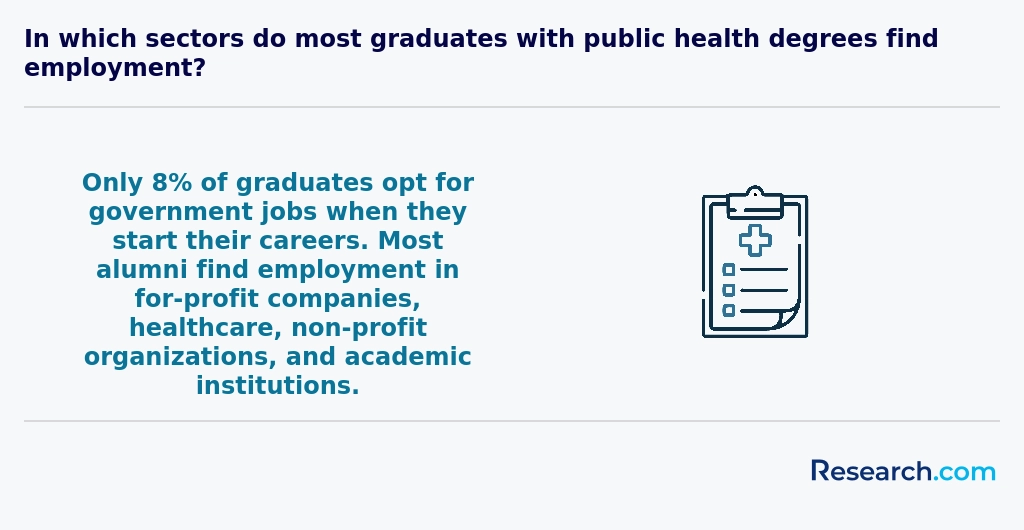
Graduates with a public health degree in Michigan often find themselves working in diverse environments that reflect the state's broad health priorities. Many accept roles in state and local government agencies like the Michigan Department of Health and Human Services, where they engage in practical work on issues such as chronic disease prevention and infectious disease control. These positions allow graduates to see the direct impact of their efforts on community health, which many find deeply rewarding.
Others, especially those from universities like the University of Michigan School of Public Health or Michigan State University, report moving into healthcare systems such as Henry Ford Health System or Beaumont Health. In these settings, they utilize skills in data analysis and program coordination to enhance patient care quality-an experience that offers both challenges and professional growth.
Nonprofit organizations and educational institutions also attract graduates seeking to influence health equity and social determinants of health through advocacy and research. Alumni often describe their work in nonprofits as fulfilling due to its community-centered focus, while roles in academia develop their expertise through continuous learning and teaching.
Graduates with a public health degree in Michigan can expect varied earnings depending on their chosen roles and education level. For example, community health workers typically earn around $52,610 annually, while health educators make closer to $69,790, according to recent U.S. Bureau of Labor Statistics data. Those completing programs at well-known institutions like the University of Michigan or Wayne State University often share their excitement about entering these roles with competitive salaries.
Environmental health specialists and occupational health and safety specialists command even higher wages, with average salaries of $86,710 and $85,570 respectively. Graduates pursuing these advanced roles often highlight the rewarding balance of meaningful work and strong financial prospects.
However, new graduates should consider factors like location and experience. Those starting careers in Detroit or Grand Rapids might benefit from higher salaries compared to rural areas. Additionally, gaining certifications such as CHES or CPH can increase earning potential and open doors to leadership positions in Michigan's public health sector.
- Public health programs in Michigan are offered at both undergraduate and graduate levels, with options for online and in-person courses at public and private universities.
- In-state tuition at public universities ranges from $13,000 to $18,000 annually, while out-of-state and private university costs range from $25,000 to $40,000 per year.
- Graduate degrees like the MPH may have higher costs but often include financial aid and assistantship opportunities.
- Entry-level salaries for public health graduates start around $50,000 and can grow to $70,000 or more with experience within five to ten years.
- Employment opportunities exist in government health departments, hospitals, non-profits, and private industry, especially in community health and policy analysis.
- Several Michigan schools are accredited by the Council on Education for Public Health (CEPH), ensuring national educational standards are met.
Completing a public health degree in Michigan typically demands a commitment that varies by degree level and personal circumstances. Undergraduates at institutions like the University of Michigan or Michigan State University often commit to about four years of full-time study, balancing foundational courses such as epidemiology and health policy. Graduates describe the experience as challenging yet rewarding, especially when applying theory in local community health projects.
For graduate students pursuing an MPH, full-time study usually lasts around two years. Many find part-time options at schools like Wayne State University beneficial, allowing them to juggle work and study over three to four years. This flexibility often enhances their learning experience, reinforcing a sense of accomplishment while managing real-world responsibilities.
Doctoral candidates face longer timelines-three to five years beyond a master's degree-largely driven by research and dissertation demands. Graduates recall that while demanding, this period fosters deep expertise and professional growth crucial for leadership roles. Practical internships required by CEPH often extend timelines but provide invaluable hands-on skills, making the extra effort worthwhile in Michigan's dynamic public health landscape.
Choosing the ideal Public Health program in Michigan is a critical decision that combines personal goals, professional ambitions, and financial considerations. To begin, evaluate your career objectives and determine whether you prefer to focus on areas such as epidemiology, environmental health, or community outreach. Research each institution’s curriculum, faculty expertise, and available experiential learning opportunities, as these factors significantly influence your future success. Additionally, consider program flexibility; for instance, if you need to balance work and study, explore online formats and compare them to traditional on-campus experiences. Financial factors are equally important-look into tuition rates, scholarship offerings, and overall cost of living. For budget-conscious students, reviewing the cheapest public health schools in michigan can provide valuable insights on affordable options without compromising quality. Finally, reach out to current students or alumni to get an insider perspective on career placement services and the local job market, ensuring your chosen program aligns with your long-term aspirations in the dynamic field of public health.
Choosing between online and on-campus public health degrees in Michigan often comes down to personal circumstances and learning preferences. Online programs offer flexibility that many graduates appreciate-especially those balancing work or family-allowing them to access courses anytime without relocating. For instance, online students at institutions offering these programs can continue their education seamlessly while managing other commitments.
On the other hand, graduates from on-campus programs at universities like the University of Michigan or Michigan State University often highlight the value of face-to-face interaction. They recall meaningful networking opportunities and hands-on experiences such as internships or lab work that helped solidify their practical skills. These in-person advantages create a vibrant learning environment that some find more motivating.
Cost considerations also influence decisions. Michigan residents attending on-campus benefit from reduced tuition, unlike online students who may face uniform pricing. Both formats meet rigorous accreditation standards, but online learners should be mindful of available support, including advising and digital resources. Ultimately, the choice reflects different trade-offs between convenience, engagement, and financial factors.
Selecting the ideal Public Health degree program in Michigan involves balancing accreditation, curriculum depth, and career alignment. First, verify program accreditation through the Council on Education for Public Health (CEPH) to ensure academic rigor and employer recognition. Next, compare core course offerings-such as epidemiology, biostatistics, and environmental health-and assess available electives or specializations that match your interests, whether it’s health policy, community health, or emerging fields like health informatics. Consider program delivery formats: on-campus, hybrid, or fully online. Online learners should evaluate digital resources, virtual networking opportunities, and the institution’s track record for supporting remote students. On-campus candidates may prioritize hands-on internships and proximity to Michigan health departments or research centers. Factor in tuition, fees, and financial aid packages. Look for merit scholarships, graduate assistantships, and state-sponsored grants. Reach out to admission counselors about average student debt and outcomes for graduates. Don’t overlook career services: robust internship placements, alumni networks, and job-fair participation often translate into higher post-graduation employment rates. Faculty expertise is another critical component-review faculty profiles to identify active researchers and community partners whose interests align with your career goals. Connect with current students or alumni through LinkedIn or university forums to gain firsthand insights into classroom culture and mentorship quality. Finally, if you’re drawn to data-driven health solutions, explore related career pathways to informatics roles. For guidance on leveraging a Public Health background toward technology-focused positions, see the best career to pursue with an health informatics masters degree, which outlines high-impact opportunities at the intersection of health and data analytics.
The average cost of a public health degree in Michigan varies significantly depending on the institution and residency status. Data shows that median in-state total costs hover around $15,262, while out-of-state and private institution totals can reach approximately $43,950. Many graduates from the University of Michigan recall balancing the higher tuition fees-often between $15,000 and $20,000 annually for in-state MPH programs-with the value of a comprehensive education and the opportunity to engage with top public health resources.
For students attending smaller public colleges or community colleges offering foundational public health tracks, the experience can be more affordable and accessible, with annual expenses often under $10,000. These students appreciate the lower barrier to entry while still building a meaningful foundation to advance their careers. However, those pursuing degrees at private institutions, like Eastern Michigan University, often encounter costs ranging from $30,000 to $50,000 yearly, which demands careful financial planning but can bring specialized program benefits.
Public health degree expenses Michigan 2027 will likely continue to require thoughtful budgeting since additional costs such as fees, books, and living expenses add to the tuition burden. Many students find relief through financial aid and scholarships, which enhance accessibility and reduce stress during their studies. Prospective students can explore options by checking listings of the cheapest public health schools in michigan, giving them a clearer sense of the financial commitment involved.
Students pursuing public health degrees at institutions like the University of Michigan or Michigan State University often navigate various financial aid options tailored to the state's educational context. Federal support, including Pell Grants and Federal Work-Study programs, provides a foundational layer of funding, particularly benefiting undergraduates who meet income criteria. Graduate students frequently rely on federal loans, which tend to offer manageable interest rates compared to private alternatives.
A notable advantage for Michigan residents lies in state-specific scholarships such as the Michigan Competitive Scholarship and the Tuition Incentive Program, which reduce tuition costs for eligible public university students. Graduates reflect positively on securing university-based aid too, especially through graduate assistantships that combine financial relief with valuable research or teaching experience-highlighting how these roles can simultaneously nurture academic growth and ease financial stress.
For working professionals enrolled in public health graduate programs, employer tuition reimbursement programs have been a crucial resource, often motivating continued career development. However, not all students find these programs accessible, underscoring the importance of exploring multiple aid avenues. Public health students also benefit from external scholarships offered by professional associations, reinforcing a network of support that extends beyond campus boundaries.
Many Michigan public health graduates boost their credentials with professional certifications and focused training to stand out in a competitive job market. Consider:
- Certified in Public Health (CPH) from the National Board of Public Health Examiners
- Certified Health Education Specialist (CHES) through the National Commission for Health Education Credentialing
- Lean or Six Sigma Green Belt for process improvement in healthcare settings
- Health Informatics Certificate to master data-driven decision making
- medical billing and coding classes online for foundational knowledge in healthcare administration
These credentials enhance job prospects, increase earning potential, and demonstrate specialized expertise to Michigan employers.
To enroll in a public health degree program in Michigan, students typically need a high school diploma or GED for undergraduate studies, such as the Bachelor of Science in Public Health. Graduates from universities like the University of Michigan or Wayne State University often emphasize how foundational coursework in biology, chemistry, math, and English prepared them well for the challenging curriculum ahead. For example, understanding statistics helped one graduate engage confidently with biostatistics classes, a core part of public health education.
Graduate programs, including the MPH, usually require a completed bachelor's degree. Applicants often highlight the value of previous coursework in health sciences or relevant work experience, which many programs in Michigan stress. A graduate from Michigan State University shared that having volunteer experience at local health departments not only strengthened their application but also gave practical insight, boosting their confidence in the field.
Interestingly, some Michigan schools have shifted to test-optional admissions, allowing students with different strengths to apply. However, letters of recommendation and statements of purpose remain key components, reflecting a program's interest in well-rounded, motivated candidates rather than just grades alone.
Selecting the ideal Public Health program in Michigan requires balancing academic quality, career outcomes, and cost. Begin by confirming CEPH accreditation, which ensures rigorous standards and eligibility for many professional roles. Next, compare curricula to match your interests-epidemiology, health policy, environmental health-and look for hands-on practicum opportunities that build real-world skills. Key factors to evaluate:
- Accreditation and Reputation: Verify CEPH accreditation and review national rankings to gauge program prestige and faculty expertise.
- Curriculum and Specializations: Choose programs offering courses and concentrations aligned with your career goals, from community health to biostatistics.
- Delivery Format and Flexibility: Decide between on-campus, online, or hybrid formats to fit work and personal commitments. For insights on cost-effective online options, review our Affordable Online Public Health Degree Programs Ranking in Ohio.
- Cost and Financial Aid: Analyze total tuition, fees, and living expenses, and explore scholarships, assistantships, and federal aid to minimize debt.
- Career Services and Alumni Outcomes: Investigate internship placements, mentorship programs, and job-placement rates to ensure strong post-graduation support. By systematically weighing these criteria, you can confidently choose a Michigan Public Health program that aligns with your academic needs, professional ambitions, and budget.
Public health degree programs in Michigan typically include core courses such as epidemiology, biostatistics, health policy, environmental health, and social and behavioral sciences. Graduates from universities like the University of Michigan and Michigan State University often recall how Introduction to Epidemiology helped them grasp how diseases spread across communities, using real outbreak data from local health departments. This practical approach made the subject matter tangible and highly engaging.
Biostatistics courses provide essential skills for interpreting health data, which graduates describe as empowering when applying for roles in research or policy analysis. The focus on environmental health is particularly relevant in Michigan, given its industrial history, with students examining issues like air and water quality, grounding lessons in region-specific case studies.
Health policy classes often spark lively discussions about Michigan's healthcare challenges, such as Medicaid expansion and rural access, reflecting the state's current public health debates. Social and behavioral sciences courses illuminate how cultural and economic factors shape health outcomes, helping students envision effective community outreach programs tailored to Michigan's diverse populations.
Public health degree specializations in Michigan frequently include epidemiology, health policy and management, environmental health, community health education, and biostatistics. Graduates from institutions such as the University of Michigan and Michigan State University often describe how epidemiology courses helped them understand the complexity of disease patterns in urban and rural Michigan settings, making the learning experience feel urgent and directly applicable. These programs encourage students to engage with real-world problems like pollution-related health risks, highlighting the importance of environmental health in the state's industrial areas.
Those focusing on health policy and management find themselves equipped to influence local healthcare systems and community programs, often reflecting on their hands-on projects in Michigan hospitals and public agencies. Meanwhile, specialization in biostatistics draws students who appreciate working with data to drive public health decisions. Community health education graduates recall designing wellness initiatives for diverse Michigan populations, which fostered a rewarding sense of impact.
While these specializations align with Michigan public health program focus areas, it's worth considering how emerging fields like health informatics may offer additional opportunities; prospective students can explore the best career to pursue with an health informatics masters degree for new pathways.
Choosing the best public health degree in Michigan means balancing accreditation, cost, and program focus carefully. Graduates from the University of Michigan's School of Public Health often emphasize how CEPH accreditation assured them of quality education, boosting their confidence entering the job market. However, one shouldn't assume that expensive programs always offer better outcomes. Public universities with affordable programs can provide excellent value, especially for residents. Reflecting on affordable public health schools Michigan offers, students frequently note that tuition differences matter less than the availability of specialized tracks like epidemiology or community health, which align closely with individual career goals.
Practical experience is often a deciding factor. Wayne State University alumni have praised internships in Detroit's public health agencies that made their learning tangible and improved job prospects. Location also influences this choice-being near major hubs can create unexpected networking opportunities. If flexibility is your priority, consider programs offering hybrid or online formats, and for more insight, explore the Affordable Online Public Health Degree Programs Ranking in Ohio to compare options beyond state borders.

Graduates with a public health degree in Michigan often pursue careers in government agencies such as Michigan's Department of Health and Human Services, where they contribute as epidemiologists, public health analysts, or program coordinators. These roles provide a direct way to impact community health by developing initiatives that address chronic diseases and infectious outbreaks. Those exploring public health career opportunities in Michigan may also find rewarding positions in healthcare organizations and hospitals, employing skills in data analysis and health education to improve patient outcomes and reduce disparities.
Nonprofit organizations within the state also offer viable job prospects, focusing on advocacy, community outreach, and prevention programs. Graduates from universities like the University of Michigan or Michigan State University often speak positively about their involvement in local nonprofits dedicated to maternal health or environmental concerns, reflecting real-world applications of their studies.
The expanding fields of biostatistics and health informatics in Michigan's research hubs, especially around Ann Arbor and Grand Rapids, attract graduates interested in pharmaceutical or medical research careers. For students weighing options, comparing costs and fast degree programs at Michigan public institutions shows an affordable pathway to enter these competitive fields. While jobs with public health degree Michigan graduates hold vary widely, opportunities remain plentiful when aligned with focused skills and local needs.
Graduates holding a public health degree in Michigan find a job market with steady growth and diverse opportunities, especially in sectors like government agencies, healthcare providers, and nonprofit organizations. Many public health students from universities such as the University of Michigan and Michigan State University share positive experiences about securing positions in community health education and epidemiology shortly after completing their degrees, reflecting a favorable Michigan public health career opportunities landscape.
The job outlook for public health degree Michigan graduates remains strong, with median wages around $48,000 for health educators as of 2023. This aligns with the state's focus on chronic disease management and environmental health initiatives. The evolving healthcare demands encourage many students to engage in internships within local health departments and nonprofit organizations, gaining practical experience that enhances their employability.
For those considering advanced education, Michigan universities also offer phd programs that do not require a dissertation, providing flexible pathways for career advancement in public health.
2027 Most Popular Public Health Degree Programs Ranking in Michigan
Investing in your education is a significant decision that can shape your future, and the Research.com team understands the importance of making informed choices. To assist prospective students in Michigan, we have carefully developed the "2027 Most Popular Public Health Degree Programs Ranking in Michigan." Our dedication to quality, credibility, and accuracy is demonstrated through the thorough research and analysis involved in compiling this ranking.
We utilized the following reputable data sources to ensure a comprehensive evaluation of public health degree programs:
By exploring this ranking, readers will gain valuable insights into the most sought-after public health degree programs in Michigan, helping them make informed decisions about their educational paths. For more details on our methodology, please visit our Research.com methodology page.


Frequently Asked Questions About public health
Public health degree students in Michigan can maximize their learning by actively engaging in internships and community-based projects. Michigan's public health landscape offers numerous opportunities, including placements with the Michigan Department of Health and Human Services and local health departments.
Students should also leverage research opportunities at universities like the University of Michigan, which ranks highly in public health research. Participating in these initiatives can provide hands-on experience with issues such as chronic disease control, a major concern in Michigan where nearly 35% of adults suffer from obesity (CDC, 2022).
Networking through student organizations and statewide public health conferences enhances professional growth. Additionally, staying updated on Michigan's public health policies and data supports informed decision-making and practical skills development.
Emerging niches within the public health field in Michigan reflect the evolving health challenges and technological advances shaping the industry. One growing area is epidemiology, focusing on tracking and controlling infectious diseases, which gained renewed importance during the COVID-19 pandemic. Additionally, environmental health specialists are in demand due to Michigan's concerns over water quality and pollution, such as the ongoing Flint water crisis.
Another notable niche is health informatics, which combines public health with data analysis to improve healthcare outcomes and policy decisions. According to the Michigan Public Health Institute, demand for experts in this area is expected to grow significantly over the next decade.
Finally, community health and health equity specialists addressing social determinants of health are increasingly vital as Michigan works to reduce disparities in rural and urban populations.
Graduates with a public health degree in Michigan can improve their job prospects by gaining relevant experience during their studies. Internships with local health departments or healthcare organizations provide practical skills that employers value. The Michigan Department of Health and Human Services offers internship programs that expose students to real-world public health challenges.
Networking is crucial. Joining professional groups like the Michigan Public Health Association helps graduates connect with industry leaders and learn about job openings. Additionally, certifications such as Certified Health Education Specialist (CHES) enhance credibility.
According to the U.S. Bureau of Labor Statistics, public health-related jobs in Michigan are projected to grow by 10% through 2030, reflecting demand for trained professionals.
Employers in Michigan seek specific skills when hiring public health degree graduates. Analytical ability is crucial, as professionals must interpret data to address health disparities effectively. Communication skills are highly valued, enabling clear dissemination of health information to diverse communities.
Knowledge of local health laws and policies is also important, given Michigan's unique public health challenges. According to the Michigan Public Health Institute, experience with community engagement and program planning improves job prospects. Additionally, proficiency in statistical software like SPSS or SAS is frequently requested.
Leadership and teamwork skills remain vital, especially for roles in government and nonprofit sectors. Graduates trained in cultural competency are better equipped to serve Michigan's diverse populations, enhancing health outcomes statewide.
Finding internships in Michigan relevant to a public health degree involves leveraging local resources and statewide organizations. Start by exploring opportunities with Michigan's Department of Health and Human Services, which offers internships focused on epidemiology, community outreach, and health education. Universities such as the University of Michigan and Michigan State University often partner with local health departments and nonprofits to provide structured internship programs.
Additionally, professional associations like the Michigan Public Health Association post internship listings specific to this field. Students should also utilize career services at their institutions and attend job fairs tailored to public health roles. Networking through local public health conferences can increase chances of placement.
According to the Michigan Center for Rural Health, internships in rural areas provide valuable experience and help address shortages in public health professionals across the state. These internships typically last for one semester and may be paid or offer academic credit.
A public health degree in Michigan significantly enhances career mobility and advancement opportunities. Graduates can enter diverse roles, including epidemiology, health education, and environmental health, which are in demand across state agencies and healthcare institutions.
According to the Michigan Department of Health and Human Services, public health employment grew by over 10% between 2018 and 2023, reflecting a strong need for qualified professionals. Higher education credentials often lead to leadership roles and salary increases, with bachelor's degree holders earning a median annual wage of approximately $55,000 and master's degree holders surpassing $80,000.
Moreover, Michigan's public health sector encourages continuing education, boosting advancement potential for graduates who pursue certifications or advanced degrees.
Studying for a public health degree in Michigan equips students with skills applicable across various disciplines. Michigan's programs emphasize collaboration between fields such as epidemiology, environmental health, health policy, and social sciences. This approach reflects the state's diverse public health challenges, including urban health disparities and rural healthcare access.
The University of Michigan reports that interdisciplinary coursework and practical experiences, like community internships, prepare graduates to work in government, healthcare, and nonprofit sectors. According to the Michigan Department of Health and Human Services, professionals who understand multiple health perspectives are crucial for effective disease prevention and health promotion statewide.
This education fosters problem-solving abilities that integrate data analysis, communication, and policy development, tailoring solutions to Michigan's unique public health needs.
Choosing between a thesis and a non-thesis public health degree in Michigan depends on your career goals and learning preferences. A thesis program requires original research, appealing to students interested in academia, research, or pursuing a PhD later. It can enhance critical thinking and analytical skills.
A non-thesis track is typically more practice-oriented, focusing on coursework and practical experience, which suits those aiming for immediate employment in public health agencies or healthcare settings in Michigan. According to the Michigan Public Health Training Center, practical skills remain highly valued locally.
Consider your time commitment as thesis programs often take longer. Michigan schools like the University of Michigan and Michigan State offer both options, allowing flexibility based on your needs.
Students based in Michigan who are interested in studying public health abroad have several options through partnerships and exchange programs offered by their home institutions. Universities like the University of Michigan and Michigan State University often collaborate with global schools, enabling students to complete part of their public health degree overseas while earning credits toward their U.S. diploma.
These programs typically include study tours, summer internships, and semester-long exchanges in countries with diverse public health challenges. Such experiences help students gain international perspectives on disease prevention, health policy, and community health.
Additionally, scholarships and grants are frequently available specifically for U.S. public health students pursuing global studies, supported by organizations such as the Council on Education for Public Health (CEPH) and the Fulbright Program.
Michigan offers several part-time job opportunities that complement public health degree education. Many students find positions as community health workers, supporting local health departments in outreach, education, and resource distribution. According to the Michigan Department of Health and Human Services, these roles are critical in addressing public health disparities across urban and rural areas.
Other common jobs include research assistants at universities or public health organizations, where students can gain experience analyzing health data and contributing to studies on Michigan's chronic disease rates. Additionally, roles in nonprofit organizations focused on health promotion provide practical experience in program planning and evaluation.
Healthcare support positions, such as medical assistants or health educators, also offer hands-on exposure to patient care and health communication, aligning well with public health curricula.
Public health students in Michigan have access to strong networking opportunities through universities, professional organizations, and statewide health initiatives. Many universities, such as the University of Michigan and Michigan State University, host events and career fairs connecting students with health agencies and employers.
Students often join local chapters of national groups like the American Public Health Association (APHA) or the Michigan Public Health Association. These organizations offer workshops, conferences, and volunteer activities to build professional relationships.
Additionally, Michigan's focus on public health challenges-such as chronic disease and environmental health-provides internships and partnerships with local health departments, hospitals, and nonprofits, facilitating valuable hands-on connections. According to the Michigan Department of Health and Human Services, these partnerships are expanding to include more student involvement.
Alumni networks play a crucial role for students pursuing public health degrees in Michigan. These networks connect current students with graduates who have practical experience in fields like epidemiology, health policy, and community health. According to the Michigan Public Health Institute, approximately 75% of graduates find job opportunities through alumni connections.
Through mentorship programs, students receive guidance on career pathways and professional development. Alumni also provide internship and job referrals, which are essential in Michigan's competitive public health sector.
Networking events organized by universities and alumni associations strengthen these ties and help students build lasting professional relationships.
Customizing a public health degree program in Michigan allows students to align their education with specific career goals. Many universities in Michigan offer concentrations such as epidemiology, health policy, environmental health, or community health. Choosing electives and specializations helps students build relevant skills tailored to roles like health educator, biostatistician, or public health administrator.
Additionally, Michigan's public health programs often provide opportunities for internships and fieldwork, enabling practical experience in local health departments or organizations like the Michigan Department of Health and Human Services. This hands-on training supports career readiness.
According to the Michigan Public Health Institute, the state emphasizes workforce development, encouraging degree customization that meets growing local health needs.
Public health students in Michigan often face challenges related to balancing rigorous coursework with practical field experience. Many programs require extensive internships or community engagement, which can be difficult to manage alongside classes and part-time work. Additionally, the evolving health landscape in Michigan, including issues like opioid addiction and chronic diseases, demands students stay updated on rapidly changing policies and practices.
Students also report financial challenges, as tuition and living costs in Michigan can strain budgets, especially for those attending urban campuses like Detroit or Ann Arbor. According to the Michigan Public Health Council, access to local mentorship and networking is critical but sometimes limited.
Lastly, adapting to hybrid or online learning formats, increasingly common post-pandemic, presents difficulties in maintaining engagement and practical skill development.
With a public health degree in Michigan, graduates can pursue several professional certifications to advance their careers. The most recognized is the Certified in Public Health (CPH) credential, offered by the National Board of Public Health Examiners. It demonstrates mastery of core public health knowledge.
Other valuable certifications include Certified Health Education Specialist (CHES) and the Registered Environmental Health Specialist/Registered Sanitarian (REHS/RS), which are relevant in Michigan's growing public health sectors, such as environmental health and community education.
These certifications improve job prospects in local health departments and agencies, which employ over 8,000 public health workers statewide, according to the Michigan Department of Health and Human Services.
To write a winning application for a public health program in Michigan, start by carefully researching each school's specific requirements. Highlight your commitment to improving community health, supported by relevant volunteer or work experiences. Michigan's public health programs often value applicants with clear goals addressing local health issues, such as chronic disease prevention or health disparities documented by the Michigan Department of Health and Human Services.
Strong letters of recommendation from professionals familiar with your skills are essential. Craft a compelling personal statement focused on your motivation and understanding of public health challenges in Michigan. Finally, ensure your academic records meet program criteria, as many top programs in Michigan require a minimum GPA around 3.0.
A public health career carries significant value globally, reflecting a growing demand for professionals who address health challenges worldwide. In the United States, including Michigan, public health roles emphasize disease prevention, health promotion, and managing epidemics, which have international relevance. According to the Michigan Department of Health and Human Services, Michigan's public health workforce plays a key role in responding to global threats such as COVID-19, Ebola, and climate-related health issues.
Graduates with public health degrees often work with international agencies, NGOs, or government bodies, applying their skills across diverse cultural contexts. The World Health Organization highlights the need for skilled public health workers worldwide, making such degrees valuable beyond U.S. borders.
Studying public health in Michigan can prepare students to engage in global health issues due to the state's focus on both local and international health concerns. This dual perspective is critical as health challenges become increasingly interconnected in a globalized world.
Gaining practical experience while studying for a public health degree in Michigan is essential for career readiness. Many Michigan universities offer internship programs through partnerships with local health departments, hospitals, and nonprofit organizations. For example, Michigan's Department of Health and Human Services is a frequent internship site, offering real-world exposure to public health initiatives.
Additionally, students can participate in community-based research projects, often facilitated by faculty members. According to the Michigan Public Health Association, over 70% of public health students engage in hands-on activities before graduation. Volunteering with organizations addressing Michigan's specific health challenges, such as chronic disease prevention and environmental health, also enhances learning.
Choosing the right concentration within a public health degree program in Michigan involves assessing your career goals and local health needs. Michigan faces specific public health challenges such as chronic diseases, environmental health risks, and disparities in urban and rural communities, which can guide your focus.
Popular concentrations include epidemiology, community health, environmental health, and health policy. For instance, the Michigan Department of Health and Human Services highlights chronic disease prevention as a key priority, making epidemiology a strong choice.
Consider programs that offer hands-on experience with Michigan's health agencies or nonprofit sectors. Reviewing job market demands in Michigan can also aid your decision.
- 2027 Most Popular Public Health Degree Programs Ranking in Ohio
- 2027 Most Popular Public Health Degree Programs Ranking in Indiana
- 2027 Most Popular Public Health Degree Programs Ranking in Illinois
- 2027 Most Popular Public Health Degree Programs Ranking in Minnesota
- 2027 Most Popular Public Health Degree Programs Ranking in Kentucky
- 2027 Most Popular Public Health Degree Programs Ranking in Iowa
- 2027 Most Popular Public Health Degree Programs Ranking in Missouri
- 2027 Most Popular Public Health Degree Programs Ranking in Maryland
- 2027 Most Popular Public Health Degree Programs Ranking in Connecticut
- 2027 Most Popular Public Health Degree Programs Ranking in Massachusetts
- The Networking Guide for Public Health Professionals https://www.publichealthdegrees.org/resources/professional-networking/
- Pre-Professional Health Experience Guide | PublicHealthOnline.org https://www.publichealthonline.org/pre-professional-experience/
- Public Health/Global perspective - Wikiversity https://en.wikiversity.org/wiki/Public_Health/Global_perspective
- Yes, the Public Health Job Market is Tough, But You’re Tougher! | PH SPOT https://phspot.org/yes-the-public-health-job-market-is-tough-but-youre-tougher/
- Students and Alumni associations - Europubhealth https://www.europubhealth.org/students-alumni-associations/
- How to Get Your First Public Health Job - PHERN https://phern.communitycommons.org/early-career-professional-learning-series/how-to-get-your-first-public-health-job/
- Jobs in Public Health https://www.publichealthcareers.org/jobs/us-mi/
- Public Health https://disabroad.org/program/public-health/
- Dive deeper into public health topics. https://www.apha.org/topics-and-issues
- Work Experience Opportunities - Everyone Health Careers https://careerseveryonehealth.co.uk/work-experience/










