
2027 Most Popular Public Health Degree Programs Ranking in Connecticut

Co-Founder and Chief Data Scientist
Choosing the right public health degree program in Connecticut can shape your future career and impact your community. To help you navigate this important decision, our article features the 2027 Most Popular Public Health Degree Programs Ranking in Connecticut, created by the Research.com team of data scientists.
This ranking offers valuable insights into the programs worth considering, making it easier for you to find options that align with your goals. Pursuing a public health degree opens doors to meaningful work that truly makes a difference.
Explore this guide and take confident steps toward a rewarding education and career path.
Key benefits of getting public health degree in Connecticut
- Public health degree graduates in Connecticut can earn competitive salaries, such as $86,710 annually for Environmental Health Specialists and $69,790 for Health Educators, reflecting strong financial benefits.
- Graduates from Connecticut colleges often pursue diverse careers in community health, occupational safety, or medical assisting, offering rewarding opportunities to impact public wellness.
- Online public health degrees provide flexible learning, allowing students to balance work and study while gaining valuable skills recognized by employers statewide.
- 2027 Most Popular Public Health Degree Programs Ranking in Connecticut
- What can I expect from public health degree in Connecticut?
- Where can I work with public health degree in Connecticut?
What can I expect from public health degree in Connecticut?
The average cost of earning a public health degree in Connecticut typically ranges from $30,000 to $60,000 for undergraduate programs, while graduate degrees like the Master of Public Health often fall between $40,000 and $80,000, depending on the institution and length of study. Graduates from universities such as the University of Connecticut often recall balancing tuition expenses with the value of hands-on internships that connect them directly to local health departments, enhancing both learning and job prospects.
Many students imagine themselves working on real-time public health crises, such as infectious disease management or chronic illness prevention, experiences made possible by Connecticut's partnerships between educational institutions and healthcare facilities. This immersive training often convinces them that the investment in tuition is worthwhile, as it leads to rewarding careers addressing urgent community health needs. Prospective students can anticipate that evolving curriculum and emerging technology will increasingly shape affordable options, scholarships, and innovative funding models to reduce overall costs while expanding practical experiences.
Where can I work with public health degree in Connecticut?
Graduates with a public health degree in Connecticut often find themselves stepping into dynamic roles across government agencies, healthcare systems, nonprofits, and the private sector. Many alumni from institutions like the University of Connecticut and Yale School of Public Health describe feeling empowered as they join the Connecticut Department of Public Health, actively working to track disease outbreaks or design community wellness programs tailored to local needs.
Others find rewarding careers within major healthcare providers such as Yale New Haven Health, contributing directly to chronic disease prevention and health education, where their work visibly improves patient outcomes. Nonprofit organizations offer a fulfilling path too, with graduates managing grants or leading health equity initiatives in both urban Hartford neighborhoods and rural areas, embodying a deep sense of purpose and community impact.
Looking ahead, increasing demand in the private sector for specialists in health policy and data analytics opens new doors. Graduates often share excitement about consulting roles or positions with health insurers, where they influence policy and guide compliance efforts-roles that blend analytical skill with meaningful societal benefits.
Graduates from public health programs in Connecticut, such as those at the University of Connecticut or Yale School of Public Health, often find promising salary opportunities early in their careers. For instance, community health workers typically earn around $52,610 annually, a solid starting point that reflects the state's commitment to public health roles.
Health educators in Connecticut enjoy even higher average wages, approximately $69,790 per year, allowing graduates to feel confident in their career choices. Those specializing as environmental health specialists or occupational health and safety specialists can anticipate earning upwards of $85,000 to $87,000 annually. These figures align with experiences shared by recent graduates who emphasize the value of Connecticut's metropolitan regions like Hartford and New Haven, where salaries tend to be more competitive.
Students pursuing these degrees often appreciate how advanced certifications or a Master of Public Health can boost their earning potential. This clear pathway encourages many to envision a future where their expertise supports vital community initiatives while ensuring financial growth in a rewarding sector.
- Annual tuition for a public health bachelor's degree in Connecticut ranges from $12,000 to $25,000 for in-state students; master's programs cost between $15,000 and $35,000 per year.
- Out-of-state students should expect to pay higher tuition rates than in-state students.
- Entry-level public health jobs in Connecticut offer salaries around $50,000 to $60,000 per year.
- Mid-career public health professionals typically earn over $75,000 annually, with advanced roles paying between $80,000 and $100,000.
- The job market for public health careers in Connecticut is growing, with projected job increases of about 10% over the next decade.
- Internships and community projects through local health departments provide practical experience that can improve job prospects.
Students pursuing a public health degree in Connecticut at institutions like the University of Connecticut often find themselves completing a bachelor's program in about four years when enrolled full-time. Many graduates reflect positively on this timeline, appreciating the balance it offers to gain comprehensive knowledge while still allowing time to explore internships and community projects.
Master's students at schools such as Yale or Quinnipiac University typically finish their Master of Public Health degrees in two years full-time, though part-time options extend this to around three years. Graduates often share how flexible evening classes helped them manage work-life responsibilities alongside their studies, creating an empowering and achievable path to advancement.
Doctoral candidates in Connecticut's public health programs, especially those focusing on research at well-known universities, understand that completing a PhD or DrPH can take four to six years. Despite the longer duration, many express excitement over the deep dive into public health challenges and the rewarding experience of contributing new knowledge to the field.
Emerging trends like online learning and combined degree options in Connecticut's public health education continue to evolve, promising even more adaptable timelines for future students who want to tailor their journey to fit their unique circumstances.
The key difference between online and on-campus public health degrees in Connecticut lies in how students experience their education. Graduates of the University of Connecticut's online program often describe the flexibility to manage coursework around jobs or family, appreciating recorded lectures and virtual discussions that fit busy schedules. Meanwhile, on-campus students at Yale emphasize the energizing atmosphere of face-to-face interactions, hands-on labs, and spontaneous study groups that build lasting professional bonds. Imagine completing a community health project by collaborating in person with local agencies-an opportunity more accessible through on-campus routes.
Cost considerations also shape experiences. While online learners enjoy savings on commuting and housing, on-campus students benefit from direct access to career centers and internships embedded within Connecticut's health institutions. Both paths maintain CEPH accreditation, assuring quality, yet graduates reflect that networking feels richer on campus, though growing online cohorts increasingly foster vibrant virtual communities, hinting at future blended models. Selecting either option depends on balancing personal priorities with the evolving landscape of public health education in Connecticut.
Many public health students and professionals bolster their résumés by earning industry-recognized certifications or completing intensive training programs. Popular options include the Certified Health Education Specialist (CHES), Certified in Public Health (CPH) credential, and specialized certificates in epidemiology, environmental health, or health policy. These credentials often require fewer credit hours than a full degree, yet demonstrate expertise to employers and can accelerate career advancement. • CHES Certification: Offered by the National Commission for Health Education Credentialing, CHES validates skills in planning, implementing, and evaluating health education programs. Preparation courses are available online or through Connecticut institutions such as UConn Extension. • CPH Credential: Administered by the National Board of Public Health Examiners, CPH covers broad public health competencies; many MPH programs incorporate CPH prep into their curricula. • Short-Term Certificates: Institutions like Southern Connecticut State University and Quinnipiac University offer 6- to 12-month certificate tracks in areas such as global health, disaster management, and data analytics. For those seeking a more rapid entry into healthcare support roles, exploring the fastest way to become a health unit coordinator provides a practical alternative, combining on-the-job training with focused coursework. Prioritizing certifications and targeted training can enhance employability, diversify skill sets, and serve as stepping stones toward advanced public health degrees.
The average cost of a public health degree in Connecticut reflects a balance between quality education and investment in one's future. Median total cost figures hover around $41,626, which aligns closely with the expenses many graduates have experienced at institutions like the University of Connecticut or Yale. For in-state students, total costs are generally lower, approximately $28,479, making public universities a more accessible option. Out-of-state students, however, face higher costs, emphasizing the value of residency when considering tuition and fees for public health degree tuition and fees Connecticut.
Several graduates recall balancing tuition payments while benefiting from financial aid and assistantships that eased their financial load. Many feel their investment was worthwhile, given the comprehensive training and career opportunities that unfolded after graduation. These personal experiences emphasize the potential rewarding path a public health degree offers in Connecticut's evolving healthcare landscape.
Looking ahead, flexible programs like online or part-time study options might reduce costs or help students manage expenses more effectively without compromising education quality. Prospective students curious about more affordable alternatives can explore the cheapest public health programs in connecticut, which may present future pathways that balance cost with academic excellence.
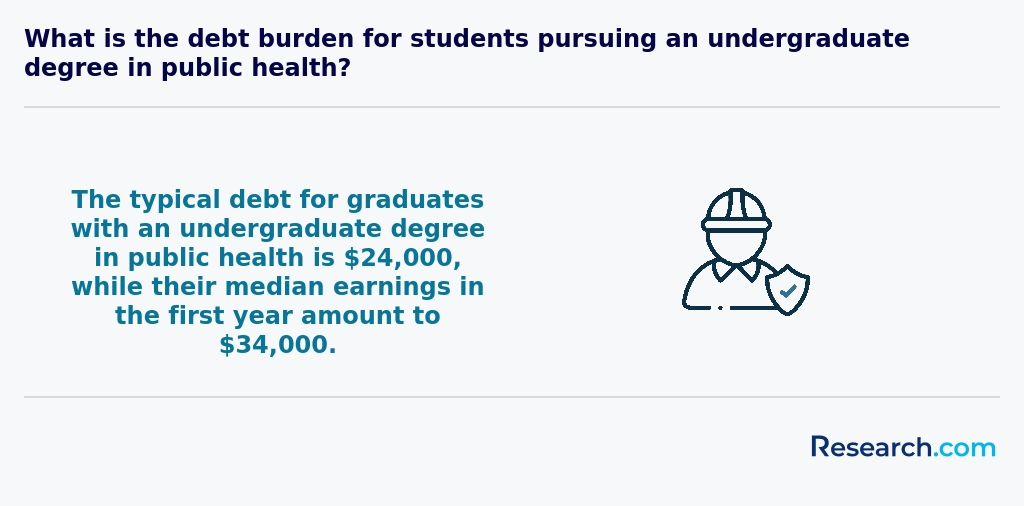
Financial aid for public health degrees in Connecticut blends traditional support with emerging opportunities tailored to local students. Graduates from institutions like the University of Connecticut often share how federal aid, such as the Pell Grant and subsidized loans, alleviated their tuition worries early on, allowing them to focus on studies instead of finances. State-specific programs like the Roberta B. Willis Scholarship uniquely address regional workforce needs, providing vital support to many low- and middle-income students pursuing health-related fields.
At Yale School of Public Health, institutional scholarships and assistantships have become increasingly competitive yet rewarding, offering not just tuition relief but meaningful professional growth through research and clinical experiences. Many students recall balancing part-time roles within affiliated hospitals, gaining hands-on expertise while earning income through work-study programs.
Looking forward, expanding partnerships between Connecticut's universities and public health organizations promise more integrated funding mechanisms. Professional scholarships from groups like APHA and SOPHE enhance the dynamic ecosystem, reflecting a hopeful shift toward accessible, practical, and diverse aid options supporting public health education in Connecticut.
Ensuring your Public Health degree program holds recognized accreditation is crucial for career readiness and professional credibility. In Connecticut, top institutions such as the University of Connecticut, Yale University, Southern Connecticut State University, and Quinnipiac University maintain Council on Education for Public Health (CEPH) accreditation-a gold standard that signals adherence to rigorous academic and practice-based standards. CEPH-accredited programs equip graduates with eligibility for national certification exams, including the Certified in Public Health (CPH) credential and the Certified Health Education Specialist (CHES) exam, enhancing employability in government agencies, nonprofits, and healthcare settings. Beyond CEPH, many programs also align with state licensing requirements and partner with local health departments, providing firsthand experience under certified public health professionals. This dual layer of accreditation and practical endorsement ensures your coursework translates into real-world impact. For those exploring flexible online pathways, you may also compare accreditation standards and tuition costs through our Affordable Online Public Health Degree Programs Ranking in the West, which highlights programs meeting CEPH criteria while delivering cost-effective learning. By prioritizing accredited programs, you safeguard both educational quality and the long-term value of your investment in public health.
Students aiming for public health degrees in Connecticut typically start with a high school diploma or equivalent for undergraduate programs. Graduates from institutions like the University of Connecticut often recall how foundational courses in biology and social sciences paved the way for their interdisciplinary studies, blending science with community health challenges. For those pursuing graduate degrees, such as an MPH, the expectation is a bachelor's degree with a solid GPA-around 3.0 or higher-from accredited schools. Many students from Connecticut colleges emphasize how their prior work or volunteer experiences in healthcare settings, nonprofits, or public agencies helped them connect theory with real-world community impact.
Interestingly, some programs at popular schools are moving away from standardized tests like the GRE, reflecting a broader shift towards holistic admissions. This change eases stress, allowing applicants to showcase passion and practical skills instead, an approach praised by many recent graduates who felt more encouraged and valued throughout their application process in Connecticut.

Accreditation by the Council on Education for Public Health (CEPH) and regional bodies guarantees that programs meet rigorous academic and professional standards. It also affects your eligibility for federal aid, quality of practicum placements, and recognition by employers.
To confirm a program’s accreditation:
- Verify CEPH status through its official directory.
- Confirm regional accreditation (e.g., NECHE) of the institution.
- Review state licensure requirements and practicum partnerships.
Choosing accredited programs ensures you:
- Access competitive internships and practicum opportunities.
- Receive federal loans, grants, and scholarship support.
- Transfer credits seamlessly for advanced study.
For students seeking complementary credentials, exploring options like medical assistant certification can provide rapid entry into health care while you complete your public health degree.
Public health degree programs in Connecticut commonly include courses like epidemiology, where students learn how diseases spread and strategies to prevent outbreaks-knowledge that graduates often apply during internships at Hartford's urban health departments. Biostatistics courses equip students with skills to analyze health data, a crucial tool for those working alongside researchers at institutions such as the University of Connecticut. Environmental Health classes reflect Connecticut's focus on pollution reduction, enabling students to engage in projects addressing local air and water quality challenges.
Health Policy and Management courses prepare students to navigate Connecticut's healthcare systems, often giving them confidence to influence policy decisions in organizations across New Haven. Social and Behavioral Sciences help graduates understand the complex social factors behind health disparities seen in Connecticut's diverse communities. Many students also appreciate practicum experiences, which connect theory to practice in both suburban and rural settings, fostering a sense of meaningful contribution and optimism about shaping healthier futures in the state.
Public health degree specializations in Connecticut are evolving to meet emerging health challenges with innovative focuses like data analytics in epidemiology and sustainable urban health in environmental studies. Graduates from institutions such as the University of Connecticut and Yale University often reflect on how concentrating on Connecticut public health program concentrations like Health Policy and Management gave them real-world perspective. For example, understanding state-specific aging population trends enhances their ability to influence care delivery systems locally.
Students frequently describe the excitement of engaging in community health projects tailored to Connecticut's unique demographic makeup, gaining hands-on experience that bridges theory and practice. These immersive experiences inspire a sense of purpose and optimism about tackling public health disparities within the state.
Emerging trends also encourage a global outlook, combining local knowledge with global health skills to prepare for worldwide challenges. Those curious about related health career pathways can explore the fastest way to become a health unit coordinator as a complementary option in their public health journey.
Choosing the best public health degree in Connecticut means carefully weighing factors like program reputation and hands-on opportunities. Graduates from renowned institutions such as the University of Connecticut often share how engaging in local internships and collaborating with Connecticut's public health agencies transformed their learning into impactful community work. Considering the affordable public health schools Connecticut offers, comparing tuition costs alongside financial aid can ease concerns about investment in your education. Many students find that aligning their studies with emerging fields like environmental health or health equity creates a more fulfilling academic path.
Looking ahead, the option to pursue public health degrees through flexible online formats enriches accessibility, especially for working professionals balancing multiple commitments. Exploring special topics and research projects inspired by real public health challenges in Connecticut gives students a sense of purpose. For those navigating these choices, resources like the Affordable Online Public Health Degree Programs Ranking in the West provide invaluable guidance amidst the growth of online learning.

Graduates with a public health degree in Connecticut are finding dynamic career paths that go beyond traditional roles, reflecting the evolving needs of the region. Many are stepping into positions as health educators or community health workers, crafting innovative programs to tackle urban health challenges in cities like Hartford and New Haven. Others use their skills in epidemiology and biostatistics to analyze data that shapes local health policies, while some become environmental health specialists, addressing emerging concerns such as climate-related health risks.
Popular universities in Connecticut emphasize practical experiences, enabling students to engage with state agencies or non-profits, gaining hands-on exposure that graduates recall as empowering and transformative. As public health continues to intersect with technology and policy, roles like health policy advisors and healthcare administrators are expanding, offering pathways that integrate leadership and community impact.
The increasing demand for jobs with public health degree Connecticut holders is encouraging many to also explore specialized certifications; some even pursue 6 month certifications that pay well to boost their employability in competitive sectors.
The job market for public health degree holders in Connecticut shows promising growth fueled by expanding healthcare investments and aging demographics. Graduates from well-known state universities often secure roles in health departments, hospitals, and community organizations that focus on health promotion and policy development. Those involved in epidemiology or emergency preparedness, key areas in Connecticut's public health efforts, report a sense of fulfillment knowing their work directly impacts local communities.
Many recent graduates share that Connecticut's focus on addressing opioid addiction and infectious disease outbreaks creates abundant opportunities in various settings, from state agencies to private sector health initiatives. For students aiming to enter this field, choosing the right institution matters-public universities in Connecticut offer reasonable in-state tuition, making a public health degree accessible and valued by local employers. Those who want a pathway with more lenient entry criteria might explore a college with open admission that still provides solid preparation for these roles.
Considering public health job opportunities in Connecticut, graduates emphasize the importance of real-world training, which many programs integrate through internships and fieldwork. This hands-on experience enhances their readiness to tackle emerging public health challenges and advances career prospects in a competitive landscape.
2027 Most Popular Public Health Degree Programs Ranking in Connecticut
Investing in your education is a significant decision that can shape your future, and the Research.com team recognizes the importance of making well-informed choices. To support prospective students in Connecticut, we have carefully developed the "2027 Most Popular Public Health Degree Programs Ranking in Connecticut." Our dedication to quality, credibility, and accuracy is demonstrated through comprehensive research and rigorous analysis.
We utilized the following reputable data sources to ensure a thorough evaluation of public health degree programs:
By exploring this ranking, readers will gain essential insights into the top public health degree programs offered in Connecticut, empowering them to make confident and strategic decisions about their education. For more information about how this ranking was created, please visit our Research.com methodology page.


Frequently Asked Questions About public health
Public health degree students in Connecticut can maximize their learning by engaging deeply with both academic and community resources. Connecticut offers access to renowned institutions like Yale School of Public Health, known for research and practical training. Students should seek internships or practicums with state agencies such as the Connecticut Department of Public Health, which handles issues like infectious disease control and chronic disease prevention.
Collaboration with local health departments and nonprofit organizations allows students to apply classroom knowledge to real-world challenges. Participating in workshops and seminars focused on Connecticut's specific public health needs, such as opioid epidemic response or environmental health issues, also enhances understanding.
Utilizing available data sets and reports from the Connecticut State Innovation Model can provide insight into current health trends and policy impacts. Networking with professionals in state public health initiatives helps students build valuable connections for future careers.
Emerging niches within public health in Connecticut reflect both local needs and national trends. One key area is health informatics, which combines data science with healthcare to improve patient outcomes. Connecticut's growing tech sector supports this expansion, creating demand for experts skilled in managing health data.
Another rapidly developing field is environmental health, focused on issues like air quality and water safety, important for Connecticut's mixed urban and rural communities. According to the Connecticut Department of Public Health, recent efforts address environmental justice and climate-related health risks.
Behavioral health also gains attention, integrating mental health services and substance abuse prevention, crucial given the opioid challenges seen in Connecticut. Lastly, global health initiatives are expanding as universities in the state engage in international partnerships and research.
Preparing for the job market after completing a public health degree in Connecticut involves strategic steps to enhance employability. Graduates should pursue internships or practicum experiences offered through Connecticut's universities, which often connect students with local health departments or non-profits. According to the Connecticut Department of Public Health, the state employs over 3,000 public health workers, highlighting a stable job market.
Networking is crucial; attending events organized by the Connecticut Public Health Association can lead to valuable contacts. Additionally, obtaining certifications such as Certified Health Education Specialist (CHES) can improve job prospects. Familiarity with state-specific health regulations and data systems is also recommended.
Employers in Connecticut seeking public health degree graduates prioritize strong analytical skills. Graduates must be able to interpret data from local health departments and agencies like the Connecticut Department of Public Health to identify trends and inform policy decisions.
Communication skills are essential. Effective public health professionals must convey complex health information clearly to diverse audiences, including policymakers and community members.
Additionally, knowledge of epidemiology and biostatistics is highly valued, as these skills help address health challenges such as chronic disease management, which remains a significant concern in Connecticut.
Project management abilities are also important, enabling graduates to coordinate community health initiatives efficiently.
Finally, adaptability and cultural competence are crucial due to Connecticut's diverse population and evolving public health priorities.
Finding internships in Connecticut relevant to a public health degree involves exploring opportunities offered by state agencies, local nonprofits, and healthcare institutions. The Connecticut Department of Public Health often provides internship programs where students gain hands-on experience in epidemiology, health education, and policy development. Additionally, universities such as the University of Connecticut and Central Connecticut State University maintain partnerships with nearby hospitals and community organizations to facilitate placements.
Students can also use platforms like Handshake or the Connecticut Career Resource Network to search for internships specifically in healthcare and public health sectors. According to the Connecticut Department of Labor, healthcare support roles are projected to grow by 15% through 2030, suggesting increasing internship availability in this field.
Networking at public health conferences and joining professional associations, such as the Connecticut Public Health Association, can further enhance internship prospects. Early application is critical as many programs have limited slots and prefer candidates with clear focus on community health objectives.
A public health degree in Connecticut significantly enhances career mobility and advancement opportunities. The state's growing focus on healthcare and community wellness creates demand for qualified public health professionals in roles ranging from epidemiology to health education. According to the Connecticut Department of Public Health, employment in health-related fields is projected to grow by 13% through 2030, higher than the national average.
The degree equips graduates with valuable skills such as data analysis, program planning, and policy development, which are essential for leadership positions in hospitals, government, and nonprofit sectors. Many employers in Connecticut prioritize candidates with a Master of Public Health (MPH) or related credentials for supervisory roles.
Additionally, graduates with local degrees tend to benefit from established professional networks and state-specific knowledge that boost their advancement prospects.
Studying for a public health degree in Connecticut offers strong preparation for interdisciplinary roles by combining rigorous coursework with practical experiences. Many Connecticut programs emphasize collaboration across fields such as epidemiology, environmental health, policy, and health education. This approach equips students to address complex health challenges involving social, biological, and economic factors.
Connecticut's public health schools often partner with local hospitals, government agencies, and nonprofits, providing students hands-on opportunities to work on real-world initiatives. According to the Connecticut Department of Public Health, the state faces diverse health issues that demand teamwork across disciplines, including chronic disease prevention and substance abuse.
Such training ensures graduates are ready to communicate effectively and lead in multifaceted health environments.
Choosing between a thesis and a non-thesis public health degree program in Connecticut depends largely on your career goals and learning preferences. Thesis programs typically require original research and are ideal if you plan to pursue a doctoral degree or a research-focused career. They offer hands-on experience in data analysis and academic writing, which can be valuable in public health research roles.
Non-thesis options emphasize coursework and practical skills, suited for those aiming to enter the workforce quickly or focus on applied public health practice. According to the Connecticut Department of Public Health, the state continues to see strong demand for professionals in epidemiology and health policy, fields where either degree may be appropriate.
When selecting a program, consider faculty expertise, available resources, and the program's alignment with your professional ambitions. Many Connecticut universities also provide flexible formats for working students, especially important given the state's diverse workforce needs.
Students based in Connecticut who wish to study public health abroad have several pathways through university exchange and study abroad programs. Many Connecticut institutions with public health degrees collaborate with international universities, allowing students to spend a semester or year overseas while earning credit toward their degree. For example, the University of Connecticut offers partnerships with schools in Europe and Asia focused on global health issues.
Additionally, participation in programs like the Fulbright Scholarship or specific summer fieldwork placements abroad can enhance international experience. According to the Connecticut Department of Public Health, gaining global perspectives is increasingly valued in this field, reflecting the state's rising investment in global health initiatives.
Part-time job opportunities in Connecticut can effectively complement public health degree education by providing practical experience and networking possibilities. Positions such as community health workers, health educators, and research assistants are commonly available across local health departments and nonprofit organizations. For example, Connecticut's Department of Public Health employs part-time workers to assist with health promotion campaigns and data collection.
Additionally, many hospitals and clinics in the state offer flexible roles in patient outreach or program coordination, allowing students to gain real-world exposure to healthcare systems. According to the Connecticut Department of Labor, healthcare support occupations have grown 12% from 2019 to 2023, reflecting increasing demand for part-time roles.
Research institutions like Yale and UConn also provide paid internships and assistantships linked to public health projects. These opportunities enhance skills in epidemiology, biostatistics, and health policy while maintaining flexible schedules ideal for students.
Public health students in Connecticut have access to numerous networking opportunities through local universities and professional organizations. The Connecticut Public Health Association (CPHA) offers events, workshops, and conferences designed to connect students with professionals statewide. Universities such as the University of Connecticut regularly host guest lectures and career fairs, providing direct student interaction with public health experts.
Students can also engage with regional chapters of national bodies like the American Public Health Association (APHA). These groups provide mentoring programs and volunteer opportunities, helping students build meaningful contacts. According to CPHA, involvement in such networks significantly improves job placement rates for graduates within Connecticut's healthcare sector.
Alumni networks play a crucial role in supporting public health degree students in Connecticut by offering valuable connections to experienced professionals. These networks often provide mentorship opportunities, helping students navigate career paths in the state's growing public health sector.
Connecticut's public health alumni commonly work in government agencies, healthcare organizations, and nonprofit sectors. Engaging with alumni can increase job prospects, as many positions in public health are filled through referrals.
Furthermore, alumni networks often host events and workshops, providing insights into current public health trends and policies affecting Connecticut communities. According to the Connecticut Public Health Association, active alumni engagement strengthens professional development and local workforce integration.
In Connecticut, many public health degree programs allow students to tailor their studies to match specific career goals. Customization often comes through choosing electives, concentrations, or dual-degree options, such as combining public health with health policy, epidemiology, or environmental health. This flexibility helps students develop skills relevant to their intended roles.
Connecticut's public health workforce needs align with the state's health challenges, including substance abuse and chronic disease management, as noted by the Connecticut Department of Public Health. Selecting internships or research projects focused on these areas can enhance practical experience.
Advising services at many universities also guide students in crafting individualized plans that reflect labor market demands in Connecticut's healthcare and public health sectors.
Public health students in Connecticut commonly face challenges related to balancing rigorous coursework with practical experience requirements. Many programs emphasize fieldwork, internships, and research projects, which demand significant time management skills.
Additionally, Connecticut's competitive academic environment means students may encounter pressure to maintain high GPAs while meeting community engagement expectations. Access to diverse practical opportunities can also vary depending on the institution and metropolitan location, as per recent data from the Connecticut Department of Public Health.
Cost is another concern; tuition and living expenses in Connecticut rank above the national average, complicating financial planning for many students. This financial burden sometimes leads students to seek additional part-time work, adding stress and reducing study time.
With a public health degree in Connecticut, graduates can pursue several professional certifications to advance their careers. One of the most recognized is the Certified in Public Health (CPH) credential, offered by the National Board of Public Health Examiners. This certification validates expertise in core public health knowledge and skills.
Additionally, Connecticut public health professionals often seek the Certified Health Education Specialist (CHES) credential, which focuses on health education and promotion skills. Both certifications can enhance job prospects in state and local health departments.
The Connecticut Department of Public Health supports workforce development initiatives related to these certifications, reflecting growing demand for credentialed experts in tackling local health issues.
When applying to public health programs in Connecticut, start by thoroughly researching each school's specific requirements. Many programs value a strong personal statement that clearly explains your interest in public health and your career goals. Connecticut's growing public health sector, highlighted by state health reports, emphasizes skills in epidemiology and community health, so demonstrating relevant experience helps.
Also, highlight any volunteer work or internships in local health departments or nonprofits, as practical experience is crucial. Ensure your academic records meet program standards; most public health programs require a minimum undergraduate GPA around 3.0. Lastly, secure solid letters of recommendation from professors or employers familiar with your work ethic and interest in public health.
Public health careers are increasingly viewed through a global lens, as health challenges like pandemics and chronic diseases cross borders. Professionals trained in Connecticut benefit from a U.S. education system that emphasizes global health competencies to address these issues.
Graduates can work internationally or collaborate with global organizations, applying skills learned in programs accredited by the Council on Education for Public Health. Connecticut's public health workforce, studied by the Connecticut Department of Public Health, actively engages in initiatives that align with international health goals.
This global perspective enhances career prospects by preparing students to manage health concerns that affect diverse populations worldwide.
Students pursuing a public health degree in Connecticut have several opportunities to gain hands-on experience. Many universities in the state partner with local health departments, hospitals, and community organizations to offer internships and practicum placements. These experiences allow students to apply classroom knowledge to real-world public health challenges, such as disease prevention and health education.
Additionally, Connecticut's Department of Public Health provides internship programs focused on epidemiology and health policy. Volunteering with agencies like the Connecticut Public Health Association can also enhance practical skills. These opportunities help build professional networks and improve employment prospects after graduation.
According to the Connecticut Department of Public Health, engaging in practica is a common requirement for most accredited public health programs, ensuring that students graduate with relevant work experience.
Choosing the right concentration within a public health degree program in Connecticut depends on your career goals and interests. Popular concentrations include epidemiology, health policy, environmental health, and community health. Consider Connecticut's public health challenges, such as chronic disease rates and environmental concerns, which influence job opportunities locally.
Research Connecticut-specific data from sources like the Connecticut Department of Public Health to understand where workforce demand is growing. For example, chronic disease prevention and health equity are significant priorities, guiding many programs' focus areas.
Additionally, evaluate each university's faculty expertise, available internships, and partnerships with local public health agencies. Practical experience in Connecticut's health departments or nonprofits can be invaluable.
Finally, think about your preferred work environment, whether in research, policy, or direct community engagement, and select a concentration aligned with that path.
- 2027 Most Popular Public Health Degree Programs Ranking in Massachusetts
- 2027 Most Popular Public Health Degree Programs Ranking in New Hampshire
- 2027 Most Popular Public Health Degree Programs Ranking in Maryland
- 2027 Most Popular Public Health Degree Programs Ranking in Maine
- 2027 Most Popular Public Health Degree Programs Ranking in Ohio
- 2027 Most Popular Public Health Degree Programs Ranking in Kentucky
- 2027 Most Popular Public Health Degree Programs Ranking in South Carolina
- 2027 Most Popular Public Health Degree Programs Ranking in Indiana
- 2027 Most Popular Public Health Degree Programs Ranking in Michigan
- 2027 Most Popular Public Health Degree Programs Ranking in Georgia
- Master of Science (M.S.) Major in Public Health Education and Promotion (Non-thesis Option) https://mycatalog.txstate.edu/graduate/education/health-human-performance/public-healthed-promo-nonthesis-ms/
- How to carve a niche in your public health career | PH SPOT https://phspot.org/carvinganiche/
- The Interdisciplinary Nature of Public Health https://www.cune.edu/news/interdisciplinary-nature-public-health
- The Networking Guide for Public Health Professionals https://www.publichealthdegrees.org/resources/professional-networking/
- Public Health Explained https://www.easternct.edu/health-sciences/resources/public-health-explained.html
- Public Health https://disabroad.org/program/public-health/
- What do you learn in a bachelor's in public health? | edX https://www.edx.org/resources/what-do-you-learn-in-a-bachelors-in-public-health
- Public Health: A Global Perspective https://www.routledge.com/Public-Health-A-Global-Perspective/Singh/p/book/9781032644226
- Public Health https://ctstate.edu/public-health
- Young WFPHA Initiative – Empowering Young Public Health Professionals https://www.wfpha.org/young-wfpha/











