2027 Most Popular Public Health Degree Programs Ranking in Maryland

Co-Founder and Chief Data Scientist
Choosing the right public health degree program in Maryland can shape your future career and impact your community. This article presents the 2027 Most Popular Public Health Degree Programs Ranking in Maryland, developed by the Research.com team of data scientists to guide students like you toward informed decisions.
By exploring this ranking, you'll discover which programs stand out for quality and popularity. Pursuing a public health degree opens doors to meaningful work and personal growth, making a real difference in people's lives.
Get ready to find the best path for your educational journey.
Key benefits of getting public health degree in Maryland
- Salary for public health degree graduates: Graduates in Maryland can expect rewarding salaries, such as a Community Health Worker earning about $52,610 annually, while Environmental Health Specialists and Occupational Health and Safety Specialists can earn over $85,000 yearly.
- Career paths: Many public health grads from Maryland universities work in diverse roles like Health Educators or Medical Assistants, with salaries around $69,790 and $43,350 respectively, offering varied and meaningful career options.
- Online degree benefits: Completing a public health degree online offers flexibility to balance life and study, enabling Maryland residents to advance their careers without relocating or pausing work, enhancing growth opportunities seamlessly.
- 2027 Most Popular Public Health Degree Programs Ranking in Maryland
- What can I expect from public health degree in Maryland?
- Where can I work with public health degree in Maryland?
What can I expect from public health degree in Maryland?
The average cost of a public health degree in Maryland varies depending on the institution and program level. For example, students pursuing a Bachelor of Science (BS) in public health at well-known universities typically face annual tuition fees ranging from $10,000 to $35,000 for in-state residents. Master of Public Health (MPH) programs at established colleges often cost between $20,000 and $50,000 total for degree completion. Graduates recall balancing financial investment with the value of hands-on internships at federal agencies like the CDC or local health departments, which greatly enhance career readiness.
In practical terms, a student studying public health in Maryland can expect to invest not only in tuition but also in experiential learning opportunities that bring critical health challenges-such as managing chronic illnesses in Baltimore communities-into sharp focus. This real-world exposure helps students feel engaged and purposeful, fostering optimism about their future impact in public health sectors across government and nonprofit organizations.
Many programs also offer financial aid, scholarships, and assistantships to offset costs, making degrees accessible despite Maryland's competitive tuition rates. Graduates emphasize how these supports make the investment worthwhile as they secure roles in epidemiology and health policy advising, fields projected to grow steadily within the state.
Where can I work with public health degree in Maryland?
Graduates with a public health degree from Maryland institutions such as the University of Maryland or Johns Hopkins University find diverse employment opportunities across government, healthcare, and research sectors. Many secure roles at the Maryland Department of Health, contributing to epidemiology, health promotion, and policy analysis. These positions allow graduates to directly influence community health outcomes within their state.
Proximity to major federal agencies enhances job prospects. Graduates often work with the National Institutes of Health in Bethesda on research coordination or community outreach, while others engage with the Centers for Disease Control and Prevention's regional efforts. These roles provide hands-on experience with cutting-edge public health initiatives and policy development, enriching career trajectories.
Local hospitals, including Johns Hopkins Medicine, frequently employ public health alumni to manage community health programs or analyze biostatistics data. Additionally, non-profits focused on maternal health and chronic disease prevention offer meaningful work that graduates describe as fulfilling and impactful, enhancing their connection to Maryland communities.
With the Bureau of Labor Statistics projecting a 17% national growth in health education roles by 2032, Maryland's investment in public health infrastructure reinforces a positive employment outlook for graduates eager to make a difference.
Graduates with public health degrees from Maryland institutions like the University of Maryland or Johns Hopkins often see promising salary outcomes. Entry-level roles such as community health workers earn a mean annual wage around $52,610, reflecting the practical experience gained through local internships and outreach programs. Health educators, frequently employed in community and government settings, have a higher average salary near $69,790, which aligns with graduates pursuing advanced certifications or master's degrees.
Specialists in environmental health or occupational safety, common career paths supported by Maryland's proximity to federal agencies, earn mean wages between $85,570 and $86,710 annually. This range greatly benefits graduates working in dynamic metro areas like Baltimore or the D.C. suburbs. These roles often involve using analytical skills developed through coursework and research projects typical at Maryland's public health schools.
Maryland's supportive professional environment makes public health careers financially rewarding and fulfilling, particularly for graduates applying their education to real-world health challenges inside the state's vibrant healthcare and regulatory sectors.
- In-state tuition for a public health bachelor's degree in Maryland ranges from $8,000 to $12,000 per year, while out-of-state students pay between $25,000 and $35,000 annually.
- Graduate programs like the Master of Public Health (MPH) typically cost between $15,000 and $30,000 per year, with private institutions charging more.
- Entry-level salaries for public health graduates in Maryland range from $45,000 to $60,000 per year, increasing to $75,000 to $90,000 in advanced or specialized roles.
- Maryland has strong demand for public health professionals in fields such as epidemiology, health education, and policy analysis due to its established healthcare infrastructure.
- The state offers good job growth prospects in public health, supported by federal agencies and health organizations located in Maryland.
Completing a Bachelor of Science in Public Health in Maryland typically requires about four years of full-time study, as experienced by graduates from institutions like the University of Maryland, College Park. These students often balance a mix of general education and core public health courses, preparing them thoroughly for entry-level careers or further study.
For those pursuing a Master of Public Health (MPH), the duration is usually around two years full-time, though part-time options at universities such as Johns Hopkins allow students to extend this up to three years or more. Graduates appreciate this flexibility, especially when managing careers or family commitments alongside their studies.
Doctoral programs, including the DrPH or PhD in Public Health, commonly span three to six years. Students at institutions like the University of Maryland Baltimore County highlight the intensive research and dissertation phases as both challenging and rewarding, fostering deep expertise.
Many Maryland programs provide online or hybrid formats, enabling part-time enrollment and greater work-study balance. Graduates often express satisfaction with this flexibility, which makes advanced education more accessible without sacrificing progress.
As the landscape of public health continues to evolve, staying ahead means understanding emerging trends and how they may shape your future. In recent years, the field has seen advancements in digital health, big data analytics, and telemedicine-areas that are increasingly relevant as communities demand innovative approaches to healthcare delivery. Maryland’s public health programs are actively adapting, offering curricula that integrate technology with traditional public health practices. This forward-thinking approach not only prepares students with robust technical skills but also enhances their ability to respond to public health crises, as seen during the COVID-19 pandemic. Furthermore, the convergence of technology and public health is driving new career opportunities, from roles in health informatics to positions focused on environmental health and policy-making. Institutions in Maryland are incorporating collaborative projects and interdisciplinary research that simulate real-world challenges, ensuring that graduates are ready for both current and future demands in the field. For prospective students looking to balance quality with cost-effectiveness, exploring affordable public health programs in maryland can be a strategic move. By choosing programs that offer both innovative academic experiences and strong career support, you’re not only investing in your education but also in a dynamic and rewarding career path that evolves alongside advancements in health technology and policy.
Online public health degrees in Maryland appeal to students seeking flexibility, especially those balancing jobs or family. Graduates of these programs appreciate the ability to access courses remotely from universities such as the University of Maryland Global Campus. Approximately 30% of public health students nationwide now study online, a shift accelerated by the COVID-19 pandemic. This format allows learners to manage their own schedules without sacrificing educational quality.
In contrast, on-campus programs at institutions like Johns Hopkins Bloomberg School of Public Health offer immersive, face-to-face experiences. Students benefit from direct interaction with professors, hands-on labs, and collaboration with peers. This proximity also provides richer networking opportunities and easier access to Maryland's public health agencies for internships or employment, enhancing career prospects.
Cost-wise, Maryland public universities charge about $11,000 annually for in-state on-campus tuition, with online rates often similar but savings on commuting and housing. Both formats cover comparable curricula, yet practical components sometimes require on-site presence, emphasizing hands-on learning for those attending campus.
Ultimately, Maryland public health students choose formats matching their lifestyle while engaging fully with respected programs and vibrant local professional networks.
Start your public health degree journey in Maryland with a clear timeline and organized checklist to meet all requirements on time.
- 12–9 months before application
- Research accredited programs and verify CEPH approval
- Attend virtual or on-campus info sessions and open houses
- Register for any required exams (GRE, TOEFL) if applicable
- 6–3 months before application
- Draft and refine your personal statement, emphasizing public health goals
- Request 2–3 letters of recommendation from supervisors or professors
- Gather official transcripts and confirm prerequisite coursework
- 3–1 month before application
- Complete online application forms and pay fees
- Apply for financial aid via FAFSA and state grants
- Submit scholarship essays or external funding applications
- After submission
- Track application status and respond promptly to requests
- Schedule interviews or campus visits as invited
- Plan for housing, internships, and orientation sessions
While building your profile, consider enhancing your health knowledge with medical billing and coding classes for a well-rounded application.
The average cost of a public health degree in Maryland reflects a balance between affordability and quality. Median in-state total costs stand at approximately $11,728, while out-of-state students face a median cost closer to $47,040. These figures provide a realistic expectation for students dreaming of a rewarding career in public health. Graduates from well-known institutions like the University of Maryland, College Park often share how the in-state tuition made their journey accessible despite the demanding curriculum.
For example, the University of Maryland's School of Public Health charges around $10,779 yearly for undergraduate programs, aligning closely with the median in-state cost. Graduate students, especially those pursuing a Master of Public Health (MPH), can expect tuition fees that accumulate to roughly $70,000 over the typical 42-credit requirement. Many students appreciate the availability of part-time and hybrid options, which help manage expenses and accommodate working professionals. This approach has allowed former students to balance costs while gaining practical experience.
Understanding the average cost of public health degree Maryland programs is essential for planning. Besides tuition, additional fees for health insurance and course materials can impact the overall expense. Many have found relief and financial support through scholarships and assistantships, making their studies more affordable. Those seeking more options can explore affordable public health programs in maryland that maintain strong academic reputations without overwhelming financial burdens.

As public health continues to evolve in the digital age, professionals who blend epidemiology expertise with advanced data management skills are in high demand. Health informatics-a field that integrates healthcare, information technology, and analytics-empowers public health practitioners to harness electronic health records (EHRs), telehealth platforms, and predictive modeling to improve community outcomes. Graduates with a solid foundation in both arenas can lead initiatives that monitor disease outbreaks in real time, optimize resource allocation, and design targeted intervention strategies. Key roles at the intersection of public health and informatics include Clinical Informatics Specialists, who streamline EHR workflows to enhance patient safety; Population Health Analysts, who leverage big data to identify health disparities and inform policy; and Digital Health Coordinators, who oversee mobile health (mHealth) campaigns to boost preventive care engagement. According to the Bureau of Labor Statistics, demand for health information managers is projected to grow faster than average, with median salaries ranging from $70,000 to $100,000 depending on specialization and experience. To explore detailed pathways and certifications-such as the Certified Professional in Healthcare Information and Management Systems (CPHIMS) or the Clinical Informatics Board Examination-review resources on the best career to pursue with an health informatics masters degree. By acquiring both public health insights and technical competencies, you’ll position yourself at the forefront of data-driven decision making, ready to tackle complex health challenges and drive innovation in Maryland’s healthcare landscape.
Students pursuing public health degrees in Maryland benefit from diverse financial aid options crucial for managing tuition that ranges from $10,000 to $30,000 annually for in-state attendees. Federal aid begins with the FAFSA application, unlocking access to Pell Grants-non-repayable funds that have significantly eased financial burdens for many graduates from institutions like the University of Maryland School of Public Health.
State-specific programs, including those administered by the Maryland Higher Education Commission, offer scholarships and support tailored to public health disciplines. Graduates report that accessing aid through the Maryland State Scholarship Program and the Maryland Longitudinal Data System helped maintain steady progress toward their degrees at schools such as Johns Hopkins Bloomberg School of Public Health.
- Work-study opportunities enable students to gain practical experience, often through university research or local health departments, supplementing income while building resumes.
- Federal Direct Loans provide low-interest options but require cautious borrowing due to future repayment commitments.
- Employer tuition assistance is another pathway, especially for working professionals in Maryland's healthcare sector advancing their public health careers.
Many Maryland universities further reduce costs by offering assistantships in research and teaching, allowing students to offset expenses while gaining hands-on experience. These tailored financial supports have empowered numerous public health graduates to focus on their education without overwhelming debt stress.
Applicants aiming to enroll in public health degree programs in Maryland must meet specific academic and experiential prerequisites designed to ensure readiness for demanding coursework. For undergraduate candidates, a high school diploma or equivalent with a competitive GPA is essential, alongside foundational courses in biology, chemistry, mathematics, and social sciences. Graduates from Maryland institutions like the University of Maryland, College Park, often recall how early exposure to these subjects eased their transition into public health studies.
Graduate programs, including MPH degrees offered at schools such as Johns Hopkins University, require a bachelor's degree from an accredited institution. Many graduates highlight that while a health sciences background is helpful, diverse academic experiences are welcomed, reflecting the interdisciplinary nature of public health.
- A bachelor's degree or equivalent
- Minimum GPA around 3.0
- Completion of prerequisites like statistics and biology
- Letters of recommendation and a statement of purpose
- Relevant professional or volunteer experience, sometimes optional
Some Maryland applicants have found that submitting GRE scores and showing ties to local health organizations, such as the Maryland Department of Health, strengthens their applications and enriches their educational journey through practicum placements.
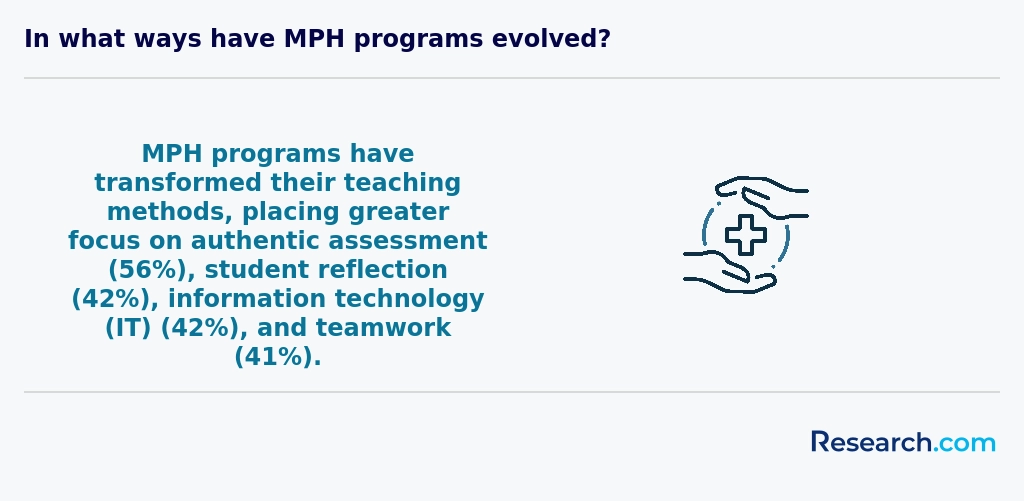
When evaluating a Public Health degree in Maryland, understanding the return on investment (ROI) is crucial. On average, graduates incur between $28,000 and $72,000 in tuition debt, depending on residency and program length. Considering the median starting salary of $66,710 for Health Educators and up to $83,820 for Environmental Health Specialists, many students recoup their investment within three to five years. Factoring in living expenses and fees, the break-even point often aligns with career advancement into leadership roles, where mid-career salaries can exceed $90,000. Beyond salary metrics, ROI also encompasses intangible benefits like professional networks and certifications. Graduates who participate in internships and fellowships report faster job placements, reducing the financial burden of debt servicing. Many prospective students also compare Maryland programs with affordable alternatives in nearby jurisdictions. For an up-to-date look at value-driven options, see Low Cost Public Health Degree Programs Ranking in District of Columbia. By weighing tuition costs against projected earnings and career support services, you can select a program that delivers both financial and professional dividends.
Public health degrees in Maryland include a robust set of courses designed to prepare students for addressing local and global health challenges. Graduates from institutions like the University of Maryland and Johns Hopkins University highlight foundational courses such as Introduction to Public Health, which frames the field's history and current health issues, and Epidemiology, essential for understanding disease distribution in diverse populations like those in Baltimore and the DC metro area.
Maryland programs typically offer Biostatistics for analyzing health data, and Environmental Health, which resonates with students witnessing urban pollution impacts firsthand. Courses in Health Policy and Management prepare learners to navigate complex health care systems, while Social and Behavioral Sciences explore how community behaviors shape health outcomes.
Graduates often appreciate hands-on experiences such as internships, where they apply knowledge in real-world settings, dealing with urban health disparities or managing outreach programs. These courses and practical opportunities ensure students develop skills to make meaningful, community-driven contributions across Maryland's public health landscape.
Public health degrees in Maryland typically offer specializations that align with both local and global health priorities. Graduates from well-known programs in Maryland universities often highlight the practical impact of specializations like Epidemiology, which equips them to track infectious diseases prevalent in the state, reflecting real-time health data trends reported by the Maryland Department of Health. Other popular focuses include Health Policy and Management, crucial for navigating Maryland's complex healthcare landscape with institutions like the NIH nearby.
Community health, emphasizing education and outreach, resonates strongly with students aiming to address disparities in Maryland's urban and rural populations. Environmental health specialization appeals to those motivated by local pollution and industrial concerns. Global health also attracts a diverse student body, preparing them for transnational health challenges given Maryland's multicultural environment.
Students pursuing these paths in the top public health programs Maryland offers find themselves well-prepared and optimistic about their futures, benefiting from internships and targeted training. Those considering the best career to pursue with an health informatics masters degree often incorporate these specializations to enhance their employability in Maryland's evolving public health sector.
To choose the best public health degree in Maryland, start by confirming program accreditation through the Council on Education for Public Health (CEPH). Graduates from popular Maryland universities often emphasize how CEPH accreditation reinforced their confidence in the program's quality and improved their job prospects. Specializations such as epidemiology, health policy, and environmental health help tailor education to career goals, a crucial factor noted by recent alumni who appreciated programs aligning with their ambitions in the state's diverse public health landscape.
Tuition costs vary significantly; in-state public university tuition ranges between $8,000 and $15,000 annually, while private institutions can exceed $30,000. Prospective students should review affordability alongside quality, using resources like the Low Cost Public Health Degree Programs Ranking in District of Columbia for comparative insights. Maryland's expanding public health job market, growing by 10% through 2032, encourages students to select flexible programs offering part-time or online options, especially those near urban centers like Baltimore offering practical internships and research opportunities.
Faculty expertise and active research in infectious diseases or health disparities enhance learning experiences, as graduates report strong mentorship fostering professional growth. Considering these factors will help secure an affordable public health degree in Maryland that balances educational value and career readiness.
Graduates with a public health degree in Maryland can pursue a diverse range of career paths that address critical community health issues. Popular roles include epidemiologists who analyze disease patterns, health policy analysts collaborating with government bodies, and environmental health specialists focused on pollution and climate-related risks. Jobs with public health degree in Maryland are particularly promising due to the state's proximity to federal agencies such as the CDC and NIH, offering graduates unique research and policy opportunities. Many alumni from Maryland's top public health programs highlight rewarding experiences working in health education and promotion, developing initiatives targeting chronic disease prevention and vaccination awareness across urban and rural communities.
Community health coordinators play a vital role bridging healthcare providers and underserved populations, reflecting Maryland's culturally diverse landscape. The median salary range for public health professionals varies between $48,000 and $70,000 nationally but trends higher locally, driven by federal employment opportunities. For those seeking quicker entry into the field, graduates often explore the best 6 month certificate programs that pay well as complementary options to enhance their career prospects in Maryland's growing public health sector.
The public health job opportunities in Maryland are notably strong, driven by the state's healthcare infrastructure and proximity to federal health agencies. Graduates from popular institutions like the University of Maryland and Johns Hopkins University often find themselves well-positioned for roles in epidemiology, health education, and policy analysis within local health departments, hospitals, or federal agencies such as the CDC. Many graduates share positive experiences of securing employment quickly due to Maryland's expanding public and private funding dedicated to public health initiatives.
Salary prospects contribute to the encouraging Maryland public health career outlook. For instance, health educators in Maryland earned an average wage of approximately $65,000 in 2023, slightly above the national average. This appeals to recent graduates balancing living costs near urban centers like Baltimore and Washington, D.C. The demand for skilled workers continues to grow with ongoing investments to address chronic diseases and health disparities. Students at Maryland universities benefit from affordable tuition, typically ranging between $10,000 and $15,000 per year for in-state students, often supplemented by scholarships or assistantships. For those still evaluating options, it is helpful to know which bachelor degree is easy to complement their career goals.
2027 Most Popular Public Health Degree Programs Ranking in Maryland
Investing in your education is a significant decision that can shape your future, and the Research.com team understands the importance of making informed choices. To assist prospective students, we have meticulously crafted the "2027 Most Popular Public Health Degree Programs Ranking in Maryland." Our commitment to quality, credibility, and accuracy is demonstrated through the extensive research and analysis conducted to compile this ranking.
We utilized the following reputable data sources to ensure a comprehensive evaluation of public health programs:
By exploring this ranking, readers will gain valuable insights into the most popular and reputable public health degree programs in Maryland, empowering them to make well-informed decisions about their educational paths. For more details on our methodology, please visit our Research.com methodology page.


Frequently Asked Questions About public health
Public health degree students in Maryland can maximize their learning experience by engaging in practical opportunities such as internships and research projects. Maryland is home to several public health agencies, including the Maryland Department of Health, which offers internships and job placements that provide real-world experience.
Students should also connect with professional organizations like the Maryland Public Health Association to expand their networks and attend events. Additionally, taking advantage of Maryland's strong academic resources, including schools like Johns Hopkins Bloomberg School of Public Health, can enhance learning through expert faculty and specialized seminars.
Integrating community-based learning and staying updated on Maryland's public health metrics helps students apply theory to local issues effectively (Maryland Department of Health, 2024).
The public health field in Maryland is rapidly expanding into several emerging niches that address modern health challenges. One significant area is epidemiology focused on infectious diseases, especially following Maryland's heightened attention to COVID-19 tracking and vaccine distribution. The state's Department of Health highlights increasing demand for professionals skilled in data analytics and digital health technologies.
Another growing niche is environmental health, considering Maryland's diverse urban and rural landscapes. Professionals work on issues related to pollution, water safety, and climate change impacts. Biostatistics also gains prominence, supporting research at Maryland's renowned medical institutions.
Health equity and community health leadership are expanding fields, reflecting Maryland's commitment to reducing disparities in its diverse populations, as supported by local public health reports.
Graduates with public health degrees in Maryland should focus on gaining practical experience through internships and volunteer opportunities. The Maryland Department of Health offers various programs that allow students to engage with community health initiatives. Networking with professionals via organizations such as the Maryland Public Health Association can also provide valuable job leads and mentorship.
Maryland's healthcare sector is growing, with a 7% increase in public health job openings projected through 2030, according to the Bureau of Labor Statistics. Developing skills in data analysis and epidemiology is crucial, as these are in high demand. Certification options, like the Certified in Public Health (CPH), can further enhance employability in the state's competitive market.
Employers in Maryland highly value public health graduates who demonstrate strong analytical skills and the ability to interpret data effectively. According to the Maryland Department of Health, proficiency in epidemiology and biostatistics is essential for addressing local health challenges. Communication skills are equally important, as graduates must clearly convey complex health information to diverse communities.
Additionally, expertise in community health assessment and program planning is frequently sought after. Employers also look for skills in policy analysis, given Maryland's active role in public health legislation. Familiarity with health informatics and experience in multicultural settings further strengthen a graduate's employability in the state's dynamic public health environment.
Finding internships in Maryland for public health students involves utilizing state resources and academic connections. Many Maryland universities with public health programs, such as Johns Hopkins University and the University of Maryland, have dedicated career centers offering internship listings specific to public health.
Students are encouraged to explore opportunities with Maryland's Department of Health, which offers internships in epidemiology, community health, and health policy. According to Maryland Health Services data, over 60% of public health internships are linked to government or nonprofit sectors.
Additionally, professional organizations like the Maryland Public Health Association provide networking events to connect students with potential internship supervisors. Online platforms such as Handshake and Indeed often list internships targeted at Maryland public health programs.
A public health degree in Maryland offers significant career mobility and advancement opportunities due to the state's robust healthcare infrastructure and public health initiatives. Maryland is home to numerous federal agencies, such as the National Institutes of Health and the Centers for Medicare & Medicaid Services, which employ public health professionals in various capacities.
The Maryland Department of Health reports that individuals holding a Bachelor's or Master's in Public Health have a higher likelihood of promotion and salary increases compared to professionals without such qualifications. This is particularly true in roles related to epidemiology, health education, and policy.
Furthermore, Maryland's emphasis on community health and chronic disease prevention expands job prospects within local health departments and nonprofit organizations. According to the Bureau of Labor Statistics, Maryland's employment growth rate for health educators and community health workers is projected to increase by approximately 12% through 2030, faster than the national average.
Studying for a public health degree in Maryland equips students with a broad skill set essential for interdisciplinary roles. Maryland's programs often emphasize collaboration across fields such as epidemiology, health policy, environmental health, and social sciences. The state benefits from proximity to federal agencies like the Centers for Disease Control and Prevention (CDC) and the National Institutes of Health (NIH), providing students unique research and internship opportunities.
Maryland's public health curricula foster teamwork and communication skills, preparing graduates to work alongside professionals in medicine, sociology, and data analysis. According to the Maryland Department of Health, interdisciplinary approaches improve outcomes in addressing complex health challenges statewide.
When choosing between a thesis and a non-thesis public health degree program in Maryland, students should consider their career goals and learning preferences. Thesis programs often suit those interested in research or pursuing a PhD later. Completing a thesis involves conducting original research and writing a substantial document under faculty supervision. Non-thesis options focus more on practical skills, coursework, and fieldwork, preparing students directly for public health practice.
Maryland houses leading public health schools such as Johns Hopkins Bloomberg School of Public Health, which offers both pathways. According to the Maryland Department of Health, public health jobs in the state grew by 9% from 2019 to 2023, favoring applied skills common in non-thesis programs.
Students should reflect on whether they prefer research-intensive work or hands-on public health roles. Also, non-thesis programs may have shorter completion times, appealing to working professionals.
Students in Maryland seeking to study public health abroad have several practical pathways through partnerships and exchange programs offered by local universities. Institutions like the University of Maryland maintain collaborative agreements with schools in Europe, Asia, and Latin America, allowing students to gain international experience in global health issues.
Such programs often last a semester or summer session, focusing on epidemiology, health policy, and community health practices. According to the Association of Schools and Programs of Public Health, around 15% of US public health students participate in study abroad or international internships.
This international exposure is valuable for careers in global health agencies or NGOs. Maryland students can also leverage resources from state-supported programs, which promote global health competencies aligned with US public health priorities.
Maryland offers diverse part-time job opportunities that complement public health degree education. Students can find roles such as community health workers, public health interns, or research assistants at local health departments and nonprofit organizations. The Maryland Department of Health frequently provides internships and part-time positions focused on disease prevention and health promotion.
Hospitals and clinics across Maryland also seek part-time patient educators and health outreach coordinators, allowing students to gain hands-on experience. Additionally, universities and research centers in Maryland often recruit public health students for data analysis and project management roles.
According to the Bureau of Labor Statistics (2023), Maryland employs over 9,000 community health workers, reflecting strong local demand.
Public health students in Maryland benefit from numerous networking opportunities that connect them with professionals and peers in the field. Many universities, including Johns Hopkins and the University of Maryland, host events such as seminars, workshops, and career fairs tailored to public health topics. These gatherings often feature Maryland's top health agencies and nonprofit organizations, providing direct access to potential employers.
Maryland's strong public health infrastructure, supported by institutions like the Maryland Department of Health, offers students internships that help build local networks. Additionally, statewide groups such as the Maryland Public Health Association provide regular meetings and conferences where students can engage with experienced practitioners and policy makers.
Alumni networks play a crucial role for public health degree students in Maryland by offering access to a broad community of professionals working across the state's diverse health sectors. These networks help students connect with experienced graduates who can provide mentorship, career advice, and job referrals.
Maryland's public health workforce benefits from strong alumni ties, especially given the state's role as a hub for federal health agencies and research institutions. According to the Maryland Department of Health, nearly 20% of public health professionals in the state hold advanced degrees, making connections valuable for career advancement.
Through alumni events and online platforms, students also gain insights into emerging public health challenges specific to Maryland communities. This networking can lead to internships or employment opportunities in prestigious organizations located in Baltimore, Annapolis, and beyond.
In Maryland, customizing a public health degree program to match career goals often involves selecting from various concentrations and electives offered by universities. Many programs allow students to focus on areas like epidemiology, health policy, environmental health, or community health. This flexibility lets students tailor their education to specific interests or job markets.
Internships and practical fieldwork opportunities in Maryland's diverse health departments and agencies are highly encouraged. For example, the Maryland Department of Health offers placements that provide hands-on experience.
Additionally, some programs support dual degrees or certificates, such as combining public health with data analytics or healthcare management, enhancing career versatility.
Public health students in Maryland often face the challenge of managing rigorous coursework alongside practical fieldwork requirements. Maryland's public health programs emphasize real-world experience, which can demand significant time and travel, especially for students balancing jobs or family.
Funding and tuition costs also pose obstacles. In Maryland, the average graduate tuition can exceed $20,000 per year, causing financial strain without adequate scholarships or assistantships (National Center for Education Statistics, 2023).
Additionally, navigating diverse community health needs in Maryland-from urban Baltimore to rural areas-requires cultural competence and adaptability, which some students find challenging.
Students must also stay current with evolving health policies, such as state responses to emerging diseases, requiring continuous learning beyond the classroom.
With a public health degree in Maryland, graduates can pursue several recognized professional certifications to advance their careers. The most prominent is the Certified in Public Health (CPH) credential, offered by the National Board of Public Health Examiners, which validates knowledge across core public health areas.
Additionally, Maryland professionals may seek certifications such as Certified Health Education Specialist (CHES) or Certified in Infection Control (CIC), particularly relevant in Maryland's growing healthcare sector. These certifications enhance job prospects in local government agencies, hospitals, and community health organizations.
Data from the Maryland Department of Health highlights increased demand for certified public health professionals, especially in epidemiology and health promotion roles.
To write a winning application for a public health program in Maryland, start by thoroughly researching the specific schools you are interested in, such as Johns Hopkins University or the University of Maryland. Highlight your commitment to improving community health in Maryland, where public health priorities include chronic disease prevention and addressing disparities, according to Maryland Department of Health reports.
Clearly articulate your career goals and how the program aligns with them. Include relevant experience, such as internships or volunteer work related to public health. Strong letters of recommendation and a well-structured personal statement emphasizing your skills and passion can significantly boost your application.
Also, ensure you meet all prerequisites and submit standardized test scores if required. Demonstrating knowledge of current public health challenges in Maryland, supported by data, shows genuine interest and preparedness.
Public health careers have a growing global significance, influencing health policies, disease prevention, and emergency response worldwide. Graduates in Maryland often engage with international health agencies like the World Health Organization or CDC's global programs, reflecting the interconnected nature of public health challenges.
Maryland's proximity to federal health institutions offers unique exposure to global health initiatives, enhancing career opportunities in international epidemiology and health promotion. According to the Maryland Department of Health, the state supports programs focused on global infectious disease control and health equity.
Understanding global health trends equips professionals to tackle issues like pandemics, climate change impacts, and health disparities, aligning with U.S. educational standards and workforce needs.
Students pursuing a public health degree in Maryland can gain practical experience through various internships and fieldwork opportunities. Many Maryland universities have partnerships with local health departments, hospitals, and nonprofit organizations, offering placements that allow students to apply classroom knowledge. For example, the Maryland Department of Health collaborates with educational institutions to provide hands-on experience in community health programs.
Additionally, students can participate in research projects focused on Maryland's public health challenges, such as opioid addiction and chronic disease prevention. These projects often involve data collection and program evaluation under expert supervision.
Volunteering with organizations like the Baltimore City Health Department or county health offices can also enhance practical skills and networking.
Choosing the right concentration within a public health degree program in Maryland involves understanding local health challenges and aligning them with your interests and career goals. Maryland faces unique public health issues such as high rates of chronic diseases and opioid addiction, which means concentrations like epidemiology, health policy, or substance abuse prevention may offer strong job prospects.
Research the curriculum of Maryland schools like Johns Hopkins or University of Maryland, noting concentrations they emphasize. Consider Maryland Department of Health reports, which highlight priority areas influencing workforce needs. Practical experience opportunities, such as internships in Baltimore's public health agencies, can also guide your decision.
Analyzing job market data for Maryland, where public health employment is projected to grow 16% by 2030, helps ensure your concentration aligns with demand.
- 2027 Most Popular Public Health Degree Programs Ranking in Ohio
- 2027 Most Popular Public Health Degree Programs Ranking in Kentucky
- 2027 Most Popular Public Health Degree Programs Ranking in Connecticut
- 2027 Most Popular Public Health Degree Programs Ranking in South Carolina
- 2027 Most Popular Public Health Degree Programs Ranking in Massachusetts
- 2027 Most Popular Public Health Degree Programs Ranking in Indiana
- 2027 Most Popular Public Health Degree Programs Ranking in New Hampshire
- 2027 Most Popular Public Health Degree Programs Ranking in Georgia
- 2027 Most Popular Public Health Degree Programs Ranking in Maine
- 2027 Most Popular Public Health Degree Programs Ranking in Michigan
- 5 Internships for a Master’s in Public Health Student - Healthcare Administration Degree Programs https://www.healthcare-administration-degree.net/lists/5-internships-for-a-masters-in-public-health-student/
- Careers https://www.publichealthdegrees.org/careers/
- Effective Networking Strategies for Public Health Professionals | PH SPOT https://phspot.org/effective-networking-strategies-for-public-health-professionals/
- Degrees & Certificates in Public Health, North East, MD | Cecil College https://www.cecil.edu/programs-courses/academics/degrees-certificates/public-health
- Why Public Health is the Ideal Career Path for Gen Z - Reach Out https://we-reachout.org/why-public-health-is-the-ideal-career-path-for-gen-z/
- Letter of Intent for Admissions to Masters of Public Health - how this program fits to my goals? https://essayforum.com/graduate/intent-admissions-masters-public-health-64817/
- Public Health Major https://www.towson.edu/chp/departments/health-sciences/undergrad/public-health/
- Public Health: A Global Perspective https://www.routledge.com/Public-Health-A-Global-Perspective/Singh/p/book/9781032644226
- Pre-Professional Health Experience Guide | PublicHealthOnline.org https://www.publichealthonline.org/pre-professional-experience/
- Public Health https://www.harford.edu/academics/credit-programs/programs/public-health.php