2027 Most Affordable Public Health Degree Programs Ranking in San Francisco

Co-Founder and Chief Data Scientist
Choosing the right public health degree program in San Francisco can be overwhelming. To help you navigate this important decision, this article presents the 2027 Most Affordable Public Health Degree Programs Ranking in San Francisco.
Created by the Research.com team of data scientists, the ranking offers clear insights on affordable options that deliver value.
Reading this guide will empower you to make informed choices and invest in a rewarding career path. A public health degree opens doors to meaningful work that benefits communities and improves lives.
Key benefits of getting public health degree in San Francisco
- Salary for public health degree graduates: Graduates in San Francisco can expect competitive salaries, such as $52,610 annually for Community Health Workers and up to $86,710 for Environmental Health Specialists, offering strong financial reward for their efforts.
- Potential career paths: Many public health graduates from San Francisco State University pursue roles like Health Educator or Occupational Health and Safety Specialist, enjoying diverse and impactful career opportunities.
- Benefits of online public health degrees: Graduates from online programs at schools like University of San Francisco appreciate the flexibility to balance work and study while gaining the same valuable knowledge to advance their careers.
- 2027 Most Affordable Public Health Degree Programs Ranking in San Francisco
- What can I expect from public health degree in San Francisco?
- Where can I work with public health degree in San Francisco?
What can I expect from public health degree in San Francisco?
The cost of pursuing a public health degree in San Francisco varies significantly, painting a landscape of choices that can excite any curious student. Graduates from well-known institutions like San Francisco State University often share how public universities offered them a solid education at more affordable tuition rates, sometimes around $7,000 to $15,000 per year for in-state students. Meanwhile, private colleges, with their specialized programs and cutting-edge resources, can charge between $30,000 and $50,000 annually, reflecting their investment in unique opportunities and scholarships.
Imagine walking the same halls where students engage in internships at local health departments or biotech startups-this hands-on experience is invaluable and partly justifies the tuition differences. Many graduates recall balancing financial considerations with the vibrant, immersive learning environments that San Francisco's diverse public health programs provide. Whether opting for public or private education, the key is that the city's rich network of health organizations makes every dollar spent a doorway to impactful, real-world adventures.
Where can I work with public health degree in San Francisco?
Graduates with a public health degree in San Francisco dive into a vibrant job landscape brimming with opportunity. Many find themselves contributing to the San Francisco Department of Public Health, where they shape community health programs and tackle disease control alongside seasoned epidemiologists and health educators. Imagine collaborating on initiatives that directly impact your own city's well-being-this is a thrilling reality for graduates from UCSF and San Francisco State University.
Others harness the Bay Area's tech pulse, stepping into innovative roles at health startups like Verily Life Sciences. These positions blend data science with population health, inviting graduates to pioneer digital solutions that transform health outcomes. The excitement of merging public health with cutting-edge technology sparks a creative energy hard to match.
For those drawn to social justice, nonprofit organizations such as the Public Health Institute offer paths to advocate for health equity and community care. Many graduates cherish the rewarding experience of pushing for real change in underserved neighborhoods.
Hospitals and healthcare systems also beckon, with roles in preventive care and clinical research that let graduates see the tangible effects of their work. Academic institutions round out the possibilities, where teaching and research fuel ongoing advances in public health knowledge.
Graduates with a public health degree in San Francisco often find exciting opportunities to grow their careers while earning competitive salaries that reflect the city's vibrant health sector. For example, those stepping into community health worker roles can expect an average annual wage around $52,610, offering a solid start as they engage with diverse local communities.
Health educator roles, common for bachelor's degree holders from universities like San Francisco State or UCSF, offer higher earning potential, with annual wages averaging $69,790. Graduates sharing their field experience often speak about the rewarding challenge of educating neighborhoods on wellness, all while earning a respectable wage.
Specialized careers like environmental health specialists and occupational health and safety specialists command even higher pay, averaging $86,710 and $85,570 respectively. These roles attract adventurous graduates eager to influence public safety standards in dynamic urban settings. The financial rewards align with the passion and expertise required to protect San Francisco's diverse populations.
In this energetic city, public health graduates embrace both learning and earning, transforming academic knowledge into impactful careers with salaries that reflect their growing influence.
- San Francisco offers Bachelor's, Master's, and Doctoral public health degrees with a focus on practical experience and academic learning.
- In-state tuition for public health master's programs at public universities ranges from $12,000 to $18,000 per year, while private schools charge $30,000 to $55,000 annually.
- Additional costs include fees, textbooks, and living expenses, which are higher in San Francisco compared to many other US cities.
- Entry-level public health salaries in San Francisco range from $60,000 to $70,000 annually, with experienced professionals earning $90,000 to $120,000.
- The job market is strong, offering roles in government, healthcare, nonprofits, research, and private sectors due to high demand for public health experts.
- Programs emphasize interdisciplinary skills such as epidemiology, health policy, biostatistics, and environmental health to prepare graduates for diverse careers.
In San Francisco, diving into a public health degree feels like embarking on an enriching journey where time is shaped by your pathway and pace. Many undergraduate adventurers at institutions like San Francisco State University find themselves fully immersed for about four years, balancing core courses with dynamic electives that spark fresh perspectives on health challenges.
Graduate explorers often choose a Master of Public Health program, which usually wraps up in two years when pursued full-time at places like the University of California, San Francisco. Yet, many working professionals appreciate the thoughtful flexibility of part-time schedules, stretching their learning voyage to three or even four years without losing momentum.
Doctoral candidates who brave the research frontier often dedicate four to six years, delving into coursework, rigorous exams, and pioneering dissertation research. Graduates share how this extended expedition deepens their expertise and thrives on their passion for public impact.
Whether tackling internships in bustling city clinics or engaging in community projects, every moment shapes a vibrant, hands-on experience unique to San Francisco's public health realm.
Choosing between online and on-campus public health degrees in San Francisco opens a world of different experiences. Imagine walking the vibrant halls of San Francisco State University, joining lively classroom debates, and connecting face-to-face with professors and peers passionate about local health challenges. Graduates often recall how hands-on fieldwork in the Bay Area built their confidence and professional circles.
Conversely, picture studying in your favorite café or at home while attending live virtual lectures from a renowned online program offering similar curriculum rigor. Many online learners treasure this flexibility, balancing full-time jobs or family, yet still tapping into digital study groups and expert faculty guidance. The online route often feels like a personalized adventure, encouraging self-discipline and independence.
Cost-wise, those on campus might budget more for living expenses in bustling San Francisco neighborhoods, while online students save on commuting and campus fees. Either path sparks growth, with San Francisco's unique public health ecosystem enriching every step, whether through lively campus life or adaptable digital discovery.
Prospective students should also consider the vibrant student life and comprehensive support services available at affordable Public Health programs in San Francisco. Beyond rigorous academics, campuses in this city foster a welcoming community through student organizations, mentoring programs, and career development workshops that enhance both personal growth and professional readiness. Many institutions offer tutoring, mental health resources, and networking events that connect learners with experts in the public health field. In addition, students can explore partnerships with local clinics and community groups, which provide practical experience and facilitate smooth transitions into the workforce. For those researching options, our ranking may guide you to the cheapest public health school in california, where vibrant campus life blends with excellent support services to ensure overall academic success and future career achievements.
The average cost of a public health degree in San Francisco hovers around $43,880 in total for out-of-state students, while in-state residents benefit from a significantly lower median cost near $7,950. These figures give a clear picture of the financial landscape for those drawn to the city's vibrant public health scene. Imagine a graduate from the University of California, San Francisco (UCSF), remarking on the investment they made not only in tuition but in a transformative learning experience surrounded by innovation and cutting-edge health sciences.
Local graduates of San Francisco State University often mention how the more affordable tuition helped make their public health education feel within reach, allowing them to focus more on their passion for community health and less on financial strain. For students navigating affordable public health programs San Francisco tuition fees can be a compass, guiding them through public versus private university choices and full-time versus part-time enrollment options.
Those considering programs might also find insight by exploring the cheapest public health school in california, which offers a perspective on managing costs without sacrificing quality. Online and part-time options add flexibility that many students embrace, balancing their studies with work or personal commitments, which brings comfort and hope into the often daunting financial journey of graduate education.

Imagine landing a spot in the UCSF public health program and discovering a world of financial aid waiting to ease your journey. Many graduates recount how filling out the FAFSA unlocked access to federal assistance like the Pell Grant, which can provide up to $7,395 for eligible undergraduates. Graduate students often tap into Direct Unsubsidized Loans or Grad PLUS Loans, offering flexible terms that turn dreams into achievable goals.
At San Francisco State University, students often share excitement about stepping into state aid opportunities like the Cal Grant A, which can cover full tuition, making the hefty public health tuition feel much lighter. The Middle-Class Scholarship is another lifeline, welcoming families earning up to $184,000, opening doors for many local students.
Scholarships from groups such as the APHA and SOPHE add another layer of support, rewarding dedication and community commitment. Plus, the chance to work as a graduate or research assistant at UCSF provides not only income but invaluable experience and tuition breaks.
Local hospitals and nonprofits also offer stipend programs that inspire graduates to serve underserved neighborhoods, turning education into a powerful adventure with real-world impact.
San Francisco’s high tuition is only part of the affordability equation; understanding and planning for living expenses is crucial for any student pursuing affordable public health degree programs in San Francisco. Housing typically ranges from $1,500 to $2,500 per month for shared apartments, while utilities (electricity, internet, water) can add another $150–$200 monthly. Groceries and dining on a student budget average around $300–$400 per month if you cook at home, but eating out frequently can quickly double that figure. Public transportation is a relatively affordable option-monthly Muni passes cost about $86, and BART fares vary by zone but average $4–$6 per ride. To create a realistic budget: • Allocate 40–50% of your monthly funds to rent and utilities. • Set aside 15–20% for food and groceries, leveraging campus meal plans or bulk buying to cut costs. • Plan for transportation by purchasing student discounts on transit passes, and consider biking or carpooling. • Factor in incidental costs-textbooks, lab fees, health insurance, and social activities-which can amount to $100–$200 monthly. Comparing San Francisco’s expenses with other markets can help refine your budget. For example, students can evaluate alternative living-cost scenarios in different regions by exploring our Affordable Public Health Degree Programs Ranking in New Orleans, LA, where housing and daily expenses are significantly lower. By combining careful budgeting with tuition savings, you can confidently pursue your Public Health degree without compromising on quality or financial well-being.
Diving into a public health degree in San Francisco means stepping into a landscape rich with diversity and urgent urban health challenges. To embark on this journey, undergraduates typically present a high school diploma plus a solid footing in sciences like biology and chemistry-key tools for decoding health puzzles in bustling city environments like those at San Francisco State University or UCSF. Many grads recall how their SAT or ACT scores opened doors, setting the stage for discovery.
Graduate hopefuls bring a bachelor's degree to the table, often strengthened by coursework in statistics or social sciences. Those who thrived in local programs found that hands-on experience-whether volunteering at community clinics in the Tenderloin or contributing to city health disparity projects-brought their studies to vivid life.
Students often describe the thrill of connecting classroom theory with real city health needs, embracing San Francisco's unique public health landscape. Familiarity with local issues and a passion for making a measurable impact are prized qualities that ignite both admissions committees' interests and personal fulfillment in this vibrant field.
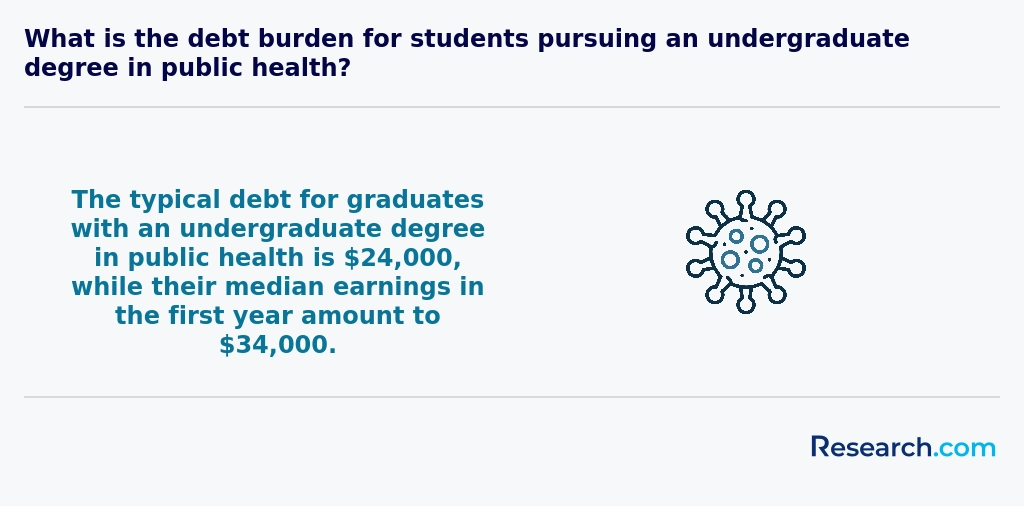
Investing in a Public Health degree in San Francisco requires careful consideration of both upfront tuition costs and long-term earning potential. On average, in-state students pay around $12,160 per year, while out-of-state tuition can climb to $30,000 annually. Factoring in living expenses-estimated at $24,000 per annum in the Bay Area-the total five-year investment for a Master of Public Health (MPH) may approach $180,800. However, with entry-level salaries for Health Educators averaging $66,710 and Environmental Health Specialists commanding about $83,820, the typical payback period ranges from 2.5 to 3.5 years, depending on the chosen specialization and cost management strategies such as scholarships or part-time enrollment. To maximize return on investment, students should explore financial aid options, including federal grants, state Cal Grants, and institution-specific scholarships, which can reduce total debt by up to 40%. Additionally, accelerated or part-time MPH tracks allow working professionals to apply earnings immediately toward living costs, effectively shortening the debt repayment timeline. Graduates who transition into leadership roles-such as Public Health Program Managers-can see median salaries rise to $95,000 within five years, further improving ROI. Those aiming for doctoral credentials should compare the ROI of an MPH versus a PhD. While a PhD may require an additional two to four years of tuition, career trajectories in academia and high-level research often yield salaries exceeding $110,000. Prospective students interested in cost-effective doctoral options can explore online programs like an online public health phd to balance flexibility, lower overhead, and outstanding research opportunities, ultimately enhancing long-term earning capacity. Ultimately, by aligning specialization choices, financial aid strategies, and program formats with salary projections, prospective Public Health students in San Francisco can achieve a return on their educational investment in under four years-paving the way for a sustainable and impactful career in community health.
Diving into a public health degree in San Francisco means encountering courses that feel alive with the city's vibrant challenges. Graduates from well-known institutions here often recall starting with epidemiology, where they learned to track disease outbreaks like a detective piecing together clues across bustling neighborhoods.
Biostatistics felt less like math and more like unlocking secrets hidden in health data from local clinics and shelters. Environmental health classes brought the city's foggy skies and busy port areas into sharp focus, revealing how pollution can ripple through communities. Health policy and management courses sparked lively debates about how city regulations shape who gets care and how.
Social and behavioral sciences connected classroom theory to the rich diversity of San Francisco's people, exploring how culture and lifestyle influence health outcomes. Specialized topics like infectious disease control and maternal health reflected the urgent needs graduates saw during internships with local agencies combating homelessness and mental health struggles.
These courses don't just teach-they immerse students in real-world puzzles, making each lesson a step toward impacting San Francisco's unique public health landscape.
Exploring public health degree specializations in San Francisco opens doors to dynamic fields shaped by the city's diverse urban landscape. Graduates from popular local universities often find themselves captivated by Epidemiology, diving deep into disease patterns and outbreak responses vital to the city's dense neighborhoods. Others get energized by Health Policy and Management, crafting policies that address San Francisco's unique health inequalities and large uninsured populations.
Environmental Health draws students passionate about combating urban pollution and advancing sustainability, translating classroom knowledge into real work on improving air and water quality around the Bay Area. For those with a global mindset, Global Health offers adventures beyond borders, while Community Health Sciences connects learners with local communities, fostering real change through education and advocacy.
Many students balancing the cost of their education explore scholarships or assistantships, or consider online options like this online public health phd to tailor studies without sacrificing quality. Public health degree specializations San Francisco truly provide rich, hands-on experiences for those ready to impact health in meaningful ways.
When embarking on the quest for the best affordable public health degrees San Francisco offers, imagine yourself as a graduate thrilled by the hands-on opportunities this city provides. Picture enrolling at a university where your coursework seamlessly blends with real-world internships at local health agencies, fueled by San Francisco's rich healthcare landscape. Graduates often share how CEPH accreditation helped them trust their program's quality, opening doors to trusted employers. Choosing programs that offer specializations like epidemiology or environmental health allows you to tailor your journey, just as many students have discovered their passion amidst the city's dynamic public health challenges.
Cost concerns? Many exploring top public health programs cost San Francisco options find solace in affordable tuition paired with flexible schedules-perfect for balancing work and study while diving into city networks.
For those eager to plan wisely, examining financial aid and tuition compared to public universities can be enlightening. To expand your horizon, check out the Affordable Public Health Degree Programs Ranking in New Orleans, LA for inspiration on value-driven decisions in public health education elsewhere.
Graduates with a public health degree in San Francisco dive into vibrant, hands-on roles that touch every corner of city life. Whether investigating disease outbreaks alongside the California Department of Public Health or crafting innovative health policies at local agencies, the possibilities feel endless. Many alumni from renowned institutions like the University of San Francisco and San Francisco State University cherish how their work impacts real communities-designing targeted health campaigns for diverse neighborhoods or advancing environmental health by improving urban air quality and sanitation.
For those curious about research, joining local universities' public health departments offers thrilling opportunities to contribute to cutting-edge public health studies. Many find excitement in community health promotion, meeting San Francisco's needs in areas like HIV prevention and nutrition education firsthand. With the surge in job opportunities for public health graduates San Francisco offers, it's no wonder graduates feel empowered and optimistic about shaping healthier futures.
Exploring a fast degree programs in the city can accelerate this journey, unlocking even more dynamic career paths in this bustling health landscape.
The public health job outlook San Francisco is vibrant, fueled by the city's unique blend of innovation and community-focused health initiatives. Graduates from popular institutions like the University of California, San Francisco, or San Francisco State University often find themselves immersed in dynamic roles, whether analyzing data to combat infectious diseases or developing outreach programs for underserved neighborhoods. These experiences cultivate not only skills but also an inspiring sense of purpose.
Many graduates share stories of landing positions with local and state health departments, such as the San Francisco Department of Public Health, where each day presents new challenges and opportunities to impact lives directly. The demand for these roles reflects the city's complex health needs, making San Francisco public health career opportunities rich and diverse.
Costs of public health programs can be steep, but students often balance this with optimism, knowing the salary prospects range from $65,000 to $110,000 annually. Plus, exploring which program to pursue is easier than ever with resources like the easiest masters degree to get online.
2027 Most Affordable Public Health Degree Programs Ranking in San Francisco
Investing in your education is a significant decision that can profoundly impact your future, and the Research.com team fully recognizes the importance of making well-informed choices. To aid prospective students in San Francisco, we have carefully developed the "2027 Most Affordable Public Health Degree Programs Ranking in San Francisco." Our dedication to quality, credibility, and accuracy is evident in the thorough research and analysis that underpin this ranking.
We utilized the following reputable data sources to ensure a comprehensive evaluation of public health degree programs:
By consulting this ranking, readers will gain valuable insights into the most affordable and reputable public health degree programs in San Francisco, empowering them to make confident and informed decisions about their educational journeys. For more information on how this ranking was created, please visit our Research.com methodology page.


# 4 position
University of California-San Francisco
Master of Public Health

Frequently Asked Questions About public health
Students pursuing public health degrees in San Francisco can maximize their learning by engaging with the city's diverse communities and public health challenges. San Francisco is home to a variety of health organizations, such as the Department of Public Health, which offers internships and practical experience opportunities. According to the San Francisco Health Improvement Partnership, hands-on experience is key to understanding health disparities in urban environments.
Students should also participate in local research projects related to infectious disease control, homelessness, and environmental health, which are major public health concerns in the city. Collaboration with community organizations can enhance cultural competence and practical skills. Additionally, attending seminars and workshops from experts in the Bay Area's leading academic institutions enriches theoretical knowledge and professional networking.
The field of public health is rapidly evolving, with emerging niches that reflect current societal challenges and technological advances. In San Francisco, a growing focus is on digital epidemiology, which uses big data and machine learning to track disease patterns in real time. This niche leverages the city's strong tech ecosystem and academic resources.
Another important area is environmental health, particularly addressing urban air quality and climate change impacts, relevant due to San Francisco's dense population and environmental concerns. Mental health integration in public health programs is also gaining attention, responding to rising local needs identified by the California Health Care Foundation.
Genomic epidemiology, which studies genetic factors in disease spread, is expanding through collaborations with Bay Area biotech firms. These specializations offer students new career pathways aligned with regional and national health priorities.
After earning a public health degree in San Francisco, preparing for the job market involves a combination of practical experience and networking. Internships and practicum placements with local health agencies or nonprofits are vital. These opportunities allow you to develop skills and build connections within San Francisco's public health community.
The city's Department of Public Health employs over 3,000 professionals, providing diverse career opportunities in epidemiology, health education, and policy (San Francisco DPH, 2023). Tailoring your resume to highlight relevant skills and certifications, such as CPR or epidemiological software, can improve your competitiveness.
Joining professional groups like the California Public Health Association or attending events hosted by the University of California, San Francisco, helps with networking. Additionally, leveraging San Francisco's strong tech and biotech sectors can open paths to public health data analysis roles.
Employers in San Francisco seek public health graduates with strong analytical skills. The ability to interpret data and assess community health trends is essential, especially given the city's diverse population and complex urban health challenges. According to the California Department of Public Health, proficiency in statistical software and epidemiology is highly valued.
Effective communication skills also rank high. Graduates must translate technical information into clear messages for diverse audiences, including policymakers and underrepresented communities. Leadership and project management abilities are critical, as public health professionals often coordinate multi-agency initiatives.
Lastly, cultural competence is crucial in San Francisco's multicultural environment, ensuring equity in health program delivery.
Finding internships in San Francisco relevant to a public health degree involves strategic research and networking. Students should start by exploring local institutions such as the San Francisco Department of Public Health, which offers internships focused on community health initiatives and disease prevention. Universities like San Francisco State University often have partnership programs linking students with regional health agencies.
The Bay Area hosts numerous non-profits and healthcare organizations, including the California Institute for Rural Studies and UCSF, that provide hands-on public health experiences. According to the National Association of County and City Health Officials, about 30% of local health departments offer paid internships, an important factor for financial planning.
Utilizing online platforms like Handshake or local job boards dedicated to public health can substantially increase chances. Attending public health career fairs and joining organizations such as the American Public Health Association's San Francisco chapter also offers networking opportunities with potential employers.
A public health degree significantly enhances career mobility and advancement opportunities in San Francisco's growing health sector. The city's emphasis on innovative health solutions and diverse population needs creates demand for skilled public health professionals. According to the U.S. Bureau of Labor Statistics, San Francisco has a faster-than-average growth rate for health education specialists and epidemiologists, roles commonly requiring a public health degree.
Professionals holding such degrees often gain access to leadership positions in local health departments, nonprofits, and tech-driven health organizations. Networking opportunities within San Francisco's public health community further support career progression. Additionally, advanced degrees correlate with higher salaries and greater job security in this competitive market.
Studying for a public health degree in San Francisco equips students with skills that span multiple disciplines, essential for addressing complex health challenges. Programs often emphasize collaborative learning, integrating fields such as epidemiology, environmental health, social sciences, and health policy. San Francisco's diverse population and cutting-edge health institutions provide a practical setting for applied studies.
The city's public health workforce reflects interdisciplinary demands, with roles requiring expertise in data analysis, community outreach, and policy development. According to the San Francisco Department of Public Health, nearly 40% of professionals in the sector have backgrounds crossing multiple disciplines, showing the need for versatile training.
By combining classroom theory with real-world projects and partnerships with local agencies, students develop adaptive skills needed for roles in government, nonprofit, and private sectors.
When choosing between a thesis and a non-thesis public health degree program in San Francisco, consider your career goals and learning preferences. Thesis programs usually emphasize research, requiring students to develop and defend a substantial project. This option suits those interested in academic careers or pursuing doctoral studies later.
Non-thesis programs focus more on applied skills and practical experience, often featuring internships or projects. According to the Association of Schools and Programs of Public Health, San Francisco's public health workforce is growing rapidly, with a 12% increase expected by 2030, favoring practical, hands-on skills.
Cost and duration also differ: thesis tracks may extend program length due to research demands. Make sure to check individual San Francisco universities' curricula and career support to choose the best fit.
Students in San Francisco interested in studying public health abroad have a range of options through exchange programs and dual-degree partnerships. Many local universities with public health programs, such as the University of California, San Francisco (UCSF), collaborate with international institutions to offer study abroad opportunities.
These programs often include placements in countries with diverse public health challenges, providing practical experience. According to the Association of Schools and Programs of Public Health (ASPPH), nearly 25% of U.S. public health students participate in global health experiences, enhancing their cultural competency and research skills.
Financial aid and scholarships are increasingly available to support international study, making it accessible for San Francisco students. Prospective candidates should consult their university's global education office to explore specific partnering universities and program details.
San Francisco offers various part-time job opportunities that complement public health degree education by providing practical experience. Many students find positions as community health workers or health educators, roles that support local outreach programs addressing chronic diseases and health disparities. According to the San Francisco Department of Public Health (SFDPH), such roles are critical in city initiatives targeting populations vulnerable to conditions like diabetes and hypertension.
Other options include internships or assistantships within nonprofit organizations focused on mental health or substance abuse services. These roles often provide exposure to data collection and program evaluation, essential skills for public health professionals.
Healthcare facilities and municipal health agencies also seek part-time support for administrative and research tasks related to ongoing public health campaigns, offering insights into policy implementation and epidemiology.
San Francisco offers robust networking opportunities for public health students thanks to its vibrant healthcare and research communities. The city hosts numerous events, including conferences and workshops organized by institutions like the San Francisco Department of Public Health and the California Public Health Association-North. These events facilitate connections with public health professionals and policymakers.
Additionally, students can engage with local chapters of national organizations such as the American Public Health Association. Internships and practicum placements at leading San Francisco hospitals and community organizations provide hands-on experience and professional contacts. According to the California Employment Development Department, public health jobs in the Bay Area are projected to grow 15% by 2030, increasing networking relevance.
Alumni networks in San Francisco provide significant advantages for public health degree students. These networks offer mentorship opportunities, connecting current students with graduates who understand the local job market and public health challenges specific to the Bay Area. According to the San Francisco Public Health Department, 65% of new public health professionals find employment through networking and referrals. Engaged alumni often share job openings, internship opportunities, and career advice tailored to San Francisco's diverse communities. Furthermore, alumni events foster collaboration on community health projects, enhancing practical learning. This localized support helps students navigate competitive fields like epidemiology and health policy within the city's unique environment.
Customizing a public health degree in San Francisco allows students to align their education with specific career goals in a city known for its diverse public health challenges and innovations. Many local universities offer flexible curricula enabling students to choose concentrations such as epidemiology, health policy, or environmental health. Practicum and internship opportunities with organizations like the San Francisco Department of Public Health provide hands-on experience, which is crucial for career development.
Elective courses often cover topics relevant to San Francisco's population, including urban health disparities, infectious diseases, and immigrant health. This localized focus can enhance job prospects in government agencies, nonprofits, or research institutions. According to the California Department of Public Health, tailored training improves graduate employability in the region's competitive job market.
Public health students in San Francisco often face significant challenges related to high living costs. According to the U.S. Bureau of Labor Statistics, San Francisco's cost of living is over 80% higher than the national average, which can create financial stress for students balancing tuition, housing, and daily expenses.
Another challenge involves access to practical training opportunities. While San Francisco has a robust public health sector, competition for internships and fieldwork placements is intense due to the city's popularity.
Additionally, students must navigate complex local health issues such as homelessness and infectious diseases, requiring them to quickly adapt theory to real-world problems in diverse communities.
With a public health degree in San Francisco, students can pursue several valuable professional certifications to enhance their careers. One of the most recognized is the Certified Public Health (CPH) credential offered by the National Board of Public Health Examiners. This certification demonstrates expertise in key public health areas.
Another option is the Certified Health Education Specialist (CHES), which focuses on health promotion skills. For those interested in epidemiology or biostatistics, certifications such as the Certified in Public Health Informatics (CPHI) can be pursued.
San Francisco's public health sector also values certifications related to emergency preparedness and environmental health, supporting diverse career paths within this field.
Writing a winning application for a public health program in San Francisco requires careful planning and research. Start by highlighting your understanding of local health challenges, such as those related to urban populations or infectious disease outbreaks documented by the San Francisco Department of Public Health. Demonstrate relevant experience, including internships or volunteer work in the city's healthcare facilities or community organizations.
Strong letters of recommendation from professionals familiar with your public health interests are crucial. Clearly articulate your career goals and how the program's curriculum aligns with addressing health disparities in San Francisco. Finally, carefully proofread your personal statement to ensure clarity and professionalism.
Public health careers carry significant importance worldwide, addressing global challenges such as pandemics, environmental health, and health inequities. In the United States, and specifically San Francisco, public health professionals often engage with diverse populations, reflecting the city's multicultural demographics. According to the San Francisco Department of Public Health, local initiatives emphasize global health perspectives by integrating international best practices into community programs.
The competitive job market rewards degrees that include global health components, preparing graduates for roles in international organizations or local agencies with a global outreach.
Nationally, public health jobs are projected to grow 17% from 2021 to 2031 (U.S. Bureau of Labor Statistics), highlighting strong demand shaped by global health concerns. San Francisco's public health degrees reflect this trend through curricula emphasizing data analytics, epidemiology, and cross-cultural communication.
Gaining practical experience while studying for a public health degree in San Francisco is essential for building job-ready skills. Many local universities integrate internships into their curricula, offering placements with city health departments, nonprofits, and hospitals. For example, the San Francisco Department of Public Health provides internship positions that allow students to work on real-world community health projects.
Students can also participate in service-learning courses that combine classroom study with fieldwork, often focused on pressing urban health issues like homelessness and infectious disease control.
Additionally, networking opportunities through local public health organizations help students connect with mentors and professionals. These hands-on experiences improve employment prospects after graduation.
Choosing the right concentration within a public health degree program in San Francisco involves aligning your interests with local health priorities and job market demands. The city faces challenges such as housing insecurity, substance use disorders, and infectious diseases, making concentrations like epidemiology, community health, and health policy particularly relevant.
San Francisco's Department of Public Health frequently collaborates with universities, offering practical experience in these areas. According to recent labor data, roles in health education and policy analysis are growing faster than average, suggesting good career prospects.
Consider programs offering internships or partnerships with local agencies to gain hands-on experience. Reviewing courses and faculty expertise can also guide your choice effectively.
- 2027 Most Affordable Public Health Degree Programs Ranking in Berkeley
- 2027 Most Affordable Public Health Degree Programs Ranking in Los Angeles
- 2027 Most Affordable Public Health Degree Programs Ranking in Irvine
- 2027 Most Affordable Public Health Degree Programs Ranking in La Jolla
- 2027 Most Affordable Public Health Degree Programs Ranking in San Diego
- 2027 Most Affordable Public Health Degree Programs Ranking in Corvallis
- 2027 Most Affordable Public Health Degree Programs Ranking in Portland
- 2027 Most Affordable Public Health Degree Programs Ranking in Salt Lake City
- 2027 Most Affordable Public Health Degree Programs Ranking in Phoenix
- 2027 Most Affordable Public Health Degree Programs Ranking in Seattle
- The Networking Guide for Public Health Professionals https://www.publichealthdegrees.org/resources/professional-networking/
- Financing Your Degree https://aspph.org/student-journey/financing-your-degree/
- Public Health - Admission SUM Medicine https://admission.sum.edu.pl/public-health/
- California Schools of Public Health - California Degrees https://californiadegrees.org/public-health/schools-of-public-health/
- How to Get Your First Public Health Job - PHERN https://phern.communitycommons.org/early-career-professional-learning-series/how-to-get-your-first-public-health-job/
- Yes, the Public Health Job Market is Tough, But You’re Tougher! | PH SPOT https://phspot.org/yes-the-public-health-job-market-is-tough-but-youre-tougher/
- Students and Alumni associations - Europubhealth https://www.europubhealth.org/students-alumni-associations/
- Medical University of GdaÅsk https://publichealth.mug.edu.pl/
- Know more about thesis vs non- thesis: what is the difference? https://studyfans.com/en/blogs/816
- Pre-Professional Health Experience Guide | PublicHealthOnline.org https://www.publichealthonline.org/pre-professional-experience/