2027 Most Affordable Public Health Degree Programs Ranking in Seattle

Co-Founder and Chief Data Scientist
Choosing the right public health degree program in Seattle can feel overwhelming. That's why this article shares the 2027 Most Affordable Public Health Degree Programs Ranking in Seattle, carefully created by the Research.com team of data scientists.
This ranking aims to guide you toward programs that offer great value without compromising quality. Pursuing a public health degree opens doors to meaningful careers helping communities thrive. Reading this article will give you clear insights to make confident decisions about your educational future and the impact you want to make.
Key benefits of getting public health degree in Seattle
- Graduates with a public health degree in Seattle can earn competitive salaries; for example, Health Educators make an average annual wage of $69,790, while Community Health Workers earn around $52,610.
- Career paths are diverse, ranging from Medical Assistants to Environmental Health Specialists, enabling you to find roles that match your passion for community wellbeing and safety.
- Online public health degrees offer flexibility for busy lifestyles, allowing graduates to balance work and study effectively while still gaining quality education recognized by Seattle employers.
- 2027 Most Affordable Public Health Degree Programs Ranking in Seattle
- What can I expect from public health degree in Seattle?
- Where can I work with public health degree in Seattle?
What can I expect from public health degree in Seattle?
The average cost of pursuing a public health degree in Seattle is generally more affordable for in-state residents, especially at public institutions like the University of Washington. Graduates often note that in-state tuition fees for graduate public health programs at UW are significantly lower than the national average, which helps ease financial stress. For example, many students find this affordability crucial when balancing tuition with living expenses in an urban area like Seattle.
In addition to lower tuition, students often highlight the availability of financial aid, scholarships, and teaching or research assistantships that provide both monetary support and valuable hands-on experience. These opportunities allow students to reduce debt while gaining professional skills in real-world public health settings, such as internships with the Seattle-King County Public Health Department.
Students appreciate that smaller class sizes and direct access to leading faculty enhance learning without inflating costs. This environment fosters confidence and engagement, helping graduates transition smoothly into diverse careers in public health within Seattle's dynamic healthcare and biotech sectors.
Where can I work with public health degree in Seattle?
Graduates from Seattle's public health programs at institutions like the University of Washington often find rewarding roles in local government agencies such as Public Health-Seattle & King County. These jobs involve hands-on work in community health initiatives, addressing issues like infectious disease control and environmental health, allowing graduates to see the direct impact of their efforts in their neighborhoods.
Many fall into healthcare systems including UW Medical Center or Swedish Medical Center, where they contribute through healthcare administration, patient education, or data analysis. Graduates frequently describe the satisfaction of improving patient outcomes while working alongside medical professionals in these expanding facilities.
Nonprofits focused on health advocacy and social services are another thriving sector. Graduates appreciate roles in program management and community outreach, helping vulnerable populations and tackling health disparities across Seattle. Working with groups like the Washington State Public Health Association often brings a strong sense of purpose.
Others leverage their expertise in Seattle's biotech and research fields. Positions at places like the Fred Hutchinson Cancer Research Center combine epidemiology and biostatistics to support innovative health studies, offering fulfilling careers that blend public health with cutting-edge science.
Graduates holding a public health degree in Seattle typically earn competitive salaries, reflecting the city's strong healthcare and research sectors. For example, community health workers in the area can expect a mean annual wage near $52,610, while health educators see higher average pay around $69,790 according to the latest U.S. Bureau of Labor Statistics data.
Many Seattle graduates from programs at the University of Washington or Seattle University share that starting salaries often range between $50,000 to $60,000, especially for entry-level roles like health educators or community outreach specialists. With gained experience, public health professionals often move into roles such as environmental health specialists or occupational health and safety specialists, where annual wages rise to about $85,000 to $87,000.
Seattle's public health graduates benefit from access to local employers offering research stipends or bonuses, improving overall compensation. For students aiming to maximize earnings, building expertise in environmental or occupational health fields can be especially advantageous.
- Public health degrees in Seattle cost between $20,000 and $40,000 per year at public universities for in-state students, while private schools can charge over $50,000 annually.
- Entry-level public health professionals in Seattle earn average annual salaries from $55,000 to $70,000, with experienced specialists making around $90,000 or more.
- Jobs in public health are growing rapidly in Seattle, with a projected 15% increase in related occupations from 2020 to 2030.
- Seattle offers many internship and practicum opportunities through local health departments and research institutions for hands-on experience.
- Most public health programs in Seattle are accredited by the Council on Education for Public Health (CEPH), ensuring national standards for quality education.
Completing a public health degree in Seattle generally follows a clear timeline based on the degree level. Undergraduate students at universities like the University of Washington typically spend about four years earning their Bachelor of Science in Public Health. Graduates often share how the hands-on community projects and internships helped them stay motivated throughout the program.
For those pursuing a Master of Public Health (MPH), two years of full-time study is standard. Many students appreciate the flexibility Seattle institutions offer through part-time or accelerated options, which allow working professionals to balance career and study effectively. Graduates often mention how this flexibility was crucial in managing work-life commitments.
Doctoral candidates can expect a more variable timeline, usually around four to six years, as they dive deep into research and leadership training. Seattle's strong emphasis on real-world public health challenges often keeps doctoral students engaged and excited despite the longer timeframe.
Accreditation ensures that a Public Health degree program in Seattle, WA, meets rigorous standards set by recognized authorities. Most reputable schools, including the University of Washington and Seattle University, hold Council on Education for Public Health (CEPH) accreditation, which validates the curriculum, faculty expertise, and student outcomes. Regional accreditation from bodies like the Northwest Commission on Colleges and Universities (NWCCU) further guarantees institutional quality, allowing credits to transfer smoothly and qualifying graduates for federal financial aid. Choosing a CEPH-accredited program not only enhances your resume but also ensures eligibility for professional certifications such as the Certified in Public Health (CPH) exam. Employers and graduate schools often prioritize candidates who graduated from accredited institutions, translating into stronger job prospects and clearer pathways to leadership roles in public health agencies. Prospective students concerned about application requirements-including standardized tests-can explore flexible, affordable options and discover what is the most affordable mph program that dont require gre, ensuring quality education without the hurdle of GRE scores. Before applying, verify a program’s accreditation status on the CEPH website and review institutional reports on graduation rates, licensure pass rates, and alumni career trajectories to make an informed decision.
Online and on-campus public health degree programs in Seattle differ mainly in learning style and campus engagement. Graduates from the University of Washington often highlight the value of face-to-face interaction, access to Seattle's rich public health network, and hands-on internships available through on-campus classes. They describe the energy of live discussions and immediate feedback as key to mastering complex topics.
In contrast, graduates from Seattle Pacific University's online program emphasize flexibility, allowing them to study while managing work or family. They appreciate participating in video lectures and discussion boards without commuting across the city, saving time and expenses.
Seattle students choosing on-campus programs gain benefits like direct access to research labs and local agencies, which is ideal for networking and practical training. Meanwhile, online learners need strong self-discipline and reliable technology but enjoy a customizable schedule tailored to their lifestyle.
Considering your priorities-whether immersive campus life or adaptable learning-a public health degree in Seattle offers pathways to suit diverse needs.
Ensuring your Public Health degree comes from a program recognized by the Council on Education for Public Health (CEPH) is essential for both academic credibility and career advancement. CEPH-accredited programs meet rigorous standards in curriculum design, faculty expertise, and student outcomes, which not only qualifies graduates for federal financial aid but also prepares them for professional certification exams such as the Certified in Public Health (CPH) credential. In Seattle, institutions like the University of Washington School of Public Health and Seattle University’s MPH program hold CEPH accreditation, guaranteeing that coursework in epidemiology, biostatistics, and health policy aligns with industry benchmarks. Beyond programmatic accreditation, institutional accreditation-typically granted by regional bodies such as the Northwest Commission on Colleges and Universities (NWCCU)-verifies overall academic quality and financial stability of the university. Before applying, verify both CEPH and NWCCU status on official university websites or the CEPH directory to avoid surprises. Accredited degrees also support seamless credit transfers and are widely accepted by employers and graduate schools nationwide. For students balancing budget constraints with the need for recognized credentials, choosing CEPH-accredited programs ensures a return on investment. Prospective applicants aiming to compare affordable, accredited public health options in other regions can explore our Inexpensive Public Health Degree Programs Ranking in North Carolina for additional insights into cost-effective, high-quality pathways.
The average cost of a public health degree in Seattle varies significantly based on residency and type of institution. In-state students attending public universities such as the University of Washington can expect to pay around $12,973 total for their degree, which many graduates describe as a worthwhile investment in their future. These students often highlight the strong reputation of Seattle's public health programs, making the tuition feel justified by the quality of education and networking opportunities.
Out-of-state students typically face higher tuition, with the total costs reaching closer to $62,514. Private institutions like Seattle University generally fall into this higher range regardless of residency, with annual tuition often exceeding $40,000. Despite this, many students appreciate the flexibility offered by private programs, including accelerated or part-time options, which can make managing the overall expenses more feasible.
Students navigating Seattle public health degree tuition and fees should also plan for additional expenses such as fees for materials, technology, and health insurance, which can add up to over a thousand dollars annually. Living expenses in Seattle, a moderately high-cost city, typically range between $15,000 and $25,000 per year, making budgeting essential.
For those exploring financing their education, researching financial aid options, scholarships, and assistantships is crucial. A useful starting point might be checking the affordable public health school in washington for targeted support. Graduates often share that understanding and utilizing these resources made their educational journey more manageable and rewarding.
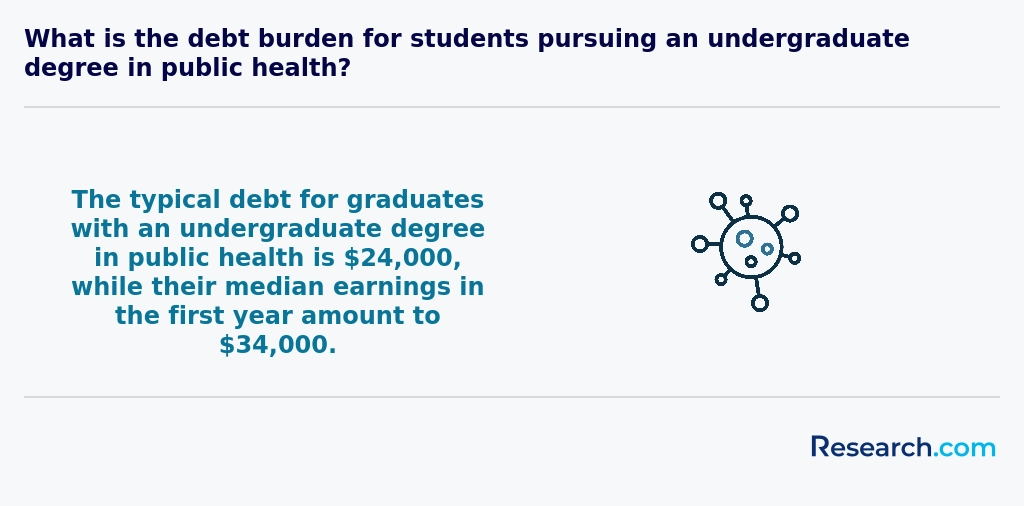
Students pursuing public health in Seattle can access a variety of financial aid to ease tuition costs. Many graduates from the University of Washington highlight how completing the FAFSA unlocked federal aid options like Pell Grants and Direct Unsubsidized Loans, essential for covering part of their expenses. For undergraduates, Pell Grants can provide up to $7,395 per year based on financial need, offering immediate relief.
Merit-based scholarships are a key resource, especially at Seattle universities with strong public health programs. Graduates often share how scholarships ranging from $2,000 to $10,000 helped them focus on studies without the distraction of financial stress.
Those working in Seattle's healthcare or biotech industries often benefit from employer tuition assistance, which some describe as a game-changer, reimbursing part or all of their tuition.
Graduate students frequently secure assistantships within public health departments, earning stipends and tuition waivers while gaining hands-on experience, which many say boosts their confidence and career readiness.
Local nonprofits and foundations offer fellowships targeting specific public health fields, such as epidemiology, supporting students passionate about community impact.
To enroll in a public health degree program in Seattle, you'll need to meet specific prerequisites tailored to your education level. For undergraduate applicants, having a high school diploma with strong grades in biology, chemistry, algebra, and English is essential. Graduates from Seattle universities often mention how these foundational courses helped them feel confident and prepared for public health studies.
If you're aiming for a Master of Public Health (MPH), you must hold a bachelor's degree-either in public health or a related field like social sciences or health sciences. Many successful MPH students from top Seattle colleges share that maintaining a GPA around 3.0 or higher made a big difference during their application process.
Though GRE requirements have been relaxed recently, submitting strong letters of recommendation, a compelling personal statement, and relevant work or volunteer experience give applicants a real edge. Graduates often highlight how their hands-on health-related work boosted their confidence and appeal to admissions committees.
- High school diploma or equivalent for undergraduate programs
- Bachelor's degree with relevant coursework for graduate programs
- Minimum GPA requirements, usually around 3.0
- GRE scores, though often waived recently
- Letters of recommendation and personal statements
- Relevant work or volunteer experience in health-related fields

For many prospective students, a fulfilling academic experience extends beyond textbooks and lectures-it encompasses vibrant campus life, supportive resources, and opportunities for personal growth. In Seattle, WA, public health programs offer a dynamic environment where students can thrive both academically and socially. Many institutions provide dedicated centers for student wellness, career counseling, and leadership development, ensuring that learners have access to practical support throughout their educational journey. Campus clubs and organizations serve as excellent venues for networking, skill-building, and community outreach, often aligning with public health initiatives that benefit local communities. Additionally, facilities such as student health centers, modern libraries, and collaborative workspaces foster a stimulating learning atmosphere essential for both academic and personal success. For more detailed insights on campus offerings and student experiences that influence enrollment decisions, consider exploring opportunities at an affordable public health school in washington. This comprehensive support system not only enhances academic performance but also builds a strong foundation for future careers in public health, making it a key consideration for those seeking a well-rounded college experience in Seattle.
Public health degree programs in Seattle, such as those at the University of Washington, typically include core courses like epidemiology, where graduates learn how diseases spread and strategies to stop outbreaks. Many students find biostatistics essential, gaining hands-on skills to analyze real-world health data-skills that proved invaluable during their practicum experiences with local health departments.
Environmental health courses help students understand how Seattle's urban and natural surroundings affect community wellness, from pollution impacts to housing challenges. Health policy and management classes prepare students to navigate and lead within complex healthcare systems, a confidence many graduates recall as empowering when engaging with nonprofit or government organizations in Seattle.
Social and behavioral sciences explore the human factors behind health trends, enabling students to craft effective intervention programs tailored to diverse Seattle communities. Practicum or fieldwork opportunities offer practical, solution-driven experience addressing challenges like homelessness or infectious diseases, making coursework directly applicable and energizing for students passionate about local impact.
Specialized topics such as global health or health equity also reflect the city's inclusive public health priorities, equipping graduates to contribute meaningfully both locally and beyond.
Students pursuing public health degree specializations in Seattle can expect a rich variety of options that address the city's unique health landscape. Popular choices include epidemiology, where graduates often reference hands-on projects investigating infectious diseases, reflecting Seattle's leadership in biomedical research. Environmental health attracts those passionate about sustainability, a major priority in the region, teaching students to assess air and water quality impacts. Health policy and management prepare individuals to navigate and improve Seattle's complex healthcare systems, often through internships with local public health agencies. Those focusing on global health benefit from Seattle's international connections, tackling cross-border health challenges in real settings.
Graduates from well-known public universities in Seattle report that biostatistics specialization equips them with advanced skills to analyze vital health data, directly supporting community health initiatives. Practical experiences are integrated into these specializations, connecting students with local organizations to cultivate real-world readiness.
For Seattle students concerned about costs, exploring what is the most affordable mph program that dont require gre can provide financial clarity when considering these valuable specializations.
Seattle public health programs and concentrations consistently blend academic theory with applied learning, ensuring graduates are confident and capable in diverse public health careers across city, state, and federal levels.
Choosing the best affordable public health degrees Seattle offers means balancing quality with cost. Graduates from the University of Washington often emphasize how CEPH accreditation assures them their degree meets rigorous standards while opening doors to rewarding careers. Many find that exploring program formats, such as online or part-time options, fits their busy lives without sacrificing learning quality. Seattle's public health programs focus on local issues like infectious diseases and environmental health, giving students hands-on experience through community partnerships and internships, which students appreciate for building practical skills and confidence.
When weighing top public health programs Seattle cost is another major factor. Public universities tend to offer affordable options for residents, making it easier to manage expenses. Many graduates recommend researching financial aid and scholarships, and also suggest reviewing employment outcomes tied to career services. To explore budget-friendly options beyond Seattle, consider the Inexpensive Public Health Degree Programs Ranking in North Carolina, which can provide additional perspective on affordability and value.
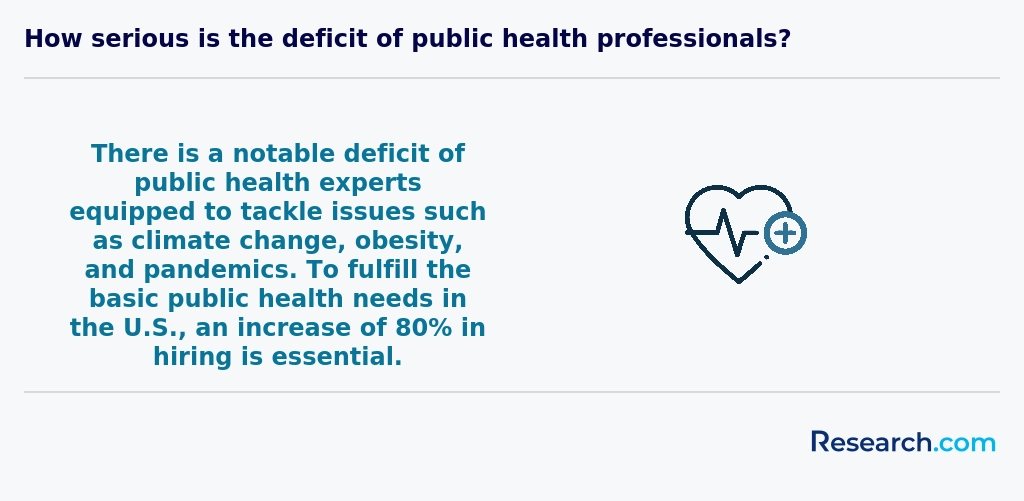
Graduates with a public health degree in Seattle find diverse career paths tailored to the city's healthcare landscape. Many work in epidemiology, analyzing disease patterns for agencies like Seattle & King County Public Health, earning between $65,000 and $95,000 annually. Others thrive in health education and promotion, crafting community-specific programs that address Seattle's varied populations. These roles continue to grow, offering stability and purpose.
Seattle public health career opportunities also include administration positions in hospitals and clinics, where graduates handle program management and policy compliance with starting salaries around $70,000. Environmental health specialists focus on sustainability and policy enforcement, aligning with Seattle's green initiatives, often working with the EPA or local agencies.
Students from popular Seattle universities share how internships with local public health organizations gave them hands-on experience and networking advantages. Considering costs is key, so exploring certifications that make good money can enhance job prospects without breaking the bank. Overall, public health jobs in Seattle offer rewarding, impactful work grounded in real community needs.
Graduates with a public health degree in Seattle benefit from a steadily growing job market fueled by the city's strong focus on health services and community well-being. Many public health degree jobs in Seattle are found within major employers like the Seattle-King County Public Health Department and the University of Washington School of Public Health, where alumni often share how their education directly led to roles in epidemiology, health education, or program administration.
The Seattle public health career outlook remains promising, with entry-level salaries around $50,000 and experienced professionals easily reaching $90,000 or more, reflecting the city's competitive market and higher living costs. Students from Seattle universities frequently highlight their practical training and internships that open doors to nonprofit organizations and healthcare systems.
For those considering education costs, Seattle offers relatively affordable tuition compared to other metro areas, especially at the University of Washington. If you're curious about your best academic path, many students find value in exploring what is the easiest bachelor's degree to obtain as a starting point toward a rewarding career in public health.
2027 Most Affordable Public Health Degree Programs Ranking in Seattle
Investing in your education is a significant decision that can shape your future, and the Research.com team understands the importance of making informed choices. To assist prospective students in Seattle, we have meticulously crafted the "2027 Most Affordable Public Health Degree Programs Ranking in Seattle." Our commitment to quality, credibility, and accuracy is reflected in the extensive research and analysis conducted to compile this ranking.
We utilized the following reputable data sources to ensure a comprehensive evaluation of public health degree programs:
By exploring this ranking, readers will gain valuable insights into affordable and quality public health programs in Seattle, empowering them to make well-informed decisions about their educational journey. For more details on our methodology, please visit our Research.com methodology page.

Frequently Asked Questions About public health
Public health degree students in Seattle can maximize their learning by engaging with the city's vibrant network of health organizations and research institutions. Seattle hosts over 200 public health employers, including the renowned University of Washington School of Public Health and Seattle-King County Public Health, offering ample internship and volunteer opportunities.
Students should also participate in community-based projects addressing local issues like infectious disease control and environmental health, which align with Seattle's public health priorities reported by the Washington State Department of Health.
Attending seminars, workshops, and conferences hosted by the Northwest Public Health Association can enrich theoretical knowledge with practical insights from experts.
Building connections through these channels enhances hands-on experience crucial for career development in the ever-evolving field of public health.
Emerging niches within the public health field reflect evolving community needs and technological advances. In Seattle, a growing focus is on environmental health due to the region's commitment to sustainability and climate change mitigation. This includes addressing air quality and water safety, crucial for urban populations.
Another expanding area is digital epidemiology. Public health professionals increasingly use data analytics and mobile health apps to track disease trends in real time. Seattle's strong tech sector supports this growth, providing opportunities for students to engage in innovative research.
Mental health and wellness is also gaining prominence. Studies indicate rising demand for programs combining behavioral health with public health strategies to reduce stigma and improve community access.
Preparing for the job market after completing a public health degree in Seattle involves strategic planning and skill development. Graduates should focus on gaining practical experience through internships or volunteering with local health departments such as Public Health - Seattle & King County, which employs over 1,400 professionals.
Building a strong professional network is crucial. Attending events hosted by organizations like the Washington Public Health Association enables connections with public health experts. Additionally, obtaining certifications such as Certified in Public Health (CPH) can enhance employability.
Seattle's public health sector is growing; the U.S. Bureau of Labor Statistics projects a 13% increase in public health jobs nationwide from 2021 to 2031. Local employers often value skills in data analysis, program management, and health communication, so prioritizing these during studies is beneficial.
Employers in Seattle highly value public health degree graduates who demonstrate strong analytical skills. The ability to interpret data and apply epidemiological methods is crucial for tackling local health challenges like infectious disease outbreaks and environmental health issues.
Communication skills are also essential, as professionals must clearly convey health information to diverse communities and collaborate with government agencies such as the Seattle-King County Public Health Department.
Knowledge of health policy and program planning is critical, enabling graduates to design interventions that address Seattle's urban health disparities.
Additionally, cultural competency is important given Seattle's diverse population.
Finding internships in Seattle relevant to a public health degree involves strategic networking and targeting key local organizations. Seattle hosts numerous public health institutions, including the Washington State Department of Health and nonprofit groups like Public Health Seattle & King County, which offer internship opportunities focused on community health and epidemiology.
University career centers such as those at the University of Washington often list internships and collaborate with local health agencies to support students. Additionally, platforms like Handshake and the AmeriCorps program provide listings geared toward public health roles across Seattle.
Seattle's growing emphasis on public health, especially amid ongoing challenges like infectious disease control, makes it a fertile ground for practical experience. According to the Washington State Employment Security Department, the health sector is one of the fastest-growing industries locally, increasing internship availability.
Obtaining a public health degree in Seattle significantly enhances career mobility and advancement opportunities due to the city's growing health sector. Seattle hosts numerous public and private health organizations, including the Washington State Department of Health and prominent research institutions like the Public Health-Seattle & King County. According to the U.S. Bureau of Labor Statistics, employment for health educators and community health workers in Washington state is projected to grow by 11% from 2022 to 2032, outpacing the national average. This growth expands pathways for graduates to enter leadership roles or specialize in areas such as epidemiology or health policy.
Seattle's concentration of healthcare and biotechnology companies, such as PATH and Fred Hutchinson Cancer Research Center, offers extensive networking and employment opportunities. These employers often seek candidates with formal public health training, increasing the value of a degree in career advancement. Furthermore, local degree programs frequently include internships and partnerships that support direct experience, which employers highly value.
The competitive job market rewards graduates holding accredited degrees-especially those from institutions accredited by the Council on Education for Public Health (CEPH). This accreditation assures employers of graduates' competency, making it easier to transition into more advanced roles. Additionally, public health degrees foster skills in data analysis, policy development, and program management, which are critical for leadership positions.
In summary, for prospective students in Seattle, earning a public health degree greatly expands career options across public health agencies, non-profits, and private sectors, supporting upward mobility within the region's robust health ecosystem.
Studying for a public health degree in Seattle offers a strong foundation for interdisciplinary roles due to the city's diverse health challenges and collaborative environment. Local programs emphasize combining knowledge from epidemiology, environmental health, and health policy, reflecting Seattle's complex urban and rural population needs. According to the Washington State Department of Health, Seattle faces unique concerns such as infectious disease control and health disparities, which require cross-sector approaches.
University partnerships with organizations like the Seattle-King County Public Health Department enable students to gain real-world experience coordinating with medical, social, and government sectors. This practical training equips graduates to work effectively across disciplines.
Choosing between a thesis and a non-thesis public health degree in Seattle depends on your career goals and interests. A thesis option involves original research, which is ideal if you plan to pursue a PhD or work in academic or research settings. For example, Seattle's University of Washington highlights that thesis students gain strong analytical skills valued in public health research roles.
The non-thesis track usually focuses on practical skills and coursework, suitable for those seeking immediate employment in public health practice or administration. Local public health agencies often prefer candidates with hands-on experience and applied knowledge, which the non-thesis option emphasizes.
Cost and time also matter: thesis programs may take longer, while non-thesis paths can be more flexible for working professionals. Ultimately, assessing your professional objectives and consulting with advisors in Seattle's public health schools will guide the best choice.
Students based in Seattle interested in studying public health abroad have several pathways through their home universities. For example, the University of Washington, a leading institution in public health education, offers exchange programs and faculty-led study abroad options in countries like the United Kingdom, Australia, and South Africa. These programs often focus on global health issues, allowing students to gain international experience while earning credits toward their degrees.
Additionally, many Seattle students take advantage of internship placements or research projects overseas that complement their public health studies. According to the University of Washington's School of Public Health, about 15% of their public health students participate in such international learning opportunities annually. This exposure helps students understand diverse healthcare systems and enhance their professional skills in global contexts.
Seattle offers various part-time job opportunities that align well with public health degree education. Students often find roles in community health centers, where they assist in patient education and data collection. These positions provide practical experience in health promotion and disease prevention.
Local public health departments, such as the Seattle-King County Public Health, sometimes hire part-time health program assistants to support outreach efforts. This work helps students understand local health policies and community needs.
Additionally, many research institutions and universities in Seattle offer part-time research assistant positions focused on public health projects. These roles develop skills in data analysis and epidemiology, essential for public health professionals.
Finally, non-profit organizations addressing issues like homelessness or substance abuse also provide relevant part-time work, crucial for gaining insight into social determinants of health in the area.
Seattle offers robust networking opportunities for public health students through its vibrant academic and professional communities. Local universities, such as the University of Washington, host regular public health seminars, workshops, and career fairs, connecting students with leading experts and potential employers.
The city is home to numerous public health organizations, including the Public Health-Seattle & King County department, which often collaborates with students on research projects and internships. According to Seattle's Public Health Annual Report 2023, over 60% of public health graduates secure internships locally within six months, highlighting the strength of community ties.
Additionally, professional groups like the Washington Public Health Association organize networking events specifically for students to meet practitioners, policy makers, and non-profit leaders across the region.
Alumni networks play a crucial role for public health degree students in Seattle by offering valuable professional connections. Graduates often share job leads and internship opportunities in the city's diverse public health sector, which includes hospitals, nonprofits, and government agencies. According to the Seattle Public Health Department, local alumni networks increase employment chances by connecting students to mentors who understand the regional health challenges.
These networks provide guidance on career development and insights into local public health trends like infectious disease control and health equity initiatives. Strong alumni connections can also facilitate collaboration on community projects, enhancing practical learning beyond the classroom.
Customizing a public health degree program in Seattle allows students to align education with their career ambitions. Many local universities offer flexible curricula with concentrations such as epidemiology, health policy, or environmental health. For example, the University of Washington provides various electives and practicum opportunities, enabling hands-on experience in Seattle's diverse communities.
Students can also pursue dual degrees or certificates to broaden their skills in areas like data analysis or global health. Internships with Seattle-based public health organizations, including the Washington State Department of Health, enhance practical knowledge and networking.
Such customization supports targeted career paths in research, policy, or community health.
Public health students in Seattle face several notable challenges. One major issue is the high cost of living, which can place financial strain on those pursuing degrees. Seattle's average monthly rent is significantly above the national average, affecting students' ability to manage expenses alongside tuition.
Another challenge concerns competitive internship opportunities. Seattle's public health sector is robust, yet limited internship openings make securing practical experience difficult for many.
Additionally, the rigorous curriculum combined with community engagement requirements demands strong time management skills. According to the University of Washington's School of Public Health, balancing coursework and fieldwork is often cited as a stress factor.
With a public health degree in Seattle, you can pursue several respected professional certifications that enhance career opportunities. The most common is the Certified in Public Health (CPH) credential, offered by the National Board of Public Health Examiners, which validates broad public health knowledge. Many Seattle graduates also aim for specialized certifications such as Certified Health Education Specialist (CHES) or Registered Environmental Health Specialist (REHS), depending on their focus.
Washington state hosts a growing public health workforce, with a 5% increase projected by 2030 (Washington State Employment Security Department). Earning these credentials can be essential for leadership roles in regional health departments or nonprofit organizations.
Additional certifications in epidemiology or health data analysis may be useful given Seattle's expanding biotech and healthcare sectors, supported by data from the Public Health Insider, Washington State Department of Health.
To write a winning application for a public health program in Seattle, start by thoroughly researching the programs offered by local universities like the University of Washington, which is well-ranked nationally for public health. Highlight your commitment to addressing urban health issues, as Seattle faces challenges related to homelessness, infectious diseases, and environmental health. Use clear examples of your experience or volunteer work in these areas.
Strong applications include well-crafted personal statements that align with Seattle's public health priorities. Emphasize your quantitative skills and community engagement, as many programs value research and practical impact.
Be mindful of deadlines and provide all required documents, including transcripts, letters of recommendation, and standardized test scores if required. Visit official university websites for up-to-date requirements and program details.
Public health careers increasingly reflect global health challenges, emphasizing disease prevention, health equity, and emergency preparedness. Professionals trained in Seattle contribute to worldwide efforts, as many public health degrees incorporate global health curricula focused on issues like pandemics and environmental health.
The University of Washington's School of Public Health, for example, ranks among the top public health programs nationally, with strong ties to global health research and policy. Its graduates often work with international organizations such as the World Health Organization and CDC, bringing Seattle-based training to global settings.
Seattle's public health workforce mirrors these trends, with growing demand for professionals experienced in culturally competent care and global health frameworks, responding to diverse populations and international health crises.
Gaining practical experience while studying for a public health degree in Seattle is essential for career readiness. Many local universities, such as the University of Washington, offer internships and practicum opportunities through their accredited public health programs. Students can work with Seattle-King County Public Health, a leading agency employing over 1,100 professionals focused on community health improvement.
Additionally, Seattle's strong network of nonprofit organizations and healthcare providers offers volunteer and part-time roles addressing issues like infectious diseases and health equity. These experiences help build skills in data analysis, program planning, and health communication.
The integration of fieldwork into curricula aligns with the Council on Education for Public Health (CEPH) standards, ensuring students gain hands-on knowledge during their studies.
When choosing a concentration within a public health degree program in Seattle, consider local health priorities and workforce demands. Seattle's public health challenges include infectious diseases, environmental health, and health disparities, making concentrations in epidemiology, environmental health, or community health particularly relevant. According to the Seattle-King County Public Health Department, chronic disease prevention and social equity are key focus areas, which may guide your specialization choice.
Research the available programs at Seattle-area universities and their faculty expertise. Also, consider internship or practicum opportunities with local organizations like Public Health - Seattle & King County for practical experience. Aligning your concentration with Seattle's public health landscape improves both education relevance and job prospects.
- 2027 Most Affordable Public Health Degree Programs Ranking in Portland
- 2027 Most Affordable Public Health Degree Programs Ranking in Corvallis
- 2027 Most Affordable Public Health Degree Programs Ranking in Berkeley
- 2027 Most Affordable Public Health Degree Programs Ranking in San Francisco
- 2027 Most Affordable Public Health Degree Programs Ranking in Salt Lake City
- 2027 Most Affordable Public Health Degree Programs Ranking in Los Angeles
- 2027 Most Affordable Public Health Degree Programs Ranking in Irvine
- 2027 Most Affordable Public Health Degree Programs Ranking in La Jolla
- 2027 Most Affordable Public Health Degree Programs Ranking in San Diego
- 2027 Most Affordable Public Health Degree Programs Ranking in Phoenix
- Online Degrees https://www.publichealthdegrees.org/online/
- Careers in Public Health. Life’s Work https://www.publichealthcareers.org/
- College Financial Aid and Scholarship Information for Seniors – Seattle Public Schools https://www.seattleschools.org/news/information-for-seniors/
- Why Public Health is the Ideal Career Path for Gen Z - Reach Out https://we-reachout.org/why-public-health-is-the-ideal-career-path-for-gen-z/
- Yes, the Public Health Job Market is Tough, But You’re Tougher! | PH SPOT https://phspot.org/yes-the-public-health-job-market-is-tough-but-youre-tougher/
- Work Experience Opportunities - Everyone Health Careers https://careerseveryonehealth.co.uk/work-experience/
- Medical University of GdaÅsk https://publichealth.mug.edu.pl/
- The Interdisciplinary Nature of Public Health https://www.cune.edu/news/interdisciplinary-nature-public-health
- Loading https://www.cpalms.org/PreviewResourceStudentTutorial/Preview/166485
- Public Health - Global Health https://southseattle.edu/programs/public-health-global-health