
2027 Best Public Health Degree Programs Ranking in Honolulu

Co-Founder and Chief Data Scientist
Choosing the right public health degree program in Honolulu can shape your future career and impact your community. Our article introduces the 2027 Best Public Health Degree Programs Ranking in Honolulu, carefully crafted by the Research.com team of data scientists to guide you through trusted options.
Whether you're starting your academic journey or seeking advancement, this ranking highlights programs that offer quality education and meaningful opportunities. Reading this article will help you make an informed decision, opening doors to rewarding work that contributes to healthier lives around you.
Key benefits of getting public health degree in Honolulu
- Graduates with a public health degree in Honolulu can earn competitive salaries, such as Environmental Health Specialists making around $86,710 annually and Medical Assistants earning about $43,350 per year, offering strong financial stability.
- Career paths include roles like Health Educator or Occupational Health and Safety Specialist, allowing graduates from local universities to make a meaningful impact in community health and workplace safety.
- Obtaining a public health degree online in Honolulu provides flexibility for busy students, allowing them to balance work and study while gaining the same valuable skills as traditional degree programs.
- 2027 Best Public Health Degree Programs Ranking in Honolulu
- What can I expect from public health degree in Honolulu?
- Where can I work with public health degree in Honolulu?
What can I expect from public health degree in Honolulu?
The average cost of pursuing a public health degree in Honolulu varies, but many students find it to be a worthwhile investment in their future. At the University of Hawaii at Manoa, for example, in-state tuition for public health programs typically ranges from $4,000 to $6,000 per semester, while out-of-state students can expect higher fees. Graduates often reflect on how this cost translated into valuable hands-on experiences, internships, and community projects focused on Hawaii's unique health challenges, such as managing chronic diseases and promoting native Hawaiian wellness.
Many public health students celebrate the opportunity to learn in a setting deeply connected to the island's culture and environment, which enriches classroom lessons with real-world impact. They find that the blend of affordable education and meaningful practicum placements creates an inspiring, supportive journey. This combination empowers students to emerge confident and well-prepared, ready to lead health initiatives that make a genuine difference in island communities.
Where can I work with public health degree in Honolulu?
Graduates with a public health degree in Honolulu find inspiring career opportunities across a variety of vibrant sectors that deeply impact their community. Many begin their journey working with the Hawaii State Department of Health, where they contribute to meaningful programs in disease prevention and emergency preparedness. The fast growth in health services here opens doors to rewarding government roles that support island residents' well-being.
Others join hospitals like The Queen's Medical Center, applying their expertise in epidemiology and health education to help manage chronic diseases or lead vaccination efforts. Students from the University of Hawaii at Manoa often share how their hands-on research projects directly influence local health policies, preparing them for dynamic roles in academia or nonprofit organizations focused on Native Hawaiian health and environmental sustainability.
Private companies also value public health graduates, offering roles in health data management and wellness programs that promote healthier workplaces. These career paths invite you to make a real difference in Honolulu's unique island environment while growing professionally and personally.
Graduates from public health programs in Honolulu often find rewarding career paths with promising salaries that reflect their dedication and skills. For example, community health workers, a common entry point, earn an average annual wage around $52,610 nationwide, with local adjustments in Honolulu making it even more competitive. Those who step into health educator roles can look forward to salaries near $69,790, empowering them to influence community wellness while enjoying financial stability.
Environmental health specialists and occupational health and safety specialists are among the higher earners, with mean wages exceeding $85,000 annually, demonstrating the value of specialized skills obtained through honors programs at universities like the University of Hawai'i at Mānoa. Graduates often share how practical internships and community engagement projects in Honolulu's vibrant health sector open doors to these lucrative roles.
The dynamic healthcare environment in Honolulu, combined with strong institutional support and real-world experience opportunities, enables public health graduates to build meaningful, well-compensated careers while making a positive impact on Hawaii's communities.
- Public health programs in Honolulu are mainly offered at the University of Hawaiʻi at Mānoa and focus on health issues relevant to island and Pacific populations.
- Tuition for in-state graduate public health students ranges from $4,500 to $6,000 per semester; out-of-state students pay two to three times more.
- A full graduate public health degree can cost between $15,000 and $40,000 depending on program length and credit requirements.
- Entry-level salaries for public health graduates in Honolulu start around $50,000 per year, with mid-career roles earning about $75,000 or higher.
- Job opportunities exist in government agencies, nonprofits, hospitals, and research centers, focusing on local health priorities like infectious diseases and environmental health.
Completing a public health degree in Honolulu is an achievable and exciting journey that varies with your academic goals. At institutions like the University of Hawaii at Manoa, graduates share how the four-year bachelor's program blends classroom learning with local community projects, making the time both enriching and rewarding. This immersive experience helps students connect deeply with public health efforts that impact Honolulu's diverse communities.
For those pursuing a quicker start, an associate degree takes around two years and offers a solid foundation, ideal for stepping into support roles or advancing later. Graduate students often celebrate the two-year Master of Public Health programs, which balance rigorous study with real-world internships across the islands, helping them thrive professionally and personally.
Doctoral candidates embrace a more flexible path, investing three to six years to pioneer research that drives change locally and beyond. Across these timelines, Honolulu's beautiful environment and dynamic public health field inspire students to grow confidently while making a tangible difference.
Understanding the return on investment (ROI) for a Public Health degree in Honolulu involves weighing tuition and living expenses against potential earnings and career growth. By analyzing average program costs, salary data, and job market trends, students can make informed decisions that maximize both financial and professional outcomes. Average Costs vs. Earnings • In-state tuition at the University of Hawai‘i at Manoa for a Master of Public Health program averages $24,000 per year, while non-resident fees may rise to $36,000. • Entry-level public health roles, such as Community Health Workers, start at around $49,900 annually, with mid-career Health Educators earning near $66,710 and senior Environmental Health Specialists reaching about $83,820. • With a two-year MPH completion timeline, graduates often recoup tuition investments within three to five years, depending on specialization and employer benefits. Factors Influencing ROI • Specialization choice: Advanced credentials in epidemiology or health policy can boost earning potential and leadership opportunities. • Financial aid and scholarships: Leveraging grants, assistantships, and local scholarships can reduce out-of-pocket expenses and shorten payback periods. • Career advancement: Pursuing master of public health mph degree career options equips professionals for director-level roles, where salaries can exceed $90,000 annually, further enhancing long-term ROI. Maximizing Your Investment 1. Compare program outcomes: Research graduation rates and employment statistics to select institutions with proven success. 2. Seek work-study and assistantships: On-campus roles often cover tuition and provide hands-on experience. 3. Network locally: Engaging with Honolulu’s health agencies accelerates job placement and salary growth. By carefully evaluating these elements, prospective students can ensure their Public Health education delivers both immediate job readiness and sustainable financial rewards.
Choosing between online and on-campus public health degrees in Honolulu opens exciting pathways tailored to your lifestyle and aspirations. On-campus programs, like those at the University of Hawai'i at Mānoa, immerse you directly in the vibrant local health community. Graduates often share how hands-on experiences with community projects and connections to Honolulu's public health agencies enriched their learning and fueled their passion for impact.
On the other hand, online degrees offer remarkable flexibility that resonates with busy professionals and caregivers. Many students express gratitude for the ability to balance coursework with work and family, appreciating how asynchronous classes let them learn at their own pace without sacrificing quality. Tuition also tends to be more affordable online, helping you invest wisely in your future.
Both paths celebrate your commitment to public health. Whether engaging face-to-face with Honolulu's dynamic environment or studying from any location with a flexible schedule, you'll gain valuable skills and opportunities to serve your community with confidence and heart.
The average cost of a public health degree in Honolulu reflects an exciting investment in a meaningful future. At the University of Hawai'i at Mānoa, a leading school for public health studies, graduates share stories of balancing tuition fees around $12,186 for in-state students with the vibrant life in Honolulu. These tuition rates encourage many local students to pursue their dreams right at home while benefiting from the university's excellent programs. For those coming from out-of-state, the total tuition often aligns near $53,169, which still opens doors to a high-quality education and valuable career opportunities.
Students often express pride in joining a community focused on health equity and innovation while appreciating the personal growth that comes with living in such a unique environment. The experience extends beyond classroom learning, making the total tuition and fees for public health programs Honolulu an achievable and worthwhile commitment. When considering the average cost of public health degree in Honolulu, many recognize the support available through financial aid, scholarships, and part-time work that lightens the investment.
For those exploring options, it's smart to compare costs and opportunities by reviewing the most affordable public health programs in hawaii to find the best fit. Embracing this journey means joining passionate students and faculty dedicated to making a real difference, which makes every dollar of tuition feel like a step toward an inspiring career and personal fulfillment.
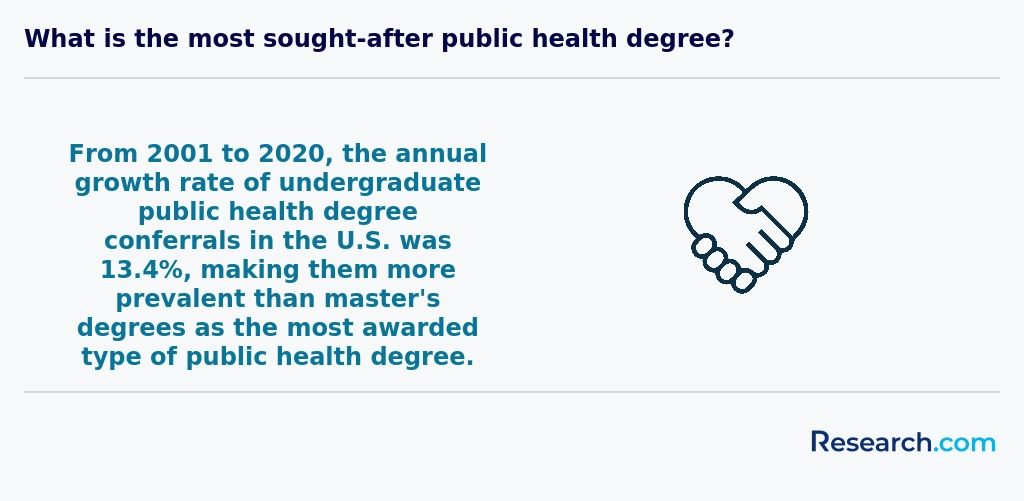
Students pursuing public health degrees in Honolulu, especially at the University of Hawai'i at Mānoa, find encouraging financial aid opportunities that make their educational dreams achievable. Many graduates recall how Pell Grants lifted a significant portion of their tuition burden, offering up to $7,395 annually without the stress of repayment. This federal support gives hope and stability, allowing them to focus on their studies and community impact.
State scholarships and grants from Hawai'i's Department of Education or Community Foundation are a beacon for local students passionate about improving healthcare in their communities. These funds often reward dedication and potential in public health, helping students turn ambition into action.
On campus, merit scholarships and graduate assistantships in the public health department create hands-on experiences, from research to teaching, while easing financial pressure. Many graduates describe this balance of learning and earning as empowering and rewarding.
Professional organizations like the American Public Health Association also inspire students by awarding scholarships that recognize both academic excellence and community involvement, fueling future leaders in Honolulu's health sector.
Prospective students aiming for a Public Health degree in Honolulu, HI, should plan their application at least six months before the desired start term to meet key deadlines and maximize funding opportunities. Most universities, including the University of Hawaii at Manoa and Chaminade University, open fall admission portals in August. Priority application deadlines typically fall in early December, with final deadlines in late January for fall entry and late June for spring entry. To streamline your submission, assemble the following components:
- Official transcripts (undergraduate and any graduate coursework)
- Standardized test scores (SAT/ACT for bachelor’s programs; GRE for master’s)
- Three letters of recommendation highlighting academic potential and community engagement
- A concise personal statement outlining career goals and public health interests
- An up-to-date resume or CV showcasing relevant internships, volunteer work, and leadership roles After submitting materials, monitor your applicant portal for interview invitations, which most programs conduct from January through March. Admitted students should confirm their enrollment by paying a non-refundable deposit-usually due in April for fall starters and August for spring-while submitting final transcripts. For those comparing program costs beyond Honolulu or seeking more budget-focused options, consider exploring the Most Affordable Public Health Degree Programs Ranking in Minnesota to inform your decision on value and ROI across regions. By adhering to these timelines and requirements, you’ll enhance your chances of acceptance and secure funding for your public health education.
Envision starting your journey toward a public health degree in Honolulu with the University of Hawaii at Manoa as your launching pad. Many graduates reflect on how meeting basic prerequisites opened doors to transformative experiences in this vibrant city. For undergraduate programs, a solid high school foundation in science and math-like biology and statistics-sets you up for success in understanding the core of public health challenges unique to Honolulu.
Graduate students often share how holding a bachelor's degree, especially in health or social sciences, combined with meaningful work or volunteer experiences in local health initiatives, made their applications stand out. Letters of recommendation and personal essays become powerful tools to tell your story and passion for serving diverse communities across the islands.
Many institutions require standardized test scores, though more programs are embracing test-optional paths-making this journey even more accessible. Imagine yourself thriving in a community that values your cultural competence and dedication to native and Pacific Islander health. These prerequisites aren't just hurdles, but stepping stones toward an inspiring career in public health right here in Honolulu.
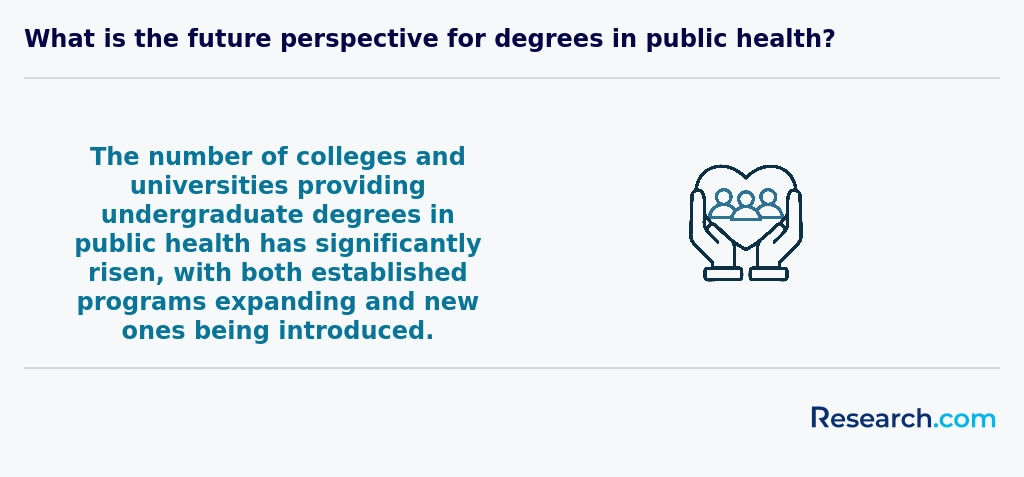
Beyond the rigorous academics and diverse career opportunities, the vibrant campus life in Honolulu plays a vital role in shaping a well-rounded public health professional. Students benefit from interactive seminars, club meetings, and community outreach events that foster collaboration and networking with renowned faculty and industry experts. Engaging in extracurricular activities not only bolsters resilience but also provides practical experiences that complement classroom learning. For instance, taking part in local community health fairs or volunteer projects helps students develop leadership skills while making meaningful contributions to society. Moreover, prospective students looking into public health can explore insights into the most affordable public health programs in hawaii, ensuring they find environments that balance academic excellence with an enriching student life. This supportive atmosphere is essential for establishing long-lasting professional relationships and building a network that enhances future career prospects.
Public health degree programs in Honolulu offer a vibrant curriculum that truly prepares students to make a difference in their communities. Graduates from universities like the University of Hawai'i appreciate courses in epidemiology, where they learn to track and control diseases within diverse populations-a crucial skill in Honolulu's unique urban setting.
Many recall how biostatistics equipped them to interpret health data effectively, turning numbers into life-changing decisions. Hands-on experience in environmental health classes shines a light on pressing local challenges, such as the impact of climate change and pollution on island ecosystems, inspiring students to become advocates for a healthier environment.
In courses like health policy and management, students feel empowered to influence public health laws, preparing for leadership roles that enrich Honolulu's health systems. Plus, the study of social and behavioral sciences reveals the profound effects of culture and behavior on wellbeing, making every lesson feel relevant and deeply connected to the community they serve.
Public health degree specializations in Honolulu offer inspiring paths tailored to the unique health needs of island and urban communities. Students at popular universities in Honolulu often choose from fields like Community Health, where they design impactful programs to uplift diverse local populations. Environmental Health is another vital area, teaching students how to tackle challenges such as climate change and natural disasters that directly affect Hawaii's wellbeing. Graduates frequently share how the hands-on experiences in these programs made their education deeply rewarding and relevant.
Top public health programs Honolulu specializations also include Health Policy and Management, preparing students to lead and influence policies that shape healthcare delivery statewide. Global Health reflects Honolulu's important role as a Pacific hub, emphasizing cross-border health equity and disaster response. Many find Epidemiology exciting too, with its focus on disease patterns critical for protecting Hawaii's communities. For those aiming to understand career possibilities, exploring master of public health mph degree career options provides valuable insights.
Choosing the best public health degree in Honolulu means focusing on programs that combine strong accreditation with meaningful local impact. Graduates from the University of Hawaii at Manoa often highlight how their hands-on experiences with the Hawaii State Department of Health deepened their understanding of community health challenges specific to Native Hawaiians and Pacific Islanders. These real-world connections inspire confidence and ignite passion for public service.
When exploring affordable public health programs Honolulu offers, consider tuition alongside practical training opportunities. Many students appreciate how the competitive costs at local institutions balance with rich internship placements, preparing them for vibrant careers in epidemiology or health policy.
Look for programs that embrace flexibility through part-time and hybrid options, enabling you to pursue education while managing work or family commitments. By choosing courses aligned with your passion for tackling infectious diseases or chronic conditions, you can create a fulfilling path.
For those seeking the ideal blend of quality and value, the Most Affordable Public Health Degree Programs Ranking in Minnesota offers insights to inform your search and spark your journey toward making a difference.

Graduates with a public health degree in Honolulu discover a wealth of inspiring career paths shaped by the city's vibrant, multicultural community and unique health priorities. Many find rewarding roles within the Hawaii State Department of Health, where they apply skills in epidemiology and environmental health to safeguard residents from infectious diseases and promote wellness. Working in local and state government offers the chance to make a tangible impact, protecting public health every day.
Others flourish in Honolulu's healthcare institutions, from hospitals to nonprofit organizations, stepping into dynamic positions such as health educators, policy analysts, or program coordinators. These roles allow graduates to develop and launch initiatives that uplift community health. For example, alumni from popular public health programs at the University of Hawaii at Manoa often highlight how their education prepared them to address challenges like chronic illness and health disparities using practical, real-world solutions.
Tourism's influence on public health in Honolulu opens career opportunities focusing on sanitation, safety, and outbreak prevention for visitors and locals alike. This diversity of job opportunities makes public health careers in Honolulu both exciting and impactful. Prospective students interested in fast-tracking their journey might explore a 1 year master program, allowing them to quickly join this vital workforce.
The public health job opportunities in Honolulu are vibrant and growing, powered by the city's commitment to addressing unique local health challenges. Graduates from well-known Honolulu universities often step into roles with key employers like the Hawaii State Department of Health and community organizations focused on Native Hawaiian wellness. These professionals thrive by applying skills learned through hands-on projects, such as organizing health education campaigns to tackle chronic diseases prevalent in Hawaii.
For many graduates, the Honolulu public health career outlook is bright as demand grows for experts in health promotion and policy analysis. The city's strong emphasis on emergency preparedness and infectious disease control creates meaningful prospects. Students participating in internships at local nonprofits often speak about the rewarding experience of impacting their communities directly.
Choosing a public health degree in Honolulu means engaging with a community that values culturally informed care and practical intervention strategies. Exploring options at established institutions and pairing that education with real-world experience can open doors. If you want flexible learning options, consider exploring online college enrollment to complement your studies and career goals.
2027 Best Public Health Degree Programs Ranking in Honolulu
Investing in your education is a significant decision that can shape your future, and the Research.com team understands the importance of making informed choices. To assist prospective students in Honolulu, we have meticulously crafted the "2027 Best Public Health Degree Programs Ranking in Honolulu." Our commitment to quality, credibility, and accuracy is reflected in the extensive research and analysis conducted to compile this ranking.
We utilized the following reputable data sources to ensure a comprehensive evaluation of public health programs:
By exploring this ranking, readers will gain valuable insights into the best public health degree programs available in Honolulu, helping them make informed decisions about their educational paths. For more details on our methodology, please visit our Research.com methodology page.


Frequently Asked Questions About public health
Students pursuing public health degrees in Honolulu can enhance their education by engaging with local health organizations, including the Hawai'i Department of Health. Practical experience through internships or volunteer work in Honolulu's diverse communities is invaluable, as it allows students to apply classroom knowledge to real-world challenges. According to recent data from the Centers for Disease Control and Prevention, Hawaii's unique public health profile, including higher rates of certain chronic diseases, offers rich opportunities for localized research and intervention.
Networking with professionals through community health events and seminars organized by institutions like the University of Hawai'i can deepen understanding of regional health issues. Additionally, leveraging Honolulu's strong focus on indigenous and multicultural health perspectives prepares students for culturally competent public health practice.
The field of public health is rapidly evolving, with several emerging niches gaining attention in Honolulu and across the US. One key area is environmental health, focusing on the unique challenges of island ecosystems, including climate change and marine conservation. Another growing niche is health informatics, where professionals leverage data analytics to improve community health outcomes.
Additionally, behavioral and mental health is becoming a priority due to increasing awareness of mental wellness in diverse populations. Indigenous health is also a critical focus in Hawaii, addressing disparities faced by Native Hawaiian communities, supported by initiatives outlined by the Hawaii State Department of Health.
After completing a public health degree in Honolulu, it is essential to build professional experience through internships or volunteer work with local health organizations such as the Hawaii Department of Health. These opportunities provide practical skills and valuable networking contacts.
Certification can enhance job prospects; for example, the Certified in Public Health (CPH) credential is recognized nationally and supports career advancement. Understanding Hawaii's specific public health challenges, including high rates of chronic disease and health disparities among Native Hawaiian populations, makes candidates more competitive.
Job seekers should also develop skills in data analysis and grant writing, frequently requested in local public health roles. According to the U.S. Bureau of Labor Statistics, employment for health educators in Honolulu is projected to grow, reflecting ongoing community health needs.
Employers in Honolulu's public health sector prioritize a mix of technical and interpersonal skills in graduates. Analytical abilities, particularly in data interpretation and epidemiology, are essential due to Hawaii's diverse population and unique health challenges, such as infectious diseases and chronic conditions. According to the Hawaii Department of Health, skills in health policy analysis and community outreach are also highly valued.
Communication skills, both written and verbal, are crucial as professionals often collaborate with local communities and government agencies. Cultural competence stands out as a key skill because of Honolulu's multiethnic environment, requiring sensitivity to varied health beliefs and practices. Additionally, familiarity with health informatics and program management enhances job prospects in this competitive local market.
Finding internships in Honolulu relevant to a public health degree involves exploring opportunities with local health departments, hospitals, and nonprofit organizations. The Hawai'i State Department of Health often offers internships that provide hands-on experience in community health and epidemiology. Additionally, the University of Hawai'i at Mānoa School of Public Health collaborates with various agencies, creating internship placements for students.
The city's unique health challenges, such as addressing high rates of diabetes and cardiovascular diseases among Native Hawaiians, make internships here particularly impactful. Websites like Handshake or the Career Development Center at UH Mānoa are valuable resources for current listings. Networking through local public health events can also open doors.
A public health degree in Honolulu significantly enhances career mobility and advancement opportunities within the region. Honolulu, as the hub of Hawaii's healthcare and public health infrastructure, offers graduates access to diverse roles in government agencies, hospitals, nonprofits, and research institutions.
According to the Hawaii Department of Health, the demand for qualified public health professionals is growing by approximately 5% annually, reflecting increased focus on community health programs and disease prevention. Graduates with a degree often qualify for positions such as epidemiologists, health educators, and policy analysts, roles that frequently require specialized education.
The University of Hawaii at Manoa, the primary public health education provider in Honolulu, supports strong local networks connecting students with internships and public health employers. This connection fosters career advancement through practical experience and professional contacts.
Studying for a public health degree in Honolulu equips students to work across multiple disciplines by providing a broad-based education rooted in the complexities of local and global health issues. Programs often emphasize collaboration among fields such as epidemiology, environmental health, health policy, and social sciences. This interdisciplinary approach reflects the diverse health challenges faced in Hawaii, including chronic disease management and infectious disease control, as reported by the Hawaii Department of Health.
Students gain practical experience through community-based projects and partnerships with organizations like the University of Hawaii's Cancer Center, enhancing teamwork and problem-solving skills. According to recent data, Hawaii's unique multicultural population requires public health professionals to integrate cultural competency with scientific knowledge.
Such education prepares graduates to engage effectively with health departments, non-profits, and healthcare systems, fostering leadership in complex, interconnected public health roles.
When choosing between a thesis and a non-thesis public health degree program in Honolulu, consider your career goals and learning preferences. A thesis program emphasizes research, requiring original investigation and a written document. It is ideal for those aiming for a PhD or research-focused roles. Non-thesis options prioritize practical skills with additional coursework or internships, suited for professionals seeking direct public health practice.
The University of Hawaii at Manoa, Honolulu's main public health institution, offers both tracks. Hawaii's unique health challenges-such as higher chronic disease rates-make applied experience valuable. The choice depends on whether you prefer research or hands-on work. The National Center for Health Statistics reports strong demand for public health practitioners in Hawaii, supporting diverse program needs.
Students in Honolulu interested in pursuing public health degrees abroad have a few practical options through U.S. institutions offering global study opportunities. Many universities with public health programs partner with international schools for exchange programs, allowing students to gain hands-on experience in global health challenges while earning credits toward their U.S. degree.
Programs such as those supported by the Council on Education for Public Health (CEPH) often include study abroad components in countries like the United Kingdom, Australia, and Canada. These experiences broaden students' understanding of public health systems worldwide.
Additionally, Honolulu-based students can explore online public health degrees with international focus or complete internships at global health organizations through their home institutions.
Students pursuing public health degrees in Honolulu can benefit from part-time jobs that provide practical experience alongside their studies. Opportunities include working as community health workers, assisting local non-profits focused on health education and disease prevention. According to the Hawaii Department of Health, roles supporting vaccination campaigns and health outreach are in demand.
Healthcare facilities such as The Queen's Medical Center often offer part-time positions for health aides or administrative assistants, allowing students to gain exposure to healthcare systems.
Additionally, roles in data collection and analysis for public health research projects at institutions like the University of Hawaii provide valuable skills. These jobs complement academic learning by enhancing understanding of health trends and community needs in Honolulu.
Public health students in Honolulu benefit from a variety of networking opportunities that connect them with local professionals and organizations. The University of Hawaii at Mānoa, which offers public health programs, often hosts events and seminars featuring experts in fields such as epidemiology and community health. Additionally, students can engage with the Hawaii Public Health Association, a prominent regional organization promoting collaboration among public health practitioners across the state.
Internships and practicum placements provide essential real-world experience, often within the Hawaii Department of Health or local nonprofits. These experiences allow students to build contacts within the island's health sector. According to the Hawaii State Department of Health, over 30% of public health jobs are linked through these professional networks.
Local conferences and workshops further enhance opportunities by fostering connections between students and public health leaders in Honolulu and beyond.
Alumni networks offer valuable support to public health degree students in Honolulu by providing direct access to a community of professionals experienced in the local health landscape. These networks facilitate mentorship, career advice, and job placement opportunities within Hawaii's unique healthcare environment.
Due to Honolulu's distinct public health challenges, such as higher rates of certain chronic diseases and emphasis on indigenous health, connections through alumni can help students navigate these specific issues effectively. According to the Hawaii Public Health Association, strong alumni engagement correlates with increased internship and employment rates for recent graduates.
Networking events and alumni-led workshops organized by local universities strengthen professional bonds and contribute to lifelong collaboration in public health initiatives across the islands.
Customizing a public health degree program in Honolulu allows students to align their education with career goals in areas like epidemiology, health policy, or community health. Many universities offer flexible electives and concentrations to tailor learning experiences. For example, students can focus on Native Hawaiian health disparities, a crucial regional public health concern highlighted by the Hawai'i State Department of Health.
Internships and practicum placements with Honolulu's public health agencies provide hands-on experience in local health challenges such as infectious disease prevention and chronic disease management. This practice-based learning enhances professional skills and networks.
Students may also choose part-time or online course options to balance education with work commitments, making it easier to specialize while maintaining career progress. According to the U.S. Bureau of Labor Statistics, such practical flexibility supports stronger employment outcomes in the field.
Public health students in Honolulu often face unique challenges related to geographic isolation. Being on an island limits access to a wide range of internship opportunities compared to mainland cities. According to the Hawaii State Department of Health, local agencies offer some placements, but competition is high. Additionally, the cost of living in Honolulu is among the highest in the United States, which creates financial strain for many students balancing tuition and daily expenses.
Another challenge is addressing the diverse and distinct health issues prevalent in Hawaii, including high rates of diabetes and obesity among Native Hawaiian communities (Hawaii Health Data Warehouse, 2023). Students must gain specialized cultural competence to work effectively in local settings. Finally, limited public transportation options can affect students' ability to commute to campus and fieldwork sites.
With a public health degree in Honolulu, you can pursue several professional certifications to enhance your career prospects. The most recognized is the Certified in Public Health (CPH) credential offered by the National Board of Public Health Examiners. This certification demonstrates mastery of key public health knowledge and competence.
Another option is the Certified Health Education Specialist (CHES) credential from the National Commission for Health Education Credentialing, valuable for roles focused on community health promotion.
Additionally, professionals may seek certification in epidemiology, health administration, or environmental health, depending on their specialization. These certifications often require relevant work experience and passing an exam.
Local Honolulu data from the Hawaii State Department of Health shows growing demand for certified public health professionals, reflecting statewide health initiatives, including disease prevention and emergency preparedness programs.
Writing a winning application for a public health program in Honolulu requires clear focus and attention to local health priorities. Applicants should highlight their understanding of Hawaii's unique public health challenges, such as addressing Native Hawaiian health disparities and infectious disease prevention, which are emphasized in programs like those at the University of Hawaiʻi. Demonstrating relevant experience, whether through internships, volunteer work, or employment in local health agencies, strengthens an application.
Strong academic records in science and social science courses are essential. Also, craft a compelling personal statement explaining your commitment to improving community health in Honolulu. Including references from professionals familiar with your work in public or community health is highly beneficial. According to University of Hawaiʻi data, applicants with well-documented community engagement have a higher acceptance rate.
Public health careers carry a significant global focus, as health challenges cross international borders. Professionals trained in Honolulu benefit from understanding worldwide health trends while addressing local concerns such as infectious disease control and health disparities among Pacific Island populations.
Globally, public health emphasizes disease prevention, health promotion, and policy development-skills reflected in U.S. programs accredited by the Council on Education for Public Health (CEPH). Graduates often engage with international organizations like the World Health Organization or Centers for Disease Control and Prevention (CDC), which support global responses to pandemics and chronic diseases.
According to the Hawaii State Department of Health, Honolulu's diverse population highlights the importance of culturally competent public health practices, aligning with global calls for equity in healthcare delivery. This makes a degree relevant both in local contexts and abroad.
Gaining practical experience is essential when studying for a public health degree in Honolulu. Many local universities partner with community organizations, healthcare providers, and government agencies to offer internships and fieldwork opportunities. For instance, students can engage with the Hawaii Department of Health, which often provides placements related to epidemiology, health promotion, and environmental health.
Additionally, Honolulu's unique population and health challenges, such as high rates of diabetes and cardiovascular disease, offer valuable real-world contexts for applied learning. Hands-on projects in these areas help students develop relevant skills and networks. According to the Hawaii Public Health Association, nearly 60% of public health students in Honolulu participate in internships or practicums as part of their degree requirements.
Choosing the right concentration within a public health degree program in Honolulu involves assessing local health needs and personal career goals. Honolulu faces unique challenges like high rates of diabetes and cardiovascular diseases, so concentrations in epidemiology, chronic disease prevention, or community health may be highly relevant. According to the Hawaii State Department of Health, focusing on these areas could increase job prospects locally.
Consider your interests in research, policy, or direct community engagement, as programs often offer tracks like health policy, environmental health, or global health. Review curriculum details and speak with advisors to align with workforce demands in Hawaii's public health sector.
- 2027 Best Public Health Degree Programs Ranking in San Francisco
- 2027 Best Public Health Degree Programs Ranking in Berkeley
- 2027 Best Public Health Degree Programs Ranking in Corvallis
- 2027 Best Public Health Degree Programs Ranking in Los Angeles
- 2027 Best Public Health Degree Programs Ranking in Irvine
- 2027 Best Public Health Degree Programs Ranking in Portland
- 2027 Best Public Health Degree Programs Ranking in La Jolla
- 2027 Best Public Health Degree Programs Ranking in San Diego
- 2027 Best Public Health Degree Programs Ranking in Seattle
- 2027 Best Public Health Degree Programs Ranking in Anchorage
- What Can You Do With a Public Health Degree? https://www.publichealthdegrees.org/careers/what-can-you-do-with-public-health-degree/
- Public Health Challenges – IPA SDG Dashboard https://sdg.internationalpublishers.org/sdgaction/public-health-challenges/
- Areas in Public Health https://www.publichealthcareers.org/areas-in-public-health.html
- 5 Internships for a Master’s in Public Health Student - Healthcare Administration Degree Programs https://www.healthcare-administration-degree.net/lists/5-internships-for-a-masters-in-public-health-student/
- Dive deeper into public health topics. https://www.apha.org/topics-and-issues
- Work Experience Opportunities - Everyone Health Careers https://careerseveryonehealth.co.uk/work-experience/
- The Interdisciplinary Nature of Public Health https://www.cune.edu/news/interdisciplinary-nature-public-health
- Public Health - SUM Admission https://admission.sum.edu.pl/public-health/
- New Professionals - Ontario Public Health Association https://opha.on.ca/new-professionals/
- Public Health: A Global Perspective https://www.routledge.com/Public-Health-A-Global-Perspective/Singh/p/book/9781032644226











