2027 Best Public Health Degree Programs Ranking in Anchorage

Co-Founder and Chief Data Scientist
Choosing the right public health degree program in Anchorage can feel overwhelming. To help you navigate this important decision, this article presents the 2027 Best Public Health Degree Programs Ranking in Anchorage. Developed by the Research.com team of data scientists, the ranking offers clear insights based on thorough data analysis.
Whether you're starting your educational journey or seeking to advance your career, understanding which programs stand out is invaluable. Pursuing a public health degree opens doors to meaningful work that impacts communities. This guide encourages you to explore options confidently and take steps toward a rewarding future.
Key benefits of getting public health degree in Anchorage
- Salary for public health degree graduates: Graduates in Anchorage can expect competitive wages, such as Medical Assistants earning about $43,350 annually and Environmental Health Specialists making around $86,710, offering financial stability and growth.
- Career paths: A graduate from the University of Alaska Anchorage often finds opportunities in roles like Community Health Workers or Occupational Health Specialists, reflecting diverse public health applications to impact the local community positively.
- Online degree benefits: Choosing an online public health degree from UAA allows for flexible study schedules that fit personal commitments while gaining credentials that support career advancement without relocating or interrupting work.
- 2027 Best Public Health Degree Programs Ranking in Anchorage
- What can I expect from public health degree in Anchorage?
- Where can I work with public health degree in Anchorage?
What can I expect from public health degree in Anchorage?
The average cost of pursuing a public health degree in Anchorage can vary, but students often find it to be a worthwhile investment given the rich, hands-on learning experiences available. At the University of Alaska Anchorage, tuition for in-state students is typically more affordable than many continental U.S. programs, making it accessible for local residents eager to explore issues unique to their communities.
Graduates recall the balance between classroom theory and impactful fieldwork-internships with organizations like the Alaska Native Tribal Health Consortium often add tremendous value beyond tuition fees. These real-world experiences create meaningful opportunities that fuel their passion for addressing chronic diseases or rural health disparities across Alaska's vast landscape.
While the sticker price might seem modest compared to other public health programs nationwide, students appreciate how each dollar invested opens doors to specialized knowledge tailored to the Arctic environment and indigenous populations. This strategic focus transforms the learning journey into a deeply personal and adventurous pathway toward becoming a regional health leader.
Where can I work with public health degree in Anchorage?
Graduates with a public health degree in Anchorage find themselves stepping into dynamic roles that truly make a difference. Many land opportunities at the Alaska Department of Health and Social Services (DHSS), tackling real challenges like infectious diseases and substance abuse, directly impacting communities across the state. Imagine collaborating on programs that uplift maternal-child health-an exciting real-world adventure for any public health professional.
Others join major healthcare hubs such as Providence Alaska Medical Center or the Alaska Native Medical Center, where they shape population health initiatives that serve both urban and indigenous populations. Those who studied at local institutions like the University of Alaska Anchorage often share how internships here gave them hands-on experiences in diverse healthcare settings, boosting confidence and sparking passion.
Nonprofits and schools also beckon, offering roles in health education and program management. Private companies in sectors like oil and tourism seek professionals skilled in workplace health and emergency preparedness, broadening career paths. Anchorage's unique mix of urban life and rich indigenous culture makes every job feel like an exploration-full of purpose and new learning every day.
Graduates from Anchorage's public health programs often find rewarding salary prospects that reflect their dedication and community impact. For example, a recent graduate working as a community health worker typically earns around $52,610 annually, providing grassroots support in neighborhoods across Alaska's largest city.
Those stepping into roles as health educators-many of whom trained at local campuses like the University of Alaska Anchorage-can expect about $69,790 a year. This salary fits perfectly for graduates who thrive on educating diverse populations about health and wellness.
If you're drawn to more specialized roles, environmental health specialists in Anchorage make an average of $86,710 yearly, combining outdoor work with impactful research to protect public well-being. Occupational health and safety specialists earn similarly strong salaries, approximately $85,570, ensuring workplaces meet crucial health standards.
These earning figures excite graduates who see each paycheck as a step toward making a tangible difference in the community, matched by the rewarding challenge of public health careers in a city full of opportunity and adventure.
- The University of Alaska Anchorage offers undergraduate and graduate public health degrees following nationwide curriculum standards.
- In-state tuition costs range from $8,000 to $10,000 per year, while out-of-state students pay over $18,000 annually as of 2023-2024.
- Entry-level salaries for public health graduates in Anchorage average between $45,000 and $55,000 yearly, with mid-career earnings from $70,000 to $85,000.
- Anchorage's job market for public health professionals is supported by local institutions like the Alaska Department of Health and Social Services and shows steady growth rates of 5-7% over the next decade.
- Internships and community projects focus on rural health disparities, indigenous health, and environmental health challenges specific to Alaska's geography.
Embarking on a journey to complete a public health degree in Anchorage often means embracing a timeline that matches your pace and lifestyle. Many students pursuing an associate degree at local community colleges find themselves immersed for about two years, diving into roughly 60 credit hours that set a solid base for future growth.
Meanwhile, those enrolling full-time at Anchorage's universities typically dedicate around four years to earn their bachelor's degree, balancing core public health courses with electives that spark their curiosity. Graduates often share how this blend of rigorous academics and real-world experiences helped them envision impactful careers in their hometowns.
For the adventurous spirits aiming higher, a Master of Public Health (MPH) program near Anchorage usually unfolds over two years. Some students, juggling careers and family, choose extended or accelerated paths, marveling at the program's flexibility and how it fits into their busy lives.
These timelines are not rigid but an open compass, allowing you to navigate your public health education while embracing Anchorage's vibrant community and opportunities.
Imagine walking the lively halls of a university in Anchorage, where on-campus public health students eagerly exchange ideas after lectures and dive into hands-on projects with local health authorities like the Municipality of Anchorage's Public Health Division. Here, the energy of face-to-face connections sparks meaningful relationships and real-world practice, making the classroom feel vibrant and deeply connected to community health challenges.
In contrast, online learners explore public health from their living rooms, striking a balance between study, work, and family life. These students appreciate the freedom to set their own schedules, tackling courses asynchronously while tapping into a broad network that spans across the country. Alaska's vast distances make this flexibility a game-changer, with CEPH-accredited programs ensuring quality remains high despite the physical distance.
Graduates from both paths share excitement about their journeys-on-campus students fondly recall hands-on fieldwork experiences, while online peers celebrate mastering time management and accessing diverse perspectives. Whether it's the bustling campus vibe or the self-paced adventure from home, Anchorage's public health degrees offer dynamic routes to making a local or global impact.
For those curious about the average public health degree cost Anchorage students face, the numbers provide a clear and inviting picture. At the University of Alaska Anchorage, a top choice for many public health aspirants, in-state students typically invest around $7,738 in total tuition for their degree. This affordability opens doors for ambitious individuals eager to dive into community health initiatives or research projects without the heavy burden of excessive expenses.
Imagine a graduate enthusiastically describing their journey through UAA's public health program - balancing studies with local volunteer work, all while managing costs that remain reasonable compared to other regions. The overall experience feels rewarding, not just academically but also financially, since many have access to scholarships and federal aid, making the total cost of public health degree in Anchorage much easier to manage.
Out-of-state students, while often facing higher tuition, find that Anchorage's programs hold strong value considering the quality and reputation. The moderate living expenses compared to bigger cities add an extra layer of relief. In the same breath, it's worth noting the vibrant possibilities across Alaska's educational landscape, where students can even cross-reference options with nearby fields-for example, exploring nursing programs in Georgia to compare paths.
Ultimately, obtaining a public health degree here means stepping into a world where costs and quality align, inviting you to explore public health in a community-focused setting without draining your resources.
In Anchorage, AK, the Master of Public Health (MPH) is an advanced degree designed to equip professionals with the skills to assess community health needs, design evidence-based interventions, and influence policy. By studying core disciplines-epidemiology, biostatistics, environmental health, and health policy-MPH graduates become leaders in both public and private health sectors. Key benefits of earning an MPH:
- Strategic leadership: develop program planning and management expertise to oversee health initiatives.
- Data-driven decision-making: gain proficiency in quantitative methods to analyze trends and allocate resources effectively.
- Specialized concentrations: choose tracks such as global health, health equity, or emergency preparedness to align with your career goals. Career trajectories post-MPH often include roles as epidemiologists, public health program directors, and policy analysts, each offering competitive salaries and increased responsibility. For an in-depth look at occupational pathways, explore our master of public health mph degree career options guide. Many alumni highlight how practicum placements with agencies like the Alaska Department of Health and Social Services fast-tracked their professional networks and real-world impact. Anchorage’s MPH programs blend flexible online coursework with hands-on community projects, ensuring graduates are prepared to tackle local health disparities and global challenges. Whether your passion lies in outbreak investigation or health policy advocacy, an MPH provides the rigorous training and practical experiences needed to improve population health outcomes in Alaska and beyond.
Diving into a public health degree in Anchorage opens up a treasure trove of financial aid possibilities that can make your journey smoother and more exciting. Imagine attending the University of Alaska Anchorage and discovering you qualify for the Pell Grant-this federal gift can cover up to $7,395 a year with no strings attached, lifting a huge weight off your shoulders.
Many graduates recall how Federal Direct Loans offered them manageable repayment plans that felt like a safety net, while work-study gigs on campus doubled as networking goldmines, blending income with experience.
Beyond federal aid, Alaska's Performance Scholarship felt like a personal cheerleader, rewarding their academic efforts with up to $4,755 annually. Paired with need-based Alaska Education Grants, these options create a supportive financial ecosystem tailored for those committed to public health in this rugged, inspiring state.
Plus, local scholarships from community groups and institutions often surprise students, as does employer tuition assistance, especially for those already working in health sectors around Anchorage, making educational dreams more tangible every day.
When budget considerations are paramount, exploring regional alternatives can reveal significantly lower tuition rates without sacrificing program quality. While in-state tuition at the University of Alaska Anchorage averages around $11,200 per year for undergraduates, prospective students might consider neighboring states with more competitive pricing. For example, some bachelor’s and master’s programs in New Mexico offer annual tuition under $8,000, making them standout choices for cost‐conscious learners. To compare detailed rankings on affordability and quality, see the Inexpensive Public Health Degree Programs Ranking in New Mexico. Key factors to weigh when comparing programs: • Tuition and fees per credit hour • Availability of in-state or reciprocity tuition waivers • Online vs. on-campus cost differentials • Scholarship and grant opportunities specific to each state By balancing program reputation, accreditation, and total cost of attendance, students can identify a public health degree pathway that aligns with both their financial and career goals.
For undergraduates, a solid high school diploma with good grades in science, math, and English sets the stage for success. These foundational skills help students engage deeply with topics like infectious diseases affecting Alaskan villages and urban health concerns in Anchorage itself.
Graduate programs, like the MPH offered by local colleges, usually require a bachelor's degree, often favoring those with health-related coursework or relevant experience. Many alumni fondly share how submitting a personal statement expressing their passion for rural health sparked meaningful conversations with admissions committees.
Additional prerequisites such as a GPA around 3.0, letters of recommendation, and volunteer experience in health settings reflect a student's readiness and commitment, adding color and depth to their academic journey in Anchorage's public health landscape.

Prospective students not only seek outstanding programs but also want to know about the academic environment and faculty expertise available at Anchorage’s public health institutions. Faculty members are often leaders in their fields, bringing a wealth of real-world experience and research insights to the classroom. Many instructors have extensive experience working with local and national health agencies, providing students with current perspectives on pressing public health issues. This strong academic mentorship is supported by modern research facilities, comprehensive libraries, and dedicated career advising centers that help guide students from the classroom to real-world public health initiatives. Institutions in Anchorage also foster collaborative research by working closely with local healthcare providers and government agencies, giving students unique opportunities to engage in community-based projects and hands-on research. This environment not only enriches classroom learning but also builds the foundation for long-term career success. If you're evaluating opportunities, you might want to review the most affordable public health schools in alaska to compare how these academic resources enhance learning outcomes while ensuring value for your investment. By focusing on faculty excellence and robust academic support services, Anchorage’s institutions prepare graduates to be effective public health professionals, equipped to tackle both local and global health challenges.
Diving into a public health degree at Anchorage's top colleges means embracing courses that feel like an adventurous journey through health and community. Graduates often share how Introduction to Epidemiology opened their eyes to tracking diseases spread in Alaska's unique environments-from remote villages to bustling urban centers.
Hands-on Biostatistics classes quickly turn daunting numbers into valuable insights, empowering students to analyze real health data affecting their neighbors' lives. Environmental Health sparks curiosity about the air we breathe and water we drink, a vivid subject in Anchorage where nature plays a starring role in wellbeing.
Health Policy and Management courses challenge students to envision shaping the future of local healthcare systems, inspiring feelings of empowerment and leadership. Many appreciate how Social and Behavioral Sciences explore vibrant Alaska Native communities, deepening empathy and cultural respect.
Finally, practical internships anchor learning in real-world settings, letting students apply their passion for health promotion and disease prevention in the heart of Anchorage's diverse population, making every lesson feel alive and urgent.

Students diving into a public health degree in Anchorage often find themselves drawn to exciting specializations that reflect the unique challenges and opportunities of the region. Many choose epidemiology to explore disease patterns up close, gaining skills to track outbreaks critical for Alaska's diverse communities. Graduates from the University of Alaska Anchorage describe the thrill of applying their learning to real-life public health issues shaped by Alaska's environment.
Others are captivated by environmental health, where the state's ecosystems become a living classroom. Here, students study how pollution and natural resource management impact wellness, blending fieldwork with academic rigor. This specialization is a favorite among those passionate about preserving Alaska's natural beauty while protecting human health.
Anchorage public health program concentrations also include health policy and management, equipping students with leadership skills to improve healthcare across vast, rural areas-skills that graduates often use to bring fresh solutions to complex access challenges. Finally, many explore community health, focusing on culturally sensitive outreach to support underserved groups. For those looking into the APRN licensure process, these specializations provide a rich foundation practical for diverse career paths.
Choosing the best public health degree in Anchorage means diving into programs that truly reflect the unique challenges of Alaska. Graduates often celebrate how the University of Alaska Anchorage's MPH program connects classroom lessons to real-life issues like rural healthcare and indigenous communities, making education feel immediately relevant and inspiring. It's an exciting journey when you see theory come alive through local internship opportunities with health departments, sharpening skills while making a direct impact.
You'll want to ensure your chosen program holds respected accreditation such as CEPH, which past students say helped unlock financial aid and solid job prospects in Anchorage's public health sector. Affordable public health degrees Anchorage residents appreciate often come with part-time, evening, or online classes-flexibility many working professionals find essential.
By seeking programs with strong alumni networks and hands-on experiences, you open doors to meaningful careers in this field. Plus, exploring options like medical assistant programs online NC can expand your healthcare skill set and opportunities beyond local boundaries.

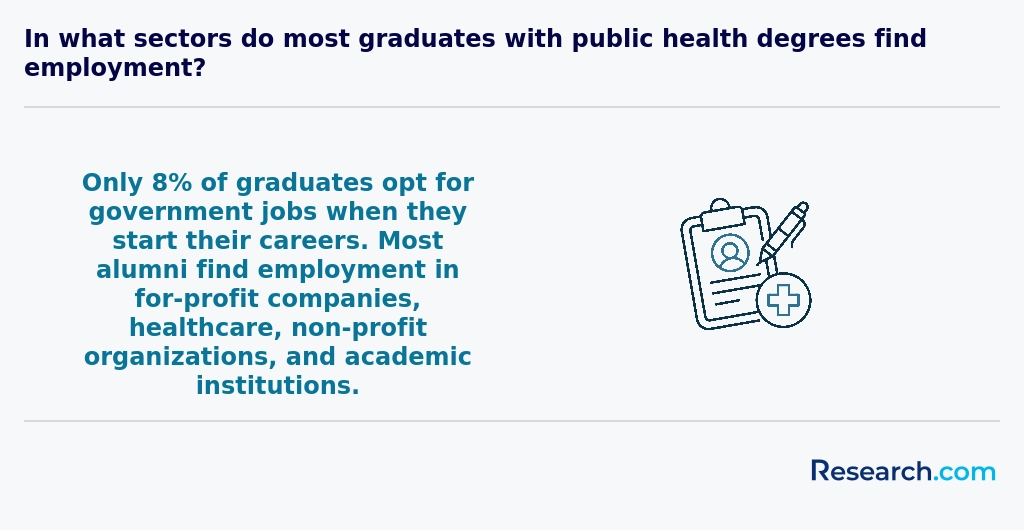
Graduates with a public health degree in Anchorage find themselves stepping into dynamic roles that shape the health landscape of Alaska's unique communities. Many dive into government agencies, working on programs focused on rural and indigenous health, offering a rewarding chance to make a real difference in culturally rich and remote areas. Others join healthcare organizations, tackling pressing issues like chronic diseases that affect local populations, bringing education and prevention strategies to hospitals and clinics.
Anchorage public health degree job prospects also extend to nonprofits, where graduates engage with groups dedicated to mental health and tribal health initiatives-roles filled with heartfelt community interaction and meaningful program development. Those attracted to academia or research find the University of Alaska Anchorage an inspiring hub for advancing public health knowledge through active community projects, feeling the thrill of discovery and contribution.
Exploring public health career opportunities in Anchorage means embracing a diverse path filled with possibilities. Many students from local programs celebrate the balance between practical experience and adventurous professional growth. For those deciding on programs, it's worth checking out accredited lpn programs Delaware alongside local options to find the perfect fit.

The public health job market Anchorage offers a fascinating blend of opportunities shaped by the city's unique environment and robust healthcare infrastructure. Graduates from popular universities and colleges in Anchorage often find themselves energized by roles in government agencies or community health organizations where they actively engage in disease prevention and emergency preparedness. Imagine working alongside teams at the Alaska Department of Health or within municipal programs, tackling health risks specific to Alaska's diverse population.
Many recent graduates speak enthusiastically about their experiences collaborating with hospitals like Providence Alaska Medical Center. These institutions require skilled public health workers for data analysis and program management, bringing theory from the classroom to life through impactful community health initiatives. Students exploring Anchorage public health career opportunities often appreciate how their Master of Public Health degrees open doors to these exciting fields.
For those considering academic paths, it's worth noting how the local landscape shapes the costs and returns of public health education. Navigating tuition expenses alongside job prospects makes Anchorage an intriguing place for students. If you're curious about career satisfaction related to health roles, you might find insights by comparing this field to other healthcare professions like medical assisting, which rank highly in medical assistant job satisfaction NC.
2027 Best Public Health Degree Programs Ranking in Anchorage
Investing in your education is a significant decision that can shape your future, and the Research.com team understands the importance of making informed choices. To assist prospective students in Anchorage, we have meticulously crafted the "2027 Best Public Health Degree Programs Ranking in Anchorage." Our commitment to quality, credibility, and accuracy is reflected in the extensive research and analysis conducted to compile this ranking.
We utilized the following reputable data sources to ensure a comprehensive evaluation of public health degree programs:
By exploring this ranking, readers will gain valuable insights into the best public health degree programs available in Anchorage, helping them make informed decisions about their educational paths. For more details on our methodology, please visit our Research.com methodology page.


Frequently Asked Questions About public health
Public health degree students in Anchorage can enhance their learning by engaging with local health organizations such as the Anchorage Community Health Center. These partnerships offer valuable internships and community-based research projects, which are crucial for practical experience. According to the Alaska Department of Health and Social Services, Anchorage has diverse public health challenges, including addressing rural health disparities and substance abuse, providing real-world case studies for students.
Students should also utilize resources at the University of Alaska Anchorage, which offers access to experienced faculty and specialized courses tailored to Alaska's unique population. Networking events and public health conferences held locally help students connect with professionals and stay updated on regional health trends.
Emerging niches in the public health field reflect Alaska's unique environment and population needs. One rapidly growing area is rural and Indigenous health, focusing on improving access and outcomes for Alaska Native communities. This specialty addresses health disparities through culturally sensitive programs.
Environmental health is another key niche, given Anchorage's exposure to climate change effects and natural resource challenges. Specialists in this field study how environmental factors impact community well-being.
Behavioral health, particularly mental health and substance abuse prevention, is expanding due to local public health concerns highlighted by the Alaska Department of Health.
Data analytics and health informatics also play a vital role, supporting decision-making with real-time data to handle Alaska's public health challenges effectively.
Preparing for the job market after completing a public health degree in Anchorage involves several strategic steps. First, gaining practical experience through internships or volunteer positions with local health organizations, like the Anchorage Health Department, enhances employability. According to the Alaska Department of Labor, the demand for public health professionals in Anchorage is expected to grow by 10% through 2030.
Networking with professionals via local public health events or professional associations such as the Alaska Public Health Association can provide valuable job leads. Additionally, obtaining relevant certifications, for example in epidemiology or health education, often improves hiring prospects. Staying informed about regional health issues, like infectious disease control and rural health access, is also essential in Anchorage's job market.
Employers in Anchorage seek public health graduates with strong analytical skills to interpret local health data and trends effectively. Familiarity with epidemiology and community health assessment is highly valued, reflecting the city's focus on preventative care and chronic disease management.
Communication skills, both written and verbal, are essential for educating diverse populations and collaborating with healthcare partners. Additionally, cultural competence is critical due to Anchorage's unique demographic, including a significant Indigenous population.
Practical knowledge of public health policies and program planning prepares graduates for roles within Alaska's public health infrastructure. Proficiency in data software such as SAS or SPSS also enhances job prospects.
Finding internships in Anchorage related to a public health degree requires a strategic approach. Start by exploring local health departments such as the Anchorage Health Department, which frequently offers internships supporting public health initiatives. Nonprofit organizations like the Alaska Public Health Association also provide valuable opportunities in community health education and outreach. Additionally, Anchorage's hospitals and clinics, including Providence Alaska Medical Center, often seek interns interested in health promotion and disease prevention.
Students should leverage university career centers and online platforms like Handshake to access updated internship listings. Networking through public health conferences hosted in Alaska can further enhance connections. According to the Alaska Department of Health and Social Services, Anchorage has seen a growing demand for public health professionals, making internships more accessible and competitive.
A public health degree in Anchorage significantly enhances career mobility and advancement opportunities within the local healthcare and government sectors. According to the Alaska Department of Health and Social Services, professionals with formal public health education are in growing demand, addressing challenges such as infectious disease control and rural health disparities.
Graduates often qualify for diverse roles in epidemiology, health education, and policy analysis, leading to higher earning potential. Data from the U.S. Bureau of Labor Statistics indicate that Anchorage public health specialists see a projected 11% job growth through 2031, reflecting strong career prospects.
Holding a degree from an accredited institution also facilitates upward movement into leadership or specialized positions, which typically require advanced knowledge and credentials recognized nationwide. Employers in Anchorage value such degrees as indicators of commitment and expertise.
Studying for a public health degree in Anchorage equips students with skills to work across multiple disciplines, reflecting the region's complex health landscape. Anchorage's programs emphasize collaboration between epidemiology, environmental health, social services, and healthcare management to address local challenges such as indigenous health disparities and urban-rural disease prevention.
The University of Alaska Anchorage, for example, integrates fieldwork and partnerships with local health agencies, providing practical experience in community-based settings. This approach fosters adaptability and communication skills, critical for interdisciplinary teamwork.
According to the Alaska Department of Health, interdisciplinary strategies have improved outcomes on issues like tuberculosis and substance abuse, underscoring the value of broad public health training in Anchorage.
When choosing between a thesis and a non-thesis public health degree program in Anchorage, consider your career goals. Thesis programs often suit students aiming for research roles or doctoral studies, requiring original research and a written thesis. Non-thesis options usually focus more on practical skills and coursework, preparing students for immediate public health employment.
Anchorage public health data underlines the importance of applied skills due to local challenges like infectious disease control and health equity. According to the Alaska Department of Health and Social Services, practical experience is highly valued by employers in the area.
Evaluate your interest in research, available time, and funding before deciding. Thesis tracks demand greater time and commitment but offer deeper academic expertise.
Students based in Anchorage who wish to study public health abroad have several options through U.S. universities offering international programs. While Anchorage itself does not currently host institutions with direct study-abroad public health degrees, students can enroll in programs that provide global fieldwork opportunities or semester exchanges overseas.
Some universities in Alaska, such as the University of Alaska Anchorage, partner with international institutions to facilitate global learning experiences. These may include research projects or internships in countries with diverse public health challenges.
According to the Association of Schools and Programs of Public Health (ASPPH), about 35% of U.S. public health students participate in global health activities, highlighting growing interest.
This experiential learning is valuable given public health's increasingly global focus and prepares students for roles in international health organizations.
Anchorage offers various part-time job opportunities that complement public health degree education effectively. Positions such as community health worker, health educator assistant, and research assistant are commonly available at local healthcare organizations and nonprofits. These roles provide hands-on experience in health promotion and data collection, which are core to public health practice.
Additionally, Anchorage's healthcare sector is growing, with the Alaska Department of Health and Social Services frequently hiring part-time staff for outreach and support services. According to Alaska's job market reports, public health-related jobs in Anchorage are expected to increase by 8% through 2028, reflecting steady demand.
Engaging in these part-time roles helps students apply classroom knowledge in real-world settings, enhancing both skills and employability.
Public health students in Anchorage benefit from multiple networking opportunities through local universities and community organizations. The University of Alaska Anchorage (UAA) hosts events and seminars where students can connect with professionals in state and tribal health departments. These gatherings often focus on Alaska-specific health challenges, fostering valuable contacts.
Additionally, Anchorage is home to the Alaska Public Health Association (APHA), which offers student memberships, conferences, and workshops. This organization facilitates direct engagement with public health leaders across the state.
Internships and partnerships with institutions like the Alaska Native Tribal Health Consortium provide practical work experience and networking channels for emerging public health professionals. According to the Alaska Department of Health, over 60% of public health graduates find employment through such networks within a year.
Alumni networks play a crucial role for public health degree students in Anchorage. These networks connect current students with graduates who have local experience and professional insights. Through alumni events and mentoring programs, students can access valuable career advice and job opportunities within Alaska's healthcare system.
Alaska's Department of Health emphasizes the advantage of such connections for public health career advancement. Networking helps students navigate the region's unique public health challenges, including rural health disparities and indigenous community needs.
Moreover, alumni often provide internship referrals and guidance on licensure requirements specific to Anchorage, helping students transition smoothly into the workforce.
Customizing a public health degree program in Anchorage allows students to align education with their specific career goals. Many universities offer flexible electives and specialized tracks such as epidemiology, health policy, or environmental health.
Students can benefit from local internship opportunities with organizations like the Alaska Department of Health and Social Services, which in 2023 employed over 800 public health professionals statewide. These hands-on experiences enhance practical skills and build professional networks.
Additionally, Anchorage's unique public health challenges, including rural healthcare access and indigenous health issues, provide focused research and project opportunities tailored to regional needs.
Choosing part-time, online, or hybrid courses can further help balance education with work or personal commitments.
Public health students in Anchorage face several challenges unique to their region. One notable difficulty is limited access to specialized practicum opportunities, as Anchorage has fewer large-scale public health organizations compared to bigger metropolitan areas. This can restrict hands-on experience crucial for career development. Additionally, the state's healthcare infrastructure struggles with disparities in rural and Indigenous populations, which can complicate practical learning.
According to the Alaska Department of Health (2023), students must navigate these public health complexities, including higher rates of chronic diseases and mental health issues in local communities. Balancing academic demands with community engagement presents a real challenge.
With a public health degree, graduates in Anchorage can pursue several respected professional certifications to advance their careers. One of the most recognized is the Certified in Public Health (CPH) credential, offered by the National Board of Public Health Examiners. This certification demonstrates mastery of core public health knowledge and skills.
Other options include certifications in specific areas like epidemiology, environmental health, and health education. For instance, the Certified Health Education Specialist (CHES) credential is valuable for those interested in community health promotion.
Anchorage's public health sector emphasizes these certifications to meet local needs in areas such as infectious disease prevention and rural health outreach, according to Alaska Department of Health data.
When applying to public health programs in Anchorage, start by thoroughly researching each program's prerequisites and faculty interests. Tailor your personal statement to reflect your specific goals in public health, highlighting how Anchorage's community health challenges-such as Alaska Native health disparities-align with your ambitions.
Include relevant experience, like internships or volunteer work with local health organizations, to demonstrate commitment. Official transcripts and letters of recommendation should emphasize your academic strengths and professional potential.
According to the Alaska Department of Health, public health degrees increasingly demand skills in epidemiology and health policy. Highlight any quantitative or research skills you possess.
Strong applications often reference Anchorage's unique environment and population health needs, showing you understand local public health priorities.
Public health careers are increasingly recognized worldwide for their impact on population health, disease prevention, and health equity. In the United States, including Anchorage, Alaska, public health professionals address local and global challenges such as infectious diseases, chronic conditions, and environmental health.
The global perspective emphasizes collaboration across countries to combat pandemics and improve health systems. According to the Anchorage Department of Health and Human Services, local public health initiatives often link with global efforts, offering graduates opportunities to work on international projects or with organizations like the CDC.
Graduates with public health degrees in Anchorage can expect to engage with health disparities affecting indigenous populations and remote communities, reflecting global concerns about vulnerable populations.
Gaining practical experience while studying public health in Anchorage is essential for career readiness. Many universities in Alaska encourage internships with local health departments, nonprofits, and tribal health organizations. For example, Anchorage's Municipality Public Health Department frequently offers internships that provide hands-on experience in disease prevention and community health promotion.
Students can also engage in research projects focused on Alaska Native health, a priority area given the state's unique demographics. According to the Alaska Department of Health and Social Services, internship opportunities have increased by over 20% in recent years, reflecting growing demand for trained public health professionals.
Volunteering for health education campaigns or participating in campus health initiatives also adds valuable field experience.
Choosing the right concentration within a public health degree in Anchorage requires understanding local health needs and your career goals. Anchorage faces unique challenges, including high rates of chronic diseases and substance abuse, according to the Anchorage Health Department's 2023 report. Focus areas like epidemiology, community health, or health policy reflect efforts to address these issues.
Consider concentrations that offer practical experience and internships in Anchorage's healthcare systems. Additionally, review program curricula to ensure alignment with your interests, whether in environmental health, behavioral science, or health administration.
Research job market trends in Alaska; the Alaska Department of Labor notes growing demand for public health professionals specializing in rural and indigenous health. Selecting a concentration tied to regional health concerns increases career opportunities.
- 2027 Best Public Health Degree Programs Ranking in Seattle
- 2027 Best Public Health Degree Programs Ranking in Portland
- 2027 Best Public Health Degree Programs Ranking in Corvallis
- 2027 Best Public Health Degree Programs Ranking in Berkeley
- 2027 Best Public Health Degree Programs Ranking in San Francisco
- 2027 Best Public Health Degree Programs Ranking in Salt Lake City
- 2027 Best Public Health Degree Programs Ranking in Los Angeles
- 2027 Best Public Health Degree Programs Ranking in Irvine
- 2027 Best Public Health Degree Programs Ranking in La Jolla
- 2027 Best Public Health Degree Programs Ranking in San Diego
- Master of Public Health Degree Programs in Alaska - Healthcare Administration Degree Programs https://www.healthcare-administration-degree.net/masters-public-health-in/alaska/
- Engaging students through service-learning opportunities in public health https://sneb.org/engaging-students-through-service-learning-opportunities-in-public-health/
- Medical University of GdaÅsk https://publichealth.mug.edu.pl/
- Loading https://www.cpalms.org/PreviewResourceStudentTutorial/Preview/166485
- Highest Paid Public Health Careers https://www.publichealthdegrees.org/careers/highest-paid-public-health-jobs/
- Public Health https://disabroad.org/program/public-health/
- Why Public Health is the Ideal Career Path for Gen Z - Reach Out https://we-reachout.org/why-public-health-is-the-ideal-career-path-for-gen-z/
- How to Get Your First Public Health Job - PHERN https://phern.communitycommons.org/early-career-professional-learning-series/how-to-get-your-first-public-health-job/
- Public Health Challenges – IPA SDG Dashboard https://sdg.internationalpublishers.org/sdgaction/public-health-challenges/
- B.S. Public Health at University of Alaska - Anchorage – Fees, Admission & Requirements | Khizar Overseas https://www.khizaroverseas.in/programs/universities/university-of-alaska-anchorage/courses/bs-public-health