
2027 Best Online Master's in Public Health Degree Programs Ranking in the USA

Co-Founder and Chief Data Scientist
Exploring options for an online Master's in Public Health can feel overwhelming, but the right information makes all the difference. This article presents the 2027 Best Online Master's in Public Health Degree Programs Ranking in the USA, developed by the Research.com team of data scientists.
Designed to help you make an informed choice, this ranking highlights programs that offer quality education and flexibility. Earning a public health degree opens doors to meaningful careers that impact communities positively. Whether you're starting or advancing your journey, this guide supports your goals with trusted insights.
Key benefits of getting online public health degree in America
- Salary for public health degree graduates: Graduates can earn competitive wages, with roles like Public Health Program Manager or Healthcare Administrator averaging $134,440 annually, while Epidemiologists earn around $90,430 per year.
- Potential career paths: Public health degree holders from universities such as the University of Michigan often pursue diverse careers, including health informatics, safety management, and epidemiology, opening doors to impactful roles across healthcare sectors.
- Benefits of earning a degree online: Obtaining a public health degree online from institutions like Johns Hopkins University offers flexible study schedules and access to quality education, helping students balance life and work effectively while advancing their careers.
- 2027 Best Online Master's in Public Health Degree Programs Ranking in the USA
- What can I expect from online public health degree in America?
- Where can I work with online public health degree in America?
What can I expect from online public health degree in America?
The average cost of an online public health degree in America varies significantly, typically ranging from about $15,000 to more than $50,000. This wide range reflects differences between institutions, residency status, and program structure. For example, graduates from well-known universities like Johns Hopkins or the University of North Carolina often report paying towards the higher end, yet they highlight the value of accreditation by the Council on Education for Public Health (CEPH) and the networking opportunities these programs provide. On the other hand, graduates from state schools appreciate more affordable tuition and employer tuition assistance, which make these programs more accessible without sacrificing quality.
Many students find the investment in an online MPH worthwhile due to the flexible format allowing them to maintain full-time jobs. One graduate shared how balancing asynchronous lectures with family responsibilities was challenging but rewarding, as it allowed steady career advancement while reducing commuting and relocation costs. Others emphasize exploring scholarships and federal aid, critical elements in managing financial burdens in programs across institutions like George Washington University or the University of Michigan.
While the sticker price can seem daunting, students often express satisfaction with the long-term career prospects these degrees enable in government agencies, healthcare, and non-profits. However, it's important to critically assess total costs, including hidden fees and technology requirements, before committing, as these can affect overall affordability and satisfaction.
Where can I work with online public health degree in America?
Graduates from online public health programs at well-regarded American universities, such as Johns Hopkins or the University of North Carolina, often find themselves working in diverse sectors. Many secure roles in government agencies like the CDC or state health departments, where they contribute to critical community health initiatives. These positions are appealing for their stability and tangible impact on public well-being.
Others pursue opportunities in hospitals or healthcare organizations, applying their skills in epidemiology, health education, or policy management. For example, a graduate might collaborate with clinical teams to implement population health strategies, helping to reduce hospital readmissions-a rewarding challenge for those passionate about improving patient outcomes.
Nonprofits focused on disease prevention or health equity also attract public health alumni. Working at organizations such as the American Heart Association allows graduates to merge advocacy with practical interventions, which many find deeply fulfilling.
Additionally, research universities welcome graduates who enjoy data analysis and policy evaluation, supporting studies that influence national health guidelines. The private sector, including pharmaceutical companies and consulting firms, provides a chance to work on health analytics and regulatory compliance, offering a dynamic environment for those eager to tackle evolving health challenges across America.
Graduates with an online public health degree from well-regarded programs in America often find diverse earning opportunities depending on their chosen career paths. Those stepping into roles like public health program managers or healthcare administrators can anticipate mean annual wages around $134,440, reflecting leadership and management responsibilities within healthcare organizations.
Epidemiologists, frequently hired by universities or government health agencies, earn approximately $90,430 annually. This role suits graduates drawn to data-driven environments and disease prevention, combining scientific inquiry with impactful public health outcomes.
Other roles such as health informatics specialists offer mean salaries near $70,260, appealing to graduates interested in technology's role in improving healthcare delivery. Graduates often report that programs at schools like Johns Hopkins or the University of North Carolina equipped them to excel in these technical jobs.
Many graduates note their starting salaries range from $45,000 to $60,000, particularly when entering local health departments or community health organizations. Yet with experience, moving into positions like health and safety managers-earning around $134,440 annually-becomes feasible, especially in metropolitan hubs.
- Online Master of Public Health (MPH) programs usually require 40 to 60 credit hours and can be completed in about two years full-time.
- Tuition for online MPH degrees ranges from $15,000 to $45,000, with public universities generally offering lower rates for in-state students.
- Graduates typically start with median salaries around $48,000, which can increase to $70,000-$80,000 depending on experience and specialization.
- Employment in public health is projected to grow by 13% from 2021 to 2031, faster than the average for all jobs.
- Look for programs accredited by the Council on Education for Public Health (CEPH) to ensure quality education.
Completing an online public health degree in America typically takes about two years for full-time students pursuing a Master of Public Health (MPH), as seen in many programs at universities like Johns Hopkins and University of North Carolina. Graduates often share that this timeline balances a challenging yet rewarding pace, allowing them to quickly apply new skills in their careers.
However, individual experiences vary widely. Some part-time students, especially those juggling work or family, may take three to five years to finish, which can feel more manageable and less stressful. Others opt for accelerated programs offered by institutions such as George Washington University, finishing in as little as 12 to 18 months, though these demand intense focus and commitment.
Bachelor's degrees in public health generally require four years, but some students report completing theirs faster through credit transfers or accelerated tracks at schools like Arizona State University. Real-world practicum requirements, common across programs, may extend these timelines but provide essential hands-on experience that many graduates value deeply.
Choosing between online and on-campus public health degrees in America often comes down to lifestyle and learning preferences. Graduates from well-known institutions like Johns Hopkins University note that online programs offer unmatched flexibility, allowing them to balance full-time jobs and family while earning their degree. This flexibility is crucial for many, as online programs often use the same rigorous curriculum approved by the Council on Education for Public Health (CEPH) as their on-campus counterparts.
Conversely, students at universities such as the University of North Carolina at Chapel Hill highlight the energy of face-to-face classes, where spontaneous discussions and hands-on collaborations create an engaging learning environment. The chance to access campus labs and libraries, network directly with faculty, and participate in internships nearby can make on-campus learning invaluable for those who thrive on structure and personal interaction.
Tuition can be similar between formats, but online learners save on commuting and housing, though sometimes pay slightly higher technology fees. Both paths ultimately prepare graduates for public health careers, yet the choice hinges on whether you value convenience or immersive campus experiences.
To ensure your online MPH meets rigorous academic and professional standards, verify:
- CEPH accreditation by the Council on Education for Public Health
- Recognition by regional accreditors (e.g., Middle States, WASC)
- Institutional accreditation from a U.S. Department of Education–approved agency
Programs with these credentials offer:
- Eligibility for federal financial aid
- Employer and licensure board recognition
- Assurance of up-to-date curricula and qualified faculty
For related accredited health professions, see our guide to pharmacy school.
The average cost of an online public health degree in America typically centers around a median total of $28,480. This figure reflects a realistic expectation for students weighing the financial commitment of earning their degree without being swayed by the extremes of either highly affordable community programs or premium private institutions.
Graduates from popular public health schools often mention the significant impact of their residency status on tuition fees. For example, in-state students tend to pay closer to $21,134, while out-of-state learners may face costs around $29,130. These differences highlight why understanding the nuances of residency can be crucial when budgeting for an online public health degree in America.
Many online MPH students relate stories of balancing costs with academic ambitions, noting that the typical online master's in public health tuition fees USA can vary based on credit hour charges and additional fees. Some report that fees for technology and services, although manageable, accumulate across semesters, making financial aid and scholarships essential components of their funding plans.
When researching options, it's beneficial to explore detailed data from institutions well-regarded for their online public health programs. Students often refer to rankings of these schools and can gain insight by visiting resources like the best public health schools to align their choices with affordable, accredited programs that balance cost and quality.
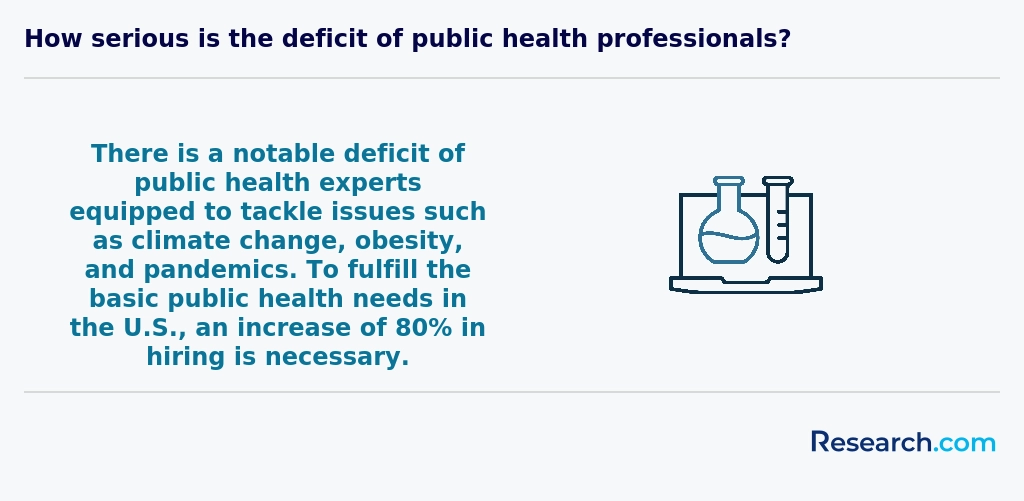
Students pursuing online public health degrees in America can access a variety of financial aid options, though navigating these can sometimes feel overwhelming. Federal aid via the FAFSA is commonly the starting point. Many undergraduates rely on Federal Pell Grants, which come as a relief since they do not require repayment. Graduate students, such as those enrolled in programs at well-known schools like Johns Hopkins or the University of North Carolina, often depend on Direct Unsubsidized Loans and Grad PLUS Loans. While they involve repayment, income-based plans help manage the burden.
State aid varies widely but can be a game-changer, especially for residents committed to serving underserved communities, as seen in states like California or New York. Institutional scholarships or assistantships add crucial support-for example, students from online programs at George Washington University have reported receiving merit-based awards that significantly eased their financial stress.
Lastly, professional organizations and some employers offer meaningful scholarships or tuition reimbursement. Graduates often share that combining these resources with careful budgeting made balancing study and life not just possible, but deeply rewarding.
In today’s healthcare landscape, professionals increasingly blend public health strategies with nursing skills to address community needs effectively. Interdisciplinary roles such as community health nursing require graduates to apply epidemiological methods alongside patient-centered care. Earning an online MPH equips nurses with advanced data analysis, program management, and health policy expertise while maintaining clinical competencies-expanding career prospects and amplifying impact at the grassroots level. The core competencies developed through an online Master’s in Public Health-especially in social and behavioral sciences, environmental health, and health communication-perfectly complement traditional nursing skills. Graduates assume roles in local health departments, school-based clinics, and home health agencies, where they design outreach programs, conduct screenings, and advocate for vulnerable populations. To plan effectively, it’s wise to explore roles like community health nursing and review the community health nursing job salary benchmarks early in your career research. Many top online MPH programs offer electives and practicum partnerships tailored for nursing professionals, covering topics such as maternal and child health, infectious disease control, and health systems management. This specialized coursework prepares nurses to lead community interventions, shape policy, and secure leadership positions within healthcare organizations. Employers increasingly value this dual expertise, often offering competitive compensation packages and accelerated career advancement for MPH-prepared nurses. Prospective students should prioritize programs with strong clinical practicum support, interprofessional collaboration opportunities, and mentorship from faculty experienced in both public health and nursing. Engaging with alumni who have transitioned from bedside nursing to community health leadership provides invaluable insights into balancing clinical responsibilities with public health initiatives. By merging an online public health degree with nursing credentials, professionals can drive systemic change and improve health outcomes on a broader scale.
Enrolling in an online public health degree in America typically requires a bachelor's degree, often in fields like biology, psychology, or health sciences, but some programs at universities such as Johns Hopkins or UC Berkeley accept diverse academic backgrounds. Graduates from these programs often recall submitting official transcripts showing a solid GPA, usually around 3.0, which many schools use to gauge readiness for graduate-level study. However, it's important to recognize that some programs offer flexibility if candidates have strong work experience or compelling personal statements.
Standardized tests like the GRE are becoming less common, especially after 2020, as schools strive to increase accessibility. For example, students pursuing degrees through institutions like Emory University found that GRE waivers improved their confidence and decreased application stress.
Relevant professional experience in health or social services is highly valued and can enhance learning by connecting theory to real-world challenges. Graduates often appreciate how their prior work in community health settings deepened their engagement and success.
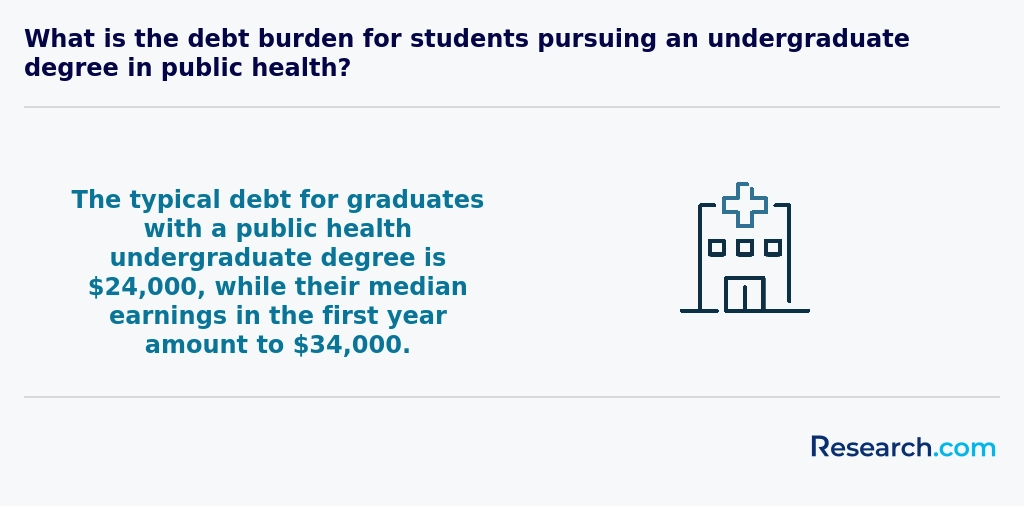
Online public health degree programs in America typically include courses like epidemiology, biostatistics, environmental health, health policy, and behavioral science. Graduates from well-regarded universities often describe epidemiology as eye-opening, helping them understand how diseases spread within communities - an insight crucial during health crises. Biostatistics, while challenging for some, becomes essential as they learn to interpret data that informs decision-making.
Courses in environmental health bring awareness to real-world issues such as pollution's effects on vulnerable populations, often motivating students to pursue impactful careers. Health policy classes provide a framework for understanding how legislation shapes community well-being, a topic many find empowering as it connects theory to tangible change. Behavioral science courses add depth by exploring factors influencing individual and group health behaviors, enriching graduates' empathetic approaches.
Electives on global health or social and behavioral sciences help expand perspectives, allowing students at top public health colleges to tackle ongoing problems like health equity and chronic disease prevention. While the curriculum demands rigor, many online students appreciate how practicum projects simulate authentic public health challenges, building confidence for their future roles.
Online public health degree specializations USA commonly include epidemiology, health policy and management, environmental health, and biostatistics. Graduates from well-known universities, such as those in state flagship systems or urban research institutions, often share how epidemiology courses helped them grasp disease patterns through real-world outbreak simulations. At the same time, health policy concentrations provide tools to understand and influence complex healthcare systems, a vital skill given ongoing national debates over costs and access. However, some students question whether these curricula always reflect the rapidly changing health landscape or diverse population needs.
Emerging options, like global health or maternal and child health, offer perspectives beyond local contexts, which appeals to students seeking to make a broader impact. Other online learners appreciate specializing in community health, noting how their programs integrate practical experiences that relate closely to community health nursing job salary realities and workforce demands. While specializations vary by institution, public health master's concentration options America now routinely address contemporary challenges through flexible online study, allowing working professionals to tailor their education effectively.
Choosing the best online public health degree in America means scrutinizing each program's accreditation, curriculum, and flexibility while acknowledging your personal circumstances. Many graduates from reputable institutions emphasize how CEPH accreditation signaled quality and enhanced their employment prospects in competitive urban health departments. However, some students found that programs with electives in health informatics or global health better matched their evolving career goals.
Consider the balance between a program's structure and your lifestyle. While asynchronous courses appeal to working professionals in cities like Boston and Los Angeles, others have appreciated scheduled classes for the interaction and networking they foster. Exploring how schools handle part-time versus full-time enrollment is equally important. Such decisions shape your educational experience, so pay attention to diverse program offerings when learning how to choose public health master's online America.
Cost is another pivotal concern. Tuition often ranges broadly, and public universities generally offer more affordable options. For example, consulting resources like the Cheapest Public Health Degree Programs Ranking in Houston, TX can guide decisions sensitive to budget constraints. Graduates recall feeling relief after finding affordable programs without sacrificing quality, a reminder that price and reputation need not conflict.
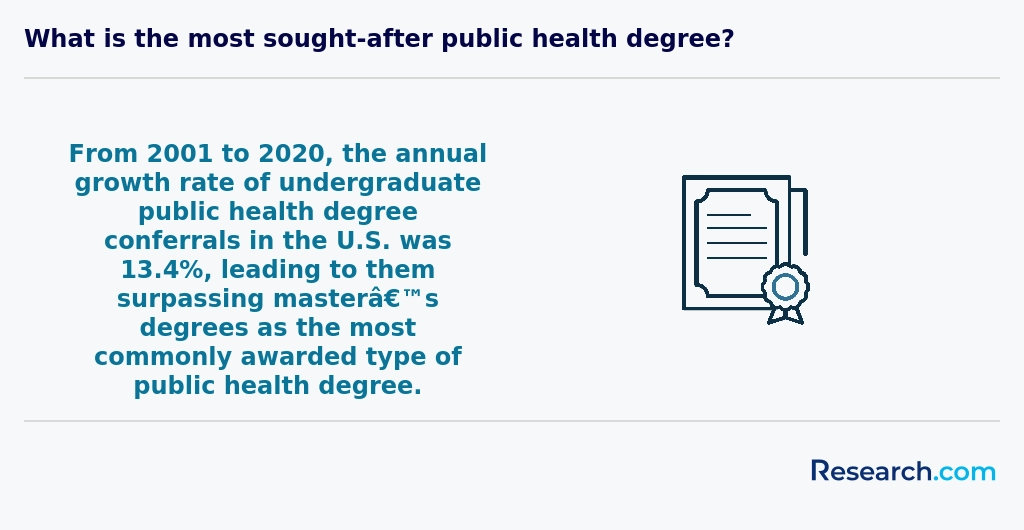
Graduates with an online public health degree in America find varied and impactful career paths awaiting them. Many pursue roles as epidemiologists, analyzing disease trends to safeguard communities, or as public health educators who craft programs promoting healthier lifestyles. Others gravitate toward health policy analysis, influencing decisions that shape national health priorities. Graduates from respected institutions like Johns Hopkins and UNC Chapel Hill often mention the satisfaction of contributing to meaningful change while navigating these roles.
However, the public health landscape is complex. Some graduates face challenges transitioning from academic training to leadership roles in health services management or data-driven research positions such as biostatisticians. The demand for skill versatility is especially notable, as online public health careers in the USA often require balancing scientific expertise with community engagement. Positive feedback from graduates highlights a surge in opportunities fueled by increased investment across government and non-profit sectors post-pandemic.
Those considering this pathway should also explore related degrees within the highest-paying college majors to pursue, as complementary qualifications can widen job prospects.
The job market for graduates of online public health degrees in America remains robust but varies by region and specialization. Graduates from well-known programs at universities like Johns Hopkins or the University of North Carolina often find competitive positions in government agencies, healthcare organizations, and nonprofits. Many report feeling confident in their ability to contribute to public health initiatives, especially in roles involving epidemiology or health education. However, while median salaries such as $79,000 for epidemiologists indicate promising pay, actual income can differ widely depending on location and employer type.
Graduates pursuing online public health jobs in the USA appreciate the flexibility such programs offer, allowing them to work while studying. This adaptability supports career advancement without sacrificing stability or income. The evolving focus on health data analytics and disease prevention post-pandemic also opens new doors, though competition can be fierce in popular metropolitan areas.
For those weighing educational options, cost is a key concern. Tuition can range widely, and prospective students might explore related choices, including what's the easiest bachelor's degree to get, to find the best fit before committing to a public health pathway.
2027 Best Online Master's in Public Health Degree Programs Ranking in the USA
Investing in your education is a significant decision that requires careful consideration, and the Research.com team is fully aware of the importance of making well-informed choices. To support prospective students, we have carefully developed the "2027 Best Online Master's in Public Health Degree Programs Ranking in the USA." Our dedication to quality, credibility, and accuracy is demonstrated through thorough research and detailed analysis performed to assemble this ranking.
We utilized the following reputable data sources to ensure a comprehensive evaluation of public health programs:
By consulting this ranking, readers will obtain valuable insights into the top online Master's in Public Health programs across the USA, enabling them to make confident and informed decisions about their educational futures. For a detailed explanation of our approach, please visit our Research.com methodology page.


# 3 position
University of Maryland-College Park
Master of Public Health Practice and Policy, Online


# 5 position
University of Florida
Master of Health Science in Environmental and Global Health: Concentration One Health


# 16 position
University of Illinois Chicago
Master of Concentration in Community Health Practice and Methods





Frequently Asked Questions About public health
Online public health degree students in America can maximize their learning by actively engaging with their coursework and faculty. Participating in virtual discussions and group projects helps deepen understanding of complex topics such as epidemiology and health policy. Using resources from the CDC and NIH can provide up-to-date, credible information relevant to public health challenges in the US.
Networking through online platforms and professional organizations like the American Public Health Association (APHA) opens opportunities for mentorship and internships. Scheduling regular study times and creating a dedicated learning space are key to maintaining focus. According to the National Center for Education Statistics, nearly 40% of graduate students use online programs to balance work and study effectively.
The public health field in America is rapidly evolving, with several emerging niches gaining attention among professionals and students alike. One notable area is health informatics, which combines data science with public health to improve healthcare delivery and disease tracking. According to the U.S. Bureau of Labor Statistics, demand for health informatics specialists is expected to grow by 17% through 2031.
Another growing niche is environmental health, focusing on how environmental factors impact community health. Climate change and pollution are driving more research and policy work here. Additionally, global health and epidemiology remain crucial, especially highlighted by the recent pandemic responses.
Behavioral health is seeing expansion, too, with more focus on mental health and addiction services within public health frameworks. These specialties reflect the complexity and breadth of issues public health addresses today.
Preparing for the job market after completing an online public health degree in America involves multiple strategic steps. First, gaining practical experience through internships or volunteer roles is essential, as the U.S. Bureau of Labor Statistics (BLS) notes that about 11% job growth for public health professionals requires relevant skills.
Networking is also critical. Joining organizations like the American Public Health Association (APHA) can connect graduates with industry professionals and job openings. Developing a strong resume highlighting both academic achievements and practical experience is crucial.
Finally, obtaining certifications such as Certified Health Education Specialist (CHES) or Certified Public Health (CPH) can enhance job prospects and demonstrate commitment to the field. Staying informed about health policies and trends in the U.S. public health sector further equips graduates for success.
Employers in the United States seek several key skills in public health degree graduates. Analytical skills are essential, as professionals must interpret data to address health challenges effectively. According to the Association of Schools and Programs of Public Health (ASPPH), proficiency in epidemiology and biostatistics is highly valued. Communication skills also rank high, enabling graduates to convey complex health information clearly to diverse audiences.
Project management abilities are important for coordinating public health initiatives. Additionally, knowledge of health policy and community outreach increases a candidate's value. Familiarity with digital health tools and data systems is becoming increasingly crucial as the sector embraces technology.
Finding internships relevant to a public health degree in America involves proactive research and networking. Many universities with online public health programs assist students by offering connections to local health departments, non-profits, and private organizations.
The Centers for Disease Control and Prevention (CDC) and state health departments are frequent hosts of paid or unpaid internships, which provide practical experience in epidemiology, policy, or health education.
Students should explore resources such as the Association of Schools and Programs of Public Health (ASPPH) internship database, which lists opportunities across the U.S.
Additionally, reaching out directly to hospitals, NGOs, and government agencies often yields internship openings not publicly posted. According to the Bureau of Labor Statistics, gaining internship experience improves employability in public health sectors by over 20%.
Obtaining an online public health degree in America significantly enhances career mobility and advancement opportunities. According to the U.S. Bureau of Labor Statistics, the demand for public health professionals is expected to grow 17% from 2022 to 2032, faster than the average for all occupations. This growth increases job availability in diverse settings such as government agencies, healthcare organizations, and nonprofits.
Online degrees provide flexibility for working professionals, allowing them to upskill without interrupting their careers. Graduates often qualify for higher-level roles, including epidemiologist, health policy analyst, or public health program manager.
Employers increasingly recognize online degrees from accredited U.S. institutions, valuing the practical skills and advanced knowledge these programs impart.
Studying for a public health degree in America equips students with skills applicable across multiple disciplines. American public health programs emphasize collaboration among healthcare, policy, environmental science, and data analytics. The Council on Education for Public Health (CEPH) accredits programs that ensure curricula include leadership, communication, and quantitative methods.
Students learn to analyze complex health issues affecting diverse populations, preparing them for roles in epidemiology, health policy, and health education. According to the U.S. Bureau of Labor Statistics, public health roles are expected to grow 17% from 2021 to 2031, highlighting demand for interdisciplinary expertise.
Courses often integrate real-world scenarios, enabling graduates to work effectively with professionals in medicine, government, and community organizations, fostering collaborative problem-solving in public health challenges.
Choosing between a thesis and a non-thesis public health degree program in America depends on your career goals and learning preferences. A thesis option usually requires conducting original research and writing a detailed paper, which can benefit those aiming for academic or research careers. According to the Council on Education for Public Health (CEPH), about 40% of MPH programs offer a thesis track targeted at such students.
Conversely, non-thesis programs focus more on coursework and practical skills, suitable for professionals seeking advancement in public health practice or administration. These often include internships or capstone projects. The U.S. Bureau of Labor Statistics projects a 16% growth in public health jobs through 2031, emphasizing applied skills.
Consider your time availability and interest in research when deciding. Thesis programs typically take longer to complete due to research demands. Reviewing program requirements from CEPH-accredited schools can provide further clarity.
Students in America seeking to study public health abroad through online programs have several options. Many U.S. universities partner with international institutions to offer joint or dual-degree programs, allowing students to earn credentials recognized in both countries. Some accredited American schools provide entirely online Master of Public Health (MPH) degrees with global health electives, encouraging an international perspective.
Additionally, organizations like the Council on Education for Public Health (CEPH) accredit online public health programs that often include coursework relevant to global health challenges. This ensures educational quality consistent with U.S. standards while addressing worldwide health issues. According to the Association of Schools and Programs of Public Health (ASPPH), over 50% of MPH programs now offer online formats, broadening access for students interested in international health careers.
Part-time job opportunities that complement public health degree education in America often include roles such as community health worker, health educator, and research assistant. These positions provide practical experience aligned with public health principles. According to the U.S. Bureau of Labor Statistics, community health workers earn a median annual wage of around $48,000 and can work flexible hours suitable for students.
Working as a data analyst assistant in healthcare settings allows students to apply skills in data interpretation, which is crucial for public health research. Additionally, internships with local health departments offer exposure to real-world policy implementation and program coordination.
Such roles not only enhance a student's resume but also deepen their understanding of public health challenges in diverse American communities.
Online public health programs in America often provide robust networking opportunities despite the virtual format. Many universities host live webinars, virtual career fairs, and discussion forums to help students connect with peers and professionals. According to the Association of Schools and Programs of Public Health (ASPPH), over 80% of accredited online MPH programs encourage students to network through community projects and internships.
Students can also join national organizations like the American Public Health Association (APHA), which offers virtual events and special interest groups.
These platforms help build professional relationships critical for career advancement in public health sectors.
Alumni networks offer significant benefits to students pursuing online public health degrees in America. These networks provide valuable professional connections that can lead to internships, job placements, and mentorship opportunities within the public health sector.
According to the Association of Schools and Programs of Public Health (ASPPH), strong alumni relations contribute to a 20% higher employment rate among recent graduates. Members often share insights on emerging trends, job openings, and continuing education options.
For online students who may lack in-person campus interaction, alumni networks create a virtual community that supports career growth and collaboration across states.
Customizing an online public health degree program in America allows students to align education with specific career goals. Many universities offer concentrations such as epidemiology, health policy, global health, or environmental health. Choosing a concentration helps focus coursework on desired expertise.
Students can also select electives to deepen knowledge in areas like biostatistics or health communication. Practical experience options, including virtual internships or project-based courses, provide real-world skills.
Accredited programs by the Council on Education for Public Health (CEPH) ensure quality and relevance for careers in government agencies, healthcare, or nonprofits. According to the U.S. Bureau of Labor Statistics, tailored skills improve employment prospects in this growing field.
Online public health students in America often face several common challenges. A major issue is maintaining motivation and time management while balancing coursework with personal and professional responsibilities. According to the National Center for Education Statistics, about 30% of online learners report difficulty staying engaged compared to traditional students.
Many students also experience limited opportunities for hands-on experiences, such as internships and lab work, which are crucial in public health education. Furthermore, navigating complex public health data without direct faculty support can be daunting for some.
Technology barriers and inconsistent internet access may also hinder successful online learning, especially in rural areas of the US. These challenges require students to develop strong self-discipline and seek external resources actively.
Graduates with an online public health degree in the United States can pursue several professional certifications to enhance their careers. One of the most recognized is the Certified in Public Health (CPH) credential, offered by the National Board of Public Health Examiners (NBPHE). The CPH certification validates knowledge and skills in key public health areas. Additionally, those focusing on health education might seek the Certified Health Education Specialist (CHES) credential through the National Commission for Health Education Credentialing.
Other options include certifications in epidemiology, health informatics, and healthcare quality, depending on specialization. According to the Bureau of Labor Statistics, certified public health professionals often see higher earning potential and better job prospects.
Crafting a successful application for an online public health program in America requires attention to detail and clarity. Start by clearly articulating your motivation for pursuing public health, citing relevant experiences such as work in healthcare or community services. Admissions committees often value real-world involvement and leadership. Highlight your academic background, especially in science or social science disciplines, as these form the foundation of public health education. Programs accredited by the Council on Education for Public Health (CEPH) look for candidates with strong analytical and communication skills.
Include a well-structured personal statement that aligns your goals with the program's strengths. According to the Association of Schools and Programs of Public Health (ASPPH), competitive applicants often demonstrate a commitment to addressing health disparities prevalent in the U.S. Additionally, securing letters of recommendation from professionals familiar with your dedication to public health can boost your application's credibility. Finally, ensure all standardized test requirements and transcripts meet the program's criteria for timely consideration.
Public health careers have a broad international outlook, reflecting the global nature of health challenges like pandemics, chronic diseases, and health disparities. In the United States, the demand for public health professionals is growing rapidly-according to the U.S. Bureau of Labor Statistics, employment in this field is expected to increase by 17% from 2021 to 2031.
American online public health degrees prepare students to address issues worldwide by integrating global health policies and practices. Institutions often include courses on international health systems, epidemiology, and health equity to equip graduates for diverse settings.
Collaboration between U.S. public health experts and global organizations such as the World Health Organization emphasizes the importance of culturally competent skills and multidisciplinary approaches for tackling health problems beyond national borders.
Gaining practical experience while pursuing an online public health degree in America is essential for building relevant skills and enhancing job prospects. Many programs require or encourage internships with local health departments, nonprofit organizations, or federal agencies like the CDC. These placements offer hands-on experience in areas such as epidemiology, health promotion, and policy analysis.
Students can also engage in virtual practicums or capstone projects partnering with real-world public health institutions. According to the Association of Schools and Programs of Public Health, over 80% of accredited programs include experiential learning components. Volunteering with community health initiatives or joining professional organizations provides additional opportunities to apply classroom knowledge practically.
Choosing the right concentration within an online public health degree in America depends on your career goals and interests. The U.S. Bureau of Labor Statistics projects a 17% growth for health education specialists from 2022 to 2032, highlighting strong demand in the field. Popular concentrations include epidemiology, health policy, environmental health, and biostatistics. Consider which area aligns with your skills and the public health issues you want to address.
Accredited programs often offer data on graduate outcomes to help guide your decision. Look for specializations that provide practical skills and opportunities for internships or research, crucial for career advancement. National public health organizations such as the ASPPH offer resources to compare concentrations based on workforce needs.
- Financing Your Degree https://aspph.org/student-journey/financing-your-degree/
- Public Health Challenges – IPA SDG Dashboard https://sdg.internationalpublishers.org/sdgaction/public-health-challenges/
- Know more about thesis vs non- thesis: what is the difference? https://studyfans.com/en/blogs/816
- 2025 Most Affordable Online MPH Programs https://www.onlineu.com/most-affordable-colleges/public-health-masters-degrees
- Master of Science (M.S.) Major in Public Health Education and Promotion (Non-thesis Option) https://mycatalog.txstate.edu/graduate/education/health-human-performance/public-healthed-promo-nonthesis-ms/
- Public Health Jobs https://publichealthjobs.aspph.org/
- Dive deeper into public health topics. https://www.apha.org/topics-and-issues
- The Networking Guide for Public Health Professionals https://www.publichealthdegrees.org/resources/professional-networking/
- How Much Can I Make With an Online Bachelor's of Public Health? - MPH Online https://www.mphonline.org/salary-bachelors-public-health/
- For Academic Public Health https://globalnetworkpublichealth.org/













