2027 Fastest Online Bachelor's in Public Health Degree Programs Ranking in the West

Co-Founder and Chief Data Scientist
Choosing the right online bachelor's in public health program can be overwhelming, especially for students in the West aiming to advance their careers quickly and effectively. This article introduces the 2027 Fastest Online Bachelor's in Public Health Degree Programs Ranking in the West, developed by the Research.com team of data scientists to guide you in making a confident decision.
By exploring this carefully researched ranking, you'll discover programs that balance speed, quality, and value. Earning a public health degree opens doors to meaningful work improving communities, and this article helps you find the best path for your goals.
Key benefits of getting online public health degree in the West
- Public health graduates working as Environmental Health Specialists can earn a mean annual wage of $86,710, while Health Educators earn around $69,790, showing strong salary potential for various roles in the field.
- A graduate from a well-known Western university often explores diverse career paths such as Community Health Worker, Medical Assistant, or Occupational Health and Safety Specialist, each offering meaningful ways to impact community well-being.
- Completing a public health degree online from a respected Western institution offers flexibility and convenience, allowing students to balance work and life while gaining valuable skills recognized by employers.
- 2027 Fastest Online Bachelor's in Public Health Degree Programs Ranking in the West
- What can I expect from online public health degree in the West?
- Where can I work with online public health degree in the West?
What can I expect from online public health degree in the West?
The average cost of an online public health degree in the Western United States varies, but many students report tuition falling between $15,000 and $35,000 for the entire program. Graduates from well-regarded institutions like those in California or Washington often reflect on how this investment felt manageable, considering the flexibility of online learning that allowed them to maintain full-time jobs or family commitments while studying.
One graduate shared how balancing work and studies from a Colorado-based university made the tuition worth every dollar, emphasizing the value of tailored financial aid options and scholarships targeted to public health learners. Another mentioned how Oregon's public health program offered accelerated study paths, reducing overall costs by enabling degree completion in three years instead of four.
These costs, while significant, are often offset by the sense of purpose students find when engaging with local health challenges, such as wildfire-related environmental health issues or rural healthcare disparities. The emotional fulfillment of contributing to real community needs often makes the financial commitment feel not just necessary but deeply rewarding.
Where can I work with online public health degree in the West?
Graduates from online public health programs at Western institutions like the University of Washington or the University of California often find themselves thrust into dynamic roles across state and local government agencies. Imagine working for the California Department of Public Health, where you directly influence disease prevention strategies that protect millions-this is not just a job but a mission fueling passion and purpose. Many alumni describe the satisfaction of contributing to community well-being in bustling cities such as Seattle or Denver, where challenges like chronic illness and environmental hazards demand innovative health solutions.
Healthcare systems in metropolitan areas embrace these graduates for roles in health informatics and population health management, blending technology with care. Graduates recall moments of empowering patients through data-driven outreach, improving lives in tangible ways. Meanwhile, non-profit organizations tackling mental health or substance abuse offer deeply fulfilling careers that touch underserved communities, fueling a profound sense of impact and connection.
Private sector jobs, especially in emerging telehealth and wellness companies, attract those eager to shape health communication strategies. The evolving Western landscape invites public health professionals not just to work but to lead and inspire meaningful change.
Graduates from online public health programs in the West, such as those offered by universities in California and Washington, find their earnings influenced by both their chosen career path and regional demand. For instance, a typical community health worker can expect a mean annual wage of about $52,610, which aligns closely with entry-level roles reported by graduates starting out in this field.
More specialized roles provide higher compensation. Health educators in the region report mean salaries near $69,790, reflecting their critical role in program management and policy development. Environmental health specialists and occupational safety specialists push those numbers further, earning around $86,710 and $85,570 respectively, showcasing how technical expertise can elevate income.
Graduates from popular West Coast institutions often mention how applying skills like health data analysis and policy crafting leads to opportunities in metropolitan areas such as Los Angeles or Seattle. These cities offer competitive packages, making pursuing an online public health degree worth the investment.
Such earnings underscore that while salary ranges vary, an online public health degree in the West can unlock careers with meaningful impact and rewarding financial outcomes.
- Online public health bachelor's degrees in the Western US typically cost between $25,000 and $50,000 total, with public universities offering lower tuition for in-state students.
- Graduates usually start with salaries ranging from $50,000 to $60,000 per year, increasing to $75,000-$95,000 with experience and certifications.
- Employment for health educators and community health workers is projected to grow by about 11% nationwide through 2032.
- Public health job opportunities are expanding in government, healthcare, and nonprofit sectors, especially for those with skills in data analysis and program management.
- Many Western online programs offer flexibility and emphasize accreditation, specializations, and hands-on internships to improve job prospects.
Completing an online public health degree in the West often defies the simple notion of a fixed timeline. While many anticipate a traditional four-year path for a bachelor's degree, graduates from universities like the University of Washington share how accelerated programs enabled them to finish in as little as 2.5 years by balancing heavier course loads with year-round classes.
Part-time students juggling jobs and families at institutions such as Oregon State University describe a more flexible but extended timeline-sometimes five to six years-which allowed them to maintain steady progress without sacrificing personal commitments.
On the graduate level, MPH students at UC Berkeley often grapple with cost versus speed, opting to stretch study over multiple years due to the $900 per-credit tuition. Others, however, embrace intensive programs lasting just 12 to 18 months, appreciating the focused momentum that fast-tracks their careers.
The intriguing reality is that completion time hinges on individual choices and program structures, not just rigid academic clocks-inviting students to tailor their journey to fit their ambitions and lifestyles.
Choosing between online and on-campus public health degrees in the West is more than a matter of convenience-it shapes your entire learning experience. Graduates from universities in California often describe on-campus programs as vibrant hubs where late-night library sessions and spontaneous hallway chats with professors spark deeper understanding. These moments, grounded in community engagement and regional public health challenges, are hard to replicate online.
Meanwhile, graduates from Western institutions offering online degrees praise the freedom to juggle family and jobs without relocation stress. A working parent in Washington, for example, found that accessing lectures on a digital platform meant studying during quiet early mornings, transforming what seemed impossible into achievable progress.
Cost also plays a crucial role. While on-campus students in the West face $8,000 to $20,000 annual tuition plus living expenses, online learners often avoid housing and commute costs, easing financial burdens.
Both paths cover the same accredited curriculum, but the key difference lies in how you engage-with peers and place-impacting not just education, but personal growth.
Earning your Online Bachelor’s in Public Health is just the first step toward establishing credibility and expertise in the field. Pursuing professional certifications and licensure not only enhances your resume but also opens doors to leadership roles, higher salaries, and specialized practice areas. Below are the most recognized credentials for graduates in the West:
- Certified Health Education Specialist (CHES) and Master Certified Health Education Specialist (MCHES): Offered by the National Commission for Health Education Credentialing, these credentials validate your ability to plan, implement, and evaluate health education programs. Prepare by reviewing the seven Area of Responsibility domains and completing 25 continuing education contact hours before your first renewal.
- Certified in Public Health (CPH): Administered by the National Board of Public Health Examiners, the CPH exam tests foundational knowledge in public health sciences, leadership, and analytics. Eligibility requires an accredited degree and documented experience, making this certification ideal for graduates aiming at research or policy roles.
- State Licensure and Specialty Certifications: Depending on your career path, you may need state licensure (for roles in environmental health or epidemiology) or specialty credentials such as Registered Environmental Health Specialist (REHS) or Certified Infection Preventionist (CIC). Check your state’s public health department website for specific requirements.
- Continuing Education Units (CEUs): Many certifications require CEUs for renewal. Engage in webinars, conferences, and online courses to stay current with public health trends, such as emerging infectious diseases or climate change impacts on community wellness. Integrating these certifications into your career plan not only boosts your E-E-A-T (Experience, Expertise, Authoritativeness, and Trustworthiness) but also aligns with employer expectations across government, nonprofit, and private sectors. For those interested in bridging public health with clinical practice, exploring community health nursing career options can broaden your skill set and deepen your impact at the grassroots level. Continuous professional development ensures that your Online Public Health degree remains a dynamic asset throughout your career.
The average cost of an online public health degree in the West presents an intriguing landscape that challenges common assumptions about affordability. While many expect steep tuition fees, the median total cost hovers around $19,788, making it more accessible than anticipated. In-state students often pay notably less-about $10,546 on average-demonstrating the tangible financial advantage of residency in states with strong public university systems like California or Oregon.
Graduates from well-known Western universities reflect positively on their investment, sharing how this balance between cost and quality helped them pursue their passion without overwhelming debt. Their success stories highlight that choosing the right program can mean manageable costs paired with meaningful education, especially in light of additional fees students navigate for technology or course materials.
For those exploring affordable online bachelor's in public health programs Western US, out-of-state tuition can present a hidden challenge, frequently raising costs by thousands of dollars. Still, students find that smart selection and financial planning can keep education affordable, and even rewarding. Those interested in detailed comparisons might find reviews of the top online public health programs in california illuminating as they weigh options.
Ultimately, understanding the nuanced cost structure prepares prospective students for realistic budgeting and reinforces the potential value found in investing in public health education in the West.
Many students chasing an online public health degree in the West discover that financial aid is not just a line item but a lifeline. Graduates from universities like the University of Washington or Oregon State often remember the relief of securing Pell Grants, which, unlike loans, never demand repayment. Tackling the FAFSA early opened doors to federal Direct Subsidized and Unsubsidized Loans, spreading costs over time with manageable interest rates.
State aid programs transform what seems like an impossible expense into an achievable goal. For example, California's Cal Grant substantially eased the burden for residents attending public health programs at UC campuses online, turning anxiety into optimism. Similar support in Washington and Oregon amplified hope for many who juggled work and study.
Beyond government help, scholarships from organizations like the American Public Health Association feel like personal endorsements of students' passions and potential. Institutional aid and employer tuition assistance further brighten the path, reflecting a growing regional commitment to public health careers. For many, this combined support sparked a genuine belief that education in this vital field is within reach.
After earning your online bachelor’s degree in public health, industry certifications can validate your skills and unlock advanced career paths.
- Certified in Public Health (CPH): Offered by the National Board of Public Health Examiners, this credential demonstrates mastery of core public health competencies and boosts credibility with employers.
- Certified Health Education Specialist (CHES): Administered by the National Commission for Health Education Credentialing, CHES certification signifies expertise in designing, implementing, and evaluating community health programs.
- Registered Environmental Health Specialist (REHS): Ideal for graduates focusing on environmental health, this state-level credential showcases competence in assessing and managing environmental risks.
Each certification requires a relevant degree, documented experience, and successful completion of a standardized exam. Credentialed professionals often command higher salaries, qualify for leadership roles in public health agencies, and gain a competitive edge in hiring processes.
For related healthcare program options, consider exploring medical billing and coding online schools.
Enrolling in an online public health degree in the West demands more than just submitting paperwork-it challenges your readiness to engage with complex societal issues from your own space. Graduates from well-known Western institutions often recall the moment they realized a high school diploma or GED was only the baseline. For many, meeting a GPA threshold around 2.5 to 3.0 became a motivating milestone rather than a hurdle.
Standardized tests like the SAT or ACT are fading in importance, reflecting a broader shift toward valuing diverse experiences. Yet, some programs still request these scores, reminding students that their pathways must be flexible yet focused. Personal statements and letters of recommendation, often overlooked, become opportunities to ignite the admissions committee's belief in your passion for public health.
Reliable internet and tech skills are non-negotiable. Picture attending a lively virtual seminar hosted by California State University, where real-time discussions unravel urgent public health crises. These essentials prepare you not just for coursework, but for a community eager to support your growth through every digital interaction.
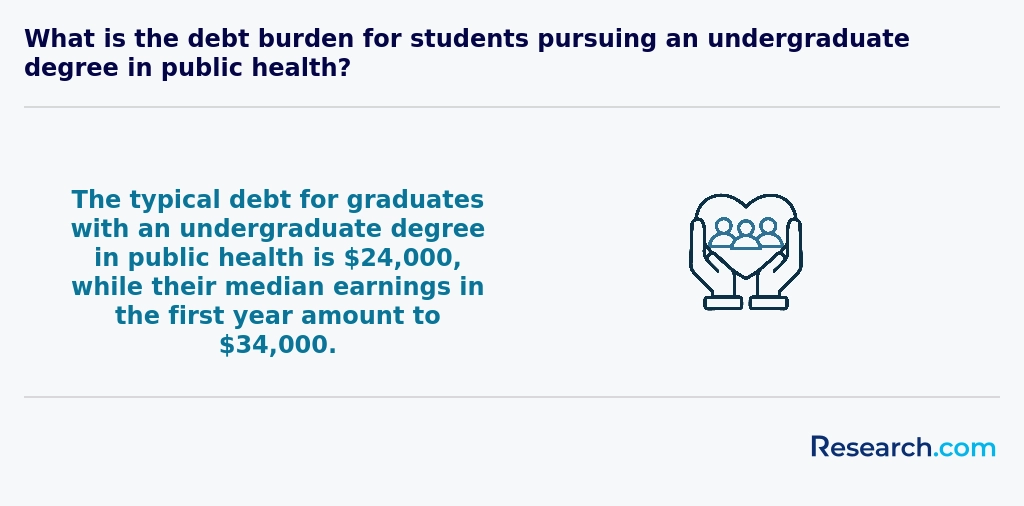
Embarking on an online public health degree can be both exciting and challenging, and developing effective strategies can empower you to excel throughout your academic journey. Successful students share that time management, active participation in virtual discussions, and leveraging digital resources are key factors in achieving academic and career goals. For instance, many have found that creating a structured schedule and designating a dedicated study space greatly enhances their learning experience. It’s also important to engage with peers and mentors regularly; joining online study groups or participating in webinars can provide diverse perspectives and practical insights into real-world health issues. Additionally, exploring platforms that highlight the latest in educational innovation-like the top online public health programs in california-can help you identify courses and institutions that offer robust support and cutting-edge curriculum. Embracing these strategies not only prepares you for academic success but also lays a solid foundation for your future career in the dynamic field of public health.
Online public health degrees in the West typically immerse students in courses that challenge how we understand health at both individual and community levels. Foundational classes like epidemiology and biostatistics often become eye-opening experiences for graduates from well-known Western universities, revealing the power of data to predict and prevent disease outbreaks in places as diverse as urban Los Angeles or rural Montana.
Environmental health courses resonate deeply because they confront real challenges-graduates frequently mention how studying air quality and water safety issues reflects the very landscapes they're passionate about protecting in states like California or Oregon. Health policy classes, another staple, inspire students to rethink how laws can reshape underserved Native American communities or sprawling metropolitan areas with complex health needs.
Social and behavioral sciences amplify this connection by exploring the human side of health-students often highlight how community health promotion strategies felt tangible when applied to local initiatives, creating positive impacts they could witness firsthand. Complementing these, courses in ethics, global health, and health informatics equip learners from institutions such as the University of Washington or Arizona State University with modern tools and a strong moral compass to tackle evolving public health dilemmas.
Exploring online public health degree specializations in the West reveals a dynamic array of paths beyond traditional expectations. Epidemiology stands out, especially at institutions like the University of California, where graduates apply their understanding of disease patterns to local crises, such as wildfire-related respiratory illnesses. This specialization transforms data into action, shaping health policies that resonate deeply with the region's unique challenges.
Health Policy and Management attracts ambitious students eager to lead innovation. Graduates from Oregon State University often describe a newfound confidence as they design programs that influence healthcare reform statewide, proving how regional insight can drive national change. Such focus sharpens leadership skills tailored to the Western healthcare landscape, blending theory with real-world impact.
Environmental Health, a less conventional but increasingly vital concentration, addresses risks from wildfire smoke and water quality-issues vividly experienced by many students living in Western communities. Additionally, programs enrich their curriculum with areas like Global Health and Community Health Education, preparing students for diverse roles. Those curious about avenues such as community health nursing find informed guidance through resources like community health nursing career options, highlighting the broad practical relevance of these degrees.
Choosing the best online public health degree in the West requires more than scanning rankings or tuition fees. Graduates from renowned institutions in California or Washington often reflect on how CEPH accreditation transformed their career paths-ensuring their degrees held weight with employers across government and non-profits. Flexibility matters deeply: one graduate balanced night shifts while completing asynchronous courses offered by Oregon universities, proving that access to programs accommodating varied schedules is a game-changer for working professionals. Affordability also requires scrutiny; while many look for affordable online public health degrees western US options, the smartest move is weighing total costs against available financial aid and scholarships tailored for online learners. Real-world career support makes all the difference; internships and job placements in the dynamic Western public health landscape give students an edge few other regions match. For those seeking to accelerate progress, consider how an online accelerated bachelor's degree can propel your focus into specializations aligned with local community health needs and policy priorities.
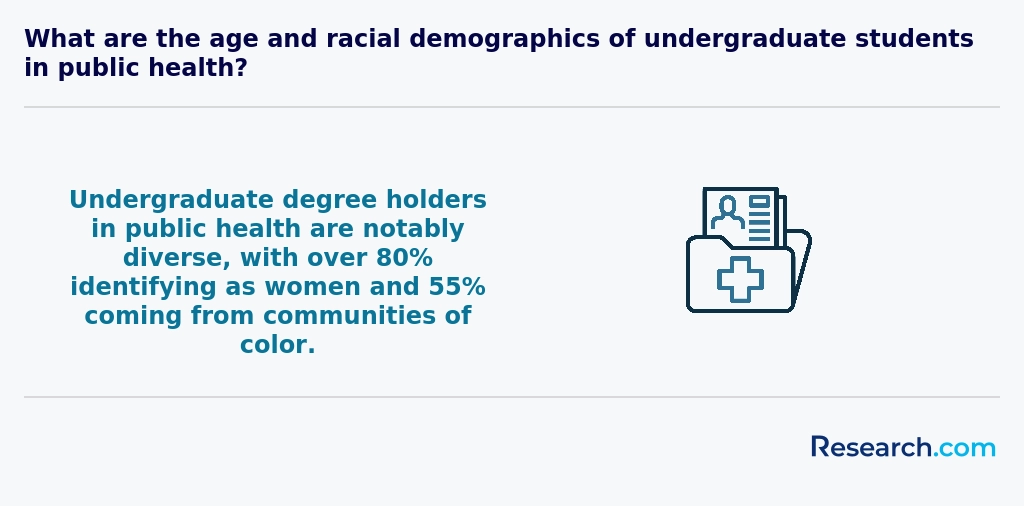
Graduates with an online public health degree in the West often find themselves drawn to impactful roles that stretch far beyond traditional expectations. Many step into positions as Health Educators or Community Health Workers, crafting culturally sensitive outreach programs in states like California and Oregon. Others become Epidemiologists, analyzing complex disease patterns with the intent to protect diverse populations. Public Health Analysts from universities such as the University of Washington contribute to data-driven policies that tackle regional health disparities.
The variety of public health career opportunities in the West can surprise those who assume a narrow focus. Environmental Health Specialists address urgent issues like pollution in rapidly growing urban areas, while Health Program Coordinators manage initiatives that directly improve community well-being. Graduates recall balancing these demanding roles with their studies thanks to flexible online formats offered by popular West Coast colleges.
For students exploring the best pathways, an easiest masters program may provide a strategic launchpad into these rewarding, stable jobs that challenge the status quo and spark true change.
The job market for graduates with an online public health degree in the West defies common expectations of slow growth in health sectors. With states like California and Washington placing high value on skills in disease prevention and health equity, graduates quickly find roles in government agencies, healthcare providers, and non-profits. For instance, graduates from popular programs at universities in the Western U.S. often share how their flexible online studies allowed them to balance real-world internships alongside coursework, boosting their confidence and readiness to impact communities.
Many graduates report satisfaction landing competitive salaries that exceed national medians, especially in metropolitan areas like San Francisco and Napa, where public health professionals earn comfortable wages. The broad scope of career paths in the region reveals an active market, which questions the notion that online degrees lack strong employment outcomes.
For those weighing financial commitment, the cost of online degrees can be offset by scholarships and aid from Western institutions, making it a viable path. Exploring the highest earning bachelor degrees reveals how an online public health degree fits into promising career trajectories, especially in an expanding job market offering diverse opportunities.
2027 Fastest Online Bachelor's in Public Health Degree Programs Ranking in the West
Investing in your education is a significant decision that can shape your future, and the Research.com team understands the importance of making informed choices. To assist prospective students seeking fast online bachelor's degrees in public health in the western United States, we have meticulously developed the "2027 Fastest Online Bachelor's in Public Health Degree Programs Ranking in the West." Our commitment to quality, credibility, and accuracy is demonstrated through rigorous research and thorough analysis.
We utilized the following reputable data sources to ensure a comprehensive evaluation of programs:
By consulting this ranking, readers will gain valuable insights into the fastest and most reliable online public health bachelor's programs in the West, empowering them to make confident educational choices. For further information on how this ranking was created, please visit our Research.com methodology page.


# 3 position
Western Governors University
Bachelor of Public Health


# 5 position
Arizona State University Campus Immersion
Bachelor of Health Sciences - Healthy Lifestyles and Fitness Science

Frequently Asked Questions About public health
Students pursuing online public health degrees in the Western US can enhance their learning by actively engaging with diverse digital resources. Utilizing platforms like university libraries, research databases, and webinars strengthens theoretical knowledge. According to the Association of Schools and Programs of Public Health, over 60% of Western programs incorporate interactive case studies, which improve critical thinking skills.
Networking is also essential. Connecting with peers and faculty through online forums and organized virtual events fosters collaboration and practical insights. Many Western states report growing public health job markets, making professional relationships crucial for career advancement.
Finally, applying coursework to regional health issues, such as wildfire smoke impact or rural health disparities, bridges education with real-world challenges.
Emerging niches within the public health field reflect growing societal needs and technological advancements. In the Western U.S., areas like environmental health are gaining attention due to increased wildfires and air quality issues. Specialists focus on mitigating health risks associated with climate change.
Another key niche is health informatics, which combines data science with public health to improve healthcare delivery and disease tracking. The U.S. Bureau of Labor Statistics anticipates a 17% growth in this sector by 2030.
Lastly, community health workers focused on mental health outreach are critical, especially post-pandemic. Online public health degrees increasingly include coursework in these evolving fields to prepare students for diverse career paths.
Graduates with online public health degrees in the Western US can enhance their job prospects by gaining relevant experience during their studies. Many programs encourage internships or practicum placements with local health departments or nonprofit organizations. According to the Bureau of Labor Statistics, job growth for public health professionals in California, Washington, and Oregon is expected to increase by over 15% by 2030.
Networking is also key. Joining professional associations like the American Public Health Association's Western region chapters can connect graduates with employers and mentors. Additionally, earning certifications such as the Certified in Public Health (CPH) credential improves competitiveness in the job market.
Understanding regional health challenges, including chronic diseases and environmental health issues prevalent in the West, prepares graduates to offer targeted solutions.
Employers in the Western US highly value public health graduates skilled in data analysis and epidemiology. According to the Association of Schools and Programs of Public Health, proficiency in interpreting health data supports effective decision-making in Western states facing diverse public health challenges.
Strong communication skills are also essential. Employers seek graduates capable of translating complex health information to varied audiences, fostering better community health outcomes.
Technical proficiency with public health tools, such as GIS mapping and health information systems, is increasingly in demand, reflecting the region's tech-driven health initiatives.
Leadership and cultural competency remain key, especially given the West's diverse populations and focus on equitable health access.
Finding internships in the Western US related to public health involves proactive research and networking. Start by exploring opportunities through university career centers, which often partner with local health departments, hospitals, and nonprofits. According to the California Department of Public Health, internships there focus heavily on community health outreach and epidemiology.
Online public health students can also leverage platforms like Handshake and LinkedIn to find openings. Many Western states, including Washington and Oregon, offer public health agencies that provide internships emphasizing data analysis and health promotion.
Additionally, professional organizations such as the American Public Health Association have regional chapters that list internship opportunities and offer mentoring. Securing an internship in the West boosts practical skills and connects students to the robust public health workforce emerging in the region.
Online public health degrees in the Western United States have significantly boosted career mobility for graduates. Data from the U.S. Bureau of Labor Statistics shows that public health jobs in the West, such as epidemiologists and health program managers, are expected to grow faster than the national average through 2030.
Many employers in California, Washington, and Oregon now recognize accredited online degrees equally to on-campus ones, supporting advancement opportunities.
Graduates with online public health degrees often qualify for leadership roles or specialized positions, leveraging skills in data analysis, policy, and community health. This flexibility allows working professionals to study without career interruption while enhancing credentials.
According to the Western Public Health Training Center, online degree holders report a 20% higher rate of promotion within five years compared to those with only bachelor's degrees.
Studying for an online public health degree in the Western United States equips students with a broad interdisciplinary skill set. Programs often combine biology, statistics, sociology, and policy studies, reflecting the field's diverse demands. According to the Association of Schools and Programs of Public Health (ASPPH), about 70% of public health graduates in the West work in roles that require collaboration across multiple sectors, such as healthcare, government, and community organizations.
Curricula in Western schools emphasize applied learning, preparing students to address complex health challenges. Courses integrate data analysis, health communication, and environmental health to ensure graduates can adapt to varied professional environments.
With many Western states prioritizing health equity and innovation, graduates often contribute to interdisciplinary teams focused on population health and preventive care.
When choosing between a thesis and a non-thesis public health degree program in the West, consider your career goals first. Thesis programs emphasize research skills, suitable for students aiming for doctoral studies or research roles. Non-thesis options focus more on practical experience, ideal for immediate workforce entry.
The Western region offers diverse public health programs accredited by CEPH, with many universities like the University of Washington and Oregon State providing both options. According to the Western Interstate Commission for Higher Education, about 40% of public health students in the West opt for non-thesis paths, valuing applied learning.
Cost and time are factors: thesis tracks may take longer due to research requirements. Non-thesis programs often have internship components, enhancing job readiness. Evaluate your preference for independent research versus hands-on practice to make an informed decision.
Students based in the Western United States interested in studying public health abroad have several options through online degree programs offered by accredited institutions. Many Western public universities provide fully online Bachelor's degrees in Public Health, enabling learners to engage with global health topics without leaving the country.
Notably, universities such as the University of Washington and Oregon State University deliver comprehensive curricula recognized by the Council on Education for Public Health (CEPH). These programs allow students to study international health issues and policies from a Western perspective.
According to the Association of Schools and Programs of Public Health, enrollment in online public health programs in the West has grown by approximately 20% over the past five years, reflecting increasing accessibility and demand.
Students benefit from flexible scheduling and opportunities for virtual internships and collaborations with international organizations, crucial for gaining real-world public health experience globally.
Part-time job opportunities in the western United States can effectively complement online public health degree education. Positions such as health educator assistants, community health workers, and public health interns offer practical experience relevant to the field. According to the U.S. Bureau of Labor Statistics, California and Washington have some of the highest employment levels for these roles, reflecting growing demand.
Students can gain hands-on skills by working with local health departments, nonprofit organizations, or clinics, which often hire part-time staff for outreach and health promotion. These roles enhance understanding of population health, data collection, and program implementation.
Additionally, many public health jobs in the West integrate technology, providing students online opportunities in health informatics and telehealth support. Working part-time in these areas aligns well with class schedules and reinforces technical competencies essential for modern public health practice.
Online public health students in the Western United States have access to several networking opportunities that enhance their educational experience. Many universities offer virtual events, webinars, and guest lectures featuring public health experts from organizations like the California Department of Public Health and the Washington State Board of Health.
Students can also join professional groups such as the Western Public Health Association, which provides online forums and mentorship programs tailored for emerging public health professionals. Additionally, online platforms like LinkedIn host regional public health groups that connect students with alumni and employers in the West.
These resources help students build valuable connections despite the remote learning format.
Alumni networks offer vital advantages to students pursuing online public health degrees in the Western US. These networks connect current students with professionals who have firsthand knowledge of regional public health challenges and employment landscapes. According to the Western Region Public Health Training Center, alumni connections can increase job placement rates by up to 20% within the first year after graduation.
By participating in online alumni forums and virtual events, students gain access to mentorship opportunities and industry insights. This support helps students navigate licensing requirements and certification processes that vary by state.
Furthermore, alumni often provide referrals for internships and research projects, which are crucial for practical experience. In states like California and Washington, where public health demand is high, these networks strengthen career pathways and promote professional growth.
Customizing an online public health degree in the Western US allows students to align their education with specific career goals. Many universities offer concentration options such as epidemiology, health policy, or environmental health, enabling focused skill development.
Students can also select electives based on interests and industry demands, which vary regionally. For example, California's public health challenges emphasize environmental and urban health, reflecting local priorities.
Internships and practicum experiences, often arranged with Western health agencies, provide practical exposure tailored to student objectives. According to the Western Interstate Commission for Higher Education (WICHE), about 35% of public health grads in the West pursue specialization tracks.
Online programs usually provide flexible pacing, allowing students to accelerate or extend studies to fit work or personal schedules.
Online public health students in the Western United States often encounter challenges related to balancing coursework with personal and professional responsibilities. According to data from the Western Interstate Commission for Higher Education (WICHE), about 60% of online learners in health-related fields report time management as a significant hurdle.
Additionally, access to reliable technology and high-speed internet can vary, especially in rural areas, limiting student engagement and access to live lectures or resources. The lack of in-person interaction may also hinder networking opportunities and practical skill development important in public health careers.
Furthermore, students must navigate complexities in fieldwork placements, as securing local internships or community projects can be difficult without direct campus support.
With an online public health degree, graduates in the Western U.S. can pursue several respected professional certifications. The Certified Health Education Specialist (CHES) credential, offered by the National Commission for Health Education Credentialing, is a common choice. It demonstrates expertise in health promotion and education.
Another valuable option is the Certified Public Health (CPH) credential from the National Board of Public Health Examiners, which validates core public health knowledge. Obtaining CPH certification can enhance career opportunities across government and nonprofit sectors in states like California and Washington.
Additionally, some professionals seek certifications in epidemiology or health administration to specialize further. These certifications vary by issuing body but often require a bachelor's degree in public health or a related field. According to the Western Region Public Health Training Center, certified professionals tend to earn higher salaries and enjoy better job stability.
To write a winning application for an online public health program in the Western US, start by clearly demonstrating your motivation for studying public health. Admissions officers appreciate applicants who connect their previous experience and goals with the program's unique offerings. Highlight any relevant work, volunteer, or academic background related to community health or epidemiology.
Next, focus on a well-structured personal statement that addresses your interest and commitment to improving health outcomes. Use specific examples, such as involvement in regional initiatives or awareness of public health challenges in states like California or Washington.
Strong letters of recommendation from professors or professionals familiar with your skills add valuable credibility. Make sure your resume emphasizes analytical, communication, and leadership skills, which are critical in public health roles.
According to the Association of Schools and Programs of Public Health (ASPPH), online public health degrees in the West have grown by 15% in enrollment since 2020, reflecting their increasing demand and accessibility. Use this trend to contextualize your application's timeliness and relevance.
Public health careers are increasingly valued worldwide, with growing demand stemming from global health challenges such as pandemics and chronic diseases. In the United States and Western countries, the Bureau of Labor Statistics projects a 17% growth in healthcare occupations, including public health roles, from 2021 to 2031. This trend highlights the importance of effective health policy, epidemiology, and community health education.
Globally, there is a focus on interdisciplinary skills and cultural competency, given the interconnected nature of modern health issues. Western online degree programs emphasize flexible learning to meet the needs of diverse populations and evolving public health threats.
Graduates with public health degrees often engage in international agencies, government, and nonprofit organizations, reflecting the field's broad impact.
Gaining practical experience while pursuing an online public health degree in the West is achievable through multiple avenues. Many programs integrate virtual internships, offering hands-on opportunities with state and local health departments, nonprofits, or research centers. These internships allow students to apply theoretical knowledge to real-world challenges affecting populations in Western states like California and Washington.
Additionally, online learners can engage in community-based projects or public health campaigns remotely. Some universities partner with regional health organizations to create practicum placements tailored for remote participation.
According to the Western Region Public Health Training Center, over 60% of students in the West participate in such experiential learning, enhancing their job prospects upon graduation.
Choosing the right concentration within an online public health degree program in the West requires careful consideration of your career goals and regional health priorities. Public health in Western states often focuses on issues like rural health, environmental health, and mental health, reflecting local demographics and challenges. For example, California and Washington emphasize environmental health due to their commitment to sustainability, while states like Idaho and Montana address rural healthcare access.
Examine programs accredited by the Council on Education for Public Health (CEPH) to ensure quality education. Look for concentrations aligning with job market trends; the Bureau of Labor Statistics projects employment for health educators and community health workers in the West growing faster than the national average. Research current projects and faculty expertise within each concentration to find the best fit for your interests.
- Is an Online MPH Right for You? | University of Bridgeport https://www.bridgeport.edu/news/is-an-online-mph-right-for-you/
- Master of Public Health https://online.une.edu/public-health/master/
- Master of Public Health | University of West London https://www.uwl.ac.uk/course/postgraduate/master-public-health
- Careers https://www.publichealthdegrees.org/careers/
- Top 25 Online MPH Programs (Master's in Public Health) - Healthcare Management Degree Guide https://www.healthcare-management-degree.net/best/online-programs-graduate-degree-public-health/
- What Can I Do With an Online Bachelor’s in Public Health? - MPH Online https://www.mphonline.org/jobs-online-bachelors-public-health/
- Online Bachelor of Science in Public Health | WCU https://westcoastuniversity.edu/online-programs/bachelor-science-public-health
- Master of Science (M.S.) Major in Public Health Education and Promotion (Non-thesis Option) https://mycatalog.txstate.edu/graduate/education/health-human-performance/public-healthed-promo-nonthesis-ms/
- Effective Networking Strategies for Public Health Professionals | PH SPOT https://phspot.org/effective-networking-strategies-for-public-health-professionals/
- Are there Practical Experience Courses in an MPH Program? - Master's in Public Health Degree Programs https://www.masterspublichealth.net/faq/are-there-practical-experience-courses-in-an-mph-program/