
2027 Most Affordable Public Health Degree Programs Ranking in Montana

Co-Founder and Chief Data Scientist
Choosing the right public health degree program in Montana can feel overwhelming. That's why we're here to help guide you through your options in a clear, straightforward way.
This article features the 2027 Most Affordable Public Health Degree Programs Ranking in Montana, carefully created by the Research.com team of data scientists. It's designed to help you make an informed choice about which programs offer real value without breaking the bank.
Investing in a public health degree opens doors to meaningful careers that improve communities. Let this ranking support your journey toward a brighter future.
Key benefits of getting public health degree in Montana
- Public health graduates in Montana can enjoy competitive salaries, such as Environmental Health Specialists earning around $86,710 annually and Health Educators making about $69,790 per year, reflecting strong earning potential.
- Career paths are diverse, ranging from Medical Assistants to Occupational Health and Safety Specialists, supporting impactful roles in community wellness and safety throughout Montana's healthcare system.
- Obtaining an online public health degree offers flexibility for working students in Montana, enabling them to balance life and education while accessing quality programs from institutions like the University of Montana.
- 2027 Most Affordable Public Health Degree Programs Ranking in Montana
- What can I expect from public health degree in Montana?
- Where can I work with public health degree in Montana?
What can I expect from public health degree in Montana?
The average cost of a public health degree in Montana typically ranges between $8,000 and $12,000 per year for in-state students attending schools like Montana State University-Bozeman or the University of Montana-Missoula. Graduates often recall balancing these reasonable tuition rates with valuable community internships that deepen their learning experience, such as working with local health departments to tackle rural health concerns. Many express a strong sense of fulfillment, knowing their education is both affordable and directly applicable to addressing public health challenges impacting Montana's diverse populations.
Looking ahead, students may see additional financial support opportunities as programs increasingly partner with tribal organizations and state agencies, reflecting a commitment to serving Montana's indigenous communities. This integration creates unique hands-on experiences that enhance both career readiness and cultural competence without substantially raising costs. The combination of accessible tuition and meaningful fieldwork makes pursuing a public health degree in Montana a promising investment for those eager to make a tangible difference locally and in similar rural settings nationwide.
Where can I work with public health degree in Montana?
Graduates from public health programs at Montana State University or the University of Montana often find themselves stepping into dynamic roles within the state's healthcare and government sectors. Imagine working alongside epidemiologists at the Montana Department of Public Health and Human Services, developing programs that directly impact community wellness. Many alumni share how their hands-on experiences at these agencies sparked a genuine passion for improving health outcomes statewide.
Healthcare settings such as Billings Clinic provide graduates with opportunities to engage in infection control or lead community health initiatives. These real-world roles let students apply what they learned in classes to support patient education and population health, creating fulfilling career paths.
Nonprofits like the Montana Healthcare Foundation often recruit fresh graduates eager to tackle rural health disparities. Many find joy in collaborating on substance abuse prevention projects, feeling their work truly makes a difference.
Graduates also express enthusiasm about roles in tribal health departments connected to local colleges, where they help address Native American health challenges-a unique and meaningful focus in Montana's public health landscape.
Graduates with a public health degree in Montana can anticipate a range of earnings shaped by their chosen career paths and experience levels. For instance, community health workers often earn an average annual salary of about $52,610, which aligns well for entry-level professionals coming from institutions like Montana State University. These roles offer rewarding opportunities to engage directly with communities and apply public health principles on the ground.
Health educators, another common career path, see mean wages closer to $69,790, reflecting their vital role in health promotion and disease prevention in settings such as local health departments. This salary potential excites many Montana graduates who've found success through internships and hands-on projects at universities like the University of Montana.
For those pursuing more specialized fields, environmental health specialists and occupational health and safety specialists earn higher salaries, at $86,710 and $85,570 respectively. These roles often involve working with government agencies or private industries, providing graduates with growth opportunities that blend science and community impact while offering stable, competitive compensation.
- Public health degrees in Montana cost between $7,000 and $15,000 per year for in-state students at public universities.
- Entry-level public health graduates can expect an average salary of about $45,000 annually, increasing to $70,000-$80,000 with experience.
- Montana's public health job market focuses on rural healthcare, chronic disease management, and health education.
- Most programs require internships or practicums, emphasizing practical skills in communicable disease control and data analysis.
- Many degrees prepare students for certification exams like the Certified Health Education Specialist (CHES) credential.
Completing a public health degree in Montana typically takes about four years for undergraduates, mirroring the experiences of many who attend Montana State University or the University of Montana. Graduates often share how balancing full-time study with part-time work can stretch this timeline, yet it also builds resilience and real-world skills.
For those pursuing a Master of Public Health, the journey usually spans two years of focused coursework, a timeframe that many appreciate for its intensity and clear goals. Some students juggling jobs or family responsibilities choose part-time pathways at Montana's institutions, extending their studies to three or four years, which adds flexibility and reduces stress.
Doctoral candidates, investing up to six years, often describe the research phase as both challenging and deeply rewarding, especially when based at Montana's prominent research universities. The evolving support systems and funding opportunities may, in the near future, help shorten these durations, enabling more students to graduate sooner without sacrificing quality.
Internships and practicum experiences are integral components of Public Health degree programs in Montana, ensuring that students graduate with the practical skills needed to address real-world health challenges. Most Bachelor’s and Master’s programs require between 120 and 200 supervised field hours, which students complete in partnership with local health departments, non-profit organizations, tribal councils, or community clinics. These experiences allow students to apply classroom knowledge in epidemiological surveillance, health education campaigns, environmental health assessments, and policy analysis under the guidance of experienced preceptors. Many programs at institutions like the University of Montana and Montana State University maintain formal agreements with state and county health agencies, giving students opportunities to work on initiatives such as vaccination outreach in rural communities, water quality monitoring, or grant writing for prevention programs. Online students benefit from flexible practicum placements that leverage local affiliations-whether with urban public hospitals in Billings or tribal health centers on reservations-while receiving remote mentorship from faculty advisors. To maximize the impact of your practicum, it’s important to start exploring placements early. Academic advisors often assist in matching your interests-be it environmental health, health policy, or community health promotion-with appropriate sites. Students have reported that securing internships in their sophomore year allowed them to build a professional network and receive course credit, while others benefited from capstone projects that culminated in conference presentations or published reports. Those considering accelerated pathways can review our comprehensive list of best one year online mph degree programs, many of which integrate intensive practicum modules within a condensed timeframe. Whether you pursue a traditional two-year MPH or an expedited one-year option, hands-on fieldwork remains the cornerstone of your public health education in Montana-bridging theory and practice to prepare you for a successful career in safeguarding community health.
Students pursuing public health degrees in Montana often find online programs offer the freedom to study from anywhere, perfect for those balancing jobs or family, especially in rural areas. Graduates from the University of Montana share how online coursework allowed them to maintain their roles in local health initiatives without relocating. Meanwhile, Montana State University's on-campus students enjoy vibrant, hands-on experiences like community fieldwork and internships, fostering personal connections with peers and professors that many recall as pivotal to their careers.
Online programs continue evolving with interactive virtual labs and digital collaborations, narrowing the gap in experiential learning. Still, on-campus study remains unmatched for face-to-face networking and access to campus-specific resources, which students say enhances their confidence and sense of belonging. Both formats maintain rigorous curricula aligned with accreditation standards, ensuring graduates are well-prepared for Montana's unique public health challenges.
For many prospective students, knowing where to turn next is as vital as understanding program costs and career prospects. To make an informed decision, consider exploring comprehensive resource guides that cover application tips, networking opportunities, and guidance on securing internships. Delve into details about campus life, mentorship programs, and alumni networks that not only build a supportive community but also enhance your learning journey. Understanding these aspects will empower you to align your educational goals with long-term career strategies. For instance, learning about the best public health schools in montana can give you further insight into which institutions excel in providing robust career support and innovative learning environments. Additionally, consider joining online forums and local public health organizations to access real-time advice and success stories from current students and alumni. These resources, combined with tailored academic planning, can help you navigate the next steps confidently, ensuring you choose the program that best fits your personal and professional aspirations.
The average cost of a public health degree in Montana is notably accessible compared to many other states, with in-state students paying a median total cost of about $8,446. This affordability appeals to many who dream of advancing their careers in public health without overwhelming debt. Graduates from universities like Montana State University often reflect on how cost-effective their education was, especially when balancing tuition against opportunities for community engagement and practical experience.
Montana's affordable public health programs tuition often allows students to focus more on gaining valuable skills than worrying about excessive expenses. For example, many students pursuing degrees at the University of Montana find that financial aid and scholarship options play a key role in managing costs, making a degree not just an investment in knowledge but a feasible financial commitment. These programs emphasize hands-on learning, making the cost feel even more worthwhile.
Looking forward, trends suggest tuition rates might remain stable or grow moderately, encouraging more Montana residents to take advantage of these programs. Out-of-state students do face higher costs, but in-state students at public universities benefit from rates that stay below the national average, helping reduce barriers to entry. Students often share their enthusiasm for the supportive networks and focused education available here, making the overall experience rewarding beyond just the tuition price.
Prospective students interested in the best public health schools in montana will find a range of options that combine quality education with affordable pricing, positioning Montana as an excellent place to study public health in the coming years.

Investing in a Public Health degree in Montana yields tangible returns when comparing tuition costs against median salaries in key roles. On average, in-state tuition ranges from $11,000 to $12,000 per semester, translating to approximately $44,000 to $48,000 for a four-year bachelor’s program. Graduates stepping into roles such as Community Health Worker ($49,900 annual), Health Educator ($66,710), and Environmental Health Specialist ($83,820) can recoup their educational investment within two to three years of full-time employment. Beyond salary benchmarks, factors like financial aid, scholarship awards, and part-time work-study opportunities further shorten the payback period. Many public health students leverage Federal Pell Grants and institution-specific scholarships to reduce out-of-pocket expenses. Additionally, loan forgiveness programs for those who serve in underserved communities can eliminate remaining debt, effectively enhancing the degree’s net value. For students weighing online versus on-campus formats, it’s crucial to factor in ancillary costs-such as travel, housing, and technology fees-into your ROI calculations. Online programs often offer lower total costs without compromising accreditation or career outcomes. If you’re exploring flexible, affordable online pathways outside Montana, consider our Affordable Online Bachelor's in Public Health Degree Programs Ranking in the Northeast for a comprehensive comparison. Ultimately, understanding your expected salary trajectory, combined with a clear picture of tuition and living expenses, empowers prospective students to make informed decisions. A strong ROI not only validates the upfront investment but also signals long-term career stability and growth potential in Montana’s expanding public health workforce.
Students pursuing public health degrees in Montana often find significant financial aid opportunities that make education more affordable and less stressful. Many graduates from the University of Montana's School of Public and Community Health Sciences share how federal Pell Grants-which can provide up to $7,395 annually-substantially lowered their tuition burden, allowing them to focus more on gaining practical skills than financial worries.
Direct Subsidized and Unsubsidized Loans also play a crucial role, offering manageable low-interest options that Montana students have relied on to bridge funding gaps. A common experience among these students involves combining federal aid with state-specific scholarships, such as those from the Montana Healthcare Foundation, which rewards those dedicated to rural health improvement, reflecting Montana's unique community needs.
Furthermore, departmental scholarships and assistantships at Montana universities provide both financial relief and hands-on experience. Graduates often recall how these roles not only waived part of their tuition but also connected them with mentors, boosting their confidence and career outlook. Emerging trends suggest increased collaboration between public health organizations and Montana institutions to expand such opportunities, potentially increasing support for future students even further.
Enrolling in a public health degree in Montana often begins with solid academic foundations, especially in science and communication. Graduates from Montana State University recall how their emphasis on core courses like biology and chemistry not only prepared them for the program but sparked a genuine passion for tackling rural health challenges.
Many programs seek students who demonstrate both academic readiness and meaningful community involvement. Future applicants might imagine sharing their experiences volunteering at local clinics or tribal health centers, which reflect Montana's unique public health landscape. This practical exposure often strengthens applications, aligning well with schools' growing focus on hands-on learning.
Some graduate programs still request GRE scores, but a trend toward holistic, test-optional admissions is benefiting applicants who excel in real-world public health initiatives rather than standardized tests. Those with backgrounds in social sciences or health-related fields often feel confident entering these competitive environments, equipped with transcripts showcasing relevant coursework.
Overall, Montana's public health prerequisites are evolving to support diverse, motivated students ready to impact community health with empathy and innovation.
Montana public health degree programs typically include courses like Introduction to Public Health, giving students a broad view of community health and disease prevention that graduates often recall as eye-opening for understanding local challenges. Epidemiology teaches how to track health patterns, a skill graduates describe as essential when working on outbreak responses in Montana's rural areas. Courses in Biostatistics equip students with tools to analyze health data, often employed by those involved in tribal health research projects across the state.
Environmental Health classes stand out by focusing on unique Montana issues such as air quality in mountainous regions and water safety, making learning feel directly tied to the environments graduates want to improve. Health Policy and Management explores the state's healthcare system, empowering students to envision future reforms informed by data and lived experiences.
Social and Behavioral Sciences wrap up the curriculum, encouraging students to engage empathetically with diverse populations-a real-world skill praised by alumni working in telehealth programs reaching isolated communities.
Montana's public health degree specializations often reflect the state's unique challenges and future needs. Graduates from institutions like the University of Montana frequently highlight how Environmental Health specialization allows them to directly address issues like water quality and air pollution, which are prominent in the region. Others pursuing Health Promotion and Behavioral Sciences report rewarding experiences shaping prevention programs that resonate with Montana's communities, especially in managing widespread chronic diseases.
In exploring Montana public health concentration options, Epidemiology is gaining momentum as funding and workforce demand rise. Graduates express optimism about applying their skills to control outbreaks in rural settings, often collaborating with tribal health authorities. Healthcare Management and Policy remains critical, with students preparing to improve healthcare delivery across vast, rural areas, enhancing access for underserved populations.
As interest grows, Montana students frequently seek flexible paths, such as those featured in the list of best one year online mph degree programs, enabling them to balance education and professional aspirations while specializing in meaningful public health domains.
Choosing the best affordable public health degrees Montana offers means looking beyond just cost and focusing on real-world readiness. Graduates from the University of Montana and Montana State University often share how their hands-on practicum experiences helped them tackle rural health disparities or engage with Native American communities, making their education feel deeply relevant and rewarding. These programs are frequently CEPH-accredited, ensuring they meet national standards that employers trust.
In deciding, consider not only tuition but also how flexible the program is-many Montana students value online coursework options that let them balance jobs and family, reflecting emerging trends toward greater accessibility in public health education. For those concerned about affordability, it's helpful to review resources like the Affordable Online Bachelor's in Public Health Degree Programs Ranking in the Northeast. Exploring public health degree programs cost Montana-wise involves weighing these benefits against price, with some universities charging as low as $8,000 annually for in-state students.
Look at program features that prepare you for certification exams like the Certified in Public Health (CPH) credential, something many Montana graduates have found critical in advancing their careers. Combining strong faculty guidance with community-focused projects, these degrees offer an inspiring path for anyone ready to make an impact in health policy or epidemiology.
Graduates pursuing a public health degree in Montana often find diverse and rewarding career paths that reflect the state's unique needs and opportunities. Many alumni from popular Montana universities recall their hands-on experiences in local health departments or non-profits, where they contributed to vital health promotion and disease prevention programs. These real-world applications of their studies not only provided meaningful community impact but also helped clarify the wide range of jobs available. For those curious about expanding their expertise quickly, a 1 year masters can accelerate entry into roles such as health policy analysts or program coordinators, especially in Montana's rural areas.
Looking ahead, Montana public health degree job prospects include expanding roles in environmental health and epidemiology, responding to growing concerns about natural resource management and rural health equity. Graduates often share how their education empowers them to develop innovative strategies tailored to Montana's diverse demographics and landscapes, fostering a strong sense of purpose and optimism about their future impact in the state's public health landscape.
The public health job outlook Montana offers is promising, especially for graduates from well-regarded institutions like the University of Montana and Montana State University. Graduates often share how their hands-on experiences in community health programs have prepared them to address real challenges such as rural healthcare access and aging populations. These personal stories highlight growing opportunities in roles like epidemiology and health program coordination supported by expanding state and federal funding.
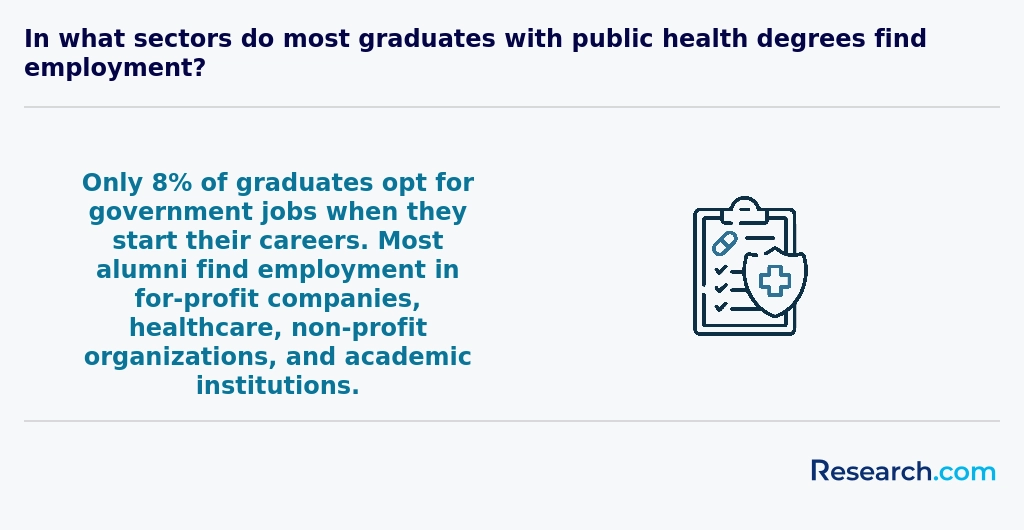
Graduates feel optimistic about career opportunities given Montana's focus on health disparities and preventive care, finding work in government agencies, nonprofits, and hospitals. Montana's lower educational costs make pursuing a public health degree more accessible, easing financial concerns and increasing flexibility in career paths. Many appreciate this balance while entering a job market that reflects the demand for health educators and community health workers, a sector expected to grow significantly.
Students exploring options might find it useful to compare degrees on specialized platforms including easiest phd programs, which can help guide educational decisions amid evolving public health career opportunities in Montana.
2027 Most Affordable Public Health Degree Programs Ranking in Montana
Investing in your education is a significant decision that can shape your future, and the Research.com team understands the importance of making informed choices. To assist prospective students in Montana, we have meticulously crafted the "2027 Most Affordable Public Health Degree Programs Ranking in Montana." Our commitment to quality, credibility, and accuracy is reflected in the extensive research and analysis conducted to compile this ranking.
We utilized the following reputable data sources to ensure a comprehensive evaluation of public health programs:
By exploring this ranking, readers will gain valuable insights into the most affordable public health degrees available in Montana, empowering them to make confident and informed decisions about their academic and professional futures. For more details on our methodology, please visit our
Research.com methodology page
.


Frequently Asked Questions About public health
Public health degree students in Montana can maximize their learning by engaging with local community health initiatives. Montana's rural regions face unique health challenges such as higher rates of chronic diseases and limited healthcare access, making hands-on experience valuable. Students should seek internships with organizations like Montana Department of Public Health & Human Services, which provide practical exposure to state health programs. Additionally, collaborating with tribal health departments offers insights into Indigenous health disparities, a critical area in Montana.
Participating in research projects focused on regional public health issues enhances understanding. The University of Montana's Rural Institute for Inclusive Communities is one example offering research opportunities. Networking with professionals through state health conferences and joining public health student associations can also broaden knowledge and career prospects.
Emerging niches within the public health field reflect shifting priorities in healthcare and community needs. In Montana, growing attention is given to rural health, addressing disparities experienced by residents in less populated areas. According to the Montana Department of Public Health and Human Services, access to care and chronic disease management are critical concerns driving workforce demand in this niche.
Environmental health is another rising focus, given Montana's vast natural resources and exposure risks. Specialists in this area work on issues like water quality and air pollution. Additionally, public health informatics is expanding, combining data science and health expertise to improve disease tracking and health outcomes.
Behavioral health integration has gained importance, blending mental health services with traditional public health initiatives. This aligns with national trends reporting increasing funding for mental health programs across the US.
After completing a public health degree in Montana, preparing for the job market involves several strategic steps. Start by gaining practical experience through internships or volunteer roles with Montana's public health departments or organizations like the Montana Department of Public Health and Human Services. Networking is important, as many jobs are filled through professional connections within the state. Consider obtaining certification such as the Certified in Public Health (CPH), which enhances credibility nationwide. Stay informed about regional health priorities, including rural health, substance abuse, and infectious diseases, which are significant in Montana. Use resources like the Bureau of Labor Statistics to track job trends and salary expectations locally.
Employers in Montana seeking public health graduates prioritize strong analytical skills. The ability to collect, interpret, and apply health data is essential to address Montana's unique rural health challenges, as noted by the Montana Department of Public Health and Human Services.
Communication skills, both written and verbal, are also critical. Professionals must collaborate effectively with diverse communities and health organizations. Leadership and project management capabilities improve program implementation, especially in statewide initiatives like those targeting opioid use, highlighted in recent state health reports.
Knowledge of healthcare policies and cultural competence are equally valued to ensure equitable health access. These skills prepare graduates for dynamic roles within Montana's public health sector.
Finding internships in Montana relevant to a public health degree involves leveraging local health departments, nonprofit organizations, and healthcare facilities. The Montana Department of Public Health and Human Services (DPHHS) offers internship opportunities that provide hands-on experience in community health programs. Many universities, such as the University of Montana, maintain partnerships with local agencies to connect students with internships.
Students should explore internships at tribal health organizations, important in Montana given the significant Native American population. The Bureau of Labor Statistics notes Montana's growing demand for health educators, emphasizing practical experience. Networking through campus career centers and attending public health events can also increase internship prospects.
A public health degree in Montana significantly enhances career mobility and advancement opportunities. Graduates gain essential skills in epidemiology, health policy, and community health that meet the needs of the state's healthcare sector. According to the Montana Department of Labor & Industry, the demand for public health professionals is projected to grow by 10% through 2030, faster than the average for all occupations.
Holding a relevant degree often qualifies individuals for leadership roles in local health departments, non-profits, and government agencies. Many careers also offer higher salaries and increased job security for degree holders. Furthermore, Montana's emphasis on rural health initiatives creates niche opportunities for public health specialists.
Professional credentials earned alongside a degree, such as Certified Health Education Specialist (CHES), further bolster advancement prospects. Networking through Montana-based public health organizations can also lead to valuable career openings.
Studying for a public health degree in Montana equips students with skills applicable across multiple disciplines. Programs in the state emphasize collaboration between health sciences, environmental studies, and policy analysis. This approach reflects Montana's unique public health challenges, such as rural healthcare access and Native American health disparities.
Montana's public health curricula often include training in epidemiology, biostatistics, and health communication. These disciplines prepare graduates to work in diverse roles, from community health promotion to health policy development.
Institutions like the University of Montana incorporate partnerships with local health departments and tribal organizations, providing real-world experience. According to the Montana Department of Public Health and Human Services, graduates with interdisciplinary skills are increasingly valuable in addressing statewide health issues.
Choosing between a thesis and a non-thesis public health degree program in Montana depends largely on your career goals and learning preferences. A thesis program typically requires original research on a public health topic, ideal for students aiming for research roles or doctoral studies. Non-thesis options often emphasize practical skills and coursework, suitable for those seeking direct entry into public health practice.
Montana's public health workforce faces unique rural health challenges, as noted by the Montana Department of Public Health & Human Services. If you want to engage deeply with local health issues, a thesis might provide valuable experience. On the other hand, non-thesis programs can offer quicker completion and flexibility for working professionals.
Graduate students in Montana often weigh these choices considering funding, time commitment, and career outcomes, as reported by the Association of Schools and Programs of Public Health. Understanding your professional aims helps determine which option aligns best with your future in Montana's public health sector.
Students based in Montana interested in studying public health abroad have several pathways through partnerships and exchange programs offered by Montana's universities. The University of Montana, for example, supports study abroad opportunities that allow students to gain international experience in global health fields.
Many programs focus on comparative health systems, epidemiology, and community health initiatives in countries with diverse healthcare challenges. These experiences enhance academic learning and practical skills.
Montana students should also consider public health internships internationally via organizations supported by the U.S. government or NGOs, complementing their formal degrees.
Data from the Association of Schools and Programs of Public Health (ASPPH) suggests that international exposure improves employment prospects in public health careers.
Students pursuing public health degrees in Montana have access to various part-time job opportunities that align well with their studies. Working as a community health worker or health educator allows hands-on experience in public health outreach and education, which are essential skills in the field.
Healthcare settings like hospitals or local clinics often hire part-time assistants to support patient care coordination and data collection, crucial for public health research and management. The Montana Department of Public Health and Human Services also offers internships and part-time roles related to epidemiology and health policy.
According to the U.S. Bureau of Labor Statistics, Montana's demand for health education specialists is expected to grow by 10% through 2032, emphasizing the value of relevant work experience during study.
Public health students in Montana have multiple opportunities to build professional networks during their studies. Universities such as the University of Montana offer student organizations like the Public Health Student Association, which connects students with local health professionals and community leaders. These groups often host events, workshops, and volunteer projects that encourage collaboration and skill development.
Students can also benefit from Montana's rural health initiatives, partnering with regional public health departments to gain practical experience and contacts. According to the Montana Department of Public Health and Human Services, these collaborations enhance student engagement in addressing statewide health challenges.
Conferences held in Montana, including the annual Montana Public Health Conference, further provide valuable venues for students to meet experts across the field.
Alumni networks provide valuable support for public health degree students in Montana by connecting them with experienced professionals across the state. These networks often facilitate mentorship, which can guide students through career planning and job searches.
Montana's rural communities create unique public health challenges, and alumni with local expertise offer students insights into addressing these issues effectively. According to the Montana Public Health Association, networking increases job placement rates by nearly 20% for graduates within the state.
Additionally, alumni events and online platforms create opportunities for internships and collaborative projects, helping students gain practical experience before graduation.
Students pursuing public health degrees in Montana can customize their programs by selecting concentrations that align with their career goals. Many Montana universities offer specialized tracks such as epidemiology, environmental health, global health, or health policy. This flexibility allows students to focus on areas with high workforce demand in the state, like rural health management or Native American health initiatives.
Additionally, internships and practical experience opportunities within Montana's diverse communities help tailor education to real-world challenges. According to the Montana Department of Public Health & Human Services, focusing on rural and tribal health needs is critical, reflecting local public health priorities.
Public health students in Montana often face unique challenges due to the state's rural nature and limited local resources. With vast distances between communities, access to in-person internships and fieldwork opportunities can be difficult, which is critical for hands-on public health training. According to the Montana Department of Public Health and Human Services, rural health disparities require focused study, but students may struggle to find adequate placement sites in underserved areas.
Additionally, Montana's smaller population means fewer specialized public health programs compared to larger states, limiting course variety and faculty expertise. Financial barriers also exist, as scholarships and grants specifically for public health students in Montana remain limited. These factors combined can present obstacles to gaining comprehensive educational and practical experience in the state.
With a public health degree in Montana, you can pursue several professional certifications to enhance your career prospects. The most recognized certification is the Certified in Public Health (CPH) credential offered by the National Board of Public Health Examiners. This certification demonstrates mastery of core public health skills and knowledge.
Other valuable certifications include the Certified Health Education Specialist (CHES), which focuses on community health education, and the Registered Environmental Health Specialist (REHS), relevant to Montana's rural and environmental health challenges.
Pursuing these certifications can increase job opportunities in local health departments, healthcare facilities, and nonprofit organizations across Montana. The Montana Department of Public Health and Human Services often encourages such credentials for advancement. According to the Bureau of Labor Statistics, certified public health professionals tend to have higher earning potential and job stability.
To write a winning application for a public health program in Montana, start by highlighting your commitment to improving community health. Montana's public health challenges-such as rural health disparities and access to care-make relevant experience valuable. Programs often look for applicants with volunteer work, internships, or employment related to these areas.
Strong academic records matter; aim for a GPA above 3.0, especially in science and social science courses. Personal statements should clearly explain your motivation and goals within Montana's unique context, referencing local health statistics from sources like the Montana Department of Public Health and Human Services.
Letters of recommendation from professionals familiar with your public health interests can significantly improve your application. Additionally, clearly articulate your understanding of rural health issues and how you plan to contribute to Montana's public health landscape.
Public health careers have a broad global perspective, focusing on improving health outcomes across diverse populations. Graduates with degrees from Montana institutions can engage in efforts ranging from infectious disease prevention to health policy development. According to the Montana Department of Public Health and Human Services, public health professionals play a key role in managing issues like rural health disparities and tribal health concerns.
Internationally, public health emphasizes collaboration through organizations such as the World Health Organization, which values knowledge from U.S.-trained experts. Montana's public health programs incorporate global health principles, preparing students for work that impacts communities locally and worldwide.
Gaining practical experience while studying for a public health degree in Montana is essential to build skills and improve job prospects. Many Montana universities, such as the University of Montana, offer internships with local health departments, non-profits, and tribal health organizations. These placements provide students hands-on exposure to community health challenges unique to Montana's rural and Native American populations.
Students can also participate in research projects addressing issues like infectious diseases and opioid use, which remain significant in the state. According to the Montana Department of Public Health & Human Services, such experiences increase employment rates by exposing students to real-world public health environments. Additionally, volunteering with organizations focused on health education or emergency preparedness offers valuable insight.
Choosing the right concentration in a public health degree program in Montana requires understanding both local health challenges and your career goals. Montana faces unique public health issues such as rural healthcare access and high rates of chronic diseases, including diabetes and heart disease, according to the Montana Department of Public Health & Human Services. Concentrations in epidemiology, community health, or health policy may align well with addressing these concerns.
Consider your interests in areas like data analysis, health education, or environmental health, as Montana's vast rural areas often need specialists knowledgeable in population health management. Reviewing program curricula and speaking with academic advisors can help clarify which concentration fits your skills and professional ambitions.
- 2027 Most Affordable Public Health Degree Programs Ranking in Washington
- 2027 Most Affordable Public Health Degree Programs Ranking in Minnesota
- 2027 Most Affordable Public Health Degree Programs Ranking in California
- 2027 Most Affordable Public Health Degree Programs Ranking in Arizona
- 2027 Most Affordable Public Health Degree Programs Ranking in New Mexico
- 2027 Most Affordable Public Health Degree Programs Ranking in Michigan
- 2027 Most Affordable Public Health Degree Programs Ranking in Arkansas
- 2027 Most Affordable Public Health Degree Programs Ranking in Alabama
- 2027 Most Affordable Public Health Degree Programs Ranking in New Jersey
- 2027 Most Affordable Public Health Degree Programs Ranking in Connecticut
- Careers https://www.publichealthdegrees.org/careers/
- Public Health: A Global Perspective https://www.routledge.com/Public-Health-A-Global-Perspective/Singh/p/book/9781032644226
- Public Health Challenges – IPA SDG Dashboard https://sdg.internationalpublishers.org/sdgaction/public-health-challenges/
- Students and Alumni associations - Europubhealth https://www.europubhealth.org/students-alumni-associations/
- Financial Aid Guide https://www.publichealth.org/resources/financial-aid/
- Medical University of GdaÅsk https://publichealth.mug.edu.pl/
- Dive deeper into public health topics. https://www.apha.org/topics-and-issues
- Why Public Health is the Ideal Career Path for Gen Z - Reach Out https://we-reachout.org/why-public-health-is-the-ideal-career-path-for-gen-z/
- For Academic Public Health https://globalnetworkpublichealth.org/
- The Interdisciplinary Nature of Public Health https://www.cune.edu/news/interdisciplinary-nature-public-health











