
2027 Most Affordable Online Bachelor's in Public Health Degree Programs Ranking in the Northeast

Co-Founder and Chief Data Scientist
Exploring options for an affordable online bachelor's in public health can feel overwhelming, especially in the Northeast where choices abound. This article introduces the 2027 Most Affordable Online Bachelor's in Public Health Degree Programs Ranking in the Northeast, thoughtfully compiled by the Research.com team of data scientists.
Designed to support your journey, the ranking helps you identify quality programs that fit your budget and goals. Earning a public health degree opens doors to meaningful careers that make a difference in communities, offering both personal growth and professional opportunities.
Let this guide empower your decision with clarity and confidence.
Key benefits of getting online public health degree in the Northeast
- Salary: Graduates with public health degrees in the Northeast can earn competitive salaries, such as an Environmental Health Specialist making around $86,710 annually or a Health Educator earning about $69,790 per year.
- Career paths: A typical graduate from a popular Northeast university can pursue diverse roles like Community Health Worker or Occupational Health and Safety Specialist, offering rewarding opportunities to impact community wellness.
- Online degree benefits: Earning a public health degree online provides flexibility to balance work and study, allowing students from the Northeast to advance their education without relocating or disrupting their routine.
- 2027 Most Affordable Online Bachelor's in Public Health Degree Programs Ranking in the Northeast
- What can I expect from online public health degree in the Northeast?
- Where can I work with online public health degree in the Northeast?
What can I expect from online public health degree in the Northeast?
When diving into an online public health degree in the Northeast, one of the first things students discover is the range of tuition costs. Public universities, like those in New York or Massachusetts, often price their online programs between $8,000 and $12,000 per year for in-state residents, offering a wallet-friendly pathway to a highly valued degree. Meanwhile, private colleges-think of prestigious institutions in Boston or Philadelphia-may ask for a higher investment, sometimes over $20,000 annually. Graduates who balanced work, family, and studies often recall feeling relieved by the flexibility and affordability of public university options, which made pursuing their passion for improving community health feel achievable, not overwhelming.
Scholarships and state aid are frequently lifesavers, reducing costs and opening doors to students eager to tackle real health challenges in cities like New York City or Boston. This accessibility turns the complex world of public health studies into an inviting adventure, with practical experiences woven into the online curriculum.
Where can I work with online public health degree in the Northeast?
Graduates with an online public health degree in the Northeast step into a vibrant workspace buzzing with opportunities. Imagine embarking on a role with state and local health departments like those in New York or Massachusetts, where you could shape community wellness as an epidemiologist or health educator. Many graduates from top programs such as Johns Hopkins University find themselves energized by contributing to large-scale health initiatives right in their hometowns.
Others dive into bustling hospitals and healthcare systems in cities like Boston or Philadelphia, managing outreach projects and analyzing health data to improve patient care. It's easy to picture working alongside diverse teams committed to preventing disease and promoting healthier lives.
Nonprofits focused on health equity and chronic disease prevention offer passionate graduates a chance to advocate for meaningful change. Those from universities like the University of Pittsburgh often share the thrill of collaborating on policy and community programs that truly make a difference.
Private companies, including regional offices of health insurers and pharmaceutical firms, eagerly seek public health professionals to lead population health strategies. The Northeast's unique mix of healthcare, research, and community focus creates a dynamic career landscape ready for adventurous grads ready to explore.
Graduates from online public health programs in the Northeast eagerly discover wages that reflect the vibrant healthcare landscape around institutions like Boston University and the University of Pennsylvania. For example, community health workers often begin with a mean annual wage near $52,610, a rewarding start for those passionate about grassroots health initiatives.
Health educators, another popular career path, enjoy even better prospects, boasting average annual salaries of about $69,790. Many online graduates from Northeastern schools share stories of quickly moving into these roles, thrilled by the opportunity to educate and empower diverse communities.
For those adventuring further, roles like environmental health specialists or occupational health and safety specialists offer exciting challenges paired with salaries averaging $86,710 and $85,570 respectively. Graduates pursuing these paths from colleges such as Northeastern University find their expertise highly prized in urban centers like New York City and Philadelphia, where salaries tend to rise with experience.
The journey through an online degree here isn't just about knowledge-it's a gateway to meaningful work with promising financial rewards in a region that truly values public health innovation.
- Tuition for online public health bachelor's programs in the Northeast ranges from $15,000 to $30,000 per year, with public universities often offering lower rates for in-state students.
- Entry-level salaries for public health graduates in the region are typically between $50,000 and $60,000 annually.
- Professionals with five or more years of experience can earn between $70,000 and $90,000 per year depending on specialization and location.
- Major cities like Boston, New York City, and Philadelphia provide strong job markets with opportunities in government, healthcare, nonprofits, and private sectors.
- Many online programs are accredited by the Council on Education for Public Health (CEPH), supporting quality education and financial aid eligibility.
- Flexible schedules and practicum or virtual internship options make these programs suitable for working professionals.
Others, balancing work and life, take a more laid-back route akin to a steady hike, stretching their journey to five or more years by taking 6 to 9 credits per term. One graduate from a popular college shared how taking advantage of flexible course schedules and multiple start dates transformed their experience, making it feel like a personalized expedition through public health knowledge.
Accelerated paths are available for those craving a faster ascent, squeezing the experience into two to three years by diving into heavier course loads or year-round sessions. The thrill lies in tailoring your journey, whether a sprint or a scenic trek, meeting rigorous standards set by regional accrediting bodies and the Council on Education for Public Health (CEPH).
As public health challenges evolve, so do the innovations and opportunities within the field. Today's online public health programs are integrating advanced digital tools and telehealth practices to prepare graduates for a landscape marked by rapid technological change. Students are now exposed to cutting-edge courses in health informatics, data analytics, and emergency preparedness that address contemporary issues such as pandemic response and climate change. These program enhancements not only reflect the latest industry standards but also increase the relevance of the curriculum in a competitive job market. Many successful alumni attribute their seamless transition into high-demand roles to the forward-thinking approach of their programs. For instance, those seeking a holistic experience can learn from a valuable public health school in connecticut, where blending traditional public health principles with modern technology is at the core of their teaching strategy. Embracing these emerging trends can empower new graduates to drive effective change across health sectors, ensuring that their expertise remains both current and impactful in addressing future global health challenges.
Now, picture the flexibility of studying at your own pace while sipping coffee in a cozy suburban home outside New York City, juggling work and family. Online public health degrees from institutions like the University of Massachusetts offer this freedom, with digital classrooms replacing lecture halls, plus the chance to engage with peers across the region through virtual forums. Graduates appreciate how this flexibility lets them dive into coursework after work hours, making ambitious goals achievable without sacrificing life's demands.
Both paths meet strict accreditation standards by the Council on Education for Public Health, but the key difference lies in immersion versus accessibility-two sides of the same coin for Northeast students chasing meaningful public health careers.
Accreditation by the Council on Education for Public Health (CEPH) confirms a program meets national standards for curriculum, faculty and student outcomes.
Key benefits of choosing a CEPH-accredited program:
- Guarantees core public health competencies across coursework
- Enhances eligibility for professional certifications and licensure
- Facilitates credit transfer and graduate school admission
- Signals quality to employers, boosting career prospects
Always verify CEPH accreditation on official program websites before applying. For related affordability and certification topics, see medical billing and coding certification.
The average cost of an online public health degree in the Northeast hovers around $51,180 in total, making it a significant yet worthwhile investment. Many graduates from well-known institutions such as the University of Massachusetts and the SUNY system have shared how affordable online options for in-state students fostered their determination and excitement throughout their studies. Public universities here often offer a balance between quality education and manageable tuition, making them popular choices among students seeking affordable online public health programs Northeast.
Meanwhile, graduates from private universities like Northeastern University or Boston University often recount a different experience, where higher tuition fees-sometimes ranging from $28,000 to $40,000 annually-reflect the prestige and extensive resources available. These personal stories reveal how choosing between public and private online programs depends on one's unique ambitions and financial situation, and each path offers a vibrant learning journey full of opportunities.
For those navigating the labyrinth of tuition costs, exploring scholarships, grants, and employer tuition reimbursement programs becomes a thrilling treasure hunt. Imagine receiving aid that transforms your educational journey into an adventurous climb rather than a financial burden. If you are hunting for a valuable public health school in connecticut, this region's mix of pricing options and financial support can make your dream more accessible.
Ultimately, the variation in costs reflects the dynamic and exciting landscape of public health education in the Northeast, encouraging students to find the perfect match for their goals and means.
Accredited online public health programs in the Northeast include a hands-on practicum to ensure you develop real-world skills and professional connections.
- Required Hours: Most CEPH-accredited programs mandate 160–200 field hours in a public health setting.
- Placement Options: Common sites include local health departments, hospitals, nonprofit organizations, and community clinics.
- Supervision: You’ll work under a site preceptor and a faculty advisor who guide project goals and evaluate your performance.
- Learning Outcomes: Expect to apply epidemiology, health policy analysis, community outreach and data evaluation in live projects.
To prepare, start identifying local partners early and clarify learning objectives with your advisor. Many students also boost their administrative skill set by exploring a low cost medical coding and billing online program to complement their public health expertise.
Imagine starting your online public health degree at a beloved Northeastern university like the University of Massachusetts or SUNY Albany and discovering a treasure trove of financial aid designed just for you. Many graduates recall how filling out the FAFSA unlocked federal grants and loans that transformed their education journey, with the Pell Grant offering up to $7,395 annually to ease the burden. Beyond federal help, state programs like New York's TAP and Massachusetts' MASSGrant have been lifesavers for residents, providing extra grants that often make a significant difference.
Graduates often share how institutional scholarships, grounded in merit or need, opened doors they hadn't imagined. At some schools, these awards felt like personal nods to their commitment to public health. Others tapped into work-study jobs or employer tuition assistance, juggling part-time work with studies, knowing their efforts directly funded their goals.
Exploring local foundations and professional scholarships from organizations such as the APHA adds even more possibilities. The financial aid landscape in the Northeast feels like a welcoming network eager to support your ambitions.
You'll likely need to showcase skills in math, writing, and science through prerequisite courses or equivalent experience-picture studying biology or statistics as unlocking the tools to understand complex health issues and communities. Some universities cherish applicants who bring volunteering or work experience, highlighting how personal passion can transform learning into meaningful community impact. Completing transcripts and maybe sharing a personal essay paints your unique story, while letters of recommendation and interviews invite you to express your drive and readiness. This process, embraced by many in the Northeast, turns prerequisites into an engaging, hopeful adventure toward becoming a public health champion.
Return on Investment (ROI) is a vital consideration when selecting an affordable online public health degree in the Northeast. By comparing program costs with projected earnings, students can make strategic decisions that pay off over time.
- Tuition vs. Earnings: In-state students face a median tuition of $21,144, while out-of-state students average $30,276. Entry-level salaries start around $49,900 and can climb to $82,110 for specialized positions, yielding a typical payback period of 2.5–4 years.
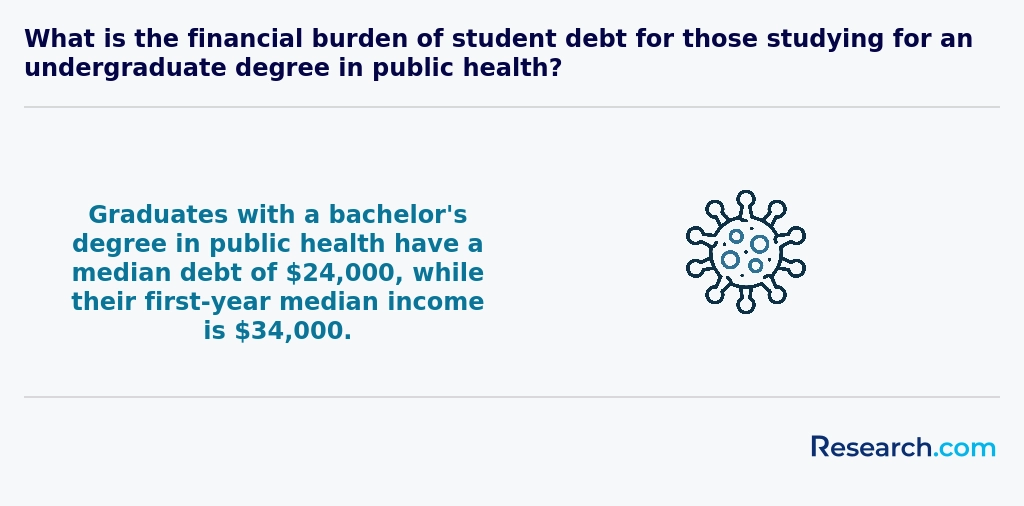
- Debt-to-Income Ratio: With a median undergraduate debt of $24,000 and first-year earnings of $34,000, graduates often maintain a ratio near 0.7, indicating manageable loan repayment.
- Career Advancement: Specializations in epidemiology, health policy or environmental health can accelerate salary growth beyond regional norms.
- Executive Leadership Paths: For those aiming at senior roles-such as a health department director-explore health department director career options to understand advanced earning potential and leadership responsibilities.
- Institutional Metrics: Compare graduation rates, job placement statistics, and alumni outcomes from CEPH-accredited programs to refine ROI projections. Assessing these factors helps prospective students align educational investment with long-term career goals, ensuring a strong ROI from an online public health degree in the Northeast.
Diving into an online public health degree in the Northeast means exploring a fascinating mix of courses that shape how you understand and improve health in communities. Graduates from renowned universities in the region often recall how Epidemiology felt like unlocking the mysteries behind disease patterns, transforming abstract data into stories of real impact. Biostatistics brought the thrill of crunching numbers that directly influence health decisions, while Environmental Health opened their eyes to the invisible forces shaping well-being around them.
Courses in Health Policy and Management allowed students to navigate the complexities of agencies affecting everyday lives, often inspired by case studies from nearby health departments. Adding a vibrant social dimension, Social and Behavioral Sciences challenged learners to think deeply about human behavior and community change, something graduates found empowering and relatable.
Many students found Global Health fascinating, sparked by the realization that health challenges cross borders-whether in Boston or Buffalo. Emerging areas like Health Informatics and Surveillance felt particularly cutting-edge, offering the excitement of working with modern digital tools. Finally, the capstone or practicum tied everything together, delivering hands-on experiences that brought classroom knowledge vividly to life.
Diving into online public health degree specializations in the Northeast reveals exciting paths tailored for curious minds. Graduates often share how focusing on epidemiology unlocked their passion for tracking outbreaks in busy urban centers like Boston or New York, where disease patterns pulse through dense communities. Others find themselves drawn to health policy and management, learning to navigate the complex world of healthcare organizations and shape policies that impact millions, all while studying at renowned institutions offering flexible online options.
Environmental health stands out for those eager to tackle real challenges like urban pollution and climate change effects that Northeast cities face daily. Students from major universities in the region appreciate how this focus connects classroom lessons to air quality concerns right in their backyards. Meanwhile, community health and health education specializations equip learners with tools to craft meaningful programs, a journey that inspires many to engage deeply with diverse populations.
For those with a global mindset, the global health track opens doors to international careers working with NGOs or international agencies, highlighting the interconnectedness of health challenges. When exploring public health career tracks in Northeast online programs, many choose their specialization based on how vividly it relates to both their ambitions and the region's dynamic needs. Some graduates even explore health department director career options that thrive on deep specialization and leadership skills.
Diving into the search for the best online public health degree in the Northeast invites an adventurous spirit. Graduates from renowned universities in Boston or New York often share how verifying CEPH accreditation made their degrees stand out to employers, ensuring their hard work translates into real-world opportunities. Imagine exploring courses tailored to your passions-whether epidemiology, policy, or environmental health-offered by institutions with strong reputations.
Students appreciate programs that balance flexibility with support; asynchronous classes paired with dedicated online advising create a learning environment that fits their busy lives. Many find value in universities known for robust faculty research, which enriches online lessons with up-to-date insights.
If price is a concern, weighing tuition costs against financial aid is crucial, especially when seeking affordable online public health degrees Northeast. Some chase opportunities highlighted in rankings like the Low Cost Public Health Degree Programs Ranking in Philadelphia, PA, discovering how this saves money without sacrificing quality.
Finally, graduates often mention verifying state authorization and residency policies, avoiding surprises in enrollment eligibility while embracing the adventure of earning a degree that excites and empowers.
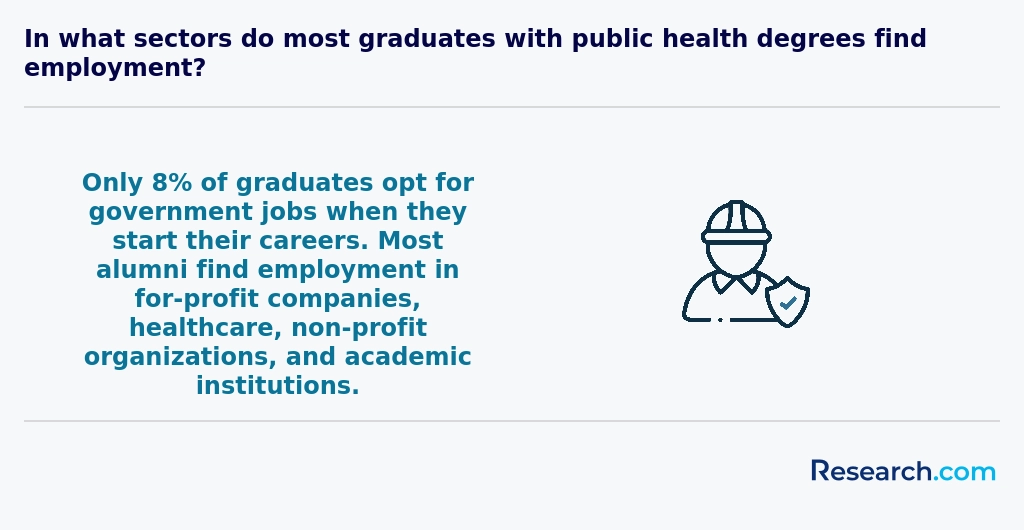
Graduates exploring online public health careers in the Northeast often find themselves stepping into vibrant roles like Community Health Educators, crafting programs that resonate in diverse urban hubs such as Boston or Philadelphia. Those intrigued by policy dive into positions as Health Policy Analysts, shaping impactful decisions within state governments or local think tanks, fueled by the region's rich network of health institutions.
Many alumni from renowned Northeast universities discover fulfillment as Epidemiologists, tracking disease trends amid the dynamic demands of public health crises-an adventure that's become even more vital post-pandemic. Environmental Health Specialists engage with real-world challenges, working alongside agencies like the New York State Department of Health to protect communities from environmental risks. Public Health Administrators thrive by leading nonprofit and governmental programs, managing funding and initiatives that directly uplift regional populations.
For students eager to accelerate their journey, pursuing an online masters 1 year can open doors to these exciting pathways, blending flexibility with the region's rich professional opportunities in public health degree job opportunities Northeast.
The job market for online public health degree holders in the Northeast is alive with opportunity, thanks to the region's dense urban centers and thriving health sectors. Graduates from well-known universities often find themselves stepping into roles within government agencies, hospitals, and non-profits, eager to make an impact on community well-being. Many share stories of landing positions at state health departments or consulting firms focused on health technology, illustrating the diverse career paths available. This dynamic environment reflects the growing need for skilled professionals who can address public health challenges creatively and effectively.
Exploring public health career opportunities Northeast region reveals a welcoming landscape where salaries reflect the higher cost of living, offering competitive wages starting in the mid-$60,000 range for entry-level jobs. Strong local public health infrastructures contribute to steady job growth, making these areas prime for those seeking meaningful and stable employment. The blend of rigorous academics and real-world experience ensures graduates are ready to navigate this exciting professional journey.
For students navigating course options, many turn to open enrollment online college courses, gaining flexibility without sacrificing quality. This approach allows for balancing education with work or personal commitments while tapping into the vibrant Northeast market's expanding job offerings.
2027 Most Affordable Online Bachelor's in Public Health Degree Programs Ranking in the Northeast
Investing in your education is a significant decision that can shape your future, and the Research.com team understands the importance of making informed choices. To assist prospective students interested in public health, we have meticulously developed the "2027 Most Affordable Online Bachelor's in Public Health Degree Programs Ranking in the Northeast." Our dedication to quality, credibility, and accuracy is demonstrated through thorough research and analysis behind this ranking.
We utilized the following reputable data sources to ensure a comprehensive evaluation of programs:
By consulting this ranking, readers will gain valuable insights into affordable, accredited online public health degree options in the Northeast, empowering them to make well-informed educational decisions. For more information on how this ranking was created, please visit our Research.com methodology page.


Frequently Asked Questions About public health
Students pursuing online public health degrees in the Northeast can enhance their learning by actively engaging with both digital course materials and regional public health organizations. The Northeast, home to numerous public health agencies like the New York State Department of Health, offers valuable internship and volunteer opportunities that complement virtual coursework.
Connecting with local alumni networks and professional groups can provide mentorship and career guidance. According to the Association of Schools and Programs of Public Health, practical experience significantly improves job readiness.
Utilizing university resources, such as virtual libraries and tutoring, helps maintain academic success. Staying informed about regional health challenges, including urban health disparities documented by the CDC's Northeast region reports, enriches students' understanding of public health priorities.
The public health field is evolving with several emerging niches particularly relevant in the Northeast. One key area is health informatics, where professionals analyze data to improve healthcare delivery. According to the Bureau of Labor Statistics, demand for health informatics specialists is expected to grow by 17% from 2020 to 2030.
Another niche gaining traction is environmental health, focusing on urban pollution and its impact on community well-being. The Northeast faces unique challenges due to dense populations and industrial history, making expertise in this area crucial.
Additionally, health equity and social justice are rising priorities, especially in diverse states like New York and Massachusetts, guided by policies aiming to reduce disparities in healthcare access and outcomes.
After completing an online public health degree in the Northeast, preparing for the job market involves targeted steps. First, obtaining relevant certifications like Certified Health Education Specialist (CHES) can boost employability. Networking through local public health associations such as the Northeast Public Health Association enhances connections with professionals.
Internships or practicums with agencies like the New York State Department of Health provide practical experience valued by employers. According to the Bureau of Labor Statistics, the Northeast anticipates a 7% growth in public health jobs through 2031, especially in urban centers.
Finally, leveraging job portals focused on public health roles and maintaining updated resumes tailored to regional employers increases job prospects.
Employers in the Northeast highly value public health graduates who demonstrate strong analytical skills. Mastery of data interpretation and epidemiology is essential, given the region's focus on addressing complex urban health challenges, as highlighted by the Centers for Disease Control and Prevention (CDC).
Effective communication skills, both written and verbal, are also crucial. Public health professionals must collaborate with diverse communities and stakeholders to promote health equity, a priority emphasized by the Northeast Public Health Workforce Network.
Additionally, proficiency in health informatics and policy analysis is increasingly sought after, especially in states like New York and Massachusetts, where innovation in healthcare delivery is rapidly evolving. Leadership and cultural competency complete the core skillset companies expect from graduates entering this competitive field.
Finding internships in the Northeast for public health students involves targeting organizations connected to state and local health departments, hospitals, and nonprofits. Many universities in this region have partnerships with agencies like the New York State Department of Health and Massachusetts Department of Public Health, offering structured internship programs.
Federal agencies such as the Centers for Disease Control and Prevention (CDC), headquartered in Atlanta but with regional offices in the Northeast, also provide internship opportunities. According to the Bureau of Labor Statistics, health-related internships in the Northeast have grown by 8% annually, reflecting increased demand for public health professionals.
Students should leverage online internship portals like Handshake and governmental websites, and consider joining professional organizations such as the American Public Health Association's Northeast chapter for networking and guidance.
Online public health degrees in the Northeast offer flexible pathways for career mobility and advancement. Graduates gain skills valued by employers in hospitals, government agencies, and nonprofit organizations where demand for public health professionals is growing steadily. According to the U.S. Bureau of Labor Statistics, the Northeast region expects a job growth rate of about 16% for health educators and community health workers through 2031.
Many programs are accredited and align with industry standards, improving graduates' competitiveness for leadership roles. Employers often prefer candidates with formal public health education, which supports promotion opportunities and higher salaries. Online formats also allow working professionals to upskill without interrupting their careers.
Overall, an online public health degree in this region provides practical knowledge and recognized credentials that boost employability amid evolving health challenges.
Online public health degrees in the Northeast equip students with skills essential for interdisciplinary roles by integrating coursework across multiple domains such as epidemiology, biostatistics, health policy, and social sciences. Institutions emphasize practical applications that foster collaboration with healthcare, environmental science, and social work professionals.
The region benefits from proximity to major health agencies and diverse populations, offering students exposure to a range of public health challenges and data-driven solutions. According to the Association of Schools and Programs of Public Health, Northeastern programs rank among the top in integrating cross-sector learning.
This approach readies graduates for multifaceted positions in government, nonprofit, and private sectors critical to regional health outcomes.
When choosing between a thesis and a non-thesis online public health degree program in the Northeast, students should consider their career goals. Thesis programs emphasize research, requiring a significant project, which suits those interested in advanced studies or research careers. Non-thesis options focus more on practical skills and coursework, ideal for students aiming to enter public health practice directly.
The Northeast hosts many accredited programs, like those listed by the Council on Education for Public Health (CEPH). According to CEPH data, about 40% of master's public health graduates in this region pursue thesis options, reflecting strong academic research opportunities.
Additionally, thesis tracks may increase eligibility for doctoral programs. However, non-thesis paths often feature flexible schedules and internships, beneficial for working professionals in the Northeast's competitive job market.
Students in the Northeast interested in studying public health abroad through online programs have several options. Many accredited universities in the region offer partnerships with international institutions, enabling students to access global coursework while remaining in the US. For example, some programs include virtual exchanges or internships with global health organizations abroad. This approach combines local convenience with international experience.
The Council on Education for Public Health (CEPH) accredits multiple Northeast schools whose online curricula incorporate global health perspectives. According to the Association of Schools and Programs of Public Health, about 40% of these programs emphasize global health competencies. Students should explore options that offer these features for a well-rounded education.
Part-time job opportunities that complement public health degree education in the Northeast often involve roles in healthcare settings, community outreach, and research assistance. Students may find positions as health educators, helping to promote wellness programs in local organizations. Jobs as data entry or research assistants at universities and public health agencies offer practical experience with analysis and reporting. The Northeast has a high demand for contact tracers, especially in urban centers like New York City and Boston, allowing students to apply epidemiological skills.
According to the Bureau of Labor Statistics, public health-related employment in this region is projected to grow by 11% through 2030, supporting diverse part-time roles aligned with academic goals.
Online public health students in the Northeast benefit from numerous networking opportunities through regional professional organizations, university partnerships, and local health departments. Groups such as the Northeast Public Health Workforce Network provide virtual events, workshops, and conferences tailored to public health career development. Many universities also connect online learners with alumni networks and internship programs within leading Northeast metro areas like Boston, New York City, and Philadelphia.
According to the Association of State and Territorial Health Officials, over 60% of public health jobs in the Northeast involve collaboration with local agencies, making these connections vital. Students can engage in virtual mentorship programs and participate in online forums to build relationships with public health professionals across the region.
Alumni networks play a crucial role for online public health degree students in the Northeast by providing access to valuable professional connections. These networks often include graduates working in regional health departments, hospitals, and nonprofit organizations. According to the Bureau of Labor Statistics, the Northeast has a high concentration of public health jobs, making networking essential for career advancement.
Through alumni events and online forums, students gain mentorship and job leads. A 2023 survey by the National Board of Public Health Examiners found that 65% of public health graduates secured employment within six months through connections formed during their studies.
Such networks also offer insights into local health policies and practices, especially important in a region with diverse urban and rural health challenges.
Customizing an online public health degree in the Northeast allows students to align their education with specific career goals. Many universities offer concentrations or electives in areas such as epidemiology, health policy, environmental health, or community health. This flexibility is important because the Northeast faces unique public health challenges like urban health disparities and opioid addiction, so tailoring your studies to these issues can enhance job readiness.
Students may also pursue internships or capstone projects with local health departments or organizations. According to the Association of Schools and Programs of Public Health, nearly 30% of accredited schools in this region provide specialized tracks to meet regional workforce needs.
Online public health students in the Northeast commonly face several challenges. Access to reliable, high-speed internet can be uneven, especially in rural areas of states like Maine and Vermont, which affects the quality of virtual learning. Additionally, balancing coursework with professional or family obligations remains difficult, as many students in this region are working adults seeking career advancement.
Time zone differences between students and faculty at different institutions occasionally cause scheduling conflicts for live sessions. According to the National Center for Education Statistics, about 60% of online public health students report feeling isolated during their studies. Furthermore, some students encounter financial difficulties due to the high cost of living in metropolitan areas like New York City and Boston, even when pursuing online degrees remotely.
Graduates of an online public health degree in the Northeast can pursue several key professional certifications that enhance career prospects. One prominent certification is the Certified in Public Health (CPH) credential, offered by the National Board of Public Health Examiners. This certification verifies expertise in core public health competencies and is widely recognized across states in the Northeast.
Another valuable credential is the Certified Health Education Specialist (CHES), issued by the National Commission for Health Education Credentialing, which suits those focused on health promotion.
These certifications often require a bachelor's degree in public health or related fields and passing a rigorous exam. Data from the Northeast Public Health Training Center highlights that certification holders in this region reported up to 20% higher average salaries, emphasizing their importance in competitive job markets.
Crafting a strong application for an online public health program in the Northeast requires clear focus and preparation. Start by highlighting your academic background and any relevant work or volunteer experience in public health, emphasizing how it aligns with your career goals.
Personal statements should be concise and specific, demonstrating understanding of public health challenges in the region, such as urban health disparities or rural access issues documented by the CDC's Northeastern reports. Include measurable achievements and leadership roles.
Strong letters of recommendation from professionals familiar with your skills can significantly boost your chances. Finally, ensure all transcripts and test scores meet the program's deadlines to avoid delays.
Public health careers increasingly emphasize global awareness, reflecting the interconnected nature of health challenges today. Professionals trained in the Northeast often engage with worldwide issues such as infectious disease control, environmental health, and health equity. According to the Association of Schools and Programs of Public Health (ASPPH), 2023 data shows that nearly 60% of public health graduates work on initiatives with international implications.
Many Northeastern programs incorporate global health topics, preparing students to address pandemics and humanitarian crises. The U.S. Bureau of Labor Statistics projects a 13% job growth for health educators and community health workers by 2032, partly driven by global demands.
This global perspective enriches public health roles, making careers more dynamic and impactful at home and abroad.
Students pursuing an online public health degree in the Northeast can gain practical experience through various avenues. Many programs incorporate internships or practicum placements with local health departments, hospitals, or nonprofit organizations. These placements provide hands-on exposure to community health initiatives and disease prevention strategies. According to the Association of Schools and Programs of Public Health (ASPPH), around 75% of accredited public health programs in the region require such fieldwork.
Additionally, students may engage in virtual simulations and case studies emphasizing real-world public health challenges prevalent in Northeastern states, such as opioid addiction and urban health disparities. Networking through regional public health conferences also offers valuable connections.
Choosing the right concentration within an online public health degree in the Northeast depends on your career goals and regional health priorities. Common concentrations include epidemiology, health policy, environmental health, and community health education. The Northeast faces specific challenges like urban health disparities and infectious disease management, which may influence your choice.
Review job growth data from the U.S. Bureau of Labor Statistics, which projects a 16% increase in public health jobs through 2032, particularly in urban centers such as New York and Boston. This growth favors specialties like epidemiology and health policy.
Additionally, explore concentrations offered by accredited universities in the Northeast, and consider how program flexibility and faculty expertise support your interests. Consulting resources like the Council on Education for Public Health can also guide informed decisions.
- How to Get Your First Public Health Job - PHERN https://phern.communitycommons.org/early-career-professional-learning-series/how-to-get-your-first-public-health-job/
- Public Health Jobs | Public Health Jobs in the UK | Publichealthjobs.co.uk https://publichealthjobs.co.uk/
- 10 Best MPH Degrees in the Northeast https://www.masterspublichealth.net/best/mph-northeast/
- Highest Paid Public Health Careers https://www.publichealthdegrees.org/careers/highest-paid-public-health-jobs/
- Academic Program Finder https://programfinder.aspph.org/
- How an Online MPH Degree Can Impact Public Health in 2024 https://dblp.ucnedu.org/blog/how-an-online-mph-degree-can-impact-public-health/
- Students and Alumni associations - Europubhealth https://www.europubhealth.org/students-alumni-associations/
- Public Health Degrees & Careers | How To Work In Public Health https://www.learnhowtobecome.org/medical-health-careers/public-health/
- Letter of Intent for Admissions to Masters of Public Health - how this program fits to my goals? https://essayforum.com/graduate/intent-admissions-masters-public-health-64817/
- Public Health: A Global Perspective https://www.routledge.com/Public-Health-A-Global-Perspective/Singh/p/book/9781032644226











