2027 Most Affordable Public Health Degree Programs Ranking in Philadelphia

Co-Founder and Chief Data Scientist
Choosing the right public health degree program in Philadelphia can feel overwhelming, especially when budget matters. This article introduces the 2027 Most Affordable Public Health Degree Programs Ranking in Philadelphia, created by the Research.com team of data scientists. It's designed to guide you through options that combine quality education with affordability.
By exploring this ranking, you'll gain confidence to make an informed decision that fits your goals and finances. Pursuing a public health degree empowers you to impact communities positively while building a rewarding career. Let this article help you take the next exciting step.
Key benefits of getting public health degree in Philadelphia
- Salary for public health degree graduates: Graduates in Philadelphia can expect competitive salaries such as $52,610 annually for Community Health Workers or up to $86,710 for Environmental Health Specialists, offering financial stability and growth potential.
- Career paths: Public health degree holders from local universities often find rewarding roles in health education, safety, and environmental health, enabling them to impact community wellness positively and diversify their job opportunities.
- Online degree benefits: Earning a public health degree online from a respected Philadelphia school offers flexible scheduling and accessibility, allowing students to balance work and study while advancing their careers efficiently.
- 2027 Most Affordable Public Health Degree Programs Ranking in Philadelphia
- What can I expect from public health degree in Philadelphia?
- Where can I work with public health degree in Philadelphia?
What can I expect from public health degree in Philadelphia?
The average cost of pursuing a public health degree in Philadelphia varies depending on the institution and residency status, but many students find it manageable thanks to scholarships and in-state tuition benefits at local universities. Graduates from popular Philadelphia schools often share how these financial advantages made their educational journey less stressful, allowing them to focus on enriching experiences rather than financial burdens.
Students studying in Philadelphia benefit from affordable options that balance quality education with practical exposure. For example, many find themselves partnering with city health departments or community organizations, gaining invaluable hands-on experience without additional cost. This immersive environment enhances learning, inspiring students to tackle real public health challenges with confidence.
With tuition typically ranging broadly but supported by financial aid programs, public health students in Philadelphia enjoy access to robust academic offerings at a fraction of costs seen in other major cities. This ensures that passionate learners can advance their careers while positively impacting the diverse urban communities around them.
Where can I work with public health degree in Philadelphia?
Graduates from Philadelphia's top public health programs, like those at Drexel University and the University of Pennsylvania, find exciting career paths across the city's vibrant healthcare landscape. Many step into roles at the Philadelphia Department of Public Health, actively shaping community health initiatives and disease prevention efforts that make a visible difference every day.
Others join prominent hospitals and health systems, such as Jefferson Health, where they advocate for patients and manage public health projects that directly impact neighborhood well-being. Students recount how internships at these institutions bridged classroom learning with real-world impact, sparking a deep sense of purpose.
Nonprofits like the Philadelphia Area Project on Occupational Safety and Health offer graduates meaningful opportunities to influence policies on housing, nutrition, and substance abuse, contributing to healthier communities. In research hubs including Children's Hospital of Philadelphia, public health professionals thrive by analyzing data and driving innovative studies.
Beyond traditional roles, many graduates launch careers in Philadelphia's growing biotech and health technology sectors, applying their skills to improve healthcare quality and communication. This city pulses with opportunity, welcoming passionate public health professionals ready to lead change.
Graduates with a public health degree from well-known Philadelphia institutions often find promising salary opportunities that reflect their dedication and skills. Starting roles such as Community Health Workers earn a mean annual wage of about $52,610, providing a solid entry point for those eager to make a community impact.
Health Educators, another common career path for local graduates, receive an average salary near $69,790. Many alumni from colleges in Philadelphia have shared how this role offers both rewarding work and a comfortable lifestyle in the city. For those advancing into specialized fields, Environmental Health Specialists earn around $86,710 yearly, while Occupational Health and Safety Specialists enjoy similar salaries near $85,570.
These figures highlight a dynamic career landscape where Philadelphia's growing healthcare sectors and community programs welcome skilled graduates. Earning potential rises as graduates gain experience and certifications, turning public health degrees into a gateway for meaningful and financially rewarding careers right in the heart of Philadelphia.
- Bachelor's degrees in public health cost between $25,000 and $45,000 per year for in-state students in Philadelphia, with private schools possibly charging more.
- Master of Public Health (MPH) programs typically range from $30,000 to $60,000 in total tuition costs.
- Entry-level salaries for public health graduates start around $50,000 to $60,000 annually, rising above $80,000 with experience.
- Philadelphia has a strong job market for public health due to many hospitals, health departments, and research institutions.
- Health education specialist jobs are expected to grow 11% nationally, reflecting local opportunities in the city.
- Several Philadelphia schools offer certificates and continuing education programs, along with networking and internship options.
Completing a public health degree in Philadelphia is an achievable and rewarding journey that fits your unique pace and goals. For many eager undergraduates at Drexel University or the University of Pennsylvania, a full-time Bachelor of Science in Public Health takes about four years-enough time to deeply engage with the material and build meaningful connections in this vibrant city. Graduates often reflect on immersive experiences, like local internships, that enhance both their education and passion for making a difference.
Graduate students pursuing a Master of Public Health (MPH) find exciting flexibility. Full-time programs typically last two years, but accelerated options allow motivated learners to graduate in as little as 12 to 18 months. Many part-time students balance careers and families, extending their studies to three or more years without sacrificing quality or enthusiasm. This adaptive schedule allows you to keep moving forward while embracing life's other commitments.
Doctoral candidates in Philadelphia experience a vibrant academic community where earning a DrPH or PhD usually takes 3 to 5 years after a master's degree. These years are filled with rich research opportunities and collaboration across the city's public health landscape, fueling a deep sense of accomplishment as each milestone is reached.
Our 2024 affordability ranking for Public Health degree programs in Philadelphia, PA, is based on a transparent, multi‐factor analysis designed to help you make informed decisions. We collect tuition and fee data directly from each institution’s official website and the National Center for Education Statistics (NCES), then calculate: • Total estimated program cost (40% weight) – includes tuition for required credits. • Cost per credit hour (25% weight) – averages in‐state and out‐of‐state rates. • Mandatory fees and additional expenses (15% weight) – lab, technology, and student fees. • Financial aid availability (10% weight) – percentage of students receiving grants, scholarships, or assistantships. • Program flexibility (10% weight) – availability of online, part‐time, and accelerated options. Each metric is normalized on a 100-point scale. Programs lacking CEPH accreditation or comprehensive cost transparency were excluded to maintain quality. In the event of a tie, we consider student-to-faculty ratios and graduation rates as tiebreakers. Qualitative factors-such as internship opportunities and community partnerships-are noted to provide context but are not assigned a numerical score. For doctoral candidates seeking similar affordability insights, see our companion analysis of the Most Affordable Online Doctorate in Public Health Degree Programs Ranking in the South, which applies the same rigorous methodology to help advanced learners compare cost, flexibility, and accreditation across leading institutions.
Choosing between online and on-campus public health degrees in Philadelphia opens two exciting paths, each tailored to unique lifestyles and goals. On-campus students at institutions like Drexel University thrive in vibrant environments where face-to-face learning fuels deep connections with professors and peers. Imagine joining study groups in campus libraries, engaging in lively discussions, and gaining hands-on experience through local health department internships - all essential for building a strong professional network.
Meanwhile, online students enjoy remarkable flexibility, balancing studies seamlessly with work or family life. Graduates highlight how the digital format allowed them to pursue their passion for public health without relocating or sacrificing personal commitments. Universities such as Temple offer accredited programs designed to mirror the rigor of traditional classes, ensuring every online learner gains a comprehensive education.
In both formats, the excitement of contributing to Philadelphia's public health landscape is palpable. Whether attending campus events or participating in virtual seminars, students feel empowered, knowing their education propels them toward meaningful careers dedicated to improving community wellbeing.
To ensure transparency and trustworthiness, our Research.com data science team applied a rigorous, multi-step methodology to evaluate affordability, quality, and career outcomes for public health degrees in Philadelphia, PA. Key measures included: • Tuition and Fees (30%): We collected in-state and out-of-state costs from official university publications for 2023–2024. • Accreditation and Program Quality (20%): Only CEPH-accredited programs were considered, with extra weight for schools boasting strong faculty-to-student ratios and robust practicum opportunities. • Return on Investment (25%): We compared average program costs against early-career earnings, including metrics like the health information manager job salary, to gauge long-term value. • Student Outcomes (15%): Graduation rates, job placement statistics, and licensure exam pass rates were factored in. Data was sourced from NCES, institutional reports, and direct surveys of recent alumni. • Financial Aid Availability (10%): We assessed the percentage of students receiving federal, state, and institutional aid, spotlighting programs that minimize out-of-pocket costs. All criteria were normalized on a 100-point scale, with final scores averaged and programs ranked accordingly. Data freshness was ensured by verifying figures between January and April 2024. This methodology guarantees that our ranking highlights truly affordable, high-quality public health pathways in Philadelphia.
The average cost of a public health degree in Philadelphia reflects a balance between quality education and accessible tuition. Median total costs hover around $67,543 for out-of-state students, while in-state students benefit from a more affordable median cost near $47,505. Many graduates from Philadelphia's well-known universities recall their journey with pride, noting how public institutions like Temple University provided them with great value without sacrificing the enriching academic experience. This balance encourages students to invest in their education with confidence, knowing the city's institutions work hard to support learners through various programs.
Those pursuing affordable public health programs Philadelphia 2027 can find an encouraging landscape of options. Public universities often make tuition more manageable for local residents, boosting the appeal for those committed to staying in the area. Graduates frequently share stories of vibrant campus communities and strong local networks that made their educational pathways fulfilling and worth every dollar invested. The mix of urban culture and academic rigor creates an exciting environment to grow both personally and professionally.
As you explore the investment in your future, it helps to discover institutions offering financial aid and scholarships. Private universities in Philadelphia may have higher sticker prices but often offset those costs for motivated students. To identify opportunities tailored to your needs, many turn to resources highlighting the most affordable public health schools in pennsylvania, which can guide you toward the best fit financially and academically.

Financial aid for public health degrees in Philadelphia opens doors to countless students eager to make a difference. Many graduates from Temple University and the University of Pennsylvania recall how scholarships and assistantships transformed their education. Teaching and research assistant roles provided tuition waivers and stipends, sometimes covering up to half of their costs, allowing them to focus fully on their studies and community impact.
Federal aid remains a steady foundation, with Direct Unsubsidized and Grad PLUS loans available to graduate students, while state grants from organizations like PHEAA support Pennsylvania residents. Though mostly for undergraduates, some state programs offer valuable loan repayment or graduate support, easing worries about finances.
External scholarships from local public health foundations and the American Public Health Association celebrate academic excellence and community service, inspiring students to pursue their passions. Additionally, many working adults benefit from employer tuition reimbursement in Philadelphia's vibrant healthcare sector, blending career growth with education.
These combined resources empower public health students to advance their education confidently, fueling a brighter future for both themselves and their communities.
Accreditation ensures your degree meets rigorous national benchmarks and is respected by employers. In public health, CEPH (Council on Education for Public Health) approval is the gold standard for program quality. Look for these indicators:
- CEPH accreditation listed on the program’s website or CEPH directory
- Curriculum covering core competencies in epidemiology, biostatistics, and health policy
- Faculty with recognized research credentials and active community partnerships
Choosing an accredited program unlocks federal aid eligibility, smooths the path to certification, and confirms that your education aligns with industry expectations. For those exploring related healthcare fields, compare accreditation criteria with easy nursing schools to get into.
To enroll in a public health degree program in Philadelphia, you'll need a solid academic foundation and a passion for making a difference. Most undergraduate programs at institutions like Temple University or Drexel University ask for a high school diploma with strong grades in sciences like biology, chemistry, and math. Graduates often share how these courses helped them build confidence and curiosity that powered their studies.
At the graduate level, especially for a Master of Public Health, applicants typically hold a bachelor's degree in relevant fields such as health sciences or social sciences. Many Philadelphia programs look for a GPA around 3.0 or higher and sometimes GRE scores, though more schools are recognizing experience over test results. Graduates often recall how their volunteer or work experiences in local clinics or community organizations gave them a real-world edge and a sense of purpose.
Letters of recommendation and personal statements further showcase your dedication and unique story. Some programs may ask you to complete coursework in areas like epidemiology or health policy if needed, ensuring you're fully prepared to thrive in Philadelphia's vibrant public health community.
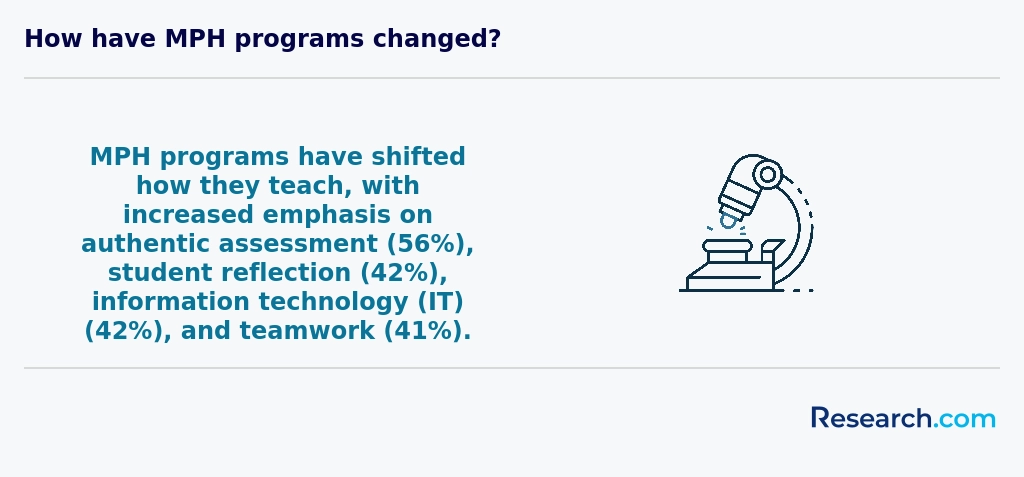
Our ranking methodology is designed to provide transparent, data-driven insights that help prospective students make informed decisions about their future. We begin by analyzing key metrics such as tuition rates, financial aid availability, graduation outcomes, and post-graduate employment statistics. Rigorous evaluation of program accreditation, faculty expertise, and hands-on learning opportunities also forms the cornerstone of our approach. To ensure a balanced perspective, we integrate student feedback, industry trends, and career placement success into our overall assessment. We also compare local programs with regional leaders, such as most affordable public health schools in pennsylvania, to present a comprehensive landscape tailored to your educational and career aspirations. This systematic, multi-faceted process ensures that our rankings remain reliable, current, and aligned with the highest academic and professional standards.
Public health degree programs in Philadelphia offer an inspiring blend of courses that prepare students to make a real difference in their communities. Graduates from well-known local universities often reflect on how courses like Introduction to Public Health gave them a strong foundation in understanding health challenges, while Epidemiology equipped them with vital skills to analyze disease patterns affecting Philadelphia's diverse population.
Many students find Biostatistics empowering, as it teaches practical data analysis methods that unlock insights for healthier communities. Environmental Health classes bring awareness to local urban factors impacting wellbeing, from air quality to housing conditions.
Health Policy and Management courses highlight the intricate workings of healthcare systems in Philadelphia, motivating students to become change-makers in policy and organization. Meanwhile, Social and Behavioral Sciences shed light on how social dynamics shape health outcomes, helping students connect theory with real stories they encounter during internships in underserved neighborhoods.
This dynamic curriculum, paired with hands-on projects, leaves students feeling confident and purpose-driven as they embark on their public health careers right here in Philadelphia.
Philadelphia's public health degree specializations are as dynamic as the city itself, offering students pathways that truly resonate with their passion to make a difference. Graduates from prominent institutions like the University of Pennsylvania and Drexel University often highlight how specializations such as Epidemiology empower them to analyze disease patterns and craft prevention strategies that impact urban communities firsthand.
Students focusing on Health Policy and Management discover the inspiring challenge of shaping systems that transform healthcare delivery, while those in Environmental Health tackle the city's urban pollution issues to protect vulnerable populations. Biostatistics specialists bring data to life, supporting evidence-based decisions that elevate local health initiatives. Community Health enthusiasts thrive by engaging directly with Philadelphia's diverse neighborhoods, igniting positive change through education and outreach.
The global perspective is embraced in the Global Health track, reflecting Philadelphia's rich cultural mosaic and preparing students for worldwide impact. Those exploring public health career options in Philadelphia appreciate how these focused studies enrich their opportunities, including roles influenced by evolving fields like health information manager job salary.
Choosing the best affordable public health degrees Philadelphia offers means focusing on programs that match your passion and lifestyle. Graduates from Drexel University and the University of Pennsylvania often share how accreditation by the Council on Education for Public Health gave them confidence in their education's quality while opening doors to rewarding careers. Imagine studying public health where you engage directly with Philadelphia's unique urban health challenges, gaining hands-on experience through local healthcare networks and community projects.
Considering public health programs cost Philadelphia is also essential. Many students find that public institutions provide excellent value with tuition ranging from $15,000 to $25,000, while private universities offer rich resources and networking despite higher fees. Flexibility matters too-numerous programs now offer evening and online classes, empowering working professionals to thrive.
To explore practical and affordable pathways, check out the Most Affordable Online Doctorate in Public Health Degree Programs Ranking in the South and step confidently into a career dedicated to making a positive impact.

Graduates pursuing public health careers in Philadelphia find a rich landscape of opportunities across diverse sectors. Many have secured impactful roles in government agencies like the Philadelphia Department of Public Health, where they apply their skills as epidemiologists and health educators to serve vibrant communities. Others from renowned institutions such as the University of Pennsylvania and Temple University have embraced research positions, driving studies that address urban health challenges and promote wellbeing.
Job opportunities with a public health degree Philadelphia also extend into healthcare administration, with graduates thriving in leadership roles at major hospitals like Children's Hospital of Philadelphia and Penn Medicine. Their work ensures effective healthcare delivery and policy compliance, contributing meaningfully to community health.
Many graduates enthusiastically pursue careers in environmental health, biostatistics, and health communication, making a tangible difference by advocating for safe environments and healthy lifestyles. For those eager to accelerate their education, exploring options like an accelerated bachelor's degree online accredited can be an inspiring path forward.
The public health job opportunities in Philadelphia are vibrant and expanding, offering rewarding paths for graduates. With its diverse population and pressing health needs, the city provides a unique environment where public health professionals can make a tangible difference. Graduates from respected local universities like Drexel University and the University of Pennsylvania frequently share how their classroom learning, combined with hands-on internships at local hospitals and health departments, prepares them to step confidently into roles in community outreach, policy development, and epidemiology.
Employers in Philadelphia actively seek skilled graduates to join government agencies, healthcare institutions, non-profits, and private firms. The Philadelphia public health career outlook reflects steady growth supported by well-funded urban health programs, offering both job security and meaningful work in tackling real community challenges. Many students find that the city's public health programs provide valuable networks that open doors to positions in program management and consulting, turning passion into impact.
For those still exploring degree options, understanding what is the easiest bachelor's degree to get online can help balance ambition with practicality as they launch into a fulfilling career in public health.
2027 Most Affordable Public Health Degree Programs Ranking in Philadelphia
Investing in your education is a significant decision that can shape your future, and the Research.com team recognizes the importance of making well-informed choices. To support prospective students in Philadelphia, we have carefully developed the "2027 Most Affordable Public Health Degree Programs Ranking in Philadelphia." Our dedication to quality, credibility, and accuracy is demonstrated through the thorough research and analysis underlying this ranking.
We utilized the following reputable data sources to ensure a comprehensive evaluation of public health degree programs:
By exploring this ranking, readers will gain valuable insights into cost-effective public health programs in Philadelphia, empowering them to make confident educational decisions. For further information on how this ranking was created, please visit our Research.com methodology page.



Frequently Asked Questions About public health
Philadelphia offers public health degree students diverse opportunities to enhance their learning experience. Engaging in local internships with organizations like the Philadelphia Department of Public Health allows students to apply classroom knowledge to real-world challenges. According to the Philadelphia Department of Public Health, internships expose students to urban health issues, including high rates of chronic diseases and environmental health concerns.
Networking through local public health conferences and joining student chapters of national organizations, such as the American Public Health Association, can also broaden professional connections. Additionally, students benefit from exploring multidisciplinary coursework, focusing on social determinants of health, which are critical in Philadelphia's diverse communities. Leveraging citywide health data resources supports evidence-based learning and community-focused projects.
Emerging niches within the public health field reflect changing societal needs and advancements in technology. In Philadelphia, growing attention is directed toward health equity and social determinants of health, addressing disparities in underserved communities. According to the Philadelphia Department of Public Health, initiatives targeting chronic diseases in urban populations are expanding.
Another key area is digital health and data analytics, as institutions increasingly rely on big data to improve disease surveillance and response. Additionally, public health professionals with skills in environmental health are in demand due to local efforts to manage lead exposure and pollution risks.
Mental health promotion and substance abuse prevention remain critical focuses in Philadelphia, driven by the opioid crisis and rising behavioral health challenges. These emerging niches offer diverse opportunities for students pursuing public health degrees.
After earning a public health degree in Philadelphia, preparing for the job market involves practical steps to boost employment prospects. Start by gaining hands-on experience through internships with local health departments, such as the Philadelphia Department of Public Health, which often partners with universities. Networking is key-attending events hosted by organizations like the Philadelphia Public Health Association can connect you to employers.
Moreover, consider certifications relevant to public health, such as Certified Health Education Specialist (CHES), which can improve job opportunities. According to the U.S. Bureau of Labor Statistics, the demand for health educators in Pennsylvania is projected to grow by 11% from 2022 to 2032. Staying informed about regional health issues will help tailor your skills to employer needs in Philadelphia's diverse public health landscape.
Employers in Philadelphia seeking public health degree graduates emphasize strong analytical skills. Graduates must be able to interpret data from sources such as the Philadelphia Department of Public Health to address local health challenges effectively.
Communication skills are also critical, as professionals often collaborate with diverse communities and stakeholders to promote health initiatives and policies. Problem-solving abilities, especially in urban health contexts, are valued for tackling issues like chronic disease and environmental health risks.
Additionally, familiarity with health informatics and proficiency in software platforms used in public health research are increasingly important. Leadership and project management skills help graduates succeed in multidisciplinary teams.
These competencies align with job market analyses from organizations such as the U.S. Bureau of Labor Statistics and local Philadelphia health agencies.
Finding internships in Philadelphia relevant to a public health degree involves leveraging local health organizations and academic resources. Philadelphia is home to many institutions like the Philadelphia Department of Public Health and Children's Hospital of Philadelphia, which frequently offer internship opportunities. Networking through university career centers is essential; schools such as the University of Pennsylvania or Drexel University provide dedicated support and listings for public health internships.
Additionally, students should explore nonprofit organizations focused on health equity and disease prevention, since about 15% of Philadelphia's workforce is engaged in health-related fields (U.S. Bureau of Labor Statistics, 2023). Online platforms like Handshake also list localized internships. Early applications during the fall and spring semesters improve chances of placement.
A public health degree in Philadelphia significantly enhances career mobility and advancement opportunities. The city's robust public health sector employs over 12,000 workers as of 2023, creating demand for skilled professionals, according to the Philadelphia Department of Public Health. Holding a degree in public health can open doors to roles in government agencies, nonprofit organizations, and healthcare institutions. Graduates often find advancement through specialized roles such as epidemiology, health policy, or community health management.
Philadelphia's concentration of hospitals and research centers also supports career growth by providing access to internships and networking opportunities. Moreover, earning a public health degree aligned with local industry needs can lead to a 15-25% higher earning potential compared to positions without such qualifications, based on Bureau of Labor Statistics data. This degree helps professionals adapt to evolving public health challenges in urban settings like Philadelphia, making it a strategic investment for long-term career development.
Studying for a public health degree in Philadelphia offers unique interdisciplinary training tailored to the city's complex health environment. Philadelphia's public health programs often integrate coursework in epidemiology, health policy, social sciences, and data analysis, preparing students to tackle diverse health challenges collaboratively.
Students benefit from access to local health departments, research institutions, and community organizations, fostering real-world experience in interdisciplinary teams. According to the Philadelphia Department of Public Health, partnerships with universities enable students to engage in projects addressing urban health issues such as chronic disease and environmental hazards.
This experiential learning cultivates skills in communication and problem-solving across sectors, essential for roles spanning policy, healthcare, and community advocacy.
When choosing between a thesis and a non-thesis public health degree program in Philadelphia, consider your career goals and learning preferences. Thesis programs require original research and a significant writing project, ideal for students aiming for research roles or doctoral study. Non-thesis options usually emphasize coursework and practical skills, better suited for those focused on public health practice or management.
Philadelphia hosts several accredited public health schools, including Drexel University and the University of Pennsylvania, offering both options. According to the Association of Schools and Programs of Public Health, about 40% of Philadelphia public health master's students opt for thesis tracks, reflecting research interests in areas like urban health disparities.
Financially, thesis programs may extend study duration, impacting cost. Non-thesis paths often offer accelerated completion beneficial for working professionals. Consult specific program details and reflect on your commitment to research to make an informed choice.
Students based in Philadelphia looking to study public health abroad have several options facilitated by local universities' international programs. Institutions like the University of Pennsylvania and Drexel University offer exchange agreements with global public health schools, allowing students to earn credit while gaining experience overseas.
These programs often include placements in countries with emerging health challenges, providing exposure to diverse healthcare systems and global epidemiology. Participants can study in locations across Europe, Asia, and Latin America, gaining practical skills relevant to international public health fields.
According to the Association of Schools and Programs of Public Health, nearly 40% of public health students nationwide engage in some form of international study, and Philadelphia's programs are increasingly supporting this trend with scholarships and faculty-led trips.
Philadelphia offers several part-time job opportunities that align well with public health degree programs. Students can gain valuable experience working as community health workers, where they assist in outreach and education efforts in local neighborhoods. According to the U.S. Bureau of Labor Statistics, the demand for community health workers in Pennsylvania is projected to grow by 13% through 2031.
Other roles include research assistants in universities or health departments, which help students develop skills in data analysis and program evaluation. Philadelphia's Department of Public Health often hires interns and part-time employees to support initiatives addressing chronic diseases and substance abuse.
Additionally, working at non-profits focused on health equity or at hospitals in patient education roles provides practical experience while studying.
Philadelphia offers numerous networking opportunities for public health students, connecting them with local health departments, nonprofits, and healthcare providers. The city hosts events through organizations like the Philadelphia Department of Public Health and the Pennsylvania Public Health Association, where students can meet professionals and gain insights into current health issues.
Many universities in Philadelphia encourage involvement in internships and community projects, providing practical experience and contacts. Additionally, conferences such as the Annual Philadelphia Public Health Forum attract experts and scholars, creating an environment supportive of collaboration and career growth.
According to the Philadelphia Department of Public Health, nearly 25% of local public health initiatives include student participation, reflecting strong community engagement. Overall, Philadelphia's diverse public health ecosystem offers valuable avenues for building professional relationships.
Alumni networks play a crucial role for public health degree students in Philadelphia by offering valuable professional connections. Graduates often share job leads, internships, and volunteer opportunities within the city's robust healthcare system.
Philadelphia has over 7,000 public health professionals, and many are connected through school alumni groups, which strengthens local workforce ties, according to the Philadelphia Department of Public Health. These networks provide mentorship that helps current students navigate career paths effectively.
In addition, alumni often facilitate guest lectures and workshops, giving students direct insight into current public health challenges in Philadelphia.
Strong alumni communities help in building reputation and credibility, which is key in competitive job markets.
Customizing a public health degree program in Philadelphia allows students to align their education with specific career goals. Many Philadelphia institutions offer concentrations such as epidemiology, health policy, or community health.
Students can often select electives relevant to local health challenges, like urban health disparities or chronic disease prevention, reflecting Philadelphia's public health priorities as outlined by the Philadelphia Department of Public Health. Practical experiences like internships at local hospitals or health departments also enhance career readiness.
Additionally, some programs provide flexible scheduling options, including evening classes and online coursework, accommodating working professionals. This flexibility supports students pursuing roles in government agencies, nonprofits, or healthcare organizations within the Philadelphia area.
Public health students in Philadelphia often face challenges related to balancing rigorous academic demands with practical experience requirements. Many programs in the city emphasize internships and community involvement, which can be time-consuming alongside coursework.
Financial strain is another common issue. According to the National Center for Education Statistics, in 2022, the average annual tuition for public health graduate programs in Pennsylvania ranged between $12,000 and $25,000, which can be burdensome for students juggling living expenses in Philadelphia's urban environment.
Additionally, navigating public health issues such as high rates of chronic diseases and social determinants of health in local communities creates a complex learning environment. Students must often engage with diverse populations, requiring strong cultural competence and adaptive communication skills.
With a public health degree in Philadelphia, graduates can pursue several recognized professional certifications that enhance career opportunities. The most prominent is the Certified in Public Health (CPH) credential, administered by the National Board of Public Health Examiners. This certification demonstrates mastery of public health knowledge and skills.
Additionally, professionals may seek Certified Health Education Specialist (CHES) certification, valuable for those focusing on community education and prevention programs. Another option is the Registered Environmental Health Specialist (REHS) credential, particularly relevant in urban areas like Philadelphia where environmental health challenges are significant.
Choosing these certifications can improve job prospects in Philadelphia's public health agencies, hospitals, and nonprofit sectors.
To write a winning application for a public health program in Philadelphia, start by clearly articulating your motivation for studying public health and how it relates to local community needs. Philadelphia faces significant public health challenges, including higher rates of chronic diseases and health disparities, making a focused personal statement crucial.
Highlight any relevant experience, such as internships, volunteer work, or employment in healthcare or community organizations. Schools value practical exposure that demonstrates commitment and understanding of public health issues.
Ensure your application includes strong letters of recommendation from professionals who can attest to your skills and dedication.
Additionally, be mindful of meeting all application requirements on time, and consider referencing local health data from sources like the Philadelphia Department of Public Health to show your awareness of city-specific challenges.
The global perspective on a public health career highlights its growing importance in addressing worldwide health challenges. Graduates with public health degrees often work on issues like infectious diseases, health policy, and health equity across borders. In the US, the Bureau of Labor Statistics projects a 17% growth in public health jobs from 2022 to 2032, reflecting rising demand.
Philadelphia, with its diverse population and numerous healthcare institutions, serves as a key hub for public health research and practice. According to the Philadelphia Department of Public Health, the city focuses on tackling disparities in areas such as chronic disease and infant mortality. This local experience aligns with global efforts to improve health outcomes.
Many Philadelphia universities incorporate global health perspectives in their curricula, preparing students to address both local and international health issues. This training equips professionals to collaborate with organizations like the CDC and WHO, emphasizing the interconnected nature of public health worldwide.
Gaining practical experience while pursuing a public health degree in Philadelphia is essential for applying theoretical knowledge in real-world settings. Many universities in the city offer internship opportunities through partnerships with local hospitals, government agencies, and nonprofit organizations. For example, Philadelphia's Department of Public Health provides internships that expose students to community health initiatives and epidemiological research.
Additionally, students can engage in service learning projects or volunteer at programs addressing urban health challenges such as chronic disease prevention or opioid addiction. According to the Philadelphia Public Health Corps, over 300 students participated in hands-on public health activities in 2023.
These experiences help build professional skills and networks, improving employment prospects after graduation.
Choosing the right concentration within a public health degree program in Philadelphia involves evaluating both your interests and local health needs. Philadelphia faces specific challenges such as high rates of chronic diseases, substance abuse, and health disparities affecting underserved communities, according to the Philadelphia Department of Public Health.
Popular concentration options include epidemiology, health policy, community health, and environmental health. Consider how each aligns with your career goals-epidemiology prepares you for research roles, while health policy focuses on advocacy and administration.
Researching Philadelphia-based internship opportunities can also guide your choice, as hands-on experience is vital. Local universities often partner with city health agencies, providing practical exposure. Reviewing program faculty expertise and graduate outcomes remains essential when selecting a specialization.
- 2027 Most Affordable Public Health Degree Programs Ranking in New Brunswick
- 2027 Most Affordable Public Health Degree Programs Ranking in New York
- 2027 Most Affordable Public Health Degree Programs Ranking in Baltimore
- 2027 Most Affordable Public Health Degree Programs Ranking in Bronx
- 2027 Most Affordable Public Health Degree Programs Ranking in College Park
- 2027 Most Affordable Public Health Degree Programs Ranking in Washington
- 2027 Most Affordable Public Health Degree Programs Ranking in New Haven
- 2027 Most Affordable Public Health Degree Programs Ranking in Ithaca
- 2027 Most Affordable Public Health Degree Programs Ranking in Albany
- 2027 Most Affordable Public Health Degree Programs Ranking in Syracuse
- Public Health https://disabroad.org/program/public-health/
- Careers https://www.publichealthdegrees.org/careers/
- Students https://www.dgph.info/en/sections-and-workgroups/translate-to-englisch-studierende/
- Public Health - SUM Admission https://admission.sum.edu.pl/public-health/
- Young WFPHA Initiative – Empowering Young Public Health Professionals https://www.wfpha.org/young-wfpha/
- Know more about thesis vs non- thesis: what is the difference? https://studyfans.com/en/blogs/816
- Thomas Jefferson University - Public Health to Bachelor of Science in Health Services Management (2022-2023) https://www.myccp.online/transfer-opportunities/transfer-guide/118727
- Pre-Professional Health Experience Guide | PublicHealthOnline.org https://www.publichealthonline.org/pre-professional-experience/
- Master of Public Health Specializations: What are they and how should you navigate the decision? https://masterspublichealth.com/master-of-public-health-specializations/
- Finding Fulfillment in Your Public Health Career Journey | PH SPOT https://phspot.org/finding-fulfillment-in-your-public-health-career-journey/