
2027 Most Affordable Online Doctorate in Public Health Degree Programs Ranking in the South

Co-Founder and Chief Data Scientist
Choosing the right online doctorate program in public health can be challenging, especially when balancing quality and affordability. This article introduces the 2027 Most Affordable Online Doctorate in Public Health Degree Programs Ranking in the South, crafted by the Research.com team of data scientists to guide you toward the best options available.
By exploring this ranking, you'll gain valuable insights that can simplify your decision-making process and help secure a program that fits your goals and budget. Earning a public health degree opens doors to rewarding careers that make a real difference in communities.
Key benefits of getting online public health degree in the South
- Public health degree graduates in the South can earn competitive salaries, such as Government Health Program Managers making around $134,440 annually and Government Affairs Directors earning up to $258,900 per year, highlighting strong financial benefits.
- Career paths include roles like Environmental Health & Safety Director or Safety Director, offering diverse opportunities in government, consulting, and management, as seen with alumni from popular Southern universities.
- Completing a public health degree online provides flexibility and accessibility, allowing students from the South to balance work and study effectively, as experienced by graduates of well-known Southern online programs.
- 2027 Most Affordable Online Doctorate in Public Health Degree Programs Ranking in the South
- What can I expect from online public health degree in the South?
- Where can I work with online public health degree in the South?
What can I expect from online public health degree in the South?
The average cost of an online public health degree in the South generally reflects a more affordable landscape compared to national rates, with many graduates from institutions like the University of North Carolina at Chapel Hill and the University of Florida sharing relief over lower tuition fees. Some students report that in-state tuition can be up to 30% less expensive than similar programs elsewhere, easing financial stress significantly while balancing work and study commitments.
However, affordability does vary, especially for out-of-state students or those pursuing extra specializations. Graduates often recall weighing the trade-offs between cost and program features, such as access to faculty with expertise in Southern health disparities or community health initiatives. The reduced cost does not seem to compromise quality, particularly with CEPH accreditation ensuring rigor and recognition nationally.
For many, this financial advantage combined with regional relevance creates a motivating learning environment. The possibility of studying topics like rural health or emergency preparedness tailored to Southern populations fosters a sense of connection and purpose despite the virtual classroom setting.
Where can I work with online public health degree in the South?
Graduates with an online public health degree from Southern universities often find roles in state and local health departments, where they tackle real challenges such as disease outbreaks and health education campaigns. Working in places like Texas or Georgia, these professionals become critical in protecting communities, coordinating emergency responses, and promoting wellness efforts tailored to regional needs.
Many alumni from schools such as the University of Alabama at Birmingham or the University of North Carolina report rewarding experiences working in healthcare settings, including hospitals and community clinics. These roles allow them to apply their knowledge directly to improve patient care and preventive programs in underserved areas, reinforcing the practical impact of their education.
Additionally, graduates frequently engage with nonprofit organizations focused on social determinants of health, managing projects that address poverty and access disparities common in Southern states. This path can be especially fulfilling for those driven by advocacy and community development.
Some graduates pursue careers with federal agencies like the CDC in Atlanta, where scientific research and policy development are central. Others value opportunities in academia, supporting research that influences local public health strategies. These diverse paths illustrate how an online degree from the South can open doors across governmental, clinical, nonprofit, and academic sectors.
Graduates with an online public health degree from Southern institutions like the University of North Carolina or the University of South Florida often find competitive salaries that align with both regional and national trends. For example, government health program managers in the South can expect to earn around $134,440 annually, reflecting strong opportunities for those with advanced expertise.
Similarly, roles such as Environmental Health & Safety Directors or Safety Directors typically offer salaries near $129,330 per year. These positions usually require significant experience or advanced degrees, which many online graduates pursue while balancing work and life commitments.
More senior roles, like Government Affairs Directors, can command salaries exceeding $250,000, showcasing the potential ceiling for career growth in public health leadership. Graduates often report that flexible online programs prepare them well to step into these roles effectively.
While some early-career positions may start lower, many find satisfaction in the meaningful impact of their work combined with solid compensation and benefits offered by employers across Southern states.
- Online MPH degrees in the South cost between $15,000 and $30,000, which is generally more affordable than other US regions.
- States like Texas, Florida, and Georgia lead public health job growth with opportunities in community health, epidemiology, and policy roles.
- Starting salaries for public health graduates range from $50,000 to $60,000 annually, increasing to $70,000 to $90,000 with experience.
- Many Southern online programs are CEPH-accredited, ensuring quality education and access to federal financial aid.
- Programs often offer flexible asynchronous courses and some hybrid options, accommodating working students and those with family commitments.
- Curriculums frequently include regional public health issues such as rural healthcare disparity and infectious disease control.
Completing an online public health degree in the South varies significantly depending on factors such as enrollment status and program format. For example, graduates from well-known Southern universities like the University of North Carolina and Tulane share how pursuing a Bachelor of Science in Public Health full-time usually takes about four years. However, many leverage part-time options to balance work and family, extending their studies to six years, a choice that brings both flexibility and a sense of accomplishment despite a longer timeline.
At the graduate level, master's degrees such as the MPH often require two years full-time, but numerous students report taking three to four years when studying part-time online. Their stories highlight the value of this extended timeframe to accommodate job commitments while still progressing steadily toward graduation.
Doctoral candidates at institutions like the University of South Carolina describe even greater variation, with programs ranging from three to six years. The online format's flexibility allows working professionals to complete coursework asynchronously, helping maintain motivation and excitement even when studies stretch longer than expected.
Doctoral programs in public health typically follow a clear progression from advanced coursework to independent research, ensuring you develop both theoretical expertise and practical skills.
- Coursework Phase: Complete 30–36 credit hours of core and elective subjects, such as epidemiology, biostatistics, health policy and management, and advanced research methods.
- Comprehensive Exams: Demonstrate mastery of public health principles through written and/or oral exams, usually taken after coursework completion.
- Dissertation Proposal: Develop and defend a detailed research plan, including literature review, methodology, and expected impact on Southern public health challenges.
- Research & Writing: Conduct original research under faculty supervision, collect and analyze data, and draft dissertation chapters over 1–2 years.
- Defense & Graduation: Present findings to a committee, address feedback, and finalize your dissertation to earn your doctorate.
For related affordable healthcare options, explore our low cost medical coding and billing online program.
Online and on-campus public health degrees in the South differ mainly in delivery, interaction, and cost. Graduates from universities like the University of North Carolina share how online programs provided the flexibility to balance family and work, appreciating attendance without commuting across rural areas. However, those attending on-campus programs at institutions such as Tulane University emphasize the value of face-to-face collaboration, hands-on internships, and immediate access to campus resources, all fostering deeper engagement with peers and faculty.
Financially, online learning often reduces extra expenses like housing and transportation, making it attractive for Southern residents managing tight budgets. Still, on-campus tuition, while sometimes higher due to these expenses, can include scholarships specific to residential students, which a graduate from Emory University noted as a helpful offset.
Both formats maintain CEPH accreditation, but succeeding online requires strong self-motivation and digital comfort. Meanwhile, on-campus study suits those who thrive on in-person social interaction and structured environments. Ultimately, within the Southern context, each path offers distinct benefits aligned with diverse lifestyles and goals.
Planning ahead is crucial when applying to an online Doctorate in Public Health program. Follow this timeline and these best practices to strengthen your application and improve your chances of acceptance: 1. 9–12 Months Before Enrollment - Research programs: Compare curriculum, faculty expertise, and accreditation (look for CEPH-approved options). - Explore funding: Identify scholarships, fellowships, and assistantships. 2. 6–8 Months Before Enrollment - Contact faculty mentors: Reach out with a concise email including your research interests and CV. - Gather transcripts: Request official records from all postsecondary institutions. 3. 4–6 Months Before Enrollment - Craft your Statement of Purpose: • Highlight your public health experience and career goals. • Explain why an online doctorate fits your schedule and professional growth. - Prepare a Research Proposal outline: Demonstrate familiarity with current Southern public health challenges. 4. 2–3 Months Before Enrollment - Request Letters of Recommendation: Secure three references from academic or professional mentors who can speak to your analytical skills and leadership in public health initiatives. - Take required tests: If GRE scores are needed, schedule and complete them at least six weeks before deadlines. 5. 1 Month Before Enrollment - Finalize and proofread all materials: Ensure consistency in formatting and tone. - Complete online applications: Double-check deadlines and upload all documents early to avoid last-minute technical issues. 6. Post-Submission - Follow up courteously: Confirm receipt of your application and inquire about interview steps. - Explore related rankings: For cost-effective master’s options that can complement doctoral work, see our Affordable Online Public Health Degree Programs Ranking in Pennsylvania. By adhering to this timeline and tailoring your materials to each institution’s mission, you’ll present a compelling candidacy for top South-based online Doctorate in Public Health programs.
The average cost of an online public health degree in the South typically falls around a median total of $46,765, reflecting both in-state and out-of-state tuition expenses. In-state students often pay closer to $30,787, which makes attending a public university in the region more affordable, while out-of-state students may face costs around $54,716. Graduates from institutions like the University of North Carolina's Gillings School of Global Public Health or Texas A&M have shared that budgeting within this range felt manageable, especially when factoring in financial aid and scholarships offered by these schools.
Students seeking an affordable online doctorate in public health Southern US programs should consider how residency status significantly impacts tuition. Public university rates for residents are considerably lower because these institutions receive state funding, whereas private universities or out-of-state enrollment often double or even triple the per-credit cost. Personal stories from recent graduates emphasize that understanding these nuances upfront can ease financial stress and lead to a more satisfying learning experience.
For those exploring options, it is valuable to look at specific programs like some of the top online public health programs in florida, which balance quality education with cost-effectiveness. Many students find that strategic use of assistantships and grants can further reduce the burden, allowing them to focus on their studies and future impact in public health fields rather than on financial strain.
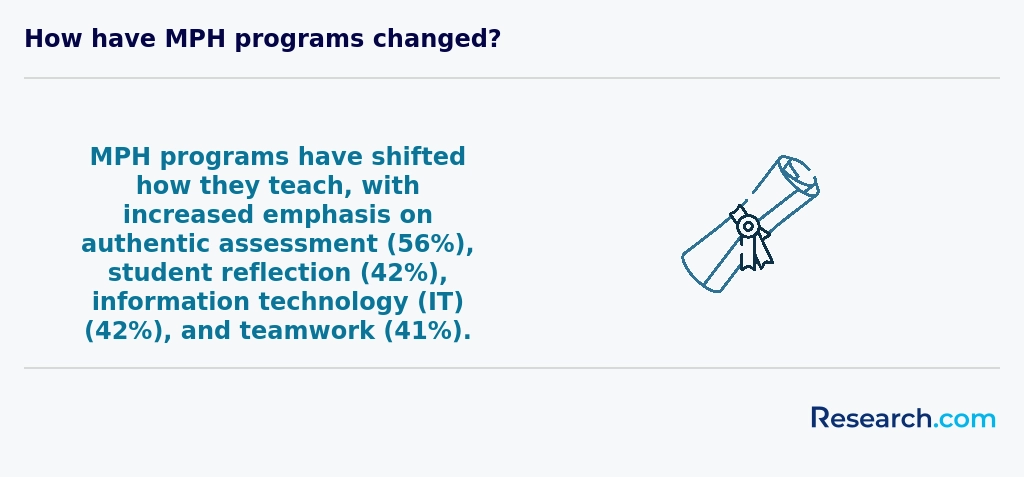
Navigating an online Public Health degree can be incredibly rewarding when you equip yourself with strategies tailored for virtual learning. Developing a structured study schedule, mastering time management, and actively engaging in online discussions are pivotal for academic success. Setting clear goals and utilizing digital collaboration tools can help enhance your learning experience and maintain motivation throughout your program. Additionally, forging connections with peers and instructors through virtual networking events not only enriches your educational journey but also opens doors to future career opportunities. It’s also beneficial to explore related programs and resources-such as the top online public health programs in florida-to gain insights into emerging trends and innovative learning techniques that can further boost your professional growth. Remember, consistent self-assessment and adapting learning strategies based on feedback are key to excelling in an online public health environment.
Students pursuing online public health degrees in Southern universities often rely on federal financial aid as their primary resource. Scholarships like Pell Grants, which require no repayment, are common, though eligibility depends mainly on financial need. Many graduates from schools such as the University of North Carolina at Chapel Hill remark on how completing the FAFSA unleashed access to federal loans with manageable interest rates and flexible repayment terms, easing their financial worries.
State-specific scholarships also play a crucial role. For instance, students enrolled in Texas public universities frequently benefit from state-backed scholarships targeted at healthcare disciplines, sometimes covering significant tuition portions. Florida residents similarly find merit-based or need-based awards through their state's education departments.
Additionally, assistantships and scholarships offered directly by Southern institutions accredited by CEPH-including programs at Emory University-provide not just financial relief but valuable work experience. Many graduates express how these roles helped them balance education costs while gaining professional skills.
Employer tuition assistance often complements these aids. Healthcare professionals working in Southern states report receiving support from their employers to pursue advanced public health degrees, turning career growth into an attainable reality. Nonprofits such as the American Public Health Association occasionally supplement these options with scholarships tailored to Southern students, although these opportunities can be competitive and limited.
When selecting an online Doctorate in Public Health program, verifying proper accreditation is crucial for ensuring academic rigor, professional recognition, and eligibility for federal financial aid. The foremost accrediting body for public health programs is the Council on Education for Public Health (CEPH), which evaluates programs against criteria such as curriculum quality, faculty qualifications, research output, and student outcomes. Enrolling in a CEPH-accredited program not only assures that you receive a curriculum aligned with industry standards but also enhances your competitiveness in the job market. Beyond CEPH, prospective students should confirm that their institution holds regional accreditation from bodies like the Southern Association of Colleges and Schools Commission on Colleges (SACSCOC). Regional accreditation validates the university’s overall academic quality and allows for seamless credit transfers and recognition by employers and other institutions. Additionally, look for program-level recognitions, such as specialized certificates in epidemiology or global health, which signal focused expertise. To gauge real-world program effectiveness, review graduation rates, time-to-degree metrics, and alumni career trajectories. Many universities publish outcome data showing the percentage of graduates who secure leadership roles within a year of completing their doctorate. For detailed insights on compensation for senior public health positions, including a health department director job salary, consult our comprehensive guide, which benchmarks salaries across federal, state, and local health agencies.
Enrolling in an online public health degree program in the South typically requires holding a bachelor's degree from an accredited institution, often in fields like biology, health sciences, or social sciences. Graduates from schools such as the University of North Carolina or Emory University have shared how having a related undergraduate background eased their transition into graduate-level coursework. However, some programs do allow students from varied academic paths, provided they complete prerequisite courses in subjects like epidemiology or statistics. This flexibility acknowledges the diverse experiences of Southern students eager to switch careers.
While many programs once mandated GRE scores, numerous institutions in Texas and Georgia have made this optional, recognizing how pandemic-related disruptions affect applicants. Graduates often express relief at this shift, noting that it allows them to focus on practical experience rather than test performance.
Relevant professional experience, such as working in community health organizations, is especially valuable and sometimes required, helping students relate theory to real-world public health challenges in their communities. Technological readiness, including reliable internet and familiarity with digital platforms, is essential to succeed in these online environments popular throughout the South.

Online Doctorate in Public Health programs in the South emphasize original research, culminating in a dissertation that addresses regional health challenges. Key components and support resources often include:
- Dissertation proposal development and Institutional Review Board (IRB) approval guided by faculty mentors
- Structured research methods courses to build advanced analytical skills
- Regular one-on-one mentorship and advisory committee meetings
- Access to virtual writing workshops and peer review groups
- Partnerships with state health departments or local agencies for field data collection
Most programs allow 1–3 years to complete dissertation work, with clear milestones for candidacy exams, proposal defenses, and final submissions. To further refine data management and compliance skills, consider complementing your research training with a medical billing and coding certification.
Online public health degree programs in the South typically include courses such as epidemiology, biostatistics, environmental health, health policy and management, and social and behavioral sciences. Graduates from institutions like the University of Alabama at Birmingham or the University of North Carolina often describe how epidemiology courses helped them understand disease spread patterns within their own communities, making the learning feel immediate and relevant. For example, analyzing local diabetes trends provided a concrete context rather than abstract numbers.
Many students appreciate biostatistics as a tool for making sense of health data they encounter daily in their professional roles, allowing them to contribute meaningfully to workplace decision-making. Environmental health courses frequently address region-specific concerns like industrial pollution or rural water quality, connecting theory directly to Southern environmental challenges.
Health policy classes bring insight into navigating and improving healthcare systems in areas with persistent disparities, which resonates with those balancing work, family, and study. These practical approaches help students feel empowered and optimistic about their impact on regional health outcomes.
Online public health degrees in the South offer specializations that reflect the region's unique health landscape, a factor graduates from prominent Southern universities often cite as vital to their education. Commonly, students focus on Epidemiology, a specialization emphasizing disease patterns that are especially relevant given the South's higher rates of chronic illnesses like diabetes and heart disease. Many find this specialization enlightening, as it connects textbook knowledge directly to challenges they observe in their communities.
Other popular concentrations include Health Policy and Management, where students learn to navigate the complex healthcare systems distinctive to Southern states. Graduates frequently share how this prepares them to advocate for improved health services at organizational or government levels. Environmental Health and Community Health are also significant, addressing pollution or underserved rural populations typical across the region. Many students appreciate the practical engagement these areas encourage, often aligning their studies with local public health needs.
Specializations like Global Health may seem less tied to the South, yet they increasingly resonate given growing immigrant populations and international health concerns impacting the area. For those interested in career prospects, understanding these Southern region public health degree concentrations helps align educational choices with meaningful employment opportunities, ranging from research to policy roles. Those curious about specific career outcomes might explore the health department director job salary as an example of potential pathways.
Choosing the best online public health doctorate programs in the South requires balancing accreditation, cost, and flexibility without assuming one factor outweighs others for every student. Graduates from popular Southern institutions often emphasize the value of Council on Education for Public Health (CEPH) accreditation, as it supports licensure and hiring-yet some have noted that lesser-known programs still provide strong regional networks and relevant curriculum focused on rural health challenges unique to the South.
Affordability is vital, especially when seeking affordable online public health degrees southern states offer public universities with lower tuition, sometimes under $10,000 annually, compared to pricier private schools. However, graduates remind prospective students to also weigh hidden expenses like technology fees and materials. Flexibility remains a key benefit: asynchronous courses allow working professionals to engage fully, as many Southern programs understand the demands of balancing work and family.
In terms of curriculum and faculty, students report feeling supported when their program connects them with public health departments in the South, offering real-world internships. To explore cost-effective options with strong regional ties, consider reviewing the Affordable Online Public Health Degree Programs Ranking in Pennsylvania, which can offer useful insights beyond the Southern states.
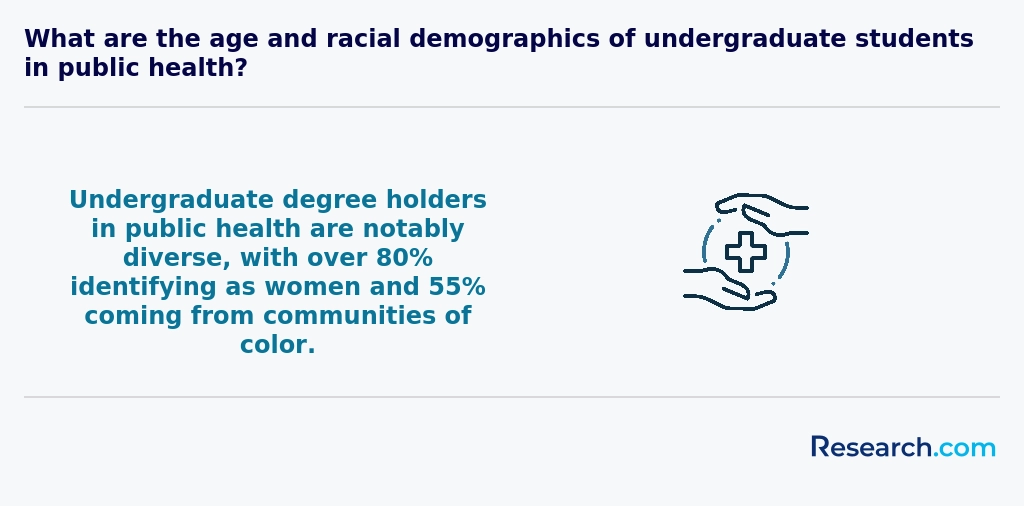
Graduates with an online public health degree in the South often find career opportunities for online public health degrees in the South that reflect the region's unique health challenges. For example, many take on roles as epidemiologists, investigating disease patterns in states like Mississippi where chronic health conditions are prevalent. Others become health educators or community health workers, actively promoting healthier lifestyles in communities facing obesity and diabetes. Graduates from universities known for public health in the South describe these paths as rewarding, especially when they witness tangible improvements in local health outcomes.
Public health leadership roles in Southern states also attract graduates who pursue program management or health policy analysis. Working in nonprofits or government agencies, they may help design initiatives addressing infant mortality or expanding Medicaid coverage. Some students from these programs appreciate gaining hands-on experience in environments deeply connected to community wellbeing.
While the South offers diverse prospects, students are encouraged to carefully consider varying program lengths and costs. Exploring options such as one year masters programs online can provide flexible, cost-effective pathways tailored to career ambitions.
The job market for online public health degree holders in the South shows steady growth, driven by regional health challenges like higher chronic disease rates and disparities. Graduates from popular universities such as the University of North Carolina and the University of Florida frequently share how their flexible online programs allowed them to balance work and study while connecting to local health agencies. This practical exposure helps graduates transition smoothly into roles like epidemiologist or health policy analyst, where the demand in Southern states is notably expanding.
While the median annual wage in the South typically ranges between $50,000 and $70,000, the opportunity for advancement is linked closely to the growing public health initiatives here. Students often express excitement about contributing to community health programs that tackle obesity and maternal care. Those researching top programs also explore related options such as top college courses for seniors online, which complement career goals in public health.
Understanding the job outlook for public health graduates Southern US highlights not only promising employment but also the importance of affordable education in the region. Many Southern schools maintain tuition between $7,000 and $15,000 annually, making the pursuit of an online public health career in the South a viable and rewarding investment.
2027 Most Affordable Online Doctorate in Public Health Degree Programs Ranking in the South
Investing in your education is a significant decision that can shape your future, and the Research.com team understands the importance of making informed choices. To assist prospective students in the South, we have meticulously crafted the "2027 Most Affordable Online Doctorate in Public Health Degree Programs Ranking in the South." Our commitment to quality, credibility, and accuracy is reflected in the extensive research and analysis conducted to compile this ranking.
We utilized the following reputable data sources to ensure a comprehensive evaluation of these programs:
By exploring this ranking, readers will gain valuable insights into the most affordable and quality online doctorate programs in public health available in the South, helping them make sound and well-informed decisions about their educational paths. For more details on our methodology, please visit our Research.com methodology page.





Frequently Asked Questions About public health
Students pursuing online public health degrees in the South can maximize their learning by actively engaging with faculty and peers through virtual office hours and discussion boards. Utilizing regional public health resources, such as the Southern Public Health Association, supports practical understanding of local health issues.
Many Southern states face unique challenges like higher rates of chronic disease, making tailored coursework invaluable. According to the CDC, obesity rates in the South average around 35%, underlining the relevance of region-specific studies.
Combining coursework with internships or collaborations at local health departments enhances real-world skills. Balancing digital tools with community-based experiences strengthens both academic and professional development.
Emerging niches in public health reflect the evolving challenges and opportunities in the United States, particularly in the South. One growing area is health informatics, which uses data analytics to improve health outcomes. With Southern states experiencing higher rates of chronic diseases, professionals skilled in this niche help tailor interventions effectively.
Another key niche is environmental health, addressing issues like pollution and climate change that disproportionately affect Southern communities. Additionally, rural health is a critical focus, as many Southern areas face healthcare access disparities. Mental health integration within public health also gains attention, reflecting national trends towards comprehensive community well-being.
According to the Centers for Disease Control and Prevention (CDC), the South reports higher obesity and diabetes rates, driving demand for specialized public health experts.
After completing an online public health degree in the South, graduates should focus on building practical experience and professional networks. Internships and volunteer opportunities with local health departments or nonprofit organizations can provide valuable hands-on skills. According to the Association of State and Territorial Health Officials (ASTHO), Southern states often face unique public health challenges like higher rates of chronic disease, making regional experience especially valuable.
Networking through professional associations, such as the Southern Public Health Association, enhances job prospects by connecting graduates with employers and continuing education opportunities. Additionally, pursuing certifications like the Certified in Public Health (CPH) credential improves employability in competitive markets. Staying updated with state-specific public health data and initiatives is crucial for targeted job applications.
Employers in the South highly value public health graduates who possess strong analytical skills. These professionals often work with complex health data to identify trends and improve community health outcomes. Communication skills are also essential, as graduates must convey information effectively to diverse populations. Cultural competence is especially important in the South, given its varied demographics and health disparities. Leadership and project management abilities are frequently sought after to coordinate health programs and emergency responses. According to the Association of Schools and Programs of Public Health, nearly 65% of Southern employers prioritize these skills when hiring public health professionals.
Finding internships in the South relevant to a public health degree involves targeted research and networking. Students should start by exploring partnerships between their online institutions and regional health organizations, as many Southern universities maintain strong local connections. Public health departments in states such as Georgia, North Carolina, and Texas often offer internship programs focused on chronic disease prevention and health equity issues, which are major regional concerns according to the CDC.
Online students can utilize professional platforms like the American Public Health Association's CareerMart and regional job boards. Additionally, reaching out directly to local nonprofits, hospitals, and government agencies can uncover unadvertised opportunities.
Obtaining an online public health degree in the South significantly enhances career mobility and advancement opportunities. The region faces ongoing public health challenges including higher rates of chronic diseases and rural health disparities, increasing the demand for qualified professionals. According to the U.S. Bureau of Labor Statistics, employment of health educators and community health workers is projected to grow 17% from 2021 to 2031, faster than the average for all occupations, especially in Southern states.
Distance learning allows working professionals to earn advanced degrees without relocating, which is crucial in a region where access to in-person programs can be limited. Graduates often qualify for leadership roles in hospitals, government agencies, and nonprofits, positions that typically require an advanced public health degree.
Additionally, Southern employers increasingly value accredited online programs, recognizing their flexibility and rigorous curricula. This recognition supports graduates in pursuing promotions and specialized roles in epidemiology, health policy, and community health management.
Studying for a public health degree online in the South equips students with skills to work across various disciplines. Southern public health programs often emphasize collaboration between medicine, social sciences, policy, and community engagement. This prepares graduates to address complex health challenges like chronic diseases and health disparities prevalent in the region.
Many Southern schools incorporate practical training with local health departments and organizations, enabling students to apply knowledge in real-world, interdisciplinary settings. According to the Association of Schools and Programs of Public Health (ASPPH), Southern states face unique public health issues, which fosters tailored curricula promoting cross-sector teamwork.
Such interdisciplinary education enhances graduates' problem-solving and leadership abilities for diverse public health careers.
Choosing between a thesis and a non-thesis online public health degree in the South depends on your career goals and learning preferences. Thesis programs typically require original research and appeal to those pursuing academia or research careers. Non-thesis tracks focus more on practical skills and coursework, ideal for professionals aiming for leadership roles in public health agencies.
Universities like the University of Florida and the University of North Carolina offer both options, reflecting a growing trend. According to the Southern Public Health Association, nearly 40% of Southern public health students opt for non-thesis paths due to their flexibility and professional relevance.
Consider also the time commitment; thesis projects often extend program length. Finally, review state licensure and certification requirements, which vary in the South, to ensure your program choice aligns with your professional plans.
Students based in the South who wish to study public health abroad through online programs have a few practical options. Many Southern universities partner with international institutions to offer dual-degree or exchange programs that incorporate global health perspectives while allowing remote study. For example, schools accredited by the Council on Education for Public Health (CEPH) often include coursework on global public health issues accessible online.
Additionally, Southern students can enroll in fully online public health degrees offered by U.S. schools with strong international focuses. The University of Florida and Emory University, for example, feature online curricula emphasizing global health challenges affecting Southern populations. These programs typically include opportunities for virtual collaboration with international peers.
While direct physical study abroad may be limited by travel or cost, online programs enable Southern students to gain international public health knowledge by engaging in case studies, research projects, or internships involving global communities. According to the Association of Schools and Programs of Public Health (ASPPH), over 50% of accredited public health programs now incorporate online components addressing global health, a growing trend relevant to Southern students.
Part-time job opportunities in the South that complement public health degree education often involve roles in community health, social services, and healthcare support. Positions like health educator assistants, community outreach workers, or medical administrative aides allow students to apply public health concepts while gaining practical experience. According to the U.S. Bureau of Labor Statistics, Southern states see higher demand for healthcare support roles due to rural populations with limited access to care. Additionally, working with local health departments on vaccine outreach or chronic disease prevention programs can enrich learning and professional networks. These jobs help build valuable skills in communication, data collection, and program coordination, all essential for public health careers.
Online public health students in the South have increasing access to valuable networking opportunities despite remote learning. Many Southern universities offer virtual events, webinars, and guest lectures featuring regional leaders in health policy and epidemiology. Professional organizations like the Southern Public Health Association provide online memberships, facilitating connections with hundreds of practitioners across Southern states. According to the Association, membership can connect students to job boards, internships, and mentorship programs tailored to local public health challenges.
Additionally, students often participate in collaborative research projects with nearby health departments or community organizations. These partnerships offer practical experience and networking within Southern public health circles, allowing students to build relationships that support career advancement and knowledge exchange.
Alumni networks offer valuable advantages to online public health degree students in the South by fostering regional connections critical for career growth. Many Southern states face unique public health challenges, including higher rates of chronic diseases and rural health disparities, underscoring the need for strong local professional ties. Through these networks, students gain access to mentorship, job opportunities, and collaborations tailored to the Southern public health landscape. According to the Association of Schools and Programs of Public Health, over 70% of public health professionals find jobs through networking, emphasizing the importance of alumni links. These connections can significantly enhance a graduate's ability to effect change within their communities.
Many online public health programs in the South allow students to tailor their studies through specialized concentrations, such as epidemiology, health policy, or community health. Customization helps align education with specific career goals, whether aiming for research, administration, or clinical practice. According to the Association of Schools and Programs of Public Health, nearly 70% of Southern institutions offer flexible electives or interdisciplinary options within their curricula.
Additionally, students can often select internships or practicum placements relevant to Southern communities, gaining practical experience that reflects regional health challenges like chronic disease or rural healthcare shortages. This regional focus enhances the applicability of learned skills.
Choosing courses focusing on data management or health communication can further prepare graduates for evolving public health roles in government or nonprofit sectors. Overall, Southern online programs emphasize flexibility to meet diverse career pathways.
Online public health students in the South often face unique challenges compared to other regions. One major concern is limited reliable internet access, especially in rural areas where up to 22% of residents lack broadband connectivity, according to the Federal Communications Commission. This can hinder timely participation in virtual classes and access to research databases.
Additionally, balancing work, family, and studies is a common issue, as many students are working professionals in healthcare or related fields. The Southern Public Health Association highlights time management struggles amid demanding schedules.
Financial constraints also impact students, with lower average incomes and fewer scholarships targeted specifically to Southern students.
With an online public health degree, especially from accredited programs in the South, graduates can pursue several professional certifications that enhance career opportunities. One common credential is the Certified Health Education Specialist (CHES), offered by the National Commission for Health Education Credentialing. CHES certification is recognized nationwide and valued by employers in Southern states where public health initiatives are expanding.
Another important certification is the Certified Public Health (CPH) credential from the National Board of Public Health Examiners. This certification demonstrates mastery of core public health knowledge and is widely respected in Southern health departments and nonprofit organizations.
According to the U.S. Bureau of Labor Statistics, Southern states continue to see growth in public health roles, increasing demand for certified professionals. These credentials often lead to higher salaries and greater job security in the competitive healthcare environment.
Writing a successful application for an online public health program in the South requires clear focus and thorough preparation. Begin by highlighting your commitment to improving public health, particularly addressing regional challenges such as higher rates of chronic diseases common in Southern states, according to the CDC.
Emphasize relevant experience, including community service or professional work, and how it aligns with the program's goals. Strong letters of recommendation from professionals familiar with your work can significantly boost your application.
Additionally, a well-crafted statement of purpose should explain how the program fits your career plans, referencing specific faculty or research opportunities in Southern institutions.
For data-backed guidance, consult resources like the Association of Schools and Programs of Public Health (ASPPH) for regional trends.
The global perspective on public health careers highlights a growing need for skilled professionals to address health challenges worldwide. Public health experts collaborate internationally to manage pandemics, environmental hazards, and chronic diseases. In the U.S., public health work increasingly supports global health initiatives, making advanced degrees valuable for international impact.
For students in the South, understanding global health trends is crucial. The region is home to institutions focusing on both local and global health issues, reflecting the interconnected nature of health today. According to the Association of Schools and Programs of Public Health (ASPPH), over 25% of U.S. public health graduate students engage in global health topics, a figure mirrored in Southern programs.
Graduates with online public health degrees from Southern universities often join organizations like the CDC or WHO, contributing to health policy and epidemic response worldwide. This global focus broadens career prospects beyond regional work.
Gaining practical experience while studying for an online public health degree in the South is essential for applying theoretical knowledge. Many Southern universities partner with local health departments, hospitals, and community organizations to provide remote internships or practicum opportunities. For example, agencies in states like Georgia and North Carolina often welcome students for virtual or in-person fieldwork.
Students can also engage in research projects, some supported by the CDC's Southern Regional Office, focusing on regional health issues like chronic disease or opioid use. Additionally, online programs may offer simulation labs and case studies to build skills virtually.
Networking through local public health associations and attending regional conferences is another valuable option.
Choosing the right concentration within an online public health degree program in the South involves assessing both personal interests and regional health priorities. The Southern US faces unique public health challenges, including higher rates of chronic diseases like diabetes and heart disease, according to the CDC. Concentrations in epidemiology, health policy, or community health can directly address these issues.
Evaluate your career goals carefully; some concentrations focus on research, while others emphasize policy or administration. Look for programs offering coursework and practicum opportunities that align with Southern communities' needs. Accreditation and faculty expertise are also key factors to ensure quality education tailored to the region's health landscape.
- How to carve a niche in your public health career | PH SPOT https://phspot.org/carvinganiche/
- How to Be a Good Candidate for a Public Health Job https://www.publichealthdegrees.org/careers/highest-paid-public-health-jobs/good-candidate/
- Pre-Professional Health Experience Guide | PublicHealthOnline.org https://www.publichealthonline.org/pre-professional-experience/
- Top 15 Places to Look For M.P.H. Jobs - Benedictine University Online https://online.ben.edu/programs/public-health/mph/resources/top-places-to-find-mph-jobs/
- APHA Internships & Fellowships https://www.apha.org/professional-development/apha-internships
- 20 Best Online Bachelor's in Public Health - MPH Online https://www.mphonline.org/best-online-bachelors-in-public-health/
- Students and Alumni associations - Europubhealth https://www.europubhealth.org/students-alumni-associations/
- Online Public Health Degree Programs | South University https://www.southuniversity.edu/online/degrees-programs/public-health
- Navigating MPH Programs in South Carolina: Insights for Prospective Students https://masterspublichealth.com/mph-programs-in-south-carolina/
- 2025 Best Online Public Health Degrees https://www.onlineu.com/degrees/public-health










