2027 Most Affordable Public Health Degree Programs Ranking in College Park

Co-Founder and Chief Data Scientist
Choosing the right public health degree program in College Park can feel overwhelming. To make this easier, the article features the 2027 Most Affordable Public Health Degree Programs Ranking in College Park, created by the Research.com team of data scientists.
This ranking helps you find quality education options without overspending. Discover programs that balance affordability and academic excellence, guiding you toward a successful career in public health.
Getting a public health degree opens doors to meaningful work that impacts communities positively. Exploring this article is a great first step on your educational journey.
Key benefits of getting public health degree in College Park
- Graduates with a public health degree in College Park can expect strong earning potential, with average salaries such as $86,710 for Environmental Health Specialists and $69,790 for Health Educators.
- Career paths are diverse, including roles like Community Health Worker or Occupational Health and Safety Specialist, allowing graduates from institutions like the University of Maryland to impact community wellness in many ways.
- Online public health degrees offer flexibility and convenience, enabling students to balance work and study while gaining the same valuable skills as traditional degrees, as seen in graduates from popular College Park programs.
- 2027 Most Affordable Public Health Degree Programs Ranking in College Park
- What can I expect from public health degree in College Park?
- Where can I work with public health degree in College Park?
What can I expect from public health degree in College Park?
The average cost of pursuing a public health degree at the University of Maryland, College Park-a leading institution in the field-is often seen as a worthwhile investment by students balancing rigorous academics and meaningful real-world impact. Graduates frequently recall how competitive in-state tuition rates, paired with financial aid and assistantships, made their education accessible without compromising quality. Many describe feeling empowered knowing their tuition directly supports collaboration with nearby centers like NIH and CDC, turning theory into hands-on experience.
Students share stories of applying classroom lessons to internships seamlessly integrated with Maryland's extensive public health network, where practical challenges come alive. These experiences underscore how the cost isn't just tuition but an investment in invaluable mentorship and career-ready skills. The financial commitment, typically lower than that of comparable programs nationwide, reflects College Park's unique blend of affordability and opportunity-inviting students to engage deeply without the shadow of overwhelming debt.
Where can I work with public health degree in College Park?
Graduates with a public health degree in College Park often find themselves at the crossroads of impactful careers that connect academia, government, and community. Imagine stepping out of the University of Maryland's classrooms into the bustling corridors of the National Institutes of Health, contributing directly to shaping health policy or managing epidemiological studies. Many graduates share how working nearby federal agencies fuels a sense of purpose, knowing their efforts influence millions.
Others find fulfillment within Prince George's County Health Department, where they design programs combating chronic illnesses familiar to their own communities. The real-world application of preventing disease or promoting maternal health makes the job deeply personal and rewarding for these graduates.
Nonprofits and healthcare systems add to this rich mosaic of opportunities, offering roles in outreach and patient education that enable graduates to engage faces-to-face with populations they care about. Research positions at University of Maryland tap into analytical talents, turning data into lifesaving insights-a challenge many welcome eagerly.
For those drawn to innovation, the private sector's health tech startups and pharmaceutical companies along the Baltimore-Washington corridor appreciate the unique blend of data skills and population health knowledge cultivated at College Park. These career paths reflect not just jobs, but gateways to meaningful, locally rooted change.
Graduates with a public health degree in College Park often find themselves at the intersection of opportunity and impact, where earnings vary widely based on their chosen path. For example, community health workers in the area can expect an average salary around $52,610, a solid starting point for those eager to make a difference on the ground. Meanwhile, health educators-many alumni from local programs-earn nearly $69,790 annually, reflecting more specialized knowledge and outreach skills honed through their education at institutions like the University of Maryland.
More specialized paths also emerge in College Park, where environmental health specialists command impressive wages of about $86,710. Graduates pursuing these roles benefit from the region's proximity to federal agencies that value advanced training and offer competitive pay. Occupational health and safety specialists follow closely, earning just under $86,000, illustrating how degrees can open doors beyond traditional public health roles.
Students often describe the excitement in leveraging their academic experience to land positions that not only provide satisfying income but also meaningful community impact. These figures challenge the notion that public health roles lack financial reward, showcasing instead a field rich with professional growth and purpose in College Park.
- In-state tuition for public health degrees in College Park ranges from $10,000 to $15,000 per year, while out-of-state students may pay over $30,000 annually.
- Entry-level public health professionals in College Park earn an average salary of about $55,000 per year.
- With experience, public health graduates can increase their earnings to around $85,000 or more annually.
- The local job market includes opportunities in government, healthcare, non-profits, and private companies focused on health policy and community health.
- Public health jobs in College Park are growing steadily, reflecting a nationwide trend of faster-than-average growth in health-related fields.
- Students benefit from access to Maryland's health departments and research centers, which offer valuable internship and practical experience opportunities.
In College Park, the timeline to complete a public health degree rarely fits into a simple formula. Graduates from the University of Maryland, for instance, often reflect on the traditional four-year path for a Bachelor of Science in Public Health as a meaningful journey rather than just a timeframe. Some cherish the process of integrating internships and community projects into their schedules, which can stretch or enrich those years beyond the classroom.
Master's students at College Park face a similar balancing act. While the typical full-time Master of Public Health (MPH) program wraps up in two years, many find that evening or hybrid classes allow them to maintain jobs or family commitments, turning an academic calendar into a personalized experience. This flexibility transforms the degree from a rigid checkpoint into a responsive tool for growth.
Doctoral candidates here, embarking on four to six years of research, often emphasize how this period is less about duration and more about discovering deep expertise. Their evolving timelines reflect the unpredictable nature of groundbreaking public health research, making every extra month a chance to push boundaries in impactful ways.
College Park, MD, isn’t just a place to earn your degree-it’s a vibrant community that plays an integral role in shaping your public health education. Students benefit from a stimulating campus life that blends academic rigor with a supportive environment where they can engage in extracurricular activities, join student organizations, and participate in community service initiatives. The close-knit network within the campus provides ample opportunities for mentorship, collaborative projects, and dialogue with faculty, all of which enrich the learning experience and foster practical skills essential for a career in public health. Moreover, the city offers a unique blend of cultural diversity and community health initiatives that allow students to extend their classroom learning into real-world experiences. Whether it's volunteering at local clinics, engaging in public health advocacy events, or attending workshops hosted by local organizations, the community becomes a living laboratory for applying public health principles. Students interested in exploring affordable education opportunities can also consider programs at the cheapest public health school in maryland, which further emphasizes the value of a holistic and community-focused approach to education.
Choosing between online and on-campus public health degrees in College Park often comes down to more than just convenience-it's about how you want to engage with your education. On-campus students at the University of Maryland experience the energy of face-to-face discussions, spontaneous study groups in libraries, and hands-on public health projects across Maryland and D.C. These opportunities create a palpable sense of community and immediacy that many graduates describe as inspiring and deeply motivating.
In contrast, online learners appreciate the freedom to carve their own schedules, balancing coursework with full-time jobs or family life. They often share a sense of accomplishment from mastering public health concepts via digital platforms while avoiding long commutes and relocating expenses.
However, a common challenge emerges around internships and clinical placements, which often demand physical presence. Graduates studying on campus tend to secure local internships through UM's extensive network with greater ease, adding practical depth to their learning that online students may find harder to replicate.
The average cost of a public health degree in College Park paints a nuanced picture for students weighing investment against future impact. At the University of Maryland, a leading institution in the area for public health studies, the median total cost hovers around $58,808, reflecting the realities for both in-state and out-of-state attendees. Graduates often recall the balance between rigorous academic demands and the rewarding sense of contributing to community well-being, fostering a strong emotional connection despite the financial commitment.
For in-state students, this cost is considerably lower, around $11,809, which can provide an accessible pathway to earning a degree without overwhelming debt. Those who come from out-of-state often face a more substantial financial hurdle but tend to find that the quality of education and networking opportunities justify the expense. The affordable public health degree programs College Park offers make it an attractive destination for those motivated by both cost efficiency and comprehensive academic training.
Students frequently consider not only tuition but also living expenses, textbooks, and fees, which frame the overall challenge of financing their degree. Financial aid opportunities at local universities help ease this burden significantly. Drawing parallels from other professional tracks, such as Michigan medical assistant schools, public health students explore creative ways to manage their budgets while pursuing a career that deeply resonates with their passion for health equity and social justice.
Financial aid for public health students in College Park extends beyond simple tuition discounts, offering a lifeline to those navigating the costly journey of higher education. Graduates from institutions like the University of Maryland often recount how Pell Grants and federal student loans formed the backbone of their funding, covering essential expenses without the dread of insurmountable debt. Out-of-state students, however, quickly learn that aid can vary drastically, making federal and state grants crucial pillars for affordability.
Maryland residents benefit uniquely from state-funded programs like the Delegate and Senatorial Scholarships, which transform the financial landscape by easing tuition pressures directly tied to their residency. Many students recall the empowering impact of university-partnered scholarships focused on community health and epidemiology, which not only fund their education but align with their passion to create real-world change.
Graduate assistantships and fellowships, prevalent at research-intensive schools in College Park, offer a dual advantage: financial support through stipends and invaluable experience working alongside renowned faculty. For those employed in healthcare locally, employer tuition assistance often becomes a beacon of hope, underscoring the community's investment in future public health leaders.
Investing in a Public Health degree in College Park, MD, requires careful consideration of both direct costs and long-term earnings potential. On average, Master of Public Health (MPH) programs in the region range from $21,000 to $72,000 in tuition, while undergraduate degrees typically incur $500–$1,500 per credit hour. When juxtaposed with median starting salaries-approximately $49,900 for Community Health Workers, $66,710 for Health Educators, and $83,820 for Environmental Health Specialists-the payback period for most graduates falls between 2 to 4 years. Key ROI metrics to evaluate include: • Total program cost (tuition + fees + living expenses) versus average first-year salary. • Debt-to-income ratio, with the goal of keeping annual debt payments under 20% of gross income. • Net present value (NPV) of future earnings, accounting for inflation and career growth. For those considering flexible study options, an online public health bachelor's degree can offer lower overhead costs and the same accredited curriculum, often reducing living-expense burdens and enabling students to work part-time. By choosing programs with strong career services and alumni networks, graduates can accelerate their return on investment through higher starting salaries and faster promotions. Ultimately, a thorough ROI analysis-factoring in scholarship opportunities, graduate assistantships, and projected career advancement-ensures you select the most financially sustainable path for your public health education in College Park, MD.
Meeting the prerequisites for a public health degree in College Park is more than checking boxes-it's about building a foundation for meaningful impact. Graduates from well-known institutions like the University of Maryland, College Park often recall how crucial strong science and social science backgrounds were, with courses in biology, chemistry, and sociology shaping their understanding of complex public health challenges.
Many find that having a solid GPA, typically around 3.0, opens doors but doesn't define their potential. The GRE, although sometimes optional, challenged some to push beyond their comfort zones, reinforcing resilience that proved invaluable later in their careers.
Applicants also share how submitting personal statements and letters of recommendation became opportunities to express their genuine commitment to health equity, rather than mere administrative hurdles. Those who had engaged in community service or health-related volunteering often found this experience not only strengthened their applications but also deepened their passion for the field.
For many in College Park, international students included, navigating additional language proficiency tests felt daunting yet fueled a stronger sense of determination, illustrating that prerequisites are less barriers and more gateways to growth and purpose.
When evaluating the true cost of a Public Health degree, it’s essential to benchmark College Park’s tuition rates against those in the broader Northeast region. At College Park, MPH programs average $500–$1,200 per credit hour, resulting in total tuition between $21,000 and $57,600 for a 42-credit curriculum. By comparison, the Northeast hosts several institutions with per-credit rates as low as $400 and competitive in-state tuition caps, which can reduce total costs by up to 15%. For a full breakdown of the most budget-friendly options beyond Maryland, consult the Affordable Public Health Degree Programs Ranking in the Northeast. Key factors influencing regional cost differences include: • State funding models: Northeastern states like New York and Pennsylvania often reserve deeper subsidies for residents, lowering public university fees. • Program length and credit requirements: Some Northeast MPH tracks require only 36 credits, offering a faster, more affordable path. • Online vs. on-campus tuition: Many Northeast schools price online coursework 10–20% below their campus rates, similar to College Park’s online offerings but with more aggressive discounts. Beyond sticker price, prospective students should weigh indirect expenses-living costs, student fees, and health insurance premiums. In College Park, off-campus housing averages $12,000 per year, while comparable Northeast college towns range from $10,500 to $14,000. Factoring in these variables ensures a holistic ROI analysis, empowering candidates to choose the program that aligns best with both their budget and career aspirations.
Students pursuing public health degrees in College Park dive into courses that challenge their understanding of health beyond textbooks. Graduates from universities here recall how Introduction to Public Health reshaped their perspective by tracing the evolution of public health systems in the U.S., making issues feel immediate and personal rather than abstract.
Courses like Biostatistics and Epidemiology push students to grapple with data, transforming numbers into stories about communities affected by illness. One graduate described the empowerment felt when learning to interpret real health data, enabling informed decisions that can save lives locally in Maryland's diverse neighborhoods.
Environmental and social factors come alive in Environmental Health Sciences and Social and Behavioral Sciences, where students explore real cases of pollution impacting vulnerable populations. These classes illuminate the unseen links between policy, environment, and human behavior, making advocacy feel urgent and achievable.
Finally, practical experiences through internships in College Park's health departments affirm the classroom learning, grounding theory in dynamic, real-world challenges. This hands-on approach allows students to envision themselves as catalysts for change within their communities, igniting a genuine passion for public health careers.
In College Park, public health degrees challenge students to immerse themselves in specializations like epidemiology, health policy and management, and environmental health, pushing beyond traditional classroom theory into real-world implications. Graduates from the University of Maryland often reflect on how studying epidemiology here sharpened their ability to track disease outbreaks during pivotal moments in global health, transforming uncertainty into actionable insights.
Specializing in health policy and management, many students feel empowered to navigate the complex healthcare landscape, grappling with evolving regulations and costs that affect millions. Environmental health programs encourage learners to confront critical issues such as pollution and climate change, fostering a proactive mindset toward community well-being. Those pursuing public health specializations College Park can also explore biostatistics, global health, and community health education, all designed to equip graduates for diverse and vital roles.
Such focused study often leads students to meaningful careers, supported by data indicating strong workforce growth. For those seeking a broader perspective, combining public health degrees with related fields like Miami nursing education may further expand possibilities.
Choosing the best affordable public health degrees College Park means looking beyond rankings and tuition fees. Graduates from the University of Maryland's School of Public Health often emphasize the value of CEPH accreditation, which guarantees a curriculum aligned with evolving national standards. Their stories reveal how targeted specializations, like epidemiology or environmental health, transformed theoretical knowledge into impactful community work, illustrating why curriculum focus matters deeply in the College Park context.
The local environment shapes educational experiences uniquely: many alumni highlight internships facilitated by the university's partnerships with College Park health organizations as game-changers. These opportunities create genuine networks that extend beyond graduation, blending rigorous academics with real-world impact. Considering top public health programs College Park cost, it's crucial to weigh cost against these practical benefits. Students also recommend exploring financial options extensively, including scholarships and assistantships, and one should not overlook resources such as affordable mha schools, which might offer alternative paths to health sector careers.
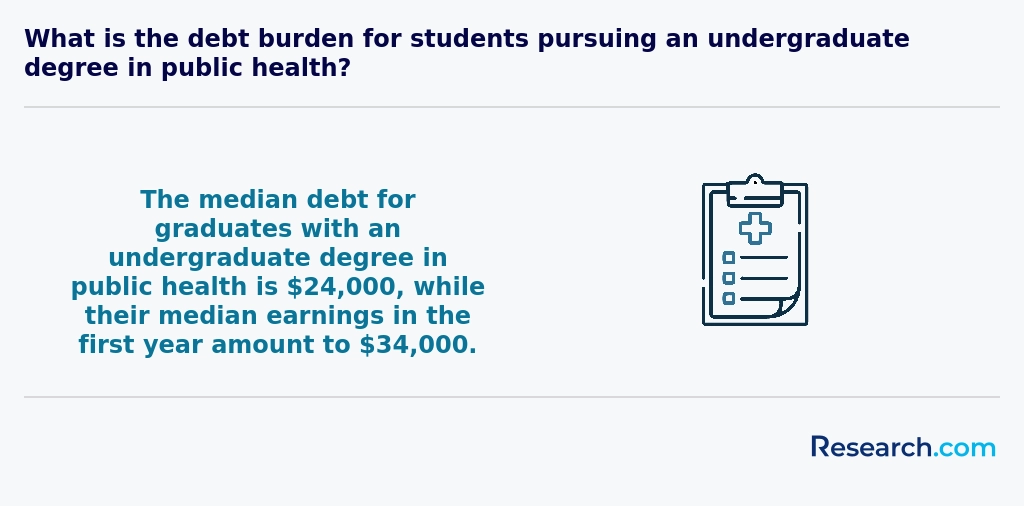
Graduates with a public health degree in College Park often step into roles that directly impact community well-being, such as health educators or community health workers crafting tailored wellness initiatives. Many find themselves investigating disease patterns as epidemiologists or managing healthcare facilities to ensure smooth operations. These roles aren't just jobs-they are dynamic careers fueled by a commitment to societal health, exemplified by alumni from the University of Maryland, College Park, who describe their work as deeply fulfilling and purpose-driven.
Jobs with public health degree in College Park also include positions like public health analysts interpreting complex data to guide effective policies and environmental health specialists tackling tangible health threats in local environments. One graduate reflects on how practical experiences connecting with health agencies in Maryland deeply enriched career readiness, turning academic knowledge into real-world impact.
For those considering their path, exploring medical assistant degrees specialization options may provide complementary insight into health sector roles, broadening possibilities beyond traditional public health boundaries.

The job market for public health degree holders in College Park is vibrant and increasingly promising. Graduates from the University of Maryland's School of Public Health often share that their hands-on internships with local health agencies and federal institutions such as the CDC or NIH provide invaluable experience, opening doors to well-paid public health analyst or epidemiologist positions. This real-world exposure exemplifies the unique advantage of pursuing public health job opportunities in College Park, where government collaborations and academic research create pathways beyond traditional roles.
Many alumni emphasize how the growing demand for health educators and policy specialists aligns with the region's focused initiatives on chronic disease prevention and health equity. The College Park public health career outlook is buoyed by an anticipated 17% national growth in community health worker jobs, enhancing the area's appeal. Balancing affordability-College Park offers competitive tuition compared to the national average-and career potential encourages students to explore options closely linked to their degrees, unlike more costly or disconnected programs.
Some graduates draw parallels by exploring alternatives like a nursing graduate degree to further specialize, but many find College Park's ecosystem sufficiently rich to launch meaningful careers without additional degrees. In this landscape, public health students gain both financial viability and inspiring opportunities, making the future in College Park's public health sector bright and accessible.
2027 Most Affordable Public Health Degree Programs Ranking in College Park
Investing in your education is a significant decision that can shape your future, and the Research.com team understands the importance of making informed choices. To assist prospective students in College Park, we have meticulously developed the "2027 Most Affordable Public Health Degree Programs Ranking in College Park." Our dedication to quality, credibility, and accuracy is demonstrated through thorough research and careful analysis used to compile this ranking.
We utilized the following reputable data sources to ensure a comprehensive evaluation of public health degree programs:
By exploring this ranking, readers will gain valuable insights into the most affordable public health degree programs in College Park, enabling well-informed decisions about their educational investments. For more information on our ranking process, please visit our Research.com methodology page.

Frequently Asked Questions About public health
Public health degree students in College Park can enhance their learning by actively engaging with local community health initiatives. The University of Maryland, College Park, offers various research centers focused on public health issues like epidemiology and health equity, which students can join to gain practical experience. Participating in internships with nearby organizations such as Prince George's County Health Department provides valuable hands-on exposure to public health challenges.
Networking through seminars and workshops hosted by professional public health associations in the area also helps students stay informed on emerging trends and policy changes. Using resources like the university's Career Center can assist in securing relevant placements, improving job prospects post-graduation.
Emerging niches within the public health field reflect shifting societal and technological trends in the United States. One significant area is data science and informatics, where experts analyze large health datasets to improve community health outcomes. In College Park, the demand for professionals skilled in health informatics is rising due to proximity to federal health agencies and tech firms. Another growing field is environmental health, focusing on issues like air quality and climate change impacts on local populations.
Global health security has gained attention, partly influenced by recent pandemics. Careers in health policy and management are also evolving to address health equity and social determinants of health. According to Maryland Department of Health reports, the public health workforce in these niches is expected to grow by over 10% through 2030, emphasizing job availability for graduates in College Park.
To prepare for the job market after completing a public health degree in College Park, students should focus on gaining practical experience through internships and research opportunities. The University of Maryland, College Park, offers strong connections to local health departments and federal agencies like the CDC, which is nearby, providing valuable networking prospects.
Developing skills in data analysis, epidemiology, and health communication can improve employability. According to the Bureau of Labor Statistics, public health jobs are projected to grow 17% from 2020 to 2030, signaling strong demand.
Graduates should also consider obtaining certifications such as Certified Health Education Specialist (CHES) to enhance their resumes.
Employers in College Park value public health graduates who demonstrate strong analytical skills. The ability to interpret data accurately is critical, as public health decisions often rely on statistical evidence.
Communication skills are equally important. Graduates must convey complex health information clearly to diverse audiences, including policymakers and community members. Leadership and teamwork are also in high demand, reflecting the collaborative nature of public health initiatives in the area.
Knowledge of health policy and program planning is essential, especially given Maryland's active public health environment. Familiarity with local health concerns such as chronic disease prevention and environmental health can give candidates an advantage.
Finding internships in College Park for public health students involves leveraging local resources and university connections. The University of Maryland, College Park, offers a robust Career Center that frequently posts internships related to public health fields.
Students can explore opportunities with nearby organizations such as the Maryland Department of Health or local non-profits focused on community health. Networking events and public health career fairs hosted by the university provide valuable chances to connect with potential employers.
Additionally, databases like Handshake list hundreds of internships specifically for public health students in the region. Engaging with professors and advisors can also reveal less advertised, competitive positions.
According to the University of Maryland, over 70% of public health interns secure positions through campus-facilitated programs each year, underscoring the importance of using these institutional supports early.
A public health degree in College Park can significantly enhance career mobility and advancement opportunities. The local job market benefits from proximity to federal agencies like the National Institutes of Health and public health departments, which frequently seek graduates with specialized knowledge. According to the U.S. Bureau of Labor Statistics, employment in healthcare and social assistance in the Maryland area is projected to grow by 15% through 2030, higher than the national average.
Graduates often qualify for roles in epidemiology, health education, and policy analysis, with many employers valuing the combination of academic learning and practical experience gained during studies. Further, networking opportunities in College Park's academic and public sectors can lead to increased visibility and career advancement.
Studying for a public health degree in College Park offers a strong foundation for interdisciplinary roles by integrating knowledge from fields such as epidemiology, health policy, and social sciences. The University of Maryland, College Park, a leading institution here, emphasizes collaborative learning experiences involving biology, statistics, and environmental health. This approach equips students to work effectively in diverse teams addressing complex health challenges.
Students benefit from partnerships with local health departments and community organizations, providing practical exposure to real-world health issues. According to the Association of Schools and Programs of Public Health, interdisciplinary skills increase job prospects in Maryland's growing public health sector by over 20% through 2030.
When choosing between a thesis and a non-thesis public health degree program in College Park, consider your career goals and learning preferences. Thesis programs typically require original research and a written dissertation, suitable for students aiming at research careers or doctoral studies. Non-thesis options focus more on practical skills and coursework, appealing to those pursuing public health practice or administrative roles.
At the University of Maryland, College Park, for example, the Master of Public Health offers both tracks. According to the school, about 40% of students choose the thesis option to prepare for academic careers, while 60% opt for non-thesis to enter the workforce quickly (UMD Graduate Catalog, 2023).
Additionally, thesis programs often take longer to complete and may involve a stronger advisory relationship. Non-thesis programs may allow for internships or capstone projects that build professional experience.
Students based in College Park interested in studying public health abroad have several options through the University of Maryland's established exchange programs. The university partners with institutions in Europe, Asia, and Latin America, allowing students to gain international experience while earning credits toward their degree. The School of Public Health encourages participation in global health initiatives, which can be pursued via semester-long study abroad or shorter faculty-led programs.
According to the University of Maryland Office of Education Abroad, approximately 8% of public health students participate in study abroad programs annually. Popular destinations include the United Kingdom, the Netherlands, and Thailand, chosen for their public health research opportunities and diverse health systems.
These programs often focus on issues like epidemiology, health policy, and community health, broadening students' global perspectives and enhancing their career readiness in a connected world.
College Park offers various part-time job opportunities that align well with public health degree programs. Students can gain valuable experience by working as community health workers, assisting local health departments in outreach and education efforts. According to the Maryland Department of Health, College Park's demand for public health support roles has grown by 8% over recent years.
Other common roles include research assistants at nearby institutions like the University of Maryland's School of Public Health. These roles help students develop skills in data collection and analysis, critical for careers in epidemiology and biostatistics.
Working in campus health centers or nonprofit organizations focused on health promotion also enriches practical knowledge relevant to public health practice in urban communities.
Public health students in College Park benefit from strong networking opportunities due to the city's proximity to major institutions. The University of Maryland, College Park, offers active student organizations such as the Public Health Student Association, which hosts events connecting students with local professionals.
Additionally, the university collaborates with the Maryland Department of Health, providing internships and workshops for practical experience. According to the university's 2023 Career Services report, over 65% of public health students secure internships within Maryland's public health sector annually.
Local conferences and seminars further enhance connections, with many taking place at regional health research centers nearby, fostering a rich environment for relationship-building among students and experts.
Alumni networks play a crucial role for public health degree students in College Park by providing valuable connections within the field. Graduates often gain access to job opportunities through these established professional relationships, which can be especially helpful in a competitive job market. According to the University of Maryland's School of Public Health, which graduates nearly 500 students annually, alumni actively participate in mentoring programs and career events.
These networks also offer insights into current public health challenges and trends, helping students apply real-world knowledge to their studies. Being part of an active alumni community increases visibility in regional public health agencies, nonprofit organizations, and healthcare institutions common in the College Park area.
Customizing a public health degree program in College Park often involves selecting specialized tracks or concentrations tailored to individual career goals. Many universities in the area offer options such as epidemiology, health policy, or environmental health, allowing students to focus on fields aligned with their professional interests. Elective courses and internship opportunities with local health departments or research institutions provide practical experience and networking connections.
The University of Maryland at College Park, for example, offers interdisciplinary programs that enable customization through electives and research projects. According to the National Center for Education Statistics, public health enrollment has grown 8% nationally, indicating expanding opportunities in the field.
Students should also explore certificate programs and part-time study options to balance education with work. Customizing your program this way ensures that you develop skills directly suited to the evolving public health sector.
Public health students in College Park often face challenges related to the competitive nature of programs at nearby universities such as the University of Maryland. Balancing rigorous coursework with internships and research commitments is a common difficulty. Many students report managing time effectively as key, since public health degrees frequently require hands-on community engagement and data analysis projects. Financial stress is another notable challenge, with tuition and living costs in College Park being higher than national averages. According to the National Center for Education Statistics, public health students nationwide face similar pressures, but local costs amplify these issues. Access to mentors and networking opportunities can vary, adding to concerns about career readiness.
With a public health degree, graduates in College Park can pursue several recognized professional certifications that enhance their career prospects and credibility. The most notable certification is the Certified in Public Health (CPH) credential, offered by the National Board of Public Health Examiners. This certification demonstrates mastery of core public health skills.
Additionally, those interested in health education may pursue the Certified Health Education Specialist (CHES) credential, recognized nationwide. For roles focusing on epidemiology, the certification as a Certified Epidemiologist is often encouraged.
Local job postings in College Park frequently list these certifications as preferred qualifications, reflecting regional employer demand, according to the Maryland Department of Health workforce data.
To write a winning application for a public health program in College Park, start by thoroughly researching the program's requirements and focus areas. Emphasize your commitment to improving community health, particularly referencing local health issues relevant to Maryland or the DC metro area. Strong academic records, especially in science and social sciences, are essential. Include practical experiences such as internships, volunteer work, or relevant jobs in public health settings to demonstrate hands-on knowledge.
Personal statements should be clear and reflective, showing your understanding of public health challenges. According to the University of Maryland's public health admissions data, successful applicants often highlight leadership and teamwork skills. Letters of recommendation from professionals familiar with your work or academic capabilities strengthen your application.
Public health careers are increasingly defined by a global outlook, reflecting the worldwide nature of health challenges such as pandemics, chronic diseases, and environmental risks. College Park, home to the University of Maryland's School of Public Health, offers students exposure to international health issues through research, partnerships, and study abroad programs.
Professionals with public health degrees from U.S. institutions like those in College Park often work with organizations such as the World Health Organization or CDC. According to the Bureau of Labor Statistics, employment for public health specialists is expected to grow 17% from 2022 to 2032, reflecting global demand.
Graduates gain skills that are applicable worldwide, including epidemiology, health policy, and biostatistics, preparing them to address health disparities across cultures. This global perspective is essential for careers in health promotion and disease prevention at both local and international levels.
Students pursuing a public health degree in College Park can gain practical experience through internships, cooperative education, and community-based projects. The University of Maryland, College Park, offers connections with local health departments and nonprofits where students apply classroom knowledge in real-world settings. According to the university's Career Center, over 65% of public health students complete internships before graduation, enhancing their employability.
Engaging in research with faculty is another valuable avenue, as College Park benefits from strong public health initiatives tied to the Maryland Institute for Applied Environmental Health. Volunteering during public health campaigns and local outreach programs also provides hands-on exposure.
Choosing the right concentration within a public health degree in College Park involves considering your career goals and the local health needs. College Park is home to strong programs focusing on epidemiology, health policy, and environmental health due to Maryland's diverse population and proximity to federal agencies like the CDC. According to the Maryland Department of Health, there is a rising demand for professionals skilled in community health and chronic disease prevention.
Assess program curricula to find concentrations that offer practical experience through internships or research. Pay attention to faculty expertise and local partnerships, which can enhance job prospects upon graduation. Also, consider emerging fields such as health informatics, increasingly important in public health data analysis.
- 2027 Most Affordable Public Health Degree Programs Ranking in Washington
- 2027 Most Affordable Public Health Degree Programs Ranking in Baltimore
- 2027 Most Affordable Public Health Degree Programs Ranking in Philadelphia
- 2027 Most Affordable Public Health Degree Programs Ranking in Lynchburg
- 2027 Most Affordable Public Health Degree Programs Ranking in New Brunswick
- 2027 Most Affordable Public Health Degree Programs Ranking in New York
- 2027 Most Affordable Public Health Degree Programs Ranking in Bronx
- 2027 Most Affordable Public Health Degree Programs Ranking in Ithaca
- 2027 Most Affordable Public Health Degree Programs Ranking in Chapel Hill
- 2027 Most Affordable Public Health Degree Programs Ranking in Greensboro
- Why Public Health is the Ideal Career Path for Gen Z - Reach Out https://we-reachout.org/why-public-health-is-the-ideal-career-path-for-gen-z/
- Loading https://www.cpalms.org/PreviewResourceStudentTutorial/Preview/166485
- Public Health at University of Maryland-College Park | Vaia https://www.vaia.com/s/degree/university-of-maryland-college-park/public-health-bachelors-award-unknown/
- Areas in Public Health https://www.publichealthcareers.org/areas-in-public-health.html
- How to Be a Good Candidate for a Public Health Job https://www.publichealthdegrees.org/careers/highest-paid-public-health-jobs/good-candidate/
- Finding Fulfillment in Your Public Health Career Journey | PH SPOT https://phspot.org/finding-fulfillment-in-your-public-health-career-journey/
- Public Health https://disabroad.org/program/public-health/
- Financing Your Degree https://aspph.org/student-journey/financing-your-degree/
- Pre-Professional Health Experience Guide | PublicHealthOnline.org https://www.publichealthonline.org/pre-professional-experience/
- Public Health: A Global Perspective https://www.routledge.com/Public-Health-A-Global-Perspective/Singh/p/book/9781032644226