
2027 Most Popular Public Health Degree Programs Ranking in Buffalo

Co-Founder and Chief Data Scientist
Choosing the right public health degree program in Buffalo can feel overwhelming. That's why this article presents the 2027 Most Popular Public Health Degree Programs Ranking in Buffalo, developed by the Research.com team of data scientists.
This ranking helps you identify which programs stand out, making it easier to find the best fit for your goals and interests.
Reading this article will empower you to make an informed decision and take a positive step toward a rewarding career in public health, where your work can truly impact communities.
Key benefits of getting public health degree in Buffalo
- Public health degree graduates in Buffalo can expect competitive salaries, with roles such as Health Educators earning a mean annual wage of $69,790 and Environmental Health Specialists making up to $86,710, providing financial stability and growth.
- Graduates from popular Buffalo colleges often pursue diverse careers, including Community Health Workers and Occupational Health Specialists, offering exciting opportunities to impact community well-being and safety.
- Obtaining an online public health degree in Buffalo offers flexibility for working students, allowing them to balance life and studies while gaining the same valuable skills as traditional programs, leading to rewarding careers.
- 2027 Most Popular Public Health Degree Programs Ranking in Buffalo
- What can I expect from public health degree in Buffalo?
- Where can I work with public health degree in Buffalo?
What can I expect from public health degree in Buffalo?
The average cost of pursuing a public health degree in Buffalo, particularly at the University at Buffalo (UB), remains relatively affordable compared to many private institutions nationwide. As part of the SUNY system, UB offers in-state tuition rates that ease financial burdens for local students. Graduates often recount how manageable tuition, combined with available financial aid and assistantships, made their education accessible without excessive debt.
However, costs vary depending on the degree level-undergraduate versus graduate programs-and students' residency status. While some graduates express satisfaction with the balance between quality and expense, others note that incidental costs, such as books, commuting, or unpaid internship opportunities within local health organizations, can affect their overall budget.
For example, one graduate shared how internships at Buffalo Niagara Medical Campus enriched their experience but required careful time and financial planning. Such real-life engagements, common in Buffalo's programs, provide invaluable exposure but may also introduce indirect costs that prospective students should consider alongside tuition fees.
Where can I work with public health degree in Buffalo?
Graduates with a public health degree in Buffalo commonly find work in local government agencies like the Erie County Department of Health or the City of Buffalo's Health Department. Many alumni recount engaging directly with community outreach programs, focusing on urgent challenges such as opioid addiction and emergency preparedness. This hands-on experience offers a sense of meaningful impact while developing skills in data analysis and health education.
Several major hospitals, including Erie County Medical Center and Kaleida Health, provide career paths in hospital epidemiology and healthcare quality improvement. Graduates often appreciate how their public health knowledge translates into clinical settings, emphasizing prevention and population health management, which feels both dynamic and rewarding.
Nonprofit organizations such as the Community Health Center of Buffalo offer roles in program coordination and advocacy, especially for underserved populations. Many find this work deeply fulfilling, as it involves direct interaction with the community and grant writing to support critical services.
For those interested in research or academia, institutions like the University at Buffalo's School of Public Health create opportunities to specialize in issues like environmental toxins or urban health disparities, encouraging curiosity and innovation within a supportive academic environment.
Overall, local demand supports competitive wages, with healthcare social worker and community health worker salaries ranging from $45,000 to $60,000, reinforcing why many graduates feel optimistic about their career prospects in the Buffalo area.
Graduates with a public health degree from Buffalo-area institutions often find starting salaries around $45,000 to $55,000, aligning with roles like community health workers who earn a mean annual wage of about $52,610 according to BLS data. Many new professionals working for local health departments or nonprofits share positive experiences of applying their education directly in community settings, feeling motivated by meaningful impact even if salaries are modest.
Health educators in Buffalo tend to earn higher wages, averaging $69,790 yearly. Those with specialized training or certifications from schools like the University at Buffalo report that this pay reflects the combination of technical skills and local demand for public health outreach. Graduates often describe a sense of pride balancing rewarding work with stable income in a city where costs are generally lower than metro areas.
For those pursuing advanced roles, such as environmental health specialists or occupational health and safety specialists, salaries can reach about $86,710 and $85,570 respectively. Alumni who have moved into these positions emphasize the value of gaining practical experience during their studies and the satisfaction of contributing to safer workplaces and healthier environments in Buffalo.
- The University at Buffalo offers nationally accredited public health degrees covering epidemiology, health policy, community health, and environmental health sciences.
- In-state tuition at the University at Buffalo ranges from $10,000 to $12,000 per year, while out-of-state tuition typically costs $25,000 to $28,000 annually.
- Starting salaries for entry-level public health professionals in Buffalo are between $45,000 and $55,000 per year.
- Experienced public health practitioners can earn between $65,000 and $85,000 annually, especially in specialized roles like epidemiologists or health services managers.
- Buffalo's public health job market benefits from hospitals, public health departments, and research centers, with job openings expected to grow at or above the national average over the next decade.
- Many programs offer experiential learning opportunities through internships and community partnerships, and comply with accreditation standards from the Council on Education for Public Health (CEPH).
Completing a public health degree in Buffalo generally aligns with national norms but varies with the level of study and program format. For example, undergraduates at popular institutions such as the University at Buffalo typically spend four years acquiring foundational knowledge in community health and epidemiology. Graduates often recall the balance between coursework and internships as both demanding and rewarding, highlighting the practical skills gained during this period.
At the graduate level, a full-time Master of Public Health (MPH) usually takes 1.5 to 2 years. Some Buffalo schools offer part-time or accelerated options, allowing students to adapt their studies around work or family commitments. Graduates appreciate this flexibility, often reflecting on how it enabled them to deepen their expertise without pausing their careers.
Doctoral degrees in public health can extend from four to six years. Although PhD opportunities in Buffalo may be fewer compared to larger cities, those pursuing this path describe a fulfilling but intensive process involving research, exams, and dissertation work.
Online and hybrid courses also impact timelines, with some students benefiting from adjustable pacing. Ultimately, prospective public health students in Buffalo should weigh these factors to choose programs that fit their goals and lifestyles.
Buffalo’s dynamic environment not only offers top-tier academic programs in public health but also a vibrant campus life that plays a crucial role in the overall educational journey. Prospective students will find that engaging with campus clubs, student organizations, and community outreach initiatives enriches learning beyond the classroom. At many institutions, such as those recognized among the popular public health schools, you can expect access to cutting-edge research facilities, mentorship programs, and career development workshops designed to bridge academic insights with practical experience. Moreover, a sense of community is fostered through regular health fairs, networking events, and cultural celebrations that reflect the diverse nature of Buffalo. This supportive atmosphere not only sharpens critical skills like teamwork and leadership but also helps students build lasting relationships with their peers and industry professionals, paving the way for successful careers in public health.
The key difference between online and on-campus public health degrees in Buffalo lies in the learning environment and access to local resources. Graduates of on-campus programs at institutions like the University at Buffalo often value the direct interaction with faculty and peers, which fosters lively discussions and collaborative projects. This setting also offers hands-on opportunities through community internships that tap into Buffalo's unique urban health challenges, providing practical experience that students frequently describe as rewarding and confidence-building.
Conversely, online public health students appreciate the flexibility to study around work or family commitments. They can access lectures anytime, fitting education into busy lives without sacrificing progress. However, some online graduates note a reduced sense of community and fewer chances for spontaneous networking or real-world practice within Buffalo's public health organizations.
While both paths cover essential topics such as epidemiology and health policy, choosing between them often hinges on personal learning preferences and career goals, balancing convenience against immersive experiences tied closely to Buffalo's public health landscape.
CEPH (Council on Education for Public Health) accreditation signals that a program meets national standards for curriculum, faculty expertise, and field experience. Key quality indicators include:
- Regional institutional accreditation (e.g., MSCHE)
- CEPH approval specifically for public health degrees
- Faculty with active research, industry credentials, and professional networks
- Structured practicum or internship placements with Buffalo health agencies
Selecting an accredited program not only ensures academic rigor but also qualifies graduates for certifications and maximizes career opportunities. For students seeking complementary healthcare training, consider a low cost medical coding and billing online program.
The average cost of a public health degree in Buffalo is shaped significantly by factors such as residency status, degree level, and the institution attended. At the University at Buffalo, for example, in-state students pursuing public health degrees typically face a median total cost of about $14,923. Out-of-state students, by contrast, encounter substantially higher costs, with median total expenses around $49,901. These figures provide a realistic overview, reflecting tuition fees along with associated expenses over the duration of the program.
Graduates from Buffalo's public health programs often recall budgeting carefully but appreciating the value of their education, particularly since the tuition and fees align well compared to national averages. Students attending the University at Buffalo benefit from reasonably priced tuition relative to private institutions, which helps reduce financial stress and enables more focus on academic and practical experiences in public health fields.
For those considering affordability alongside quality education, it is worth exploring financial aid options. Scholarships, grants, and assistantships available at Buffalo universities can make a meaningful difference in actual costs. Additionally, the New York State reciprocity agreements may further lower tuition for some students. Prospective students can gain insight from alumni experiences and see why Buffalo remains competitive among public health degree programs nationwide.
To learn more about institutions offering these programs, prospective students should review the popular public health schools in Buffalo. Understanding how costs compare and what support is available can empower students to make informed decisions about their public health education and career paths.
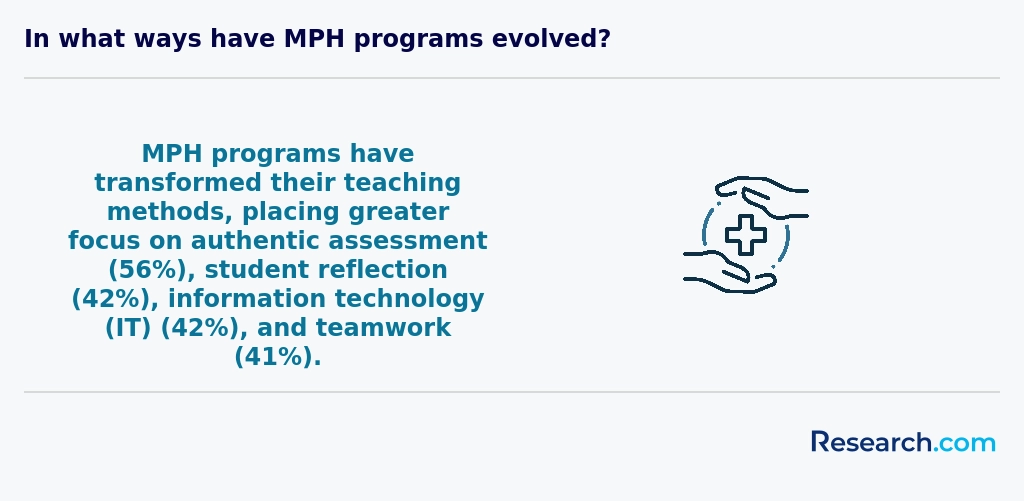
Staying ahead in public health means understanding the key trends shaping the field today. As organizations prioritize data-driven decision-making, proficiency in health informatics and biostatistics is essential-graduates trained in data analytics can lead disease surveillance and program evaluation efforts. Geographic Information Systems (GIS) for mapping health outcomes, digital health tools like telehealth platforms, and mobile health (mHealth) applications are transforming service delivery, so familiarity with these technologies will set you apart. Climate change and environmental justice have also risen to the forefront, making expertise in environmental health risk assessment and sustainability practices highly sought after. Moreover, a strong foundation in health equity, cultural competence, and policy advocacy prepares professionals to address social determinants of health and drive community-centered interventions. Programs that integrate these emerging competencies-often highlighted in top rankings-offer specialized electives, capstone projects, and practicum placements that mirror real-world challenges. For example, schools featured in our Affordable Online Public Health Degree Programs Ranking in Missouri showcase curricula designed to cultivate these cutting-edge skills, ensuring graduates are ready to lead in a rapidly evolving public health landscape.
Many public health students in Buffalo, especially those attending the University at Buffalo, find federal financial aid an essential resource. By completing the FAFSA, students can access Pell Grants that alleviate financial stress without the burden of repayment, a relief echoed by numerous graduates. Federal student loans, while requiring repayment, offer lower interest and flexible plans, making tuition costs more manageable for those balancing jobs or family commitments.
State aid also plays a pivotal role for Buffalo residents. Programs like the Excelsior Scholarship cover full tuition for eligible students earning under $125,000 annually, a benefit that graduates often describe as a game-changer in making education affordable locally.
Merit-based scholarships from Buffalo institutions further support students excelling academically or through leadership. Graduates frequently mention how these awards, while competitive, reward dedication beyond financial need.
Additional aid from the American Public Health Association and employer tuition assistance programs in Buffalo's health sector provide valuable opportunities. These options, though less predictable, offer students both financial relief and professional growth, inspiring confidence in their educational investment.
As the landscape of public health continues to evolve, Buffalo’s degree programs are integrating cutting-edge specializations-such as digital epidemiology, climate resilience, and health informatics-to prepare graduates for tomorrow’s challenges. Students who master data analytics and geographic information systems (GIS) will be at the forefront of disease surveillance, while those focusing on environmental health policies will shape urban planning initiatives that mitigate pollution and safeguard vulnerable populations. Interdisciplinary collaboration is another rising trend: public health professionals now partner with engineers, data scientists, and social entrepreneurs to design community-driven solutions. By engaging in capstone projects that bridge academia and local organizations, students gain hands-on experience in grant writing, program evaluation, and advocacy-skills that employers in government and non-profit sectors highly value. For graduates seeking leadership roles in care coordination and patient advocacy, understanding pathways to clinical management is key. Many alumni leverage their public health foundation to transition into roles as healthcare coordinators; if you’re interested in these opportunities, explore how to become a healthcare coordinator to chart your next steps. Finally, as public health responds to global threats like pandemics and climate change, proficiency in remote community engagement tools-telehealth platforms, mobile health apps, and social media campaigns-is essential. Buffalo’s programs increasingly offer internships with state health departments and tech-driven start-ups, ensuring graduates leave ready to design and implement innovative health solutions at both local and global scales.
Enrolling in a public health degree program in Buffalo typically requires a foundational academic background, often demonstrated by a high school diploma for undergraduate programs or a bachelor's degree for graduate studies. For example, graduates from the University at Buffalo recall that strong preparation in biology, chemistry, and statistics helped them grasp complex public health issues early on, making the learning experience both challenging and rewarding.
For those aiming at graduate programs like the MPH, a GPA of around 3.0 is commonly expected, alongside possible GRE scores, although these can sometimes be waived. Many graduates reflect positively on their prior health sciences or social sciences coursework, which provided relevant context to their studies. Additionally, hands-on experience, such as internships or volunteer work within Buffalo's health organizations, often enhances admission prospects and enriches student confidence by connecting theory to real community impact.
Applicants emphasize that letters of recommendation and statements of purpose offer opportunities to convey genuine commitment and personal passion for public health, resonating well with admission panels who seek more than just grades. Navigating these prerequisites thoughtfully allows prospective students to align their backgrounds with Buffalo's vibrant public health community.

Public health degrees in Buffalo commonly include courses that establish a solid foundation in both theory and practice. Graduates from popular institutions like the University at Buffalo often highlight how core classes such as Epidemiology and Biostatistics equipped them with analytical skills used when interpreting real community health data. For instance, in Epidemiology, students analyze patterns of illness in Buffalo neighborhoods, making the learning directly relevant to local challenges.
Courses in Environmental Health and Social and Behavioral Sciences provide perspective on how Buffalo's industrial history and diverse communities influence public health outcomes. A graduate recalled engaging in case studies about Erie County's air and water quality, which added a tangible context to classroom concepts. Meanwhile, Health Policy and Management classes frequently involve examining New York State policies that shape public health initiatives, bridging academic insights with ongoing local policy debates.
Electives and internships further personalize the curriculum, allowing students to engage hands-on with organizations such as the Erie County Department of Health, promoting both confidence and professional growth within Buffalo's active public health scene.
Public health degree specializations Buffalo students find at local colleges often include epidemiology, health policy and management, community health and education, environmental health, and occasionally global health. Graduates recall that programs at universities in Buffalo emphasize applying these disciplines to local challenges, such as urban disease outbreaks, healthcare system improvements, and environmental health risks linked to the city's industrial past. For instance, students focused on epidemiology have appreciated hands-on experiences tracing waterborne illness patterns that directly affect Buffalo neighborhoods.
Many students note that community health and education tracks resonate deeply because of Buffalo's diverse and engaged urban communities, offering meaningful opportunities to design health programs that make a real difference. Although global health is less prominent regionally, it still attracts some learners eager to place local lessons in a broader context. This variety of Buffalo public health concentration options reflects the city's unique health landscape and workforce needs.
Some graduates also highlight that exploring how to become a healthcare coordinator ties well with health policy studies, providing practical career paths. Overall, these specializations aim to equip Buffalo students with skills relevant to both local and wider public health challenges.
Choosing the best public health degree programs Buffalo offers requires weighing accreditation, cost, and local relevance carefully. Graduates from the University at Buffalo, a CEPH-accredited institution, often emphasize how the program's strong community partnerships and faculty expertise gave them hands-on experience that directly prepared them for regional health challenges in Western New York. While some students prioritize flexible online or hybrid formats, others find that in-person internships with Buffalo health departments deepen their understanding of urban health disparities.
Cost remains a significant consideration. Many affordable public health schools Buffalo NY include in-state options like UB, which offer competitive tuition compared to pricier private colleges. Financial aid and assistantships can ease burdens, but it's wise to consult alumni who can provide honest assessments of career networking opportunities and job placement.
For prospective students exploring options beyond Buffalo, consulting resources such as the Affordable Online Public Health Degree Programs Ranking in Missouri might offer additional perspectives on balancing affordability with quality.

Graduates with a public health degree in Buffalo can pursue diverse career paths shaped by the city's unique urban health challenges. Many find opportunities within local government health departments, taking on roles such as epidemiologists or program coordinators that address chronic disease management and environmental health. Students from Buffalo's well-regarded public health programs often describe rewarding experiences applying classroom theory to real community outreach projects, making health promotion tangible.
Buffalo public health degree job opportunities also extend to local hospitals and healthcare systems, where graduates contribute to patient education and health policy compliance. Some graduates appreciate working in non-profits focused on social determinants of health, enabling them to design targeted interventions for underserved populations. However, it's vital to recognize the competitive landscape and the need for advanced credentials in such roles.
- Data analyst positions interpreting public health data for policy guidance.
- Environmental health specialists addressing pollution and water safety concerns.
- Health promotion experts specializing in nutrition and chronic disease prevention.
- Policy advisors aiding local governments in crafting effective health regulations.
For those balancing work and study, Buffalo schools' flexible part-time options make earning a degree feasible. Graduates often report a positive impact on salary and career satisfaction, reflecting national trends. To explore more immediate opportunities, consider best paying 6 month certificate programs online that can complement or accelerate your public health career goals.
The job market for public health degree holders in Buffalo is fairly promising, reflecting stable growth aligned with national trends. Graduates from local universities and colleges often find opportunities within Buffalo's strong healthcare network, including large employers like Kaleida Health and Roswell Park Comprehensive Cancer Center. Many alumni describe securing positions in community health programs or county health departments, which actively seek professionals to handle chronic disease prevention and health education-not uncommon scenarios that underscore the real-world relevance of their training.
Buffalo public health career opportunities frequently arise in nonprofit organizations, local government, and research centers, creating a diverse employment landscape. Nonetheless, salary figures for entry-level jobs tend to be modest, typically between $40,000 and $55,000 annually, requiring graduates to balance enthusiasm with realistic financial expectations in the city's economy.
Students weighing their options appreciate that multiple affordable public health programs in the area offer a solid education without excessive debt. Some even complement their studies by exploring the easiest associates degree to obtain in related fields to broaden their skills and employability.
Overall, those pursuing a public health degree in Buffalo find a supportive environment where education connects fluidly with meaningful career paths, reflecting the steady demand in this growing sector.
2027 Most Popular Public Health Degree Programs Ranking in Buffalo
Investing in your education is a significant decision that can shape your future, and the Research.com team understands the importance of making informed choices. To assist prospective students in Buffalo, we have meticulously crafted the "2027 Most Popular Public Health Degree Programs Ranking in Buffalo." Our commitment to quality, credibility, and accuracy is reflected in the extensive research and analysis conducted to compile this ranking.
We utilized the following reputable data sources to ensure a comprehensive evaluation of public health degree programs:
By exploring this ranking, readers will gain valuable insights into the most popular public health programs available in Buffalo, empowering them to make well-informed decisions about their educational paths. For more details on our methodology, please visit our Research.com methodology page.


# 4 position
Bryant & Stratton College-Buffalo
Bachelor of Science in Public Health

Frequently Asked Questions About public health
Students pursuing public health degrees in Buffalo can enhance their learning by engaging with local community health organizations. Buffalo's diverse population offers opportunities to study urban health challenges firsthand, providing valuable practical experience. Collaborating with institutions like the Erie County Department of Health allows students to apply classroom knowledge in real-world settings.
Internships and research projects connected to Buffalo's ongoing public health initiatives, such as efforts to address opioid misuse and promote chronic disease prevention, offer meaningful involvement. According to the Buffalo Niagara Medical Campus, these practical experiences improve skills and employability.
Additionally, taking advantage of networking events and workshops hosted by local universities strengthens professional connections vital in public health careers.
The public health field is evolving rapidly, introducing new niches that address current societal challenges. In Buffalo, specialties like environmental health have gained attention due to local concerns about air and water quality related to urban industrial areas. Data analytics and informatics are also emerging fields, where professionals use health data to predict and manage disease outbreaks efficiently.
Another growing niche is health equity, focusing on reducing disparities in healthcare access among Buffalo's diverse populations. Mental health promotion within communities is increasingly prioritized, reflecting nationwide trends in public health education. These niches offer promising career paths for students aiming to make a meaningful impact locally and beyond.
Graduates with a public health degree in Buffalo can strengthen their job prospects by gaining practical experience through internships or volunteering. Local health departments, such as the Erie County Department of Health, offer opportunities to apply classroom knowledge in real-world settings. Networking with professionals through Buffalo-based organizations like the Western New York Public Health Alliance is also important.
Certification can enhance employability; for example, obtaining the Certified Health Education Specialist (CHES) credential demonstrates expertise and commitment. According to the U.S. Bureau of Labor Statistics, health educator roles in New York State are projected to grow by 12% between 2022 and 2032, indicating increasing demand.
Additionally, staying informed about public health trends in Buffalo, including initiatives addressing opioid abuse and health disparities, can position graduates as valuable candidates for local employers focused on community health improvement.
Employers in Buffalo seek public health graduates with strong analytical skills to assess community health data effectively. Proficiency in biostatistics and epidemiology is essential, as these help identify local health trends and inform decision-making. Communication skills are also critical; graduates must convey complex health information clearly to diverse audiences, including policymakers and the public.
Collaboration is valued since public health professionals often work with agencies such as the Erie County Department of Health. Knowledge of local health issues, like managing outbreaks of infectious diseases or addressing substance abuse, enhances job prospects. Familiarity with health policy and program management further equips graduates to meet Buffalo's evolving public health challenges, according to reports from the New York State Department of Health.
Finding internships in Buffalo relevant to a public health degree involves exploring opportunities through local healthcare providers, government agencies, and nonprofit organizations. Buffalo is home to institutions like the Erie County Department of Health and UNMC Public Health, which offer internship programs for students seeking practical experience. Networking through Buffalo's universities, such as the University at Buffalo's School of Public Health, can provide valuable connections and internship listings.
Students should also use platforms like Handshake and Buffalo Jobs to search for public health internships. According to the New York State Department of Health, Buffalo's growing focus on community health initiatives increases internship availability in areas like epidemiology, health education, and environmental health.
In Buffalo, obtaining a public health degree significantly improves career mobility and advancement due to the city's growing healthcare sector. According to the Buffalo Niagara Medical Campus, healthcare and related industries represent over 60,000 jobs locally, with increasing demand for public health professionals.
A degree equips graduates with knowledge in epidemiology, health policy, and community health, aligning with Buffalo's regional health needs. This specialization can open pathways to roles in government agencies, nonprofits, and private healthcare organizations.
Moreover, employers in Buffalo often prefer candidates with advanced public health credentials, which can lead to higher salaries and leadership opportunities, as noted by the New York State Department of Labor.
Networking through local institutions also supports career growth, leveraging Buffalo's collaborative public health environment.
Studying for a public health degree in Buffalo offers a strong foundation for interdisciplinary roles by integrating knowledge from various fields such as epidemiology, policy, social sciences, and healthcare management. Buffalo's universities leverage their connections with local hospitals and public health agencies, providing students hands-on experience in addressing real-world health challenges.
The region's diverse population and specific health concerns, like high rates of chronic illnesses, allow students to engage with community-focused projects. According to the Buffalo Erie County Health Department, interdisciplinary approaches have been key in improving regional health outcomes, reinforcing the practical value of such education.
Curricula often emphasize teamwork and communication skills, critical for collaborating across sectors including law, business, and environmental sciences, empowering graduates to succeed in varied public health careers.
Choosing between a thesis and a non-thesis public health degree in Buffalo depends on your career goals and learning preferences. A thesis program typically involves conducting original research, appealing to students aiming for doctoral studies or research-focused jobs. Conversely, a non-thesis option emphasizes coursework and practical skills, suited for professionals seeking immediate entry into public health roles.
Buffalo's public health programs often reflect these national trends, with universities like the University at Buffalo offering both paths. According to the Association of Schools and Programs of Public Health (ASPPH), thesis students spend around 20-30% of their time on research projects.
Consider your interest in research, time availability, and whether you plan to pursue further academic work when choosing your track.
Students based in Buffalo interested in studying public health abroad have several pathways available within the US higher education system. Many American universities, including those near Buffalo, offer study abroad programs and international internships focused on public health. These opportunities often take place in countries with diverse health challenges, providing practical exposure beyond local contexts.
For example, the University at Buffalo offers global learning experiences through partnerships with schools overseas, enabling students to gain credits while exploring international public health environments. According to the university's 2023 data, nearly 15% of their public health students participate in some form of study abroad or international research placements before graduation.
Additionally, Buffalo students can apply to national programs like the Fulbright Student Program or the Global Health Corps Fellowship, which support public health study and work experience abroad. These options enhance academic and professional development by immersing students in different health systems and policies.
Students pursuing public health degrees in Buffalo can enhance their education through various part-time job opportunities. Local hospitals like Kaleida Health and Erie County Medical Center often seek interns and assistants for community outreach and health education roles. These positions allow students to apply public health theories in real-world settings while gaining valuable experience.
Additionally, Buffalo's Department of Health and Human Services offers part-time roles in data collection and analysis, important for epidemiological studies. Nonprofits focused on health advocacy, such as the American Cancer Society- Western New York, frequently have openings for part-time coordinators and educators.
Such jobs not only build professional skills but may also provide networking opportunities within Buffalo's public health community.
Buffalo offers public health students numerous networking opportunities through local universities, professional organizations, and community initiatives. The University at Buffalo's School of Public Health and Health Professions hosts events where students can connect with alumni and public health professionals. Students can also join chapters of national groups like the American Public Health Association (APHA), which organizes regional conferences in New York State.
Additionally, Buffalo's rich healthcare landscape, including institutions like Kaleida Health and the Erie County Department of Health, offers internships and workshops that facilitate direct engagement with public health practitioners. According to Buffalo Niagara Partnership, these connections often lead to mentorships and job placements.
Alumni networks provide significant support to public health degree students in Buffalo by connecting them with experienced professionals in the field. These networks often facilitate mentorship opportunities, enabling current students to gain insights into local public health challenges and career pathways. According to the University at Buffalo's School of Public Health and Health Professions, engaged alumni help students access internships and job placements in Western New York's health departments, hospitals, and nonprofit organizations.
Networking with alumni also gives students access to workshops and career events tailored to Buffalo's public health environment. This local support system enhances employability in a competitive job market that values practical experience and community engagement.
Students pursuing public health degrees in Buffalo can tailor their programs through elective courses and specialization tracks that align with local workforce demands. Many Buffalo institutions offer concentrations like epidemiology, health policy, or community health, allowing students to focus on areas relevant to the region's public health challenges.
Internships and practicum opportunities with local health departments, hospitals, or nonprofit organizations provide practical experience and networking within the Buffalo health sector. According to the New York State Department of Health, Buffalo faces ongoing concerns such as chronic disease management and substance abuse, making related specialties valuable for career advancement.
Additionally, flexible scheduling and part-time options enable working professionals to customize their studies without interrupting their careers.
Public health students in Buffalo often face challenges related to balancing rigorous academic workloads with practical field experience requirements. Many degree programs emphasize internships at local health departments or hospitals, which can be competitive and time-consuming. Additionally, Buffalo's high poverty rate, around 28% according to the U.S. Census Bureau (2023), presents complex community health issues that students must understand deeply for effective learning.
Students also encounter limited funding options and scholarship availability specific to public health fields in the region. Navigating these financial constraints alongside tuition and living costs is a common concern.
Access to updated research and data relevant to Western New York's health trends is vital but sometimes limited, affecting students' ability to engage with localized public health challenges fully.
With a public health degree, Buffalo students can pursue several recognized professional certifications to advance their careers. One common credential is the Certified in Public Health (CPH) offered by the National Board of Public Health Examiners. This certification demonstrates mastery of core public health skills and is widely respected across the United States.
Another key certification is the Registered Environmental Health Specialist (REHS), valuable for those interested in environmental health sectors. Additionally, certifications like Certified Health Education Specialist (CHES) can prepare graduates for community health roles.
According to the New York State Department of Health, Buffalo's public health job market values these credentials for roles in local health departments and hospitals.
Applying to a public health degree program in Buffalo requires careful preparation to stand out. Start by researching local schools such as the University at Buffalo, which is known for its accredited public health curriculum. Highlight any relevant experience in healthcare or community service, as practical exposure strengthens your application.
Strong academic records matter; maintain a competitive GPA, especially in biology, statistics, and social sciences. Buffalo's public health challenges, including addressing urban health disparities documented by the Erie County Department of Health, can be compelling topics for your personal statement.
Lastly, secure solid letters of recommendation from academic or professional sources familiar with your dedication to public health goals. These elements collectively improve your chances of admission.
Public health careers have a broad global impact, addressing health challenges from infectious diseases to chronic conditions. In the U.S., and specifically in Buffalo, public health professionals play key roles in improving community well-being through research, policy, and intervention programs. According to the U.S. Bureau of Labor Statistics, the field is expected to grow 17% by 2031, reflecting global demand for skilled experts.
Internationally, public health workers collaborate on pandemics, environmental health, and health equity. Buffalo's public health programs often incorporate global health perspectives, preparing students to work in diverse settings. The World Health Organization highlights the importance of multidisciplinary skills to tackle health disparities worldwide.
Gaining practical experience while studying for a public health degree in Buffalo is essential for applying theoretical knowledge to real-world challenges. Local universities often partner with organizations such as the Erie County Department of Health and the Western New York Public Health Alliance, offering internships and practicum placements.
Internships in these settings provide hands-on exposure to community health programs, epidemiological research, and health education campaigns. Students can also engage in volunteer roles with nonprofits addressing public health issues like opioid addiction and chronic disease prevention, which are significant concerns in the region, according to the Buffalo Niagara Health Improvement Plan.
Additionally, some programs encourage participation in research projects focused on urban health disparities, giving students valuable data analysis and public communication skills. Seeking these opportunities enhances employability and deepens understanding of Buffalo's unique public health landscape.
Choosing the right concentration within a public health degree program in Buffalo involves assessing your career goals and local health needs. Buffalo faces specific public health challenges, including high rates of chronic diseases and environmental health concerns, according to the Erie County Department of Health. Concentrations like epidemiology, environmental health, or health policy can prepare you to address these issues effectively.
Consider programs that offer practical experience through partnerships with local health agencies, which enhances job prospects. Reviewing curriculum details and internship opportunities at schools like the University at Buffalo can also guide your decision. Aligning your interest with local public health priorities ensures a relevant and impactful education.
- 2027 Most Popular Public Health Degree Programs Ranking in Rochester
- 2027 Most Popular Public Health Degree Programs Ranking in Ithaca
- 2027 Most Popular Public Health Degree Programs Ranking in Ann Arbor
- 2027 Most Popular Public Health Degree Programs Ranking in Albany
- 2027 Most Popular Public Health Degree Programs Ranking in Baltimore
- 2027 Most Popular Public Health Degree Programs Ranking in Philadelphia
- 2027 Most Popular Public Health Degree Programs Ranking in New Brunswick
- 2027 Most Popular Public Health Degree Programs Ranking in College Park
- 2027 Most Popular Public Health Degree Programs Ranking in Washington
- 2027 Most Popular Public Health Degree Programs Ranking in New York
- For Academic Public Health https://globalnetworkpublichealth.org/
- Master of Science (M.S.) Major in Public Health Education and Promotion (Non-thesis Option) https://mycatalog.txstate.edu/graduate/education/health-human-performance/public-healthed-promo-nonthesis-ms/
- Young WFPHA Initiative – Empowering Young Public Health Professionals https://www.wfpha.org/young-wfpha/
- Careers https://www.publichealthdegrees.org/careers/
- Public Health: A Global Perspective https://www.routledge.com/Public-Health-A-Global-Perspective/Singh/p/book/9781032644226
- Pre-Professional Health Experience Guide | PublicHealthOnline.org https://www.publichealthonline.org/pre-professional-experience/
- Public Health - SUM Admission https://admission.sum.edu.pl/public-health/
- Work Experience Opportunities - Everyone Health Careers https://careerseveryonehealth.co.uk/work-experience/
- The Interdisciplinary Nature of Public Health https://www.cune.edu/news/interdisciplinary-nature-public-health
- Effective Networking Strategies for Public Health Professionals | PH SPOT https://phspot.org/effective-networking-strategies-for-public-health-professionals/











