
2027 Fastest Online Bachelor's in Public Health Degree Programs Ranking in the Midwest

Co-Founder and Chief Data Scientist
Choosing the right public health degree can be overwhelming, especially with so many online options available. This article introduces the 2027 Fastest Online Bachelor's in Public Health Degree Programs Ranking in the Midwest, created by the Research.com team of data scientists to help you make an informed decision.
By exploring this ranking, you'll discover programs that fit your goals and lifestyle while advancing your career in a meaningful field. Pursuing a public health degree opens doors to impactful work that improves communities and promotes well-being.
Keep reading to find the best options tailored for Midwest students looking for speed and quality.
Key benefits of getting online public health degree in the Midwest
- Graduates with a public health degree in the Midwest can earn competitive salaries, such as Health Educators making around $69,790 annually and Environmental Health Specialists earning about $86,710. These figures highlight strong financial rewards for public health careers in the region.
- A public health degree opens doors to diverse careers like Community Health Worker, Medical Assistant, or Occupational Health and Safety Specialist, allowing graduates from popular universities such as the University of Michigan to find roles that match their passions. This variety ensures graduates feel motivated and fulfilled in their work.
- Obtaining a public health degree online offers flexibility and accessibility, as shown by online graduates from institutions like Indiana University, who can balance work, family, and studies. This approach lets students advance quickly while gaining valuable skills without relocating or interrupting their careers.
- 2027 Fastest Online Bachelor's in Public Health Degree Programs Ranking in the Midwest
- What can I expect from online public health degree in the Midwest?
- Where can I work with online public health degree in the Midwest?
What can I expect from online public health degree in the Midwest?
Determining the average cost of an online public health degree in the Midwest can be complex due to variations among institutions. Graduates from well-known Midwestern schools often note that tuition generally ranges from $10,000 to $25,000 per year for the full program, depending on whether the university offers in-state rates or premiums for online learners. For example, students enrolled at public universities in states like Illinois or Ohio frequently benefit from reduced tuition rates even when studying remotely, which lessens financial burden while maintaining academic quality.
Many graduates appreciate how programs balance affordability with access to quality faculty and practical learning opportunities tailored to regional challenges. Yet, these costs may not include additional fees for practicum placements or certification exam preparation, which are integral for those aiming to become Certified Health Education Specialists (CHES). Some students find that budgeting for these extras upfront helps avoid surprises and keeps their education on track.
Importantly, the flexible format of online degrees also allows learners juggling jobs or family commitments to proceed without significant income interruption, which some graduates describe as a key factor in feeling supported and motivated throughout their studies. Considering these nuances helps prospective students realistically assess investment versus opportunity for growth within the Midwestern public health landscape.
Where can I work with online public health degree in the Midwest?
Graduates with an online public health degree in the Midwest often find diverse career paths across sectors that directly impact their communities. For instance, many start at state or local health departments, such as those in Illinois or Michigan, where they design prevention programs and analyze health trends. These roles provide a hands-on way to see tangible improvements in community wellness-something graduates from the University of Michigan frequently highlight as rewarding.
Hospitals and health networks like the Mayo Clinic in Minnesota also hire public health professionals. Graduates recall the fulfillment of applying skills in epidemiology and health communication to real patient populations, making a measurable difference in health outcomes.
Others pursue careers in nonprofits that address chronic diseases or maternal health, valuing the chance to engage in advocacy and education. Those from the University of Minnesota often cite these roles as deeply meaningful, blending data analysis with community outreach.
Corporate wellness and occupational health offer growing opportunities, with graduates noting the satisfaction of improving workplace environments in cities like Chicago or Minneapolis.
Research opportunities at Midwest institutions further allow graduates to contribute to policy and public health goals, combining intellectual rigor with local impact. While these paths are promising, it's important for prospective students to consider their personal interests and local demands carefully when exploring options.
Graduates with an online public health degree in the Midwest can expect varied salary outcomes based on their chosen career paths and experience. For example, community health workers earn a mean annual wage of about $52,610, while health educators average higher, around $69,790 per year. These figures reflect roles many graduates from universities like the University of Michigan or the University of Illinois might pursue early in their careers.
More specialized positions, such as environmental health specialists and occupational health and safety specialists, offer even greater earning potential, with mean salaries near $86,710 and $85,570 respectively. Graduates from institutions renowned for their public health programs often find these roles rewarding, both intellectually and financially, especially given the Midwest's steady demand for qualified professionals.
While some entrants may start near the lower end of this spectrum, those who pursue certifications or advanced degrees tend to see upward salary mobility. Considering the regional cost of living alongside these salaries highlights promising opportunities for graduates from Midwest colleges balancing career growth and quality of life.
- The Midwest has many accredited schools offering fully online public health bachelor's degrees, with accreditation often from the Council on Education for Public Health (CEPH).
- The typical cost for completing an online public health bachelor's degree in the Midwest ranges from $15,000 to $35,000, which is usually less than the national average.
- In-state tuition discounts and federal financial aid are available to help reduce overall expenses for online students in the Midwest.
- Entry-level salaries for public health bachelor's graduates in the Midwest usually range from $45,000 to $55,000 annually, with experienced professionals earning around $70,000 or more.
- Online programs often include internships or practicum placements with local health organizations, allowing students to gain real-world experience even when studying remotely.
Completing an online public health degree in the Midwest typically takes about four years for full-time bachelor's students, closely mirroring traditional program length. Graduates from universities like the University of Michigan often appreciate the flexibility that online formats provide, enabling them to balance work or family while progressing steadily. Some accelerated options allow motivated students to finish in as little as three years by taking extra courses or summer sessions, which many find rewarding despite the increased workload.
Part-time learners, especially those juggling professional and personal commitments, usually take five to six years, a timeframe that can feel both manageable and empowering when supported by adaptable program structures at schools such as Ohio State University.
At the master's level, full-time students at institutions like the University of Iowa often complete their MPH in about 18 to 24 months. However, working professionals may take up to three years, appreciating programs that allow them to learn at their own pace while applying real-world experience.
Factors like transfer credits or competency-based approaches can shorten or lengthen these estimates, reflecting the varied educational journeys prevalent across the Midwest.
Accreditation ensures programs meet rigorous national benchmarks that employers and licensure boards require. For online public health degrees in the Midwest, look for CEPH accreditation, which signals:
- Curriculum aligned with current public health competencies
- Faculty with active research, clinical or field experience
- Robust student services, including academic advising and practicum support
To verify accreditation, consult the CEPH directory and review each university’s accreditation statement in the program brochure. Graduates from CEPH-accredited programs often report stronger job placement rates and smoother credentialing. For related insights on accredited online health programs, explore our pharmacy school guide.
Online and on-campus public health degrees in the Midwest differ primarily in delivery and student experience. For example, graduates of the University of Nebraska Medical Center's online program often speak about the freedom to balance coursework around demanding jobs or family life, appreciating the ability to study evenings or weekends without relocating. This flexibility contrasts with on-campus students at the University of Illinois, who value face-to-face engagement through in-person classes, labs, and spontaneous hallway discussions that enrich learning and build immediate professional connections.
Cost considerations also vary. Online learners may find modest tuition savings at some Midwest schools along with reduced expenses related to commuting and housing, yet they must manage the isolation that can come from remote study. Meanwhile, on-campus students benefit from direct access to internships and local public health projects, which some say fosters stronger ties to their field. However, online programs frequently offer virtual networking events and regionally relevant internships tailored for remote students, maintaining engagement in a different but effective way.
Both paths demand commitment: self-motivation for online students and adaptability to structured schedules for on-campus learners. The choice depends on personal circumstances and learning preferences. Both routes uphold accreditation standards recognized throughout the public health profession in the Midwest.
Navigating an online Public Health degree requires not only academic dedication but also strategic planning and proactive engagement throughout your studies. Start by setting a structured schedule that accommodates your coursework, work, and personal life; creating a dedicated study space free from distractions will help maintain focus and productivity. Leverage online discussion boards and virtual office hours to interact with professors and peers-feedback and collaboration are key components of a rewarding online learning experience. Additionally, take advantage of career resource centers and mentorship programs offered by many institutions; these services provide insights into industry trends, guide you through the application process, and assist with internship placements. Staying updated with current industry information, such as trends highlighted in in demand public health programs, can help you tailor your skills to areas with high job growth. Finally, continuously invest in your professional development by attending webinars, joining public health associations, and seeking opportunities for hands-on projects. By integrating these practices, you not only enhance your academic performance but also build a solid foundation for a flourishing career in public health.
The average cost of an online public health degree in the Midwest varies but generally centers around the median total cost of $42,480. For many students attending public institutions in states like Illinois, Indiana, and Ohio, in-state tuition totals often approach $65,880, while out-of-state students might face much higher costs near $67,680. These figures reflect a significant investment but remain competitive compared to private university tuition, which can far exceed these amounts.
Graduates from popular Midwest schools frequently share how carefully budgeting their tuition fees and leveraging employer tuition reimbursement played a crucial role in their success. One common approach is to select programs offering flexible per-credit pricing, usually between $300 and $600 per credit hour, to reduce upfront expenses. While the initial cost might appear daunting, many students appreciate the accessibility and quality provided by these online degrees, which can be balanced with work and personal commitments.
When examining Midwest online bachelor's in public health tuition fees, it is important to remember that costs beyond tuition-such as textbooks and technology fees-might add to the total but are often minimized in online formats. Prospective students should also explore available financial aid options to ease the financial burden. Those interested in exploring in demand public health programs will find a range of affordable and accredited options designed for working adults and remote learners.
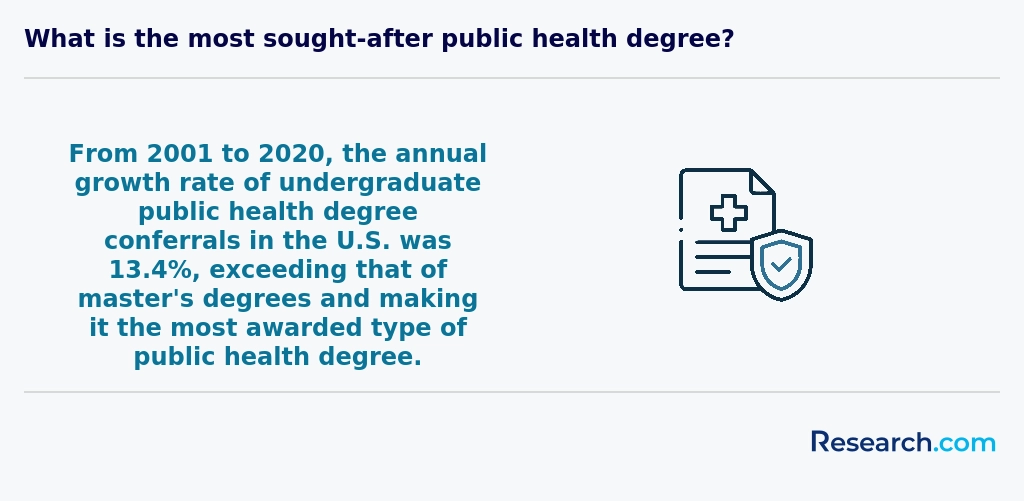
Upon completing your online Bachelor’s in Public Health, earning the right professional credentials is critical for establishing credibility and advancing your career. Many employers in the Midwest expect graduates to hold nationally recognized certifications that validate their expertise and commitment to public health practice. Key certifications to consider include:
- Certified Health Education Specialist (CHES): Administered by the National Commission for Health Education Credentialing, the CHES credential demonstrates proficiency in planning, implementing, and evaluating health education programs.
- Certified in Public Health (CPH): Offered by the National Board of Public Health Examiners, this certification covers foundational public health sciences and best practices.
- Public Health Accreditation Board (PHAB) Affiliates: While not a personal credential, graduating from a program with PHAB-accredited practicum experiences can enhance your resume and prepare you for agency-based roles. Licensure requirements vary by state and by role. For instance, professionals aiming to work in community health nursing should consult the community health nursing career requirements to understand state‐specific nursing licensure, clinical hours, and continuing education mandates. Similarly, those pursuing environmental health roles may need additional state certifications in food safety or hazardous materials management. Proactive steps to secure certifications and licensure: 1. Review exam eligibility and application deadlines early in your final semester. 2. Enroll in preparatory workshops or study groups offered by your institution. 3. Allocate time for supervised practicum or clinical hours as required. 4. Plan for maintenance of credentials through continuing education to stay current with evolving public health guidelines. By obtaining the appropriate certifications and licensure, you’ll not only meet employer expectations but also reinforce your expertise-positioning yourself as a trusted leader in public health.
Students pursuing an online public health degree in the Midwest often find financial aid through federal sources like the FAFSA, which opens access to grants such as the Pell Grant, providing up to $7,395 for eligible undergraduates. Graduates from institutions like the University of Illinois Urbana-Champaign recall how this grant made managing tuition easier, especially since the annual in-state cost typically falls between $8,000 and $15,000. Federal Direct Subsidized Loans also offer manageable low-interest borrowing, deferring interest while enrolled, which appeals to those balancing work and study.
State-specific grants further ease the burden-for instance, Illinois's MAP grant and Ohio's Choose Ohio First Scholarship are designed to support local students in health-related fields. Midwestern universities themselves frequently award scholarships based on merit or need; some graduates have mentioned securing awards covering full tuition or significant parts of it through their university financial aid offices.
Professional bodies like the American Public Health Association occasionally offer fellowships that align with workforce needs, providing another source of support. Working professionals studying online often benefit from employer tuition reimbursement, which many find crucial to continuing education without financial stress.
Ultimately, leveraging a combination of these aid options is common, enabling many Midwest public health students to pursue their degrees with confidence and reduced financial strain.
Enrolling in an online public health degree in the Midwest typically requires a solid academic foundation along with some administrative steps. Most programs at well-regarded Midwest institutions ask applicants for a high school diploma or equivalent, such as a GED. Graduates from universities like the University of Iowa recall having to submit proof of foundational coursework in biology, chemistry, math, and English to ensure readiness for the program's scientific demands.
Many schools set a GPA benchmark, generally between 2.5 and 3.0, reflecting the need for students to maintain consistent academic performance. While some programs still request SAT or ACT scores, several Midwest colleges are increasingly test-optional, recognizing diverse paths to preparation.
For accelerated tracks or transfer-friendly options, applicants might need prior college credits or an associate degree. At places like Ohio State University, students have found that understanding these requirements helps streamline their journey, particularly when transfer credits count toward reducing time and expenses.
- High school diploma or GED
- Prerequisite courses in science and math
- Minimum GPA requirements (often 2.5-3.0)
- Test scores sometimes optional
- Transfer credits for some programs
Practical prerequisites such as immunization records or background checks are common, especially if the degree includes internships. Many Midwest graduates express confidence that meeting these requirements prepared them well for hands-on public health work, striking a balance between academic rigor and real-world application.
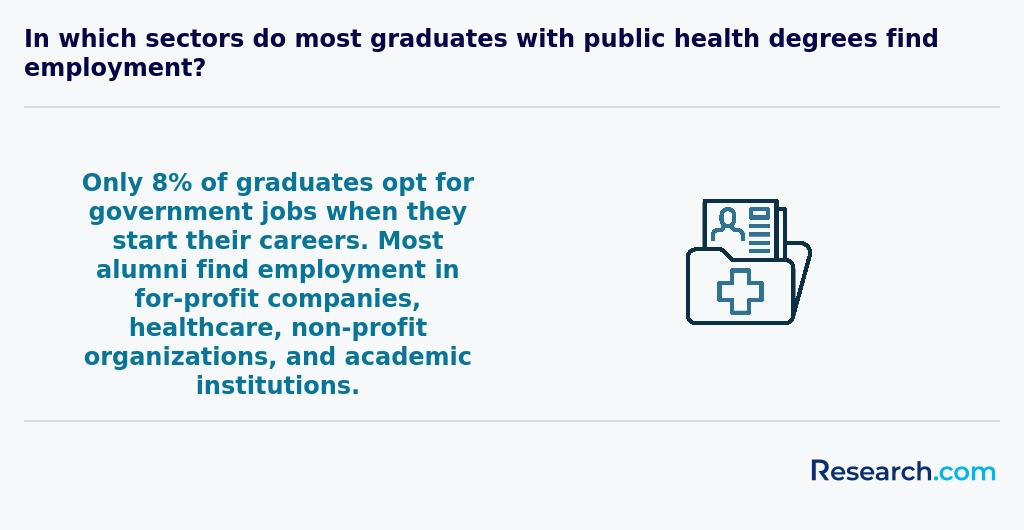
Navigating the application process for an online Bachelor’s in Public Health in the Midwest involves several key steps and strict deadlines to ensure your materials are reviewed on time. First, compile official transcripts from all postsecondary institutions and request at least two letters of recommendation-ideally from academic instructors or public health professionals who can attest to your analytical and communication skills. Next, draft a concise personal statement that highlights your passion for community health, relevant volunteer or work experiences, and career aspirations in public health advocacy. Most programs operate on fall and spring admission cycles, with deadlines typically falling between November 1 and February 15 for fall entry, and between July 1 and October 1 for spring entry. Be sure to verify specific dates on each university’s admissions page, as late submissions may not be considered. Some institutions also require a supplemental questionnaire addressing your interest in online learning, so allow extra time to complete these components thoroughly. Standardized test scores (SAT/ACT) are increasingly optional, but if submitted, they should be sent directly from the testing agency. Additionally, proof of English proficiency (TOEFL, IELTS) is mandatory for international applicants. As you compare program requirements and financial plans, don’t overlook regional alternatives-while researching program costs, explore the Affordable Public Health Degree Programs Ranking in Oregon for a broader perspective on tuition and aid opportunities. Finally, after submitting your application, monitor your applicant portal for confirmation of receipt and any missing documents. Many schools offer virtual information sessions and one-on-one advising to guide prospective students through technical requirements, ensuring you have reliable internet access, compatible hardware, and familiarity with the online learning management system. Meeting these deadlines and preparing each component thoughtfully will position you for a smooth admissions experience and a successful start to your public health journey.
Online public health degrees in the Midwest typically include core courses such as Introduction to Public Health, Epidemiology, Biostatistics, Health Policy and Management, Environmental Health, and Social and Behavioral Sciences. Graduates from well-known regional universities often highlight how these courses connect classroom theory with real community challenges, such as addressing agricultural impacts on health or managing rural healthcare systems.
For example, a graduate from a reputable Midwestern college recalled applying biostatistics skills during a virtual internship analyzing local health data trends, which made abstract numbers feel tangible and directly useful in decision-making. Other students appreciate the focus on Health Policy, especially as they learn about Midwest-specific health infrastructure and how policy changes can affect rural populations differently than urban centers.
Still, while these courses provide essential knowledge, some students find that regional electives on substance abuse or chronic disease prevention deepen their understanding of local health issues. Balancing foundational science with hands-on learning seems to empower students personally and professionally, reinforcing their confidence to contribute meaningfully to Midwestern public health efforts.
Online public health degree specializations Midwest programs typically offer five main concentrations that address both broad and localized health concerns. Graduates from popular universities in the region often share how a focus on Epidemiology equips them to analyze real-world outbreaks affecting both urban centers and rural communities, which is crucial for Midwestern states balancing diverse population health needs.
Health Promotion and Behavior is another common track, emphasizing education and intervention strategies to combat chronic diseases prevalent in the region, such as diabetes and heart disease. According to some Midwestern graduates, learning these skills online gave them the flexibility to apply classroom theories directly to community settings.
- Health Policy and Management: Popular among those aspiring to lead nonprofits or government agencies, this specialization teaches policy development and organizational oversight.
- Environmental Health: Reflecting the region's agricultural and industrial influences, this focus prepares students to tackle pollution, water quality, and occupational hazards.
- Global Health: Though often internationally oriented, this track helps students address the needs of multicultural urban populations in the Midwest.
Those enrolled in Midwest public health online program concentrations often find that programs integrate practical experience alongside theory. Many graduates highlight how the availability of fast-track or credit-for-experience options helped them advance quickly in their careers. For students contemplating a public health path, exploring how the program aligns with workforce realities is critical, whether in community health or via a specialized field such as those meeting community health nursing career requirements.
Choosing the best online public health degree in the Midwest requires juggling multiple factors beyond just cost or convenience. Accreditation by CEPH remains non-negotiable; graduates from well-known Midwestern universities often highlight how this credential eased their job search by affirming the program's quality. Yet, flexibility in course format is equally important. Many students balancing jobs and family swear by programs that offer asynchronous learning and part-time options, which Midwestern schools frequently provide, embodying real-life adaptability.
Another critical aspect is examining curriculum specialization. Those who pursued concentrations in environmental health or epidemiology at Midwest institutions report feeling more prepared and confident entering the workforce. This personalized focus aligns well with regional public health challenges, illustrating why affordable Midwest online public health programs can be both practical and targeted for local career success.
Lastly, consider graduate outcomes and support services. Graduates often praise faculty with practical regional expertise and accessible career counseling that helped them connect with local health departments. For detailed comparisons, you might explore the Affordable Public Health Degree Programs Ranking in Oregon to weigh tuition affordability alongside program strengths.

Graduates earning an online public health degree in the Midwest find diverse career paths reflecting the region's specific health challenges and opportunities. Many pursue roles as epidemiologists, analyzing disease patterns to protect communities-positions available in state and local health departments around Illinois or Minnesota. These jobs offer competitive salaries, but success often depends on rigorous data skills and adaptability to evolving public health threats.
Health education specialists represent another vital pathway, especially in states like Ohio, where aging populations demand preventive care initiatives. Graduates from prominent Midwestern universities often share how hands-on projects during their degree enhanced their ability to engage communities effectively, making their work both meaningful and impactful. However, some caution that budget constraints in nonprofits may limit positions available, emphasizing the need for flexibility.
Additionally, career opportunities expand into health policy and management, combining leadership skills with public health knowledge. Online programs integrate health services administration coursework preparing students for roles in hospital administration or policy advocacy. For those exploring related fields, understanding what are good college majors can further clarify choices. These varied paths embody the scope of online public health careers Midwest graduates can pursue according to local demand.
The job market for graduates with an online public health degree in the Midwest remains robust, reflecting steady growth in opportunities across states like Illinois, Ohio, and Michigan. Many graduates from well-known programs at universities such as the University of Michigan and Ohio State University share positive experiences about entering roles within local and state health departments or nonprofit organizations, where their skills in epidemiology and health education are highly valued. This landscape is competitive but promising for those ready to contribute in meaningful ways.
While salaries typically range between $50,000 and $75,000 depending on location and position, many graduates note the potential for significant advancement, especially when combined with additional certifications or specialized training. Interest in online public health jobs Midwest continues to grow as public health departments and government agencies respond to evolving healthcare challenges.
Educational affordability is a key factor influencing enrollment decisions. Midwestern institutions often offer tuition rates below the national average, with many students balancing work and study through online degrees. For those weighing options, exploring the easiest online degree pathways can provide helpful insight into accessible programs.
2027 Fastest Online Bachelor's in Public Health Degree Programs Ranking in the Midwest
Investing in your education is a significant decision that can shape your future, and the Research.com team understands the importance of making informed choices. To assist prospective students interested in public health, we have meticulously crafted the "2027 Fastest Online Bachelor's in Public Health Degree Programs Ranking in the Midwest." Our commitment to quality, credibility, and accuracy is reflected in the extensive research and analysis conducted to compile this ranking.
We utilized the following reputable data sources to ensure a comprehensive evaluation of public health programs:
By exploring this ranking, readers will gain valuable insights into the fastest online bachelor's programs in public health available in the Midwest, enabling them to make informed decisions about their academic journey. For more details on our methodology, please visit our Research.com methodology page.





# 8 position
Walden University
Bachelor of Public Health


Frequently Asked Questions About public health
Online public health degree students in the Midwest can maximize their learning by actively engaging with course materials and classmates through discussion boards and virtual study groups. Utilizing local public health data, such as reports from the Midwest Public Health Training Center, helps contextualize theory with regional health challenges like rural healthcare disparities. Students should seek internships or practicum opportunities with state health departments in Illinois, Michigan, or Ohio to gain practical experience, which is crucial for career readiness. Additionally, leveraging university resources like online tutoring and library services enhances academic success. Consistent time management and goal-setting improve retention and graduation rates in online programs nationwide.
The public health field is rapidly evolving, with several emerging niches gaining prominence. One key area is health informatics, which combines data analysis and technology to improve health outcomes. According to the Bureau of Labor Statistics, jobs in this sector are expected to grow faster than average through 2030.
The Midwest, home to major research universities, is also seeing growth in environmental health, especially with concerns about industrial pollution and water quality. The Great Lakes region has increased funding for environmental public health initiatives, reflecting this trend.
Another rising niche is global health, driven by the need to address pandemics and health disparities. Online degree programs in the Midwest often integrate these specializations to prepare students for future challenges.
After completing an online public health degree in the Midwest, preparing for the job market requires targeted steps. First, seek internships and practicums offered through your program or local health departments; these experiences build practical skills and professional networks. The Midwest region, including states like Illinois and Ohio, shows growth in public health roles, with a 10% increase in employment from 2020 to 2030 according to the U.S. Bureau of Labor Statistics.
Developing specialized skills in data analysis, epidemiology, or health education can enhance employability. Many employers value certifications such as Certified Health Education Specialist (CHES). Joining regional associations like the Midwest Public Health Association provides access to job listings and professional development.
Networking through online platforms and attending regional conferences will help graduates connect with employers in government, non-profits, and healthcare sectors. Staying current with public health trends in the Midwest ensures graduates align their skills with employer demands.
Employers in the Midwest highly value public health graduates who demonstrate strong analytical and communication skills. According to the Association of Schools and Programs of Public Health (ASPPH), quantitative abilities like data analysis and interpretation are crucial because public health relies heavily on evaluating health trends.
Teamwork and cross-cultural communication rank among the top soft skills sought by employers. With the region's diverse populations, graduates who can navigate cultural differences effectively make significant impacts in community health initiatives.
Knowledge of health policy and program planning also stands out, especially as states like Illinois and Ohio expand their public health infrastructure. These skills help graduates design, implement, and assess interventions that align with local needs and regulations.
Finding internships in the Midwest for public health students often begins with university career centers, which frequently have partnerships with local health departments and nonprofit organizations. The Midwest hosts numerous public health agencies, such as the Illinois Department of Public Health and Minnesota's Department of Health, where internships provide practical experience. According to the Association of Schools and Programs of Public Health (ASPPH), about 65% of students complete internships through regional collaborations. Networking is vital; students should attend local public health conferences and join groups like the Midwest Public Health Association. Online platforms like Handshake and state-specific job boards also list internship opportunities relevant to public health degrees.
Obtaining an online public health degree significantly enhances career mobility and advancement opportunities in the Midwest. Employers increasingly value the flexibility and updated skill sets that online programs provide, especially in public health fields facing growing demand. According to the U.S. Bureau of Labor Statistics, employment for health educators and community health workers is projected to grow 16% by 2032, with many opportunities concentrated in Midwestern states like Illinois, Ohio, and Michigan.
The convenience of online learning allows professionals to continue working while earning credentials, which supports quicker promotions. Additionally, many Midwestern public health agencies prioritize candidates with accredited degrees, including those obtained online from reputable institutions.
Regional public health networks also report higher leadership roles filled by those with graduate-level online training, underscoring its role in career advancement. Career growth is further supported by practical coursework aligned with Midwestern public health challenges, such as rural health disparities and epidemic response.
Studying for a public health degree in the Midwest equips students with skills essential for interdisciplinary roles. Midwestern programs often emphasize collaboration across fields like medicine, sociology, environmental science, and policy-making. This approach mirrors the region's diverse public health challenges, from urban health disparities to rural healthcare access. According to the Association of Schools and Programs of Public Health, schools in states such as Illinois and Minnesota highlight practical experiences that integrate multiple disciplines.
Students gain experience working with data analysis, community outreach, and health communication. Many programs partner with local health departments and organizations, giving students real-world interdisciplinary exposure. This training prepares graduates to work effectively in teams addressing complex health problems in varied Midwestern communities.
When choosing between a thesis and a non-thesis online public health degree in the Midwest, consider your career goals first. Thesis programs often appeal to those aiming for research roles or graduate study, requiring original research and a formal thesis. Non-thesis options usually focus on practical skills and coursework, which can be completed faster and better suit professionals seeking immediate advancement.
Midwestern schools like the University of Illinois Urbana-Champaign offer both formats, with thesis tracks typically taking longer to complete. According to the Association of Schools and Programs of Public Health, students in the Midwest focusing on community health may prefer non-thesis for quicker entry into the workforce.
Cost and time commitment also matter; thesis projects may extend study by several months. Evaluate your learning style and long-term plans carefully before deciding.
Students in the Midwest seeking online public health degrees have growing opportunities to study abroad through partnerships between U.S. universities and international institutions. Many Midwestern schools participate in exchange programs or offer dual degrees with universities in countries like the United Kingdom, Canada, and Australia. These collaborations allow students to gain global public health perspectives while completing coursework online or during short-term residencies abroad.
According to the Association of Schools and Programs of Public Health (ASPPH), nearly 30% of accredited public health programs in the Midwest report global health components in their curriculum. This integration prepares students to address public health challenges worldwide.
Additionally, scholarships and virtual internships with international organizations are increasing, enabling flexible study experiences without lengthy relocation.
Part-time jobs in the Midwest can effectively complement an online public health degree by providing relevant practical experience. Common opportunities include roles as community health workers, which have a projected growth rate of 13% nationally from 2022 to 2032, according to the U.S. Bureau of Labor Statistics. Working in local health departments or nonprofit organizations allows students to engage with population health initiatives directly.
Additionally, part-time positions in healthcare administration or data analysis support skills development in epidemiology and health policy. Many Midwestern states emphasize public health outreach, creating openings in educational programs or COVID-19 response teams. These roles help build networks and enhance employment prospects after graduation.
Online public health students in the Midwest benefit from numerous networking opportunities through university-sponsored virtual events, regional public health associations, and alumni groups. Many programs connect students with local health departments and organizations for internships and collaborative projects.
The Midwest Public Health Association offers memberships that include access to conferences, job boards, and networking mixers, crucial for building professional contacts. According to the Association of Schools and Programs of Public Health, nearly 35% of Midwest public health graduates gain employment through networks established during their studies.
Students can also join specialized online forums and LinkedIn groups focused on Midwestern public health challenges.
Alumni networks offer valuable support to online public health degree students in the Midwest by providing connections to experienced professionals across various sectors. These networks often facilitate mentorship opportunities, helping students gain insights into career paths and industry trends.
Midwestern states like Illinois and Ohio have robust public health alumni communities that actively participate in events and job placement assistance. According to the Association of Schools and Programs of Public Health, such networks improve employment outcomes by up to 25% for graduates regionally.
Moreover, alumni often share resources such as internships and conference invitations, giving current students a competitive edge in the Midwest's expanding public health workforce.
Customizing an online public health degree in the Midwest begins with selecting a program that offers flexible concentrations or electives aligned with your career goals. Many institutions provide options such as epidemiology, health policy, environmental health, or community health promotion. This flexibility allows learners to focus on areas with growing demand in the Midwest labor market.
Programs often include practicum or internship opportunities that can be completed locally, helping students gain regional experience. For example, Illinois and Ohio report increasing public health roles in disease prevention and health education according to the Bureau of Labor Statistics (2023).
Additionally, some schools offer mentorship or career counseling services tailored to public health sectors prominent in the Midwest, such as rural health initiatives or urban health disparities. These resources help students tailor their studies and professional development effectively.
Online public health students in the Midwest often face challenges related to balancing coursework with work and family responsibilities. Since many learners are working adults, managing time effectively is crucial. Additionally, limited high-speed internet access in rural areas can hinder smooth participation in synchronous classes or video-based discussions, as reported by the Federal Communications Commission.
Another hurdle is the need for practical experience. Gaining internships or fieldwork opportunities locally can be difficult, given fewer public health organizations available in some Midwestern regions. Furthermore, students might face limited networking chances compared to those on campus, affecting professional connections and mentoring.
These factors combine to create a demanding environment for many online learners pursuing public health degrees in the Midwest.
With an online public health degree, graduates in the Midwest can pursue key professional certifications to enhance their careers. The Certified in Public Health (CPH) credential, offered by the National Board of Public Health Examiners, is widely recognized and often preferred by employers.
Other certifications include the Community Health Worker (CHW) certification, which is pursued in several Midwestern states to support local health initiatives. Additionally, the Registered Health Education Specialist (CHES) certification, administered by the National Commission for Health Education Credentialing, is valuable for health promotion roles.
These certifications require relevant education and passing an exam, validating skills for advancing public health careers within the region's diverse communities.
Writing a winning application for an online public health program in the Midwest requires clear focus and strong presentation of relevant experiences. Highlight any previous academic success, especially in science or social science courses, as these form the foundation for public health studies. Admissions committees often value applicants who demonstrate understanding of current Midwest public health challenges, such as rural health disparities and opioid addiction, which are emphasized by sources like the Midwestern Public Health Consortium.
Include a compelling personal statement that explains your motivation for pursuing public health and how an online program fits your goals. Letters of recommendation should come from academic or professional references familiar with your commitment to health or community service. Finally, meet all deadlines and carefully follow application instructions to ensure review without complications.
Public health careers hold increasing global significance, shaped by interconnected health challenges. Professionals trained in the Midwest's online public health programs contribute to efforts combating pandemics, chronic diseases, and environmental health worldwide.
According to the Association of Schools and Programs of Public Health (ASPPH), nearly 25% of US public health graduates find roles in international health agencies or NGOs, underscoring the global reach of their work.
The US Centers for Disease Control and Prevention (CDC), located in Atlanta, partners with global health organizations, demonstrating how US-trained public health professionals impact worldwide disease control and prevention strategies.
International internships and research opportunities offered by Midwestern universities prepare students to navigate diverse cultural settings, enhancing their global competence.
Thus, an online degree in public health from the Midwest is a well-regarded pathway to contributing on an international scale while rooted in US health systems and policies.
Gaining practical experience while studying for an online public health degree in the Midwest is crucial for career readiness. Many Midwestern universities offer internship placements with local health departments, non-profits, and healthcare organizations. These internships often count toward degree requirements and provide hands-on exposure to public health challenges in the region.
The Midwest has a strong network of public health agencies, such as the Illinois Department of Public Health and Ohio's local health departments, offering internship opportunities that support various initiatives, including disease prevention and community health education.
Additionally, virtual practicums and service-learning projects allow students to work on real-world public health problems remotely, addressing issues like opioid crisis management or rural health disparities, which are prevalent in the region.
According to the Association of Schools and Programs of Public Health (ASPPH), over 70% of public health students nationwide complete internships as part of their degrees, highlighting the importance of practical experience in the field.
Choosing the right concentration within an online public health degree in the Midwest involves understanding your career goals and regional public health needs. Concentrations like epidemiology, health policy, or community health focus on different skill sets, so align your choice with areas experiencing growth. For example, the Midwest faces significant challenges related to chronic diseases and rural health access, making community health and health promotion popular options. According to the Midwest Public Health Association, these fields are expected to see employment growth of 7% by 2030.
Consider your professional background and interests. If you prefer data analysis, epidemiology may suit you. Alternatively, health policy can be ideal for those interested in advocacy or administration.
Research each program's curriculum and faculty expertise as well. Universities like the University of Illinois and Ohio State offer diverse specializations tailored to Midwestern public health challenges.
- For Academic Public Health https://globalnetworkpublichealth.org/
- Young WFPHA Initiative – Empowering Young Public Health Professionals https://www.wfpha.org/young-wfpha/
- APHA Internships & Fellowships https://www.apha.org/professional-development/apha-internships
- Engaging students through service-learning opportunities in public health https://sneb.org/engaging-students-through-service-learning-opportunities-in-public-health/
- Illinois https://www.publichealthdegrees.org/st/illinois/
- Why Public Health is the Ideal Career Path for Gen Z - Reach Out https://we-reachout.org/why-public-health-is-the-ideal-career-path-for-gen-z/
- What Is Public Health and Could You Build a Career in It? https://thelondonschoolofpublichealth.com/public-health-degree-uk/
- Public Health Online | Online Public Health Degrees https://www.publichealthonline.org/
- How to carve a niche in your public health career | PH SPOT https://phspot.org/carvinganiche/
- What do you learn in a bachelor's in public health? | edX https://www.edx.org/resources/what-do-you-learn-in-a-bachelors-in-public-health










