2027 Most Affordable Public Health Degree Programs Ranking in Oregon

Co-Founder and Chief Data Scientist
Choosing the right public health degree program in Oregon can feel overwhelming, but you're not alone. This article presents the 2027 Most Affordable Public Health Degree Programs Ranking in Oregon, carefully developed by the Research.com team of data scientists to guide you in making a smart, informed decision.
Discover programs that balance quality education with affordability, helping you invest in your future without unnecessary stress. Whether you're starting out or advancing your career, a degree in public health opens doors to meaningful work that benefits your community and beyond.
Key benefits of getting public health degree in Oregon
- Graduates with a public health degree in Oregon can expect strong salaries, such as Environmental Health Specialists earning around $86,710 and Health Educators making about $69,790 annually.
- Career paths are diverse, including roles like Community Health Workers and Occupational Safety Specialists, as seen in graduates from Oregon State University who find rewarding jobs improving community health.
- Online public health degrees from schools like Oregon Health & Science University offer flexibility, allowing students to balance work and study while gaining the same valuable skills as traditional programs.
- 2027 Most Affordable Public Health Degree Programs Ranking in Oregon
- What can I expect from public health degree in Oregon?
- Where can I work with public health degree in Oregon?
What can I expect from public health degree in Oregon?
If you're considering a public health degree in Oregon, the average in-state tuition cost typically ranges between $10,000 and $12,000 per year at public universities like Oregon State University or Portland State University. Graduates often share how this affordability, combined with accredited programs, made pursuing their passion feel within reach.
Many students appreciate that their investment goes beyond textbooks and lectures. Hands-on experiences with local health departments and community projects help them apply classroom knowledge to real challenges like rural health or environmental risks unique to Oregon. This practical approach makes the cost feel worthwhile as they see direct impacts on communities.
For example, one graduate from Oregon State found that affordable tuition allowed them to focus on fieldwork addressing substance abuse issues in Pacific Northwest towns without the pressure of overwhelming debt. Another from Portland State highlighted how manageable costs let them take on internships that shaped their future career in public health policy.
Choosing a public health program here means paying a fair price while gaining skills and connections that truly prepare you to support Oregon's health landscape.
Where can I work with public health degree in Oregon?
With a public health degree in Oregon, you open doors to a variety of meaningful career paths that truly impact communities. Graduates from schools like Portland State University and Oregon State University often find rewarding roles at the Oregon Health Authority, working as health educators or epidemiologists who directly influence statewide health policies and programs. Imagine collaborating on initiatives that improve maternal health or control infectious diseases-these are everyday challenges tackled by public health professionals here.
Many alumni also thrive in local public health departments such as Multnomah County, engaging closely with communities to implement impactful health programs. Others join healthcare systems like OHSU or Providence Health & Services, where they blend clinical knowledge with public health strategies to improve patient outcomes and advance health services management.
Additionally, the growing demand for health data analysts and informatics specialists in Oregon's private sector offers alumni exciting opportunities to harness data for better decision-making. Graduates express the satisfaction of working at non-profits focused on equity and substance abuse prevention, where their efforts directly uplift underserved populations and spark real change.
With a public health degree in Oregon, graduates often step into roles like community health workers or health educators, where starting salaries can range from about $52,610 to $69,790 per year. For example, a graduate from Portland State University who begins as a community health worker might expect a mean annual wage near $52,610, gaining valuable experience while making a meaningful impact on local communities.
Those pursuing positions such as environmental health specialists or occupational health and safety specialists-roles often pursued by students from Oregon State University-can earn significantly more, with annual wages averaging around $86,710 and $85,570 respectively. These roles blend fieldwork with specialized knowledge, perfect for graduates eager to advance well beyond entry level.
Learning firsthand from alumni, many find that advancing their career with additional certifications or master's degrees opens doors to higher salaries and leadership roles in Oregon's growing public health sector. The combination of practical experience and local expertise truly empowers graduates to thrive financially while making a lasting difference.
- Public health undergraduate tuition at Oregon public universities ranges from about $9,000 to $13,000 annually for in-state students.
- Graduate public health programs like the MPH typically cost between $12,000 and $20,000 per year, while private universities may charge over $30,000.
- Early-career public health workers in Oregon earn approximately $55,000 to $65,000 annually, with experienced professionals making upwards of $80,000.
- Job growth in Oregon's public health sector is steady, especially in health education, policy, environmental health, and biostatistics fields.
- Many programs follow Council on Education for Public Health (CEPH) accreditation standards and include internships and community partnerships for practical experience.
Completing a public health degree in Oregon is an achievable goal that fits well within clear timelines. Most students pursuing a bachelor's degree, like those at Oregon State University or the University of Oregon, typically finish in about four years of full-time study. Graduates often reflect on how those years blended hands-on learning with vibrant campus life, making the journey both fulfilling and practical.
For those aiming higher, a Master of Public Health usually takes around two years full-time. Many students juggling work or family responsibilities appreciate programs offering flexible or accelerated options, allowing completion anywhere from 12 to 36 months depending on their pace.
Doctoral candidates invest deep focus over four to six years, often inspired by their own research and real-world impact in Oregon communities. Graduates recall how internships and capstone projects, integral to these programs, enriched their understanding and connections within the public health field.
Remember, planning your schedule thoughtfully can keep your degree on track, balancing ambition with life's realities-something many successful Oregon public health graduates credit for their rewarding achievements.
When evaluating the most affordable public health degree programs, it’s helpful to consider how Oregon stacks up against other states. For instance, tuition for an in-state MPH in Oregon averages between $10,000 and $20,000 per year, while Missouri institutions often offer rates closer to $8,000–$18,000. Beyond tuition, factors like cost of living and available scholarships can shift the balance. Oregon’s urban centers-Portland and Eugene-tend to have higher housing and transportation expenses, whereas many Missouri college towns provide more budget-friendly living options. Despite these differences, both states emphasize financial aid and grant programs. Oregon students benefit from the Oregon Opportunity Grant and institutional scholarships, while Missouri residents can tap into state-specific awards and competitive assistantships. Prospective students looking for a side-by-side ranking of affordable options in Missouri should explore the Affordable Public Health Degree Programs Ranking in Missouri. Comparatively, internship stipends and part-time public health roles may be more abundant in Missouri’s larger metropolitan hubs like St. Louis and Kansas City, offering hands-on learning with lower living expenses. However, Oregon’s strong focus on community health initiatives and environmental health research provides unique experiential learning that can offset higher tuition costs. Ultimately, when choosing between states, weigh full cost estimates-including tuition, fees, housing, and living expenses-against program strengths and career support. By comparing Oregon’s offerings with those outlined in Missouri’s affordability ranking, students can pinpoint the best value for their public health education.
Choosing between online and on-campus public health degrees in Oregon means deciding how you want to experience your education. Online programs offer the freedom to study anywhere, a perfect fit for those balancing work or family. Many graduates share how this flexibility allowed them to keep their jobs while progressing toward their degrees without commuting across Portland or Corvallis.
By contrast, on-campus programs at places like Oregon State University and Portland State University immerse you in face-to-face learning, with hands-on labs, community projects, and internships nearby. Graduates often highlight how those real-world practicum experiences built their confidence and connected them directly with Oregon's public health networks.
Financially, on-campus tuition for Oregon residents tends to be more affordable, often around $11,000 annually, while online students should factor in potential tech fees. Whichever path you choose, understanding your lifestyle and learning preferences helps you make the most of what Oregon's public health programs uniquely offer.
The average cost of a public health degree in Oregon typically centers around a median total cost of $14,400 for in-state students. This figure reflects the overall expenses including tuition, fees, and other essentials over the course of the program. Many graduates from well-known institutions like Oregon State University and Portland State University have shared stories of managing their finances carefully, often balancing part-time work and scholarships to support their studies. These schools offer competitive tuition rates, making the opportunity more attainable while delivering quality education.
For those looking into the average cost public health degree Oregon students encounter, it's helpful to remember that many have found value beyond just tuition. Living in cities such as Corvallis or Portland means students experience vibrant communities and accessible resources, which enhance their learning without adding exorbitantly to living expenses. Public health students often benefit from assistantships and aid packages, softening the financial burden and opening doors to rewarding career paths in community and global health.
Out-of-state students face significantly higher expenses, reflecting a median total cost nearing $55,176, which can challenge but not deter dedicated individuals. For anyone eager to explore their options, exploring the best public health school in oregon can help identify programs that offer both excellent education and financial support tailored to public health ambitions.
Considering Oregon public health degree total expenses holistically-tuition, fees, and living costs-empowers aspiring public health professionals to plan effectively and commit confidently to their future impact on public well-being.
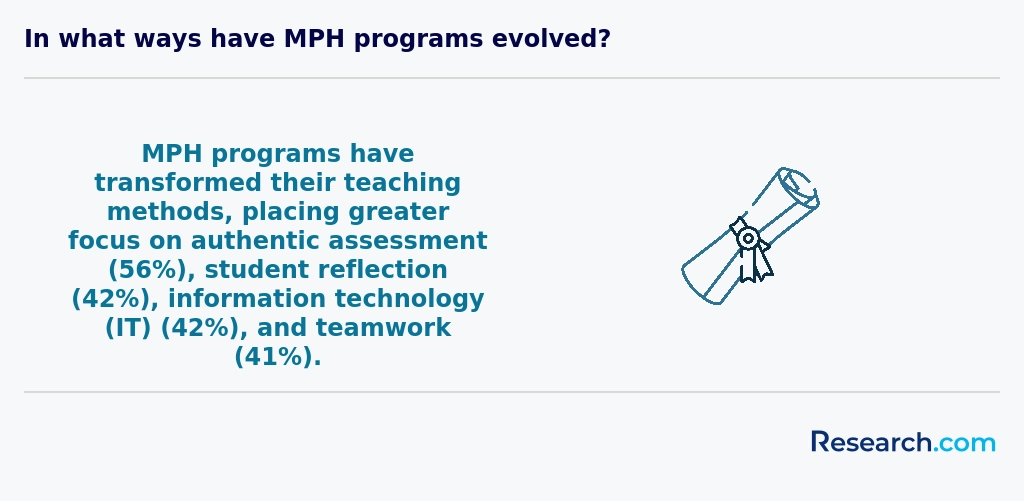
One of the most critical factors that influence the quality of a Public Health degree is the caliber of faculty and the strength of industry partnerships. Experienced educators not only bring cutting-edge research and real-world projects into the classroom but also bridge the gap between academic theory and practical application. By collaborating with local health departments, research centers, and nonprofit organizations, many programs provide students with invaluable mentorship, research opportunities, and internship placements that prepare them for successful careers. For instance, when comparing programs, prospective students often consider the best public health school in oregon that features distinguished faculty actively engaged in community research and strong industry connections. This kind of environment fosters networking opportunities, hands-on experiences with current public health challenges, and access to expert advice that can guide career development. Inspired by real-life case studies and supported by professionals with extensive field experience, students are encouraged to apply innovative solutions and cultivate leadership skills from day one. Ultimately, the blend of knowledgeable instructors and robust industry collaborations not only enhances academic learning but also ensures that graduates are well-equipped to contribute meaningfully to improving community health outcomes.
Pursuing a public health degree at schools like Oregon State University or Portland State University opens doors to several targeted financial aid options designed to ease your journey. Many students have found relief through federal Pell Grants available via FAFSA, which provide money that doesn't need to be repaid. These grants often cover a significant part of tuition, allowing you to focus more on your studies and less on financial stress.
State support through the Oregon Opportunity Grant has been a game-changer for numerous in-state students, substantially lowering costs at public universities. Imagine attending classes at the University of Oregon, knowing a state grant is helping make your education affordable without sacrificing quality.
Beyond grants, scholarships from groups like the Oregon Public Health Association or national bodies offer encouragement and recognition for your dedication. Graduates frequently mention how these awards boosted their confidence and connected them with mentors in the field.
If you're working in health services while studying, employer tuition reimbursement programs in Oregon's healthcare sector could further lighten your financial load, turning your job into a stepping stone for career growth and education.
Authorized public health programs in Oregon must hold Council on Education for Public Health (CEPH) accreditation, ensuring:
- Curricula aligned with industry standards and core competencies
- Graduate eligibility for the Certified in Public Health (CPH) exam
- Recognition by employers, government agencies, and graduate schools
Prospective students can verify accreditation on the CEPH directory or program websites. Maintaining accreditation involves regular curriculum review, faculty evaluation, and student outcome assessment, guaranteeing up-to-date training in epidemiology, health policy, and community practice. For related health pathways, explore our easiest nursing programs to get into.
When you're ready to pursue a public health degree in Oregon, you'll quickly discover that preparation is key. For undergraduates, a high school diploma or equivalent lays the foundation, but it's crucial to have strong coursework in biology, chemistry, and math-subjects that sharpen your analytical thinking, just like many students entering Oregon State University found especially helpful when tackling challenging public health concepts.
Graduate hopefuls, especially those eyeing Master of Public Health programs at schools like Portland State University, need a bachelor's degree from an accredited institution. Many graduates recall how their backgrounds in social sciences or biology gave them an edge, but also emphasize completing prerequisite courses in statistics or related fields to feel confident in advanced studies.
It's encouraging to know that some programs are easing standardized test burdens like the GRE, focusing instead on your passion and real-world experience. Letters of recommendation and personal statements become your stage to highlight meaningful volunteer or work experiences in health settings-a chance to share your story and commitment in a way that resonates deeply with admissions teams.
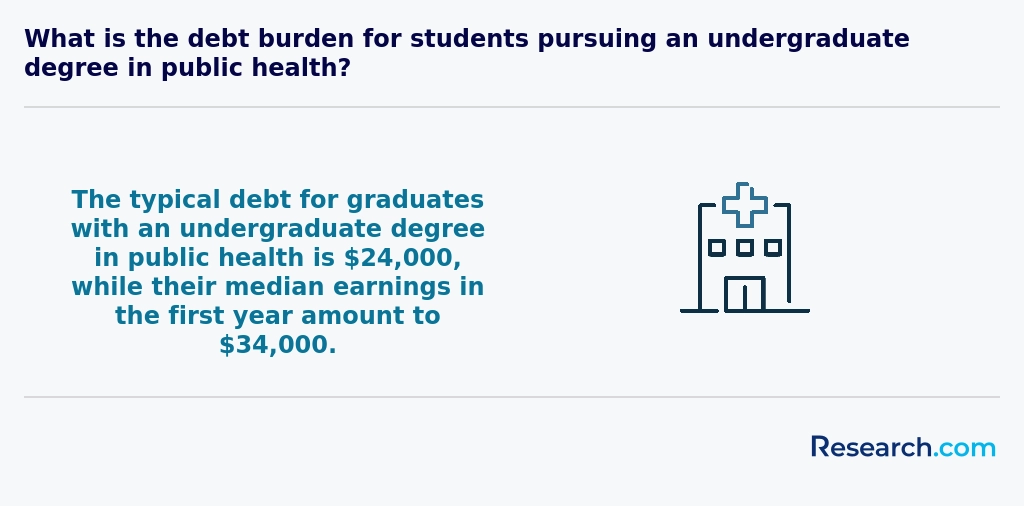
When pursuing a public health degree in Oregon, you'll dive into courses that build a strong foundation and connect directly to real community challenges. Graduates from well-known institutions like Oregon State University and Portland State University often speak about how classes such as epidemiology and biostatistics equipped them to analyze health trends meaningfully-skills they later used during internships in local health departments.
Oregon's programs also emphasize environmental health, which is vital given the state's unique ecosystems and urban-rural diversity. Imagine studying how air quality affects asthma rates in Portland neighborhoods or how water safety impacts rural communities in Eastern Oregon. These topics come alive in courses like Environmental Health Sciences, making classroom theory feel urgent and relevant.
Courses in health policy and community health promotion inspire students to become change-makers, advocating for better services or designing education programs for underserved populations. Behavioral sciences classes shed light on social factors behind health disparities, helping students develop empathetic, culturally aware strategies. Many graduates cherish how hands-on projects and capstone experiences in Oregon's public health programs gave them confidence to face real-world health issues with practical solutions.
Choosing a public health degree specialization in Oregon opens the door to impactful and rewarding careers. Popular areas include Epidemiology, which sharpens skills in studying disease patterns and outbreak control, and Health Policy and Management, where graduates feel empowered shaping the systems behind public health services. Those attending schools like Oregon State University often share how Environmental Health specialization inspired them to engage deeply with Oregon's sustainability efforts, linking pollution control to community well-being.
Community Health specialists focus on grassroots outreach, creating programs that resonate with Oregon's diverse populations. Meanwhile, Global Health prepares students to tackle health disparities worldwide-graduates from Portland State University describe the thrill of applying their knowledge internationally. Each path reflects the growing opportunities in Oregon's public health landscape. Integrating hands-on internships at local agencies enriches your experience and builds vital connections.
Remember, exploring Oregon public health career options also means understanding related fields-graduates sometimes broaden their skillset through roles like health information technician career requirements, enhancing their expertise and employability.
Choosing the best public health degree in Oregon means looking beyond just the name on the diploma. Think about what truly fits your career goals and lifestyle. Graduates from programs at institutions like Oregon State University often share how the CEPH-accredited MPH shaped their confidence entering the workforce, thanks to a curriculum focused on rigorous, real-world skills like epidemiology and health policy. For those seeking flexibility, many Oregon public health degrees offer online or hybrid formats that allow you to balance study with work or family life, making the journey less stressful and more achievable.
Cost is another big factor. Public universities such as Portland State University provide affordable public health degree programs in Oregon, with tuition between $10,000 and $15,000 for in-state students-still a worthwhile investment when you weigh potential job growth. Graduates often highlight the value of connecting with local health departments and nonprofits during internships, experiences that boost both skill and passion.
To explore financial options, scholarships, and program comparisons in other states, consider checking the Affordable Public Health Degree Programs Ranking in Missouri as a helpful reference.

Graduates holding a public health degree in Oregon enjoy diverse career paths that tap into the state's unique health landscape. Many alumni from well-regarded schools like Oregon State University and Portland State University find fulfilling roles in public health administration, managing community programs that directly impact local populations and navigating collaborations with state agencies. This practical experience enhances their ability to create meaningful change within Oregon's public health system, making a real difference in people's lives.
Another vibrant opportunity lies in epidemiology and biostatistics, where graduates analyze disease trends and contribute to critical public health data. With Oregon's emphasis on monitoring infectious diseases and environmental health, these roles are both impactful and in demand, offering rewarding career prospects. For students seeking to engage with communities directly, health education and outreach roles in culturally diverse regions offer the chance to improve health equity across the state, a growing need experienced by many recent graduates.
If your passion lies in environmental health, careers focusing on sustainability and occupational safety are flourishing throughout Oregon. Those combining degree knowledge with local commitment often succeed in shaping policies that protect natural resources and public wellbeing. For practical guidance on accelerating your career, you might explore which 6-month course is good for getting a high salary job, complementing your degree and broadening job prospects. These options reflect the strong job prospects and vibrant public health career opportunities in Oregon.
The job market for public health degree holders in Oregon remains robust and promising, especially for those who study at well-regarded institutions across the state. Graduates from universities with strong public health programs often find diverse roles in local government health departments, nonprofits, and healthcare organizations. Many alumni share that their education prepared them to contribute directly to addressing pressing community health issues like infectious disease control and aging population needs. This real-world impact adds to the rewarding feeling of their work, making the employment opportunities with public health degree Oregon genuinely fulfilling.
As the state focuses on expanding disease prevention and health promotion, demand grows for skilled professionals in epidemiology and health policy, offering graduates a wide variety of paths to explore. Those looking to manage tuition costs can find affordable online universities that accept fafsa, enabling a practical way to enter this expanding job market without financial strain. For aspiring public health professionals, Oregon combines meaningful career growth with the satisfaction of serving communities effectively.
2027 Most Affordable Public Health Degree Programs Ranking in Oregon
Investing in your education is a significant decision that can profoundly impact your future, and the Research.com team recognizes the importance of supporting informed choices. To help prospective students navigate options effectively, we have carefully developed the "2027 Most Affordable Public Health Degree Programs Ranking in Oregon." Our dedication to quality, credibility, and accuracy is demonstrated through rigorous research and thorough analysis underpinning this ranking.
We utilized the following reputable data sources to ensure a comprehensive evaluation of public health programs:
By exploring this ranking, readers will gain valuable insights into the most affordable public health degree programs in Oregon, empowering them to make well-informed decisions regarding their educational investments. For further information on the creation of this ranking, please visit our Research.com methodology page.


Frequently Asked Questions About public health
Students pursuing public health degrees in Oregon can enhance their learning by engaging in internships with local health departments or organizations such as the Oregon Public Health Division. Practical experience provides valuable insights into community health challenges. Oregon's public universities often collaborate with nearby medical centers, offering students opportunities for hands-on research and applied learning.
Participating in student organizations like the Oregon Public Health Association helps in networking and professional development. Additionally, Oregon's diverse population allows for learning about health disparities and strategies to address them, a critical skill in public health careers.
Accessing resources from the Oregon Health Authority and using the Oregon Public Health Modernization Model can deepen understanding of state-specific policies and initiatives. Lastly, students should consider attending relevant conferences and continuously updating themselves with the latest public health data and trends within the state.
The field of public health in Oregon is evolving with several emerging niches attracting interest among students and professionals. One notable area is environmental health, focusing on how factors like air quality and water safety impact community well-being. Oregon's diverse ecosystems make this a critical field for local public health efforts.
Another growing niche is health informatics, where technology and data analysis improve health outcomes. With Oregon's expanding tech sector, expertise in this area is increasingly valuable.
Behavioral health also remains a priority, especially given the state's focus on mental health services. The Oregon Health Authority highlights increasing demand for professionals trained in substance use disorder prevention and treatment.
Preparing for the job market after earning a public health degree in Oregon involves gaining practical experience and networking within local health organizations. Oregon's public health sector offers diverse opportunities in government agencies, nonprofits, and community health programs.
Students should pursue internships or volunteer roles to build relevant skills. The Oregon Health Authority often provides resources and job listings suited for entry-level public health professionals. According to the U.S. Bureau of Labor Statistics, Oregon's employment of health educators and community health workers is expected to grow by 13% through 2031, faster than the national average.
Joining professional groups like the Oregon Public Health Association can help students connect with mentors and attend career events. Additionally, obtaining certifications such as Certified Health Education Specialist (CHES) enhances employability and demonstrates expertise.
Employers in Oregon seek public health graduates with strong analytical and communication skills. These abilities are essential for interpreting data and effectively conveying health information to diverse communities.
Knowledge of epidemiology and biostatistics is highly valued, enabling graduates to assess public health risks and inform policy decisions. Familiarity with Oregon's specific health challenges, such as rural healthcare access and substance abuse issues, is also important.
Additionally, proficiency in health program planning and evaluation helps graduates design interventions that meet community needs. According to the Oregon Public Health Division, skills in collaboration and cultural competence improve outreach success.
Finding internships in Oregon relevant to a public health degree involves strategic engagement with local health organizations and educational institutions. Many universities in Oregon, such as Oregon State University and Portland State University, have partnerships with local health departments, nonprofits, and hospitals offering practical internship opportunities.
The Oregon Health Authority's Public Health Division may also provide internship listings or connections to state public health projects. According to the Oregon Employment Department, the healthcare and social assistance sectors employ over 400,000 people statewide, indicating diverse settings for internships.
Students should leverage university career centers, attend public health job fairs, and join professional groups like the Oregon Public Health Association to network. Online platforms like Handshake can also list Oregon-specific internships. Early application and tailored resumes increase chances in competitive placements.
A public health degree in Oregon significantly enhances career mobility and advancement opportunities. Graduates can enter diverse roles in government, healthcare, and nonprofit sectors, where demand for public health professionals is projected to grow by 11% through 2030, according to the Oregon Employment Department.
Possessing a degree often leads to higher starting salaries and eligibility for leadership positions in agencies like the Oregon Health Authority. The degree's focus on community health, epidemiology, and health policy equips students with skills valued across many organizations.
Oregon's expanding public health initiatives, especially in rural areas, further increase job prospects for degree holders, creating pathways to specialized roles and management opportunities not typically available without formal education.
Studying for a public health degree in Oregon offers strong preparation for interdisciplinary roles by combining coursework across health sciences, social sciences, and policy. Programs emphasize practical skills in epidemiology, health behavior, and environmental health, reflecting real-world public health challenges in Oregon's diverse communities.
Oregon universities often collaborate with local health departments and organizations, providing students hands-on experience. According to the Oregon Health Authority, partnerships like these allow students to engage with issues such as rural health access and environmental justice, which require cross-sector collaboration.
The curriculum fosters teamwork among students from different academic backgrounds, preparing graduates to work effectively with professionals in medicine, social work, and urban planning. This interdisciplinary focus aligns with the job market demands, as the U.S. Bureau of Labor Statistics projects 11% growth for health educators and community health workers nationwide through 2032.
Choosing between a thesis and a non-thesis public health degree program in Oregon depends largely on your career goals and learning preferences. A thesis program involves conducting original research, which is ideal if you aim to pursue a PhD or a research-intensive career. It requires strong writing and analytical skills and often takes longer to complete.
Non-thesis programs focus more on coursework and practical skills, making them suitable for those targeting immediate public health practice roles, such as work in government agencies or nonprofits.
According to the Oregon Health Authority, jobs in public health are expected to grow by 15% through 2030, highlighting the need for both research and applied expertise.
Consider faculty expertise, available resources, and whether your intended employers in Oregon prefer research experience or practical skills when deciding between these options.
Students based in Oregon who wish to study public health abroad have several options through partnerships and exchange programs offered by Oregon universities. Oregon State University and Oregon Health & Science University (OHSU) provide opportunities to enroll in global health internships or semester-long study programs in countries such as Germany, Australia, and South Africa.
Many programs emphasize experiential learning, allowing students to engage in public health projects that address real-world challenges. These international experiences can provide valuable perspectives on global health issues and complement Oregon's growing public health workforce, which is expected to increase by approximately 16% through 2030 according to the U.S. Bureau of Labor Statistics.
Additionally, some Oregon institutions offer dual-degree options in collaboration with overseas universities, enabling students to earn credits abroad. Students should consult their school's global engagement office to explore current public health study abroad offerings and ensure the credits align with their degree requirements.
Students pursuing public health degrees in Oregon can benefit from several part-time job opportunities that complement their education. Positions such as community health worker, health educator assistant, and research aide are common roles. These jobs provide practical experience in health promotion, data collection, and outreach, which align closely with public health curriculum requirements.
Oregon's Department of Health Services and local nonprofit organizations often hire part-time staff to support ongoing public health initiatives. According to Oregon Public Health Division data, community health roles are growing by about 5% annually, reflecting increasing demand.
Additionally, university-affiliated research projects offer paid assistantships, helping students engage with epidemiological studies and health policy analysis. These experiences enhance resumes and prepare students for full-time public health careers.
Public health students in Oregon benefit from diverse networking opportunities essential for career development. Universities such as Oregon State University and the University of Oregon host active student organizations like the Oregon Public Health Association Student Chapter, fostering connections with professionals and peers. These groups often organize events, workshops, and conferences tailored to public health topics.
Additionally, Oregon's Public Health Division collaborates with universities to provide internships and fieldwork experiences, allowing students to build real-world contacts.
Regional conferences such as the Oregon Public Health Association Annual Conference attract over 300 public health professionals, providing valuable networking platforms. According to the Oregon Health Authority, these connections significantly enhance job prospects post-graduation.
Alumni networks provide valuable support for public health degree students in Oregon by connecting them with experienced professionals. These networks offer mentorship opportunities, helping students navigate career paths and gain insights into various public health sectors. According to the Oregon Public Health Association, strong alumni connections can increase job placement rates for graduates by providing access to local employers.
Moreover, many Oregon universities encourage networking through alumni events and online platforms. Students gain access to internships and research roles within Oregon's public health system, which includes state agencies and nonprofits focused on community health.
Building relationships through alumni networks also facilitates lifelong learning and collaboration across the public health workforce in Oregon.
Customizing a public health degree program in Oregon allows students to align their education with specific career goals. Many Oregon universities offer flexible curricula where students can choose concentrations such as epidemiology, health policy, or community health. For example, Oregon State University and Portland State University provide options to tailor coursework and practical experiences. Internships and fieldwork with local health agencies, including the Oregon Health Authority, give hands-on learning tailored to real-world needs. Additionally, pursuing dual degrees or certificates in areas like environmental health or healthcare management is common to enhance specialization. The Oregon Public Health Association reports growing demand for specialized skills, reinforcing the value of customization.
Public health students in Oregon often face significant challenges related to financial affordability and access to practical training. According to the Oregon Health Authority, limited funding and scholarship options can create barriers, especially for underrepresented groups. Many students find balancing coursework with internships demanding, as public health programs emphasize real-world experience.
Additionally, rural and tribal health issues in Oregon require specialized study, and students may struggle to find relevant local opportunities. Networking within Oregon's diverse communities is crucial but can be difficult due to geography and limited public health workforce resources, reported by the Oregon Public Health Association.
Finally, adapting to evolving public health challenges such as pandemics and environmental health demands continuous learning and flexibility, which can be stressful for students managing academic and personal responsibilities.
Graduates with a public health degree in Oregon can pursue several professional certifications to enhance their career prospects. One popular certification is the Certified in Public Health (CPH), offered by the National Board of Public Health Examiners. It validates core public health knowledge and skills. Another valuable credential is the Certified Health Education Specialist (CHES), ideal for those focused on community health education.
Oregon's public health workforce also benefits from certifications in epidemiology, environmental health, and healthcare management. These credentials often require relevant experience and continuing education.
According to the Oregon Health Authority, these certifications align well with the state's growing public health employment sectors.
Writing a winning application for a public health program in Oregon begins with a clear demonstration of your interest and commitment to the field. Admissions committees highly value applicants who show a strong understanding of local health challenges, such as rural health disparities, which Oregon experiences significantly, according to the Oregon Health Authority.
Make sure your personal statement highlights relevant experiences, including volunteer work or internships in public health settings. Be specific about your goals and how the program will help you address Oregon's unique health issues, such as opioid addiction and access to care in underserved communities.
Additionally, strong letters of recommendation from professionals familiar with your academic or work performance can provide critical support. Ensure your academic records reflect proficiency in relevant subjects like biology, statistics, or social sciences, as these are foundational for public health studies.
Public health careers today are viewed through a global lens, emphasizing collaboration across nations to address health challenges. Professionals with public health degrees in Oregon join a worldwide workforce focused on preventing disease, promoting health, and improving quality of life.
Oregon's public health graduates benefit from increasing international demand; the U.S. Bureau of Labor Statistics expects a 17% growth for health education specialists from 2021 to 2031. Public health skills such as epidemiology and health policy are transferable globally, enabling work with organizations like the World Health Organization or the CDC.
Global health equity and pandemic preparedness are major themes influencing curricula in Oregon and nationwide, preparing students for roles in diverse settings.
Students pursuing a public health degree in Oregon can gain practical experience through internships and cooperative education programs offered by many universities. For instance, Oregon State University and Portland State University have strong partnerships with local health departments and nonprofit organizations, allowing students to engage in real-world public health initiatives.
Additionally, Oregon's growing public health sector, including agencies like the Oregon Health Authority, provides numerous internship opportunities. These positions enable students to work on projects related to epidemiology, health promotion, and disease prevention.
Many programs integrate service learning and fieldwork as graduation requirements, ensuring hands-on experience. Networking events and career fairs further connect students with employers in Oregon's health community, enhancing job prospects after graduation.
Choosing the right concentration within a public health degree program in Oregon involves assessing your career goals and local health needs. Oregon's public health challenges include addressing rural healthcare access and managing chronic diseases, creating demand for concentrations like community health or epidemiology, according to the Oregon Health Authority.
Consider programs offering practical experience through internships or partnerships with Oregon health departments. Specializations such as health policy or environmental health are also relevant due to the state's focus on preventive care and sustainability.
Additionally, reviewing employment data from the Oregon Employment Department may help identify areas of job growth in public health fields. Aligning your concentration with these trends can enhance job prospects after graduation.
- 2027 Most Affordable Public Health Degree Programs Ranking in Washington
- 2027 Most Affordable Public Health Degree Programs Ranking in California
- 2027 Most Affordable Public Health Degree Programs Ranking in Arizona
- 2027 Most Affordable Public Health Degree Programs Ranking in New Mexico
- 2027 Most Affordable Public Health Degree Programs Ranking in Minnesota
- 2027 Most Affordable Public Health Degree Programs Ranking in Arkansas
- 2027 Most Affordable Public Health Degree Programs Ranking in Michigan
- 2027 Most Affordable Public Health Degree Programs Ranking in Alabama
- 2027 Most Affordable Public Health Degree Programs Ranking in New Jersey
- 2027 Most Affordable Public Health Degree Programs Ranking in Connecticut
- Pre-Professional Health Experience Guide | PublicHealthOnline.org https://www.publichealthonline.org/pre-professional-experience/
- Letter of Intent for Admissions to Masters of Public Health - how this program fits to my goals? https://essayforum.com/graduate/intent-admissions-masters-public-health-64817/
- How to Be a Good Candidate for a Public Health Job https://www.publichealthdegrees.org/careers/highest-paid-public-health-jobs/good-candidate/
- Master of Public Health Degrees | OHSU-PSU School of Public Health https://ohsu-psu-sph.org/degree-programs/master-public-health/
- Public Health Challenges – IPA SDG Dashboard https://sdg.internationalpublishers.org/sdgaction/public-health-challenges/
- Why Public Health is the Ideal Career Path for Gen Z - Reach Out https://we-reachout.org/why-public-health-is-the-ideal-career-path-for-gen-z/
- Public Health Jobs | Public Health Jobs in the UK | Publichealthjobs.co.uk https://publichealthjobs.co.uk/
- Public Health: A Global Perspective https://www.routledge.com/Public-Health-A-Global-Perspective/Singh/p/book/9781032644226
- Education https://www.ohsu.edu/education/financial-aid-and-scholarship-information
- Work Experience Opportunities - Everyone Health Careers https://careerseveryonehealth.co.uk/work-experience/