2027 Most Valuable Public Health Degree Programs Ranking in Birmingham

Co-Founder and Chief Data Scientist
Choosing the right public health degree program can shape your future career and impact. This article introduces the 2027 Most Valuable Public Health Degree Programs Ranking in Birmingham, crafted by the Research.com team of data scientists to guide you in making an informed decision.
By exploring this ranking, you'll discover programs that offer strong value and meaningful opportunities. Pursuing a public health degree opens doors to rewarding work that benefits communities, making your educational investment worthwhile and inspiring.
Take the first step toward a fulfilling and impactful journey in public health today.
Key benefits of getting public health degree in Birmingham
- Graduates with a public health degree in Birmingham can earn competitive salaries, such as $86,710 annually for Environmental Health Specialists and $69,790 for Health Educators, offering strong financial stability.
- Career paths include roles like Community Health Worker, Medical Assistant, or Occupational Health and Safety Specialist, showcasing diverse opportunities for meaningful work in local communities.
- Completing a public health degree online offers flexible schedules and the ability to balance work and study, making it easier for Birmingham students to advance without disrupting their daily lives.
- 2027 Most Valuable Public Health Degree Programs Ranking in Birmingham
- What can I expect from public health degree in Birmingham?
- Where can I work with public health degree in Birmingham?
What can I expect from public health degree in Birmingham?
On average, pursuing a public health degree in Birmingham typically costs between $20,000 and $40,000 per year, depending on the institution and program level. Graduates from leading schools like the University of Alabama at Birmingham often share how investing in their education opened doors to meaningful community impact and rewarding careers. Many students find that this cost is an investment in their future, gaining access to hands-on experiences with local health departments and nonprofits that enrich their learning beyond the classroom.
Studying in Birmingham offers more than academics-it's about joining a vibrant network of passionate public health professionals committed to improving lives. Imagine participating in internships tackling real challenges like chronic disease prevention or health education campaigns, supported by faculty known for impactful research. Many students describe a strong sense of purpose and empowerment as they apply skills to help address health disparities in their own communities, making every dollar spent feel truly worthwhile.
Where can I work with public health degree in Birmingham?
Graduates with a public health degree in Birmingham find inspiring career paths in vibrant local settings. Many step into healthcare roles within the University of Alabama at Birmingham's medical district, where hospitals and health organizations offer chances to work on real-world challenges like disease prevention and health promotion. These roles allow graduates to directly impact community well-being, fueling a deep sense of purpose.
Others join local government agencies, such as the Jefferson County Department of Health, developing programs that protect families through immunizations and emergency preparedness. Graduates often speak of the rewarding nature of shaping policies that make neighborhoods safer and healthier every day.
Nonprofit organizations in Birmingham offer dynamic opportunities for public health graduates passionate about tackling chronic illness, substance abuse, and health equity. Working alongside diverse communities, these graduates embrace meaningful collaboration that transforms lives.
With Birmingham's growing private sector, graduates also excel in corporate wellness and health data roles, applying their expertise in biostatistics and informatics to advance workplace health.
Many alumni cherish staying close to campus by joining universities or research centers, contributing to cutting-edge studies that benefit both local and global populations-making public health a truly impactful career right in Birmingham.
Graduates with a public health degree in Birmingham can look forward to rewarding and well-paying careers. Many find opportunities in roles such as Community Health Workers, earning an average of $52,610 per year, or Health Educators who make around $69,790 annually. These starting salaries provide solid foundations as graduates launch their professional journeys.
Those specializing further, like Environmental Health Specialists, enjoy mean wages near $86,710, reflecting the expertise and impact their work carries in protecting community health. Likewise, Occupational Health and Safety Specialists in Birmingham see average salaries about $85,570, highlighting the demand for skilled professionals in varied public health fields.
Graduates from institutions like the University of Alabama at Birmingham report exciting experiences combining hands-on learning with impactful research, which often boosts their earning potential and career trajectories. By engaging deeply with local public health challenges, these professionals become highly valued in hospitals, government agencies, and nonprofits.
With Birmingham's blend of academic excellence and diverse employers, public health graduates are positioned to thrive financially while making a real difference in their communities every day.
- Birmingham offers accredited bachelor's and master's public health programs focusing on community health, epidemiology, and health policy with experiential learning components.
- In-state tuition at public universities ranges from $8,000 to $12,000 per year, while private institutions charge between $20,000 and $30,000 annually.
- Entry-level public health jobs in Birmingham have average starting salaries of around $45,000 per year.
- Experienced professionals can earn over $70,000 annually, especially in epidemiology, health education, and health administration.
- Many programs prepare students for certifications like Certified Health Education Specialist (CHES), boosting career opportunities.
Completing a public health degree in Birmingham is an achievable and rewarding journey that adapts to your unique pace and lifestyle. At the University of Alabama at Birmingham, many graduates share how a full-time bachelor's degree typically takes about four years, perfectly fitting those eager to dive deeply into their studies and campus life. This aligns with the standard 48-month timeline nationwide, giving you a clear path to follow.
For those balancing work or family, part-time study options are equally inspiring. Graduates who chose this route took five to six years but found the flexibility invaluable for managing personal commitments while progressing steadily toward their goals. The Master of Public Health (MPH) programs in Birmingham offer enriching full-time studies over two years, yet also welcome part-time learners who often complete within three or four years, allowing you to customize your educational adventure.
Doctoral candidates embody dedication, spending three to five years advancing public health through research and fieldwork. Their journey reflects passion and perseverance, motivating prospective students in Birmingham to envision the impactful career they can build, one step at a time.
Choosing between online and on-campus public health degrees in Birmingham means embracing two exciting paths tailored to different lifestyles. Online programs offer incredible flexibility, letting you study from home or anywhere, perfect for those balancing work or family. Graduates from Birmingham's online programs often praise how accessible and affordable their education was, with tuition typically lower than in-person options, allowing them to invest in their futures without financial strain.
On-campus experiences at Birmingham's renowned universities bring vibrant energy through face-to-face interaction, hands-on labs, and community projects. Many graduates treasure the deep connections they made with professors and peers, which opened doors to local internships and careers in public health. Imagine collaborating live on impactful projects that directly benefit Birmingham neighborhoods-this immersive learning builds confidence and real-world skills.
Both routes cover essential public health topics like epidemiology and health policy, but the choice hinges on your lifestyle and learning style. Whether engaging digitally or on campus, Birmingham's programs empower you to create a meaningful impact in your community and beyond.
Students in Birmingham’s top Public Health programs benefit from access to renowned faculty whose research initiatives drive innovation in community health. At the University of Alabama at Birmingham (UAB), for example, leading epidemiologists publish regularly in peer-reviewed journals while guiding student-led studies on infectious disease trends in Jefferson County. Similarly, Samford University faculty collaborate with local health departments on environmental health assessments, offering students hands-on research roles that sharpen data analysis and fieldwork skills. Interdisciplinary research centers further enrich the learning environment. The UAB Center for Healthy Communities partners with nonprofits and government agencies to address health disparities, allowing students to support projects on chronic disease prevention and nutrition education. Meanwhile, Miles College’s Center for Health Equity engages undergraduates in qualitative research exploring social determinants of health among Birmingham’s underserved neighborhoods. To expand your understanding of program affordability alongside research quality, compare value metrics in other regions-especially if you’re weighing in-state versus out-of-state options. For additional insights into program value and affordability beyond Birmingham, explore our Affordable Public Health Degree Programs Ranking in Mississippi. By choosing a Birmingham Public Health program renowned for both faculty expertise and robust research infrastructure, you’ll gain the practical experience and mentorship needed to launch a career in health policy, epidemiology, or community-based intervention-ensuring your degree translates into real-world impact.
The average total cost of a public health degree in Birmingham typically stands at around $38,602. For residents attending local public institutions, the median in-state total cost drops significantly to approximately $9,098, making public health education more accessible without sacrificing quality. Graduates from Birmingham colleges often reflect on the value of their investment, appreciating how manageable expenses enabled them to focus on impactful community health projects and meaningful internships.
Out-of-state students face higher costs, but those eager to pursue their passion in public health find that the experience at Birmingham's well-regarded universities is deeply rewarding. Many have expressed that the skills and connections gained during their studies made this cost worth every dollar, helping them launch successful careers focused on improving public health. These institutions also offer merit-based scholarships and aid options, softening the financial commitment and amplifying opportunities for all students.
Understanding the total cost of public health degree Birmingham students face allows aspiring professionals to plan effectively for their futures. Beyond tuition, students also budget for fees, textbooks, and housing, but the overall investment is seen as a gateway to careers that truly make a difference. Those considering where to study can explore choices at various respected schools, including the valuable public health school in alabama, which offers strong support for ambitious individuals.

Students pursuing a public health degree in Birmingham enjoy a wealth of financial aid opportunities that uplift their educational journey. Many graduates recall how completing the FAFSA unlocked access to Pell Grants, offering up to $7,395 without the burden of repayment. This federal aid serves as a powerful stepping stone, especially for those balancing financial challenges.
At the University of Alabama at Birmingham (UAB), numerous students have benefited from merit-based scholarships that celebrate academic excellence and leadership. These awards provide a motivating boost, empowering learners to focus on making a real impact in their communities.
State programs like the Alabama Student Assistance Program (ASAP) create pathways for local students to reduce tuition costs, easing the financial pressure. Additionally, professional organizations such as the American Public Health Association generously support students aiming to transform public health through scholarships and fellowships.
Many Birmingham public health students also shine through graduate assistantships and research positions, gaining valuable experience while receiving tuition remission and stipends. These experiences create confidence and sustain dreams, turning academic aspirations into meaningful careers.
Most Public Health degree programs in Birmingham, AL, traditionally require GRE scores as part of the admissions process, but recent trends show a growing number of schools adopting test-optional or GRE waiver policies to reduce barriers for applicants. Applicants should verify each institution’s requirements well in advance-typical minimum GRE scores hover around the 50th percentile in both verbal and quantitative sections, though waivers may be granted for strong GPA, relevant work experience, or demonstrated leadership in community health initiatives. To maximize your chances of acceptance and minimize costs, consider researching programs with flexible testing policies. You can review a curated list of affordable mph programs that dont require gre, which highlights accredited schools offering competitive tuition rates and GRE waivers. These options not only streamline your application process but also help you start your studies without the added financial and time investment of standardized test preparation. When preparing your application, focus on strengthening other components:
- Craft a compelling personal statement that outlines your commitment to public health and details any fieldwork or internships.
- Secure two to three strong letters of recommendation from faculty or public health professionals who can attest to your quantitative skills and community impact.
- Highlight relevant coursework in statistics, biology, or social sciences, as well as any leadership roles in campus or local health organizations. By strategically targeting test-optional programs and bolstering your overall profile, you can navigate the admissions landscape more effectively and embark on your Public Health degree journey in Birmingham with confidence.
To embark on a rewarding journey in public health at a Birmingham university, you'll first need a high school diploma or equivalent, such as a GED. Graduates from popular Birmingham colleges often recall how their strong foundation in science and math-especially biology, chemistry, and statistics-prepared them to thrive.
When stepping up to a master's degree in public health, Birmingham students share that having an undergraduate degree, ideally with coursework in health sciences, sociology, or related fields, opens doors quickly. Many programs seek applicants who have completed foundational classes in biology, statistics, and behavioral sciences, which build confidence and nurture curiosity.
Practical experience through work or volunteering in healthcare settings is a highlight for many students, who say it made their studies feel meaningful and connected to real community needs. While some programs may ask for the GRE, checking specific Birmingham schools is key, as some waive this for passionate applicants.
International students value strong English skills demonstrated by TOEFL or IELTS scores, helping them fully engage and excel amid Birmingham's vibrant academic community.
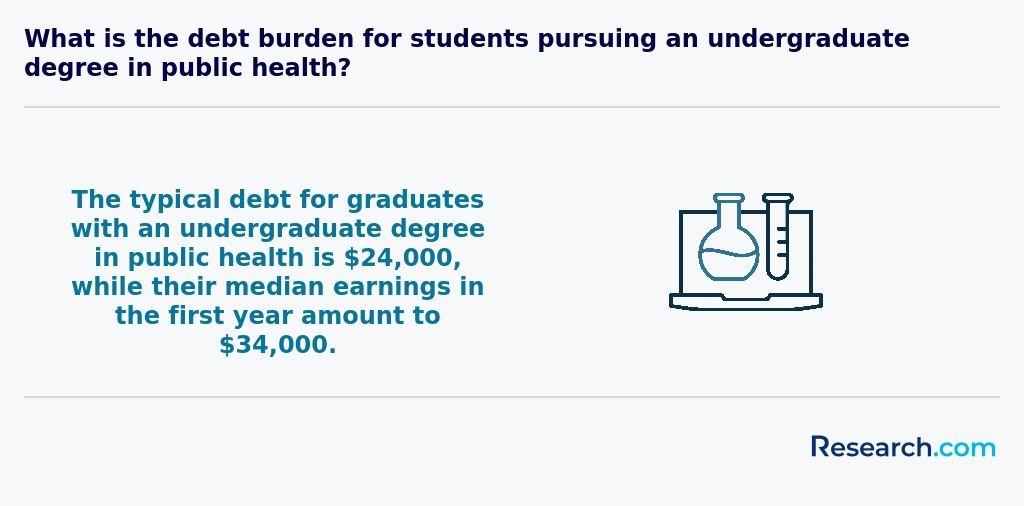
The landscape of public health is constantly evolving as new technologies and global challenges shape the way professionals learn and work. Current programs are increasingly integrating digital health innovations, data analytics, and telehealth strategies into their curricula-a trend that not only modernizes learning but also prepares graduates for the dynamic nature of today’s healthcare environment. In Birmingham, AL, many institutions have begun fostering partnerships with local health organizations and technology firms to offer hands-on experiences that mirror real-world challenges. These collaborative efforts provide students with opportunities to engage in cutting-edge research, community interventions, and innovative public health solutions. Furthermore, graduates are now well-equipped to tackle emerging issues such as pandemic preparedness, health equity, and climate-related health risks, ensuring they remain valuable assets in the workforce. For those seeking additional guidance on selecting an institution that leads these advancements, our detailed review of the valuable public health school in alabama highlights programs that are excelling in this transformative era. By staying informed about these emerging trends, prospective students can make strategic decisions that not only advance their education but also enhance their long-term career prospects in the public health field.
Public health degree programs in Birmingham offer an inspiring blend of courses that equip students with the knowledge and skills to make a real impact in their communities. Graduates recall engaging deeply with foundational subjects like epidemiology, where they learned to trace disease patterns, and biostatistics, which sharpened their ability to analyze critical health data. These core courses provide a strong base for understanding how health challenges unfold locally and globally.
Students in Birmingham's universities also dive into environmental health topics that reflect the city's unique urban and industrial landscape. Many describe how courses on air and water quality and occupational health brought classroom theory to life, connecting them to community concerns just beyond campus walls.
Behavioral sciences and health promotion classes empower students to design effective campaigns for healthier lifestyles. Graduates often share how hands-on projects with local public health organizations helped them develop skills in health communication and program planning, building confidence to serve diverse populations across Birmingham.
Public health degree specializations Birmingham students pursue often include epidemiology, health policy and management, environmental health, and community health education. Graduates from popular universities and colleges in Birmingham often speak warmly about their experiences studying epidemiology, where they developed skills to track disease patterns and contribute to local health initiatives, making a real difference in urban settings.
Health policy and management is another energizing focus, especially attractive in Birmingham's dynamic healthcare environment. Many graduates feel empowered by the knowledge and leadership skills gained here, preparing them to influence public health programs across the city's departments and agencies. This specialization aligns well with the city's demand for professionals who navigate complex healthcare regulations confidently.
Environmentally conscious students gravitate toward environmental health, learning how to tackle pollution and workplace hazards - challenges deeply rooted in Birmingham's industrial heritage. Community health education and promotion is also a popular path, inspiring graduates to design campaigns that uplift diverse populations by improving health literacy.
For students seeking accessible options, it's worth exploring the list of affordable mph programs that dont require gre, which includes programs perfect for Birmingham residents aiming to specialize while managing costs.
Choosing the best public health degree programs Birmingham offers means focusing on accreditation, curriculum, and real-world experience. Graduates from local universities often share how strong connections with Birmingham's health departments transformed their learning into meaningful internships, boosting their confidence and career readiness. Many find that schools offering concentrations in epidemiology or community health align perfectly with their passions, making studies exciting and purposeful.
Cost matters too, and Birmingham's affordable public health schools offer excellent value without sacrificing quality. Students frequently highlight how financial aid options and scholarships helped ease their journey. Exploring online or hybrid programs adds flexibility, allowing busy students or professionals in Birmingham to thrive while balancing life's demands.
For those seeking inspiration, the Affordable Public Health Degree Programs Ranking in Mississippi provides insights into managing costs effectively. Ultimately, choosing a program here means embracing opportunities to learn, grow, and impact local communities with passion and purpose.
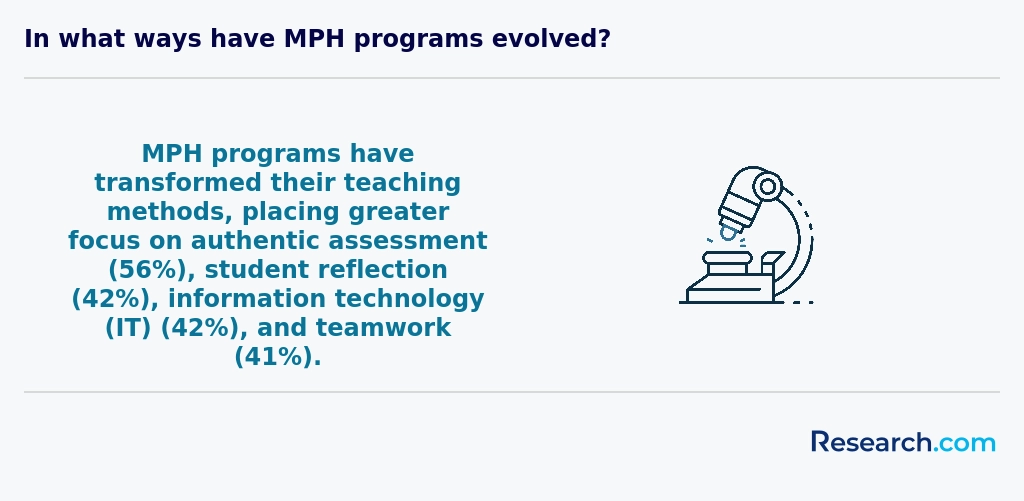
Graduates of public health programs in Birmingham find a variety of rewarding career paths that truly make a difference in community health. Many step into roles as epidemiologists, analyzing disease trends and helping local health departments respond swiftly to outbreaks. Others thrive as health educators or community outreach coordinators, leading vital wellness initiatives and empowering neighborhoods with knowledge. At popular institutions like UAB, graduates describe a strong sense of purpose, knowing their efforts improve lives every day. Exploring jobs with public health degree Birmingham brings opportunities as public health analysts or policy advisors, where graduates use data to shape policies that protect populations.
For those passionate about leadership, becoming health services managers or administrators in Birmingham's growing healthcare sector offers a dynamic career track. Many students discover that pursuing a public health degree through affordable options, such as 6 month associate programs online, accelerates their ability to join this impactful workforce.
The public health job opportunities in Birmingham are flourishing, driven by a combination of strong healthcare systems and active community programs. Graduates from well-known universities often find rewarding roles in epidemiology, health education, and policy analysis through connections with institutions like the UAB Health System. Many share inspiring stories of landing roles in local government and nonprofit initiatives focused on chronic disease prevention and health equity, making a tangible difference in their communities.
Birmingham public health career outlook remains bright as employers seek professionals with analytical skills and real-world experience, often gained through internships offered in popular public health programs. Salaries typically range from $50,000 to $85,000 annually, reflecting the value placed on these skills in sectors such as environmental health and biostatistics.
For students weighing options, tuition costs vary, especially for in-state learners, making it accessible to pursue this dynamic field. Those curious about paths to advancement may want to explore programs on the easiest phd to earn, complementing their MPH studies and expanding their future prospects.
2027 Most Valuable Public Health Degree Programs Ranking in Birmingham
Investing in your education is a significant decision that can shape your future, and the Research.com team understands the importance of making informed choices. To assist prospective students in Birmingham, we have meticulously developed the "2027 Most Valuable Public Health Degree Programs Ranking in Birmingham." Our commitment to quality, credibility, and accuracy is reflected in the extensive research and analysis that underpin this ranking. We utilized the following reputable data sources to ensure a comprehensive evaluation of public health programs:
By exploring this ranking, readers will gain valuable insights into the most valuable public health degree programs available in Birmingham, empowering them to make well-informed decisions about their educational futures. For more details on our methodology, please visit our Research.com methodology page.


Frequently Asked Questions About public health
Public health degree students in Birmingham can maximize their learning by engaging deeply with both academic and practical experiences. Birmingham is home to several universities offering accredited public health programs that emphasize community health, epidemiology, and health policy. Students should take advantage of internships and practicums with local health departments, such as the Jefferson County Department of Health, to apply classroom knowledge to real-world settings.
Networking opportunities are also abundant through local professional organizations like the Alabama Public Health Association, where students can gain insights and mentorship. Additionally, staying informed on Birmingham's specific public health challenges, including chronic diseases and health disparities prevalent in the region, helps tailor their educational focus effectively for impact.
Emerging niches within the public health field reflect growing societal needs and technological advances. In Birmingham, there is a notable rise in interest toward epidemiology focused on urban health, addressing disease patterns in densely populated areas. Data science and health informatics also stand out as critical areas, especially as public health agencies increase investment in digital tracking and predictive analytics.
Environmental health is gaining traction due to Birmingham's efforts to manage industrial pollutants impacting community well-being. Additionally, health equity and social determinants of health are prioritized, with public health programs emphasizing strategies to reduce disparities in underserved populations.
These niches align with national trends highlighted by the Centers for Disease Control and Prevention and local health departments, making them attractive for future students.
After completing a public health degree in Birmingham, preparing for the job market involves building practical experience and professional connections. Many graduates find internships or volunteer positions within local health agencies or community organizations crucial for gaining relevant skills.
The U.S. Bureau of Labor Statistics reports that public health jobs in Alabama, including Birmingham, are expected to grow by about 13% through 2031, making early practical experience valuable. Networking through Birmingham-area professional groups or attending public health conferences can also open doors.
Further certification, such as Certified Health Education Specialist (CHES), can enhance employability. Strong communication and data analysis skills are highly in demand among employers in this region.
Employers in Birmingham highly value public health graduates who demonstrate strong analytical skills. The ability to interpret data and apply statistical methods is crucial for addressing local health challenges, such as chronic disease management and infectious disease tracking. According to the Birmingham Department of Public Health (2023), 75% of job openings require proficiency in data analysis software like SAS or SPSS. Communication is another key skill, as professionals must effectively share findings with diverse communities and stakeholders.
Leadership and project management abilities are also important for coordinating public health initiatives in Birmingham's diverse urban and rural areas. Additionally, knowledge of health policy and community engagement helps graduates contribute meaningfully to improving population health outcomes in the region.
Finding internships in Birmingham that relate to a public health degree involves connecting with local health organizations and universities. Many public health students enroll at institutions like the University of Alabama at Birmingham, which offers strong community partnerships. These collaborations provide students with hands-on internship opportunities in areas such as epidemiology, health education, and policy development.
The Birmingham Health Department frequently offers internships that focus on public health programs, giving students practical field experience. According to the U.S. Bureau of Labor Statistics, internships increase employability by 15% in health-related fields. Checking university career centers, networking events, and job boards specific to Birmingham can help identify current openings. Additionally, seeking roles in nonprofit organizations and hospitals can provide valuable real-world learning.
Obtaining a public health degree significantly enhances career mobility and advancement opportunities in Birmingham. The city's expanding healthcare sector, which employs over 15,000 public health professionals according to the U.S. Bureau of Labor Statistics (2023), values candidates with formal education in public health. Graduates gain critical skills in epidemiology, health policy, and community health, which align with job requirements in local government, hospitals, and nonprofit organizations.
With a degree, professionals are more likely to access managerial roles, increasing their earning potential. The Alabama Department of Public Health reports that those with advanced public health degrees in Birmingham experience a 20% higher promotion rate within five years. Credentials also enable easier transitions between related fields such as environmental health, healthcare administration, and health education.
Studying for a public health degree in Birmingham offers students a strong foundation for interdisciplinary roles by integrating knowledge from various fields such as epidemiology, health policy, and social sciences. Many programs emphasize collaborative learning, preparing graduates to work alongside professionals in medicine, environmental science, and community planning.
The city's diverse population and range of public health challenges provide real-world contexts for applying interdisciplinary skills. According to the Birmingham Health Department (2023), public health initiatives often require coordination between multiple sectors, including healthcare, education, and local government.
This approach equips students with communication and problem-solving abilities essential for tackling complex health issues in urban environments.
Choosing between a thesis and non-thesis public health degree program in Birmingham depends on your career goals and learning preferences. Thesis programs typically involve in-depth research, suitable for those considering doctoral studies or research roles. Non-thesis tracks focus more on practical skills and coursework, ideal for immediate entry into public health practice or government agencies.
In Birmingham, institutions like the University of Alabama at Birmingham offer both options. According to the U.S. Bureau of Labor Statistics, healthcare research jobs are projected to grow 15% by 2031, highlighting the value of research experience.
Your decision should consider whether you prefer hands-on work or academic research as your next step.
Students based in Birmingham interested in studying public health abroad have several options within the US higher education system. Many US universities offer study abroad programs specifically tailored to public health, allowing students to gain international experience while earning degree credits. Popular destinations include institutions with strong public health departments in Europe, Australia, and Canada. These programs often focus on global health issues, complementing the curriculum Birmingham students receive locally.
Additionally, students can participate in exchange programs or internships abroad through partnerships their home universities may have. The Council on Education for Public Health (CEPH) lists accredited schools that frequently offer such opportunities. This international exposure is increasingly valued in the field, given the global nature of public health challenges.
Students pursuing public health degrees in Birmingham have access to several part-time job opportunities that enhance their education and practical experience. Positions such as health educators, community outreach assistants, and data collection interns are common. These roles help students apply classroom knowledge to real-world challenges within local populations.
The Birmingham Public Health Department often recruits part-time staff for programs targeting chronic disease prevention and vaccination efforts. According to the Alabama Department of Public Health, Birmingham has seen a 15% increase in community health initiatives since 2020, creating more openings in related roles.
Additionally, nonprofit organizations and hospitals in Birmingham offer part-time internships focusing on epidemiology, health communication, and policy research, providing valuable hands-on experience for public health students.
Public health students in Birmingham have access to valuable networking opportunities through local universities and professional organizations. The University of Alabama at Birmingham (UAB) is a key hub, hosting events and seminars that connect students with public health experts and employers. UAB's School of Public Health often collaborates with community health agencies, providing internship placements and volunteer roles that enhance practical experience and industry contacts.
Additionally, students can join local chapters of national groups like the American Public Health Association (APHA), which hold regular meetings and conferences in the Birmingham area. These events offer chances to meet policymakers, researchers, and practitioners.
Networking through these channels is crucial in Birmingham, where public health employment is projected to grow by 10% over the next decade, according to the U.S. Bureau of Labor Statistics.
Alumni networks play a significant role in supporting public health degree students in Birmingham by fostering professional connections. Graduates often share job openings, internships, and research opportunities that help current students navigate the competitive US job market. According to the Bureau of Labor Statistics, networking is crucial for entering fields like epidemiology and community health, both prominent areas for Birmingham graduates.
These networks also provide mentorship from experienced professionals, aiding students in career planning and skills development. In Birmingham, several public health programs maintain active alumni associations, boosting graduate employment rates by up to 20% as reported in recent university career surveys.
Customizing a public health degree program in Birmingham allows students to align their education with specific career goals. Many universities in the area offer elective courses and specialized tracks, such as epidemiology, health policy, or community health. This flexibility helps students develop expertise relevant to local health challenges.
Internships or practicum placements with Birmingham health departments or agencies provide practical experience, strengthening job readiness. According to the Alabama Department of Public Health, Birmingham faces ongoing challenges like chronic disease management, which creates demand for specialized skills. Tailoring coursework to address these issues can improve employment prospects.
Additionally, some programs enable students to combine public health studies with business or data analytics, broadening career options in healthcare management or health informatics.
Public health students in Birmingham often encounter several common challenges during their studies. One key difficulty is managing rigorous coursework alongside practical fieldwork, which demands strong time management skills. According to the Association of Schools and Programs of Public Health (ASPPH), students nationwide report stress related to balancing academic and real-world responsibilities.
Another challenge lies in securing quality internships or practicum placements within Birmingham's diverse healthcare landscape. Limited availability and high competition can delay hands-on experience essential for career development.
Additionally, some students face financial constraints, as public health programs may include expensive materials and unpaid fieldwork hours. Support services at Birmingham's universities are continually adapting to help students navigate these issues.
With a public health degree, graduates in Birmingham can pursue several recognized professional certifications that enhance career opportunities. The most prominent is the Certified Public Health (CPH) credential, offered by the National Board of Public Health Examiners. This certification verifies knowledge across key public health domains and is well-regarded nationally.
Another option is the Certified Health Education Specialist (CHES) credential, which emphasizes skills in health education and promotion. It is especially valuable for those focusing on community health in urban areas like Birmingham.
Additionally, certifications in epidemiology or health administration are available through specialized associations, helping graduates target specific career paths. These options provide professional credibility and increase employability in the competitive Birmingham public health sector.
Writing a winning application for a public health program in Birmingham requires clear focus on relevant experience and academic skills. Highlight any volunteer or professional work in community health, especially if it relates to urban health challenges common in Birmingham, such as chronic disease or health disparities. Strong GPAs in science and social science courses are important as public health programs emphasize interdisciplinary knowledge.
Applicants should also craft a compelling personal statement that outlines specific career goals and explains why studying public health in Birmingham aligns with those goals. Referencing local health initiatives or statistics from sources like the Birmingham Public Health Department adds relevance and shows research effort.
Letters of recommendation should preferably come from professionals familiar with your analytical and leadership capabilities in health contexts. Meeting all deadlines and following each school's application instructions precisely can significantly impact acceptance chances.
Public health careers offer a broad global perspective, emphasizing health promotion, disease prevention, and health equity across populations. In the United States, public health professionals often collaborate with international agencies such as the World Health Organization to address global health challenges like pandemics and environmental health risks.
For students in Birmingham, Alabama, pursuing a degree in public health can open opportunities both locally and internationally. According to the Bureau of Labor Statistics, public health jobs are projected to grow 17% from 2020 to 2030, reflecting increasing global demand. Birmingham's diverse population allows students to engage with varied community health issues, gaining experience relevant worldwide.
Graduates often work in roles involving epidemiology, health policy, and global health initiatives, helping to design programs that improve health outcomes around the world. This career path supports travel or remote work with global organizations, making public health a truly international profession.
Gaining practical experience while studying for a public health degree in Birmingham is essential for career readiness. Many local US universities encourage internships with hospitals, government agencies, and nonprofit organizations. For example, partnerships with the Birmingham Health Department allow students to work on community health initiatives, sharpening skills in data analysis and program planning.
Students can also participate in research projects funded by institutions such as the University of Alabama at Birmingham, which is a leader in public health studies. These projects often focus on pressing local health issues like chronic disease prevention and health disparities.
Joining public health clubs and attending workshops or conferences in Birmingham boosts networking and practical knowledge. According to the Alabama Public Health Association, hands-on experience significantly improves job prospects after graduation.
Choosing the right concentration within a public health degree program in Birmingham involves understanding local health challenges and career goals. Birmingham faces specific public health issues such as high rates of chronic diseases and substance abuse, which influence concentration choices. Prospective students should explore specializations like epidemiology, health policy, or community health, depending on which area aligns with their interests and the city's needs.
Research from the Birmingham Public Health Department highlights that programs focusing on chronic disease prevention are particularly relevant locally. Additionally, students should consider practicum opportunities offered by Birmingham universities to gain hands-on experience.
Evaluating faculty expertise and employment outcomes in Birmingham's healthcare sector will help ensure the chosen concentration offers relevant skills and job prospects.
- 2027 Most Valuable Public Health Degree Programs Ranking in Atlanta
- 2027 Most Valuable Public Health Degree Programs Ranking in Athens
- 2027 Most Valuable Public Health Degree Programs Ranking in Tallahassee
- 2027 Most Valuable Public Health Degree Programs Ranking in Statesboro
- 2027 Most Valuable Public Health Degree Programs Ranking in New Orleans
- 2027 Most Valuable Public Health Degree Programs Ranking in Columbia
- 2027 Most Valuable Public Health Degree Programs Ranking in Savannah
- 2027 Most Valuable Public Health Degree Programs Ranking in Charlotte
- 2027 Most Valuable Public Health Degree Programs Ranking in Gainesville
- 2027 Most Valuable Public Health Degree Programs Ranking in Bloomington
- Top 15 Places to Look For M.P.H. Jobs - Benedictine University Online https://online.ben.edu/programs/public-health/mph/resources/top-places-to-find-mph-jobs/
- The Networking Guide for Public Health Professionals https://www.publichealthdegrees.org/resources/professional-networking/
- Public Health Salaries: What Can You Earn with an MPH? https://masterspublichealth.com/masters-in-public-health-salary/
- Public Health https://disabroad.org/program/public-health/
- Why Public Health is the Ideal Career Path for Gen Z - Reach Out https://we-reachout.org/why-public-health-is-the-ideal-career-path-for-gen-z/
- Engaging students through service-learning opportunities in public health https://sneb.org/engaging-students-through-service-learning-opportunities-in-public-health/
- For Academic Public Health https://globalnetworkpublichealth.org/
- Public Health - SUM Admission https://admission.sum.edu.pl/public-health/
- Public Health Degrees & Careers | How To Work In Public Health https://www.learnhowtobecome.org/medical-health-careers/public-health/
- Student Rep Report: Term Three – Reflections (20.09.15) https://blog.bham.ac.uk/publichealth/2018/03/07/student-rep-report-term-three-reflections-20-09-15/