
2027 Most Valuable Public Health Degree Programs Ranking in Savannah

Co-Founder and Chief Data Scientist
Choosing the right public health degree program in Savannah can be overwhelming. To help, our article introduces the 2027 Most Valuable Public Health Degree Programs Ranking in Savannah, developed by the Research.com team of data scientists. This carefully crafted ranking highlights programs that offer real value for your time and investment.
By exploring this guide, you'll discover which programs align with your career goals and provide strong opportunities for growth. Earning a public health degree can open doors to making a positive impact in your community, and this article supports you in making an informed decision.
Key benefits of getting public health degree in Savannah
- Salary benefits: Graduates with a public health degree in Savannah can expect competitive salaries, such as $52,610 annually for Community Health Workers and up to $86,710 for Environmental Health Specialists, offering financial stability.
- Diverse career paths: Public health graduates from Savannah State University often find rewarding roles in health education, safety, and environmental health, reflecting the wide opportunities in the local job market.
- Online degree advantages: Completing a public health degree online from a school like Armstrong State University provides flexibility, allowing students to balance work and study while gaining respected qualifications.
- 2027 Most Valuable Public Health Degree Programs Ranking in Savannah
- What can I expect from public health degree in Savannah?
- Where can I work with public health degree in Savannah?
What can I expect from public health degree in Savannah?
The average cost of pursuing a public health degree in Savannah varies depending on the institution and program level, but many students find programs at Savannah State University and the University of Georgia's extended campus to be relatively affordable compared to national averages. Graduates often note that tuition for a Bachelor of Science in Public Health typically ranges from $7,000 to $12,000 per year for in-state students, while Master of Public Health (MPH) programs may cost between $10,000 and $20,000 annually.
One graduate reflected on balancing expenses by applying for local scholarships and participating in paid internships, which are common elements of Savannah's programs, helping offset costs. These internships, often within community health organizations, not only reduce financial strain but also provide firsthand experience in addressing public health challenges unique to Savannah, like chronic disease and health disparities.
While some students struggle with financing their education, many find that the practical training and community engagement opportunities offered in Savannah's public health programs offer value beyond tuition, enhancing job prospects in a growing local health workforce.
Where can I work with public health degree in Savannah?
Graduates from Savannah State University with a public health degree often find themselves employed across a variety of local sectors, reflecting the city's diverse healthcare landscape. Many begin careers at government agencies like the Chatham County Health Department, where they engage in community health promotion and disease prevention efforts that directly impact the 400,000-plus residents. These roles allow for meaningful, hands-on work that graduates describe as rewarding and impactful.
Others pursue opportunities in larger healthcare institutions, such as Memorial Health University Medical Center. Here, graduates frequently contribute to quality improvement and patient safety programs, applying their public health training to real-world healthcare challenges. These experiences enable them to see tangible effects of policy implementation and health initiatives, reinforcing their sense of purpose.
Nonprofits and community organizations also attract many Savannah graduates, offering roles focused on substance abuse prevention or maternal health. Such positions allow graduates to work closely with local populations, often leading to deeply fulfilling community engagement.
While these paths are common, some graduates choose academic or research roles at institutions like Savannah State University itself, supporting ongoing public health studies specific to the region. This variety suggests that a degree in public health in Savannah provides multiple meaningful career avenues, though success often depends on personal interests and readiness to adapt to local public health dynamics.
Graduates with a public health degree in Savannah often pursue careers such as Community Health Workers, Health Educators, and Environmental Health Specialists, roles where salary expectations vary considerably. For example, a Community Health Worker in Savannah typically earns around $52,610 annually, while Health Educators can expect closer to $69,790 based on U.S. Bureau of Labor Statistics data.
Those aiming for specialized roles like Environmental Health Specialists may see higher earnings, averaging $86,710 per year. Graduates from popular institutions such as Armstrong State University often share positive experiences about entering these roles, appreciating the balance between meaningful work and financial stability.
However, salaries also depend on experience and additional qualifications. Medical Assistants with a public health background earn about $43,350 annually, which may appeal to those entering healthcare support fields. Meanwhile, Occupational Health and Safety Specialists earn approximately $85,570, highlighting strong potential for those focused on workplace health.
While some recent graduates celebrate their starting salaries around $45,000 to $55,000 in community health settings, others pursuing advanced certifications see notable increases. Choosing Savannah's established programs helps build local networks, enhancing job opportunities and wage growth in this steadily expanding field.
- In-state tuition for public health degrees in Savannah ranges from $7,000 to $10,000 per year, while out-of-state students pay between $15,000 and $20,000 annually.
- Public health graduates in Savannah start with an average salary of $48,000 to $52,000 and can earn $65,000 to $75,000 mid-career.
- Job growth in the public health sector in Savannah is projected to increase by about 10% over the next decade.
- Key employers include local health departments, hospitals, nonprofits, and government agencies in the area.
- Licensure or certification, such as Certified Health Education Specialist (CHES), is often required for public health roles after graduation.
Completing a public health degree in Savannah typically aligns with national averages but can vary based on individual circumstances. For example, graduates from Savannah State University often share that their associate programs took about two years, which fit well with their community college schedules. Meanwhile, bachelor's degree students at local four-year universities usually finish in around four years, engaging deeply with subjects like epidemiology and health policy.
Many MPH graduates describe flexible scheduling as a key benefit, allowing those balancing work or family in Savannah to extend their studies from one up to two years. This adaptability makes it possible to remain engaged and motivated despite life's demands.
Doctoral students, whether pursuing a DrPH or PhD through Savannah's university offerings, report a broad range of three to five years to complete coursework and research. The extended timeline often feels rewarding as they contribute original knowledge to public health, though part-time options can lengthen this journey.
Factors like prerequisite courses, internships required by CEPH, and tuition costs influence timelines. Many graduates recall adapting their pace thoughtfully to maintain both progress and well-being in a vibrant city environment.
Understanding the true value of a Public Health degree means weighing tuition costs against projected earnings and career growth. In Savannah, GA, graduates report average program costs between $13,000 and $24,000 and starting salaries from $49,900 to $83,820. By comparing these figures, prospective students can estimate a payback period-often between 1.5 and 3.5 years for top-ranked programs. Key factors influencing ROI include:
- Tuition-to-Salary Ratio: Programs with lower total tuition and higher median wages deliver faster returns.
- Career Advancement Potential: Specializations like Environmental Health and Health Policy often lead to higher-paying roles, shortening the time it takes to recoup educational investments.
- Program Duration: Accelerated MPH tracks can reduce living expenses and get graduates into the workforce sooner. For cost-conscious students, exploring the most budget-friendly options is crucial. You can find a curated list of the cheapest mph online programs to compare tuition, delivery format, and graduation outcomes. By factoring in scholarships, assistantships, and living costs, you’ll gain a comprehensive ROI perspective-allowing you to choose a program that aligns with both your financial goals and long-term career aspirations.
Online and on-campus public health degrees in Savannah differ mainly in structure and experience. Graduates from Savannah State University often praise on-campus programs for their interactive environment, where direct engagement with professors and peers enhances learning through group discussions and hands-on projects at local healthcare sites.
Conversely, online programs cater to those juggling jobs or family, offering flexibility to study anytime. These graduates emphasize the need for strong self-discipline and comfort with technology to succeed, as interaction happens virtually rather than face-to-face.
On-campus students typically benefit from easier access to internships through partnerships with Savannah's health departments, which enrich practical skills and professional networks. Meanwhile, online learners appreciate the ability to balance life responsibilities without sacrificing access to CEPH-accredited curricula, ensuring quality education similar to traditional formats.
Ultimately, the difference hinges on personal circumstances and learning style rather than the credential earned, with both pathways fostering rewarding careers in public health within Savannah's growing healthcare landscape.
When evaluating the return on investment for Public Health degrees, it’s helpful to benchmark Savannah’s offerings against larger metropolitan areas. In Savannah, GA, the average tuition for an MPH program hovers around $24,000 per year, whereas living expenses-housing, food, and transportation-tend to be about 15–20% lower than in major urban centers. Graduates here benefit from strong community ties, direct access to regional health departments, and a cost of living that allows more disposable income post-graduation. These factors collectively yield a solid ROI, with many alumni reporting full-time employment within six months of earning their degree. However, some students may prioritize ultra-affordable tuition even if the cost of living is higher. For a clear picture of programs that minimize sticker price, explore our Inexpensive Public Health Degree Programs Ranking in Los Angeles, CA. Though Los Angeles carries higher housing and transportation costs, select institutions offer in-state tuition discounts and extensive scholarship pools that can offset living expenses. Comparing both regions helps prospective students decide whether Savannah’s lower living costs or Los Angeles’s rock-bottom tuition rates better align with their financial and career goals.
The average cost of a public health degree in Savannah varies notably depending on residency and institution type. For in-state students attending public universities like Georgia Southern University's Armstrong Campus, the median total cost is around $18,145. Out-of-state students face a higher median total cost of approximately $28,124, reflecting the broader trend in tuition differences within the region. Graduates often share that while tuition can feel burdensome, the support from scholarships and financial aid at these institutions alleviates some of the pressure, making the journey more manageable and encouraging.
Private colleges in and near Savannah typically have higher tuition fees, though some students find value in the smaller class sizes and specialized resources offered there, which enhances their educational experience. When evaluating the public health degree tuition and fees Savannah students encounter, it is important to consider not just tuition but also costs for books, materials, and living expenses-factors frequently cited by graduates as significant but necessary investments in their future careers.
Many students pursuing advanced degrees, such as the Master of Public Health, note that while tuition fees can be higher, especially for out-of-state enrollees, the program's reputation and the potential for career growth often justify the expense. Prospective students can benefit from careful planning and consultation with admissions to gain up-to-date information that reflects local tuition trends and helps balance educational dreams with practical budgets. More details about these programs can be found on https://research.com/degrees/public-health-degree.
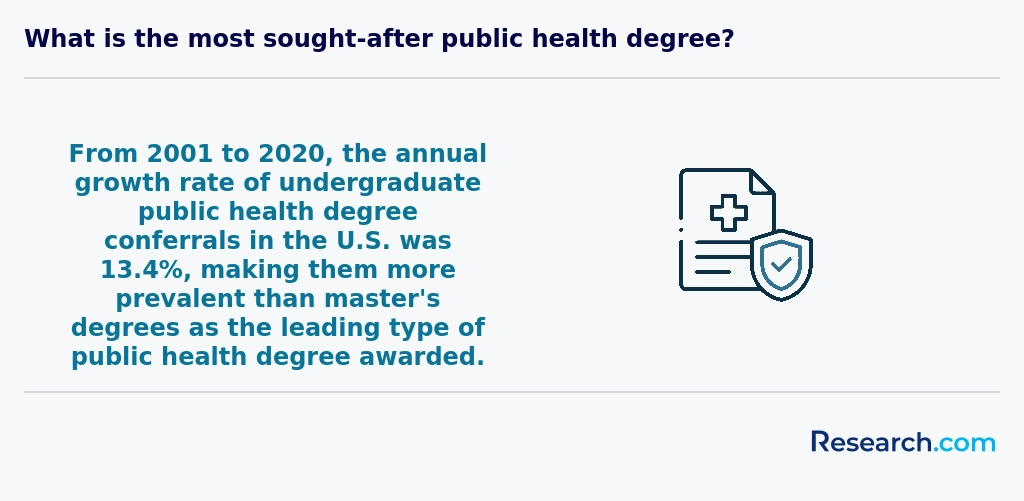
Students pursuing public health degrees in Savannah often rely on a mix of financial aid options to make education affordable. Federal aid, accessed through FAFSA, is a cornerstone, unlocking Pell Grants which many local students find vital since these grants don't require repayment. Graduates from Savannah State University often highlight how such grants eased their initial financial burden, allowing them to focus on studies and community projects.
Beyond federal support, state programs like the HOPE Scholarship and HOPE Grant significantly benefit residents by reducing tuition costs at institutions statewide, including Savannah's public colleges. Some graduates recall how these funds, combined with merit-based scholarships from their university's health departments, created a manageable financial pathway.
Work-study and graduate assistantships, prevalent at Savannah-area schools, provide a dual advantage: students gain valuable experience while offsetting expenses. Additionally, professional organizations such as APHA offer competitive scholarships, rewarding academic and community engagement-opportunities that many Savannah students actively pursue to supplement income and build networks.
While federal loans remain common, graduates emphasize the importance of understanding repayment terms and exploring forgiveness programs, particularly for those aiming to serve in public or nonprofit health sectors.
Enrolling in a public health degree program in Savannah typically requires meeting several key prerequisites that align with both local and national admission standards. At the undergraduate level, applicants generally must have a high school diploma, with course backgrounds in biology, chemistry, and social sciences providing a helpful foundation. Graduates from Savannah-area universities often recall how these courses made the transition into public health studies smoother and more engaging.
For graduate programs like the Master of Public Health (MPH), a bachelor's degree from an accredited institution is essential, though not necessarily in a health-related major. Many successful graduates from Savannah colleges highlight the value of submitting strong recommendation letters and a personal statement that reflects community involvement, especially in local public health initiatives. This practical experience is highly regarded in Savannah, where addressing infectious diseases and health equity demands a hands-on approach.
Some programs encourage prior coursework in statistics and epidemiology to bolster readiness. While not always mandatory, students who undertook these subjects found themselves more confident and better prepared for rigorous academic challenges ahead.
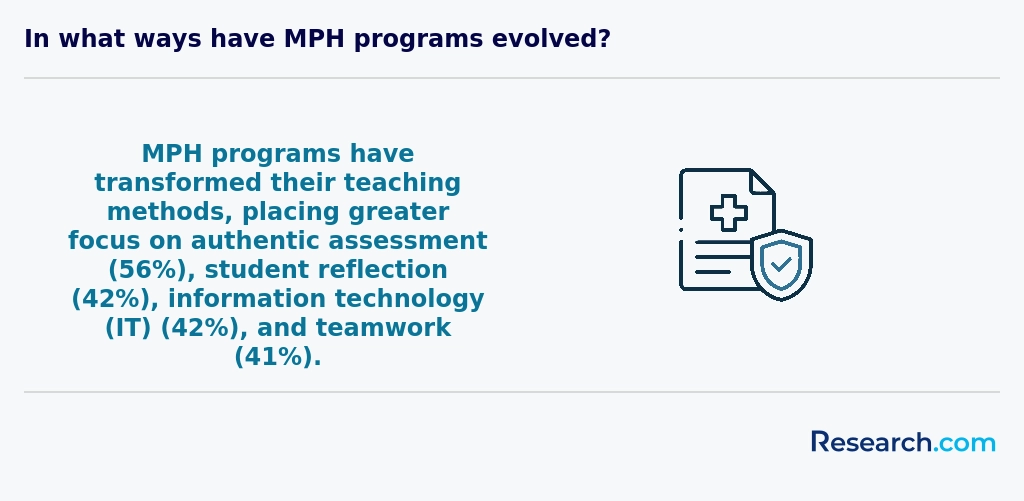
Public health education is not solely about classroom learning-it also thrives on a vibrant campus life and robust networking opportunities that can profoundly shape your career beyond graduation. In Savannah, GA, many institutions foster a supportive community where students benefit from interactive student organizations, research centers, and career services that encourage collaboration among peers and faculty. These extracurricular experiences enable you to connect with renowned public health professionals, gain firsthand exposure to real-world challenges, and participate in community outreach initiatives that enhance your practical skills. Furthermore, campus events, guest lectures, and career fairs create an environment that nurtures strong mentorship and networking, leading to promising internship placements and job opportunities in the local and global arena. For those exploring academic options, our comprehensive guide to valuable public health programs in georgia highlights how these institutions integrate professional development activities into their curriculum, ultimately preparing students for a competitive career in public health.
Students pursuing a public health degree in Savannah typically encounter a curriculum designed to balance foundational knowledge with regional relevance. Core courses often cover Introduction to Public Health, providing a broad understanding of the field's history and key principles, which graduates appreciate for grounding them in real-world community health challenges.
Other essential subjects include Epidemiology and Biostatistics, where students analyze patterns of disease and learn to interpret health data-skills that prove invaluable in local fieldwork projects affiliated with universities such as Armstrong State or Savannah State. These practical experiences help students see firsthand how coastal environmental factors, a focus of Environmental Health, influence public health outcomes in Savannah's unique setting.
Courses like Health Policy and Management offer insights into organizing and financing healthcare, which recent graduates find particularly empowering when navigating the complex healthcare systems in Georgia. Finally, Social and Behavioral Sciences emphasize understanding diverse community behaviors, preparing students to address health disparities they encounter during internships at local clinics and nonprofits.
Such tailored coursework ensures that students feel both equipped and inspired to make tangible impacts within Savannah's public health landscape.
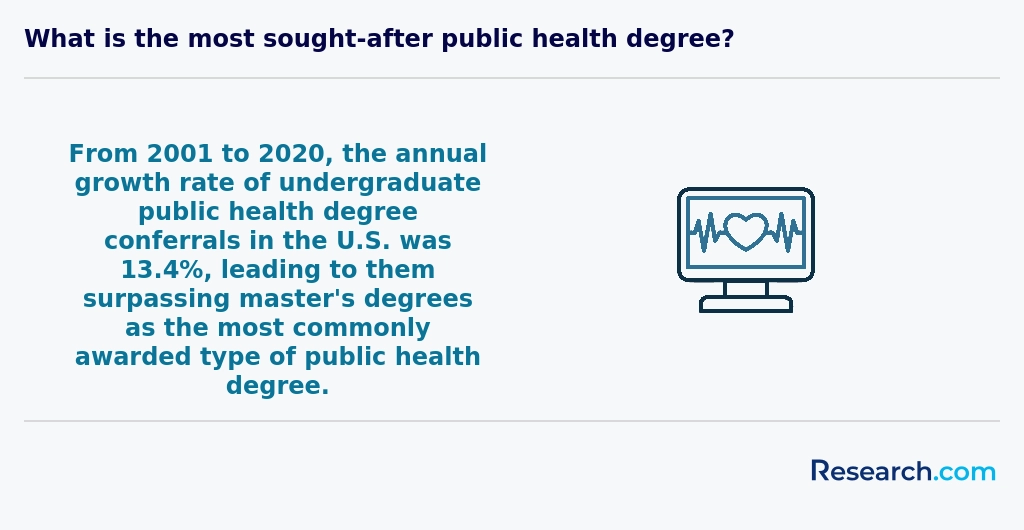
Public health degree specializations Savannah students encounter often reflect both national needs and local priorities. Epidemiology, for instance, is a major focus at prominent Savannah institutions due to its clear relevance in tracking disease patterns and outbreak responses, particularly supported by proximity to influential organizations like the CDC in Atlanta. Graduates frequently remark on how hands-on epidemiology projects gave them confidence in real-time data analysis and community health interventions.
Health Policy and Management is another specialization drawing strong interest. Students learn to navigate complex healthcare systems and local policy challenges in Savannah's growing medical landscape, finding practical value in internships within hospitals or public agencies. However, some graduates also note that balancing policy theory with on-the-ground administrative realities can be demanding but ultimately rewarding.
Environmental Health, tailored to Savannah's unique coastal and industrial environment, engages students passionate about addressing water quality or occupational hazards. Others explore Community Health Education, Global Health, and Biostatistics to match broader or international career goals. Notably, students from local programs often appreciate how these options let them focus on issues meaningful to Savannah's communities while preparing them for diverse futures.
For those interested in expanding beyond traditional public health paths, related fields like nurse practitioner degrees washington leadership opportunities can complement core public health skills, offering additional leadership prospects.
Choosing the best public health degree in Savannah requires weighing accreditation, curriculum, and financial reality. Graduates from popular Savannah colleges often emphasize the value of programs accredited by the Council on Education for Public Health (CEPH), ensuring their education meets rigorous national standards. This accreditation matters not just for credibility but also for access to licensure and meaningful employment. However, some students found that focusing solely on accreditation can overshadow other factors like a curriculum tailored to Savannah's unique health challenges, such as chronic illness management and infectious diseases prevalent in the area.
Affordability remains a major concern. Students balancing tuition, fees, and living costs appreciate detailed cost breakdowns like tuition for nursing programs provides, offering useful comparisons. Many public health grads suggest prioritizing programs that offer scholarships or partnerships with local organizations to help offset expenses while gaining real-world experience. Such practical involvement enhances career readiness and enriches the learning journey, which many Savannah students recall as deeply motivating.
Ultimately, finding affordable public health degrees Savannah offers means aligning your academic focus with community needs and employment prospects. Graduates frequently highlight the importance of engaging with local health departments or hospitals as part of their education, reinforcing skills that are in demand and connecting education directly to Savannah's growing healthcare sector.
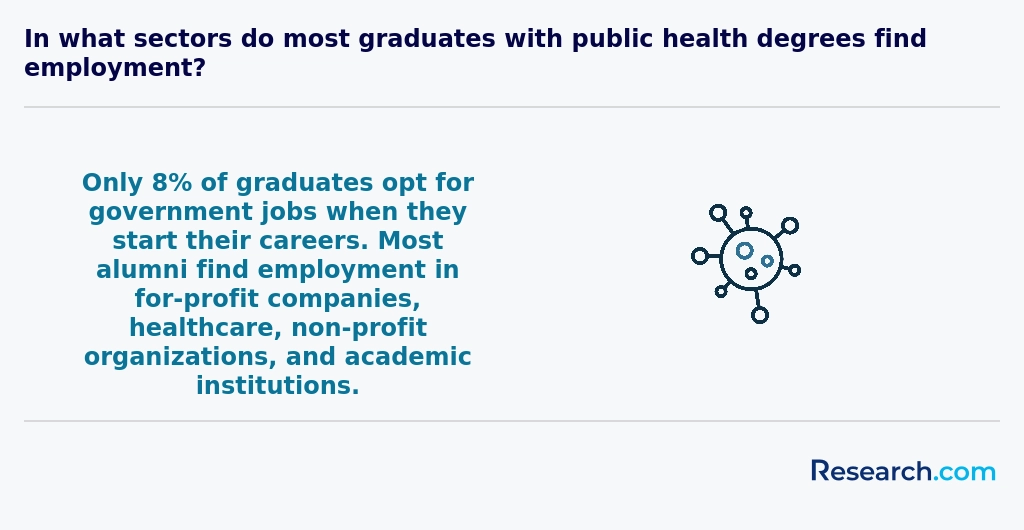
Graduates with a public health degree in Savannah often explore a variety of career paths that reflect the city's unique health landscape and evolving community needs. Many find fulfilling roles working directly with organizations like the Georgia Department of Public Health, focusing on crucial areas such as disease surveillance and emergency preparedness. Others engage with local nonprofits addressing pressing issues like substance abuse or nutrition education, where they apply their skills in real-world settings, impacting lives tangibly.
Public health students from Savannah's well-regarded universities frequently highlight administrative roles in hospitals and clinics as an exciting avenue. These positions allow them to integrate public health principles into patient care quality initiatives, blending clinical insight with community health. Graduates experience positive professional growth by improving outcomes in a healthcare system that continuously expands. Those seeking public health jobs in Savannah benefit from educational programs that balance theory with practical experience, making career transitions smoother.
For students interested in comprehensive healthcare education, exploring related fields can be advantageous as well. Savannah's institutions encourage cross-disciplinary learning, evident in collaborations with nursing schools gilbert arizona faculty expertise. This can broaden career horizons and foster a deeper understanding of diverse health systems.

The public health job market in Savannah reflects steady growth, driven by expanding healthcare services and increased community health awareness. Graduates from local schools frequently find roles as health educators, environmental health specialists, or program managers within institutions like Memorial Health University Medical Center. These positions allow graduates to engage directly with pressing local health issues, creating a fulfilling career path that many find motivating and impactful.
Employment outlook for public health graduates Savannah is reinforced by statewide trends, with a 10% job growth projection through 2031. This growth outpaces many other fields, offering graduates a relatively stable job market even as wages remain modest compared to national averages. Graduates often emphasize the balance between meaningful work and reasonable living costs, noting starting salaries around $45,000 to $60,000, which is competitive given the local economy.
Students considering a public health degree in Savannah benefit from affordable tuition and real-world experience opportunities through partnerships with government and nonprofit agencies. Some also explore additional certifications or the LVN to RN bridge to diversify their career prospects.
2027 Most Valuable Public Health Degree Programs Ranking in Savannah
Investing in your education is a significant decision that can shape your future, and the Research.com team understands the importance of making informed choices. To assist prospective students in Savannah, we have meticulously crafted the "2027 Most Valuable Public Health Degree Programs Ranking in Savannah." Our commitment to quality, credibility, and accuracy is reflected in the extensive research and analysis conducted to compile this ranking.
We utilized the following reputable data sources to ensure a comprehensive evaluation of public health programs:
By exploring this ranking, readers will gain valuable insights into the most valuable public health degree programs available in Savannah, empowering them to make confident and informed decisions about their education. For more details on our methodology, please visit our Research.com methodology page.
# 1 position
South University-Savannah Online
Bachelor of Science in Public Health

# 2 position
South University-Savannah Online
Master of Public Health
Frequently Asked Questions About public health
Public health degree students in Savannah can maximize their learning by engaging with local health organizations. Savannah's unique demographic and health challenges offer practical fieldwork opportunities, which complement classroom knowledge with hands-on experience. For instance, partnering with the Coastal Health District provides access to community health programs addressing chronic diseases and substance abuse.
Additionally, Savannah hosts events and workshops related to public health, allowing students to network and learn from professionals. Utilizing resources at institutions like Armstrong State University enhances research skills and exposure to current public health issues. Maintaining active participation in internships and volunteer work is essential, as experiential learning is highly valued in this field.
The field of public health is evolving rapidly, creating new niches for students pursuing degrees in places like Savannah. One emerging area is health informatics, which combines data analysis with health care to improve community outcomes. This specialty is gaining importance as Savannah's healthcare systems increasingly rely on electronic health records and data-driven decision making.
Another growing niche is environmental public health, focusing on local challenges such as coastal pollution and climate change impacts. Savannah's coastal location highlights the need for experts in this area, especially given rising sea levels and their effects on public health.
Additionally, global health is expanding as communities become more connected, with public health professionals in Savannah engaging in disease prevention strategies that consider both local and international contexts. According to the Georgia Department of Public Health, jobs in these sectors have increased by over 15% in recent years.
Graduates with a public health degree in Savannah should focus on gaining relevant experience to improve job prospects. Completing internships or volunteer roles with local health departments, like the Chatham County Health Department, offers practical skills and networking opportunities. According to the Georgia Department of Public Health, Savannah's demand for public health professionals is growing by approximately 12% annually. Obtaining certifications such as Certified Health Education Specialist (CHES) can enhance credentials. Building strong communication and data analysis skills is essential, as employers prioritize these abilities. Additionally, attending local public health conferences and joining professional organizations like the Georgia Public Health Association can connect graduates to job openings.
Employers in Savannah increasingly seek public health graduates with strong analytical and communication skills. According to the Georgia Department of Public Health, proficiency in data analysis and epidemiology is critical due to the city's ongoing efforts to address health disparities. Candidates who can interpret complex health data and communicate findings effectively to diverse communities stand out.
Additionally, familiarity with local public health regulations and program management is valued. Employers often emphasize cultural competence and collaboration skills, given Savannah's diverse population. Leadership abilities and experience with community outreach programs are also important in advancing public health initiatives.
Finding internships in Savannah relevant to a public health degree involves targeting local organizations that prioritize community health. Students should explore opportunities at institutions such as the Savannah-Chatham Public Health Department, which offers practical experience in epidemiology and health promotion. Local hospitals and nonprofit organizations also frequently provide internships focused on disease prevention and health education.
Networking plays a vital role; attending local public health events and joining student chapters of national associations can increase connections. Universities in Savannah may have partnership programs with health agencies, and career centers often list internship openings in the region.
According to data from the Georgia Department of Public Health, internships in Savannah's public health sector can enhance job prospects by providing hands-on experience in a city with rising focus on chronic disease management and community wellness.
A public health degree significantly enhances career mobility and advancement opportunities in Savannah. The region's growing healthcare sector, including agencies like the Chatham County Health Department, values professionals with specialized public health training. According to the U.S. Bureau of Labor Statistics, employment in health education and community outreach roles is projected to grow by approximately 11% through 2031, providing a strong job market.
Graduates gain access to roles in epidemiology, health policy, and environmental health, often experiencing salary increases compared to related fields without specific public health education. Networking within Savannah's public health community also facilitates professional growth and leadership positions.
Studying for a public health degree in Savannah equips students with diverse skills necessary for interdisciplinary roles in healthcare, policy, and community planning. Programs often integrate coursework from epidemiology, biostatistics, environmental health, and health policy, encouraging collaboration across multiple fields. This approach reflects the real-world nature of public health, where experts must work with professionals in medicine, social work, and urban development.
Savannah's public health graduates benefit from local partnerships, including with the Georgia Department of Public Health and community organizations, providing practical experience. According to the Georgia Board of Public Health, this region faces distinct health challenges, such as chronic diseases and disparities, fostering a need for multifaceted solutions.
Thus, Savannah's education environment prepares students to navigate varied roles requiring systemic thinking and teamwork. This comprehensive training aligns with national public health workforce trends emphasizing interdisciplinary expertise.
When deciding between a thesis and a non-thesis public health degree program in Savannah, consider your career goals. A thesis option typically involves conducting original research, which benefits those interested in academic positions or pursuing a PhD.
Conversely, a non-thesis path emphasizes practical skills and coursework, well-suited for professionals aiming to enter public health practice immediately or advance in local agencies.
According to the Georgia Department of Public Health, Savannah's growing healthcare sector increasingly values applied knowledge and leadership skills. Therefore, non-thesis programs may offer more direct pathways to employment here.
Evaluate faculty expertise and program flexibility as well. Some Savannah-based universities provide hybrid options to accommodate working students.
Students based in Savannah seeking public health degrees with an international perspective have several options through U.S. higher education institutions that support study abroad programs. Many public health programs in Georgia, including those near Savannah, offer partnerships with universities abroad, allowing students to gain global health experience.
The College of Public Health at the University of Georgia, accessible to Savannah students via nearby campuses, provides study abroad opportunities in countries like Ghana and the Dominican Republic. These programs emphasize global health challenges, enhancing practical knowledge.
Additionally, Savannah State University collaborators sometimes facilitate exchange programs and internships overseas. Students are encouraged to consult academic advisors early to access scholarships and funding designed for international study in public health fields.
Students pursuing public health degrees in Savannah have several part-time job opportunities that can enhance their education. Working as a community health worker offers hands-on experience in local health initiatives, supporting Savannah's focus on reducing chronic diseases, as highlighted by the Georgia Department of Public Health. Positions in nonprofit organizations, such as those involved with the Coastal Georgia Area Health Education Center, provide exposure to public health outreach and education.
Additionally, roles in hospital administration or patient advocacy at facilities like Memorial Health University Medical Center allow students to understand healthcare systems. These jobs often offer flexible hours suited for part-time engagement alongside studies.
Public health students in Savannah benefit from a variety of local networking opportunities that connect them with professionals and organizations in the field. Institutions like Armstrong State University and Savannah State University often host events, lectures, and workshops where students can meet public health experts and alumni.
Additionally, the Coastal Health District provides internship and volunteer programs, offering real-world experience and professional contacts. Networking events organized by the Georgia Public Health Association (GPHA) also occur regularly in the region, enabling students to engage with statewide leaders and peers.
These connections are vital for career development and job placement in Savannah's growing public health sector.
Alumni networks provide significant advantages to public health students in Savannah by connecting them with experienced graduates working in local and national health organizations. These networks often offer mentorship, internships, and job placement opportunities, which are invaluable in a competitive job market. According to the Georgia Public Health Association, Savannah-based institutions have robust alumni engagement, enhancing access to diverse career paths in public health sectors such as epidemiology, health education, and policy.
Furthermore, alumni events and online platforms create communities that support knowledge-sharing and professional development. This connectivity can boost student confidence and open doors to collaborative research projects in Savannah's growing public health landscape.
Customizing a public health degree program in Savannah allows students to align their education with specific career goals. Many local institutions offer concentrations such as epidemiology, community health, or health policy to target different public health sectors. Savannah's growing healthcare industry benefits from degrees tailored toward urban health challenges and aging populations, reflecting regional needs.
Internships and practicum opportunities with local agencies like the Coastal Health District help students gain practical experience and build professional networks. Flexible course schedules, including part-time and online options, also accommodate working professionals.
According to the Georgia Board of Public Health, such focused studies can improve employability within Savannah's public health system.
Public health students in Savannah often encounter several challenges as they pursue their degrees. One common issue is limited local internship opportunities directly related to public health, which can make gaining practical experience more difficult. According to the Georgia Department of Public Health, Savannah's public health workforce is growing, but competition remains stiff for hands-on placements at county health departments and nonprofit organizations.
Another challenge involves balancing coursework with work or family responsibilities. Many students in Savannah are non-traditional learners who manage full-time jobs, which impacts study time and stress levels. Additionally, navigating financial aid can be complex, as in-state tuition may not cover all program costs.
Finally, students must keep up with rapidly evolving public health issues such as infectious disease control and health equity, demanding continuous learning beyond the classroom to stay current in this dynamic field.
Graduates with a public health degree in Savannah have several certification options to enhance their professional skills. The most recognized is the Certified in Public Health (CPH) credential offered by the National Board of Public Health Examiners. This certification validates expertise across core public health areas and is highly valued by local employers.
Another important certification is the Certified Health Education Specialist (CHES), which focuses on health promotion and education.
Professionals in Savannah can also pursue certificates in epidemiology or health administration from organizations like the American Public Health Association. Pursuing these certifications can improve career prospects in Georgia's growing public health sector, where demand for qualified specialists continues to rise.
To write a winning application for a public health program in Savannah, start by carefully researching local programs such as those offered at Armstrong State and Savannah State University. Highlight your understanding of public health challenges specific to Savannah, including addressing health disparities in Chatham County, where obesity and diabetes rates exceed national averages according to the Georgia Department of Public Health.
Clearly demonstrate your commitment to community health, supported by any volunteer or internship experience within Savannah's public health initiatives. Strong letters of recommendation from local health professionals can enhance your credibility.
Craft a personal statement that aligns your goals with Savannah's healthcare priorities, showing how you plan to contribute to improving regional health outcomes.
The global perspective on a public health career highlights its critical role in addressing worldwide health challenges. Public health professionals work to improve health outcomes locally and globally by focusing on prevention, education, and policy development. In the US, earning a public health degree opens doors to opportunities with international organizations like the CDC and WHO. According to the Association of Schools and Programs of Public Health (ASPPH), the demand for public health experts is expected to grow by 17% through 2030.
In Savannah, public health initiatives often address issues such as infectious diseases and health disparities, reflecting broader global concerns. The University of Georgia's Tifton campus and Savannah State University offer programs aligned with these goals. Graduates can engage in cross-cultural health projects, making global impact while serving their local community.
Students pursuing public health degrees in Savannah can gain practical experience through various avenues. Local universities often offer internship programs that connect students with public health departments and nonprofit organizations in the area. For instance, internships with the Georgia Department of Public Health, located nearby, provide hands-on opportunities in epidemiology and community health initiatives.
Additionally, Savannah's active public health network includes partnerships with hospitals and community clinics where students can participate in health education and outreach projects. Volunteering with agencies focused on addressing Savannah's high rates of chronic diseases, as reported by the Centers for Disease Control and Prevention, enhances real-world skills.
Many programs also integrate capstone projects or practicum courses, requiring students to apply classroom knowledge to fieldwork in the city's diverse communities.
Choosing the right concentration within a public health degree program in Savannah involves assessing local health challenges and your career goals. Savannah faces specific issues such as high rates of chronic diseases and healthcare disparities, which may guide your focus areas. Concentrations like epidemiology, health policy, or community health can prepare you to address these concerns effectively.
Research program curricula at Savannah's accredited institutions to see which specialties they emphasize. Look for opportunities such as internships or partnerships with local health departments, like the Chatham County Health Department, which often collaborates with universities. This practical exposure is invaluable for applying theoretical knowledge.
Consider long-term job prospects in Savannah's public health sector. The Bureau of Labor Statistics notes steady growth for public health professionals in Georgia, particularly in health education and administration.
- 2027 Most Valuable Public Health Degree Programs Ranking in Statesboro
- 2027 Most Valuable Public Health Degree Programs Ranking in Columbia
- 2027 Most Valuable Public Health Degree Programs Ranking in Gainesville
- 2027 Most Valuable Public Health Degree Programs Ranking in Athens
- 2027 Most Valuable Public Health Degree Programs Ranking in Charlotte
- 2027 Most Valuable Public Health Degree Programs Ranking in Tallahassee
- 2027 Most Valuable Public Health Degree Programs Ranking in Atlanta
- 2027 Most Valuable Public Health Degree Programs Ranking in Greensboro
- 2027 Most Valuable Public Health Degree Programs Ranking in Chapel Hill
- 2027 Most Valuable Public Health Degree Programs Ranking in Tampa
- How to carve a niche in your public health career | PH SPOT https://phspot.org/carvinganiche/
- Public Health/Global perspective - Wikiversity https://en.wikiversity.org/wiki/Public_Health/Global_perspective
- Grow Your Skills with South University's Online MPH Degree https://www.southuniversity.edu/savannah/public-health-mph
- Master of Public Health https://financialaid.mercer.edu/cost-of-attendance/graduate-and-professional/college-of-health-professions/master-of-public-health/
- What do you learn in a bachelor's in public health? | edX https://www.edx.org/resources/what-do-you-learn-in-a-bachelors-in-public-health
- The Networking Guide for Public Health Professionals https://www.publichealthdegrees.org/resources/professional-networking/
- Top 15 Places to Look For M.P.H. Jobs - Benedictine University Online https://online.ben.edu/programs/public-health/mph/resources/top-places-to-find-mph-jobs/
- Engaging students through service-learning opportunities in public health https://sneb.org/engaging-students-through-service-learning-opportunities-in-public-health/
- Public Health Jobs | How to Boost Your Public Health Experience When Starting Out https://publichealthjobs.co.uk/blog/how-to-boost-your-public-health-experience-when-starting-out
- Public Health https://disabroad.org/program/public-health/









