
2027 Most Valuable Public Health Degree Programs Ranking in Statesboro

Co-Founder and Chief Data Scientist
Choosing the right public health degree program is an important step for students in Statesboro who want to make a real impact in their communities. This article presents the 2027 Most Valuable Public Health Degree Programs Ranking in Statesboro, created by the Research.com team of data scientists. It offers reliable, data-driven insights to help you find programs that deliver value and quality education.
By exploring these rankings, you'll gain confidence in your decision and discover the best opportunities to build a fulfilling and meaningful career in public health.
Key benefits of getting public health degree in Statesboro
- Graduates with a public health degree in Statesboro can expect competitive salaries, such as Medical Assistants earning around $43,350 annually and Environmental Health Specialists making up to $86,710 per year, offering financial stability.
- Career paths are diverse, ranging from Community Health Workers to Occupational Health and Safety Specialists, allowing graduates from local schools like Georgia Southern University to find roles that fit their passions and strengths.
- Online public health degrees offer flexibility and convenience, enabling students in Statesboro to balance work and studies effectively while earning a respected credential from institutions like Georgia Southern University's online program.
- 2027 Most Valuable Public Health Degree Programs Ranking in Statesboro
- What can I expect from public health degree in Statesboro?
- Where can I work with public health degree in Statesboro?
What can I expect from public health degree in Statesboro?
Picture yourself walking the lively halls of Georgia Southern University, where graduates often recall balancing challenging coursework with rewarding community projects. Here in Statesboro, the average cost of a public health degree hovers around $8,000 to $12,000 per year for in-state students, while out-of-state students might budget closer to $20,000 annually. This range reflects the harmony between quality education and accessibility-offering value without compromising the depth of experience.
Graduates often describe the financial investment as a doorway to real-world impact, crediting affordable tuition for enabling them to dive into internships with the Bulloch County Health Department without overwhelming debt. Imagine enrolling in evening classes designed for those juggling work and family, feeling supported by institutions that understand local public health needs.
This balance fosters a vibrant learning environment where theoretical concepts meet hands-on experience. The cost feels like an investment in your future-one that aligns with the mission of Statesboro's community to cultivate public health leaders attuned to local and national challenges.
Where can I work with public health degree in Statesboro?
Graduates from public health programs in Statesboro often find themselves woven into the very fabric of the community's well-being. Picture working alongside local heroes at the Bulloch County Health Department, crafting immunization campaigns or leading community workshops that actually change lives. Those fresh from Georgia Southern University often recount the excitement of stepping into roles as epidemiologists or health educators, where their knowledge sparks real prevention efforts tailored to neighbors and friends.
The healthcare scene here pulses with energy, with graduates diving into roles at East Georgia Regional Medical Center or neighborhood clinics. Imagine managing wellness programs that improve patient outcomes or analyzing health data that literally saves lives. Some alumni describe that feeling of fulfillment when policy advice they've crafted helps shape better care strategies.
Then there's the passionate nonprofit sector-where graduates engage in vibrant outreach, fluently writing grants while fueling programs for maternal health or substance abuse prevention. Others become catalysts for innovation in private companies, blending tech and analytics to dream up new ways to boost community health.
Whether embedded in university research or hustling through grassroots campaigns, public health graduates in Statesboro find purpose and possibility at every turn.
Graduates from public health programs in Statesboro-whether from Georgia Southern University or local community colleges-often step into roles with salaries as vibrant as their ambitions. Imagine starting as a community health worker, earning a median annual wage around $52,610, where each day feels like crafting healthier futures one neighborhood at a time.
Health educators in the same vibrant city command an average salary near $69,790, turning knowledge into action by empowering populations with life-changing information. Picture yourself leading workshops on campus, then translating that energy into a paycheck that values your impact.
If you lean toward specialized paths, environmental health specialists shine bright with salaries around $86,710, intertwined with local efforts to keep Statesboro's environment safe and sustainable. Occupational health and safety specialists aren't far behind at roughly $85,570 annually-ensuring workplaces hum with safety and care.
Such figures reveal that a public health degree here is more than numbers-it's your passport to meaningful work paired with rewarding compensation, right where you studied, surrounded by your community's heartbeat.
- Georgia Southern University in Statesboro offers undergraduate and graduate public health degrees with in-state tuition around $4,000 per semester.
- Out-of-state students pay two to three times higher tuition, with additional annual costs of about $2,000 for books and fees.
- Starting salaries for public health graduates in Statesboro range from $45,000 to $55,000 per year, increasing to over $75,000 with experience and specialization.
- The local job market shows steady demand with openings in government health departments, nonprofits, and healthcare facilities.
- Public health employment nationwide is expected to grow by 17% over the next decade, faster than average occupational growth.
- Internships and practicum opportunities in Statesboro offer practical experience through partnerships with regional health organizations.
Graduates from Georgia Southern University often recall the four-year sprint of earning a Bachelor of Science in Public Health as an exciting journey filled with discovery-like assembling a puzzle where each piece builds toward a healthier future. For many, it's a full-time adventure packed with lively lectures, community projects, and eye-opening internships that anchor theory into real-life actions around Statesboro.
Shifting gears, those chasing a Master of Public Health find themselves immersed in about two transformative years. This phase can feel like the heartbeat of your career, accelerating knowledge through immersive fieldwork and flexible schedules that adapt to the hustle of working professionals balancing family and jobs.
Doctoral candidates dive deeper, spending three to five years past the master's milestone navigating research labyrinths and crafting novel public health solutions. This path, while longer, is a thrilling intellectual expedition that turns passion into expertise, with Statesboro's programs offering the rich soil for growth.
Investing in a Public Health degree requires a clear understanding of both upfront costs and long-term earnings. By comparing average total program costs-tuition, fees, and living expenses-with projected starting salaries for roles like Community Health Worker ($49,900), Health Educator ($66,710), and Environmental Health Specialist ($83,820), students can estimate a typical payback period of 3–5 years. This analysis also factors in median student debt and monthly loan payments to present a realistic picture of financial commitments post-graduation. Beyond state averages, exploring affordable alternatives can further optimize ROI. For example, students seeking online flexibility and lower tuition rates may benefit from our Cheapest Online Public Health Degree Programs Ranking in Pennsylvania, which highlights programs with the shortest break-even timelines. Factoring in percentage of graduates employed within six months-often exceeding 85%-and average salary increases over a five-year career horizon underscores the long-term value of a strategically chosen Public Health degree. Finally, consider supplemental funding strategies that improve ROI, such as employer tuition reimbursement, in-program assistantships, and targeted scholarships. Combining cost-reduction measures with high-demand specializations (e.g., Epidemiology or Health Management) can accelerate both professional advancement and loan repayment, ensuring graduates maximize the return on their academic investment.
Picture this: a graduate from Georgia Southern University's Jiann-Ping Hsu College of Public Health, thriving in the busy on-campus labs and buzzing lecture halls, soaking up face-to-face wisdom and diving into local fieldwork in Statesboro's vibrant community. The rhythms of scheduled classes sculpt their study habits, while networking events spark relationships that feel alive and immediate.
Now, imagine another student navigating the same degree remotely, laptop in café corners or between work shifts. Online learning here isn't just about convenience; it's a tailored dance of self-discipline and digital savvy, perfectly suited to juggling family and jobs. This learner hones time management and modern communication skills, all while remaining connected to cutting-edge coursework from anywhere in Georgia.
The line between these paths blurs with accreditation - both uphold CEPH standards, ensuring the degree's respect and relevance. Yet in Statesboro, the choice reflects more than mode: it captures how students shape their public health journey amidst real-life calls and personal ambitions.
Imagine settling into campus life at Georgia Southern University, a hub for budding public health professionals in Statesboro. The average public health degree cost Statesboro students encounter hovers around a modest median total of $6,022 for in-state learners, bringing affordability into focus without sacrificing quality. Graduates often reflect on how their investment translated into practical knowledge and impactful careers, reminding prospective students that their tuition here is a crucial stepping stone, not a financial burden.
Out-of-state students at Georgia Southern face a different landscape, with median total costs closer to $32,378. While this might initially seem daunting, many who made that leap share how scholarships and assistantships turned these figures into manageable paths to achieving their dreams. The diverse financial aid opportunities allow future graduates to breathe easier and focus on what truly matters-their education and professional growth.
When exploring the total expense public health programs Georgia offers, students are often surprised by the reasonably low additional fees, books, and supplies costs in Statesboro compared to larger metropolitan areas. This balance plays a vital role in many students' decisions, especially when factoring in the lower living costs surrounding Georgia Southern University. For a detailed breakdown and rankings, you can check this https://research.com/rankings/public-health/most-popular-public-health-statesboro-ga.
Graduates recount their time here as a blend of affordability and community spirit, where learning is deeply connected to the unique public health challenges and opportunities of the Deep South. For many, the price of their degree translates directly into a future where they can make a measurable difference without the looming shadow of crushing debt.
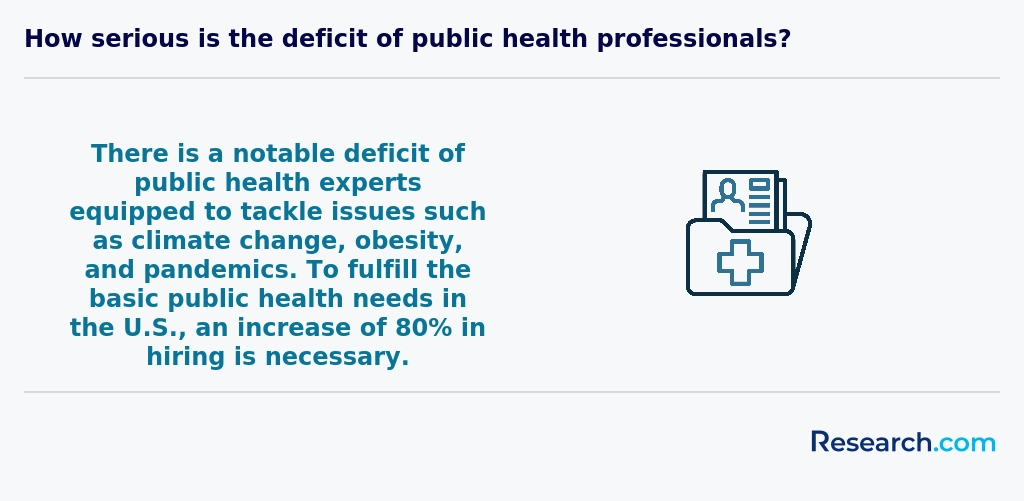
Modern public health programs typically offer more than classroom learning-they also focus on fostering strong networking and mentorship connections that can significantly enhance career trajectories. Many institutions actively partner with local health agencies and alumni networks to create mentoring programs where experienced professionals share industry insights and career advice. These initiatives often include alumni panels, internship fairs, and workshops designed to build both professional and personal relationships. For example, exploring programs offered by valuable public health schools in georgia may reveal opportunities that integrate real-world projects with mentorship, helping students translate academic knowledge into practical expertise. Such collaborations not only support students during their studies but also provide continued career guidance post-graduation, ensuring a smoother transition into the workforce within an ever-evolving industry.
Imagine stepping into Georgia Southern University's lively campus, backpack loaded with dreams, worry easing thanks to scholarships that feel like a secret handshake into public health. Many graduates recall the relief of federal Pell Grants-up to $7,395 annually-a true lifeline, especially when balancing part-time jobs alongside classes. The magical gateway is FAFSA, unlocking access not only to loans but also work-study gigs, where students earn while learning in their community's heartbeat.
Picture the pride felt by those who secured Public Health Service Corps scholarships, knowing their loan repayments shrink as they commit to serving underserved areas around Statesboro. It's more than money; it's a partnership with the community's future. Local scholarships from Georgia's agencies and Bulloch County organizations whisper encouragement, making public health careers feel reachable and supported.
At Georgia Southern, departmental assistantships stand out-graduate students often describe the thrill of earning stipends while contributing to research that changes lives. This mosaic of aid-from federal to private foundations-turns finance challenges into stepping stones for motivated students eager to improve public health in their own backyard.
Diving into a public health degree in Statesboro means stepping onto a path where passion meets preparation. Graduates from Georgia Southern University often recount how their journey began with strong roots in high school biology and chemistry, laying the groundwork for understanding community health puzzles. It's not just about ticking boxes; it's about bringing your curiosity and a genuine desire to serve, especially in rural areas where health disparities pulse vividly.
You'll need a high school diploma or GED wrapped in solid grades, especially in math and social sciences, to show you're ready to decode the complex dance of health data and human behavior. For those aiming higher with a Master of Public Health, picture already holding a bachelor's degree, often backed by a 3.0 GPA, like many Statesboro graduates who balanced coursework with real-world volunteering in local clinics.
- Official transcripts that map your academic trek
- Letters of recommendation acting as your cheerleaders, vouching for your dedication
- A personal statement shining your authentic spark and goals
- Hands-on experience through volunteer work or jobs touching health and communities
Imagine walking into classes knowing your story aligns with Statesboro's commitment to improving rural health-your background in community outreach becomes a bridge, connecting your experience to classroom theory and beyond. This blend of solid academics and heartfelt involvement creates a vibrant tapestry that public health programs in Statesboro truly value.
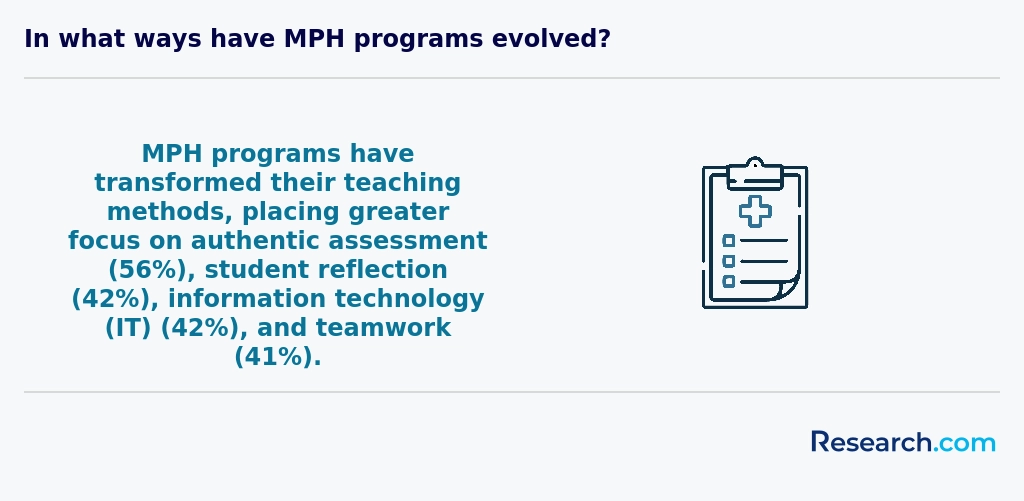
One of the most compelling aspects of pursuing a Public Health degree in Statesboro, GA is the chance to learn directly from faculty who are leading experts in epidemiology, environmental health, and health policy. Professors at Georgia Southern University and nearby colleges hold active research grants from agencies such as the CDC and NIH, publishing in top-tier journals and guiding students through hands-on projects. These collaborations include community-based studies on rural health disparities and environmental assessments in Bulloch County. Students can join faculty-led teams to analyze real-world data sets, design intervention studies, and present findings at regional conferences. This immersive research environment not only sharpens analytical and communication skills but also builds a professional network that often leads to internships or job offers. For those balancing work and study, our affordable online mph options provide similar access to cutting-edge faculty mentorship through virtual labs and webinars. State-of-the-art facilities-like the Public Health Simulation Lab-enable learners to practice outbreak response, program planning, and policy evaluation in realistic scenarios. Faculty also connect students with the Bulloch County Health Department and local non-profits for field placements, ensuring graduates leave with a robust portfolio of research and service experiences that set them apart in a competitive job market.
In Statesboro, diving into a public health degree means immersing yourself in courses that stitch together the fabric of community wellness with real-life action. Imagine sitting in a class at Georgia Southern University where epidemiology isn't just theory but a detective story about tracking disease outbreaks in your own backyard. Graduates often recall how studying biostatistics transformed daunting numbers into clear stories about local health trends, giving them superpowers to decode data that shapes Bulloch County's future.
Picture Environmental Health classes where discussions about pollution spark passionate debates that lead to actual campus campaigns. Health Policy and Management courses feel like strategy sessions, teaching you how to navigate and design the systems that keep Statesboro's hospitals and clinics running smoothly. Social and Behavioral Sciences bring human stories to light-understanding why a neighbor might struggle with diabetes empowers students to craft meaningful interventions.
And in Global Health, the lens widens beyond Statesboro, connecting local lessons to worldwide challenges, making every class feel like a step toward changing lives both near and far.

In Statesboro, public health degree specializations open doors to vibrant worlds-imagine diving deep into epidemiology, tracing invisible threads between outbreaks and communities, much like graduates who've mapped flu patterns in bustling Statesboro neighborhoods. Students at local universities also immerse themselves in health policy and management, crafting strategies that reshape hospitals and clinics, a hands-on journey that turns theory into the heartbeat of Georgia's healthcare system. Environmental health takes on new life here, as learners debate how urban growth touches rivers and rural lands, echoing the concerns graduates shared about striking a balance between progress and preservation.
Picture exploring social and behavioral health, where students create spirited community programs that light the way toward wellness in Statesboro, inspired by real stories of neighbors overcoming health barriers. For those chasing global footprints, a focus in global health blends international case studies with fieldwork opportunities, fueling dreams of worldwide impact.
These Statesboro public health career focus areas prepare graduates to embrace challenges with heart and skill, while navigating scholarships and support that make their ambitions tangible. Some even compare their path to discovering unexpected job titles in neonatal nursing, where passion meets purpose in healthcare's many forms.
Choosing the best public health degree in Statesboro feels like crafting your own blueprint for impact. Imagine walking through campus halls where graduates speak fondly of immersive community projects that shaped their understanding of real health crises. These programs don't just teach-they embed you in the vibrant local health ecosystem, from bustling hospitals to grassroots campaigns. It's about more than lectures; it's about aligning yourself with accredited programs that carry the seal of rigor and respect. Graduates often highlight how the curriculum's blend of epidemiology and policy sharpened their skills and opened doors in the Statesboro area, supporting affordable public health degrees Statesboro students seek.
Picture balancing evening classes at a university popular for its flexibility while interning at a community health center, forging connections that textbooks alone can't provide. Faculty here are mentors, not just professors, guiding each step. Don't overlook the financial side-programs often keep tuition within reach for Statesboro residents, reducing stress so you can focus on learning. Curious about LVN degrees? Check out lvn degrees texas campus visits for related pathways.

Graduates stepping out of Statesboro's universities armed with a public health degree find themselves woven into a vibrant tapestry of public health careers in Statesboro. Imagine working as a community health worker, crafting wellness campaigns that ripple through neighborhoods, much like one alum who launched a diabetes awareness drive reaching farmers in Bulloch County. Others dive deep into epidemiology, decoding disease patterns with the precision of a detective-from campus labs to regional health centers-reflecting the unique heartbeat of southeast Georgia.
The arena expands further into public health administration, where graduates become architects of local health policy, managing programs that tackle chronic illnesses specific to the region. The blend of theory learned at Statesboro institutions with real-world application creates a palpable energy among students and professionals alike. Some even channel their passion into niche fields like environmental health or occupational safety, addressing issues tied to Statesboro's agriculture and industry.
For those imagining broader horizons, studying here provides a launching pad into global health or specialized roles, similar in spirit to neonatal nurse career paths-professions that require dedication and provide immense personal satisfaction. This dynamic landscape assures any inquiring mind that job opportunities for public health graduates Statesboro run as wide and lively as the community they serve.

Graduates stepping out with public health degrees in Statesboro find themselves at a crossroads of opportunity bursting with local warmth and community spirit. Anchored by institutions popular for public health education, such as Georgia Southern University, students share tales of internships at East Georgia Regional Medical Center, where classroom theory leaps into the vibrant reality of health promotion. The public health job opportunities in Statesboro mirror the city's commitment to tackling pressing health issues-chronic diseases, pandemic responses, and rural care-that graduates are eager to address.
Early-career professionals with degrees often land roles as health educators or community outreach workers, earning between $45,000 and $65,000, energizing their climb upward. For those craving specialized paths, the Statesboro experience blends hands-on program management with rising wages in epidemiology and health policy analysis, fostering careers that blend passion with purpose.
Reflecting on local reports and ongoing initiatives, graduates feel optimistic about the region's unfolding health landscape, which benefits from targeted funding and strong employer networks. Students inspired by this outlook sometimes explore related fields, such as gerontology career options, broadening their impact. The Statesboro public health degree career outlook vibrates with promise for those ready to serve and grow.
2027 Most Valuable Public Health Degree Programs Ranking in Statesboro
Investing in your education is a significant decision that can greatly influence your future, and the Research.com team fully recognizes the importance of making well-informed choices. To guide prospective students in Statesboro, we have carefully developed the "2027 Most Valuable Public Health Degree Programs Ranking in Statesboro." Our dedication to quality, credibility, and accuracy is demonstrated through thorough research and analysis behind this ranking.
We utilized the following reputable data sources to ensure a comprehensive evaluation of public health degree programs:
By consulting this ranking, readers will obtain valuable insights to identify the most beneficial public health degree programs in Statesboro, enabling informed and confident educational decisions. For more information on how this ranking was created, please visit our Research.com methodology page.

Frequently Asked Questions About public health
Public health degree students in Statesboro can enhance their learning by engaging in community-based projects, as Statesboro is home to several public health initiatives focusing on rural health challenges. Participating in local health departments or non-profit organizations provides practical experience that complements academic studies.
Students should also seek internships at institutions like the Georgia Southern University's Jiann-Ping Hsu College of Public Health, which offers connections to regional health programs and research opportunities.
Attending workshops and seminars on topics such as epidemiology and health promotion can deepen understanding and keep students updated on current trends.
The Centers for Disease Control and Prevention (CDC) reports Georgia's public health workforce needs ongoing training, making professional development vital for those aiming to contribute locally.
The public health field is rapidly evolving, with several emerging niches gaining attention. In Statesboro and across the U.S., one key area is digital epidemiology, which uses data from social media and mobile devices to track disease outbreaks more effectively. Another growing specialization is health equity, focusing on reducing disparities in underserved communities. Environmental health continues to expand due to rising concerns over climate change and its impact on public wellness.
A career in public health informatics is also promising, integrating information technology to improve healthcare outcomes. According to the Georgia Department of Public Health, these niches align with regional needs, reflecting new challenges and innovations in Statesboro's public health landscape.
After earning a public health degree in Statesboro, preparing for the job market involves several practical steps. Networking locally through organizations like the Bulloch County Health Department can connect graduates with potential employers. Gaining hands-on experience by internships or volunteering in public health initiatives in Georgia boosts a resume. According to the US Bureau of Labor Statistics, public health employment in Georgia is projected to grow by about 11% through 2031, indicating solid job opportunities.
Additionally, earning certifications such as Certified Health Education Specialist (CHES) enhances employability. Tailoring your resume to highlight skills in epidemiology, health promotion, and data analysis is essential. Utilizing career services offered by Statesboro's universities can also provide valuable job search support.
Employers in Statesboro seeking public health graduates prioritize a blend of analytical and interpersonal skills. Data analysis proficiency is vital, as professionals frequently interpret community health statistics to guide interventions. According to the Georgia Department of Public Health, familiarity with software like SPSS or SAS enhances job prospects.
Communication skills rank highly since graduates often educate diverse populations and coordinate with healthcare providers. Additionally, problem-solving abilities enable professionals to design effective health programs tailored to local needs, such as the high rates of diabetes and heart disease reported in Bulloch County by the CDC.
Leadership and teamwork are also essential, especially for managing public health campaigns or working in multidisciplinary environments common in Statesboro's health sector.
Finding internships in Statesboro relevant to a public health degree involves multiple strategies. The Georgia Southern University's Waters College of Health Professions provides strong connections to local health organizations, which is valuable for securing internships. Statesboro's public health sector often partners with entities such as Bulloch County Health Department and East Georgia Regional Medical Center, frequently offering internship opportunities.
Students should also explore platforms like Handshake or the Georgia Department of Public Health's internship listings. Networking through faculty and attending local health events can increase chances of placement. Internships typically cover areas like epidemiology, health education, and community outreach, aligning with public health degree requirements.
According to the Georgia Department of Public Health, rural counties including Bulloch have increasing demand for skilled public health professionals, creating more internship openings annually.
A public health degree in Statesboro significantly enhances career mobility and advancement opportunities in the growing local healthcare sector. The degree equips graduates with essential skills in epidemiology, health education, and program planning, which are highly valued by employers like the Georgia Department of Public Health and regional hospitals such as East Georgia Regional Medical Center.
According to the U.S. Bureau of Labor Statistics, employment for health educators and community health workers is projected to grow 17% nationally through 2030, with Statesboro reflecting similar trends due to increasing public health initiatives. This growth expands job options from entry-level roles to management and specialized positions.
Additionally, obtaining a public health degree often leads to higher salaries and greater job security, especially when combined with certifications like Certified Health Education Specialist (CHES). This credential further distinguishes candidates in Statesboro's competitive job market, supporting steady career advancement.
Studying for a public health degree in Statesboro equips students with skills needed for interdisciplinary roles in health care, policy making, and community outreach. Programs often emphasize collaboration across fields such as epidemiology, health education, and environmental health. This approach reflects the multifaceted nature of public health challenges, requiring knowledge of biology, social sciences, and data analysis.
Georgia Southern University, located in Statesboro, integrates real-world experiences through partnerships with local health departments and organizations. According to the Georgia Department of Public Health, this region faces diverse health issues, reinforcing the need for professionals who can work with varied teams to address social determinants of health.
Students also develop communication and leadership skills, critical for coordinating efforts among medical professionals, policymakers, and community stakeholders.
When deciding between a thesis and a non-thesis public health degree program in Statesboro, students should first consider their career goals. Thesis programs typically require original research, preparing students for roles in academia or research-focused jobs. Non-thesis options focus more on practical skills and coursework, fitting those targeting applied public health positions or immediate employment.
In Statesboro, the demand for public health professionals with research skills is growing, supported by recent data from the Georgia Department of Public Health. Students aiming for advanced degrees, such as a PhD, often benefit from a thesis program.
Additionally, thesis tracks may extend program duration by a semester or two, requiring more time commitment. Conversely, non-thesis programs usually finish faster, helping students enter the workforce sooner.
Students in Statesboro seeking to study public health abroad have several options through exchange programs and affiliated universities. Georgia Southern University, located in Statesboro, offers partnerships with international institutions that enable students to spend a semester or year overseas while earning credits toward their public health degree. These programs often focus on global health issues and provide real-world experience in diverse healthcare settings.
Additionally, students may participate in faculty-led study tours or virtual international collaborations, broadening their understanding of public health challenges worldwide. Resources like the university's Study Abroad Office can help identify specific opportunities relevant to public health fields.
Such experiences enrich a student's education by exposing them to different health systems and cultural perspectives, which is increasingly valuable in a globalized world.
Students pursuing public health degrees in Statesboro have access to several part-time job opportunities that reinforce their academic experience. Local health clinics and nonprofit organizations often hire part-time assistants to support community outreach and health education programs. These roles provide practical exposure to public health issues like vaccination drives and nutrition counseling, critical for developing professional skills.
The nearby East Georgia Regional Medical Center may offer positions such as patient support or health information roles, complementing coursework with clinical insights. According to the Bureau of Labor Statistics, experience in healthcare settings increases employability in public health fields.
Additionally, the City of Statesboro's public health department periodically recruits interns and part-time workers, giving students a chance to engage directly with epidemiological data and community health initiatives.
Public health students in Statesboro benefit from various networking opportunities, primarily through Georgia Southern University, the main institution offering public health degrees locally. The university hosts regular events, including guest lectures and public health symposiums, which connect students with regional health professionals and researchers.
Students can also join organizations such as the Student Government Association Public Health Forum or local chapters of national groups like the American Public Health Association (APHA). These groups provide platforms for collaboration and professional development.
Additionally, Statesboro's proximity to several healthcare facilities and community organizations offers students chances for internships and volunteer work, facilitating valuable professional contacts in the Southeast Georgia Public Health District.
Alumni networks provide significant advantages for public health degree students in Statesboro. These networks offer connections to experienced professionals in the local healthcare sector, aiding students in securing internships and job opportunities. According to the Georgia Southern University Alumni Association, graduates in public health often benefit from mentorship programs that enhance career development.
Networking through alumni can also provide insights into emerging public health trends in Georgia, especially in rural areas around Statesboro where community health initiatives are expanding. This localized knowledge is valuable for students aiming to work in regional public health agencies or non-profits.
Additionally, alumni events and online platforms facilitate ongoing professional support and collaboration.
Customizing a public health degree program in Statesboro allows students to align their education with specific career goals. Many local institutions offer concentrations such as epidemiology, health policy, or environmental health, letting students focus on areas relevant to regional health challenges. For example, the rise of chronic diseases in Bulloch County encourages specialization in community health promotion.
Statesboro also benefits from collaborations with nearby healthcare organizations, providing internships and practical experiences that enhance hands-on learning. Students can choose elective courses based on current public health trends and workforce demands found in local labor market reports from the Georgia Department of Labor.
Additionally, flexible scheduling and part-time options help professionals balance work and study, making public health education accessible to a broad range of learners in Statesboro.
Public health students in Statesboro often face challenges related to limited local internship opportunities. Unlike larger metropolitan areas, Statesboro's smaller size means fewer public health organizations to gain practical experience from, which is crucial for skill development. According to the Georgia Department of Public Health, students may need to travel outside the region to complete required fieldwork.
Another common difficulty involves balancing coursework with personal responsibilities. Many students in Statesboro attend school part-time while working, which can affect study time and academic performance.
Access to cutting-edge research and technology is sometimes limited, as institutions in smaller cities may have fewer resources.
With a public health degree in Statesboro, graduates can pursue several recognized professional certifications that enhance career prospects. The most common certification is the Certified Public Health (CPH) credential offered by the National Board of Public Health Examiners. This certification demonstrates competency in key public health domains, valued by employers nationwide.
Other notable certifications include the Certified Health Education Specialist (CHES) credential, ideal for those focusing on community health education and promotion. For environmental health professionals, the Registered Environmental Health Specialist/Registered Sanitarian (REHS/RS) certification is relevant.
According to the Georgia Department of Public Health, professionals with certifications tend to have higher employment rates and salaries in the Statesboro region.
When applying for a public health program in Statesboro, it is essential to present a clear and focused application. Admissions committees often look for candidates who demonstrate a genuine commitment to improving community health, backed by relevant experience or education. Highlight any volunteer work or internships related to public health, especially those addressing local issues in Georgia.
Your personal statement should explain why you want to study public health in Statesboro and how you plan to contribute to regional health challenges. Referencing data from the Georgia Department of Public Health can strengthen your case by showing awareness of local priorities.
Strong academic records, particularly in biology, chemistry, and social sciences, improve your chances. Include letters of recommendation from professionals familiar with your skills and dedication. Finally, ensure your application materials are well-organized and free of errors to reflect professionalism and attention to detail.
Global perspectives on a public health career emphasize its crucial role in addressing health challenges worldwide. The U.S. public health system, including programs near Statesboro, aligns with these goals by training professionals to manage disease prevention, health promotion, and policy development.
According to the U.S. Bureau of Labor Statistics, employment for public health professionals is projected to grow 17% from 2021 to 2031, faster than average. This reflects increasing global and domestic needs for experts capable of responding to pandemics, health disparities, and environmental risks.
In Statesboro and surrounding regions, universities integrate global health concepts, preparing graduates to work in diverse settings domestically and internationally. Such training broadens career options in governmental, nonprofit, and international organizations.
Gaining practical experience while studying for a public health degree in Statesboro is essential for career readiness. Many local programs encourage internships at nearby healthcare facilities, public health departments, and nonprofits. For example, Bulloch County Public Health Department often partners with Georgia Southern University to provide student internships focused on community health initiatives.
Students can also participate in service-learning projects addressing regional health challenges like chronic disease prevention or substance abuse. These opportunities allow hands-on involvement in real community settings, building valuable professional skills.
Additionally, conferences and workshops in the Statesboro area frequently offer networking avenues to connect with public health practitioners.
Choosing the right concentration within a public health degree in Statesboro requires careful consideration of your career goals and local health priorities. Public health programs commonly offer concentrations like Epidemiology, Health Policy, and Environmental Health. Due to Statesboro's location in Bulloch County, where chronic diseases such as diabetes and heart disease are prevalent according to Georgia Department of Public Health data, focusing on chronic disease prevention or community health might be particularly relevant.
Researching faculty expertise and available internships in Statesboro or nearby areas can provide practical experience aligned with your chosen concentration. Accreditation by CEPH (Council on Education for Public Health) is also crucial to ensure program quality and workforce readiness.
- 2027 Most Valuable Public Health Degree Programs Ranking in Savannah
- 2027 Most Valuable Public Health Degree Programs Ranking in Columbia
- 2027 Most Valuable Public Health Degree Programs Ranking in Athens
- 2027 Most Valuable Public Health Degree Programs Ranking in Atlanta
- 2027 Most Valuable Public Health Degree Programs Ranking in Gainesville
- 2027 Most Valuable Public Health Degree Programs Ranking in Charlotte
- 2027 Most Valuable Public Health Degree Programs Ranking in Tallahassee
- 2027 Most Valuable Public Health Degree Programs Ranking in Greensboro
- 2027 Most Valuable Public Health Degree Programs Ranking in Chapel Hill
- 2027 Most Valuable Public Health Degree Programs Ranking in Birmingham
- Young WFPHA Initiative – Empowering Young Public Health Professionals https://www.wfpha.org/young-wfpha/
- For Academic Public Health https://globalnetworkpublichealth.org/
- Public Health Challenges – IPA SDG Dashboard https://sdg.internationalpublishers.org/sdgaction/public-health-challenges/
- Work Experience Opportunities - Everyone Health Careers https://careerseveryonehealth.co.uk/work-experience/
- What do you learn in a bachelor's in public health? | edX https://www.edx.org/resources/what-do-you-learn-in-a-bachelors-in-public-health
- Internships for MPH Students https://www.publichealthdegrees.org/careers/internships/
- Why Public Health is the Ideal Career Path for Gen Z - Reach Out https://we-reachout.org/why-public-health-is-the-ideal-career-path-for-gen-z/
- Public Health B.S. https://www.gcsu.edu/health/shhp/public-health-bs
- Program Fees And Payment Options - PublicHealthU.org https://phu.nextgenu.org/program-fees/
- Letter of Intent for Admissions to Masters of Public Health - how this program fits to my goals? https://essayforum.com/graduate/intent-admissions-masters-public-health-64817/










