
2027 Most Valuable Public Health Degree Programs Ranking in Columbia

Co-Founder and Chief Data Scientist
Choosing the right public health degree program can shape your future and career path. For students in Columbia, this article offers valuable guidance.
It presents the 2027 Most Valuable Public Health Degree Programs Ranking in Columbia, created by the Research.com team of data scientists. This ranking helps you identify programs that deliver strong outcomes and opportunities.
Reading this article will clarify your options and inspire confidence as you pursue a meaningful public health career focused on making a real difference.
Key benefits of getting public health degree in Columbia
- Public health degree graduates in Columbia can enjoy competitive salaries, such as an average annual wage of $52,610 for Community Health Workers and up to $86,710 for Environmental Health Specialists.
- Graduates often find diverse career paths in health education, safety, and environmental health sectors, inspired by success stories from prominent universities in Columbia.
- Online public health degrees offer flexible schedules and accessibility, allowing graduates to balance work and study while gaining respected qualifications from leading institutions in Columbia.
- 2027 Most Valuable Public Health Degree Programs Ranking in Columbia
- What can I expect from public health degree in Columbia?
- Where can I work with public health degree in Columbia?
What can I expect from public health degree in Columbia?
Understanding the average cost of a public health degree in Columbia reveals a complex but navigable picture. Graduates from the University of Missouri's School of Health Professions describe balancing tuition, fees, and living expenses that together often approach $25,000 to $35,000 per year, depending on residency status and program level. While this figure might initially seem daunting, many find that it reflects an investment in a future where purpose and profession align closely.
Students share stories of leveraging financial aid and scholarships targeted specifically for public health fields, easing the annual burden significantly. One graduate recalls how internships with local health departments not only enriched their education but also helped offset costs through stipends and networking opportunities. This practical exposure transforms abstract coursework into tangible community impact, reinforcing the value beyond price.
For those committed to addressing Missouri's pressing health challenges, understanding these costs alongside available support fosters a sense of empowerment rather than hesitation. The financial aspect, when viewed through this lens, becomes part of a broader journey toward meaningful contribution.
Where can I work with public health degree in Columbia?
Graduates from public health programs at well-known Columbia universities often find themselves at the heart of impactful careers. Many land roles at the Columbia Department of Health, where they contribute to tackling chronic diseases and infectious outbreaks-work that directly touches their communities. They describe these experiences as profoundly rewarding, knowing their efforts help protect families and neighbors.
Others thrive in Columbia's expanding healthcare sector, becoming health educators or epidemiologists in local hospitals. One graduate shared how coordinating community outreach opened her eyes to the power of grassroots health initiatives, fueling her passion for population health.
Non-profits focused on tobacco control or mental health actively seek these graduates to design and evaluate vital programs, offering a sense of purpose beyond a typical 9-to-5. Meanwhile, academic and research centers value graduates' analytic skills, allowing them to shape policy through data-driven insights.
The private sector's growing 18% share of public health roles in Columbia means opportunities in health insurance and pharmaceuticals are rising, further broadening where graduates apply their expertise and build meaningful careers.
Graduates with a public health degree from universities or colleges in Columbia often find their earning potential varies widely, defying simple expectations. For instance, many entry-level roles like community health workers start with mean annual wages around $52,610, while health educators typically earn closer to $69,790. These figures come straight from the latest U.S. Bureau of Labor Statistics data but don't capture the full experience of real graduates.
Picture a graduate from a well-known Columbia university stepping into a community health worker role, earning just over $25 per hour. The early phase might feel modest, but it often opens doors to faster income growth as skills deepen. Those progressing toward environmental health specialist jobs can anticipate salaries nearing $86,710, reflecting advanced expertise gained through local internships or graduate programs.
What's truly inspiring is how this path can defy the usual wage ceiling: occupational health and safety specialists report mean wages above $85,570. Graduates often describe the rewarding balance between meaningful work and competitive pay, fueled by Columbia's unique public health community. So, with perseverance and continuous learning, Columbia's public health degree holders find both financial and professional fulfillment beyond what initial figures suggest.
- Tuition for public health graduate programs in Columbia ranges from $15,000 to $30,000 per year for in-state students, and up to $35,000 for out-of-state students.
- Entry-level salaries for public health graduates in Columbia typically range from $50,000 to $60,000 annually, with experienced professionals earning over $80,000.
- The public health job market in Columbia is expected to grow about 10% over the next decade, especially in government, nonprofits, hospitals, and research roles.
- Many Columbia programs offer part-time and online options, as well as federal or state financial aid to help reduce costs.
- Programs accredited by the Council on Education for Public Health (CEPH) meet national standards and may improve career opportunities.
Completing a public health degree in Columbia typically unfolds over distinct timeframes, yet these should not be viewed as rigid boundaries but rather as flexible journeys. At popular institutions such as the University of South Carolina or Columbia College, bachelor's students often find themselves deeply engaged over roughly four years, balancing foundational coursework with real-world experiences that spark genuine enthusiasm for tackling health challenges.
Graduate students pursuing a Master of Public Health usually invest about two years full-time, with many graduates recalling the thrill of applying classroom theory to community projects across Columbia's diverse neighborhoods. Part-time or accelerated options extend this period, reflecting personal commitments without sacrificing ambition.
Doctoral candidates, especially those at research-focused universities, navigate a more variable path spanning four to six years. Their stories echo a blend of perseverance and discovery, as they immerse themselves in original research shaping public health policy in meaningful ways.
These timelines, while common, are influenced by one's enrollment status, course load, and prior preparation-reminding prospective students that the duration is as much about personal growth as academic milestones.
Columbia, SC, offers more than just rigorous academic curricula in Public Health programs; it fosters a vibrant campus environment that enriches the student experience through community engagement, networking opportunities, and extracurricular activities. Prospective students can expect close interactions with peers and faculty, enabling them to build lasting professional relationships essential for career advancement. Many institutions actively support student organizations and public health clubs, facilitating regular seminars, workshops, and volunteer activities that not only enhance learning but also strengthen community ties. For instance, attending events at a valuable public health school in south carolina can provide insights into real-world applications and innovative public health solutions. This dynamic environment helps students integrate academic learning with practical, hands-on experiences, thereby promoting professional confidence and civic responsibility-a holistic approach to education that prepares graduates to thrive in diverse public health careers.
In Columbia, the divide between online and on-campus public health degrees is less about content and more about the lifestyle and learning environment each offers. Graduates from prominent institutions like the University of Missouri recall the freedom online programs grant, enabling them to juggle full-time jobs and family while advancing their careers. This flexibility, however, comes with the challenge of self-discipline, as online students navigate video lectures and digital discussions without the immediacy of face-to-face interaction.
Conversely, alumni from Columbia College highlight how on-campus programs immerse them in vibrant communities, where spontaneous conversations after class and collaborative labs deepen understanding and build lasting networks. The routine of attending scheduled classes on campus fosters a structured learning rhythm that many find comforting and motivating.
Cost considerations also shape experiences. Those enrolled at public universities like the University of Central Missouri appreciate that online study reduces expenses tied to commuting and housing, though some on-campus peers benefit from scholarships accessible only to residential students. Ultimately, public health degrees in Columbia promise equal accreditation and career validity-it's the personal preference and day-to-day experience that define the difference.
Understanding the average cost of a public health degree in Columbia goes beyond simply adding up tuition fees. Graduates from local institutions like the University of South Carolina often reflect on how the total investment-approximately $12,688 for in-state students-shaped their educational journey and career opportunities. While this number represents a median figure, it captures the balance between affordability and quality in Columbia's public health programs.
Students pursuing public health degree tuition and fees Columbia typically find that these expenses cover more than classes alone. Graduates recall budgeting for materials, fees, and living costs in downtown Columbia, which add meaningful layers to the financial commitment. Those attending private colleges in the area face higher tuition, sometimes nearly triple the in-state public costs, yet many report that scholarships and grants helped them stay on track without sacrificing their goals.
For those questioning if such costs are justified, consider the pathways forged by alumni from programs accredited by the Council on Education for Public Health, where the supportive environment often justifies the price. Others weigh flexibility by exploring part-time or online options offered by some public health schools, which can ease financial strain while maintaining educational rigor.
Before committing, it's wise to explore how being at a valuable public health school in south carolina can increase return on investment, turning the significant upfront cost into a foundation for lifelong impact.
Mapping out your application schedule ensures you meet deadlines and submit strong materials.
- 9–12 months before start: research CEPH-accredited programs and formats, including online medical programs.
- 6–9 months before: request official transcripts, secure recommendation letters and schedule required tests.
- 4–6 months before: draft and refine your personal statement and review application requirements.
- 2–3 months before: submit applications, pay fees and confirm receipt of all documents.
- After submission: prepare for interviews or campus visits and apply for financial aid and scholarships.
Many public health students in Columbia find financial aid is more than just a lifeline-it's a pathway to fulfilling their passion without overwhelming debt. Graduates from the University of Missouri's School of Health Professions often share how scholarships between $1,000 and $5,000 helped ease their journey, combining merit and financial need to lighten the cost burden.
Completing the FAFSA unlocks federal opportunities like Pell Grants, which can award up to $7,395 per year and don't require repayment-an invaluable boost for those balancing work and study. Federal student loans, with their reasonable interest rates and flexible repayment plans, contrast sharply with private loan stress, giving many students peace of mind during intense program demands.
Graduate assistantships, prevalent in local public health programs, often provide tuition remission plus stipends, allowing students to immerse themselves fully in research or teaching roles without sacrificing financial stability. Employer tuition assistance programs in Columbia's healthcare sectors further transform the financing landscape, making advanced education accessible for working professionals seeking growth.
Local foundations and organizations committed to community health also frequently support students, reinforcing that Columbia's public health education is not just a personal investment but a shared community mission.
Pursuing nationally recognized certifications can significantly enhance your expertise, credibility, and career prospects in public health. Key credentials include: • Certified Health Education Specialist (CHES) and Master CHES (MCHES) – Offered by the National Commission for Health Education Credentialing, these certifications validate proficiency in planning, implementing, and evaluating health education programs. Requirements typically include a bachelor’s or master’s degree in public health (or related field), completion of specific coursework, and passing a standardized exam. • Certified in Public Health (CPH) – Administered by the National Board of Public Health Examiners, the CPH exam assesses foundational knowledge across public health domains such as epidemiology, biostatistics, and environmental health. Holding this certification signals a commitment to high standards and can open doors to leadership roles. • Specialty Certifications – Depending on your focus area, you may pursue credentials like the Certified Public Health Nutritionist (CPHN) or the Registered Environmental Health Specialist/Registered Sanitarian (REHS/RS). These specialized certifications demonstrate advanced expertise in niche fields and may be preferred by employers in academia, government, or private sector. In addition to technical certifications, many public health graduates transition into interdisciplinary roles-such as care coordination-where strong organizational and communication skills are essential. For instance, exploring the role of a patient coordinator meaning can help you decide if obtaining a Certified Patient Care Coordinator credential aligns with your goals. Preparing for these exams often involves dedicated study plans, review courses, and leveraging online practice tests. Earning one or more professional credentials not only boosts your résumé but also demonstrates your commitment to continuous learning and high ethical standards, positioning you for competitive salaries and leadership positions in Columbia’s dynamic public health landscape.
To enroll in a public health degree in Columbia, you must first meet the basic educational thresholds: a high school diploma for undergraduate programs or a bachelor's degree for graduate studies. Yet, beyond these formalities lies a more nuanced expectation. Graduates from institutions like the University of Missouri often recall how completing high school courses in biology and chemistry wasn't just a checkbox but a vital foundation that made complex public health concepts accessible and engaging.
Graduate applicants, reflecting on their experiences in Columbia's MPH programs, emphasize how a bachelor's degree outside health sciences is common but pairing it with volunteer work or field experience in local clinics or community health initiatives truly sets candidates apart. This blend of academics and real-world exposure transforms curiosity into practical commitment.
Standardized tests like the GRE may feel daunting, but many Columbia schools either waive or de-emphasize them, easing access and encouraging diverse applicants who demonstrate passion through heartfelt personal statements and strong recommendations, connecting ambition with community impact.
High‐quality public health programs in Columbia, SC, are accredited by the Council on Education for Public Health (CEPH) or similarly recognized bodies, ensuring rigorous standards in curriculum, faculty expertise, and student outcomes. Accreditation directly impacts your eligibility for federal financial aid, graduate school admissions, licensure exams, and employer recognition. When evaluating programs, verify accreditation status and review outcome metrics such as graduation rates and job placement figures. Key benefits of choosing an accredited program include:
- Validation of curriculum quality and comprehensive learning objectives
- Eligibility for federal grants, scholarships, and loan forgiveness programs
- Seamless credit transfer and stronger applications to graduate or professional schools
- Employer confidence in graduates’ competencies and ethical standards To compare accredited, cost-effective online options that balance quality with affordability, explore the Affordable Online Public Health Degree Programs Ranking in Illinois, which showcases programs meeting high standards of excellence and value.
Public health degree programs in Columbia challenge students to go beyond textbooks, immersing them in courses like epidemiology, where graduates vividly recall tracking disease outbreaks that shaped community responses firsthand. At well-known institutions, these courses dive deep into biostatistics, transforming abstract numbers into meaningful stories that guide health policy decisions. Environmental health classes invite students to connect classroom theory with real-world issues, such as the impact of local pollution on urban neighborhoods.
Health policy and social behavioral sciences courses often spark passionate discussions among Columbia students about leadership roles in shaping healthcare systems. Many graduates reflect on how these studies helped them understand the complexities behind health disparities faced by rural populations in Columbia's outskirts. Electives focusing on infectious disease control or maternal health allow students to tailor their learning to urgent local needs, making their education feel immediate and impactful.
Such programs frequently incorporate internships and research projects, where students witness the tangible effects of their work, from designing nutrition campaigns to evaluating health programs in nearby communities. This practical approach fosters confidence and a deep sense of purpose in those pursuing public health degrees in Columbia.
Specializations within public health degrees in Columbia challenge students to think beyond traditional approaches. Graduates from well-regarded universities in Columbia often emphasize epidemiology, a field where they confront real outbreaks and chronic diseases within local populations. This specialization equips students with analytical tools vital for public health crises unique to the region.
Those pursuing public health degree specializations in Columbia also frequently explore health policy and management. Here, graduates report the satisfaction of shaping systems that improve health care access in urban and rural communities alike, reflecting Columbia's commitment to equitable care. Environmental health is another compelling focus, especially relevant amid Columbia's industrial hubs, where students witness firsthand the impact of pollution on community wellness.
Global health attracts those eager to address health equity beyond borders, while biostatistics draws students fascinated by data-driven decision-making. Some graduates in Columbia find themselves inspired to work directly with vulnerable populations or navigate the complexities of the healthcare workforce, seeking roles aligned with the patient coordinator meaning their studies reveal.
To choose the best public health degree in Columbia, don't just settle for a program's reputation-dig deeper into how it aligns with your personal and professional goals. Graduates from popular universities in Columbia often highlight the importance of selecting programs with strong ties to local health departments, where they gained firsthand experience tackling urban health disparities unique to the region. Such practical exposure shaped their confidence and made their degrees truly meaningful.
Consider if a program's curriculum reflects Columbia's specific challenges like chronic disease management or access to care. Affordable public health schools Columbia offers may include public universities where tuition is lower, especially with in-state rates, allowing students to focus on learning rather than debt. Many graduates appreciated the availability of financial aid, which eased their journey through graduate school.
Flexibility also matters. During the pandemic, some Columbia students thrived in programs offering online options that balanced work and study. For detailed insights on cost-effective options, explore the Affordable Online Public Health Degree Programs Ranking in Illinois, which some Columbia students found invaluable in guiding their choices.
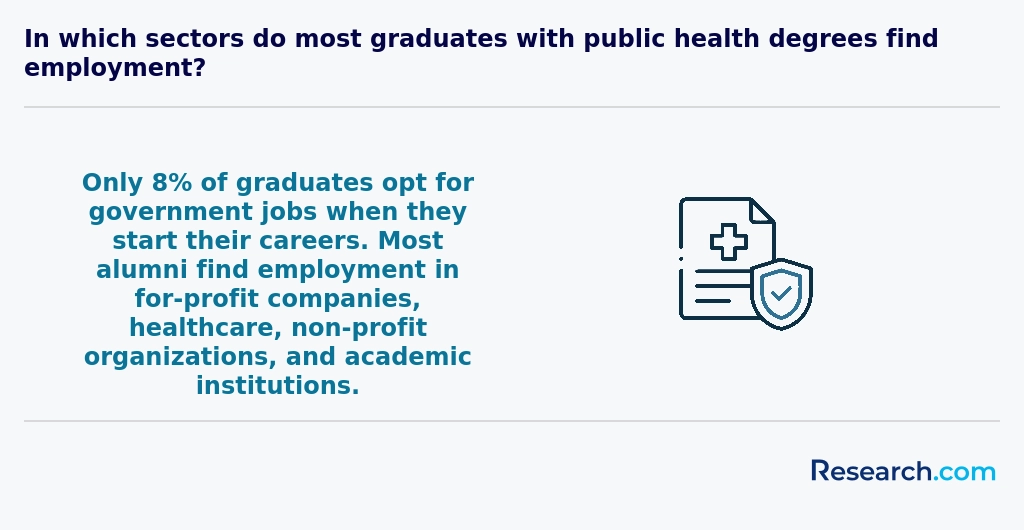
Graduates with a public health degree in Columbia find themselves stepping into roles that defy simple classification. From epidemiologists at the University of South Carolina tracking outbreaks to health educators designing community programs within local non-profits, the diversity of jobs with public health degree Columbia demands a mindset that sees complexity as opportunity, not barrier. These graduates recall working alongside public health advisors in state agencies, navigating real-time health crises while shaping safety regulations for thousands.
Many also embrace positions in health policy analysis, leveraging Columbia's unique status as the state capital to collaborate directly with legislators. Those from local colleges often highlight hands-on experiences influencing public health initiatives that impact millions. Meanwhile, public health administrators thrive in hospital systems, steering programs that improve health outcomes, bearing witness to the tangible effects of their work.
For ambitious students, enrolling in the city's renowned programs offers a gateway to these dynamic career paths, particularly when coupled with options like accelerated bachelor's degree programs that streamline entry into the workforce. The reality is clear: public health career opportunities in Columbia challenge you to transform passion into impactful, real-world change.
The public health job outlook Columbia presents is more dynamic than many anticipate. Graduates from well-regarded universities and colleges in Columbia find themselves welcomed in a marketplace hungry for expertise in epidemiology, community health, and health policy analysis. One graduate shared how internships with city health departments and nonprofits enhanced real-world skills, transforming classroom knowledge into impactful community programs. This illustrates how Columbia's job market isn't just about positions-it's about meaningful roles that influence local public health outcomes.
Columbia public health degree employment spans local government agencies to private sector wellness programs. Salaries starting from $45,000 to over $90,000 for specialized roles reflect a promising trajectory for those dedicated to this path. Students considering their educational investment might explore associates degree online fast options to accelerate their entry while gaining crucial experience. This balanced blend of academic preparation and practical exposure sets Columbia graduates apart in a competitive field, redefining what a public health career can offer.
2027 Most Valuable Public Health Degree Programs Ranking in Columbia
Investing in your education is a significant decision that can shape your future, and the Research.com team understands the importance of making informed choices. To assist prospective students in Columbia, we have meticulously crafted the "2027 Most Valuable Public Health Degree Programs Ranking in Columbia." Our commitment to quality, credibility, and accuracy is reflected in the extensive research and analysis conducted to compile this ranking.
We utilized the following reputable data sources to ensure a comprehensive evaluation of public health programs:
By exploring this ranking, readers will gain valuable insights into the most valuable public health degree programs available in Columbia, enabling them to make well-informed decisions about their educational and professional paths. For more details on our methodology, please visit our Research.com methodology page.

# 2 position
University of South Carolina-Columbia
Master of Public Health in Physical Activity & Public Health
# 3 position
South University-Columbia
Bachelor of Science in Public Health


Frequently Asked Questions About public health
Public health degree students in Columbia can maximize their learning by engaging actively with both academic and practical opportunities. Columbia offers access to leading institutions such as Columbia University Mailman School of Public Health, which emphasizes research and community involvement. Students should seek internships or practicum placements with local health departments or nonprofit organizations to apply classroom knowledge to real-world challenges.
Additionally, participating in seminars and workshops supported by the New York City Department of Health can enhance understanding of urban public health issues. According to the Bureau of Labor Statistics, graduates with practical experience are 20% more likely to secure employment within six months of graduation.
Networking through public health forums and conferences in Columbia also provides exposure to current policy debates and innovations in health equity.
Emerging niches within the public health field reflect the evolving health challenges faced by communities in Columbia and across the United States. One rapidly growing area is health informatics, which blends data science with public health to improve health outcomes through better data management. According to the Bureau of Labor Statistics, jobs in this sector are projected to grow 15% by 2030.
Another key area is environmental health, focusing on how environmental factors influence disease patterns and health disparities. The Columbia Department of Public Health highlights increased interest in climate change's impact on local health.
Additionally, community health advocacy is gaining importance as professionals work to address inequities in access to care, particularly for underserved populations in Columbia's urban and rural areas.
Preparing for the job market after completing a public health degree in Columbia involves a combination of academic focus and practical experience. Graduates should seek internships or volunteer positions with local health departments, nonprofit organizations, or hospitals to gain hands-on skills.
Networking is essential. Joining professional associations such as the American Public Health Association (APHA) can provide mentorship and job leads. Additionally, developing skills in data analysis and epidemiology increases employability in Columbia's public health sector.
According to the Bureau of Labor Statistics, employment for public health professionals is projected to grow 11% from 2020 to 2030 nationwide, indicating strong demand. Staying updated on Columbia's community health needs and policies can help graduates target their job search effectively.
Employers in Columbia highly value public health graduates who demonstrate strong analytical and communication skills. According to the National Public Health Workforce Survey (2023), nearly 78% of employers seek candidates proficient in data analysis and interpretation, essential for addressing local health challenges.
Critical thinking and problem-solving are also crucial, enabling graduates to design effective intervention programs. Collaboration skills remain important, as public health professionals often work within multidisciplinary teams and with community stakeholders.
Additionally, knowledge of health policy and cultural competence is increasingly in demand, reflecting Columbia's diverse population and evolving health landscape. These competencies help graduates contribute effectively to improving public health outcomes statewide.
Finding internships in Columbia for public health students involves a strategic approach leveraging local resources and institutional support. Many universities in Columbia with public health programs maintain partnerships with local health departments, nonprofit organizations, and hospitals. These collaborations often provide structured internship opportunities that give students practical experience.
The Columbia Department of Health Careers and Experiential Learning is an excellent starting point for locating internships tailored to public health. Additionally, statewide organizations such as the Columbia Public Health Association publish listings relevant to student placements.
Students can also explore internships through the official Columbia government website, which posts openings in public health agencies. According to the latest figures from the Columbia Bureau of Labor Statistics, health services internships have grown 12% annually over the past five years, reflecting increased demand for practical training. Networking through university faculty and attending public health career fairs further enhances one's chances of securing a quality internship.
In Columbia, obtaining a public health degree significantly enhances career mobility and advancement opportunities within the health sector. Graduates often find roles in government agencies, nonprofits, and healthcare organizations, where demand for public health professionals continues to grow. According to the U.S. Bureau of Labor Statistics, employment in community health fields in Missouri, where Columbia is located, is projected to grow by about 13% from 2022 to 2032.
Many employers prefer candidates with a Master of Public Health (MPH) or related degrees, correlating with higher salaries and leadership positions. Additionally, certifications like Certified Health Education Specialist (CHES) further improve job prospects locally.
The public health network in Columbia offers internships and practical experience, which are vital for career progression. This hands-on training helps graduates develop skills needed for roles in epidemiology, health policy, and program management.
Studying for a public health degree in Columbia effectively prepares students for interdisciplinary roles by offering a comprehensive curriculum that integrates sciences, social sciences, and policy studies. Programs emphasize collaboration across fields such as epidemiology, biostatistics, health policy, and environmental health. This multidisciplinary approach equips graduates with skills needed to address complex health challenges from multiple perspectives.
Many Columbia-based institutions connect students with local health departments and NGOs, providing practical experience in diverse settings. According to the Association of Schools and Programs of Public Health (ASPPH), over 75% of public health graduates work in cross-sector teams, highlighting the importance of this training. This experiential learning strengthens problem-solving and communication abilities essential for leadership in public health.
Choosing between a thesis and a non-thesis public health degree program in Columbia depends on your career goals and learning preferences. Thesis programs typically involve conducting original research, ideal for students aiming for academic or research careers. These programs can take longer, often requiring 2-3 years, and help develop strong analytical skills.
Non-thesis programs focus on practical skills and coursework, catering to those seeking immediate entry into public health practice or administration. They usually require internships or capstone projects instead of a research thesis.
According to the Council on Education for Public Health, many Columbia programs offer both options to accommodate diverse professional paths.
Students based in Columbia who wish to study public health abroad have several options within the United States. Many US universities offer globally recognized Master of Public Health (MPH) programs that accept international students, including those from Columbia. Top institutions such as Johns Hopkins University and the University of North Carolina provide comprehensive curricula emphasizing epidemiology, biostatistics, and health policy.
Financial aid and scholarships may be available to international applicants, though competition is high. According to the Association of Schools and Programs of Public Health (ASPPH), over 100 accredited US public health schools welcome diverse student bodies, fostering cross-cultural learning.
Additionally, Columbia residents can participate in exchange programs or joint degrees with universities abroad, enhancing their global perspective on public health challenges. Online MPH options from US institutions offer flexible alternatives without the need to relocate.
In Columbia, students pursuing public health degrees have various part-time job opportunities that align well with their academic goals. Working as a community health worker is one common option, offering hands-on experience in health education and outreach. According to the U.S. Bureau of Labor Statistics, this role is projected to grow 17% from 2022 to 2032, reflecting increasing demand.
Other roles include research assistant positions at local universities or public health departments. These jobs help students develop valuable skills in data collection and analysis, supporting public health studies. Additionally, internships with nonprofit organizations focused on health equity frequently provide part-time work that complements classroom learning.
Public health students in Columbia benefit from a variety of networking opportunities that can enhance their career prospects. Many universities in Columbia partner with local health departments and organizations, providing students access to internships and community projects. These practical experiences allow students to engage with professionals and build valuable connections.
Professional associations such as the Columbia Public Health Association offer events, workshops, and conferences where students can meet experts in epidemiology, health policy, and environmental health. Additionally, some programs encourage participation in regional chapters of national bodies like the American Public Health Association (APHA).
Furthermore, Columbia's growing public health sector means students often collaborate with nonprofit organizations and healthcare providers, expanding their networks through multidisciplinary teamwork. According to recent surveys, over 70% of public health graduates from Columbia institutions find jobs via networking activities during their studies.
Alumni networks offer significant benefits for public health degree students in Columbia by providing access to professional connections across local and national health organizations. These networks facilitate mentoring opportunities, which are critical for career guidance and skill development in a competitive job market.
According to data from the Association of Schools and Programs of Public Health (ASPPH), 75% of recent graduates found their first job through alumni referrals or networking events.
Students can attend exclusive alumni workshops and seminars, enhancing their understanding of current public health challenges and innovations. This connection also opens pathways to internships and research projects, essential for practical experience.
By leveraging alumni ties, students in Columbia can build a strong professional foundation, increasing their chances of employment in prominent institutions such as the Centers for Disease Control and Prevention (CDC) and local health departments.
Customizing a public health degree program in Columbia to fit your career goals is possible through several flexible options offered by universities. Many institutions allow students to choose specialized concentrations such as epidemiology, health policy, or community health, aligning education with professional interests.
Additionally, you can select elective courses that target specific skills like biostatistics or environmental health. Participating in internships or practicums within local health departments or organizations in Columbia provides practical experience relevant to your desired career path.
Online and part-time study options also offer flexibility if you need to balance education with work. The U.S. Bureau of Labor Statistics projects a 17% growth in public health jobs through 2030, making tailored education increasingly valuable.
Public health students in Columbia often face significant challenges balancing rigorous coursework with fieldwork demands. Many programs require students to complete community-based projects, which can be time-consuming alongside academic responsibilities. According to a 2023 report by the Association of Schools and Programs of Public Health (ASPPH), nearly 40% of public health students nationally report difficulty managing practical experience and study time.
Financial strain is another common issue. Public health degrees can be costly, and while Columbia offers some scholarships, funding remains limited relative to demand. This financial pressure can affect students' ability to focus fully on their studies.
Additionally, students may struggle with adapting to the interdisciplinary nature of public health education, which integrates biology, social sciences, and policy-skills not all students possess initially. This can delay academic progress for some.
With a public health degree, graduates in Columbia can pursue several professional certifications to enhance their careers and credibility. One of the most recognized is the Certified in Public Health (CPH) credential offered by the National Board of Public Health Examiners. This certification demonstrates mastery of core public health knowledge and skills.
Another valuable certification is the Certified Health Education Specialist (CHES), which focuses on health promotion and education practices. Additionally, depending on specialization, professionals might obtain certifications like Certified Epidemiologist or certifications in public health informatics.
These credentials often improve job prospects in public health departments, hospitals, and nonprofits across Columbia.
Writing a winning application for a public health program in Columbia requires clear demonstration of your passion and relevant experience. Begin by highlighting your academic background emphasizing courses in biology, epidemiology, or health sciences. Strong letters of recommendation, ideally from professors or supervisors familiar with your work in public health settings, add significant value.
Many programs look for applicants with practical experience such as internships or volunteer work in health organizations. According to the Columbia Department of Public Health, candidates with applied experience have a 25% higher chance of admission.
Craft a compelling personal statement that explains your motivation and career goals within public health, focusing on how you aim to impact Columbia's community health challenges.
Make sure to meet all application deadlines and submit standardized test scores if required, such as the GRE.
Public health careers increasingly emphasize a global perspective, reflecting interconnected challenges like pandemics, environmental health, and health equity. Graduates from Columbia's public health programs often engage in international work, supported by the university's strong global health research initiatives.
The U.S. Bureau of Labor Statistics projects a 17% growth for public health jobs through 2030, many involving global health policy, epidemiology, and community outreach. Columbia's location in New York City also offers proximity to international organizations, fostering a practical understanding of global health dynamics.
Understanding global health trends improves readiness to address diverse populations and cross-border health issues, a valuable skill emphasized in public health curricula nationwide.
Gaining practical experience is essential while studying for a public health degree in Columbia. Many universities encourage internships with local health departments and community organizations, allowing students to apply classroom knowledge directly. For example, Columbia's Department of Public Health collaborates with area hospitals and government agencies to offer internship placements.
Additionally, research assistant positions provide hands-on experience in epidemiology, biostatistics, and health policy. Students often work on projects related to Columbia's ongoing public health challenges, such as opioid addiction and chronic disease management. According to the Association of Schools and Programs of Public Health, over 70% of public health students nationwide secure internships before graduation, which significantly boosts employment prospects.
Choosing the right concentration within a public health degree program in Columbia depends on your career goals and local health priorities. Columbia's public health challenges often include chronic disease management, environmental health, and community health equity, reflecting data from the Columbia Department of Public Health (CDPH) 2023 report.
Consider concentrations such as Epidemiology if you enjoy data analysis or Health Policy if you want to influence local healthcare systems. Environmental Health is another growing field due to urbanization impacts highlighted by CDPH. Research program curriculum to see if it aligns with the Columbia workforce needs and your interests.
Internships and practicum opportunities in Columbia-area health organizations can provide practical experience to inform your decision.
- 2027 Most Valuable Public Health Degree Programs Ranking in Charlotte
- 2027 Most Valuable Public Health Degree Programs Ranking in Statesboro
- 2027 Most Valuable Public Health Degree Programs Ranking in Savannah
- 2027 Most Valuable Public Health Degree Programs Ranking in Athens
- 2027 Most Valuable Public Health Degree Programs Ranking in Greensboro
- 2027 Most Valuable Public Health Degree Programs Ranking in Chapel Hill
- 2027 Most Valuable Public Health Degree Programs Ranking in Atlanta
- 2027 Most Valuable Public Health Degree Programs Ranking in Gainesville
- 2027 Most Valuable Public Health Degree Programs Ranking in Tallahassee
- 2027 Most Valuable Public Health Degree Programs Ranking in Birmingham
- What do you learn in a bachelor's in public health? | edX https://www.edx.org/resources/what-do-you-learn-in-a-bachelors-in-public-health
- Know more about thesis vs non- thesis: what is the difference? https://studyfans.com/en/blogs/816
- The Networking Guide for Public Health Professionals https://www.publichealthdegrees.org/resources/professional-networking/
- Public Health/Global perspective - Wikiversity https://en.wikiversity.org/wiki/Public_Health/Global_perspective
- How to carve a niche in your public health career | PH SPOT https://phspot.org/carvinganiche/
- APHA Internships & Fellowships https://www.apha.org/professional-development/apha-internships
- The Interdisciplinary Nature of Public Health https://www.cune.edu/news/interdisciplinary-nature-public-health
- How to Get Your First Public Health Job - PHERN https://phern.communitycommons.org/early-career-professional-learning-series/how-to-get-your-first-public-health-job/
- Pre-Professional Health Experience Guide | PublicHealthOnline.org https://www.publichealthonline.org/pre-professional-experience/
- Medical University of GdaÅsk https://publichealth.mug.edu.pl/











