
2027 Most Valuable Online Public Health Degree Programs Ranking in Michigan

Co-Founder and Chief Data Scientist
Choosing the right online public health degree program in Michigan can shape your future in meaningful ways. This article introduces the 2027 Most Valuable Online Public Health Degree Programs Ranking in Michigan, developed by Research.com's skilled data scientists.
Designed to guide you through your options, the ranking highlights programs that offer strong value and career potential. Whether you want to make a difference in your community or advance your career, this resource helps you focus on the best choices available.
Investing in a public health degree can open doors to exciting opportunities and lasting impact.
Key benefits of getting online public health degree in Michigan
- Graduates with a public health degree in Michigan can earn competitive salaries such as $52,610 annually for Community Health Workers and up to $86,710 for Environmental Health Specialists, reflecting strong financial potential in this field.
- Career paths include roles like Health Educator or Occupational Health and Safety Specialist, offering diverse opportunities to impact community wellbeing and workplace safety.
- Completing a public health degree online from a respected Michigan university allows for flexible scheduling and the ability to balance education with work or family, making it a convenient and empowering option.
- 2027 Most Valuable Online Public Health Degree Programs Ranking in Michigan
- What can I expect from online public health degree in Michigan?
- Where can I work with online public health degree in Michigan?
What can I expect from online public health degree in Michigan?
The average cost of an online public health degree in Michigan varies by institution but typically ranges between $15,000 and $35,000 for a bachelor's program. For example, graduates from well-regarded universities in Michigan often report tuition fees near the state average, balanced by financial aid options and scholarships designed to alleviate the financial burden. Many students appreciate the affordability of programs offered by public universities compared to private institutions, allowing them to pursue education without excessive debt.
Students frequently emphasize the value of flexible payment plans and the ability to maintain full- or part-time jobs while studying online. This financial flexibility is especially important for those supporting families or managing other responsibilities. Graduates often recall how managing tuition costs alongside work commitments made their education feel both accessible and practical in real-life settings.
Such cost considerations are crucial given Michigan's public health workforce demand, where investing in an online degree from institutions known for strong ties to local health departments or community health initiatives feels like a smart, forward-thinking choice for career-oriented students.
Where can I work with online public health degree in Michigan?
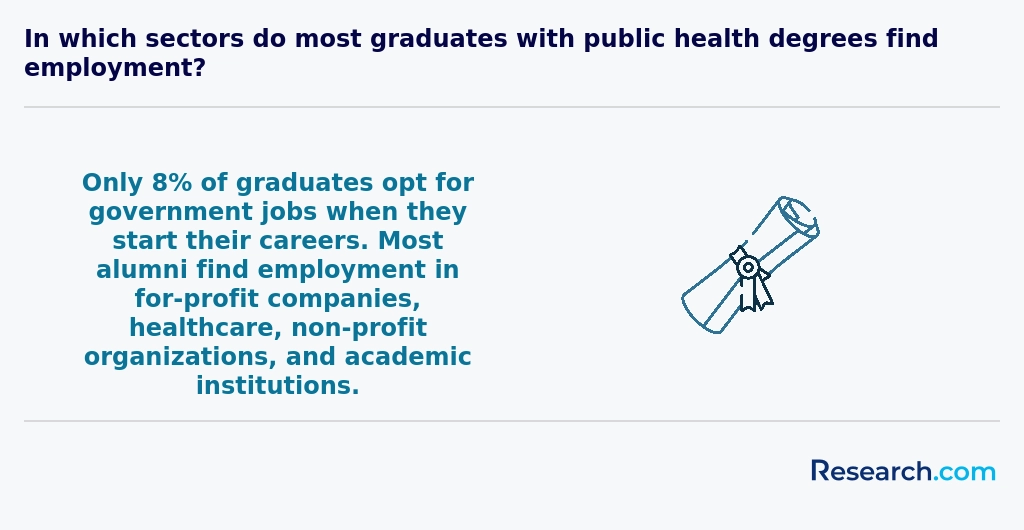
Graduates with an online public health degree in Michigan frequently secure roles in government agencies such as the Michigan Department of Health and Human Services, where they manage public health initiatives impacting over 10 million residents. Alumni from institutions like the University of Michigan and Wayne State University report rewarding careers in infectious disease control and emergency preparedness, applying their skills directly to statewide programs.
Hospitals and healthcare systems, including the University of Michigan Health System and Henry Ford Health System, employ many graduates in epidemiology, health policy analysis, and patient education. With over 600,000 jobs generated by Michigan's healthcare sector in 2023, graduates often express confidence in finding meaningful work.
Nonprofits focused on chronic disease prevention and health equity also attract graduates. Partnerships between these organizations and tribal health services or schools offer roles that combine community engagement with public health knowledge.
The private sector, particularly in automotive and manufacturing industries, hires graduates for occupational health and wellness program development, providing fulfilling opportunities for those interested in corporate health management. Job growth in Michigan's public health sector is projected at 15% over the next decade, instilling optimism among students for a stable career path.
Graduates holding an online public health degree in Michigan can anticipate a range of earnings reflective of their chosen career paths. For instance, community health workers in Michigan earn a mean annual wage of approximately $52,610, positioning them well above entry-level expectations. Health educators, who often graduate from programs at institutions like the University of Michigan or Wayne State University, report a higher mean wage near $69,790, aligning with their crucial roles in community outreach and education.
Entry-level graduates employed as medical assistants may see starting salaries around $43,350, which some find a helpful stepping stone while pursuing further education or certification. More specialized positions, such as environmental health specialists and occupational health and safety specialists, command mean annual wages of $86,710 and $85,570 respectively, representing rewarding careers for those with advanced degrees or focused training.
Michigan graduates frequently express optimism about their earning prospects, especially when balancing full-time work with online studies. Universities known for flexible public health programs enable students to achieve career advancement while managing personal commitments, highlighting the tangible benefits of pursuing these degrees locally but online.
- Michigan offers several accredited online public health degree programs suitable for working professionals with flexible and asynchronous coursework.
- The cost for a bachelor's degree ranges from $15,000 to $30,000, while master's degrees cost between $20,000 and $40,000, often reflecting in-state tuition rates.
- Public health jobs in Michigan are growing at about 10% over the next decade, with key roles including epidemiologists and health educators.
- Entry-level salaries average around $50,000 annually, while experienced professionals can earn over $75,000 per year.
- Licensure and certification support is available through many programs, helping graduates qualify for specific public health positions in Michigan.
Completing an online public health degree in Michigan varies by level and enrollment status. Bachelor's degree students at institutions like the University of Michigan-Flint or Wayne State University typically finish in about four years of full-time study. Graduates often appreciate the balance these programs offer, enabling them to maintain jobs or family commitments while progressing steadily.
For master's degrees, such as the Master of Public Health (MPH) offered online by Michigan State University, completion ranges from 18 months to three years. Alumni report satisfaction with flexible scheduling that accommodates work-life balance, noting that program requirements-usually 42 to 48 credit hours-fit well around professional obligations. Many find they can accelerate their studies if they transfer previous graduate credits.
Doctoral programs, including online or hybrid PhD options through Michigan's research universities, take three to five years due to comprehensive coursework and dissertation demands. Graduates describe a challenging but rewarding journey that enables leadership preparation in public health fields across the state.
Key factors influencing duration include full- or part-time enrollment, transfer credits, and program structure. These details shape a personalized timeline adapted to busy Michigan students' lives.
Pursuing an online public health degree requires strategic planning, active engagement, and a proactive mindset to turn your education into tangible career success. Drawing on insights from experienced professionals and successful alumni, here are key tips to help you maximize your online learning journey: • Plan and Prioritize: Create a structured study schedule that accommodates asynchronous course elements while leaving room for interactive sessions, group projects, and fieldwork. Setting clear goals and time management strategies can enhance retention and reduce stress during peak periods. • Engage Actively: Even in a virtual environment, networking is invaluable. Participate in discussion forums and virtual study groups, and take advantage of online career services. These activities not only reinforce your understanding of complex public health concepts but also build lasting professional relationships that can lead to mentorship and future job opportunities. • Utilize Academic and Technical Support: Most institutions offer one-on-one tutoring, academic advising, and tech support specifically for online students. Proactively seek these resources to resolve course challenges and tailor your learning experience. • Apply Real-World Experience: Incorporate practical applications into your study routine. Look for volunteer projects or internships that allow you to apply classroom theories to community health issues and public policy initiatives. This hands-on experience can greatly expand your professional portfolio. • Explore Program Options: Alongside your current research, consider comparing costs, specialization opportunities, and support services. For more insights on cost-effective educational choices, visit our page on affordable public health programs in michigan. By following these strategies and leveraging available resources, you can thrive in your online public health program and build a robust foundation for a successful career in this dynamic field.
Online and on-campus public health degrees in Michigan differ mainly in delivery, interaction, and cost. Online programs from institutions like the University of Michigan and Central Michigan University provide flexibility highly valued by working professionals managing jobs or family. Graduates often share that participating in virtual lectures and discussions demands strong self-motivation but allows learning at convenient times without commuting. Conversely, on-campus students at schools such as Michigan State University benefit from face-to-face interaction, immediate feedback, and networking opportunities, which many find invigorating for developing relationships with faculty and peers.
Cost differences are notable; for example, Michigan State University's online Master of Public Health generally reduces expenses related to housing and commuting, with average tuition for in-state public universities around $11,000 yearly. Both delivery methods require practical fieldwork-online students coordinate internships locally, supported by advisors, while on-campus students often leverage university connections for placements. Overall, these differences highlight how Michigan's programs adapt to diverse student needs and lifestyles.
- Council on Education for Public Health (CEPH) accreditation guarantees programs meet national public health curriculum benchmarks and eligibility for federal aid.
- Regional accreditation (e.g., Higher Learning Commission) ensures credits transfer smoothly and degrees are widely recognized by employers and graduate schools.
- State authorization confirms programs comply with Michigan regulations and allows out-of-state enrollment where approved.
- Consider additional credentials like a medical billing and coding certification to broaden your skill set and marketability.
The average cost of an online public health degree in Michigan tends to vary significantly depending on the institution and residency status. For many students, especially those attending popular universities that offer online formats, the median total cost of completing a public health degree hovers around $32,433. Graduates often recall managing tuition costs alongside balancing work and family, making timely degree completion a priority to minimize expenses.
In Michigan, online public health bachelor's programs usually range between $8,000 and $20,000 annually, influenced by whether the school is public or private and if the student qualifies for in-state tuition. Graduate degrees, such as the Master of Public Health, generally cost more, often falling between $15,000 and $25,000 per year for in-state learners. Many students find these prices reasonable compared to the national averages, and some appreciate that the state's schools offer accelerated or fully online options that help reduce the overall financial burden.
Affordability remains a key concern for prospective students, but numerous alumni share that scholarships, employer tuition assistance, and financial aid often ease the cost pressures. Those exploring affordable public health degree programs Michigan-wide may find it useful to consult official resources and consider schools with flexible payment plans or reduced rates for online enrollment. More detailed information can be found by reviewing affordable public health programs in michigan.

Investing in an online public health degree in Michigan can yield substantial returns, both in terms of salary growth and career advancement. By comparing average program costs with post‐graduation earnings, prospective students can gauge their payback period and long‐term earning potential.
• Average Total Cost vs. Median Starting Salary: With median tuition costs ranging between $21,000 and $50,400 and entry‐level salaries starting around $49,900 for Community Health Workers, most graduates recoup their investment within 2–4 years of full‐time employment.
• Top Earning Specialties: Roles such as Epidemiologist and Environmental Health Specialist command mean annual wages of $70,000–$85,000, shortening the ROI timeline and offering a clear path to senior leadership positions.
• Career Growth Projections: The Bureau of Labor Statistics projects a 13% growth in public health occupations through 2031, outpacing average job market growth and indicating strong demand for skilled professionals.
For those aiming to maximize their earnings, identifying high‐paying roles early on is critical. Explore our guide to the industry’s highest-paying positions in public health and discover how specialized credentials can accelerate your career: masters in public health jobs.
Students enrolled in online public health degree programs in Michigan benefit from a range of financial aid options that alleviate tuition expenses. For example, graduates from the University of Michigan online programs often utilize federal aid through the Free Application for Federal Student Aid (FAFSA), unlocking Pell Grants up to $7,395 for undergraduates and federal loans with fixed interest rates for graduate studies. These resources significantly reduce upfront costs and enable manageable repayment plans.
State-specific programs like the Michigan Competitive Scholarship provide additional targeted support, especially for those attending public universities such as Michigan State University. Many recipients report this aid as crucial during their early academic years, easing financial stress and allowing focus on coursework.
Institutional scholarships further enhance affordability, with several Michigan universities offering awards tailored for public health students, including online learners. Employer tuition reimbursement programs also play a key role, particularly for working professionals in healthcare, reflecting a real-world investment in workforce development.
Professional organizations, such as the Michigan Public Health Association, offer scholarships and travel grants, which many students pursue to offset continuing education costs and deepen community engagement.
Elevate your online public health degree with targeted credentials and ongoing training that validate expertise and expand career options:
- Certified in Public Health (CPH) by the National Board of Public Health Examiners, demonstrating mastery in epidemiology, health policy and program planning
- Certified Health Education Specialist (CHES) from NCHEC, deepening skills in community outreach, needs assessment and health promotion
- Project Management Professional (PMP) to sharpen leadership in public health projects and large-scale program coordination
- Consider specialized credentials like medical billing and coding certification to broaden roles in healthcare administration and data management
- Enroll in micro-credentials or workshops on data analytics, GIS mapping and emergency preparedness to stay ahead of evolving public health challenges
Enrollment in online public health degree programs in Michigan typically requires applicants to meet specific academic prerequisites ensuring readiness for rigorous study. For undergraduate degrees, students usually need a high school diploma or GED, with minimum GPAs between 2.5 and 3.0. For graduate programs like the MPH, a bachelor's degree from an accredited institution is essential, though it may be in diverse fields such as biology or social sciences, as seen at institutions like the University of Michigan and Michigan State University.
Graduates often reflect on the importance of submitting strong applications, including official transcripts, at least two letters of recommendation, and a resume outlining relevant healthcare or community service experience. Many recall how articulating their career goals in a clear statement of purpose helped admission committees understand their passion for public health.
While some Michigan programs still recommend standardized tests like the GRE, the trend is shifting toward more flexible admissions, which has been encouraging for students balancing work and family commitments.
Technical readiness-such as reliable internet and familiarity with online platforms-is also a common expectation, with universities offering orientations to support students' smooth transition to remote learning.
Many Michigan public health graduates enhance their credentials and stay competitive by pursuing certifications and lifelong learning:
- Certified in Public Health (CPH) – validates mastery of core public health domains
- Certified Health Education Specialist (CHES) – essential for community outreach and education roles
- Lean Six Sigma Green Belt – builds quality improvement and process management skills
- For healthcare administration and billing careers, explore medical billing and coding certification online to gain expertise in coding systems and reimbursement
Engaging in webinars, workshops and professional association events keeps knowledge fresh and aligned with evolving public health priorities.
Online public health degree programs in Michigan consistently feature courses designed to build practical, data-driven skills relevant to the state's public health landscape. Graduates from prominent institutions such as the University of Michigan and Michigan State University often highlight foundational coursework like Introduction to Public Health, which frames Michigan's unique health challenges through historical and contemporary lenses.
Students develop epidemiological analysis skills essential for understanding disease trends, a critical need given Michigan's ongoing efforts to manage chronic illnesses and infectious outbreaks. Courses in Biostatistics empower learners to interpret complex health data, aligning with statewide initiatives that depend heavily on accurate public health metrics.
Practical applications come alive in classes like Health Policy and Management and Environmental Health, where students simulate policy formulation and address issues such as water quality-a significant concern in Michigan's communities. Graduates report that Community Health Assessment projects, tailored to urban and rural populations, foster a sense of real-world impact and community connection.
Online public health degree specializations Michigan students encounter typically include Epidemiology, Health Education and Promotion, Global Health, Environmental Health, and Health Policy and Management. These focus areas reflect Michigan's unique public health landscape, such as the emphasis on Epidemiology for tracking disease outbreaks, highlighted during the COVID-19 response. Graduates from popular universities across Michigan appreciate how these specializations offer applicable skills to real-world challenges, like addressing the 7.3% uninsured adult population through Health Education and Promotion initiatives.
Many students pursuing Michigan public health degree focus areas benefit from programs aligned with national CEPH standards, which helps maintain rigorous and relevant curricula. Environmental Health specialization resonates particularly well given Michigan's freshwater resources and industrial background, preparing students for vital roles in environmental risk management. Encouragingly, students find that this specialized training opens doors for leadership in healthcare administration and policy development.
Those interested in advancing their careers can explore masters in public health jobs that directly relate to these specializations, reflecting the practical value of these degree programs for Michigan's healthcare workforce.
Selecting the best online public health degree Michigan offers requires evaluating accreditation, program format, and cost. Graduates from well-known Michigan universities emphasize the value of CEPH-accredited programs, which signal strong curriculum standards and boost job prospects. For instance, alumni from programs with a mix of synchronous and asynchronous courses appreciate the flexibility, especially when balancing work and studies.
Considering affordable public health programs Michigan options is essential. Many in-state students benefit from tuition rates around $10,000 annually, making degrees from public universities accessible. Graduates frequently mention receiving financial aid or employer tuition assistance, which significantly eases the financial burden. Additionally, practical components like internships often integrate smoothly into an online format without demanding frequent campus visits.
Career support is another critical factor. Successful graduates report how resume workshops, job placement aid, and active alumni networks at Michigan institutions gave them a strong start in expanding fields such as community health initiatives. Students often explore fast degree college options for working adults, enhancing their chances for timely completion while managing careers.

Graduates holding an online public health degree in Michigan gain access to diverse job opportunities across the state's expanding health sector. Popular career paths include epidemiologists, who analyze disease patterns and earn a median wage near $75,000 nationwide, with more competitive salaries in metropolitan areas like Detroit and Ann Arbor. Health educator or community health worker roles are growing rapidly-around 8% annually-helping communities promote healthier lifestyles through programs in government agencies and nonprofits.
Public health degree job opportunities Michigan also extend to health policy analysts and public health administrators managing large-scale programs aimed at challenges like opioid abuse. Graduates from institutions such as the University of Michigan often report feeling optimistic about contributing to impactful policy changes while enjoying flexible online study formats. Others pursue roles as biostatisticians, environmental health specialists, or occupational health experts, reflecting Michigan's industrial diversity.
For students considering their educational investment, many find that in-state tuition rates at public universities make online public health programs a feasible option, balancing cost and career potential. Those exploring easy online degrees that pay well can find practical benefits in this field's expanding prospects statewide.
The job market for online public health degree jobs Michigan graduates is robust, driven by the state's sustained focus on community health and preventive care. Urban centers like Detroit and Grand Rapids consistently show demand for professionals in epidemiology, health education, and health services management. Graduates from universities such as the University of Michigan and Michigan State University report finding rewarding roles supporting local health departments and non-profits, often working remotely or in community settings where their skills have high impact.
Michigan's public health career outlook online includes a projected employment growth rate of about 15% from 2022 to 2032, exceeding national averages. This reflects ongoing investments in pandemic response, chronic disease management, and health equity initiatives. Entry- to mid-level salaries generally range from $50,000 to $80,000, with advanced degrees opening doors to higher compensation, particularly in policy and epidemiology roles.
Many graduates appreciate the flexible training offered by accredited online programs, which prepare them for interdisciplinary work. For those interested in further advancing their academic credentials, institutions in Michigan also promote online doctoral programs without dissertation, enabling continued professional growth.
2027 Most Valuable Online Public Health Degree Programs Ranking in Michigan
Investing in your education is a significant decision that can shape your future, and the Research.com team understands the importance of making informed choices. To assist prospective students in Michigan, we have meticulously developed the "2027 Most Valuable Online Public Health Degree Programs Ranking in Michigan." Our commitment to quality, credibility, and accuracy is reflected in the thorough research and analysis conducted to compile this ranking.
We utilized the following reputable data sources to ensure a comprehensive evaluation of public health programs:
By exploring this ranking, readers will gain valuable insights into the most valuable online public health degree programs available in Michigan, empowering them to make well-informed decisions about their educational future. For more details on our methodology, please visit our Research.com methodology page.


Frequently Asked Questions About public health
Students pursuing online public health degrees in Michigan can maximize their learning by engaging actively with their coursework and available resources. Many Michigan universities offer virtual study groups and webinars that connect students with peers and faculty experts, enhancing collaboration despite physical distance. Utilizing Michigan's public health data from the Department of Health and Human Services helps students apply concepts to local community health challenges.
Internships with Michigan health organizations provide practical experience, critical for understanding real-world issues. According to the Michigan Public Health Institute, experiential learning increases job readiness by 40%. Furthermore, maintaining regular communication with advisors ensures timely academic guidance and career planning specific to Michigan's public health needs.
The public health field is rapidly evolving, with emerging niches offering new career paths for online degree students in Michigan. One key area is health informatics, focusing on using data to improve health care delivery and outcomes. Michigan's growing tech industry boosts demand for professionals skilled in managing health information systems. Another niche is environmental health, addressing challenges from pollution to climate change impacts on communities, particularly in industrial regions like Detroit.
There is also increasing attention on health equity and social determinants, aiming to reduce disparities among Michigan's diverse populations. Public health professionals specializing in policy and community advocacy are crucial for advancing these goals. According to the Michigan Public Health Institute, jobs in these niches are expected to grow by 10% through 2030, reflecting a dynamic and expanding field.
Graduates with an online public health degree in Michigan can strengthen their job prospects by gaining practical experience during studies. Internships or volunteer opportunities in local health departments or non-profits improve real-world skills. Networking with Michigan public health professionals, including through organizations like the Michigan Public Health Association, helps access job leads and mentorship.
It is also essential to stay current with public health trends in Michigan, such as addressing chronic diseases and health disparities, which the Michigan Department of Health and Human Services highlights in reports. Certification, like the Certified Health Education Specialist (CHES), can further validate expertise. Tailoring resumes and interview preparation to local health challenges demonstrates readiness for Michigan employers.
Employers in Michigan highly value public health graduates who possess strong analytical and communication skills. The ability to interpret health data and convey findings clearly is essential for addressing community health challenges across the state.
Proficiency in epidemiology and biostatistics is particularly important, as Michigan faces ongoing concerns related to chronic diseases and environmental health. The Michigan Department of Health and Human Services highlights the growing need for professionals skilled in data analysis to support evidence-based decision-making.
Furthermore, cultural competence and community engagement skills are critical, given Michigan's diverse populations. Employers expect graduates to work effectively with varied groups to promote health equity and design suitable interventions.
Knowledge of public health policy and program management also ranks high, preparing graduates to navigate Michigan's healthcare systems and contribute to policy development aimed at improving statewide health outcomes.
Finding internships in Michigan relevant to a public health degree involves exploring state and local health departments, hospitals, and nonprofit organizations. The Michigan Department of Health and Human Services (MDHHS) offers internship opportunities focused on community health, epidemiology, and health education, which are valuable for gaining practical experience.
Universities with public health programs often maintain partnerships with regional health agencies and provide internship listings for their students. Websites like Handshake or Michigan Works! can also help locate internships in public health fields.
According to the U.S. Bureau of Labor Statistics, Michigan employs over 7,000 public health professionals, ensuring a range of internship possibilities throughout the state.
Obtaining an online public health degree in Michigan significantly enhances career mobility and advancement opportunities. The state's growing public health sector, supported by Michigan's Department of Health and Human Services, increasingly demands skilled professionals in areas such as epidemiology, health education, and community health.
According to the Bureau of Labor Statistics, Michigan's employment of public health educators is expected to grow by 11% from 2022 to 2032, faster than the national average. An online degree offers flexible access to accredited programs, enabling professionals to gain necessary credentials without relocating.
Advanced degrees in public health commonly lead to leadership roles and higher earning potential within healthcare agencies, nonprofits, and government organizations. Credentials such as a Master of Public Health (MPH) are often required for supervisory positions in Michigan's health departments.
Online programs also provide networking opportunities with local professionals and Michigan-specific public health challenges, which can improve job prospects and career progression within the state's diverse health system.
Studying for an online public health degree in Michigan equips students with skills to work across multiple sectors. Programs emphasize collaboration among healthcare, environmental science, policy, and social services. This interdisciplinary approach mirrors real-world public health challenges, requiring teamwork across professions.
Michigan's public health degrees often include coursework in epidemiology, biostatistics, health policy, and community health, ensuring students gain broad expertise. Many programs engage with local health departments and organizations, offering practical experience.
According to the Michigan Public Health Institute, interdisciplinary skills improve job readiness and adaptability in a state with diverse health issues, including chronic diseases and environmental concerns. This training prepares graduates for roles in government, nonprofits, and healthcare settings.
Choosing between a thesis and a non-thesis online public health degree program in Michigan depends on your career goals and preferences. A thesis option suits students interested in research or pursuing a doctoral degree, as it involves conducting original research and writing a formal paper. Michigan's emphasis on evidence-based public health practices makes this approach valuable for academic advancement.
Alternatively, a non-thesis program typically focuses on practical skills through coursework and a capstone project. This path suits professionals aiming for leadership roles in public health agencies or organizations such as the Michigan Department of Health and Human Services. According to the Michigan Center for Public Health Workforce Development, hands-on experience is highly valued in the local job market.
Consider the time commitment, as thesis programs often require more months to complete. Also, examine available online programs accredited by CEPH to ensure quality education tailored to Michigan's public health landscape.
Students based in Michigan interested in studying public health abroad through online programs have several options. Many Michigan universities with public health degrees offer global learning components, including virtual international internships and study-abroad partnerships. According to the Michigan Public Health Alliance, these programs often incorporate global health perspectives, important for careers addressing worldwide health issues.
While fully remote global public health degrees are less common, students can explore hybrid options combining online coursework with short-term international experiences. Universities may also collaborate with global institutions to allow credit transfer or dual-degree options, benefiting students seeking broader exposure.
Prospective learners should consult the Council on Education for Public Health (CEPH) and Michigan's public health schools for accredited programs incorporating international study opportunities.
In Michigan, part-time jobs that align well with an online public health degree include roles as health educators, community outreach coordinators, and research assistants. These positions provide practical experience while allowing flexible hours for students. According to the Michigan Department of Health and Human Services, community health roles are growing by approximately 5% annually, reflecting increased demand for public health professionals.
Positions in local health departments often involve data collection and health promotion, helping students apply classroom knowledge to real-world settings. Additionally, internships or part-time roles with organizations like the Michigan Public Health Institute offer exposure to public health policy and program evaluation.
These jobs support skill development in communication, epidemiology basics, and health advocacy-key areas emphasized in public health education nationwide.
Online public health students in Michigan benefit from various networking opportunities designed to connect them with professionals and peers. Universities often provide virtual career fairs and alumni events, which foster valuable relationships within the public health sector. Many programs encourage involvement with local chapters of national organizations such as the American Public Health Association (APHA), which has active Michigan affiliates.
State health departments and community health organizations frequently host webinars and public forums accessible to students, offering insights into regional health challenges and job openings. According to the Michigan Public Health Institute, these engagements can significantly enhance students' professional networks. Online platforms also support student-led discussion groups and mentorship programs, expanding access despite geographic distance.
Alumni networks play a crucial role for students pursuing online public health degrees in Michigan. These networks provide valuable opportunities for mentorship, career guidance, and professional connections within the state's growing health sector. According to the Michigan Public Health Institute, collaborative efforts and networking significantly boost employment outcomes for graduates.
Students can tap into alumni experiences to navigate public health roles in Michigan's diverse industries, including government agencies and nonprofit organizations. Networking events and online platforms foster job referrals and internships, which are essential for career entry and advancement.
Given Michigan's emphasis on community health and preventive care, staying connected through alumni networks helps students remain informed about local public health challenges and innovations. This ongoing support enhances both educational and professional development.
Online public health degree programs in Michigan offer flexibility to tailor your studies according to your career goals. Many universities allow students to choose concentrations such as epidemiology, health policy, community health, or environmental health. These specializations help you focus on areas with high demand; for example, Michigan's growing healthcare sector emphasizes epidemiology and chronic disease management, as reported by the Michigan Department of Health and Human Services.
Additionally, programs often feature elective courses or certificate options, enabling further customization. Practical experience through online internships or capstone projects is commonly available, aligning with specific career interests. This approach supports a targeted skill set that meets local and national public health needs.
Online public health students in Michigan often face challenges related to balancing coursework with personal and professional responsibilities. Many students are working adults who must manage time effectively to meet deadlines. Connectivity and technology issues can also impede learning, especially in rural areas where internet access is less reliable, according to the Michigan Department of Health and Human Services.
Another challenge is obtaining meaningful practicum or field experience remotely, which is crucial for public health degrees. Securing quality local placements can be difficult due to limited partnerships in smaller communities. Additionally, navigating diverse state and federal public health regulations adds complexity for students planning careers in Michigan's evolving health landscape.
With an online public health degree, Michigan students can pursue several professional certifications to advance their careers. One widely recognized credential is the Certified in Public Health (CPH) offered by the National Board of Public Health Examiners. This certification demonstrates mastery of core public health knowledge and skills.
Another important option is the Health Education Specialist Certification (CHES), which is valuable for those focusing on community health promotion. Michigan's growing public health sector supports demand for such certified professionals to address local health challenges.
For those interested in epidemiology or environmental health, certifications like the Certified Public Health Administrator (CPHA) or Registered Environmental Health Specialist (REHS) can broaden career opportunities. According to the Michigan Public Health Institute, certified practitioners are more competitive in roles tied to Michigan's public health system improvements.
Applying to an online public health program in Michigan requires clear focus and preparation. Start by researching accredited programs recognized by the Council on Education for Public Health (CEPH), as accreditation ensures quality education and better job prospects.
Highlight your motivation and commitment in your personal statement. Michigan's public health challenges, like addressing disparities in urban areas such as Detroit, make it valuable to show awareness of local issues and how you aim to contribute solutions.
Include relevant work or volunteer experience, especially in community health or epidemiology, to strengthen your application. Strong letters of recommendation from professionals experienced in public health are essential.
Finally, ensure your transcripts reflect a solid academic background and meet program prerequisites. According to Michigan's Department of Health and Human Services, a growing demand for public health graduates makes a well-crafted application especially important.
The global perspective on a public health career is increasingly shaped by challenges like pandemics, chronic diseases, and health equity. Public health professionals with online degrees from Michigan benefit from a strong U.S. education framework while preparing to address worldwide concerns.
Michigan's public health programs emphasize global health competencies, reflecting the interconnected nature of health issues today. According to the CDC, Michigan actively participates in global disease monitoring, linking local efforts to international health security.
Professionals in this field often work in settings ranging from local agencies to international organizations such as the World Health Organization, reflecting the broad reach of public health careers.
Graduates with online degrees from Michigan are thus equipped to impact health outcomes not only statewide but also globally, aligning with growing demand for culturally competent and adaptive public health experts.
Gaining practical experience is essential when studying for an online public health degree in Michigan. Many programs require or encourage internships, allowing students to work directly with local health departments, hospitals, or community organizations. For example, the Michigan Department of Health and Human Services offers internship opportunities that expose students to state-wide public health initiatives.
Additionally, some universities partner with local agencies to provide remote practicum placements. This approach is particularly beneficial for online students balancing work or family commitments. According to the Bureau of Labor Statistics, Michigan's public health sector is expected to grow 10% by 2030, increasing demand for practical skills. Engaging in research projects or volunteering with non-profits like the Michigan Public Health Institute also builds valuable hands-on experience.
Choosing the right concentration within an online public health degree in Michigan requires careful consideration of your career goals and regional health priorities. Michigan faces unique public health challenges, including high rates of chronic diseases like diabetes and heart disease, according to the Michigan Department of Health and Human Services.
Concentrations such as epidemiology, health policy, or community health may align with state needs. For example, a focus on epidemiology supports efforts to track infectious diseases, an area increasing in importance after recent public health crises. Health policy concentrations prepare graduates to influence Michigan's healthcare legislation and resource allocation.
Consider program flexibility, faculty expertise, and opportunities for local internships or practicum experiences that connect you with Michigan's health systems. Reviewing program outcomes and employment statistics in the state can also guide your choice.
- 2027 Most Valuable Online Public Health Degree Programs Ranking in Ohio
- 2027 Most Valuable Online Public Health Degree Programs Ranking in Wisconsin
- 2027 Most Valuable Online Public Health Degree Programs Ranking in Illinois
- 2027 Most Valuable Online Public Health Degree Programs Ranking in Minnesota
- 2027 Most Valuable Online Public Health Degree Programs Ranking in Pennsylvania
- 2027 Most Valuable Online Public Health Degree Programs Ranking in Iowa
- 2027 Most Valuable Online Public Health Degree Programs Ranking in Missouri
- 2027 Most Valuable Online Public Health Degree Programs Ranking in New York
- 2027 Most Valuable Online Public Health Degree Programs Ranking in Virginia
- 2027 Most Valuable Online Public Health Degree Programs Ranking in North Carolina
- What Can You Do With a Public Health Degree? https://www.publichealthdegrees.org/careers/what-can-you-do-with-public-health-degree/
- Financial Aid Guide https://www.publichealth.org/resources/financial-aid/
- What is the Salary Outlook with MPH Degree? https://mphprogramslist.com/what-is-the-salary-outlook-for-mph-program-grads/
- Students and Alumni associations - Europubhealth https://www.europubhealth.org/students-alumni-associations/
- Is an Online MPH Right for You? | University of Bridgeport https://www.bridgeport.edu/news/is-an-online-mph-right-for-you/
- Areas in Public Health https://www.publichealthcareers.org/areas-in-public-health.html
- Master of Science (M.S.) Major in Public Health Education and Promotion (Non-thesis Option) https://mycatalog.txstate.edu/graduate/education/health-human-performance/public-healthed-promo-nonthesis-ms/
- Know more about thesis vs non- thesis: what is the difference? https://studyfans.com/en/blogs/816
- How to carve a niche in your public health career | PH SPOT https://phspot.org/carvinganiche/
- How to Get Your First Public Health Job - PHERN https://phern.communitycommons.org/early-career-professional-learning-series/how-to-get-your-first-public-health-job/











