2027 Best Public Health Degree Programs Ranking in Bloomington

Co-Founder and Chief Data Scientist
If you're thinking about pursuing a career in public health, choosing the right program is key to your success.
This article introduces the 2027 Best Public Health Degree Programs Ranking in Bloomington, created by the Research.com team of data scientists to help you make an informed choice.
By exploring this ranking, you'll discover which programs stand out for their quality and opportunities.
Getting a public health degree opens doors to meaningful work that impacts communities and improves lives. Dive in to find the path that's right for you.
Key benefits of getting public health degree in Bloomington
- Salary: Graduates with public health degrees in Bloomington can expect strong salaries, such as $52,610 annually for Community Health Workers and up to $86,710 for Environmental Health Specialists, reflecting rewarding financial opportunities.
- Career Paths: A public health degree opens doors to diverse roles like Health Educator or Occupational Health and Safety Specialist, providing meaningful work that improves community well-being in Bloomington.
- Online Learning Benefits: Pursuing a public health degree online from local schools offers flexibility for busy students, enabling career advancement without relocating or interrupting daily life.
- 2027 Best Public Health Degree Programs Ranking in Bloomington
- What can I expect from public health degree in Bloomington?
- Where can I work with public health degree in Bloomington?
What can I expect from public health degree in Bloomington?
The average cost of obtaining a public health degree in Bloomington varies depending on the program level and residency status, but Indiana University Bloomington, the main institution offering these degrees, provides a useful benchmark. For in-state students pursuing a Bachelor of Science or Master of Public Health (MPH), annual tuition typically ranges from $11,000 to $12,000, excluding additional fees and living expenses. Out-of-state students should expect higher tuition, often around $38,000 per year.
Graduates from Indiana University recall budgeting carefully, balancing tuition with part-time work or internships that offer valuable practical experience. Many found that these hands-on placements in local health departments or community organizations not only enriched their learning but sometimes helped offset costs through stipends or funded opportunities.
Students considering public health degrees in Bloomington appreciate how the city's relatively low cost of living and numerous campus resources make managing expenses more feasible. Practical financial planning combined with IU's strong academic reputation often leads to graduates feeling confident about their investment in education.
Where can I work with public health degree in Bloomington?
Graduates with a public health degree from Indiana University Bloomington often find rewarding careers working for the Monroe County Health Department. Here, they design community health programs focusing on disease prevention and emergency preparedness-tasks that make a direct impact on local residents' well-being.
Many also secure positions at Indiana University Health Bloomington, where they apply their skills in health promotion and patient education. Imagine collaborating on projects that improve patient outcomes through quality improvement initiatives-this real-world experience boosts both expertise and confidence.
Non-profits focusing on health equity are another solid path. Graduates frequently join organizations addressing mental health and substance abuse prevention, developing outreach programs tailored to Monroe County's needs. These roles often bring a strong sense of purpose and community connection.
For those interested in research, Indiana University Bloomington itself offers opportunities as research coordinators or data analysts, allowing graduates to contribute to population health studies and influence policy at state and federal levels.
With public health jobs in Bloomington growing steadily, graduates from local programs consistently report optimism about their career trajectories and meaningful engagement in improving the city's health standards.
Graduates with a public health degree in Bloomington can expect varied earnings depending on their chosen careers. For example, community health workers, a common starting role, earn mean annual wages around $52,610, which aligns well with local opportunities near Indiana University. Health educators, often employed by local hospitals or public agencies, see mean salaries near $69,790, providing a solid foundation for entry-level professionals.
Aspiring environmental health specialists, especially those connecting with Bloomington's research institutions, can expect higher compensation, with mean annual wages approximately $86,710. Occupational health and safety specialists also attract competitive pay, averaging $85,570 annually, making these roles appealing to graduates focused on workplace and community safety.
Graduates pursuing these careers in Bloomington benefit from the city's stable healthcare sector and growing public health initiatives. Students often report positive experiences applying their skills in local government health departments or nonprofit organizations, where salaries typically range from $40,000 up to $90,000 for those with advanced qualifications and relevant certifications.
- Annual tuition for public health degrees in Bloomington ranges from $20,000 to $35,000, depending on school type and residency.
- The job market is growing by about 8% yearly, with national growth projected at 12% through 2030.
- Entry-level salaries average $50,000 per year, increasing to between $70,000 and $90,000 with experience.
- Practical experience opportunities include internships and community health projects at hospitals and local organizations.
- Flexible learning options like part-time and online courses are available for working professionals.
- Public health programs are accredited by the Council on Education for Public Health (CEPH), ensuring degree quality and recognition.
Completing a public health degree in Bloomington varies by level and mode of study. For example, graduates pursuing a Bachelor of Science at local universities usually finish in four years when studying full-time, balancing core subjects like epidemiology with campus activities that build practical skills.
Many working professionals opt for a Master of Public Health (MPH), which full-time students often complete in two years. A common path involves blending coursework with a practicum, giving hands-on experience in community health settings around Bloomington.
Part-time MPH students, juggling jobs and family, typically stretch their studies to three or more years, advancing at a manageable pace without sacrificing quality. Graduates frequently praise this flexibility as a key factor in their success and motivation.
Doctoral candidates at Bloomington institutions can expect three to six years of study, depending on research focus and whether they attend full- or part-time. Graduates highlight the rewarding challenge of contributing knowledge that directly impacts local health policies and programs.
Choosing the right pace in Bloomington means weighing your commitments and career goals carefully, ensuring your public health education fits smoothly into your life.
Investing in a Public Health degree in Bloomington, IN often raises questions about the long-term return on investment (ROI). On average, a Master’s in Public Health (MPH) program in Bloomington can cost between $30,000 and $60,000 in total tuition and fees. Considering median annual salaries-$66,710 for Health Educators, $83,820 for Environmental Health Specialists, and $82,110 for Occupational Health and Safety Specialists-graduates can expect to recoup their educational costs within 2–4 years, depending on their chosen specialization and full-time earnings. Beyond salary data, the broader master of public health mph degree career outlook highlights a projected 13% growth in healthcare occupations by 2031. This growth rate, significantly higher than the average for all occupations, underscores strong demand for qualified public health professionals. When calculating ROI, prospective students should factor in: • Total program cost (tuition, fees, books) • Average starting salary for their targeted role • Local living expenses in Bloomington, IN • Potential employer-sponsored tuition reimbursement or scholarships By comparing these variables, students can estimate a personalized payback period and make an informed decision about their Public Health education.
Choosing between an online and on-campus public health degree in Bloomington comes down to your lifestyle and learning preferences. If you're juggling work or family, an online program like those offered by Indiana University's public health department allows you to attend lectures anytime, saving commuting time and extra housing costs. Graduates often mention the convenience of studying from home while still accessing quality resources.
On the other hand, attending classes on-campus provides hands-on experiences you won't get online. Being physically present at Indiana University means easy access to labs, libraries, and face-to-face interactions with professors and peers in Bloomington's vibrant public health community. Graduates value the networking and internship opportunities available locally, which can boost career prospects.
Tuition costs are another factor-Bloomington residents benefit from lower in-state fees, around $11,000 annually on-campus, compared to over $30,000 for out-of-state students. Online tuition mirrors these rates but sometimes excludes campus fees, offering slight savings.
The average cost of a public health degree in Bloomington reflects primarily the rates at Indiana University Bloomington, popular among local students. For Indiana residents, the median in-state total expenses typically reach around $12,144 for completing a public health program. Out-of-state students, however, face a significantly higher investment, with median total costs near $57,125. Graduates often share how budgeting carefully for tuition and related fees helped them manage these costs effectively over their study period.
Many public health students find that balancing tuition with other expenses shapes their overall financial experience. Beyond tuition, mandatory fees, health insurance, textbooks, and living costs all contribute to the total price of attendance in Bloomington. Keeping these in mind allows students to avoid surprises and plan strategically. Those exploring flexible options, including part-time study or online formats, may also want to consider how these choices impact the financial picture and time to degree completion.
As a practical step, students should research financial aid opportunities and scholarships available at IU Bloomington or other schools they consider. Such resources often make a meaningful difference in lowering the public health degree total expenses Bloomington students encounter. Additionally, exploring career-oriented pathways, including assistantships or internships, can provide both valuable experience and financial support during study.
Students interested in continuing their education might also look closely at programs like online msn to dnp programs that blend flexibility with competitive pricing, helping to optimize time and finances toward health career goals.

Beyond academic excellence, the vibrant campus life and strong sense of community are integral parts of the public health experience in Bloomington, IN. Students not only gain theoretical knowledge but also build lasting relationships through clubs, volunteer programs, and real-world community projects. Engaging with local health initiatives, participating in workshops, and networking with experienced professionals creates an environment that supports both personal growth and career readiness. Prospective students often consider these immersive experiences as a key factor in choosing their program-ensuring they feel connected and supported throughout their journey. Additionally, for students seeking budget-friendly options, resources like the cheapest public health school in indiana provide valuable insights into affordable education choices without sacrificing quality. Emphasizing supportive campus resources, interactive learning communities, and opportunities for hands-on involvement, this comprehensive student life experience empowers future public health leaders to thrive both academically and personally.
When pursuing a public health degree in Bloomington, tapping into multiple financial aid sources is key to managing costs effectively. Graduates from Indiana University's public health programs often highlight how starting with the FAFSA opens doors to federal aid like Pell Grants, averaging around $4,000, and Direct Subsidized Loans that ease tuition burdens.
State-level awards, such as the Frank O'Bannon Grant or 21st Century Scholars Program, can significantly lower expenses for Indiana residents. Many Bloomington students credit these for making their education affordable despite tighter budgets.
Universities here also offer merit scholarships based on academic performance or leadership-securing one can feel like a personal win, reducing reliance on loans. Additionally, professional groups like the American Public Health Association provide scholarships tailored to public health students, a resource several alumni have successfully tapped into.
Part-time roles through Federal Work-Study or graduate assistantships at campuses like IU's School of Public Health offer steady income plus tuition remission, letting students build experience while earning. Beginning aid applications early ensures you don't miss these chances to fund your public health journey in Bloomington.
To enroll in a public health degree program in Bloomington, start by ensuring you meet the basic academic requirements. For undergraduates, this means having a high school diploma with strong grades in biology, chemistry, and math-subjects that alumni often say gave them a smooth start in class discussions at Indiana University. Many found that submitting SAT or ACT scores helped, although some programs now offer test-optional admissions, reducing stress during the application process.
Graduate applicants typically need a bachelor's degree, not necessarily in public health but preferably in related fields like social sciences or health sciences. Successful MPH graduates recall that maintaining at least a 3.0 GPA and securing strong recommendation letters from professors or employers made their applications stand out. Writing a thoughtful statement of purpose outlining clear career goals and public health interests was another crucial step these students emphasize.
Finally, gaining some health-related volunteer or work experience-even if informal-can boost your readiness and confidence before beginning rigorous coursework at popular Bloomington schools.

Prospective students aiming for a Public Health degree in Bloomington, IN, should begin their application journey at least six months before the intended start term. Key steps include: 1. Research and Program Selection - Review program specializations and accreditation (CEPH) to ensure alignment with your career goals. - Compare in-state and out-of-state tuition rates-and for broader affordability insights, explore our Low Cost Public Health Degree Programs Ranking in Mississippi. 2. Gather Required Materials - Official transcripts from all post-secondary institutions. - Résumé detailing academic, volunteer, and work experience in health-related fields. - Personal statement (500–750 words) outlining your public health interests and career aspirations. - Two to three letters of recommendation from academic or professional references. 3. Standardized Tests and Prerequisites - If required, submit GRE scores by the program’s deadline (check individual school requirements as many waive the GRE). - Ensure prerequisite coursework in biology, statistics, and social sciences is documented. 4. Submission Deadlines - Fall Term Entry: Priority deadline by December 1; final deadline by February 15. - Spring Term Entry: Priority deadline by August 1; final deadline by October 1. - Verify specific dates on each institution’s admissions portal to avoid late fees or missed opportunities. 5. Interview and Decision Timeline - Selected applicants may be invited for virtual or on-campus interviews between January and March. - Admission offers are typically released by April 15 for fall applicants and November 15 for spring applicants. - Confirm your enrollment decision and submit deposits by May 1 (fall) or December 1 (spring). By following this structured timeline and ensuring all materials are polished and submitted ahead of deadlines, you’ll strengthen your candidacy for Bloomington’s top Public Health programs and position yourself for timely financial aid and scholarship consideration.
In Bloomington, a public health degree typically includes practical, hands-on courses that build a strong foundation. Graduates from well-known local universities often highlight core classes like Epidemiology, where they learned to track and analyze disease outbreaks-a skill critical in responding to real-world health crises. Biostatistics courses give students the tools to handle complex data, making sense of health trends that affect communities.
Students also take Environmental Health, which ties classroom knowledge to challenges like pollution control and safe water access in Indiana neighborhoods. Health Policy and Management prepares you to navigate and influence local health systems, a fact graduates appreciate when they engage with public agencies during internships. Social and Behavioral Sciences shed light on how cultural and social factors impact health behaviors-insight crucial when designing community programs in Bloomington's diverse population.
Community Health courses connect theory to practice through partnerships with local organizations, helping students gain confidence in real-world outreach. This curriculum is well-regarded for preparing you to address both rural and urban health issues common in Bloomington's public health landscape.
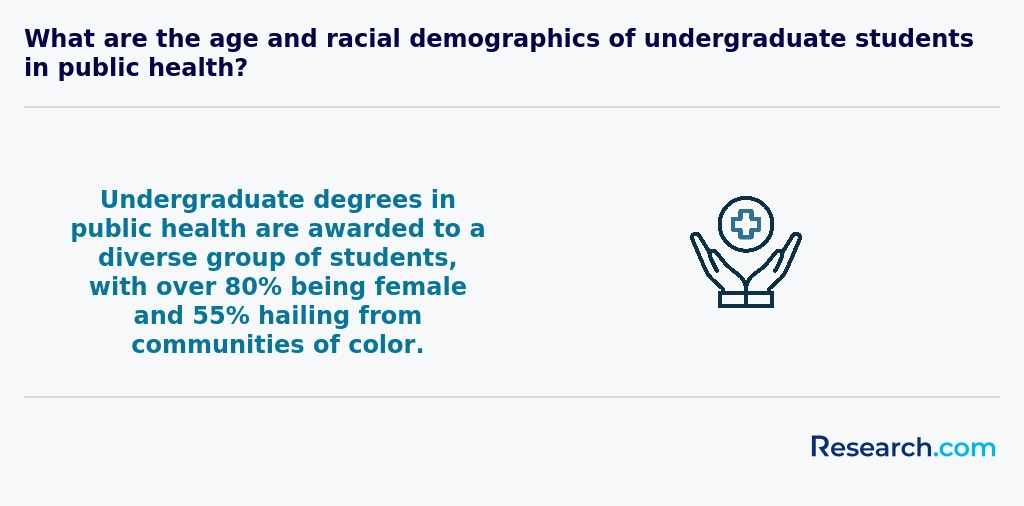
Public health degrees in Bloomington commonly offer several practical specializations tailored to meet local and national health challenges. For example, Epidemiology is a leading concentration where graduates learn to track disease trends and aid in controlling outbreaks-a crucial skill given the ongoing need for experts in infectious and chronic diseases in the area. Many students from popular universities in Bloomington appreciate how this specialization equips them with hands-on data analysis experience.
Health Policy and Management is another valuable track that prepares students to navigate and shape public health systems. Graduates often highlight Bloomington's proximity to state agencies as a real advantage, providing opportunities to apply classroom knowledge directly in policymaking. Environmental health focuses on sustainability and pollution control, resonating with community-wide initiatives here. Community health and health promotion emphasize outreach programs to reduce disparities, a focus well-aligned with local public health priorities.
Those exploring public health degree specializations Bloomington find these options reflect real-world needs and offer strong job prospects. Students have also leveraged connections similar to the state's healthcare education networks to boost their careers.
Start by checking if the program is CEPH-accredited, as graduates from Indiana University's public health programs often highlight how this boosts their confidence and job prospects. Many students in Bloomington praise the practical internships and community projects integrated into their courses, which make theoretical concepts feel tangible and relevant. When choosing from the best public health degree programs Bloomington offers, think about the curriculum specializations available-whether it's epidemiology, healthcare management, or biostatistics-and how they align with your career goals.
Cost matters, so look for affordable public health schools Bloomington features, especially those offering reasonable in-state tuition comparable to the national $10,000 average. Graduates often share that budgeting beyond tuition, including for books and living expenses, helps avoid surprises. Also, research local job placement success; many Bloomington alumni find fulfilling roles with strong starting salaries, partly due to the city's connections to public health organizations. Exploring opportunities to join healthcare administration professional associations can further enhance skills and networks while studying.
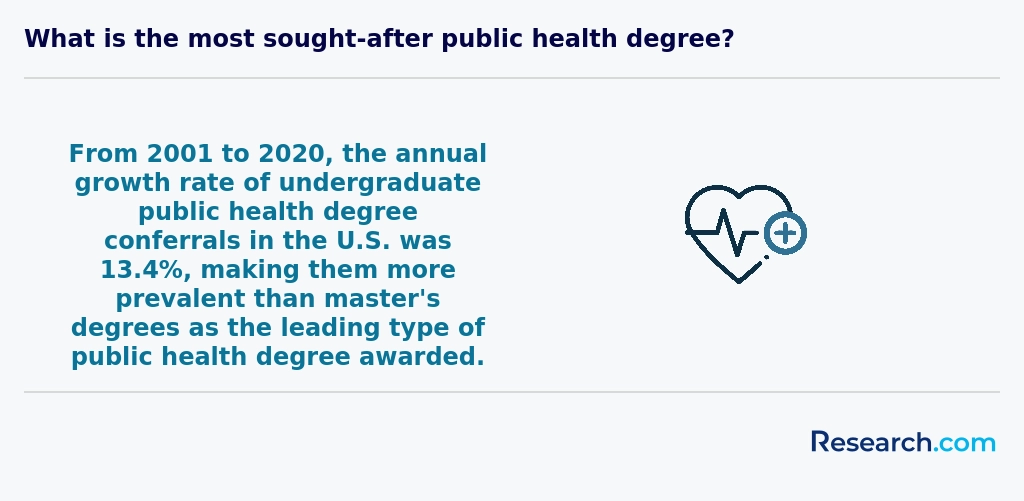
Graduates with a public health degree in Bloomington find a variety of career paths that translate academic knowledge into meaningful community impact. Common roles include Health Educators who design local programs encouraging healthier lifestyles, and Epidemiologists who analyze disease trends critical for timely responses. Many also become Public Health Administrators, managing initiatives at organizations or government bodies like the Monroe County Public Health Department, vital to addressing substance abuse and chronic illness locally. Those graduating from popular Bloomington colleges appreciate how internships and community projects prepare them to enter these roles with confidence.
For students considering their next move, environmental health and data-centric careers offer rewarding options. Environmental Health Specialists ensure compliance with regulations protecting residents, while Biostatisticians and Health Policy Analysts use data and policy insights to improve public health strategies. The variety of public health career opportunities Bloomington presents means each graduate can find a path aligned with their interests and strengths. Exploring programs such as at IU Bloomington provides a solid foundation in these fields, empowering students to enter Bloomington public health degree jobs poised for success.
When planning your studies, consider state tuition benefits and competitive salaries that graduates enjoy locally. Researching programs aligned with the most in-demand bachelor's degree programs helps focus your efforts on career paths with strong future growth and job stability.

The public health job opportunities in Bloomington are growing steadily, fueled by local agencies like the Monroe County Health Department and Indiana University Health actively hiring skilled professionals. Graduates from Indiana University's School of Public Health often share how their internships and networking connections directly led to job offers in chronic disease prevention and environmental health. This hands-on experience makes Bloomington's job market promising for those aiming to enter community health advocacy or emergency preparedness roles.
The Bloomington public health career outlook is positive, with many graduates noting salaries range from $50,000 to $75,000 early in their careers, reflecting competitive wages for the Midwest. Pursuing advanced qualifications such as a Master of Public Health (MPH) or specialized certifications can further improve employability and earning potential locally. Students also consider financial factors; in-state tuition averaging $10,000 to $15,000 per year balances well against strong job growth.
For those weighing their options, exploring the demand for nursing alongside public health can provide broader pathways in Bloomington's health sectors, increasing versatility and career stability.
2027 Best Public Health Degree Programs Ranking in Bloomington
Investing in your education is a significant decision that can shape your future, and the Research.com team understands the importance of making informed choices. To assist prospective students in Bloomington, we have meticulously crafted the "2027 Best Public Health Degree Programs Ranking in Bloomington." Our commitment to quality, credibility, and accuracy is reflected in the extensive research and analysis conducted to compile this ranking.
We utilized the following reputable data sources to ensure a comprehensive evaluation of public health programs:
By exploring this ranking, readers will gain valuable insights into the best public health degree programs available in Bloomington, helping them make informed decisions about their educational paths. For more details on our methodology, please visit our Research.com methodology page.

Frequently Asked Questions About public health
Public health degree students in Bloomington can enhance their learning by engaging with local community health initiatives. Bloomington's active public health departments and organizations offer valuable internship opportunities that provide hands-on experience. According to Bloomington's Health Department reports, participation in local programs can improve practical skills and networking possibilities.
Students should also take advantage of collaboration with Indiana University's public health research centers. These centers frequently publish data on regional health trends that help students apply theoretical knowledge to real-world challenges.
Finally, attending local seminars and workshops on topics like epidemiology and health equity allows students to stay informed about current public health issues impacting Bloomington's diverse population.
The public health field is rapidly evolving, with emerging niches reflecting new societal challenges and technological advancements. In Bloomington, specialized areas like epidemiology with a focus on infectious disease modeling have gained traction due to recent public health crises. Environmental health is another growing niche, addressing local concerns such as air and water quality in Indiana, supported by data from the Monroe County Health Department.
Digital health and health informatics represent crucial areas, combining data science with public health to improve community health outcomes. Mental health promotion tailored to diverse populations is also expanding, responding to increasing awareness and demand in Monroe County. These niches offer promising career paths for students seeking public health degrees in Bloomington.
Preparing for the job market after earning a public health degree in Bloomington involves several strategic steps. Graduates should seek internships or practicum experiences during their studies, as local organizations like the Monroe County Health Department offer valuable opportunities. Networking through Bloomington's public health events and professional groups enhances job prospects. According to the Bureau of Labor Statistics, employment for health educators and community health workers is projected to grow 11% nationally by 2032, reflecting a healthy demand. Additionally, obtaining certifications such as Certified Health Education Specialist (CHES) can strengthen candidacy for many roles. Familiarity with local health challenges in Bloomington helps tailor applications effectively.
Employers in Bloomington seeking graduates with public health degrees prioritize a combination of analytical and interpersonal skills. Data analysis proficiency is vital, as public health roles often require interpreting statistics to support community health initiatives. According to the Indiana Public Health Association, nearly 70% of local employers value experience with public health software and databases.
Communication skills are also essential, especially for educating diverse populations and coordinating with healthcare professionals. Problem-solving abilities enable graduates to design effective interventions in response to Bloomington's specific public health challenges, such as opioid addiction and chronic disease management. Leadership and teamwork skills are frequently highlighted in job postings within the region's growing health departments and nonprofit organizations.
Finding internships in Bloomington related to a public health degree involves leveraging local resources and institutional connections. Indiana University Bloomington offers dedicated career services that link students to public health internships within the city and surrounding counties. Many internships are available through partnerships with county health departments, non-profits, and community organizations focused on health equity and disease prevention.
The Indiana State Department of Health reports multiple ongoing community health initiatives in Monroe County, presenting opportunities for experiential learning. Checking listings on IU's Handshake platform and attending local health fairs can also connect students with supervisors actively recruiting interns.
Networking with faculty and joining public health student organizations enhance awareness of hidden internship opportunities. Bloomington's role in regional public health projects provides a practical training ground for students aiming to apply academic knowledge in real-world settings.
A public health degree significantly enhances career mobility and advancement opportunities in Bloomington. The local job market benefits from the presence of the Indiana University School of Public Health, which aligns its curriculum with regional health needs. According to the U.S. Bureau of Labor Statistics, Bloomington and Monroe County have seen a 12% growth in health-related jobs from 2018 to 2023, with roles in epidemiology, health education, and community health expanding.
Graduates with public health degrees often find opportunities in both government agencies and private sectors, including the Monroe County Health Department and non-profits. Employers value the degree for its focus on data analysis, policy, and preventive strategies, which fosters advancement into supervisory or specialized positions.
Moreover, the degree supports transfers across sectors within the broader public health field, increasing versatility and career resilience in Bloomington's evolving health landscape.
Studying for a public health degree in Bloomington equips students with skills to work across multiple disciplines. Local programs emphasize collaboration between epidemiology, health policy, environmental science, and social services, reflecting the need for comprehensive public health solutions.
Bloomington's public health curriculum is designed to foster teamwork among professionals from diverse backgrounds, preparing graduates to address complex health challenges in both urban and rural settings. According to data from the Indiana State Department of Health, interdisciplinary approaches reduced health disparities in this region by over 10% in recent years.
Students also benefit from experiential learning through partnerships with local agencies, enhancing their practical skills in real-world public health initiatives. This hands-on training supports adaptability crucial for interdisciplinary roles.
Choosing between a thesis and a non-thesis public health degree program in Bloomington depends on your career goals and learning preferences. Thesis programs typically emphasize research, requiring students to conduct original studies and present a formal thesis. This path is ideal for those interested in pursuing doctoral studies or research-focused careers.
Non-thesis programs often focus on coursework and practical experiences, suiting students aiming for professional roles in public health practice or administration. In Bloomington, institutions like Indiana University offer both options, with thesis tracks often taking longer to complete.
Consider factors such as time commitment, interest in research, and long-term career plans when making your decision.
Students based in Bloomington interested in public health have several opportunities to study abroad through exchange programs and international partnerships facilitated by local universities. Indiana University Bloomington, known for its strong public health curriculum, offers semester-long exchanges with institutions in Europe, Asia, and Latin America. These programs enable students to gain global perspectives on health challenges and policies.
Additionally, some public health courses incorporate virtual international collaborations, expanding access without full relocation. Students may also explore summer programs and internships through affiliated global health organizations, enhancing their practical experience abroad.
According to Indiana University's Office of International Services, about 20% of its public health students participate in such global learning experiences annually, reflecting growing interest in international public health careers.
Students pursuing public health degrees in Bloomington have several valuable part-time job opportunities that can complement their education. Local hospitals and clinics often seek interns or assistants to help with community health outreach programs, offering hands-on experience in patient education and preventive care.
The Monroe County Health Department frequently hires part-time workers for data collection and analysis on local health trends, providing practical exposure to epidemiology and public health research.
Additionally, nonprofits focused on public health issues, such as smoking cessation or nutrition education, offer roles for students to engage directly with community members.
Bloomington's growing emphasis on health equity creates opportunities to work on projects addressing social determinants of health, a key area in public health studies.
Public health students in Bloomington have access to a variety of networking opportunities that support their academic and professional growth. Indiana University Bloomington, a major institution in the city, hosts regular public health seminars and guest lectures that connect students with experts in epidemiology, health policy, and community health.
Local chapters of national organizations, such as the American Public Health Association (APHA), offer student memberships and events where learners can meet professionals and peers. Bloomington's robust public health community also benefits from partnerships with local health departments and nonprofits, providing internships and volunteer roles that enhance real-world experience.
According to Indiana University's School of Public Health data, over 70% of graduates find networking events crucial for job placement within six months after graduation.
Alumni networks are a valuable resource for public health degree students in Bloomington. They offer access to professional connections who work in local health departments, hospitals, and community organizations. These connections can lead to internships, job opportunities, and mentorship essential for career development. According to the Indiana Public Health Association, about 65% of recent graduates find jobs through alumni referrals or networking events.
Moreover, alumni often organize workshops and seminars, providing current students with insights into emerging public health trends and challenges specific to Bloomington. Engaging with a strong alumni network enhances students' practical knowledge and expands their professional support system in the local public health sector.
Customizing a public health degree program in Bloomington allows students to align their education with specific career aspirations. Many local institutions offer diverse concentrations, such as epidemiology, health policy, or environmental health, enabling focused skill development. Students can also choose electives that match emerging public health fields or local community health concerns.
Internship opportunities with Bloomington's public health agencies or nonprofits provide practical experience, enhancing resumes and professional networks. Additionally, flexible course schedules, including part-time and online options, accommodate working professionals seeking advancement. According to the Bloomington Health Department, tailored education helps address regional health disparities effectively.
Public health students in Bloomington often face several notable challenges as they pursue their degrees. A primary difficulty is balancing rigorous coursework with practical fieldwork, which is essential for gaining real-world experience. Many programs require internships or community projects, demanding significant time management skills. Financial strain is another common issue, as tuition costs and living expenses in Bloomington can be substantial; according to the Indiana Commission for Higher Education, average graduate tuition hovers around $11,000 per year.
Additionally, students report navigating complex public health topics such as epidemiology and biostatistics, which require strong analytical skills and dedication. Limited local research funding can also restrict opportunities for advanced study. Finally, maintaining mental health amidst academic pressure is a frequent concern, underscoring the need for robust support services within Bloomington's institutions.
With a public health degree, Bloomington students can pursue several respected professional certifications that enhance career opportunities. The Certified in Public Health (CPH) credential, offered by the National Board of Public Health Examiners, is highly valued nationwide. Locally, public health professionals often seek the Registered Environmental Health Specialist (REHS) certification due to Bloomington's focus on environmental health issues, as noted by the Indiana State Department of Health.
Many also pursue the Certified Health Education Specialist (CHES) credential to qualify for health promotion roles. Additionally, nursing professionals with a public health background may obtain the Advanced Public Health Nursing certification, expanding their clinical and community health expertise. These certifications help graduates meet Bloomington's growing public health workforce demands as reported by the Monroe County Health Department.
To write a winning application for a public health program in Bloomington, start by thoroughly researching the specific programs available at institutions like Indiana University Bloomington. Highlight relevant academic achievements and any volunteer or work experience in health-related fields, as public health programs value practical engagement. Tailor your personal statement to reflect a clear understanding of current public health challenges, including local issues such as those in Monroe County, where Bloomington is located. According to the 2023 Community Health Needs Assessment by Monroe County Health Department, focusing on social determinants of health is key.
Strong letters of recommendation are crucial; choose referees familiar with your commitment to public health. Also, explicitly state your career goals and how the program aligns with them. Finally, proofread carefully to avoid errors and submit before deadlines, as competition in Bloomington's public health programs remains high.
The global perspective on a public health career highlights its growing importance across countries and cultures. Public health professionals address challenges such as infectious diseases, chronic illnesses, and health disparities worldwide. According to the U.S. Bureau of Labor Statistics, employment in public health-related fields is expected to grow by 16% from 2021 to 2031, reflecting rising demand.
For students in Bloomington, global health knowledge is increasingly integrated into local programs. Indiana University, a key institution in Bloomington, offers courses emphasizing international health policies and epidemiology, preparing graduates to work both locally and globally. This broadens career opportunities beyond the U.S., including roles in NGOs and global agencies.
Understanding global health trends equips students to tackle issues like pandemics, environmental health risks, and health equity. This perspective is critical as health challenges cross borders, requiring solutions informed by diverse cultural and socioeconomic contexts.
Students pursuing public health degrees in Bloomington can gain practical experience through internships and fieldwork opportunities available locally. Many universities in the area collaborate with Bloomington's local health departments and community organizations, providing hands-on training in areas such as epidemiology, health promotion, and policy implementation.
Additionally, students can participate in research projects addressing regional public health issues, including infectious diseases and environmental health concerns. According to the Indiana State Department of Health, Bloomington hosts several public health initiatives that frequently seek student support.
Volunteering with nonprofit agencies and attending workshops also enrich experiential learning, preparing students for real-world public health challenges.
Choosing the right concentration within a public health degree program in Bloomington involves considering your career goals, personal interests, and local health needs. Bloomington's public health curriculum often includes concentrations like epidemiology, health policy, environmental health, and community health.
Research local public health challenges such as Monroe County's recent opioid crisis and increasing chronic disease rates, as reported by the Indiana State Department of Health. These issues can guide your choice toward fields with high demand.
Additionally, explore faculty expertise and available internships at Bloomington institutions, as hands-on experience is crucial for career success. Reviewing program outcomes, such as graduate employment rates in Monroe County, can also help determine the most suitable concentration.
- 2027 Best Public Health Degree Programs Ranking in Indianapolis
- 2027 Best Public Health Degree Programs Ranking in Chicago
- 2027 Best Public Health Degree Programs Ranking in Saint Louis
- 2027 Best Public Health Degree Programs Ranking in Ann Arbor
- 2027 Best Public Health Degree Programs Ranking in Detroit
- 2027 Best Public Health Degree Programs Ranking in Birmingham
- 2027 Best Public Health Degree Programs Ranking in Atlanta
- 2027 Best Public Health Degree Programs Ranking in Athens
- 2027 Best Public Health Degree Programs Ranking in Columbia
- 2027 Best Public Health Degree Programs Ranking in Buffalo
- How to carve a niche in your public health career | PH SPOT https://phspot.org/carvinganiche/
- Why Public Health is the Ideal Career Path for Gen Z - Reach Out https://we-reachout.org/why-public-health-is-the-ideal-career-path-for-gen-z/
- How to Get Your First Public Health Job - PHERN https://phern.communitycommons.org/early-career-professional-learning-series/how-to-get-your-first-public-health-job/
- Are There Areas of Specialization With a Master of Public Health Degree? - Healthcare Management Degree Guide https://www.healthcare-management-degree.net/faq/what-are-some-of-the-areas-of-specialization-i-can-pursue-while-completing-a-master-of-public-health-degree/
- Young WFPHA Initiative – Empowering Young Public Health Professionals https://www.wfpha.org/young-wfpha/
- Work Experience Opportunities - Everyone Health Careers https://careerseveryonehealth.co.uk/work-experience/
- APHA Internships & Fellowships https://www.apha.org/professional-development/apha-internships
- Students and Alumni associations - Europubhealth https://www.europubhealth.org/students-alumni-associations/
- Choosing an MPH Specialization - MPH Online https://www.mphonline.org/choosing-an-mph-specialization/
- Online Degrees https://www.publichealthdegrees.org/online/