2027 Best Online Master's in Public Health Degree Programs Ranking in Missouri

Co-Founder and Chief Data Scientist
Are you a Missouri resident considering advancing your career in public health? This article introduces the 2027 Best Online Master's in Public Health Degree Programs Ranking in Missouri, carefully developed by the Research.com team of data scientists. It aims to guide you through top programs that fit your goals and lifestyle.
Exploring these rankings can save you time and help you make confident decisions about your education. Pursuing a public health degree opens doors to meaningful careers that positively impact communities. Dive in to discover programs worth your consideration.
Key benefits of getting online public health degree in Missouri
- Graduates with a public health degree in Missouri can earn competitive salaries, such as Public Health Program Managers and Healthcare Administrators making around $134,440 annually, and Epidemiologists earning about $90,430 per year.
- Career paths are diverse, ranging from roles in health informatics to health and safety management, offering strong opportunities to make a positive impact in communities across Missouri.
- Online public health degrees provide flexibility and convenience, allowing students to balance work and study effectively while gaining the same valuable skills as traditional programs from respected Missouri institutions.
- 2027 Best Online Master's in Public Health Degree Programs Ranking in Missouri
- What can I expect from online public health degree in Missouri?
- Where can I work with online public health degree in Missouri?
What can I expect from online public health degree in Missouri?
The average cost of an online public health degree in Missouri typically falls between $400 and $800 per credit hour, a range that often surprises prospective students. Graduates from popular institutions such as the University of Missouri or Saint Louis University recall how this competitive pricing allowed them to pursue advanced education without overwhelming debt. One graduate shared how being able to access employer tuition reimbursement combined with scholarships made the experience financially manageable, creating a sense of empowerment rather than stress.
Missouri's pricing model reflects more than affordability-it reflects a commitment to accessible education tailored for working adults balancing family and career. Students attending these programs often report feeling supported, not just academically but financially, which encourages persistence and success.
In a real-life scenario, a public health professional juggling a full-time job found the costs reasonable enough to justify investing in a degree that transformed their career path, enabling them to take on leadership roles in state health departments focused on chronic disease prevention. The cost, when weighed against the long-term career impact in Missouri's growing health sector, often proves to be a smart investment.
Where can I work with online public health degree in Missouri?
Graduates of online public health programs in Missouri often find themselves at the heart of dynamic career landscapes, far beyond typical expectations. From roles in the Missouri Department of Health and Senior Services to hospitals like BJC HealthCare, these professionals tackle real challenges - whether tracking infectious disease outbreaks or shaping community health initiatives. Imagine a graduate from the University of Missouri collaborating on emergency preparedness plans that protect thousands, or another from Saint Louis University analyzing health data to reduce chronic illness rates.
Many alumni describe rewarding work in nonprofits where they address health disparities or lead nutrition programs in underserved communities, finding purpose in outcomes that deeply affect people's lives. Others step into academic or research roles, balancing teaching with groundbreaking health studies. This diversity in opportunity shows that an online degree here is not just a credential but a gateway to meaningful impact in government agencies, healthcare systems, and grassroots organizations across Missouri's varied regions.
Graduates holding an online public health degree in Missouri often find their starting salaries influenced by their chosen career path and experience gained during studies at institutions like the University of Missouri or Saint Louis University. For example, those stepping into roles as epidemiologists can expect mean annual wages around $90,430, according to the latest BLS data. This career demands analytical skills to track and manage disease outbreaks, offering both intellectual challenge and financial reward.
Others pursuing management positions in public health programs or healthcare administration benefit from salaries averaging $134,440 annually, reflecting the responsibility of overseeing large-scale health initiatives statewide. Graduates often remark on how their coursework at Missouri's top public health programs equips them with the leadership skills required for these roles.
Meanwhile, health informatics specialists, who bridge data and healthcare, earn around $70,260 per year, a figure that reassures students aiming to combine public health with technology. Seeing classmates secure these roles fuels optimism that an online degree in Missouri provides a strong foundation for diverse, well-compensated careers in the evolving public health landscape.
- Most online public health programs in Missouri require 40 to 48 credit hours and can be completed in about two years full-time.
- Total tuition costs range from $15,000 to $30,000, with lower rates typically available for in-state public university students.
- Starting salaries for public health graduates in Missouri average around $50,000 annually, rising to $70,000-$90,000 with experience or specialization.
- Employment in public health roles in Missouri is expected to grow by approximately 10% over the next decade.
- Online programs often include virtual practicums or partnerships with local organizations to provide practical experience and networking opportunities.
Completing an online public health degree in Missouri is rarely a fixed journey-it often unfolds uniquely based on your pace and life demands. For many graduate students, especially those pursuing the Master of Public Health at institutions like the University of Missouri, a typical completion time ranges from 18 months for accelerated learners to around two years when attending full-time. Graduates often recall balancing coursework with demanding jobs or family, with part-timers extending their studies up to three years or more without losing momentum.
Imagine a working professional navigating the 42 to 48 credit hours required by Missouri's MPH programs while raising a family; the flexibility offered can transform daunting timelines into manageable, rewarding progress. Some students find that prerequisite courses add extra semesters, especially if their undergraduate degree was outside public health, yet this often enriches their learning and career readiness.
At the bachelor's level, public health degrees typically embrace a four-year structure but welcome transfer credits or accelerated options that can cut this time. This adaptability ensures Missouri's online programs resonate with a wide range of ambitions and life situations.
Choosing between online and on-campus public health degrees in Missouri reveals a complex balance of flexibility and connection. Graduates from the University of Missouri often reflect on the value of face-to-face engagement with faculty and peers, highlighting how on-campus life enriched their understanding through spontaneous discussions and group projects. Conversely, alumni of online programs from institutions like Missouri State University emphasize the freedom to tailor their study schedules around jobs and family, appreciating the asynchronous classes that grant control over pacing without sacrificing rigor.
Cost considerations also challenge assumptions. While tuition at Missouri public universities offers in-state discounts, online students typically save on housing and transportation, making finances less burdensome despite similar tuition rates. A graduate juggling a full-time job found virtual access to course materials liberating, yet missing campus networking events sometimes created a sense of isolation.
Finally, practicum experiences remain essential to both formats, with online programs arranging local internships to ensure hands-on training. Students in rural areas especially value this, feeling empowered to contribute to their communities without uprooting their lives.
A cornerstone of any quality online MPH program is robust field experience through internships and practicums. These hands-on placements bridge classroom theory with real-world public health practice, enhancing both skill development and employability. Prospective students should consider the following when evaluating internship options: • Structure and Duration: – Most Missouri programs require 200–300 practicum hours, typically completed over one semester. – Flexible scheduling lets online learners integrate internships with work or family commitments. • Placement Support: – Accredited schools often partner with local health departments, community clinics, and non-profits. – Dedicated coordinators assist in matching students to sites that align with their specialization-be it epidemiology, health promotion, or environmental health. • Supervision and Mentorship: – Field supervisors, usually seasoned public health professionals, guide students through project design, data collection, and community engagement. – Regular check-ins and reflective assignments ensure integration of academic concepts with on-site experience. • Learning Outcomes: – Students practice grant writing, program evaluation, and risk assessment under professional guidance. – Many programs culminate in a capstone project or presentation to stakeholders, demonstrating competency in planning and implementing public health initiatives. • Affordability and Alternatives: – For students balancing tight budgets, exploring cost-efficient programs is vital. Interested readers can compare experiential learning opportunities in our Most Affordable Online Public Health Degree Programs Ranking in California, where tuition savings often free resources for travel or additional certifications. By prioritizing programs with structured internship frameworks and committed field supervisors, online MPH candidates in Missouri can acquire the practical expertise employers demand, positioning themselves for impactful careers in public health.
The average cost of an online public health degree in Missouri typically centers around a median total of $26,460, with in-state students often paying about half that amount, near $13,265. This range reflects common experiences among graduates from well-known public institutions such as those within the University of Missouri System. Many of these alumni recall balancing tuition payments with work and family life, appreciating the moderate tuition fees compared to other states while still gaining access to quality education.
Considering Missouri online MPH program tuition fees opens up a practical perspective on affordability. Public universities tend to offer tuition per credit hour ranging from roughly $400 to $700 for residents, which keeps the overall investment manageable without sacrificing program rigor. Private colleges in the state often charge more, yet some graduates find the personalized support and networking opportunities in those environments well worth the higher expense.
Perspective is key: students often find the value more than justifiable when factoring in flexible online schedules and the ability to continue working full-time. Moreover, scholarships and financial aid options frequently ease the burden. For those interested in alternative paths related to health, exploring the second-degree bsn programs curriculum can also expand career possibilities while maintaining cost efficiency.
Ultimately, the decision to pursue a public health degree online in Missouri aligns with practical financial planning and a commitment to impacting community wellbeing-an investment many find deeply rewarding beyond the tuition figures alone.
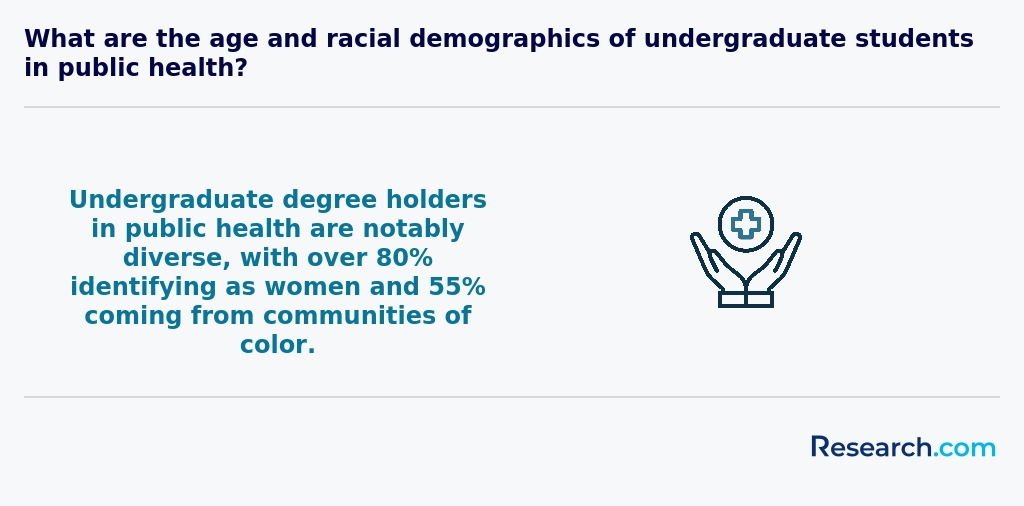
Success in an online Master’s in Public Health program relies on proactive planning, active engagement, and leveraging available digital resources. With the flexible nature of online learning, students benefit greatly from setting a structured schedule, participating in virtual study groups, and reaching out for mentorship. For instance, exploring options at affordable online public health schools in missouri can lead you to programs that offer robust support networks and innovative e-learning tools. Establish clear academic goals, utilize planning apps, and join online forums where current students and alumni share tips on balancing coursework with personal and professional commitments. Additionally, regularly updating your digital communication skills, participating in webinars, and engaging in virtual career fairs can provide extra advantages in today’s competitive job market. Remember, the key to success in an online setting lies in being proactive and fully utilizing the wealth of resources available to enhance your learning experience and professional network.
Many students pursuing an online public health degree in Missouri find financial aid is not just a possibility but a lifeline that transforms their educational journey. Graduates from schools like the University of Missouri and Washington University often describe how federal aid through FAFSA-primarily Direct Unsubsidized and Grad PLUS Loans-helped manage costs, despite their common perception that loans are a last resort. In reality, these loans offer flexible options and competitive interest rates around 6-7%, easing the immediate financial strain.
State programs such as Missouri's Access Missouri Financial Assistance Program (AMFAP) stand out by rewarding commitment to underserved communities, turning a student's future career plans into tangible financial support. Graduates recall how this program motivated them to deepen their local impact while reducing debt burdens.
Institutional scholarships and assistantships at Missouri universities provide merit- and need-based awards that can include tuition waivers and stipends, making education feel attainable rather than daunting. Many students find working as teaching or research assistants not only pays bills but also deepens their expertise and connection to the public health field.
Professional organizations like the Missouri Public Health Association offer additional scholarships, illustrating that financial aid goes beyond the classroom-it's about building a supportive network committed to public health progress.
Earning specialized credentials can broaden your expertise and boost employability in public health settings. Consider these certifications:
- Certified in Public Health (CPH): Validates core competencies across public health disciplines.
- Certified Health Education Specialist (CHES): Demonstrates proficiency in planning and implementing community health programs.
- Certified Professional Coder (CPC): Equips you with medical coding expertise. Explore our cheapest medical coding certification online to get started.
- Registered Health Information Technician (RHIT): Focuses on health data management and coding accuracy.
By adding targeted certifications, you can differentiate yourself in a competitive job market and open doors to advanced roles in epidemiology, health policy, and health informatics.
Enrolling in an online public health degree in Missouri often begins with a bachelor's degree from an accredited institution, yet this requirement invites deeper reflection on academic diversity. Graduates from universities like the University of Missouri or Saint Louis University, who come from varied fields such as social sciences or biology, often find that their unique perspectives enrich their approach to public health challenges statewide.
Official transcripts offering evidence of foundational coursework in statistics or biology become more than just paperwork-they represent the essential skills needed to analyze real-world health data affecting Missouri communities. Many programs expect a minimum GPA around 3.0, a metric graduates often recall as a motivating milestone rather than an obstacle.
While standardized tests like the GRE were once ubiquitous, the shift toward test-optional policies in Missouri's online programs recognizes that quantitative metrics don't capture dedication or leadership. Letters of recommendation and statements of purpose reveal the passion behind applicants who have volunteered or worked in community health, reflecting the heart of public health practice beyond academia.
- Completed bachelor's degree from an accredited institution
- Official transcripts showing satisfactory academic performance
- Minimum GPA requirements, commonly around 3.0
- Standardized test scores (if required, though many programs are test-optional)
- Letters of recommendation and a statement of purpose
- Relevant professional or volunteer experience is advantageous

Applying to online MPH programs in Missouri requires planning at least six months in advance. Key steps include:
- Research and shortlist CEPH-accredited programs, noting deadlines (typically December for fall start, August for spring).
- Request official transcripts from all colleges/universities; aim for a minimum 3.0 GPA.
- Draft a focused statement of purpose that highlights your public health experiences and career goals.
- Secure two to three letters of recommendation from academic instructors or supervisors in health-related roles.
- Prepare a résumé/CV emphasizing relevant internships, volunteer work, or research projects.
- Complete and submit applications online, then confirm receipt one week after each deadline.
- Explore complementary health fields to broaden your expertise, such as investigating online pharmacy school pathways.
Online public health degrees in Missouri typically immerse students in courses like epidemiology, biostatistics, environmental health, and health policy-each vital for understanding the state's unique health landscape. Graduates from institutions such as Washington University often reflect on how epidemiology classes empowered them to track disease outbreaks during Missouri's recent health challenges, transforming abstract data into actionable insights for their communities.
Biostatistics courses are more than numbers; they are the language of health decisions. Students at the University of Missouri have described moments of clarity when statistical models illuminated patterns in local health data, deepening their confidence to support policy change.
Environmental health studies resonate deeply in Missouri's industrial and farming regions. Learners engage with real-world cases involving air and water quality, fostering a sense of responsibility and connection unique to their home state.
Health policy and management deepen understanding of navigating Missouri's healthcare systems, with graduates recalling practical skills gained to influence state-level health initiatives effectively. These courses are not just academic-they are lifelines to the heart of Missouri's public health workforce.
Missouri's online public health degree specializations reveal the complexity and diversity of the field beyond what many expect. Graduates from institutions like the University of Missouri often highlight how concentrating on Epidemiology transformed their understanding of how disease patterns affect local communities-making abstract data feel urgent and personal. This specialization challenges students to become frontline defenders against outbreaks by interpreting real-time health data. Meanwhile, those who choose Health Policy and Management find themselves navigating the administrative labyrinths of hospitals and government agencies, shaping policies that ripple through Missouri's healthcare system.
Environmental Health specialists, propelled by the state's industrial background, directly witness the intersection of pollution and community welfare. Graduates frequently express a sense of purpose in mitigating risks tied to everyday environments. Community Health and Education concentrators describe the rewarding challenge of creating health programs tackling rural disparities unique to Missouri's vast landscape. Additionally, Biostatistics offers a precision-driven perspective, training students to decode complex data into actionable health strategies.
Such wide-ranging Missouri MPH concentration options online not only broaden career possibilities but deepen the emotional connection to public health work. Some students even find parallels between their health studies and their lvn degrees texas campus visits, appreciating how different healthcare roles collaborate in addressing systemic health challenges.
Choosing the best online public health degree in Missouri demands more than just scanning program rankings. Graduates from well-known Missouri universities often reflect on how CEPH accreditation was a game-changer, ensuring their education aligned with licensure and financial aid opportunities. While affordability might tempt you toward the lowest tuition, many find that investing in a public institution with solid practicum connections across Missouri's health departments actually boosts career outcomes.
Consider how some embrace specialization in epidemiology or community health, following Missouri's evolving job market rather than a generic curriculum. Flexibility matters too-graduates appreciate programs offering asynchronous classes, allowing balance with work or family across Missouri's diverse regions. Many credit the faculty's Missouri health initiative involvement for opening doors to internships and mentorships that feel personal and impactful.
For those seeking affordable online MPH degrees Missouri universities provide, weighing real-life experiences often trumps flashy online marketing. Exploring nursing schools arizona online resources also inspired some to reconsider interdisciplinary options that enrich their public health perspective.
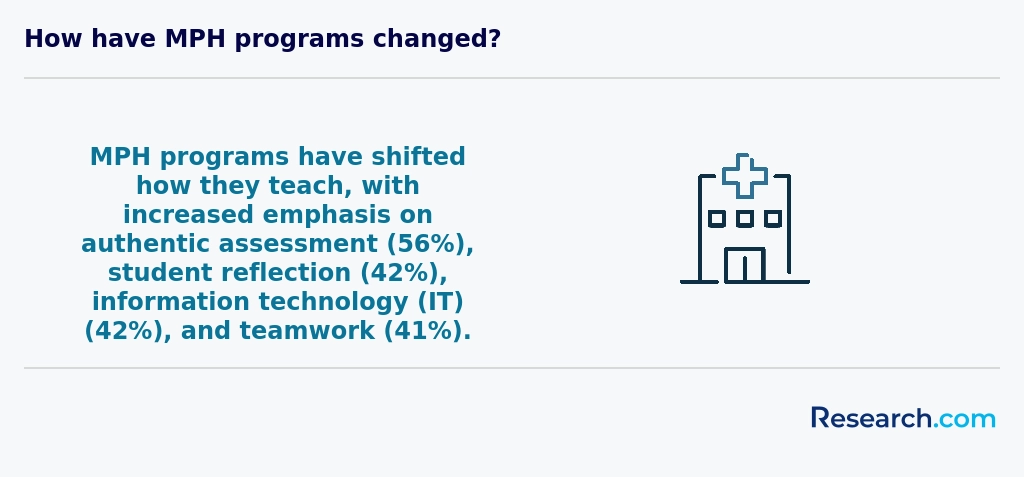
Graduates with an online public health degree in Missouri find themselves stepping into roles that demand more than just standard qualifications. Many choose to become epidemiologists, uncovering the patterns behind disease spread in both urban hubs like St. Louis and rural communities. They often describe a strong sense of purpose in their work at organizations such as the Missouri Department of Health and Senior Services. Others embrace roles as health educators and community health workers, particularly in underserved rural areas where access to information can change lives-this reflects a core theme in online public health careers Missouri.
Graduates from popular universities report satisfaction in navigating health policy and management, where their skills shape programs tackling Medicaid expansion and chronic diseases. These leadership positions require a nuanced understanding of local needs, proving that education in Missouri's public health ecosystem is deeply connected to real community challenges. Some alumni find themselves inspired to join environmental health fields, protecting water and air quality essential to Missouri's mixed urban-agriculture landscape.
Many online public health graduates echo a shared feeling: their degree opened unexpected doors. As with Alabama nursing school alumni, Missouri's public health workforce is growing, vibrant, and ready to impact the state's future.
The job market for online public health degree graduates in Missouri reveals compelling opportunities shaped by the state's expanding health care needs and active public health infrastructure. Graduates from well-known Missouri universities often describe stepping into roles such as community health program coordinator or public health epidemiologist with confidence, knowing their online education prepared them for real-world challenges. The Missouri Department of Health and Senior Services and local health agencies frequently seek skilled professionals, reflecting the state's commitment to preventive care and emergency preparedness.
For those weighing options, affordability and flexibility matter. Many graduates credit their success to enrolling in affordable online public health schools in missouri, which balance quality with cost-efficiency. These programs attract candidates who want to contribute to Missouri's evolving public health landscape while managing personal and financial responsibilities.
Moreover, the surge in health educator positions supported by federal funding underscores encouraging prospects for job seekers. This landscape proves that online public health careers in Missouri are more than a degree; they are pathways to impactful, rewarding employment grounded in community wellness and policy innovation.
2027 Best Online Master's in Public Health Degree Programs Ranking in Missouri
Investing in your education is a significant decision that can shape your future, and the Research.com team understands the importance of making informed choices. To assist prospective students in Missouri, we have meticulously crafted the "2027 Best Online Master's in Public Health Degree Programs Ranking in Missouri." Our commitment to quality, credibility, and accuracy is reflected in the extensive research and analysis conducted to compile this ranking.
We utilized the following reputable data sources to ensure a comprehensive evaluation of public health programs:
By exploring this ranking, readers will gain valuable insights into the best online master's programs in public health in Missouri, helping them make informed educational decisions. For more details on our methodology, please visit our Research.com methodology page.

# 2 position
A.T. Still University
Master of Public Health


Frequently Asked Questions About public health
Online public health degree students in Missouri can maximize their learning by actively engaging with virtual resources and local health initiatives. Missouri ranks 42nd in public health funding per capita according to the Trust for America's Health, highlighting opportunities for students to contribute meaningfully to community health through internships and volunteer work.
Students should leverage Missouri's statewide public health data from the Department of Health and Senior Services to inform research and projects. Networking with local professionals and joining organizations like the Missouri Public Health Association can enhance understanding and career connections.
Utilizing interactive course features and consistent professor communication further strengthens comprehension and application of public health principles in Missouri's unique context.
Emerging niches within the public health field reflect growing challenges and innovations in health care. In Missouri, one key area gaining attention is epidemiology focused on infectious disease control, driven by ongoing concerns about COVID-19 variants and localized outbreaks.
Another expanding niche is health informatics, which combines data analysis with technology to improve statewide health system efficiency. Missouri's investment in digital health initiatives has increased demand for professionals skilled in this area.
Environmental health is also important, especially given Missouri's agricultural industries and urban pollution concerns. Specialists in this niche work on reducing exposure to harmful substances affecting community health.
Behavioral health, addressing mental health and substance abuse, is critical in Missouri, where overdose rates remain higher than the national average according to the Missouri Department of Health and Senior Services.
After completing an online public health degree in Missouri, preparing for the job market involves building practical experience and networking. Many graduates seek internships or volunteer positions with Missouri health departments or nonprofit organizations to gain relevant skills. According to the Missouri Department of Health and Senior Services, job growth in public health professions is expected to increase by 8% through 2030, highlighting a positive employment outlook.
Certifications, such as the Certified in Public Health (CPH), can enhance a candidate's credentials. Additionally, joining local chapters of the American Public Health Association can help build professional connections within Missouri's health sector.
Employers in Missouri highly value public health graduates with strong analytical skills, as the ability to interpret health data is essential for effective community health programs. Proficiency in epidemiology and biostatistics remains a top requirement, reflecting the need to address state-specific health challenges.
Communication skills are also critical, enabling graduates to educate diverse populations and collaborate with local health agencies. Knowledge of policy development and program management is important, given Missouri's focus on improving rural and urban health outcomes, as reported by the Missouri Department of Health & Senior Services.
Moreover, cultural competency and ethical decision-making help graduates serve Missouri's varied populations effectively, ensuring equitable access to healthcare resources.
Finding internships in Missouri relevant to a public health degree requires strategic planning and active engagement with local health organizations. Start by exploring opportunities through Missouri's Department of Health and Senior Services, which often offers internships focused on epidemiology, health promotion, and disease prevention.
Many universities with online public health programs in Missouri have partnerships with public health agencies and nonprofit organizations. Students should contact their program's career services for placement assistance.
Additionally, consider checking listings from local hospitals, community health centers, and governmental agencies. According to the Missouri Public Health Association, over 30% of internships are secured through direct outreach or networking in regional health departments.
Professional associations like the American Public Health Association's Missouri Chapter also list internships and events that can connect students with employers.
Obtaining an online public health degree in Missouri significantly enhances career mobility and advancement within the state's growing health sector. According to the Missouri Economic Research and Information Center, employment for health educators and community health workers is expected to grow by 12% through 2030, faster than the average for all occupations.
Online degrees provide flexibility, allowing professionals to continue working while gaining credentials that qualify them for leadership roles. Many Missouri employers prefer or require a master's degree for management positions in public health agencies and nonprofits.
Graduates with online public health degrees can pursue roles in epidemiology, health policy, and biostatistics, with salaries ranging from $50,000 to over $90,000 annually, depending on experience and location. State certifications and licensures often depend on having an accredited degree, further supporting career progression.
Studying for a public health degree online in Missouri offers a strong foundation for interdisciplinary roles by integrating knowledge from various fields such as epidemiology, health policy, environmental health, and biostatistics. Missouri's programs emphasize collaboration with sectors like healthcare, social services, and community organizations, essential for addressing complex public health challenges.
Courses often focus on real-world applications, preparing students to work with diverse teams across different industries. According to the Missouri Department of Health and Senior Services, professionals with interdisciplinary skills improve health outcomes by bridging gaps between public health and other community resources.
This approach equips graduates with the communication, analytical, and management skills necessary to adapt to evolving health issues in Missouri and beyond.
Choosing between a thesis and a non-thesis public health degree program in Missouri depends largely on your career goals and learning preferences. Thesis programs focus on research, requiring students to conduct original studies, which is ideal for those considering doctoral studies or research careers.
Non-thesis options emphasize practical knowledge and professional skills, often including internships or capstone projects, suitable for students aiming to enter the public health workforce quickly.
According to Missouri Department of Health and Senior Services, the demand for public health professionals is growing, especially in applied roles. This trend supports the popularity of non-thesis programs.
Consider your time commitment, future plans, and whether you prefer hands-on practice or in-depth research when deciding between these pathways.
Students based in Missouri interested in studying public health abroad have several options, especially through partnerships between Missouri institutions and foreign universities. Many online public health programs include study abroad components or global health collaborations. For example, the University of Missouri offers opportunities for global research and internships, allowing students to gain international experience while completing their degrees online.
Additionally, organizations like the Council on Education for Public Health encourage universities to incorporate global perspectives. Missouri residents can explore programs that offer virtual exchanges or summer sessions abroad in countries with diverse public health challenges.
According to the Missouri Department of Health and Senior Services, integrating global health knowledge strengthens local public health initiatives by broadening skills and awareness.
In Missouri, several part-time job opportunities align well with public health degree studies, helping students gain relevant experience while pursuing education. Positions such as community health workers, health educators, and research assistants are common and often flexible for students.
Community health workers in Missouri play a vital role in connecting local residents with health services, especially in rural areas. According to the Missouri Department of Health and Senior Services, these roles provide practical exposure to public health programs and initiatives.
Health educators assist with planning and implementing health promotion activities in schools, non-profits, or local health departments. These roles often require part-time schedules, complementing online coursework effectively.
Research assistant roles in university public health departments or state health agencies provide insight into data collection, program evaluation, and epidemiology. Missouri ranks among the higher states for public health research funding, providing realistic chances to find such positions.
Online public health students in Missouri have access to several networking opportunities designed to enhance their education and career prospects. Many Missouri schools encourage engagement with local public health organizations, such as the Missouri Public Health Association (MPHA), which hosts events and conferences offering valuable connections. Students can also participate in virtual workshops, webinars, and professional groups focused on Missouri's health challenges, including rural healthcare and disease prevention.
The Missouri Department of Health and Senior Services provides data and resources that students can use to stay informed and collaborate on public health initiatives. Additionally, alumni networks and faculty connections at Missouri universities play a crucial role in linking online students to internships and jobs within the state's public health sector.
Alumni networks offer valuable support to online public health degree students in Missouri by creating professional connections statewide. These networks often include graduates working in Missouri's health departments, hospitals, and nonprofit organizations, enhancing students' access to targeted job opportunities.
Through these connections, students can find mentors who provide guidance on career development and local public health challenges. Missouri's Department of Health and Senior Services frequently collaborates with alumni to facilitate internships and research projects, enriching practical experience.
Moreover, alumni gatherings and online forums promote knowledge sharing, helping students stay informed about public health trends in Missouri. According to the Missouri Public Health Association, strong professional networks improve employment prospects significantly in the state's competitive public health sector.
Customizing an online public health degree in Missouri enables students to align their education with specific career goals. Many programs offer concentrations such as epidemiology, health policy, or community health, allowing focused expertise. Missouri universities often provide elective courses tailored to regional health issues like rural health or Missouri's chronic disease burdens.
Students can select internships and practicums with local public health departments or organizations, gaining practical experience in Missouri's diverse communities. This hands-on work builds relevant skills and professional networks. Online learners also benefit from flexible scheduling, balancing education with work or family.
According to the Missouri Department of Health & Senior Services, addressing local needs through specialized training improves employment prospects in the state's growing public health sector.
Online public health students in Missouri often face challenges related to balancing coursework with personal and professional responsibilities. Many students are working adults or parents, making time management a significant hurdle. According to the Missouri Department of Higher Education, nearly 60% of online learners juggle multiple commitments.
Another challenge is limited access to local internship opportunities essential for practical experience. Missouri's rural areas have fewer public health facilities offering placements, which can delay graduation or reduce hands-on learning.
Technical issues and the need for self-motivation are also common. Some students struggle with online platforms or lack reliable internet, especially in underserved regions of Missouri, impacting their engagement and success.
With an online public health degree, professionals in Missouri can pursue several respected certifications to enhance their career opportunities. The most recognized is the Certified in Public Health (CPH) credential offered by the National Board of Public Health Examiners. This certification demonstrates mastery of public health core competencies and is highly valued by employers.
Additional certifications include Certified Health Education Specialist (CHES) and Certified in Infection Control (CIC), beneficial for those focusing on health education or epidemiology. Many Missouri public health employers prefer candidates holding these credentials to address local health challenges effectively, as noted by the Missouri Department of Health & Senior Services.
Obtaining these certifications typically requires a combination of education, professional experience, and passing an exam, making an online MPH degree an essential foundation.
Writing a winning application for an online public health program in Missouri requires clear demonstration of your commitment and understanding of public health challenges specific to the region. Highlight your motivation for addressing Missouri's public health issues, such as rural health disparities and chronic disease prevalence. Missouri's Department of Health & Senior Services provides valuable data to cite, showing these local concerns.
Emphasize your academic background and relevant experience, particularly any community health work or research. Strong letters of recommendation from professionals familiar with your skills can greatly enhance your application. Be sure to craft a concise personal statement that aligns your goals with the program's curriculum and Missouri's health priorities.
Public health careers in Missouri reflect a growing global emphasis on disease prevention, health promotion, and health equity. Globally, public health professionals collaborate to tackle challenges such as pandemics, chronic illnesses, and environmental health. The World Health Organization highlights the importance of cultural competence and adaptability in this field.
In Missouri, public health jobs are expected to grow by 16% through 2030, faster than the national average, according to the U.S. Bureau of Labor Statistics. This growth aligns with global trends emphasizing community health and data-driven decision-making.
Studying public health online in Missouri prepares graduates for diverse roles responding to worldwide health issues while addressing local community needs.
Gaining practical experience while pursuing an online public health degree in Missouri is essential for applying theoretical knowledge to real-world situations. Many programs incorporate internship or practicum requirements, enabling students to work with local health departments, nonprofit organizations, or healthcare facilities. Missouri's Department of Health and Senior Services offers numerous internship opportunities that provide valuable field experience in areas like epidemiology and health promotion.
Online students can also engage in virtual simulations and community-based projects designed to enhance practical skills. Connecting with Missouri public health networks and professionals through events or online platforms helps expand career opportunities. Data from Missouri Public Health Association highlights increased employer preference for graduates with hands-on experience in regional public health challenges.
Choosing the right concentration in an online public health degree program in Missouri depends on your career goals and the region's health priorities. Missouri faces challenges in rural health, chronic diseases, and opioid addiction, making concentrations like epidemiology, health policy, or community health particularly relevant. According to the Missouri Department of Health and Senior Services, these areas are critical for state health improvement efforts.
Consider your professional background and interests. If you aim to influence public policy, a health administration focus may suit you. For hands-on disease control, epidemiology offers practical skills. Review each program's curriculum carefully to align with Missouri's public health needs and job market.
- 2027 Best Online Master's in Public Health Degree Programs Ranking in Illinois
- 2027 Best Online Master's in Public Health Degree Programs Ranking in North Dakota
- 2027 Best Online Master's in Public Health Degree Programs Ranking in Michigan
- 2027 Best Online Master's in Public Health Degree Programs Ranking in Texas
- 2027 Best Online Master's in Public Health Degree Programs Ranking in Florida
- 2027 Best Online Master's in Public Health Degree Programs Ranking in Virginia
- 2027 Best Online Master's in Public Health Degree Programs Ranking in North Carolina
- 2027 Best Online Master's in Public Health Degree Programs Ranking in Pennsylvania
- 2027 Best Online Master's in Public Health Degree Programs Ranking in Maryland
- 2027 Best Online Master's in Public Health Degree Programs Ranking in New York
- Strengthening the Skills That Make Public Health Possible – Missouri Public Health Institute https://mophi.org/strengthening-the-skills-that-make-public-health-possible/
- The Networking Guide for Public Health Professionals https://www.publichealthdegrees.org/resources/professional-networking/
- Are there Practical Experience Courses in an MPH Program? - Master's in Public Health Degree Programs https://www.masterspublichealth.net/faq/are-there-practical-experience-courses-in-an-mph-program/
- What can I do with an online DrPH? - MPH Online https://www.mphonline.org/careers-online-drph/
- Best Online MPH Programs in Missouri | 2026 Rankings – PublicAdministrationPolicy.org https://publicadministrationpolicy.org/public-health/missouri/
- Missouri - Public Health https://www.publichealthonline.org/missouri/
- How to Get Your First Public Health Job - PHERN https://phern.communitycommons.org/early-career-professional-learning-series/how-to-get-your-first-public-health-job/
- The Interdisciplinary Nature of Public Health https://www.cune.edu/news/interdisciplinary-nature-public-health
- Public Health Degrees & Careers | How To Work In Public Health https://www.learnhowtobecome.org/medical-health-careers/public-health/
- Public Health Courses Abroad: Top Universities, Cost, Jobs https://www.aeccglobal.com/advice/public-health-courses-abroad