
2027 Best Public Health Degree Programs Ranking in Phoenix

Co-Founder and Chief Data Scientist
Choosing the right public health degree program in Phoenix can shape your future career and impact your community. This article introduces the 2027 Best Public Health Degree Programs Ranking in Phoenix, created by the Research.com team of data scientists. It's designed to help you make an informed decision by highlighting the top options available locally.
Exploring these programs can open doors to meaningful work in health, education, and policy. Whether you're starting or advancing your career, finding the right degree helps you build skills to create positive change.
Key benefits of getting public health degree in Phoenix
- Salary for public health degree graduates: Graduates in Phoenix can expect strong earning potential, such as Community Health Workers earning around $52,610 annually and Environmental Health Specialists making up to $86,710.
- Career paths: Public health degree holders from Phoenix universities often find rewarding careers as Health Educators, Medical Assistants, or Occupational Health and Safety Specialists, benefiting from diverse job opportunities.
- Online degree benefits: Earning a public health degree online in Phoenix offers flexibility and convenience, allowing students to balance work and life while gaining valuable skills without commuting stress.
- 2027 Best Public Health Degree Programs Ranking in Phoenix
- What can I expect from public health degree in Phoenix?
- Where can I work with public health degree in Phoenix?
What can I expect from public health degree in Phoenix?
Public health degree costs in Phoenix vary significantly between public and private institutions. For example, Arizona State University (ASU), a leading public university, offers in-state tuition for undergraduate public health programs typically ranging from $11,000 to $12,500 annually. Graduates report this cost as a manageable investment given ASU's strong community connections and access to internships that enhance job prospects. In contrast, private colleges tend to charge notably higher tuition, often exceeding $30,000 per year, which some students find challenging but offset through scholarships and part-time employment.
Many students appreciate the flexible course schedules available in Phoenix, allowing them to balance work and study while minimizing lost income. Access to federal aid and state grants is common, helping reduce out-of-pocket expenses. Hands-on projects addressing local health issues-like managing diabetes care in Maricopa County-make the educational experience fulfilling, reinforcing the value of their financial commitment to a degree that targets pressing urban health concerns.
Where can I work with public health degree in Phoenix?
Graduates with public health degrees from Phoenix institutions like Arizona State University frequently secure roles in key local employers such as the Maricopa County Department of Public Health. This agency addresses critical community health issues including infectious disease control and emergency preparedness, employing hundreds of health professionals statewide. Students have reported gaining valuable field experience through internships here, reinforcing their skills in real-world settings.
Hospitals and healthcare systems like Banner Health and HonorHealth in Phoenix actively recruit public health graduates for positions in epidemiology, health education, and population health management. These roles enable graduates to directly impact patient outcomes and improve community wellness, often collaborating on initiatives driven by data and evidence-based strategies.
Nonprofit organizations focused on HIV/AIDS awareness, maternal health, and substance abuse prevention also serve as meaningful career destinations. Graduates appreciate the opportunity to engage in program planning and advocacy within groups like the Arizona Public Health Association, making measurable contributions to local health initiatives.
Additionally, Arizona's state and local governments offer roles in health informatics and policy development through the Department of Health Services, supporting statewide health improvements. Private companies in insurance, pharmaceuticals, and wellness management provide opportunities to develop health promotion strategies aimed at reducing costs and advancing healthier lifestyles.
Data from the U.S. Bureau of Labor Statistics highlight a robust growth trajectory for health educators and community health workers in the Phoenix-Mesa-Scottsdale area, reinforcing positive career outlooks for public health graduates who thrive in this dynamic region.
Graduates holding a public health degree from prominent institutions in Phoenix often find roles with competitive salaries reflecting their education and expertise. For instance, community health workers in Arizona earn a mean annual wage of about $52,610, providing a solid starting point for entry-level professionals.
Health educators, who frequently engage with local populations on wellness initiatives, earn a higher mean salary-around $69,790 annually-which aligns well with many MPH graduates employed in Phoenix's expanding health sector.
Those specializing as environmental health specialists or occupational health and safety specialists see even greater earning potential, with mean salaries of $86,710 and $85,570 respectively. These roles appeal to graduates aiming to impact regulatory compliance and workplace safety, common career paths stemming from public health programs at universities like Arizona State University.
Graduates often describe their first jobs in Phoenix as rewarding and promising, citing opportunities to contribute to community well-being while earning between $40,000 and $100,000 depending on the role and experience. This broad range captures the dynamic nature of Phoenix's public health job market and growing demand for skilled professionals.
- Public health degrees in Phoenix are available at bachelor's, master's, and doctoral levels from accredited universities.
- Undergraduate tuition ranges from $10,000 to $15,000 per year for in-state students, while graduate programs like MPH cost between $15,000 and $25,000 annually.
- Courses usually cover epidemiology, biostatistics, environmental health, and health policy.
- Entry-level salaries for bachelor's degree holders range from $45,000 to $55,000, with master's graduates earning $60,000 to $80,000 after some experience.
- Senior and specialized public health positions in Phoenix can pay over $90,000 per year.
- Phoenix offers numerous internships and job opportunities through local health departments and partnerships between academia and employers.
Completing a public health degree in Phoenix typically varies by degree level but aligns closely with national norms. For example, graduates from Arizona State University often complete a Bachelor of Science in Public Health in about four years of full-time study. This timeframe includes fulfilling both general education and specialized public health courses.
Graduate students pursuing a Master of Public Health (MPH) usually spend around two years in full-time study. Many MPH graduates from local universities appreciate flexible options like part-time or accelerated tracks, which may extend completion to three years or more, accommodating work and family commitments.
Doctoral candidates, such as those enrolled in PhD or DrPH programs at Phoenix institutions, generally commit four to six years combining coursework, comprehensive exams, and dissertation research. Graduates often find this rigorous path rewarding, reflecting their passion for advancing public health knowledge.
These durations offer realistic expectations for prospective students aiming to balance education with life demands in Phoenix's vibrant academic environment.
In Phoenix, on-campus public health degrees, such as those at Arizona State University's Tempe campus, provide students with a traditional college experience marked by meaningful face-to-face interactions. Graduates often emphasize how direct access to campus facilities like labs and libraries, along with in-person networking opportunities, particularly internships with local employers such as the Maricopa County Department of Public Health, enrich their learning and career prospects.
Conversely, online programs appeal to students requiring flexibility to balance work or family obligations. These degrees employ video lectures and virtual discussions, giving Phoenix residents the convenience of studying without commuting. Graduates appreciate the ability to maintain employment while earning their credential, though some note missing the personal connection of on-campus life.
Both formats maintain similar academic standards and accreditation through CEPH. Tuition for resident students in Arizona ranges roughly from $10,000 to $15,000 annually, with online programs sometimes reducing extra campus fees. However, additional costs like technology fees or periodic travel for on-site sessions can influence overall expenses.
The average cost of a public health degree in Phoenix varies significantly depending on residency and institution type. For in-state students attending public universities like Arizona State University, the median total cost is approximately $17,850, which covers tuition and essential fees over the duration of the degree. Out-of-state students face a substantially higher median total cost around $32,494, reflecting the broader trend of increased tuition rates for non-residents. Graduates from these programs often share that managing costs effectively, especially with the utilization of local scholarships and financial aid, contributes positively to their educational experience.
Public health degree tuition fees Phoenix-wide also include private institutions that typically command higher prices. Their overall costs can reach close to or above the median out-of-state figures, sometimes ranging between $25,000 and $40,000 annually. Many students appreciate the variety of formats available, including on-campus and online options, which can influence the final cost and flexibility for working professionals balancing career and education.
Beyond tuition, prospective students should consider additional expenses such as books, fees, and living costs, which can add several thousand dollars per year to the budget. Graduates from well-known Phoenix universities recall that handling these supplementary costs alongside tuition required careful planning, but the local market's competitive pricing range helped keep the total cost within reachable limits for many.
Those seeking to accelerate their studies might explore fast track college programs online, which can potentially reduce both time and expenses. Overall, understanding the average cost of public health degree in Phoenix enables students to make informed decisions and align their educational goals with financial realities.
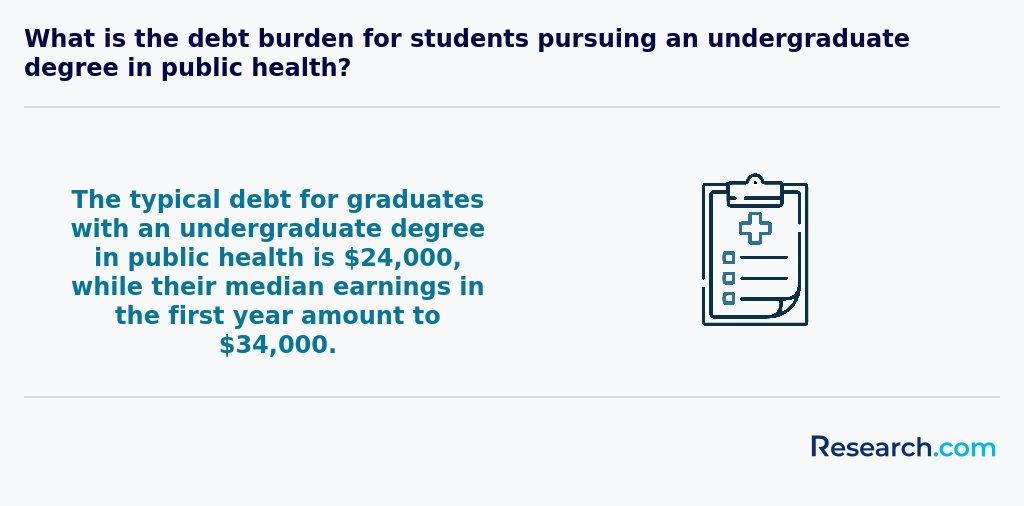
Students pursuing public health degrees in Phoenix benefit from a robust range of financial aid options designed to lower educational costs. For instance, those attending the University of Arizona find federal aid through FAFSA essential; Pell Grants can cover up to $7,395 annually, easing the burden significantly. Many graduates recall how Federal Direct Loans offered manageable interest and flexible repayment plans, allowing them to focus more on studies than finances.
Arizona-specific programs like the Arizona Financial Aid Trust (AzGRANT) additionally support in-state public health students, providing grants that directly cut tuition expenses. The Buckeye Arizona Health Career Opportunity Program uniquely motivates students to serve underserved communities by offering scholarships and loan repayment-a real advantage for those passionate about local impact.
Institutional scholarships at Phoenix-based universities, often tied to academic merit or financial need, have helped numerous public health students cover partial to full tuition. Graduate MPH candidates, in particular, appreciate the HRSA Public Health Scholarship, which funds work in federal shortage areas near Phoenix, combining financial relief with meaningful career development.
Work-study and assistantship roles also are popular; they provide not just supplemental income but valuable experience, often including tuition remission, facilitating both academic and professional growth within the community.
Applicants aiming to enroll in public health degree programs in Phoenix must meet distinct prerequisites based on the program level. For undergraduate degrees at institutions like Arizona State University, candidates usually need a high school diploma with a GPA near 2.5 to 3.0 and may benefit from coursework in biology or social sciences. Many graduates recall how strong foundation classes eased their transition into public health studies.
Graduate programs such as the Master of Public Health often require a bachelor's degree from an accredited university, though not necessarily in public health. Students with backgrounds in health sciences or community service commonly feel more confident during the competitive admission process at Phoenix-area universities. Some MPH applicants found that relevant work or volunteer experience significantly strengthened their applications, reflecting a practical understanding of health issues.
Letters of recommendation and personal statements are critical components, capturing applicants' motivation and community commitment. International students must demonstrate English proficiency via TOEFL scores. Graduates frequently highlight the value of these prerequisites in preparing them for successful careers addressing Phoenix's evolving public health challenges.
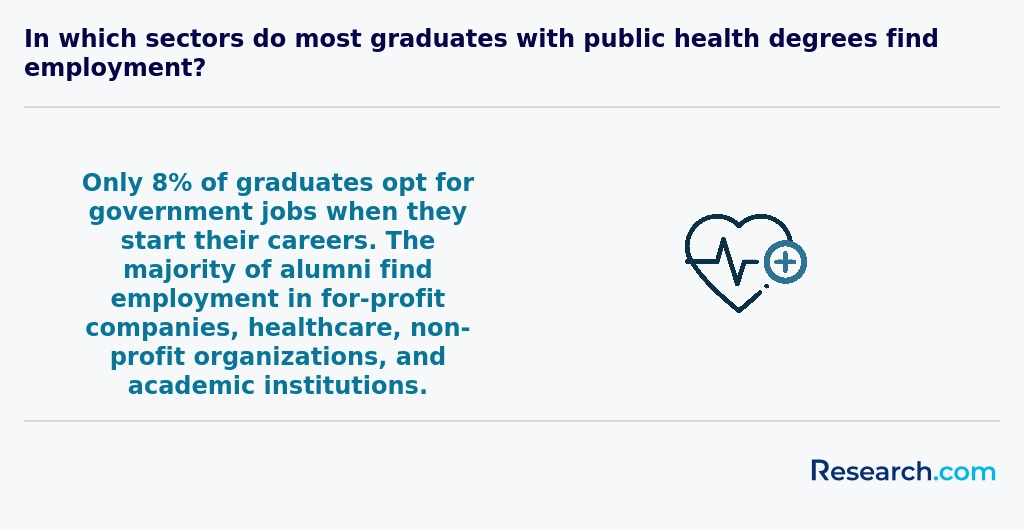
Public health degree programs in Phoenix typically include core courses such as epidemiology, biostatistics, environmental health, health policy, and social and behavioral sciences. Graduates from well-known institutions like Arizona State University often recall how epidemiology classes taught them to analyze disease patterns, which is crucial given Phoenix's rapidly expanding and diverse population.
Biostatistics courses provide students with the tools to interpret complex health data, a skill praised by many for enabling confident research application in local health departments. Environmental health classes focus on challenges like air quality and water resources, directly reflecting Phoenix's desert climate and urban growth. Students have shared that studying health policy and management gave them valuable insights into healthcare financing and regulations, which helped them navigate careers in healthcare administration.
Social and behavioral sciences courses often include community-based projects, allowing students to witness firsthand how behavior influences health outcomes in Phoenix neighborhoods. These practical experiences inspire enthusiasm, making public health studies both meaningful and impactful within the local context.
Public health degree specializations in Phoenix typically cover Epidemiology, Health Policy and Management, Environmental Health, Community Health, Behavioral Health, and Biostatistics. Graduates from Phoenix universities such as Arizona State University often emphasize how Epidemiology equips them to address disease patterns in a rapidly growing urban population. Health Policy and Management tracks prepare students to tackle Arizona's unique healthcare access challenges, which many find rewarding as it directly impacts local communities.
Environmental Health specializations stand out due to Phoenix's desert climate, where air quality and pollution issues are immediate concerns. Students report a strong sense of purpose in applying classroom knowledge to real-world environmental conditions. Community and Behavioral Health programs appeal to those motivated by working with Phoenix's diverse socioeconomic and large Hispanic populations, enhancing cultural competence and outreach effectiveness.
Biostatistics training is valued by students interested in data-driven public health research, a growing field as evidenced by demand at local institutions. For those uncertain about rigorous paths, exploring what is the easiest phd can provide insight into program selection. These specializations reflect the top public health concentrations in Phoenix universities, preparing graduates for diverse and impactful roles.
Choosing the best public health degree programs in Phoenix begins with ensuring the program's accreditation by the Council on Education for Public Health (CEPH). Graduates from Arizona State University often highlight the confidence they gained knowing their degree met national standards, which enhanced their employability. Equally important is selecting a program with specializations that align with your career goals-fields like epidemiology, health promotion, or health policy are commonly available and tailored to local needs.
Cost plays a decisive role. Public universities in Arizona typically charge between $6,500 and $12,000 per year for residents, while private schools can exceed $30,000. Students have found that comparing tuition alongside fees, materials, and living expenses in Phoenix's affordable environment helps manage budgets wisely. For those curious about related affordability issues, understanding how much does an online associate's degree cost can offer additional perspective.
Flexibility in learning format and schedule is vital for many. Phoenix's universities often provide evening or hybrid courses, a feature praised by recent graduates balancing work and study. Career support is another key factor-schools reporting strong internship partnerships and job placement rates are attractive given the 10% expected growth in local public health jobs through 2030. This data-driven, practical approach helps students confidently select among affordable public health schools Phoenix offers.

Graduates with a public health degree in Phoenix have multiple career paths available, reflecting the city's diverse health demands. Roles commonly pursued include community health educators who develop wellness programs tailored to local populations, epidemiologists who analyze regional disease trends, and health policy analysts influencing state and local regulations. Environmental health specialists play a critical role ensuring safety standards amid urban growth, while public health administrators coordinate health services in both government and private sectors.
Many students from Phoenix-area institutions report rewarding experiences working directly with underserved communities, highlighting the value of practical skills gained in such environments. Demand for these roles aligns with Phoenix's expanding healthcare sector, which grew by about 3.5% in 2023, supporting competitive salaries and job stability. Those exploring jobs with public health degree Phoenix will find opportunities engaging with agencies like the Maricopa County Department of Public Health.
For prospective students, public health degrees in Phoenix typically cost between $8,000 and $15,000 annually in-state, offering solid value. Graduates often recommend looking into the best affordable online schools that accept fafsa as a flexible option to balance cost with quality education focused on local health issues.
Public health graduates in Phoenix benefit from a steadily expanding job market fueled by the city's rapid population growth and evolving health needs. The Phoenix public health career outlook is notably positive, with government agencies, healthcare facilities, and nonprofits actively seeking professionals to address pressing issues such as disease prevention and community wellness. Graduates from well-known local universities often share how hands-on internships and community projects helped them transition confidently into roles within city health departments or hospital outreach programs.
Salary expectations in Phoenix remain competitive, with median wages for health educators around $56,000 annually, slightly below the national average but balanced by Phoenix's lower living costs. Many recent graduates express optimism given the diverse employment opportunities available locally. For students evaluating educational expenses, pursuing an online bachelor degree affordable option or attending Arizona public universities aligns well with typical tuition costs between $20,000 and $40,000 per year, offering a practical investment toward a promising career in public health job opportunities in Phoenix.
2027 Best Public Health Degree Programs Ranking in Phoenix
Investing in your education is a significant decision that can shape your future, and the Research.com team understands the importance of making informed choices. To assist prospective students in Phoenix, we have meticulously crafted the "2027 Best Public Health Degree Programs Ranking in Phoenix." Our commitment to quality, credibility, and accuracy is reflected in the extensive research and analysis conducted to compile this ranking.
We utilized the following reputable data sources to ensure a comprehensive evaluation of public health programs:
By exploring this ranking, readers will gain valuable insights into the best public health degree programs in Phoenix, enabling them to make well-informed decisions about their educational journeys. For more details on our methodology, please visit our Research.com methodology page.

# 3 position
University of Phoenix-Arizona
Master of Public Health

# 4 position
Brookline College-Phoenix
Master of Public Health

Frequently Asked Questions About public health
Public health degree students in Phoenix can maximize their learning experience by engaging in community-based projects and internships. Phoenix, being the fifth-largest U.S. city, offers diverse public health challenges like chronic disease management and urban health disparities, which provide valuable practical exposure. Local institutions such as Arizona State University collaborate with the Maricopa County Department of Public Health, creating opportunities for students to work on live cases and research.
Students should take advantage of networking events, workshops, and seminars held by organizations like the Arizona Public Health Association. These events often feature experts discussing regional health trends, such as Arizona's higher rates of diabetes and obesity, which are critical study areas.
Finally, utilizing Phoenix's extensive public health data resources allows students to analyze real-world statistics, sharpening analytical skills essential for careers in epidemiology, health policy, and community health promotion.
The public health field is rapidly evolving, with several emerging niches gaining importance, especially in urban areas like Phoenix. One key area is environmental health, focusing on local concerns such as air quality and water safety, which are critical in Arizona's desert climate. Another growing specialty is health informatics, where professionals analyze health data to improve community outcomes and disease tracking.
Behavioral health and mental wellness initiatives are also expanding, reflecting rising awareness about mental health challenges in metropolitan populations. Additionally, public health professionals in Phoenix are increasingly engaging in disaster preparedness due to the region's vulnerability to natural events like wildfires and heatwaves.
These niches align well with trends reported by the Arizona Department of Health Services and national health workforce studies, highlighting promising career opportunities in these sectors.
To prepare for the job market after completing a public health degree in Phoenix, students should focus on gaining practical experience through internships or volunteer work. Many local organizations, such as the Maricopa County Department of Public Health, offer opportunities to work on community health initiatives, which enhances resumes and networking.
Networking with professionals in Phoenix is essential; joining local public health associations like the Arizona Public Health Association provides access to job fairs and workshops. According to the U.S. Bureau of Labor Statistics, public health jobs in Arizona are projected to grow 11% from 2020 to 2030, highlighting the importance of industry engagement.
Furthermore, developing strong skills in data analysis and epidemiology will increase employability. Many employers seek candidates proficient in software like SAS or SPSS, commonly used in Phoenix health departments.
Employers in Phoenix seeking public health degree graduates prioritize a mix of technical and interpersonal skills. Analytical abilities top the list, as graduates must interpret health data to address local concerns like the city's high rates of diabetes and respiratory illnesses, according to recent reports from the Arizona Department of Health Services. Strong communication skills are essential for educating diverse populations and collaborating with community organizations.
Project management and leadership competencies are also highly valued due to the complexities of public health programs in urban settings. Additionally, cultural competency is critical in Phoenix's diverse environment, enabling graduates to design inclusive health interventions that effectively reach Hispanic and Native American communities.
Familiarity with health informatics and policy frameworks further enhances employability in this growing field. These skills prepare graduates to contribute effectively to Phoenix's evolving public health landscape.
Finding internships in Phoenix relevant to a public health degree involves leveraging local resources and networks. Students should start with university career centers, as many institutions in Phoenix have established partnerships with local health departments and organizations.
The Maricopa County Department of Public Health is a key employer offering internships that provide hands-on experience in epidemiology, community health, and policy development. According to the Arizona Department of Health Services, Maricopa County represents over 60% of the state's population, making it a hub for public health activities.
Additionally, students can explore opportunities at local hospitals, nonprofits, and research institutions such as the University of Arizona College of Public Health's Phoenix campus, which maintains lists of internship openings.
Networking through professional bodies like the Arizona Public Health Association also enhances internship prospects in Phoenix's public health sector.
A public health degree in Phoenix significantly enhances career mobility and advancement opportunities. With Arizona projected to grow in healthcare jobs by nearly 15% from 2022 to 2032, earning this degree positions graduates for rising demand in local public health roles, including epidemiology and health promotion, according to the U.S. Bureau of Labor Statistics. Employers in Phoenix value candidates with formal public health training, often leading to faster promotions and higher responsibility.
The degree equips students with skills in data analysis, policy development, and community health initiatives, which are critical in Phoenix's diverse urban and rural areas. Graduates often transition into leadership positions within government agencies, nonprofits, and healthcare systems. Furthermore, connections established through Phoenix's university programs and local public health departments facilitate valuable networking that can accelerate career growth.
Studying for a public health degree in Phoenix equips students with skills crucial for interdisciplinary roles in healthcare, policy, and community planning. Programs often emphasize collaboration across fields like epidemiology, environmental health, and social sciences, reflecting the complexity of health challenges in urban Arizona. According to the Arizona Department of Health Services, Phoenix faces diverse public health issues including chronic diseases and environmental hazards, requiring professionals to work across disciplines.
Many Phoenix universities incorporate practical experiences with local health organizations, fostering teamwork and cross-sector communication. This approach prepares graduates to address public health from multiple angles effectively.
Choosing between a thesis and a non-thesis public health degree program in Phoenix depends on your career goals and learning preferences. A thesis option typically involves original research and is suitable for students interested in academic or research careers. It requires strong writing skills and a commitment to in-depth study. Non-thesis programs focus more on practical skills and may include additional coursework or a capstone project, ideal for those aiming to enter the workforce quickly.
Public health programs in Phoenix align with national standards set by the Council on Education for Public Health (CEPH). Local employers often value hands-on experience, which non-thesis tracks emphasize through internships and practicums. According to the Arizona Department of Health Services, Phoenix faces ongoing challenges with chronic diseases, underscoring the demand for applied public health professionals.
Before deciding, consider if you plan to continue with a doctoral degree or prefer applied work immediately after graduation. Contacting program advisors at institutions like Arizona State University can also clarify how each option fits your professional plans.
Students based in Phoenix seeking to study public health abroad have several pathways through U.S. higher education institutions. Many Arizona universities, including Arizona State University, offer exchange and study abroad programs in partnership with global institutions. These initiatives often include options to study public health topics internationally, allowing students to gain firsthand experience with diverse healthcare systems.
The Council on Education for Public Health (CEPH) accredits U.S. programs, ensuring recognized quality. Additionally, U.S. students can pursue dual degrees or certificate programs incorporating international public health perspectives. According to the Institute of International Education, about 10% of U.S. public health students participate in study abroad annually, reflecting growing interest in global health.
Financial aid and scholarships tailored for study abroad are also frequently available from public universities in Arizona, helping Phoenix students manage expenses while gaining valuable global insights into public health challenges.
Part-time job opportunities in Phoenix that complement public health degree education often include roles in healthcare facilities, nonprofits, and government agencies. For example, working as a community health worker or health educator can provide practical experience in health promotion and disease prevention, key areas of public health. According to the Arizona Department of Health Services, demand for community health workers in Phoenix is expected to grow by 13% through 2028.
Additionally, positions such as research assistants at local universities or organizations like the Maricopa County Public Health Department allow students to engage with data collection and analysis. These roles help develop essential skills for epidemiology and health policy.
Pharmacies and clinics in Phoenix also offer part-time technician roles, providing exposure to healthcare operations and patient interaction. These jobs support academic learning with real-world application in public health environments.
Public health students in Phoenix benefit from a variety of networking opportunities that connect them with professionals and organizations in the field. The city hosts chapters of national groups like the American Public Health Association (APHA), offering regular meetings and events where students can engage with experienced practitioners.
Many universities in Phoenix collaborate with local health departments and nonprofits, giving students access to internships and community projects. For example, the Maricopa County Department of Public Health often partners with schools to provide hands-on experiences.
Additionally, Phoenix's growing healthcare sector creates opportunities at conferences and workshops focused on topics such as epidemiology and health policy. According to the Arizona Department of Health Services, these events attract hundreds of public health professionals annually, enhancing networking possibilities for students.
Alumni networks play a significant role in supporting public health degree students in Phoenix by offering valuable professional connections. Many graduates remain actively involved, providing mentorship and sharing job leads within the local health sector. According to the Council on Education for Public Health, strong networking can increase employment opportunities by up to 30% for recent graduates.
In Phoenix, where public health challenges like chronic disease and healthcare access persist, these networks facilitate collaboration between students and experienced professionals. They often host events, webinars, and workshops tailored to Phoenix's unique public health landscape, enhancing practical learning beyond the classroom.
Students leveraging these networks gain insights into regional policies and emerging trends, a crucial advantage in a competitive job market.
Customizing a public health degree program in Phoenix allows students to align their education with specific career goals. Many institutions offer elective courses in areas like epidemiology, health policy, or community health, enabling focused skill development. Students can also pursue practicum opportunities with local health departments such as the Maricopa County Department of Public Health, providing hands-on experience in regional health challenges.
Some programs offer flexible formats including part-time or online classes, which help working professionals balance study and employment. Additionally, certificate programs or minors in related fields like data analytics or environmental health further tailor a degree.
According to the Arizona Department of Health Services, Phoenix faces ongoing public health challenges such as chronic disease management, which students might address through specialized coursework. Choosing a public health program with strong local partnerships can enhance career readiness in Phoenix's dynamic health sector.
Public health students in Phoenix face several notable challenges during their studies. One key difficulty is managing practicum opportunities, as the city's growing healthcare demands create competition for placements in hospitals, government agencies, and community organizations. According to the Arizona Department of Health Services, population growth in Phoenix has increased pressure on public health infrastructure, impacting students' access to diverse fieldwork experiences.
Another challenge is navigating financial constraints. Tuition for public health programs varies, but many students rely on loans or scholarships, which can create stress. Balancing part-time work while maintaining academic rigor is common. Additionally, understanding regional health disparities in urban and rural Arizona requires extensive study, adding complexity to coursework.
A public health degree provides a strong foundation for obtaining various professional certifications that enhance career opportunities. Key certifications include the Certified in Public Health (CPH) credential offered by the National Board of Public Health Examiners. This certification demonstrates mastery of core public health skills and is widely recognized across the U.S., including Arizona.
Other popular certifications include the Certified Health Education Specialist (CHES) and the Registered Environmental Health Specialist (REHS), which focus on health education and environmental health, respectively. These certifications are valuable in Phoenix, where public health initiatives tackle issues like air quality and chronic disease.
Obtaining these certifications often requires a combination of education, experience, and passing an exam, which can elevate a candidate's professional credibility and job prospects locally and nationally.
Writing a winning application for a public health program in Phoenix requires clear focus and preparation. Start by researching local schools thoroughly, such as Arizona State University, which offers well-regarded public health degrees. Highlight your understanding of Phoenix's unique public health challenges, including high rates of chronic diseases and health disparities among diverse populations, as reported by the Arizona Department of Health Services.
Emphasize relevant experience, such as community service or internships in healthcare settings. Strong recommendation letters and a compelling personal statement showcasing your commitment to improving public health outcomes in the Phoenix area are essential.
Finally, meet all deadlines and tailor your application to reflect the values and priorities of Arizona's public health community.
A public health career offers a global viewpoint that emphasizes the interconnectedness of health challenges and solutions. Professionals trained in the United States, including those in Phoenix, are well-prepared to address issues such as infectious diseases, chronic conditions, and health disparities worldwide.
The U.S. public health system collaborates with international organizations like the World Health Organization and CDC, promoting knowledge exchange and global health security.
In Phoenix, public health graduates often work in diverse communities impacted by migration and urban health concerns, reflecting global trends in population health.
According to the Bureau of Labor Statistics, jobs in this field are expected to grow by 17% nationally by 2030, highlighting the increasing value of public health expertise on a global scale.
Students pursuing public health degrees in Phoenix can gain practical experience through local internships, research projects, and community engagement. Many universities in the area partner with organizations such as the Maricopa County Department of Public Health, offering hands-on opportunities in epidemiology and health promotion.
Volunteering at clinics or public health campaigns in Phoenix also helps students build relevant skills while addressing local health challenges. According to the Arizona Department of Health Services, internships focused on chronic disease prevention and COVID-19 response have grown over 20% since 2020, reflecting increased demand for practical learning.
Additionally, participating in university-led research projects allows students to contribute to data analysis and health education efforts specific to Arizona's diverse populations. These experiences are valuable for career readiness and networking within the state's public health sector.
Choosing the right concentration within a public health degree program in Phoenix requires assessing your career goals and local community needs. Phoenix faces specific public health challenges, such as high rates of diabetes and air quality issues, which are addressed by specializations like epidemiology and environmental health. According to the Arizona Department of Health Services, these areas offer meaningful local impact and job opportunities.
Consider concentrations that align with growing sectors in Phoenix's healthcare system, such as health policy or community health promotion. Reviewing program curricula and internship options can reveal how well a program prepares students for roles within Maricopa County, where most public health jobs in Phoenix are located.
Data from the Bureau of Labor Statistics shows that public health fields linked to tribal health and chronic disease management have seen steady employment growth in Arizona. Choosing a concentration tied to these trends improves your prospects in the Phoenix job market.
- 2027 Best Public Health Degree Programs Ranking in Tucson
- 2027 Best Public Health Degree Programs Ranking in San Diego
- 2027 Best Public Health Degree Programs Ranking in La Jolla
- 2027 Best Public Health Degree Programs Ranking in Albuquerque
- 2027 Best Public Health Degree Programs Ranking in Irvine
- 2027 Best Public Health Degree Programs Ranking in Los Angeles
- 2027 Best Public Health Degree Programs Ranking in Salt Lake City
- 2027 Best Public Health Degree Programs Ranking in Berkeley
- 2027 Best Public Health Degree Programs Ranking in San Francisco
- 2027 Best Public Health Degree Programs Ranking in Austin
- Public Health/Global perspective - Wikiversity https://en.wikiversity.org/wiki/Public_Health/Global_perspective
- Online Healthcare Courses | University of Phoenix https://www.phoenix.edu/videos/fields-of-study/online-healthcare-courses.html
- Pre-Professional Health Experience Guide | PublicHealthOnline.org https://www.publichealthonline.org/pre-professional-experience/
- Work Experience Opportunities - Everyone Health Careers https://careerseveryonehealth.co.uk/work-experience/
- Dive deeper into public health topics. https://www.apha.org/topics-and-issues
- How to carve a niche in your public health career | PH SPOT https://phspot.org/carvinganiche/
- Public Health Challenges – IPA SDG Dashboard https://sdg.internationalpublishers.org/sdgaction/public-health-challenges/
- Engaging students through service-learning opportunities in public health https://sneb.org/engaging-students-through-service-learning-opportunities-in-public-health/
- 2025 Most Affordable Online MPH Programs https://www.onlineu.com/most-affordable-colleges/public-health-masters-degrees
- Today’s Guide to Public Health Certifications https://www.publichealthdegrees.org/resources/public-health-certifications/











