2027 Most Valuable Online Master's in Public Health Degree Programs Ranking in the Northeast

Co-Founder and Chief Data Scientist
Choosing the right online Master's in Public Health program can be overwhelming, especially for students in the Northeast seeking flexible and valuable options. To simplify this decision, the Research.com team of data scientists has created the 2027 Most Valuable Online Master's in Public Health Degree Programs Ranking in the Northeast.
In this article, you'll discover data-driven insights to help identify programs that offer strong outcomes and align with your career goals. Earning a public health degree can open doors to meaningful work that positively impacts communities-making this read a helpful step toward your future.
Key benefits of getting online public health degree in the Northeast
- Graduates with a public health degree in the Northeast can expect strong earning potential, with jobs like Public Health Program Manager, Healthcare Administrator, and Health and Safety Manager averaging around $134,440 annually.
- Career paths often include roles such as Epidemiologist or Health Informatics Specialist, giving graduates from regional schools access to diverse and impactful opportunities in healthcare and research.
- Completing a public health degree online offers flexibility and convenience, allowing students from busy lifestyles or remote areas to advance their education without disrupting their current responsibilities.
- 2027 Most Valuable Online Master's in Public Health Degree Programs Ranking in the Northeast
- What can I expect from online public health degree in the Northeast?
- Where can I work with online public health degree in the Northeast?
What can I expect from online public health degree in the Northeast?
The average cost of an online public health degree in the Northeast often dances between affordability and investment, with tuition rates stretching from around $20,000 to upwards of $60,000. Graduates from universities in Massachusetts or New York frequently recall balancing their budgets with employer tuition reimbursement or scholarships, transforming a potentially daunting expense into an achievable step forward.
Picture a graduate juggling a full-time job while absorbing lessons on epidemiology from a college in Pennsylvania, their laptop glowing late into the night. The payoff isn't just in numbers but in the immersive experience: courses tailored to tackle urban health challenges unique to the Northeast, blending theory with actionable skills.
This blend of rigor and flexibility means students feel supported, not stretched thin-learning to analyze data for neighborhood health programs or design outreach campaigns during a coffee break. The financial stretch is real but softened by multiple aid avenues and a strong sense of purpose.
Where can I work with online public health degree in the Northeast?
Graduates from online public health programs at Northeastern institutions find themselves stepping into vibrant arenas of impact-imagine collaborating with the New York State Department of Health, analyzing real-time epidemiology data to protect communities from emerging threats. One graduate from a Boston-based university shared how their role in local health departments quickly blossomed, turning classroom theories about health communication into lifesaving outreach campaigns during flu seasons.
In bustling hospitals like Massachusetts General or NewYork-Presbyterian, another cohort of graduates navigates the intersection of patient care and community wellness, designing programs that ripple beyond the wards into neighborhoods. They celebrate the chance to fuse occupational health with practical safety measures, providing workers with healthier workdays.
Others dive into the nonprofit world, crafting grant proposals with heart and precision to support addiction recovery or chronic disease initiatives, often feeling the profound warmth of making tangible change where it's needed most. Meanwhile, those drawn to research, inspired by prestigious Northeast universities, transform complex data into groundbreaking public health studies that propel entire regions forward.
Every graduate's experience pulses with the excitement of contributing directly to a region known for its dynamic health landscape and endless opportunities.
Picture graduating from a Northeastern powerhouse like Boston University or the University of Pittsburgh, stepping into a world where your online public health degree is your golden ticket. In the bustling corridors of healthcare and research, your paycheck mirrors the region's high stakes and ambitions. As a public health program manager, you could be commanding a robust mean annual wage of $134,440, leading initiatives that ripple through cities like Boston and Philadelphia.
Graduates stepping into epidemiologist roles find themselves earning close to $90,430 a year-figures that come alive as they track down health threats in urban hubs like New York City. Meanwhile, health informatics specialists, weaving data into life-saving insights, bring home around $70,260 annually, blending tech skills with public health smarts.
Imagine a former student from a New England university sharing their story: landing a health and safety manager role, earning the $134,440 average, driving policy that protects entire communities. The Northeast isn't just a place to study public health-it's where your degree transforms into a paycheck reflecting expertise, impact, and the pulse of regional health priorities.
- Online MPH programs in the Northeast are CEPH-accredited and offered by many universities.
- Tuition typically ranges from $20,000 to $45,000, with lower costs at public schools and in-state tuition benefits.
- The average starting salary for graduates is about $60,000 per year in this region.
- Mid-career salaries usually range from $80,000 to $100,000, with higher pay for leadership roles.
- Public health job growth in the Northeast is projected at around 10% over the next decade, above the national average.
- Many programs provide career services, internships, and local networking opportunities to support job placement.
Picture this: juggling a full-time job in bustling Boston while completing an online Master of Public Health from a top Northeast university. For many graduates in this scenario, the journey lasts about two years-steady but manageable. Some opt for the part-time route, extending their studies toward three years to savor the learning without compromising work or family. It's like crafting a personalized rhythm, where each credit hour earned is a step closer to a meaningful career pivot.
Others dive into accelerated programs at prestigious institutions in New York or Philadelphia, compressing the experience into 12 to 15 intense months, fueled by determination and coffee. The flexibility of these online degrees lights up the path for those balancing internships alongside courses-imagine evenings spent reflecting on public health impacts while navigating city lifespans from your favorite neighborhood café.
Bachelor's degree seekers often paint a four-year canvas of study, customized by part-time pacing, reflecting their unique lives in the Northeast's dynamic environment. These timelines embrace life, learning, and local culture in harmony.
Choosing a high-value online MPH program means verifying its accreditation and quality measures.
- CEPH accreditation ensures your curriculum meets national standards for public health education.
- Accredited programs feature qualified faculty, robust research opportunities, and clear learning outcomes.
- Employers and licensing bodies often require degrees from CEPH-accredited schools for top positions.
For related healthcare credentials that can boost your skill set, see our guide to medical billing and coding certification online.
Imagine juggling a full-time job in bustling Boston while earning your MPH from your couch-this is the reality for many online public health students in the Northeast. The digital highway offers freedom: asynchronous lectures from renowned programs, like those at a certain Boston university, mean you can attend class in your pajamas at midnight or during a lunch break.
Contrast this with the vibrant campus life at traditional schools such as those in New York or Philadelphia, where on-campus students thrive in dynamic face-to-face discussions and immersive internships at local health departments. Graduates recall the buzz of last-minute study groups in cozy campus cafés, a nurturing environment hard to replicate online.
Cost-wise, online learners save not just on tuition but on the daily grind of city commutes or pricey Boston housing. Acquiring skills remotely demands grit and top-tier digital skills, a challenge embraced with pride by many recent alumni who find the flexibility life-changing yet equally rigorous.
The rapidly evolving world of public health has spurred innovative changes in online education, reshaping both academic curricula and career trajectories. Digital transformation is at the forefront, as programs increasingly integrate data analytics, telemedicine, and virtual simulation tools to better prepare students for real-world challenges. These enhancements not only modernize learning experiences but also align graduates with the latest industry standards and employment trends. Institutions are responding by updating course materials, incorporating interactive learning modules, and fostering partnerships with healthcare organizations. This forward-thinking approach is critical for those seeking a best popular public health degree that stands out in a competitive job market. As public health demands grow amid emerging global challenges, both professionals and educators are committed to leveraging technology and innovative practices to ensure impactful, community-driven outcomes. Additional emphasis on sustainability, mental health awareness, and preventative strategies is expected to shape future programs, ultimately providing students with a comprehensive skill set that is both adaptive and resilient.
The average cost of an online public health degree in the Northeast typically centers around $30,755, a figure that comfortably sits between the more affordable in-state rates and out-of-state options hovering near $30,820. Imagine a graduate from a well-regarded college in Massachusetts reflecting on their journey: they balanced tuition fees close to these numbers while juggling family, job, and the rich academic culture unique to this region. This total tuition and fees for online MPH programs Northeast highlight a landscape where public institutions offer routes around $20,000 to $30,000, making advanced education within reach for many.
Private colleges, known for their extensive faculty and research opportunities, generally ask for more-anywhere from $35,000 to $50,000. One student might recall the rewarding challenge of investing in a private school's program, buoyed by access to cutting-edge research centers and meaningful community connections. The value felt personal and strategic, tying their educational spend to significant professional growth.
It's important to weave these costs with practical considerations-scholarships, employer support, and potential financial aid soften the price tag. For those eager to explore options, checking out the best popular public health degree pathways can reveal programs crafted to suit both budget and ambition.
CEPH accreditation signifies a program’s commitment to rigorous standards in curriculum, faculty, and student outcomes.
- Programs accredited by CEPH cover essential competencies in epidemiology, biostatistics, environmental health, health policy, and social and behavioral sciences.
- Accredited schools employ faculty with doctoral credentials and active research or professional practice in public health.
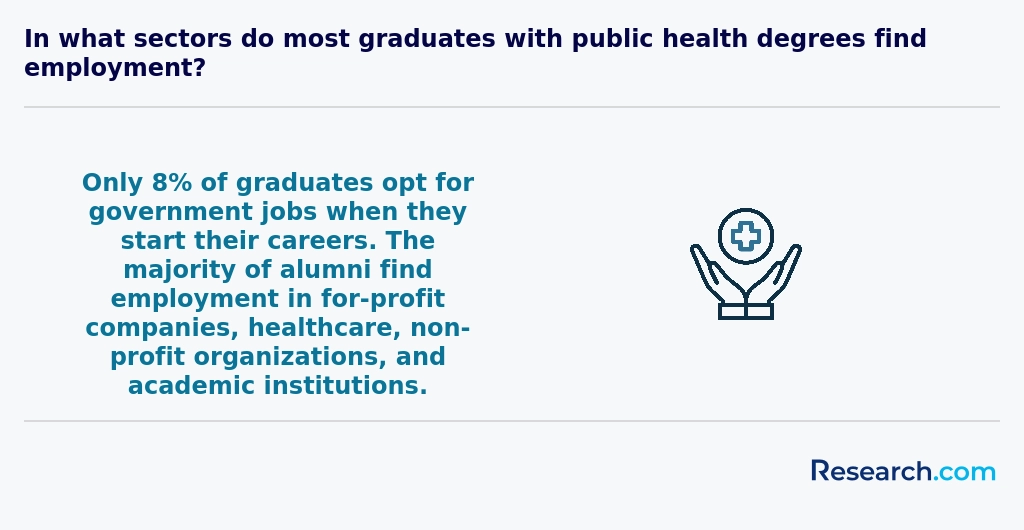
- Graduates from CEPH-accredited programs report higher job placement rates in government agencies, hospitals, NGOs, and academia.
For a complementary credential in healthcare operations, consider a medical billing and coding certification.
Picture yourself diving into an online public health degree from a vibrant Northeastern school-maybe a graduate from a renowned institution like Boston University or the University of Pennsylvania. Their journey was powered not just by grit but by layers of financial aid treasures waiting to be unlocked. Federal aid kicks things off: filling out the FAFSA can open doors to direct loans with manageable repayment plans or, for some lucky ones, Pell Grants that feel like rare gems in graduate funding.
Then there's the magic of state-specific fuel-imagine a New York resident tapping into the Tuition Assistance Program (TAP) as a secret shortcut to ease tuition hurdles. Massachusetts and Pennsylvania students often find scholarships crafted precisely for the public health heroes online, anchored in their local roots.
Institutions themselves can be generous allies, offering merit scholarships or assistantships-even teaching roles that grant both income and real-world creds. And don't overlook the power of professional organizations like the American Public Health Association, or employer tuition reimbursements, which transform your day job into a stepping stone for your degree.
For many, weaving these aids together turns what seemed like a towering expense into a manageable, even inspiring, path forward.
Graduates of online Master’s in Public Health programs in the Northeast often see strong returns on their educational investment, especially when pursuing roles with the greatest salary potential. For a comprehensive list of the highest paying public health jobs and careers, our dedicated guide offers detailed insights. Below are some of the most lucrative career paths and their estimated median salaries: • Biostatistician – $95,000: Specialists in data analysis who support clinical trials and public health research. • Epidemiologist – $80,000: Experts in disease surveillance and outbreak investigation, often employed by government agencies and research institutions. • Health Services Manager – $105,000: Leaders who oversee hospital departments, non-profit health programs, or large-scale community initiatives. • Environmental Health Director – $90,000: Professionals directing programs aimed at reducing environmental risks and promoting workplace safety. Beyond salary, ROI should factor in program cost, time to completion, and long-term career growth. Many Northeastern online MPH programs feature accelerated tracks or part-time options, allowing students to remain employed while studying. When selecting a specialization, consider market demand, regional health priorities, and potential for advancement to maximize both impact and financial rewards.
Imagine preparing to dive into an online public health program at a renowned Northeast institution like Boston University or Columbia University. To unlock this opportunity, many graduates recall first securing a bachelor's degree-often in biology, sociology, or health sciences-laying the foundation for this transformative journey. A solid GPA around 3.0 becomes a badge of academic commitment, reflecting not just numbers but hours spent pouring over research or community projects.
Next comes assembling your story: official transcripts, heartfelt letters of recommendation, and a statement of purpose that feels less like an essay and more like your personal mission statement in public health. Graduates often find this reflection empowering, framing their goals with clarity and passion.
GRE tests are fading from the spotlight here, thanks to evolving Northeast programs that favor real-world experience and holistic reviews. Many find relief in this shift, especially when juggling busy lives.
Technical savvy is your backstage pass-being comfortable with online platforms means you can fully engage in lively discussions, interactive modules, and virtual collaborations that echo the dynamic public health challenges you're eager to tackle.
Accreditation ensures your online MPH meets industry standards for curriculum rigor, faculty expertise, and graduate outcomes. Verify each program’s credentials by:
- Checking CEPH accreditation for public health programs, which confirms adherence to core competencies and ethical practice
- Confirming regional accreditation (Middle States, NEASC, etc.) to secure federal financial aid eligibility and broad academic recognition
- Reviewing published learning outcomes, faculty profiles, and graduate placement rates for transparency on program effectiveness
- Exploring related career pathways like medical billing and coding certification
Diving into an online public health degree in the Northeast means navigating a rich curriculum where epidemiology and biostatistics become your trusty compass. Picture a graduate from a Boston college unraveling disease patterns through data, transforming raw numbers into life-saving insights. These courses aren't just theory-they're a backstage pass to understanding real outbreaks and turning statistics into action.
Environmental health adds another layer, especially relevant in industrial hubs like Philadelphia or densely packed urban centers in New York. Imagine a student mapping pollution's impact on communities, empowering them to advocate for cleaner air and safer workplaces.
Health policy and management courses immerse learners in the complexities of Northeast health systems, where diverse regulations weave a labyrinth of challenges and opportunities. Graduates from schools in the region often share how mastering these policies empowered them to influence insurance reforms and public health programs.
Behavioral sciences bring it all home by exploring how culture and community shape health-think designing outreach programs for multicultural neighborhoods in Massachusetts or Pennsylvania, blending empathy with evidence to spark real change.
Electives like global health or maternal care invite personalization, letting students tailor their path to passions while rooted in the region's unique health landscape. This curriculum feels alive, practical, and wildly relevant to anyone keen on making a difference in Northeastern public health.
Students diving into online public health specializations Northeast discover fields that feel less like academic tracks and more like full-on missions. Imagine studying Epidemiology through the lens of a Northeastern urban hospital-tracing disease patterns amidst subway crowds or winter outbreaks, just as graduates from Boston's top public health programs have done. Or picture resolving healthcare puzzles in Health Policy and Management, where you navigate complex systems serving dense, culturally diverse cities, a challenge many New York alumni passionately describe.
Environmental Health captures the spirit of protecting both city streets and industrial sites, a calling felt keenly by grads from colleges near coastal and manufacturing hubs. Beyond that, specializations like Global Health, Social and Behavioral Sciences, and Biostatistics spread wide, preparing students for ripple effects that cross borders and behaviors alike. A frequent graduate sentiment is the thrill of facing real-community issues head-on, gaining skills that open doors to the highest paying public health jobs and careers that truly impact lives.
These carefully crafted online public health degree focus areas Northeast reflect a vivid educational journey, affirming why so many choose this path.
Choosing the best online public health degree in the Northeast means diving into programs that blend rigorous CEPH accreditation with real-world relevance. Imagine a graduate from a well-known Boston university sharing how their curriculum covered everything from epidemiology to local health policy-skills they applied immediately in state health departments facing urban challenges. This hands-on insight, paired with faculty who are active in regional initiatives, transforms daunting theory into vivid, actionable knowledge. Cost often feels like a storm cloud, but graduates from New York and Philadelphia institutions talk about uncovering scholarships and tapping into in-state tuition to ease the burden, making affordable online MPH programs in Northeast schools a beacon of hope. Flexibility can be your secret weapon-many programs offer asynchronous classes that fit into a nurse's hectic schedule or a single parent's unpredictable day. For those seeking speed, consider fast online programs for working adults, which alumni praise for combining intensity with career momentum.

Graduates with an online public health degree in the Northeast find themselves stepping into dynamic roles that ripple through urban landscapes and policy halls alike. Imagine working as an epidemiologist tracking the subtle spread of infectious diseases in bustling Boston neighborhoods or serving as a health educator in Philadelphia's community clinics, sparking wellness movements among diverse populations. These career paths don't just exist-they thrive amid the Northeast's unique blend of historic urban centers and cutting-edge research universities.
Environmental health specialists from prominent Northeastern schools often tackle real-world challenges, from mitigating industrial pollution in New York's boroughs to designing safer workplaces. Similarly, healthcare administrators and policy analysts leverage their degrees to sculpt health programs that meet the region's complex needs. Graduates pursuing public health degree job opportunities Northeast consistently highlight the rewarding intersection of impactful work and local relevance, a combination that fuels their passion and growth.
Many students choose open admission colleges here, attracted by flexible pathways and practical frameworks designed for busy lives-proof that accessible education powers these hopeful journeys in online public health careers Northeast.
Dreaming of making a real impact in bustling cities like Boston or Philadelphia? Graduates with an online public health degree in the Northeast find themselves plugged into a vibrant network of opportunities, from state health departments to innovative research institutions. The region's top schools offer programs that don't just teach theory-they connect students to hands-on projects tackling local health crises, making public health not only a career but a calling. These graduates often report excitement entering markets where their skills are urgently needed and where the pay, typically higher than national averages, feels like a validation of their hard work.
Living costs might be high, but so are the career prospects. Whether navigating health policy desks or joining community health outreach, the Northeast's ecosystem encourages professionals to grow alongside groundbreaking public health efforts. If you're curious about what masters degrees pay the most, public health careers here often rank impressively. Thanks to this dynamic job landscape, exploring online public health jobs in the Northeast becomes a journey of both professional success and personal fulfillment.
Local colleges supporting this surge focus on meaningful collaborations-alumni share stories of launching careers in healthcare systems or consulting firms that shape regional health policy. This is public health degree career opportunities Northeast in action: diverse, in-demand, and full of promise.
2027 Most Valuable Online Master's in Public Health Degree Programs Ranking in the Northeast
Investing in your education is a significant decision that can shape your future, and the Research.com team understands the importance of making informed choices. To assist prospective students, we have meticulously developed the "2027 Most Valuable Online Master's in Public Health Degree Programs Ranking in the Northeast." Our commitment to quality, credibility, and accuracy is demonstrated through extensive research and thorough analysis.
We utilized the following reputable data sources to ensure a comprehensive evaluation of these public health programs:
By reviewing this ranking, readers will gain valuable insights into the most worthwhile online MPH programs in the Northeast, empowering them to make well-informed educational choices. For more information on how this ranking was created, please visit our Research.com methodology page.


# 6 position
John Jay College of Criminal Justice of the City University of New York
Master of Inspection and Oversight: Health Care Specialization


# 10 position
Thomas Edison State University
Master of Healthcare Management

Frequently Asked Questions About public health
Students pursuing online public health degrees in the Northeast can enhance their learning by engaging actively with virtual resources and local public health organizations. Many Northeastern schools offer access to extensive digital libraries and databases such as PubMed and the CDC's resources, which are critical for staying updated on regional health trends. Networking through online forums and webinars can connect students with professionals tackling challenges like opioid addiction and urban health disparities prevalent in states like New York and Massachusetts.
Internships and practicums with local health departments provide practical experience and boost employment prospects in the Northeast's competitive market, where public health jobs are projected to grow by 13% from 2022 to 2032 according to the Bureau of Labor Statistics. Staying current with state-specific health policies and regulations also benefits students preparing for certifications or licensure exams.
Emerging niches within the public health field reflect evolving societal and environmental challenges. In the Northeast, there is growing demand for expertise in health informatics, which combines data science and public health to improve healthcare outcomes. According to the Association of State and Territorial Health Officials (ASTHO), this niche is expanding rapidly due to increased reliance on digital health data and analytics.
Another vital area is environmental health, focusing on pollution and climate change impacts, especially relevant in densely populated Northeastern cities. Behavioral health integration is gaining traction as mental health becomes a priority within public health systems. Lastly, health equity and social determinants of health remain critical, given the region's diverse populations and persistent disparities reported by the CDC regional data.
To prepare for the job market after earning an online public health degree in the Northeast, start by gaining relevant experience through internships or volunteer positions with local health departments, nonprofits, or hospitals. These opportunities enhance practical skills and build professional networks. According to the U.S. Bureau of Labor Statistics, public health employment in the Northeast is expected to grow about 11% from 2022 to 2032, slightly above the national average.
Next, consider obtaining certifications like the Certified in Public Health (CPH) credential to improve your competitiveness. Networking through regional associations such as the Northeast Public Health Association can also open doors to job leads and mentorship.
Employers in the Northeast seek public health graduates with strong analytical skills to interpret complex health data and guide decision-making. Communication abilities are also critical, as professionals must convey health information clearly to diverse populations. Proficiency in epidemiology and biostatistics is frequently requested, reflecting regional health priorities such as managing infectious diseases and chronic conditions.
Regional employers also value cultural competency, given the Northeast's diverse communities. According to a 2023 report by the New England Public Health Association, over 70% of employers emphasize teamwork and leadership skills in candidates. Familiarity with health policy and program planning is another important asset, helping graduates address local public health challenges effectively.
Finding internships in the Northeast for public health students involves leveraging multiple resources. Many universities in the region maintain partnerships with local health departments, hospitals, and nonprofit organizations, which often provide structured internship opportunities. The New England Public Health Association reports that states like Massachusetts and New York have some of the highest concentrations of public health agencies, increasing internship availability.
Students should also explore platforms like Handshake and professional networks such as the American Public Health Association's Northeast chapter. Early networking with faculty can unveil hidden opportunities. Applying ahead of semester deadlines is crucial as competitive spots fill quickly.
Online public health degrees offer significant career mobility and advancement opportunities for professionals in the Northeast. This region experiences strong demand for public health experts due to dense populations and diverse health challenges. According to the U.S. Bureau of Labor Statistics, the Northeast expects a 12% growth in public health jobs by 2030, higher than the national average.
Graduates with an online Master's in Public Health (MPH) can access roles in government agencies, hospitals, and nonprofits. The flexibility of online programs enables working professionals to gain credentials without relocating, crucial in states like New York and Massachusetts.
Employers in the Northeast increasingly recognize accredited online degrees, valuing relevant skills and local public health knowledge demonstrated by graduates.
Studying for a public health degree in the Northeast offers unique opportunities for interdisciplinary education. Institutions in this region often integrate courses from various fields such as epidemiology, health policy, environmental science, and social work. This approach equips students to address complex health challenges that cross traditional boundaries.
The Northeast is home to prominent public health schools that emphasize collaboration between medical, business, and social science disciplines. According to the Association of Schools and Programs of Public Health (ASPPH), many accredited online programs here incorporate case studies and projects involving multiple sectors.
Graduates from these programs gain skills essential for roles in healthcare administration, community health, and policy analysis, increasing their versatility in the workforce.
Choosing between a thesis and a non-thesis public health degree in the Northeast depends largely on your career goals and learning preferences. A thesis option requires original research and is ideal for students aiming for doctoral studies or research careers. Non-thesis programs typically emphasize practical skills through coursework and internships, fitting those who want to work directly in public health practice or administration.
Many Northeast institutions, including some in New York and Massachusetts, offer both options online. According to the National Center for Education Statistics, approximately 40% of graduate public health students in the Northeast opt for thesis programs, reflecting strong research resources in the region.
Consider program flexibility, faculty expertise, and your professional goals when deciding. Thesis work demands significant time commitment but can enhance analytical skills essential for research roles.
Students in the Northeast seeking to study public health abroad have several options through partnerships offered by regional universities. Many Northeastern institutions provide online public health programs with global fieldwork components or study-abroad opportunities in countries with established health initiatives. For example, some schools coordinate placements in Europe, Asia, or Latin America to gain practical experience.
These programs often combine remote coursework with short-term international residencies, allowing students to maintain flexibility while receiving global exposure.
According to the Association of Schools and Programs of Public Health (ASPPH), over 30% of public health graduate programs in the Northeast include such international components.
This approach enhances cross-cultural understanding and prepares graduates for diverse health challenges worldwide.
Part-time job opportunities in the Northeast that complement public health degree education often include roles in community health outreach, epidemiology assistance, and health data analysis. Many local health departments, such as those in New York and Massachusetts, hire students for these positions to support public health initiatives, especially as the region continues addressing challenges like opioid addiction and COVID-19 recovery efforts.
Jobs like research assistantships at universities or nonprofits provide practical experience with data management and program evaluation. According to the Bureau of Labor Statistics, public health roles in the Northeast are expected to grow by 14% through 2030, highlighting expanding part-time prospects.
Additionally, opportunities exist in health education, where students can lead workshops and promote wellness programs in underserved communities. These roles offer valuable exposure while allowing flexible schedules suited to online study demands.
Online public health students in the Northeast benefit from diverse networking opportunities despite the remote format of their studies. Many universities facilitate virtual networking events, including webinars, guest lectures, and online discussion forums that connect students with peers and professionals.
The Northeast houses numerous public health organizations, such as the New England Public Health Association, which often welcomes students to their virtual meetings and conferences.
The region's concentration of healthcare institutions and government agencies creates internship and mentorship prospects that can be accessed through online program partnerships.
According to the Association of Schools and Programs of Public Health, nearly 40% of public health professionals in the Northeast engage in regional professional groups, enhancing career connections.
Alumni networks offer significant advantages to online public health degree students in the Northeast by providing valuable professional connections and mentorship opportunities. These networks often share job leads and internship openings, which can be especially beneficial in a competitive region like the Northeast, where public health roles are concentrated in urban centers such as Boston and New York City. According to the Association of Schools and Programs of Public Health (ASPPH), strong alumni engagement correlates with higher employment rates among graduates. Additionally, alumni can guide students through regional public health challenges, giving insights into local policy, healthcare systems, and community initiatives.
Such networks foster collaboration among peers, enabling students to exchange knowledge on emerging Northeast public health issues like opioid addiction and urban health disparities. Participation in alumni events enhances professional visibility and facilitates lifelong learning, supporting career advancement in an evolving field. For prospective students, this means easier access to a support system after graduation, contributing to long-term success in the Northeast public health workforce.
Customizing an online public health degree in the Northeast allows students to align their education with specific career paths. Many programs offer concentrations such as epidemiology, health policy, or community health, letting students focus on their interests. For example, schools like Boston University and Johns Hopkins provide flexible electives that address regional health concerns like opioid addiction or urban health disparities.
Internship and practicum options often reflect local public health needs, providing practical experience in nearby agencies. According to the Association of Schools and Programs of Public Health (ASPPH), nearly 65% of Northeast public health students engage in hands-on projects during their studies.
Such tailored offerings help graduates enter fields where demand is growing, including emergency preparedness and health data analysis.
Online public health students in the Northeast face several notable challenges. A primary issue is balancing work, family, and study commitments, as many enrolled learners are working professionals. According to the National Center for Education Statistics, about 60% of online students are employed full-time, which increases stress and time-management demands.
Technology barriers also affect success rates. Reliable internet access, although generally good in the Northeast, can be inconsistent in rural areas, impacting students' ability to participate in synchronous sessions or access resources easily.
Additionally, some students report limited opportunities for hands-on experience or networking, which are critical in public health careers. Schools often struggle to replicate traditional fieldwork and community engagement via online platforms.
An online public health degree from a Northeast institution opens pathways to several key professional certifications. Among the most recognized is the Certified in Public Health (CPH) credential offered by the National Board of Public Health Examiners. This certification validates broad expertise and is highly valued by employers across the US.
Graduates may also pursue certifications in specialized areas such as Health Education Specialist (CHES) or Certified Health Data Analyst (CHDA). These enhance job prospects in community health and data management respectively. According to the Association of Schools and Programs of Public Health, nearly 20% of public health graduates in the Northeast hold at least one certification, reflecting regional employer preferences.
Additional options include Certified Epidemiologist and Public Health Administrator certifications, aligning with common public health roles in Northeast states like New York and Massachusetts, where public health initiatives are prominent.
Applying to an online public health program in the Northeast requires careful preparation to stand out. Start by highlighting your professional experience or volunteer work related to health, as many programs value practical exposure. Schools in this region often look for candidates with strong academic records, particularly in science and statistics courses. According to the Association of Schools and Programs of Public Health, Northeastern universities emphasize skills in data analysis and policy understanding.
Personal statements should clearly express your career goals within public health. Tailor each application to the specific program's strengths, mentioning faculty or research areas unique to that institution. Lastly, submit well-organized application materials before deadlines and consider securing recommendation letters from professionals familiar with your health-related work.
The global perspective on a public health career highlights growing demand for professionals skilled in managing health crises, analyzing data, and promoting wellness. In the United States, especially in the Northeast, online public health degrees have gained popularity due to flexibility and access to top-ranked universities.
According to the Bureau of Labor Statistics, employment for healthcare and public health occupations is projected to grow 13% from 2021 to 2031, faster than average. Northeastern states like New York and Massachusetts are leaders in public health research and funding, providing students opportunities through internships and virtual collaborations.
Globally, public health careers emphasize addressing pandemics, health disparities, and environmental factors. US-trained graduates often work with organizations such as the CDC or WHO, combining local expertise with international insights. For Northeast students, this means gaining skills valued worldwide while studying online from prominent institutions.
Gaining practical experience while studying for an online public health degree in the Northeast is essential for career readiness. Many programs require or encourage internships, allowing students to work with local health departments, nonprofits, or hospitals. The Northeast hosts numerous public health organizations, including the New York City Department of Health and the Massachusetts Department of Public Health, offering valuable internship opportunities.
Students can also participate in community-based research projects, often coordinated through their universities. According to the Association of Schools and Programs of Public Health, practical experience improves job prospects significantly. Additionally, some programs provide virtual simulations to develop applied skills remotely.
Choosing the right concentration within an online public health degree in the Northeast involves assessing your career goals and local health challenges. The Northeast faces unique issues such as urban health disparities, aging populations, and infectious disease management, which influence concentration availability and relevance.
Common concentrations include Epidemiology, Health Policy, Environmental Health, and Community Health. For example, New York and Massachusetts have strong programs in Epidemiology due to their public health infrastructure and research focus. The Bureau of Labor Statistics projects a 12% growth in public health roles in the Northeast region by 2030, highlighting demand in policy and management areas.
It's advisable to review program curriculum for alignment with state certification and licensure requirements, especially if intending to work within government agencies or hospitals. Consulting resources like the Association of Schools and Programs of Public Health (ASPPH) can guide informed decisions based on current regional trends.
- The Top 26 Free Online Public Health Courses https://www.mphonline.org/free-online-public-health-courses/
- Master of Public Health - UNE Online https://online.une.edu/program/master-of-public-health/
- Financing Your Degree - Scholarships and Financial Aid https://aspph.org/student-journey/financing-your-degree/
- 10 Best MPH Degrees in the Northeast https://www.masterspublichealth.net/best/mph-northeast/
- 2026 Most Affordable Online MPH Programs https://www.onlineu.com/most-affordable-colleges/public-health-masters-degrees
- Admissions, Tuition and Financial Support | MPH https://www.neomed.edu/graduatestudies/mph/admissions/
- Public Health https://northeast.edu/degrees-and-programs/public-health
- A Medical Student's Perspective: Why I'm Studying Public ... https://northernahec.org/a-medical-students-perspective-why-im-studying-public-health-too/
- Engaging students through service-learning opportunities ... https://sneb.org/engaging-students-through-service-learning-opportunities-in-public-health/
- Public Health Career Options and Salary Overview | 2026 https://www.publichealthdegrees.org/careers/