2027 Public Health Degree Bachelor's-Level ROI Report: Best Career Returns Without Graduate School

Co-Founder and Chief Data Scientist
A public health bachelor's degree can be a smart investment, but only if you aim for roles that pay well without requiring graduate school. The U. S. Bureau of Labor Statistics projects medical and health services manager employment to grow 29% from 2023 to 2033, showing strong demand for health operations talent. This guide is for students and career changers comparing bachelor's-level public health paths. You'll learn which roles, industries, skills, certifications, and locations offer the strongest return so you can decide whether to work after graduation or pursue more education later.
Key Things You Should Know
- The strongest bachelor's-level public health ROI usually comes from occupational health and safety, environmental health, health data, compliance, emergency preparedness, and health operations roles rather than general outreach roles alone.
- BLS May 2024 wage data shows a wide earnings range: community health worker roles sit around $49,900 median pay, while occupational health and safety specialists and emergency management directors exceed $80,000.
- Graduate school is not automatically the best financial move; it makes the most sense when it unlocks a specific licensed, analytical, leadership, or research role that a bachelor's degree alone cannot realistically access.
- Which Public Health Bachelor's Degree Careers Deliver the Highest ROI Without Graduate School?
- Which Industries Reward Public Health Bachelor's Graduates the Most?
Which Public Health Bachelor's Degree Careers Deliver the Highest ROI Without Graduate School?
Public health bachelor's-level ROI means the financial return you can reasonably pursue after paying for the degree, entering the workforce, and building experience without immediately adding graduate tuition or lost earnings. The highest-ROI paths tend to combine public health knowledge with technical, regulatory, operational, or safety responsibilities that employers can directly connect to risk reduction, compliance, revenue protection, or measurable health outcomes.
The table below compares public-health-adjacent careers that can be reachable with a bachelor's degree, although some higher-paying roles usually require experience after graduation. Use the wage figures as occupational benchmarks, not salary promises, because pay varies by employer, region, industry, and prior experience.
| Career path | BLS May 2024 median annual wage | Why ROI can be strong without graduate school | Best fit for |
| Occupational health and safety specialist | $81,140 | Employers pay for workers who prevent injuries, reduce regulatory risk, and improve workplace safety systems. | Students interested in safety audits, OSHA rules, environmental hazards, and fieldwork. |
| Environmental scientist or specialist | $80,060 | Environmental health, exposure prevention, and compliance roles can align well with public health training and technical science coursework. | Students who like environmental monitoring, risk assessment, and policy implementation. |
| Social and community service manager | $78,240 | Management roles reward program leadership, budgeting, grant reporting, and staff supervision after several years of experience. | Graduates who want to move from service delivery into program leadership. |
| Health education specialist | $63,000 | ROI improves when the role includes evaluation, grant writing, digital engagement, or employer wellness strategy instead of outreach alone. | Students who enjoy communication, prevention campaigns, and community partnerships. |
| Occupational health and safety technician | $59,240 | Technician roles can provide a faster entry point into safety careers and may lead to specialist roles with experience and certifications. | Graduates seeking hands-on workplace safety, inspections, and incident documentation. |
| Medical records specialist | $50,250 | Health information roles can scale into coding, quality reporting, data integrity, privacy, or revenue-cycle work with additional credentials. | Students who prefer structured data, documentation accuracy, and healthcare operations. |
| Community health worker | $49,900 | Entry is accessible, but long-term ROI usually depends on moving into supervision, care coordination, program evaluation, or specialized populations. | Graduates who want direct community impact and relationship-based work. |
The best immediate return is not always the job with the highest median wage. For example, a health education role with quick full-time employment, low relocation cost, and strong promotion potential may outperform a higher-paying role that requires unpaid internships, relocation, or years of experience before advancement.
Which Industries Reward Public Health Bachelor's Graduates the Most?
Industries affect ROI because they determine how directly your public health skills connect to financial risk, regulation, operations, and measurable outcomes. In general, employers with compliance exposure, safety obligations, healthcare quality targets, or large employee populations tend to reward bachelor's-level public health graduates more than organizations that treat public health as general outreach.
The table below summarizes industries where a public health bachelor's degree can be especially useful without graduate school. The strongest choice depends on whether you want faster entry, better benefits, higher ceiling, or mission-driven work.
| Industry | Common bachelor's-level roles | ROI advantage | Trade-off to consider |
| Healthcare systems and hospitals | Quality coordinator, patient safety assistant, infection prevention support, health education specialist | Large employers often have defined ladders into operations, quality, analytics, and management. | Some advancement paths may favor nursing, MPH, MHA, or clinical credentials. |
| Government public health agencies | Program assistant, health educator, environmental health aide, emergency preparedness coordinator | Benefits, pension eligibility, and job stability can improve total compensation even when salaries start modestly. | Hiring can be slower, and promotion structures may depend on civil service rules. |
| Manufacturing, construction, logistics, and energy | Safety coordinator, EHS technician, compliance associate | Safety and environmental health work directly reduces injuries, fines, downtime, and insurance costs. | Fieldwork, travel, and shift coverage may be required. |
| Insurance and managed care | Care coordination assistant, population health associate, quality reporting analyst | Employers value prevention, utilization data, risk adjustment, and quality-measure knowledge. | Data, Excel, coding, or claims knowledge may matter as much as public health coursework. |
| Nonprofit and community organizations | Outreach coordinator, grant assistant, program evaluator, community health worker | Fast entry and mission alignment can be strong, especially when grant management skills are developed early. | Salary ceilings can be lower unless you move into grants, evaluation, or leadership. |
A common mistake is comparing salary only and ignoring benefits, promotion rules, and skill transferability. A government role with excellent benefits may be financially stronger than it first appears, while a nonprofit role may need a clear plan for moving into evaluation, grants, or management to produce competitive long-term ROI.
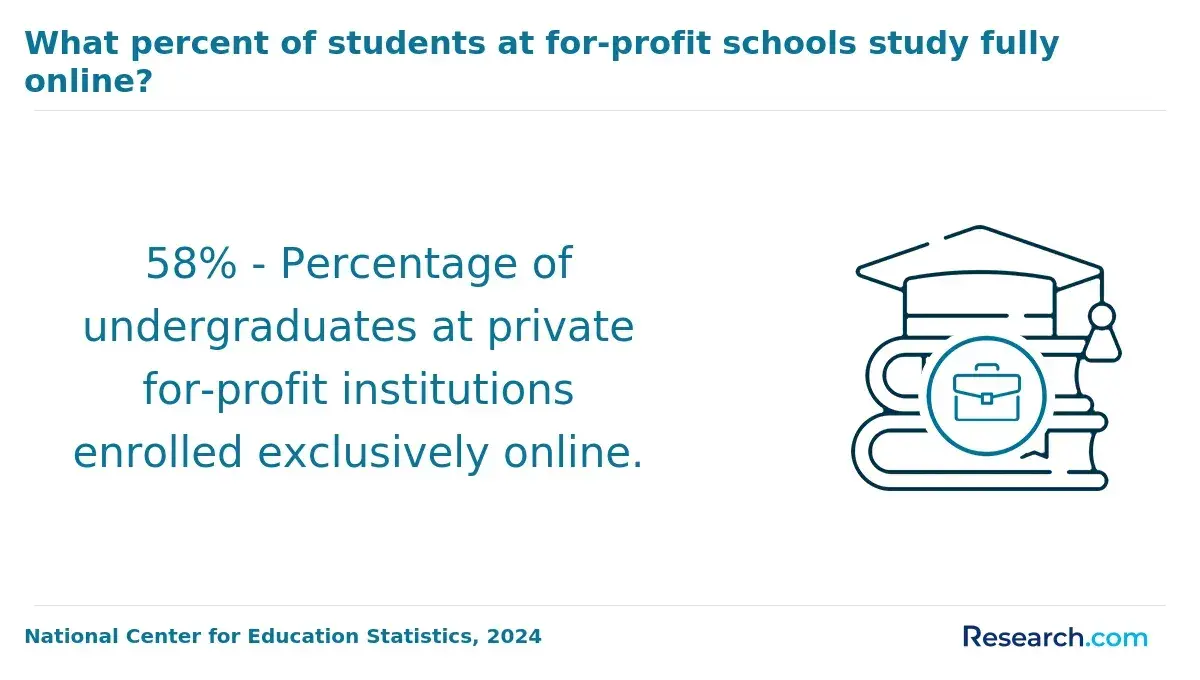
The fastest financial return usually comes from jobs that require little or no graduate education, hire bachelor's graduates directly, and provide paid experience that can be converted into a higher-value specialization. These roles may not have the highest long-term ceiling, but they reduce the opportunity cost of delaying work.
Students should compare public health entry-level roles with shorter clinical options if their real goal is direct patient care. For example, accelerated LPN programs may fit someone who wants bedside work sooner, while a public health bachelor's is usually better for prevention, programs, safety, data, and population-level roles.
The following paths often provide faster payback because they align with immediate employer needs and can lead to advancement without a master's degree.
- Occupational safety coordinator or technician: Often attractive for graduates who completed environmental health, toxicology, industrial hygiene, or safety coursework and want a practical route into EHS roles.
- Health education specialist: A solid early-career option when the job includes campaign planning, curriculum development, evaluation, and measurable outcomes.
- Community health worker or care navigation role: Good for fast entry and community impact, but ROI improves when you build documentation, supervision, bilingual communication, and care coordination skills.
- Medical records, quality, or population health assistant: Best for graduates who want to move toward healthcare analytics, compliance, quality improvement, or health information management.
- Emergency preparedness or environmental health assistant: Strong fit for students interested in inspections, disaster response planning, environmental risk, and government or hospital preparedness work.
To shorten your payback period, prioritize internships that produce employer-ready evidence: inspection reports, dashboards, program evaluations, outreach metrics, grant deliverables, or quality-improvement summaries. The red flag is graduating with only broad coursework and no proof that you can analyze data, manage projects, document compliance, or communicate with stakeholders.
Location affects ROI in two ways: what you pay for the degree and what your labor market pays after graduation. A lower-cost in-state degree can outperform a more expensive program if both lead to similar jobs, especially for students who do not need a highly specialized campus network.
College Board's 2024 pricing data lists average published tuition and fees for public four-year in-state students at $11,610 and private nonprofit four-year students at $43,350 for 2024-25. That gap matters because public health bachelor's-level salaries often start in moderate ranges, so reducing debt can be as important as chasing a slightly higher starting salary.
The table below shows how location-related choices can change ROI before you even accept your first job. Use it to compare total cost, not just annual tuition.
| Location factor | How it changes ROI | What to check before enrolling or relocating |
| In-state tuition | Usually improves ROI by lowering the amount you need to recover through earnings. | Confirm residency rules, transfer-credit policies, and whether online students pay different rates. |
| High-cost metro areas | May offer more public health employers but can reduce take-home value through rent, commuting, and taxes. | Compare salary offers against rent, transportation, and required in-office days. |
| Rural and underserved areas | May offer faster responsibility, public-sector stability, or loan-related incentives in some roles. | Check job volume, promotion paths, and whether skills transfer to larger markets later. |
| State and local government hiring | Can provide strong benefits and stability but may have slower salary progression. | Review civil service classifications, degree requirements, and promotion timelines. |
| Regional industry mix | Areas with hospitals, logistics, manufacturing, energy, universities, or insurers may offer better bachelor's-level options. | Search job postings before choosing electives, internships, or capstone projects. |
A practical ROI test is to compare total estimated degree cost with realistic first-job earnings in the region where you plan to work. If a program costs much more but does not improve internship access, employer connections, licensure eligibility, or career placement, the extra cost may be difficult to justify.
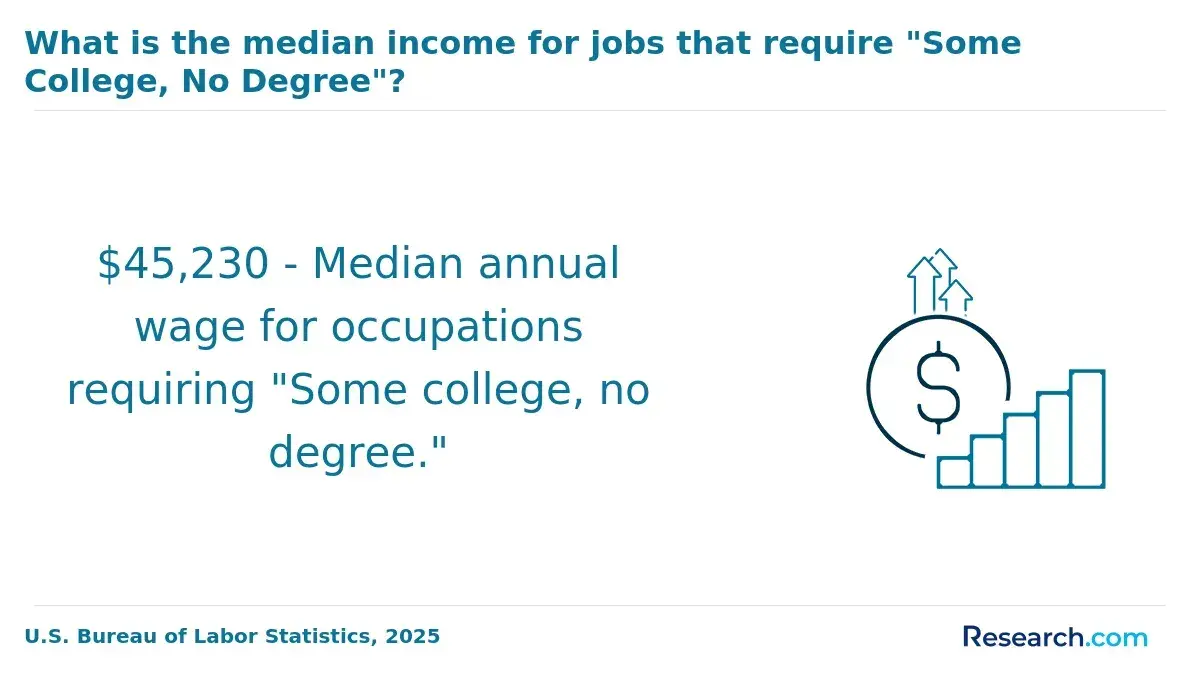
Skills are often the difference between a public health bachelor's degree that leads to general entry-level work and one that opens higher-ROI roles. Employers increasingly want graduates who can turn prevention concepts into data, compliance actions, program results, or operational improvements.
The most valuable skills fall into clusters. Building at least one technical cluster and one communication or management cluster can make you more competitive without graduate school.
- Data analysis: Excel, SQL basics, dashboards, survey analysis, basic statistics, data cleaning, and interpretation of health indicators.
- Program evaluation: Logic models, outcome measures, needs assessments, pre/post comparisons, and reporting that shows whether an intervention worked.
- Compliance and documentation: HIPAA awareness, OSHA basics, incident documentation, audit preparation, quality reporting, and policy implementation.
- Health communication: Plain-language writing, risk communication, campaign planning, community presentations, and culturally responsive messaging.
- Project coordination: Timelines, stakeholder communication, meeting facilitation, budgets, grant deliverables, and process improvement.
- Technical public health knowledge: Environmental health, infectious disease basics, occupational safety, health equity, emergency preparedness, and population health management.
If you are drawn to public health because of data, genomics, surveillance, or computational biology, it may be worth exploring what can you do with a bioinformatics degree before choosing electives. A public health major with strong analytics can be valuable, but highly technical informatics roles may expect deeper programming, biology, or statistics preparation.
Certifications can improve ROI when they signal job-ready skills that your bachelor's transcript does not fully prove. They are most useful when they match a specific role, employer requirement, or promotion path; collecting unrelated credentials can waste time and money.
The table below highlights certifications and training options that may strengthen bachelor's-level earning potential without requiring a graduate degree. Eligibility rules can change, so verify requirements with the certifying organization before paying for an exam or course.
| Certification or training | Best matched roles | ROI value | Important limitation |
| CHES | Health education specialist, wellness coordinator, prevention program staff | Shows preparation in health education planning, implementation, and evaluation. | Most useful when employers recognize health education credentials. |
| MCHES | Senior health educator, program manager | Can support advancement after substantial experience in health education. | Not an entry-level credential for most new graduates. |
| OSHA 10 or OSHA 30 | Safety assistant, EHS coordinator, workplace safety roles | Signals basic workplace safety knowledge and can support entry into occupational health paths. | Training alone does not replace field experience or advanced safety credentials. |
| ASP or CSP pathway | Occupational health and safety specialist, EHS manager | Can increase credibility in safety careers over time. | Eligibility usually depends on education, experience, and exam requirements. |
| CPH | Public health generalist, program staff, government or nonprofit roles | Shows broad public health competency when aligned with eligible education or experience. | May be less valuable than role-specific credentials in safety, analytics, or health information. |
| Lean Six Sigma or quality improvement training | Healthcare quality, operations, process improvement roles | Useful when paired with real projects that reduce errors, delays, or waste. | Employers value applied results more than certificate completion alone. |
| Health data, coding, or privacy credentials | Medical records, quality reporting, compliance, population health analytics | Can help pivot from general public health into health information and analytics roles. | Some credentials require specific coursework or professional experience. |
The best strategy is to choose one credential that supports your first target job, then add more only when you know the next promotion requirement. A common mistake is paying for a prestigious-sounding certification before confirming that local employers request it in job postings.
Employer type and company size affect ROI because they shape salary bands, benefits, training, job security, and promotion speed. Public health graduates should compare total compensation and advancement structure instead of assuming that private employers always pay more or that public employers always offer better long-term value.
The table below shows how different employer settings can change the financial return of a bachelor's-level public health path. Institution type alone does not determine ROI, because private organizations may be nonprofit or for-profit, and both can vary widely in pay and benefits.
| Employer type | Potential ROI advantage | Possible drawback | Best strategy |
| Local, state, or federal government | Benefits, stability, pension eligibility, and clear classifications can strengthen total compensation. | Salary growth may be slower and hiring timelines can be long. | Learn civil service job titles and tailor coursework to environmental health, preparedness, or program roles. |
| Large hospital or health system | More departments, internal mobility, tuition benefits, and defined management ladders. | Entry-level roles can be competitive and may prefer clinical experience for some tracks. | Start in quality, safety, health information, patient experience, or population health support. |
| Insurance or managed care company | Strong fit for population health, utilization, quality measures, and data-heavy roles. | Work may feel less community-facing and more administrative. | Build Excel, claims literacy, quality reporting, and care coordination knowledge. |
| Manufacturing, logistics, construction, or energy company | Safety and environmental health roles can produce strong bachelor's-level pay. | May require site visits, physical inspections, travel, or nontraditional schedules. | Add OSHA training and document field-based safety experience. |
| Community nonprofit | Fast mission-driven entry and broad responsibility early in your career. | Salary ceilings may be lower without grant, evaluation, or management responsibilities. | Move quickly toward grant reporting, supervision, evaluation, or partnerships. |
| Corporate wellness or employee health vendor | Can combine prevention, behavior change, benefits strategy, and employer health metrics. | Roles may require sales awareness, client service, or wellness specialization. | Pair public health training with communication, analytics, and wellness program design. |
Students interested in wellness, prevention, ergonomics, or workplace health may also compare public health with exercise science degrees. Public health is usually stronger for population programs and policy, while exercise science may fit fitness, movement, performance, and rehabilitation-adjacent goals better.
Emerging public health careers are increasing ROI for bachelor's graduates who combine prevention knowledge with technology, operations, and compliance. The biggest trend is not that AI replaces public health workers; it is that employers expect workers to use data tools, document outcomes, and make faster evidence-informed decisions.
These paths are worth watching because they can grow from bachelor's-level entry roles into specialized work through experience, certifications, and targeted training.
- Population health analytics assistant: Supports dashboards, quality measures, outreach lists, and risk-stratification projects for health systems or insurers.
- Digital health navigator: Helps patients or communities use telehealth, remote monitoring, portals, and preventive care tools.
- Climate and environmental health coordinator: Works on heat planning, air quality, disaster readiness, water safety, and community resilience.
- Health equity program analyst: Tracks disparities, evaluates interventions, and supports community benefit or grant reporting.
- Infection prevention support specialist: Assists with surveillance, education, audits, and reporting in healthcare or congregate settings.
- Workplace well-being and safety coordinator: Combines occupational health, mental health awareness, ergonomics, safety culture, and compliance documentation.
- Public health communications and misinformation response specialist: Develops clear, evidence-based messaging for emergencies, vaccines, chronic disease, or environmental risk.
The smart move is to choose a public health concentration, minor, internship, or certificate that aligns with one of these growth areas. Avoid the mistake of assuming a broad "public health" label is enough; future-facing roles usually require proof that you can use tools, interpret data, manage projects, or communicate risk clearly.
Students should evaluate ROI by comparing total education cost, likely first jobs, advancement paths, and the cost of delaying full-time work for graduate school. The right answer is personal, but the process should be evidence-based rather than driven by fear that a bachelor's degree is "not enough."
Use the following steps to decide whether a public health bachelor's degree can meet your goals without immediate graduate school.
- Define your target role before choosing a program: Compare job postings for safety, health education, environmental health, health data, quality, preparedness, and program roles in the region where you want to work.
- Estimate total degree cost: Include tuition, fees, books, commuting, housing changes, interest, and lost wages if you reduce work hours.
- Compare costs with realistic wage benchmarks: Use BLS occupational data and local job postings rather than social media salary claims or broad "public health salary" averages.
- Check whether graduate school is actually required: Epidemiology, biostatistics, advanced policy, research, academia, and some leadership tracks may favor or require a master's, but many safety, operations, education, and compliance roles do not.
- Prioritize programs with applied experience: Internships, capstones, employer projects, data assignments, and community partnerships matter more than course titles alone.
- Choose electives for a labor-market signal: Add coursework in data, environmental health, healthcare quality, emergency preparedness, occupational safety, grant writing, or health communication.
- Calculate opportunity cost before graduate school: Compare the cost of tuition plus lost full-time wages against the specific salary increase or job access the graduate degree may create.
- Reassess after one to three years of work: Work experience can clarify whether an MPH, MHA, MBA, MS in health informatics, or no graduate degree is the best next step.
The biggest red flags are choosing the most expensive program without a career target, assuming graduate school is automatically necessary, ignoring certifications, and relying on average salary data without separating occupation, industry, and location. A bachelor's degree is enough when it leads to paid experience in a field with advancement; graduate school is worth considering when it unlocks a clearly defined role that justifies the added cost.
Some bachelor's-level public health jobs start modestly but become more valuable when they lead to management, analytics, compliance, or operations. Salary growth depends less on the degree title and more on whether your first roles build measurable experience that employers reward.
BLS projects medical and health services manager employment to grow 29% from 2023 to 2033, making healthcare operations one of the clearest long-term advancement targets for bachelor's graduates who build experience in quality, compliance, population health, scheduling, revenue cycle, or patient safety. This does not mean a new graduate will step directly into management, but it shows why early operations roles can have strong strategic value.
The table below shows advancement patterns that can increase bachelor's-level ROI over time. These are career ladders to evaluate, not guaranteed sequences.
| Starting point | Higher-ROI progression | What increases salary growth | When graduate school may help |
| Community health worker | Care coordinator, CHW supervisor, program manager | Population specialization, documentation quality, bilingual skills, supervision, outcomes tracking. | When aiming for policy, epidemiology, social work, or senior program leadership. |
| Health education specialist | Wellness strategist, prevention program manager, health communications lead | CHES credential, evaluation skills, digital campaigns, grant reporting, employer wellness metrics. | When roles require MPH-level program evaluation, research, or leadership credentials. |
| Safety technician | Occupational health and safety specialist, EHS manager | OSHA knowledge, incident investigation, hazard analysis, ASP or CSP pathway planning. | Less often required than in epidemiology, but may help for senior environmental health or industrial hygiene roles. |
| Medical records or quality assistant | Quality analyst, population health analyst, health information manager | Excel, SQL, coding knowledge, HIPAA, quality measures, dashboarding, process improvement. | When targeting senior analytics, informatics, or executive healthcare administration roles. |
| Emergency preparedness assistant | Emergency management specialist or director | Incident command training, exercises, after-action reports, logistics, interagency coordination. | May help for senior public-sector leadership, but experience is often central. |
Graduate school makes better financial sense when it is tied to a specific role that requires or strongly prefers it. If your goal is clinical pharmacy practice rather than population health operations, comparing online PharmD programs is more relevant than assuming a public health bachelor's will lead to pharmacist-level work.
Other Things You Should Know About Public Health
Yes, it can be worth it if you target roles in safety, environmental health, health education, healthcare quality, compliance, emergency preparedness, or population health operations. It is less likely to pay off if you choose the degree without a specific job path or rely only on general outreach roles with limited advancement.
Among bachelor's-accessible paths, occupational health and safety specialist, environmental health specialist, emergency management, healthcare operations, and social or community service management often offer stronger pay potential. Some of these roles require experience after graduation, so they are better viewed as career targets rather than guaranteed first jobs.
No. Many public health jobs are open to bachelor's graduates, especially in community health, health education, safety, program support, healthcare quality, and environmental health. An MPH is more useful for epidemiology, advanced analytics, research, policy leadership, and some senior public health agency roles.
Often, yes. Working first can help you identify the specialization that actually improves your earnings and career options. It can also reduce the risk of paying for a graduate degree before knowing whether you need an MPH, MHA, MBA, informatics degree, or a targeted certification instead.
- Cost of College by Country [2025]: Average Tuition Fees https://educationdata.org/average-cost-of-college-by-country
- Study Public Health in Poland - Masters, Bachelors Programs https://www.studyeurope.in/study-public-health-in-poland/
- Is Public Health a Good Career? Benefits and Opportunities https://www.scuhs.edu/bshs-article/is-public-health-a-good-career-benefits-and-opportunities/
- Public Health Courses Abroad: Top Universities, Cost, Jobs https://www.aeccglobal.com/advice/public-health-courses-abroad
- Careers https://www.publichealthdegrees.org/careers/
- Program Fees And Payment Options - PublicHealthU.org https://phu.nextgenu.org/program-fees/
- Undergraduate Public Health Degrees Rise in Popularity but Employment in Government Workforce Lags https://aspph.org/undergraduate-public-health-degrees-rise-in-popularity-but-employment-in-government-workforce-lags/