2027 Public Health Degree Specialization Pay Report: Which Academic Tracks Lead to the Highest Earnings

Co-Founder and Chief Data Scientist
Choosing a public health specialization is partly a career decision and partly an investment decision. The track you choose can shape whether you move toward analytics, policy, management, environmental safety, epidemiology, or community health roles. BLS wage data released in 2024 shows a wide gap between related roles, from health education specialists at a median of $62,860 to medical and health services managers at $110,680. This guide helps students, career changers, and working professionals compare earning potential, degree level, industry demand, skills, and program cost without assuming any specialization guarantees a specific salary.
Key Things You Should Know
- Public health informatics, biostatistics, health analytics, and health administration tracks tend to show the strongest pay signals because they connect to data scientist, statistician, and healthcare management roles with BLS median wages above $100,000 in data released in 2024.
- Epidemiology, environmental health, and occupational health often offer solid mid-career pay, but earnings depend heavily on employer type, with consulting, life sciences, hospital systems, insurance, and federal roles often paying more than small nonprofits or local agencies.
- The best-paying specialization is not always the best value; students should compare tuition, prerequisites, internship access, software training, certifications, location, and whether the track leads to entry-level work or mainly improves advancement after experience.
- Which Public Health Degree Specializations Lead to the Highest Earnings?
- How Does Public Health Specialization Pay Vary by Degree Level?
Which Public Health Degree Specializations Lead to the Highest Earnings?
The highest-earning public health specializations are usually the ones that translate public health knowledge into scarce employer needs: quantitative analysis, healthcare operations, regulated industry work, and risk management. Salary data is not organized perfectly by college concentration, so the best comparison uses closely related occupations and common career outcomes rather than assuming every graduate from a track earns the same amount.
The table below compares common public health academic tracks by their strongest pay signals, likely roles, and decision trade-offs. Use it as a directional guide, not a salary promise.
| Public health specialization | Common roles linked to the track | Current earnings signal | When this track can make sense | Main caution |
| Public health informatics, analytics, or data science | Public health data analyst, data scientist, surveillance analyst, health informatics analyst | BLS data released in 2024 reports a median wage of $108,020 for data scientists. | Best for students who like coding, statistics, dashboards, databases, and applied health data. | Higher pay usually requires technical depth in Python, R, SQL, machine learning, or cloud tools, not just a general MPH. |
| Biostatistics | Biostatistician, clinical trials analyst, research statistician, statistical programmer | BLS data released in 2024 reports a median wage of $104,110 for statisticians. | Strong fit for students comfortable with advanced math, study design, regression, and research methods. | Some roles prefer or require an MS, PhD, or strong statistical programming portfolio. |
| Health policy and management or healthcare administration | Program manager, health services manager, quality improvement manager, policy analyst | BLS data released in 2024 reports a median wage of $110,680 for medical and health services managers. | Good choice for students aiming for leadership, operations, payer strategy, quality, or hospital administration. | Management pay is often experience-dependent; entry-level roles may start in coordinator or analyst positions. |
| Epidemiology | Epidemiologist, disease surveillance specialist, outbreak investigator, research associate | BLS data released in 2024 reports a median wage of $81,390 for epidemiologists. | Best for students interested in disease patterns, surveillance systems, outbreak response, and study design. | Government and academic roles may be mission-rich but not always the highest-paying options. |
| Occupational and environmental health | Occupational health specialist, environmental health specialist, industrial hygiene associate, safety analyst | BLS data released in 2024 reports a median wage of $81,140 for occupational health and safety specialists. | Strong fit for students interested in workplace safety, exposure science, environmental risk, compliance, and field assessment. | Some higher-paying roles require safety credentials, field experience, or state-specific environmental health requirements. |
| Community health, health promotion, or behavioral health | Health education specialist, program coordinator, community health worker supervisor, prevention specialist | BLS data released in 2024 reports a median wage of $62,860 for health education specialists. | Best for students who want community-facing, equity-focused, education, prevention, and program delivery roles. | Early salaries may be lower unless paired with grant management, evaluation, management, or specialized population health skills. |
Overall, the strongest earning potential tends to cluster around analytics, biostatistics, informatics, and management. However, these tracks also demand more quantitative, technical, or leadership preparation, so the best choice depends on both market demand and whether the student can realistically build the required skill set.
How Does Public Health Specialization Pay Vary by Degree Level?
Degree level matters because many public health jobs sit on a ladder: a bachelor's degree may qualify graduates for coordinator, assistant, outreach, or analyst support roles, while an MPH, MSPH, MS, DrPH, or PhD can open doors to specialized analysis, leadership, research, or policy roles. The degree level does not automatically raise pay, but it can change the job pool a student can compete for.
The comparison below shows how degree level typically affects public health specialization pay and career access. It is especially useful for students deciding whether to enter the workforce first or continue directly into graduate study.
| Degree level | Typical public health outcomes | Specializations with stronger pay leverage | Best fit | Pay limitation to understand |
| Associate degree or certificate | Community health support, health outreach, patient navigation, environmental health support | Community health, health promotion, healthcare support | Students seeking fast entry into health-related work | Advancement may be limited without a bachelor's degree or later credential. |
| Bachelor's in public health | Program assistant, research assistant, health educator, junior analyst, nonprofit coordinator | Health promotion, environmental health, entry-level analytics, preparedness | Students who want broad exposure before choosing a niche | Higher-paying epidemiology, biostatistics, and leadership roles often expect graduate preparation. |
| MPH or MSPH | Epidemiologist, program manager, policy analyst, evaluation specialist, public health consultant | Epidemiology, health policy, management, environmental health, population health analytics | Students seeking professional mobility across government, healthcare, nonprofit, and consulting settings | Pay varies sharply by concentration, internship quality, employer, and technical skills. |
| MS in biostatistics, informatics, or health data science | Biostatistician, data analyst, statistical programmer, informatics specialist | Biostatistics, informatics, data science | Students comfortable with programming, modeling, and quantitative research | Programs can be mathematically demanding and may require prerequisites in calculus, statistics, or computing. |
| DrPH or PhD | Senior researcher, principal investigator, executive public health leader, faculty member, advanced policy expert | Biostatistics, epidemiology, health policy, leadership, environmental health | Professionals targeting research leadership, academia, executive roles, or advanced technical authority | Time to completion and opportunity cost can be high, especially for full-time doctoral study. |
Students comparing public health with direct clinical entry routes should recognize that the education model is different. For example, accelerated LPN programs are designed for hands-on patient care entry, while public health degrees usually prepare students for population-level prevention, policy, research, analytics, and program work.
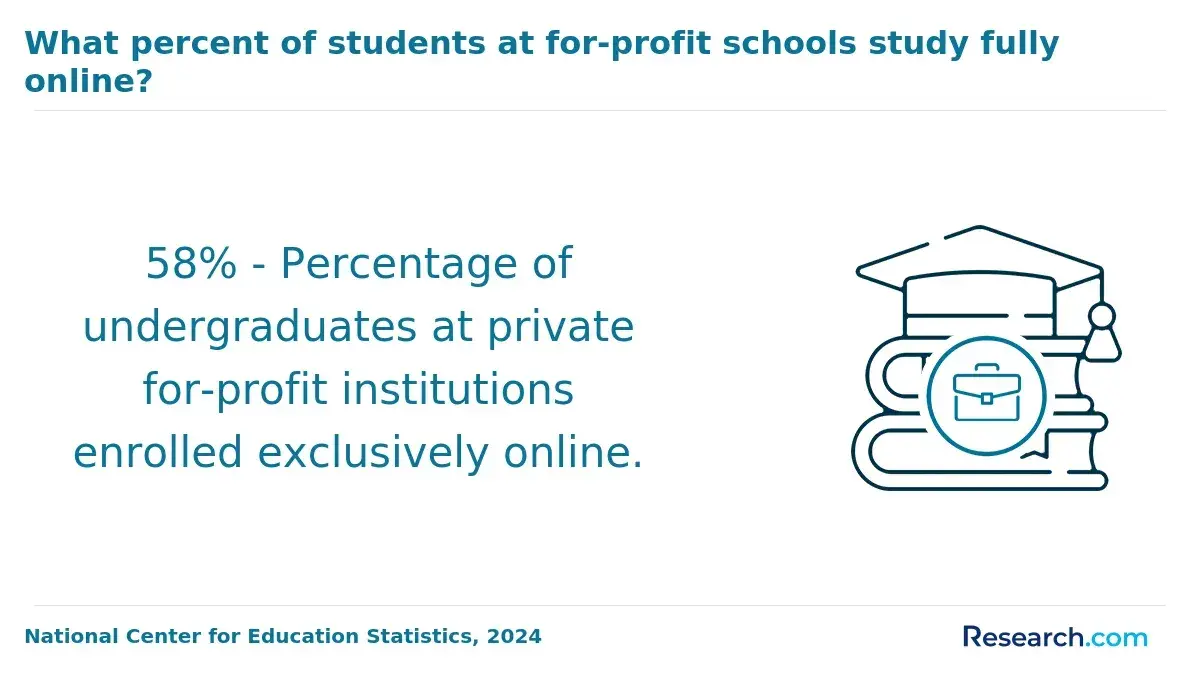
Industry can matter as much as specialization. A public health analytics graduate in a health technology company, pharmaceutical firm, payer organization, or consulting practice may see a different pay range than a similarly trained graduate working in a small community nonprofit or local health department.
The table below summarizes how major industries tend to value different public health academic tracks. This helps readers avoid a common mistake: choosing a concentration without checking where that concentration is actually hired.
| Industry or employer type | Public health tracks often valued | Why employers hire these graduates | Pay outlook signal | Trade-off |
| Hospitals and health systems | Health management, quality improvement, epidemiology, population health analytics | To reduce readmissions, manage quality metrics, improve outcomes, and analyze patient populations | Management and analytics tracks often have stronger earning potential than general health promotion roles. | Many roles require healthcare operations knowledge and experience with clinical data systems. |
| Pharmaceuticals, biotechnology, and clinical research | Biostatistics, epidemiology, regulatory science, health economics, informatics | To support trials, safety monitoring, outcomes research, and real-world evidence | Technical graduate training can be especially valuable in these settings. | Competition may be stronger, and employers often prefer candidates with SAS, R, trial design, or regulatory experience. |
| Insurance, managed care, and payer organizations | Health policy, analytics, population health, health economics, informatics | To evaluate utilization, costs, risk, prevention programs, and quality measures | Analytical and policy tracks can translate well to payer-side roles. | Work may be less community-facing and more data-, policy-, or finance-oriented. |
| Government public health agencies | Epidemiology, environmental health, preparedness, health education, surveillance | To monitor disease, inspect risks, design prevention programs, and respond to emergencies | BLS projects epidemiologist employment to grow 19% from 2023 to 2033, which signals strong demand relative to many occupations. | Public-sector pay may be more structured and location-dependent than private-sector compensation. |
| Consulting and professional services | Policy, management, data science, health economics, evaluation | To solve client problems involving cost, access, compliance, strategy, and operations | Consulting can reward strong communication plus technical or management skill. | Travel, deadlines, and client-facing pressure may be higher than in agency or nonprofit roles. |
| Nonprofits and community organizations | Community health, health promotion, maternal and child health, global health, program evaluation | To deliver services, manage grants, improve equity, and evaluate interventions | Mission alignment can be strong, but pay may be lower than in technical or corporate roles. | Grant funding can affect job stability and advancement pathways. |
The best-paying public health track for one student may not be the best-paying track for another if they plan to work in different industries. A health policy student aiming for payer analytics faces a different market than a health policy student focused on advocacy nonprofits.
Long-term advancement depends on how easily a specialization converts into leadership, technical authority, or cross-industry mobility. The strongest tracks often allow professionals to move from specialist roles into senior analyst, director, principal investigator, consultant, or executive positions.
These advancement paths matter because some public health specializations start modestly but become more valuable when combined with experience. The following comparison shows where long-term pay growth can be strongest.
| Specialization | Common advancement path | Growth driver | Long-term earning potential | What students should build early |
| Health management and administration | Coordinator to manager to director to executive | BLS projects medical and health services manager employment to grow 29% from 2023 to 2033. | Strong, especially for professionals who manage budgets, teams, operations, and quality outcomes. | Healthcare finance, quality improvement, leadership, project management, and internship experience. |
| Informatics and data science | Analyst to senior analyst to data science lead to analytics director | BLS projects data scientist employment to grow 36% from 2023 to 2033. | Strong, especially in health tech, payers, consulting, research, and large health systems. | SQL, Python or R, machine learning literacy, data governance, dashboards, and communication skills. |
| Biostatistics | Analyst to biostatistician to senior statistician to principal scientist | Clinical research, real-world evidence, and advanced study design create demand for specialized quantitative talent. | Strong for students with graduate-level methods and programming depth. | Trial design, causal inference, R, SAS, reproducible workflows, and research collaboration. |
| Epidemiology | Surveillance analyst to epidemiologist to senior epidemiologist to program director | Ongoing demand for disease monitoring, emergency preparedness, and population health evidence. | Moderate to strong, with higher ceilings in leadership, consulting, pharma, and advanced research roles. | Field experience, surveillance systems, applied statistics, GIS, and clear writing for decision-makers. |
| Environmental and occupational health | Specialist to safety manager to compliance director or industrial hygiene leader | Regulation, workplace safety, climate-related risks, and environmental compliance support demand. | Moderate to strong where credentials and regulated-industry experience are valued. | Exposure assessment, inspection experience, OSHA knowledge, risk communication, and safety credentials. |
| Community health and health promotion | Educator to program manager to grant director or population health leader | Prevention, chronic disease, maternal health, and health equity initiatives need experienced program leaders. | Moderate, with higher upside when paired with management, evaluation, or grant leadership. | Program evaluation, grant writing, supervision, coalition-building, and measurable outcomes. |
A strong long-term track is not always the one with the highest first salary. Students should ask whether the specialization builds a ladder: technical depth, leadership options, industry transferability, and credentials that employers recognize.
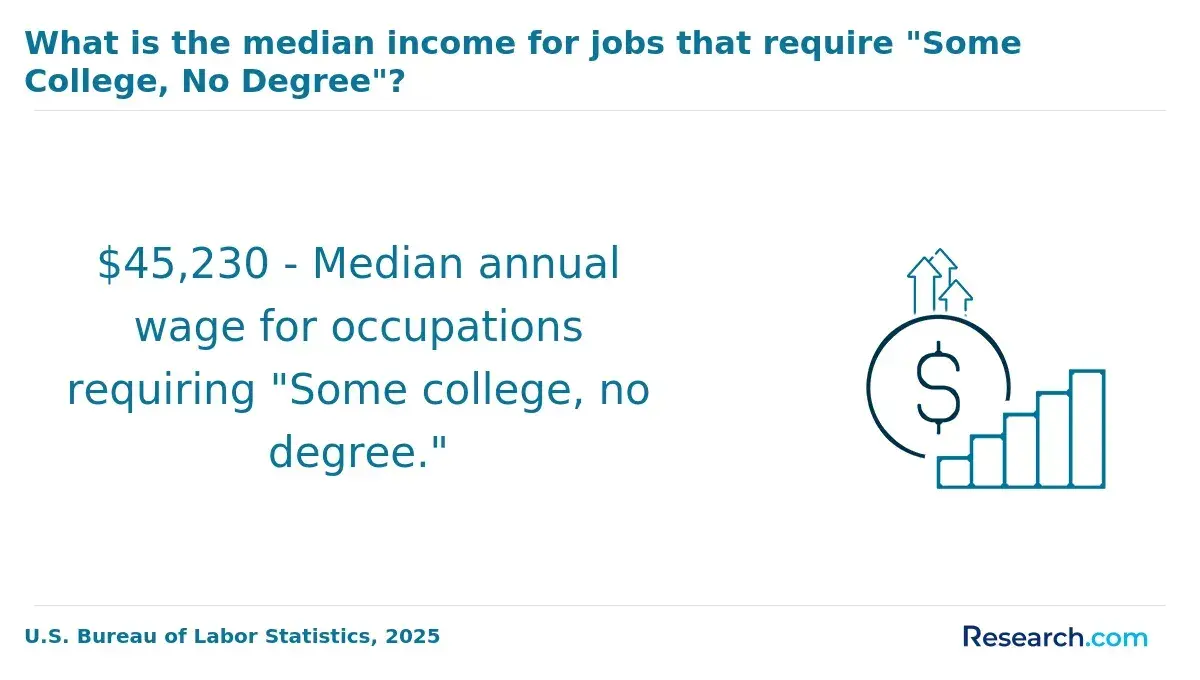
Location changes public health pay because employers, funding sources, cost of living, and industry mix differ by region. A public health job in a large metro area with hospitals, universities, biotech employers, and consulting firms may offer more specialized roles than a rural area where the main employers are local agencies or community nonprofits.
Remote work has also changed the comparison for data-heavy tracks. Informatics, biostatistics, health analytics, policy analysis, and evaluation roles may be more remote-friendly than field inspection, outbreak response, community outreach, or environmental sampling roles.
When comparing specialization pay by location, students should evaluate these factors together rather than relying on a national salary figure alone:
- Check whether the region has employers that match the specialization, such as state health departments for epidemiology, health systems for management, pharma or research centers for biostatistics, and manufacturing or energy employers for occupational health.
- Compare local wage data with local cost of living, because a higher nominal salary in a high-cost metro may not produce a better financial outcome.
- Ask whether remote roles are common in the track; analytics and policy work may travel across state lines more easily than inspection, community education, or emergency response work.
- Look for internship and practicum sites near the school, because local employer relationships often influence first-job access.
- Review state-specific requirements for environmental health, school health, occupational safety, or public-sector roles before assuming a degree alone is enough.
The practical rule is to choose a specialization that fits both the national market and the place where you realistically want to work. A high-demand track loses value if the student has limited access to internships, employers, or required credentials in that region.
Public health pay is increasingly shaped by skills that help employers act on evidence. AI tools, automated dashboards, electronic health records, syndromic surveillance systems, and large administrative datasets have made technical fluency more valuable, especially for students in analytics, epidemiology, biostatistics, informatics, and health policy.
The table below connects public health specializations to the courses and skills that can make each track more marketable. These are not substitutes for public health fundamentals, but they can make a degree more directly useful to employers.
| Specialization | High-value courses | Marketable tools or methods | Employer problem the skill solves |
| Informatics and analytics | Database management, data visualization, machine learning, health information systems | SQL, Python, R, Tableau, Power BI, data governance | Turns messy health data into reports, dashboards, and decisions. |
| Biostatistics | Regression, survival analysis, clinical trials, causal inference, longitudinal data | R, SAS, reproducible coding, statistical modeling | Supports research, trials, program evaluation, and evidence generation. |
| Epidemiology | Outbreak investigation, surveillance, infectious disease, chronic disease epidemiology | GIS, R, SAS, study design, surveillance systems | Identifies patterns of disease and evaluates prevention strategies. |
| Health policy and management | Healthcare finance, policy analysis, quality improvement, program management | Excel modeling, project management, Lean or Six Sigma basics, policy briefs | Improves operations, costs, access, quality, and compliance. |
| Environmental and occupational health | Exposure assessment, toxicology, industrial hygiene, environmental regulation | Risk assessment, OSHA knowledge, sampling methods, inspection documentation | Reduces workplace, environmental, and community exposure risks. |
| Community health and health promotion | Program planning, health communication, behavioral theory, evaluation | Grant writing, survey design, coalition management, outcome measurement | Designs and measures prevention programs for specific populations. |
Students interested in the data-heavy side of population health may also find it useful to compare public health informatics with computational biology paths such as what can you do with a bioinformatics degree, especially if they are drawn to genomics, research datasets, and biomedical data analysis.
To turn coursework into stronger job-market evidence, students should take a practical approach before graduation:
- Complete at least one applied project using a real or realistic public health dataset.
- Save work samples that show methods, visuals, interpretation, and recommendations, not just final grades.
- Choose internships that match the target specialization instead of accepting any placement that is convenient.
- Ask faculty which software tools employers in the region request most often.
- Practice explaining technical findings to nontechnical audiences, because public health decisions often involve policymakers, clinicians, executives, and community partners.
Salary potential should be compared against program cost, time to completion, debt, and the likelihood that the program actually leads to the roles the student wants. A higher-paying specialization can still be a poor financial choice if the program is expensive, lacks employer connections, or requires extra prerequisites that add time and cost.
Cost comparisons are especially important because public health students may choose between a bachelor's degree, MPH, MS, certificate, or doctoral route. College Board data published in 2024 lists average tuition and fees at $11,610 for in-state students at public four-year institutions for 2024-2025, which gives students a useful baseline before comparing graduate and private program costs.
Use the following ROI checklist to compare public health specialization pay against program cost in a practical way:
- Estimate total program cost, including tuition, fees, books, technology, commuting, relocation, health insurance, and lost income if studying full time.
- Compare the specialization's common roles with salary data for those roles, not with broad public health averages.
- Ask the school for concentration-specific outcomes, including internship sites, employer partners, job titles, and recent placement examples.
- Check whether the program includes technical tools that employers request, such as SQL, R, SAS, GIS, Tableau, policy analysis, budgeting, or quality improvement.
- Consider whether the track requires graduate study, supervised experience, certification, or state-specific credentials before higher-paying roles become realistic.
- Calculate a conservative payback scenario rather than relying on the highest advertised salary.
Common red flags can save students from expensive mistakes. Be cautious if a program advertises broad salary outcomes without separating concentrations, relies heavily on generic public health coursework for a technical track, has weak practicum placement support, or cannot explain how graduates enter the specific roles the student wants.
Certifications, licensure, and graduate study can affect earnings, but only when they match the role. A credential is most valuable when employers use it as evidence of competence, eligibility, compliance, or readiness for promotion.
The table below summarizes credentials commonly discussed in public health and related fields. Requirements vary by employer, state, and role, so students should verify details before building an academic plan around any one credential.
| Credential or advanced study | Most relevant tracks | How it may affect earnings | Important limitation |
| Certified in Public Health | General public health, epidemiology, policy, community health, management | May signal broad public health competency for early-career and mid-career roles. | It is not a substitute for specialized technical, management, or field experience. |
| CHES or MCHES | Health education, health promotion, community health | Can support eligibility and advancement in health education and program roles. | It may not raise pay much in roles that are primarily analytics, policy, or management-focused. |
| REHS or RS-style environmental health credentials | Environmental health, food safety, inspection, sanitation, public agency roles | Can matter for inspection and environmental health roles where state or employer rules recognize the credential. | Requirements vary by state and should be checked before enrollment. |
| ASP, CSP, or industrial hygiene-related credentials | Occupational health, safety, environmental risk | Can improve advancement potential in workplace safety, compliance, and risk roles. | Many require experience in addition to education. |
| Graduate degree in biostatistics, informatics, or epidemiology | Quantitative and research tracks | Can open access to more specialized analyst, statistician, or research roles. | Prerequisites and opportunity cost can be significant. |
| DrPH or PhD | Leadership, research, academia, advanced policy, epidemiology, biostatistics | Can support senior research, executive, or faculty paths. | Time investment is substantial, and career goals should justify the commitment. |
Public health students who are weighing population health against clinical or pharmacy pathways should understand that licensure changes the career model. Programs such as online PharmD programs prepare for a licensed clinical profession, while public health credentials usually support population-level roles in analysis, prevention, policy, management, or research.
The safest approach is to start with job postings. If employers in your target roles repeatedly list a credential as required or preferred, it may be worth the cost; if it appears rarely, stronger internships, software skills, or experience may deliver better value.
The best public health specialization is the one that matches three things at once: realistic earning goals, daily work preferences, and the type of employers the student wants to pursue. A high-paying analytics track may be a poor fit for someone who dislikes coding, while a community health track may be a strong choice for someone who wants direct program impact and plans to build management or grant leadership skills.
Students can use this decision process to choose a specialization with both career fit and financial discipline:
- Start with target job titles, not concentration names, because employers hire for roles rather than academic labels.
- Compare at least three tracks by related occupations, salary data, projected demand, and common employers.
- Identify the skills each track requires and honestly assess whether you want to use those skills every week.
- Review internship access, faculty expertise, alumni outcomes, and employer partnerships within the concentration.
- Calculate program cost and time to completion using conservative salary assumptions.
- Choose a track that keeps enough flexibility for your first job while still building a marketable specialty.
Some students interested in prevention, wellness, chronic disease, or behavior change may also compare public health programs with adjacent options such as exercise science degrees, especially if they are considering careers connected to fitness, rehabilitation support, wellness programming, or health coaching rather than policy or surveillance.
Avoid the most common selection mistakes when comparing public health specialization pay:
- Do not choose a track based only on the highest salary listed online, because salary data usually reflects occupations, industries, and experience levels rather than a guaranteed degree outcome.
- Do not ignore degree level; an epidemiology bachelor's pathway and an MPH epidemiology pathway may lead to different job pools.
- Do not assume a general public health curriculum will qualify you for technical analytics roles without software, statistics, and project evidence.
- Do not overlook location, because internships and first jobs are often regional even when national demand looks strong.
- Do not treat passion and pay as opposites; the strongest long-term choice usually combines genuine interest with employer-valued skills.
For many students, the smartest answer is not simply "choose the highest-paying track." It is to choose the highest-paying track that you can complete successfully, afford responsibly, and use in a career you are willing to build over time.
Entry-level earnings are often strongest when a specialization gives students immediately marketable technical, regulatory, or operational skills. By contrast, tracks centered on broad advocacy, education, or community engagement can be rewarding but may require experience, supervisory responsibility, grant management, or graduate credentials before pay rises substantially.
The table below ranks common public health tracks by relative entry-level earnings potential. Because employers do not publish pay by college concentration in a uniform way, the ranking is based on role alignment, technical skill demand, and related wage data.
| Relative entry-level pay potential | Specialization | Typical first roles | Why it may pay more or less early | How to strengthen early outcomes |
| Higher | Informatics, analytics, data science | Health data analyst, surveillance analyst, reporting analyst | Employers can directly use SQL, Python, R, Tableau, Power BI, and database skills. | Graduate with a portfolio of dashboards, code samples, and applied public health datasets. |
| Higher | Biostatistics | Statistical analyst, research data analyst, clinical trials assistant | Quantitative roles are harder to fill and often connect to research, pharma, and health system needs. | Build competence in R, SAS, study design, regression, and reproducible analysis. |
| Moderate to higher | Health management or policy analytics | Administrative fellow, quality analyst, program analyst, policy analyst | Pay improves when the role includes operations, budgeting, quality metrics, or payer strategy. | Choose internships in hospitals, payers, consulting, or state agencies with measurable projects. |
| Moderate | Epidemiology | Research assistant, disease surveillance specialist, epidemiology analyst | Demand is strong, but entry-level roles may be structured by government or grant funding. | Add GIS, data visualization, outbreak investigation, and statistical software experience. |
| Moderate | Environmental or occupational health | Environmental health trainee, safety coordinator, compliance assistant | Field, inspection, compliance, and safety knowledge can be valuable, especially in regulated settings. | Ask programs whether coursework aligns with state environmental health, industrial hygiene, or safety credentials. |
| Lower to moderate | Community health or health promotion | Health educator, outreach coordinator, prevention program assistant | BLS data released in 2024 reports a median wage of $62,860 for health education specialists, which is lower than many analytics and management-linked roles. | Pair the track with evaluation, grant writing, supervisory training, and population-specific expertise. |
For students who need faster income after graduation, the practical takeaway is clear: choose a track that produces evidence of job-ready skills. A transcript helps, but internships, software projects, evaluation reports, and employer references often make the biggest difference in early job searches.
Other Things You Should Know About Public Health
Public health informatics, biostatistics, health analytics, and health management often show the strongest pay potential because they connect to data science, statistics, and healthcare management roles. Actual pay depends on degree level, employer, location, experience, and technical skill depth.
An MPH can be worth it when it opens access to roles that require graduate training, especially in epidemiology, policy, management, environmental health, or evaluation. It is less likely to pay off if the program is expensive, lacks practicum support, or does not build skills employers clearly request.
Epidemiology can offer solid earning potential, particularly in federal agencies, research, consulting, pharmaceuticals, and senior public health roles. However, many entry-level epidemiology jobs are in government or grant-funded settings where pay may be more structured.
Choose analytics if you enjoy data, coding, statistics, and technical problem-solving. Choose community health if you want program delivery, education, prevention, coalition work, and direct community impact. Analytics often has stronger early pay signals, while community health can advance through management, grants, evaluation, and specialization.
- Careers https://www.publichealthdegrees.org/careers/
- Master's in Public Health Salary - Master's in Public Health Degree Programs https://www.masterspublichealth.net/salary/
- Explore Public Health Careers - Public Health https://www.publichealthonline.org/careers/
- Career Paths for MPH Graduates: Top Job Roles in Public Health https://www.unicaf.org/career-paths-for-mph-graduates-top-job-roles-in-public-health/
- Top MPH Jobs & Careers https://www.onlinemphdegree.net/topjobscareers/
- Public Health Salaries: What Can You Earn with an MPH? https://masterspublichealth.com/masters-in-public-health-salary/
- Highest Paying Jobs in Public Health and their Salaries - MPH Online https://www.mphonline.org/highest-paying-jobs-public-health/
- What Skills Are Needed for Public Health Jobs? https://zabeelinstitute.ae/blog/skills-needed-for-public-health-jobs/