2027 Public Health Degree Value by Institution Type: Public, Private, Nonprofit, and Online Models Compared

Co-Founder and Chief Data Scientist
Choosing where to earn a Public Health degree can change what you pay, how employers read your credential, and how quickly the degree pays off. The stakes are real: the U. S. Bureau of Labor Statistics projects employment for epidemiologists to grow 19% from 2023 to 2033, much faster than average. This guide is for students comparing public, private nonprofit, for-profit, and online options.
You will learn how institution type affects net cost, accreditation, flexibility, networking, completion odds, and long-term return so you can choose a program that fits your budget and career goals.
Key Things You Should Know
- Public universities often offer the strongest baseline affordability, with College Board reporting average 2024-2025 published tuition and fees of $11,610 for in-state public four-year students versus $43,350 at private nonprofit four-year colleges.
- Online delivery can improve value for working adults, but credibility depends more on regional accreditation, public health curriculum quality, practicum access, and employer-relevant outcomes than on whether classes are online.
- Institution type alone does not determine ROI; net price, transfer credits, completion likelihood, debt, career services, accreditation, and fit with roles such as health educator, epidemiology assistant, program coordinator, or graduate-school preparation matter more.
- Is a Public University Public Health Degree More Cost-Effective Than a Private One?
- How Do Employers View the Credibility of an Online Public Health Degree?
Is a Public University Public Health Degree More Cost-Effective Than a Private One?
A public university Public Health degree is often more cost-effective, especially for in-state students, but it is not automatically the best value for every learner. "Cost-effective" means the program gives you a credible credential, relevant training, manageable debt, and a realistic path to completion at the lowest total cost.
The biggest mistake is comparing sticker tuition only. College Board's 2024 pricing data shows a wide gap between public in-state and private nonprofit tuition, but the price you actually pay can change after grants, scholarships, transfer credits, employer tuition assistance, housing choices, and time to graduation.
The table below summarizes how the main institutional and delivery models usually compare. Online is listed as a delivery format because a public, private nonprofit, or for-profit school can all offer online Public Health programs.
| Model | Typical value strength | Main trade-off | Best fit |
| Public in-state university | Lower published tuition and broad employer recognition | Large classes and less individualized advising in some programs | Cost-conscious students who can access in-state rates |
| Public out-of-state university | Strong academic reputation in some systems | Tuition can approach private-college levels | Students targeting a specific public health school, location, or faculty area |
| Private nonprofit university | Smaller communities, strong advising, and established alumni networks at some schools | Higher sticker price unless aid is substantial | Students receiving strong grants or seeking intensive mentoring |
| Private for-profit institution | Flexible schedules and career-focused formats | Outcomes, transferability, and employer perception vary widely | Working adults who verify accreditation, costs, and completion data carefully |
| Online program | Flexibility, reduced relocation costs, and easier scheduling for working adults | Requires self-direction and careful review of practicum support | Students balancing employment, caregiving, military service, or rural access barriers |
Public universities tend to win on value when you qualify for in-state tuition, can graduate on time, and do not need unusually intensive advising. A private nonprofit can be worth the higher price when institutional grants sharply reduce net cost or when its public health network, practicum placements, research centers, or graduate-school pipeline directly match your goals.
Students comparing health-related degrees should also consider whether public health is the right fit. For example, clinical pathways such as online PharmD programs have different accreditation rules, licensure outcomes, and tuition patterns than population-health programs.
How Do Employers View the Credibility of an Online Public Health Degree?
Employers increasingly view online Public Health degrees as credible when they come from properly accredited institutions and include the same learning outcomes as campus programs. The key distinction is not online versus campus; it is whether the program is academically legitimate, skills-based, and connected to public health practice.
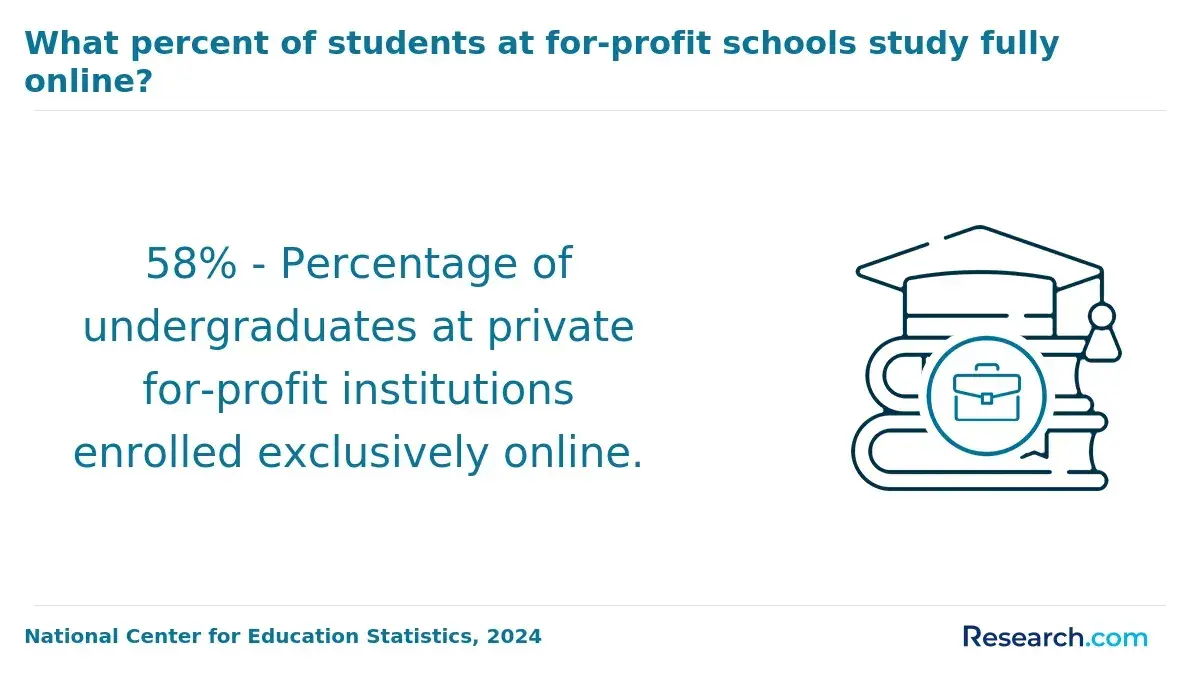
NCES distance-learning data published in 2024 shows that more than half of U.S. postsecondary students took at least one distance education course in the most recently reported national enrollment period. That matters because online learning is no longer a fringe format; many employers now focus on school reputation, accreditation, internship experience, and demonstrated skills rather than classroom location.
For Public Health degrees, employer credibility is strongest when the program includes applied work. Students should look for courses and experiences in biostatistics, epidemiology, health policy, environmental health, program planning, health communication, community assessment, data analysis, and evaluation.
Before enrolling in an online Public Health program, verify the following credibility signals:
- The institution holds recognized regional accreditation from an accreditor accepted by the U.S. Department of Education or the Council for Higher Education Accreditation.
- The curriculum includes core public health competencies rather than only general health or wellness courses.
- The school clearly explains practicum, internship, capstone, or fieldwork expectations for online students.
- Career services are available remotely and include resume help, internship guidance, and employer connections.
- Graduation, retention, debt, and employment information are published or available through official consumer disclosures.
Online public health programs can be a strong value for working adults because they reduce relocation and commuting costs. However, they require more self-management, and students should be cautious if a program is vague about field placements, transfer credit, or total fees.
Private nonprofit universities can offer strong career networking for Public Health students, but the advantage depends on the specific school rather than nonprofit status alone. A small private nonprofit with active faculty, local health partnerships, and engaged alumni may outperform a larger institution for mentoring and connections, while a major public university near a health department or academic medical center may offer equally strong or stronger opportunities.
Networking matters in public health because many early roles are built around projects, grants, community partnerships, and applied experience. Students may enter as health education specialists, program assistants, community health workers, research coordinators, data analysts, environmental health aides, or graduate-school applicants preparing for an MPH.
The best networking environments usually share several features:
- Faculty with current public health practice, research, government, hospital, nonprofit, or community organization experience.
- Required internships, practicums, service-learning projects, or capstones tied to real organizations.
- Career offices that understand public health employers instead of offering only general resume support.
- Student groups, speaker series, research labs, and alumni panels focused on population health topics.
- Connections to local health departments, community clinics, policy organizations, hospitals, schools, and nonprofit agencies.
Private nonprofit programs may be especially useful for students who want close access to faculty and alumni, but they need to justify the cost. If the school's networking advantage does not lead to stronger internships, research experience, graduate-school preparation, or job-search support, a lower-cost public option may provide better ROI.
Yes, online Public Health degree programs can include hidden or easy-to-miss fees. These costs may not appear in the headline tuition rate, but they can affect total ROI, especially for students choosing online education to save money.
The most important fee category is not always a single charge; it is the combined cost of technology, distance-learning access, textbooks, proctored exams, fieldwork requirements, and delayed completion. A low per-credit tuition rate can become less attractive if the school charges multiple mandatory fees or accepts few transfer credits.
Review the full cost of attendance and ask whether these expenses apply:
- Online course, technology, platform, or distance-learning fees charged per credit or per term.
- Proctoring, exam, laboratory, simulation, or software fees tied to specific courses.
- Background checks, immunizations, travel, parking, or onboarding costs for practicum and field placements.
- Textbooks, statistical software, data tools, or public health database access not included in tuition.
- Graduation, transcript, portfolio, clinical compliance, or capstone fees.
- Extra tuition caused by limited transfer-credit acceptance, repeated courses, or part-time sequencing that extends enrollment.
For working adults, the biggest hidden cost may be opportunity cost. If a program is flexible enough to let you keep your job, it may be more valuable than a lower-tuition campus program that requires schedule changes, commuting, or reduced work hours.
Recruiters may recognize prestigious private nonprofit universities, but they do not universally prefer those graduates for Public Health roles. In many public health settings, employers care more about applied skills, internship experience, cultural competence, data literacy, communication ability, and fit with the population served.
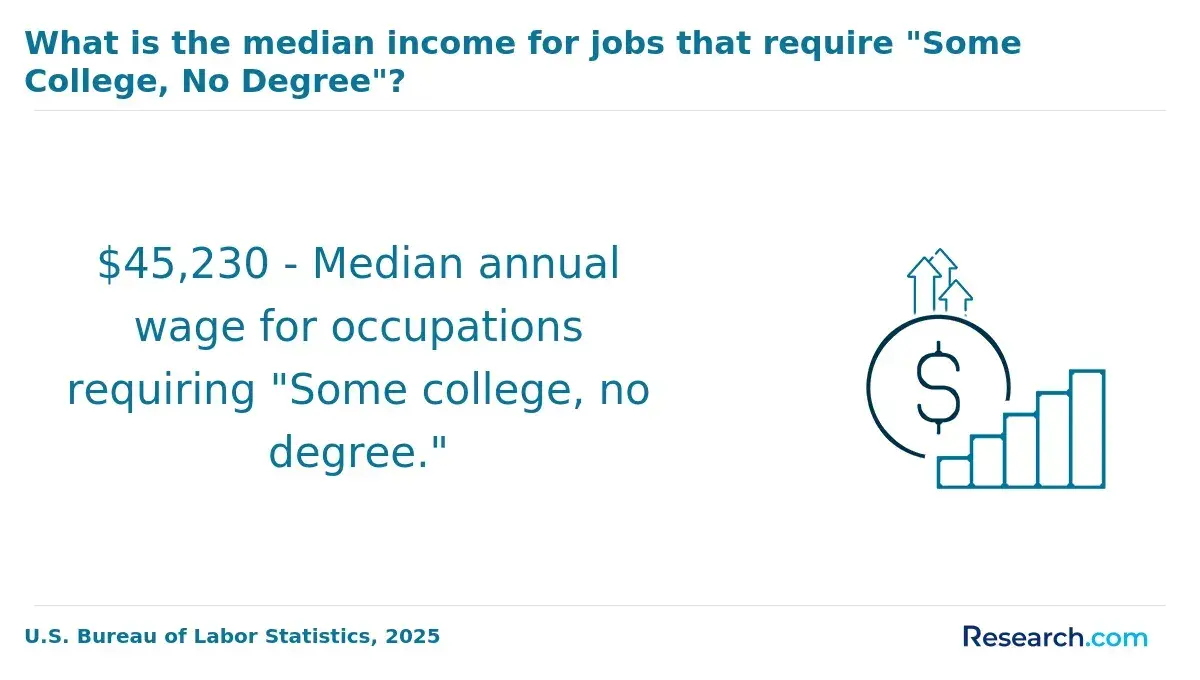
The BLS May 2024 wage data lists the median annual wage for health education specialists at $63,000. That figure is useful because many bachelor's-level public health graduates compete for roles where demonstrated outreach, program planning, and evaluation skills can matter more than institutional prestige alone.
Prestige can help in competitive graduate-school pipelines, research-heavy environments, policy internships, and large metropolitan job markets. However, public universities with strong public health departments, land-grant outreach missions, or proximity to government agencies can be just as respected, especially regionally.
Recruiters often evaluate these signals together:
- Accreditation and institutional legitimacy.
- Relevant coursework in epidemiology, statistics, health policy, environmental health, and program evaluation.
- Internship, practicum, volunteer, or paid experience in public health settings.
- Evidence of communication, data analysis, project coordination, and community-engagement skills.
- References from faculty, supervisors, or fieldwork mentors who can speak to performance.
Students considering fast-entry clinical roles should understand that those paths use different employer screens. For instance, accelerated LPN programs are evaluated around nursing board approval, clinical training, and licensure eligibility rather than public health curriculum breadth.
Graduation rates matter because a degree only has value if you can finish it at a manageable cost. A program with low tuition but weak completion support may become expensive if students stop out, lose credits, borrow without graduating, or take extra years to complete requirements.
NCES data published in 2024 shows that six-year completion rates vary by institutional sector, with private nonprofit four-year institutions generally reporting higher completion than private for-profit four-year institutions. Readers should use those figures as a warning sign, not a final verdict, because outcomes also vary by selectivity, student demographics, part-time enrollment, transfer patterns, and support services.
The table below shows how graduation outcomes affect perceived value across school types. It is meant to help you interpret completion data when comparing individual programs.
| Completion factor | Why it affects value | What to check |
| Six-year graduation rate | Shows whether full-time students commonly finish within a reasonable window | Compare the school's rate with similar institutions, not only national averages |
| Retention rate | Signals whether first-year students continue after the initial enrollment period | Ask what advising, tutoring, and early-alert systems are available |
| Transfer-credit policy | Can shorten or lengthen the time needed to graduate | Request a written transfer evaluation before committing |
| Part-time sequencing | Can delay graduation if required courses are offered infrequently | Review a term-by-term plan for your expected enrollment pace |
| Fieldwork availability | Can affect timely completion in applied public health programs | Ask whether the school helps online and campus students secure placements |
A strong value program should make completion realistic. Look for clear degree maps, predictable course availability, transfer transparency, fieldwork support, and proactive advising.
A private university Public Health degree does not automatically provide better long-term salary growth. Salary growth in public health is shaped by role, graduate education, specialization, work setting, geography, experience, leadership responsibilities, and quantitative skills more than by institution type alone.
BLS projections published for 2023 to 2033 show especially strong demand in higher-level health administration, with medical and health services manager employment projected to grow 29%. For students, that means long-term salary growth may depend on whether the degree builds a pathway into management, analytics, epidemiology, policy, or graduate study rather than whether the institution is public or private.
A private nonprofit degree may support salary growth when it provides strong internships, research opportunities, alumni connections, and graduate-school preparation. A public university may provide equal or better ROI if it offers similar opportunities at a lower net price. An online degree may be financially powerful if it lets you keep earning income while finishing school.
Students should think of ROI in two layers. Short-term ROI depends on landing an entry-level role without excessive debt. Long-term ROI depends on building specialized skills, earning relevant graduate credentials when needed, and moving into roles with more responsibility.
Public health students interested in data-heavy careers can also explore adjacent pathways such as what can you do with a bioinformatics degree, since analytics, genomics, and population health increasingly overlap in research, health systems, and public agencies.
Alumni networks differ less by nonprofit versus online status and more by how intentionally the school maintains career relationships. A nonprofit campus program may have a long-standing alumni base in local agencies, while an online program may offer a national network of working professionals across health departments, hospitals, nonprofits, and policy organizations.
The strongest alumni networks are active, searchable, and connected to real career support. A large alumni database is less valuable if students cannot access mentors, job leads, practicum connections, or graduate-school advice.
When comparing alumni support, pay attention to the type of network you actually need:
- Local network strength is valuable if you plan to work in a specific city, county, state agency, hospital system, or community organization.
- National network strength is valuable if you want remote work, federal roles, consulting, research organizations, or mobility across regions.
- Graduate-school network strength is valuable if you plan to pursue an MPH, MHA, MS, DrPH, PhD, nursing, medicine, or policy degree.
- Industry-specific network strength is valuable if you want epidemiology, health communication, environmental health, global health, maternal and child health, or healthcare quality roles.
Online students should ask whether they receive the same alumni services as campus students. This includes alumni directories, virtual events, employer panels, mentoring platforms, career fairs, and access to faculty after graduation.
The right Public Health degree pathway is the one that balances affordability, credibility, flexibility, and career alignment for your situation. Public in-state programs often provide the best starting value, private nonprofits can be worth it with strong aid or specialized support, online programs can be ideal for working adults, and for-profit programs require especially careful review of outcomes and costs.
Use a structured process instead of relying on brand name, convenience, or advertised tuition. The steps below help you compare programs on the factors that most affect real value.
- Define your target outcome first, such as health education, community health, epidemiology support, healthcare administration, environmental health, policy, research coordination, or preparation for an MPH.
- Verify institutional accreditation and confirm whether the curriculum matches recognized public health competencies.
- Calculate net price, not sticker price, by including grants, scholarships, fees, books, commuting, housing, transfer credits, and expected time to completion.
- Compare completion support by reviewing retention rates, graduation rates, advising access, course availability, and fieldwork assistance.
- Ask how internships, practicums, capstones, and employer partnerships work for both campus and online students.
- Review career services, alumni access, graduate-school advising, and examples of recent student outcomes.
- Estimate borrowing conservatively and avoid programs where debt would limit your ability to accept entry-level public health roles.
Many students make the same avoidable mistakes when choosing a Public Health degree. The most costly ones usually come from comparing institutions too narrowly.
- Choosing the lowest tuition without checking fees, transfer-credit loss, course sequencing, or completion rates.
- Assuming all private nonprofit programs have stronger outcomes than public universities.
- Assuming online programs are less credible without checking accreditation, curriculum, and employer-relevant experience.
- Ignoring whether fieldwork can be completed near your home or work schedule.
- Borrowing for prestige without a clear career plan, graduate-school strategy, or salary pathway.
- Confusing public health with clinical licensure programs that have different approval, exam, and practice requirements.
A good final test is simple: if two programs have similar accreditation, curriculum, completion support, and career access, the lower net-cost option usually offers better value. If the more expensive option provides clearly stronger mentoring, placements, research access, or graduate-school outcomes that match your goals, the premium may be reasonable.
Private colleges often market smaller classes and personalized faculty mentorship, and that can be valuable in Public Health. Mentorship can help students choose a concentration, find a practicum, prepare for graduate school, build a research portfolio, or translate broad interests such as health equity, epidemiology, nutrition, policy, or global health into a practical career plan.
Still, smaller does not always mean better. Some public universities have honors colleges, undergraduate research programs, public health living-learning communities, and faculty-led labs that create excellent mentoring experiences. The practical question is whether the school's advising structure gives you reliable access to people who know public health careers.
Students should ask direct questions before paying more for a private program:
- How many public health majors does each academic advisor support?
- Are faculty available for undergraduate research, independent study, or capstone supervision?
- Does the program help students find practicum sites, or are students expected to locate placements alone?
- How often do students meet with faculty before applying to MPH, MHA, nursing, medicine, policy, or data-focused graduate programs?
- Can the school provide examples of recent student projects, internships, or graduate-school placements?
Students exploring other health and wellness pathways may also compare public health with exercise science degrees, which often focus more on human movement, fitness, rehabilitation support, and preparation for allied health or clinical graduate programs.
Other Things You Should Know About Public Health
Yes, it can be respected if it comes from an accredited institution and includes rigorous coursework, applied projects, and relevant field experience. Employers usually evaluate the school, skills, experience, and credential fit together.
For in-state students, public universities often have the lowest published tuition. However, a private nonprofit with strong grants or a generous transfer policy may sometimes have a comparable or lower net cost.
Nonprofit programs often have stronger traditional academic reputations, but you should still compare accreditation, graduation rates, debt, transfer policies, and career outcomes. For-profit programs require careful review because quality and value vary widely.
Not always. A bachelor's degree can support entry-level roles in community health, health education, program coordination, and research support. An MPH may be useful for epidemiology, leadership, policy, advanced analytics, or specialized public health roles.
- All Areas of Study https://aspph.org/student-journey/all-areas-of-study/
- Explore Online MPH Degree Programs to Find the Best for You https://teach.com/online-ed/healthcare-degrees/online-masters-public-health/
- Navigating Your Future in Public Health: The Value of Accreditation https://masterspublichealth.com/accredited-school-of-public-health/
- MPH vs. MSPH vs. MHS https://www.publichealthdegrees.org/online/mph/mph-vs-msph-vs-mhs/
- Choosing an MPH Specialization - MPH Online https://www.mphonline.org/choosing-an-mph-specialization/
- Program Fees And Payment Options - PublicHealthU.org https://phu.nextgenu.org/program-fees/
- Schools of Public Health https://www.apha.org/professional-development/public-health-careermart/schools-of-public-health
- 2025 Most Affordable Online MPH Programs https://www.onlineu.com/most-affordable-colleges/public-health-masters-degrees