2027 Public Health Degree Time-to-Completion Report: How Long Students Actually Take to Finish

Co-Founder and Chief Data Scientist
Public health students often plan around the catalog timeline, but real completion can take longer once work schedules, transfer credits, internships, and course sequencing are included. NCES reported in 2024 that 64% of first-time, full-time bachelor's students who began at 4-year institutions completed within 6 years at the same school, showing why "4 years" is not always the lived timeline.
This guide helps future undergraduate, MPH, and doctoral students estimate a realistic finish date and choose a program pace that fits their budget, responsibilities, and career goals.
Key Things You Should Know
- A public health degree can take about 2 years for an associate program, 4 to 6 years for a bachelor's pathway, 1.5 to 3 years for an MPH, and 3 to 7 years for doctoral study, depending on enrollment status, credits, and final project requirements.
- The largest time savers are transfer credits, full-time enrollment, predictable course sequencing, and early planning for internships, practica, capstones, or thesis requirements.
- Finishing faster is not always cheaper or better: College Board's 2024 pricing data placed average published tuition and fees at $11,610 for in-state public 4-year colleges and $43,350 for private nonprofit 4-year colleges, so course load, aid eligibility, and work income all affect ROI.
- What Is the Actual Time to Complete a Public Health Degree?
- Which Factors Have the Greatest Impact on Public Health Degree Completion Time?
What Is the Actual Time to Complete a Public Health Degree?
The actual time to complete a public health degree depends first on degree level. "Time to completion" means the elapsed calendar time from first enrollment in the program to graduation, not just the number of credits listed in the catalog. A 120-credit bachelor's program may be designed for 4 years, but students who change majors, attend part time, repeat prerequisites, or wait for a required practicum may need additional terms.
The table below summarizes common U.S. public health degree pathways. These are realistic planning ranges, not guarantees, because schools differ in credit requirements, course availability, and applied learning requirements.
| Public health pathway | Typical published length | More realistic completion range | Common reasons timelines vary |
| Associate degree in public health or health science | 2 years | 2 to 3 years | Developmental courses, part-time schedules, transfer planning |
| Bachelor's in public health | 4 years | 4 to 6 years | General education, major prerequisites, internship timing, credit load |
| Bachelor's completion program | 1.5 to 2.5 years after transfer | 1.5 to 4 years | Accepted credits, upper-division course sequencing, work schedule |
| Master of Public Health | 1.5 to 2 years full-time | 2 to 3.5 years for many working adults | Part-time enrollment, practicum, concentration courses, capstone |
| DrPH or PhD in public health | 3 to 5 years | 4 to 7 years or more | Research progress, dissertation, qualifying exams, assistantships |
For most students, the key question is not "How long is the program on paper?" but "How many terms will I need at the course load I can realistically sustain?" A full-time student with a clean course plan may finish close to the catalog timeline, while a working adult taking one or two courses per term should expect a longer but often more manageable path.
Which Factors Have the Greatest Impact on Public Health Degree Completion Time?
The biggest drivers of public health degree completion time are enrollment intensity, transfer credit acceptance, course sequencing, and applied learning requirements. Public health programs often include epidemiology, biostatistics, environmental health, health policy, research methods, and community health courses that must be taken in a specific order, so one missed prerequisite can delay graduation by a semester or more.
Use the following factors to identify where your own timeline is most likely to expand. These are the areas to review before enrolling, not after your first advising appointment.
- Credit load: Taking fewer credits per term is the most predictable reason students take longer, even when they stay continuously enrolled.
- Prerequisites: Biostatistics, anatomy, biology, sociology, psychology, or college math requirements may need to be completed before upper-division public health courses.
- Course sequencing: Some courses are offered only once per year, especially in smaller departments or specialized concentrations.
- Internship or practicum availability: A required field placement can extend the timeline if background checks, site approvals, or scheduling conflicts arise.
- Capstone, thesis, or dissertation progress: Research-based projects often take longer when students delay topic selection or lack consistent faculty feedback.
- Transfer credit evaluation: Waiting until after enrollment to confirm accepted credits can cause students to retake courses unnecessarily.
- Academic breaks or stop-outs: Students who pause enrollment may return to changed degree requirements or less favorable course availability.
A common mistake is assuming that a public health major is flexible simply because it is not always licensure-based. In reality, many programs have structured cohorts, required fieldwork, and statistics-heavy sequences that reward early planning.
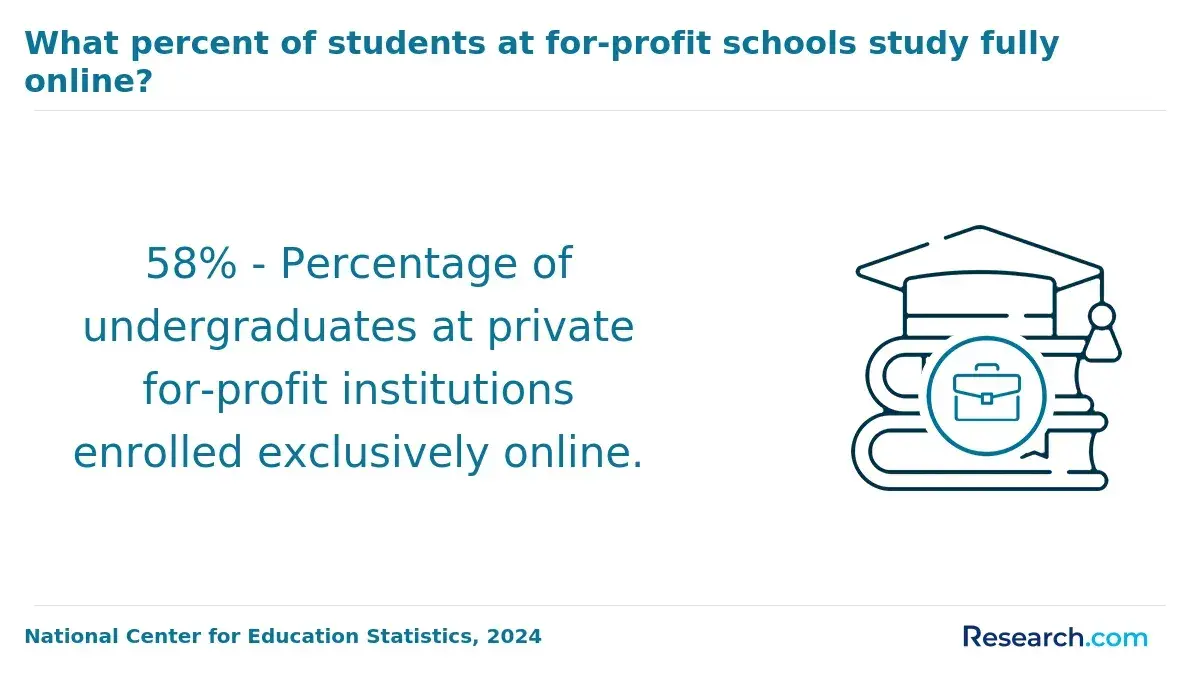
Enrollment status often matters more than format. Online public health programs can be faster when they offer frequent start dates, asynchronous coursework, and year-round terms, but an online student taking one course at a time may still graduate later than an on-campus student enrolled full time.
The comparison below shows how format and pace typically affect calendar time. Use it to match a pathway to your available weekly study hours rather than choosing based only on convenience.
| Enrollment and format | Best fit | Likely timeline effect | Main risk |
| Full-time campus | Students who can attend during standard class hours | Most likely to match the published timeline | Less flexibility for work or caregiving |
| Full-time online | Students who need location flexibility but can study consistently | Can match or slightly shorten the timeline if terms are frequent | Self-management demands are high |
| Part-time campus | Students near campus with limited weekly availability | Often extends the degree by 1 to 3 years | Required classes may conflict with work schedules |
| Part-time online | Working adults and caregivers | Most flexible, but often the longest | Slow progress can increase total fees and delay career transition |
| Cohort-based hybrid | Students who want structure with some flexibility | Predictable if the student stays with the cohort | Falling behind can mean waiting for the next cohort |
Public health students comparing online options should ask whether the school publishes average time-to-degree for online learners, not just the advertised program length. In other health fields, structured distance pathways such as online PharmD programs show how important scheduling, clinical placement coordination, and cohort design can be to actual completion time.
Accelerated public health programs can shorten graduation timelines, but the savings are usually tied to year-round terms, heavier course loads, overlapping bachelor's-to-master's credits, or shorter academic sessions. They work best for students who have strong study habits, stable weekly availability, and few unresolved prerequisites.
The table below compares common traditional and accelerated structures. It is most useful for deciding whether faster pacing creates real value or simply shifts pressure into a shorter calendar.
| Program model | How it shortens time | Best fit | Potential drawback |
| Year-round bachelor's schedule | Uses summer or winter terms | Students who can study continuously | Less time for work, rest, or internships |
| 7- or 8-week online terms | Compresses individual courses | Students comfortable with fast deadlines | Falling behind can happen quickly |
| BS/MPH combined pathway | Allows some graduate credits during senior year | Students committed to an MPH early | Less flexibility to change career direction |
| Intensive one-year MPH | Requires full-time graduate study | Students with prerequisites and funding in place | Difficult for full-time workers |
| Competency-based model | Allows faster progress through mastered material | Experienced adults with strong self-direction | Not ideal for students needing frequent structure |
Health education includes many accelerated models, but the best use case varies by credential. Short workforce programs such as accelerated LPN programs are built around different clinical and licensing goals than public health degrees, so students should not assume that "accelerated" means the same workload or outcome across health fields.
An accelerated public health degree is worth considering when the shorter timeline does not reduce field experience quality, advising access, or concentration depth. It is less attractive if you would need to quit work, borrow substantially more, or rush through quantitative courses that are important for epidemiology, research, or graduate admission.
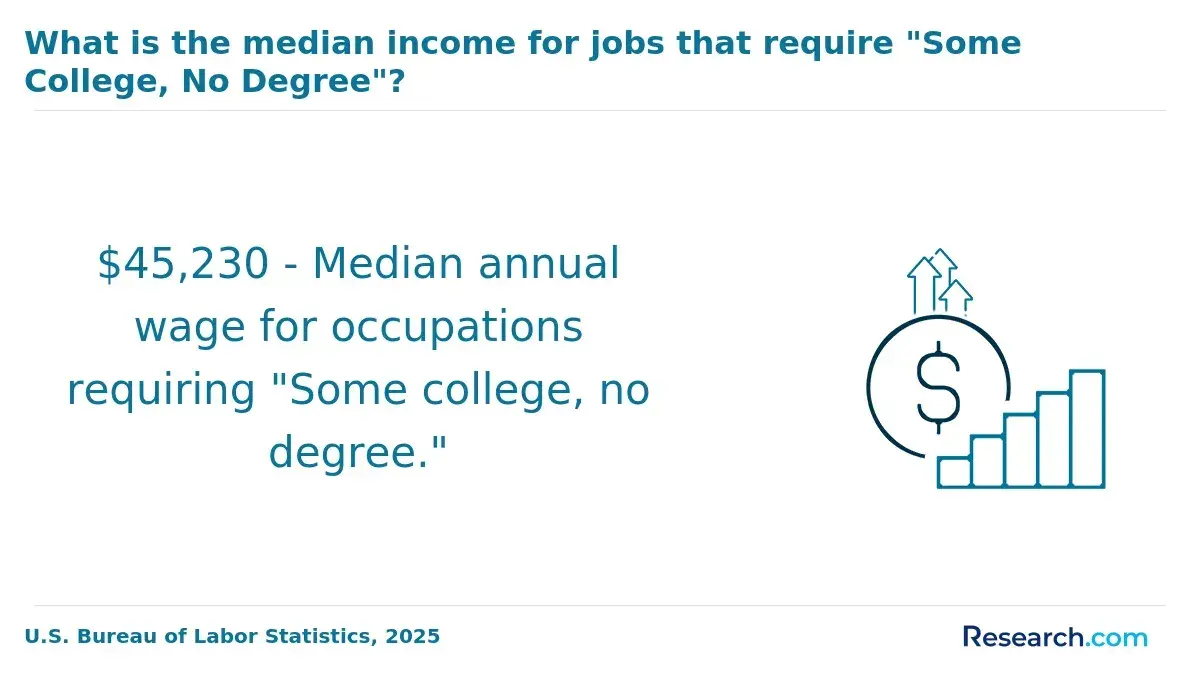
Work, family, and personal responsibilities can affect public health completion time more than academic ability. Many public health students are adults, career changers, parents, military-affiliated students, or working professionals who need a program that can absorb unpredictable schedules without forcing repeated stop-outs.
The most realistic timeline is the one you can sustain for multiple terms. Before choosing a full-time or accelerated path, estimate your weekly availability and compare it with the program's expectations for reading, projects, group work, statistics practice, and fieldwork.
- If you work full time: A part-time MPH or bachelor's completion program may protect your income and reduce burnout, even if it extends graduation.
- If you have caregiving responsibilities: Asynchronous online courses and flexible practicum windows may matter more than the shortest advertised timeline.
- If your schedule changes seasonally: A program with multiple start dates and summer options can help you speed up during lighter periods and slow down when needed.
- If you rely on financial aid: Confirm the minimum credit load needed for aid eligibility before reducing your schedule.
- If you are changing careers: Slower enrollment may allow you to build volunteer, research, or internship experience while studying.
A major red flag is a program that markets speed but cannot explain how working students complete internships or capstones. Public health is applied; if a program requires field hours during weekday business hours, that requirement may be the true bottleneck.
Completion time affects cost in two ways: direct education costs and opportunity costs. Direct costs include tuition, fees, books, technology, transportation, and sometimes practicum-related expenses. Opportunity cost is the income, promotion, or career entry you may delay by taking longer to graduate.
College Board's 2024 data reported average published tuition and fees of $11,610 for in-state students at public 4-year colleges, $30,780 for out-of-state students at public 4-year colleges, and $43,350 for private nonprofit 4-year colleges. For a student who adds even one extra year, the financial effect can be meaningful, especially if institutional aid does not extend beyond the standard program window.
The table below shows how time can influence ROI considerations. It does not predict individual earnings; instead, it helps you identify which costs increase when graduation is delayed.
| Timeline choice | Possible cost advantage | Possible cost risk | ROI question to ask |
| Full-time traditional | Finishes sooner and may preserve aid sequencing | Less time for paid work | Can I cover living costs while studying more credits? |
| Part-time while working | Maintains income and may reduce borrowing | More terms of fees and delayed career transition | Does keeping income outweigh the longer timeline? |
| Accelerated | May reduce calendar time and speed career entry | Can require heavier debt or reduced work hours | Will the faster finish offset added financial pressure? |
| Transfer-heavy pathway | Can reduce credits paid at the new institution | Lost credits can erase expected savings | How many accepted credits actually count toward graduation? |
| Stop-out and return | May be necessary during life disruptions | Can trigger new requirements or aid complications | What is the school's reentry and degree audit policy? |
A shorter timeline often improves ROI when it reduces total paid credits and helps you enter a target role sooner. A longer timeline can still be the better value if it allows you to keep employer tuition assistance, avoid excessive debt, maintain health insurance, or build relevant experience while enrolled.
Graduation timing matters because many public health roles require a completed credential before you can qualify for analyst, coordinator, educator, epidemiology, or program management positions. The degree level also matters: a bachelor's degree may support entry-level health education or program assistant roles, while an MPH is commonly preferred for epidemiology, policy analysis, global health, and leadership-track positions.
BLS wage and outlook data can help put timing decisions in context. The agency's 2024 wage estimates placed the median annual wage for epidemiologists at $83,980, and the occupation is projected to grow 19% from 2023 to 2033. That does not mean every public health graduate becomes an epidemiologist, but it shows why students interested in data-heavy public health careers may benefit from finishing prerequisites and graduate training efficiently.
Public health graduates may pursue roles in government agencies, nonprofit organizations, hospitals, community health programs, consulting firms, universities, and health technology teams. Common responsibilities include analyzing health trends, designing prevention programs, evaluating interventions, coordinating outreach, communicating risk, managing grants, and translating evidence into policy or practice.
Students interested in wellness, prevention, and human performance may also compare public health with exercise science degrees, especially if they are deciding between population-level health work and individual fitness, rehabilitation, or performance-focused careers.
The timing advantage is strongest when students graduate with both the credential and marketable experience. Delaying graduation to complete a strong practicum, research project, data portfolio, or community partnership can be worthwhile if it improves job readiness more than rushing to finish with a thin resume.
Public health degree timelines are changing because more students want flexible online formats, employers increasingly value data skills, and schools are redesigning programs around adult learners. The growth of asynchronous courses, short academic terms, and stackable certificates can help students move faster, but only when those options connect cleanly to degree requirements.
One important trend is the rising value of quantitative and technology skills in public health. Epidemiology, biostatistics, GIS, informatics, disease surveillance, and program evaluation increasingly rely on data tools, which can add prerequisites but also improve career flexibility. Students exploring data-centered health pathways may find it useful to compare public health with resources on what can you do with a bioinformatics degree, since both fields connect biology, health systems, and analytics in different ways.
Another trend is more flexible graduate design. Many MPH programs now offer part-time, online, evening, or executive formats for working professionals, but these options do not automatically shorten completion. They reduce friction, which helps students stay enrolled, yet the total timeline still depends on course load and field placement scheduling.
Students should watch for programs that publish only the fastest possible timeline. Better programs explain multiple pacing options, show sample plans for working adults, clarify whether courses run every term, and provide early practicum planning support.
The best public health program is not simply the shortest one. It is the program that lets you finish in the shortest realistic timeframe while preserving learning quality, affordability, accreditation fit, and career relevance. For most students, that means comparing actual completion supports rather than relying on brochure language.
Use this decision process before applying or enrolling. It will help you turn a vague program length into a practical graduation estimate.
- Identify your target credential: associate, bachelor's, MPH, DrPH, PhD, certificate-to-degree pathway, or combined BS/MPH route.
- List your usable credits and request a preliminary transfer review from each school.
- Choose a realistic credit load based on work, caregiving, commute time, and weekly study availability.
- Ask for a term-by-term degree map showing prerequisites, concentration courses, electives, practicum, and capstone requirements.
- Confirm how often required courses are offered and whether online students get the same scheduling access as campus students.
- Ask where students complete internships or practica and whether placements are available during evenings, weekends, or remote formats.
- Compare total cost by expected terms, not just cost per credit.
- Ask about academic advising frequency, early alert systems, tutoring, writing support, statistics support, and reentry policies.
When speaking with admissions or advising teams, ask direct questions that reveal actual completion patterns. Strong questions include "What is the median time-to-degree for students in my format?" "How many online students finish within the advertised timeline?" "Which courses most often delay graduation?" "What happens if I miss a practicum deadline?" and "Will my financial aid change if I attend part-time?"
Choose a full-time or accelerated pathway if you have stable time, sufficient funding, and confidence in the subject matter. Choose a part-time or flexible pathway if maintaining income, caregiving stability, or lower borrowing is more important than the earliest possible graduation date. Choose a transfer-focused pathway if you already have substantial credits, but only after confirming how they apply to your degree audit.
Transfer credits can be the fastest legitimate way to shorten a public health degree, especially for bachelor's completion students coming from community colleges, allied health programs, military training, or previous majors. The time saved depends on whether credits apply to the degree requirements, not just whether the university accepts them as electives.
The table below gives a practical way to think about transfer credit impact. It assumes the credits are degree-applicable and that required upper-division public health courses are still available when needed.
| Usable transfer credits | Approximate standing | Potential time saved | Important caution |
| 15 credits | About one semester | Up to 1 term | May not reduce time if courses apply only as electives |
| 30 credits | About one academic year | Up to 1 year | Prerequisites may still be missing |
| 60 credits | Associate-level transfer | Up to 2 years | Upper-division major courses may still require 2 years |
| 75 to 90 credits | Advanced transfer or second-degree student | Potentially more than 2 years | Residency rules may require a minimum number of credits at the new school |
To maximize transfer value, request an official evaluation before committing to a program. A school that accepts 60 credits but applies only 35 toward graduation may look generous at first but still leave you paying for extra terms.
Before enrolling, follow this sequence to avoid losing time through avoidable credit problems:
- Send official transcripts from every previous college, including dual-enrollment and community college records.
- Ask for a degree audit showing which credits satisfy general education, public health major, prerequisite, and elective requirements.
- Confirm whether statistics, biology, psychology, sociology, or writing courses are considered current enough for the program.
- Ask how many credits must be completed at the institution to meet residency requirements.
- Get the remaining course sequence in writing, including when each required class is offered.
Other Things You Should Know About Public Health
A bachelor's in public health is usually designed for 4 years of full-time study, but many students take 4 to 6 years depending on transfer credits, course load, prerequisites, and internship timing.
Some MPH programs offer 1-year or accelerated formats, usually for full-time students with prerequisites already completed. Working adults commonly choose 2- to 3-year part-time plans because the practicum and capstone require consistent time.
Online public health degrees can be faster if they offer frequent start dates, year-round terms, and flexible course sequencing. However, online format alone does not shorten the degree if you take fewer credits per term.
One of the biggest mistakes is enrolling before confirming how transfer credits, prerequisites, required course sequences, and practicum requirements fit into a term-by-term graduation plan.
- Sociodemographic Factors Affect Health Outcomes https://essentialhospitals.org/advocacy/sociodemographic-factors-affect-health-outcomes/
- How Long Does It Take to Get a PhD After a Master's Degree? https://streamlinedai.app/blog/how-long-phd-after-masters
- Bachelor’s vs Master’s in Public Health | Norwich University https://health.norwich.edu/blog/what-is-a-masters-in-public-health
- Full-time vs Part-time students: A Comparison - TutorChase https://www.tutorchase.com/blog/full-time-vs-part-time-students-a-comparison
- Choosing an MPH Specialization - MPH Online https://www.mphonline.org/choosing-an-mph-specialization/
- Enrollment in Higher Education https://odphp.health.gov/healthypeople/priority-areas/social-determinants-health/literature-summaries/enrollment-higher-education
- Education as a Social Determinant of Health https://online.tulane.edu/public-health/blog/social-determinant-of-health-education-is-crucial
- MPH https://www.publichealthdegrees.org/program/masters/mph/