
2027 Best Online Bachelor's in Public Health Degree Programs Ranking in the USA

Co-Founder and Chief Data Scientist
Choosing the right online bachelor's degree in public health can shape your future career and impact your community. Our 2027 Best Online Bachelor's in Public Health Degree Programs Ranking in the USA, created by the Research.com team of data scientists, offers a reliable guide to help you make an informed decision.
Discover programs that combine quality education with flexibility, designed to fit your busy lifestyle. Whether you're starting fresh or advancing your career, this ranking highlights the best options worth considering for a meaningful and rewarding path.
Key benefits of getting online public health degree in America
- Graduates with a public health degree can earn strong salaries in various roles, such as Community Health Workers with an average annual wage of $52,610, and Environmental Health Specialists earning about $86,710 per year.
- Career paths often include jobs in health education, safety, and environmental health, similar to alumni from top universities who work in diverse, impactful public health roles across communities.
- Online public health degrees offer flexibility and convenience, allowing busy students to balance work and study, as many successful online graduates from reputable schools attest to faster career progression and practical experience.
- 2027 Best Online Bachelor's in Public Health Degree Programs Ranking in the USA
- What can I expect from online public health degree in America?
- Where can I work with online public health degree in America?
What can I expect from online public health degree in America?
The average cost of an online public health degree in America dances between ambition and affordability, often landing somewhere in the range of $15,000 to $40,000 total for the entire program. Graduates from renowned institutions like the University of North Carolina or Johns Hopkins attest to the blend of rigorous academics and strategic budgeting required. Many share how financial aid, scholarships, and even in-state tuition perks transformed their stress into relief, allowing them to focus on the life-changing content rather than looming bills.
Imagine a student juggling work and family, accessing lectures from their kitchen table, and feeling empowered knowing the flexible schedule reduces commuting costs-adding unexpected savings to an already practical investment. This accessibility is a hallmark of American online public health degrees, making them a beacon for those determined to influence community wellness without breaking the bank.
These programs aren't just about cost; they are gateways to real-world impact, all while offering financial pathways that bring education within reach for many aspiring health champions across the nation.
Where can I work with online public health degree in America?
Graduates from online public health programs at schools like Johns Hopkins or the University of Michigan find themselves stepping into roles where impact feels immediate and vital. Imagine working in a bustling state health department, coordinating emergency responses to sudden outbreaks-each decision a thread weaving community safety. Others land in nonprofit hubs, rallying support to bring clean water to underserved neighborhoods or shaping policies that fight health disparities.
Hospitals and healthcare centers call upon these graduates to lead infection control teams or design educational campaigns that save lives daily. Picture crafting wellness initiatives in corporate offices, transforming stressed-out employees into energized, healthy teams. Some dive into research institutions, crunching data at places like the NIH to unlock solutions for tomorrow's health crises.
Every online student hears stories of alumni propelled into meaningful careers across government, corporate wellness, and academia. Their shared journey highlights the versatile power of a public health degree-fueling hope, advocacy, and change across America's diverse health landscape.
Imagine launching your career after completing an online public health degree from schools like Johns Hopkins or the University of Michigan, where graduates find themselves stepping into roles that pay quite handsomely. For instance, Community Health Workers bring home around $52,610 annually, turning their passion for community well-being into a stable income. Health Educators, often those guiding campaigns and wellness programs, earn a striking $69,790 on average, reflecting their vital role in shaping healthier populations.
Picture a graduate diving into environmental health, safeguarding our air and water, with a solid paycheck of $86,710 a year. Or an Occupational Health and Safety Specialist, helping workplaces stay safe, earning around $85,570 annually. These figures aren't just numbers; they represent real opportunities that turn your online studies in public health into a tangible way to impact lives while enjoying financial rewards.
Graduates often share a sense of pride and excitement, expressing how their degrees from leading American institutions opened doors to meaningful jobs that pay well and grow with experience in dynamic sectors like government and healthcare.
- Online public health bachelor's degrees typically cost between $30,000 and $60,000, varying by institution type and residency status.
- Many programs are fully online and offered by accredited universities, allowing flexible study without relocating.
- Jobs in public health fields like community health and health education are projected to grow 17% from 2022 to 2032.
- Starting salaries for entry-level public health graduates range from $45,000 to $55,000 annually.
- Mid-career professionals earn between $70,000 and $90,000 per year, while specialized roles can exceed $100,000.
- Accreditation by the Council on Education for Public Health (CEPH) is important for program quality and employability.
Picture yourself juggling a full-time job and family while chasing that online public health degree at a top-tier school like the University of North Carolina or Arizona State University. For many, the journey averages around four years if studying full time-mirroring the classic bachelor's timeline nationwide.
Some graduates recount stretching their studies across five or six years, savoring each lesson between shifts and weekend family brunches. Others accelerate through, fueled by summer courses and extra credits, shaving years off their program at schools known for flexible pacing.
At the graduate level, MPH seekers at places like Johns Hopkins often wrap up in about two years, though part-time rhythms extend this to three or four. Hybrid and competency-based programs let students master concepts on their own clock-great for those who thrive outside the usual semester grind.
All these paths reflect a core truth in America's public health education: time bends to your ambition, life's demands, and your chosen university's unique offerings.
A hallmark of top online Public Health programs is the depth of faculty expertise and the availability of cutting-edge research opportunities. Experienced professors not only bring academic credentials-such as PhDs from CEPH-accredited institutions-but also real-world practice in epidemiology, health policy, and community engagement. Their ongoing projects often address pressing issues like pandemic preparedness, environmental health disparities, and social determinants of health. Many programs facilitate student involvement through virtual research seminars, collaborative publications, and capstone projects under faculty mentorship. For example, a recent cohort worked with professors on modeling vaccination strategies, culminating in a poster presentation at a national conference. These experiences deepen practical skills and strengthen resumes for jobs in government, nonprofits, or academia. Key research benefits include:
- Direct mentorship by faculty published in leading public health journals
- Access to interdisciplinary research centers focusing on global health, health equity, and data analytics
- Opportunities to co-author studies, apply for small grants, and present findings at virtual symposia Prospective students should also consider program rankings that emphasize affordability without compromising quality. For insights into cost-effective options, explore the Affordable Public Health Degree Programs Ranking in Washington, DC, which highlights institutions with strong faculty support and research infrastructure. By choosing a program renowned for its expert faculty and robust research pathways, online learners gain not only theoretical knowledge but also hands-on experience that propels their careers forward.
Imagine juggling a full-time job while attending the University of North Carolina's online public health program, logging in after the kids are asleep, and feeling the freedom to study at your own rhythm. That's the magic of online degrees-flexibility wrapped in ambition. Unlike the traditional hustle at Johns Hopkins' campus, where students thrive on in-person debates and spontaneous brainstorming over coffee, online learners craft their own schedules, slicing through tasks between work meetings or family dinners.
But there's a trade-off. Graduates from on-campus programs recall the buzz of walking through campus hallways, hands-on lab sessions, and impromptu group hurdles-moments harder to replicate through a screen. Meanwhile, online scholars often build digital resilience and independence, mastering self-discipline with every assignment submitted from across the country.
Cost-wise, online paths may trim fees for housing or commuting-a welcome relief amid rising tuition, where public institutions hover around $7,000 annually and private ones can skyrocket past $30,000. Yet, both paths share the badge of CEPH accreditation, a seal that their education equips you for the real-world challenges of American public health.
Accreditation and professional certifications validate the quality and credibility of online public health programs. Look for CEPH accreditation and consider industry credentials to stand out.
- Council on Education for Public Health (CEPH): the gold standard for program quality, faculty expertise, and student outcomes.
- Certified Health Education Specialist (CHES): boosts credibility for health education and community outreach roles.
- Certified in Public Health (CPH): demonstrates advanced public health knowledge for leadership positions.
Some professionals broaden their impact by pairing public health expertise with clinical credentials, such as an online pharmacist degree, to shape community health through both practice and policy.
For students diving into the average cost of online public health degree in America, numbers tell a tale of balance between investment and opportunity. Expect to pay near $48,840 as a median total cost, with in-state learners typically seeing about $53,940, and out-of-state students shouldering close to $58,260. Picture a graduate from a renowned public university savoring the flexibility of earning their degree online while managing work and family-this cost feels like a gateway to a fulfilled professional life rather than just a bill.
The total expenses for online public health bachelor's USA often include more than tuition. Alongside standard fees, think of the quiet companion costs: technology upgrades and course materials that ensure seamless learning. Many students at institutions like the University of North Carolina or the University of Florida discover smart ways to stretch their budget while still accessing quality education, turning their screens into a gateway to public health careers.
Financial aid can ease the journey significantly. Several grads recall how scholarships, federal aid, or employer tuition assistance transformed their equation from daunting to doable. If you're hunting for quality and economy, explore affordable public health schools that offer tuition relief and meet your academic goals with less sticker shock.
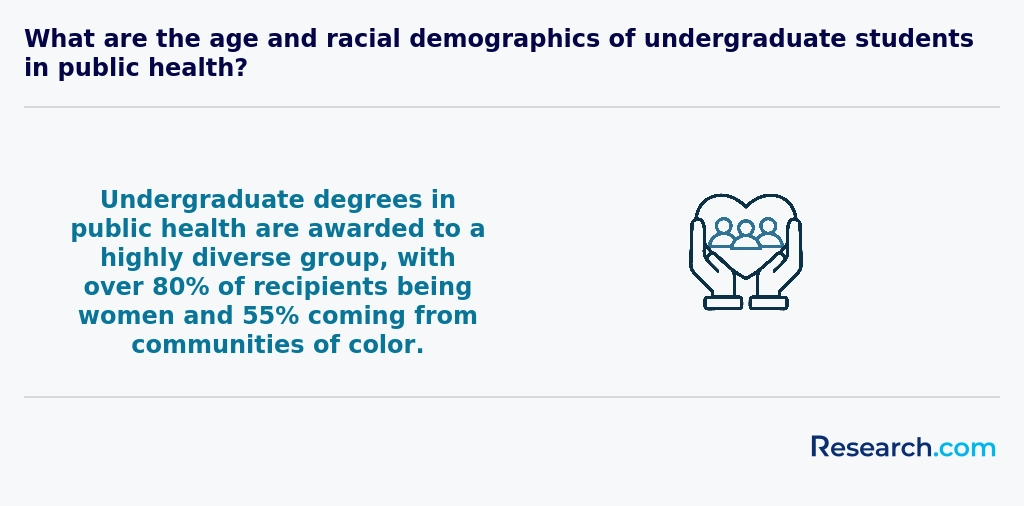
Graduates of online Public Health programs can significantly enhance their credentials-and earning potential-by pursuing industry-recognized certifications. Earning a Certified in Public Health (CPH) credential through the National Board of Public Health Examiners demonstrates mastery of core public health competencies and often leads to broader career opportunities in epidemiology, policy analysis, and program management. Similarly, the Certified Health Education Specialist (CHES) and its advanced counterpart, the Master Certified Health Education Specialist (MCHES), offered by the National Commission for Health Education Credentialing, validate expertise in designing, implementing, and evaluating community health initiatives. To prepare for these exams, candidates typically need a bachelor’s or master’s degree in public health or a related field, completion of specific coursework, and documented professional experience. For instance, NBPHE requires applicants to complete at least two years of public health work experience or an approved internship prior to sitting for the CPH exam. Many online programs integrate preparation modules-covering biostatistics, environmental health, and social and behavioral sciences-directly into their curricula, ensuring you’re ready on day one. Passing these exams not only signals a commitment to lifelong learning but can also translate into salary increases of 10–20%, as reported by recent CPH certificants. Beyond generalist credentials, specialized certifications allow graduates to carve out niche roles. The Council on Education for Public Health (CEPH) recognizes programs that prepare students for epidemiology certification, while the Certified in Infection Prevention and Control (CIC) credential suits those aiming to manage outbreak response in healthcare settings. For professionals interested in the intersection of data and health, the Certified Health Data Analyst (CHDA) designation from AHIMA underscores proficiency in data analytics and informatics. Mapping out your healthcare career path should include a clear timeline for exam preparation, application deadlines, and continuing education unit (CEU) requirements to maintain each certification. Many employers offer tuition assistance or exam-fee reimbursement for staff pursuing these credentials, so be sure to inquire about support services. By strategically combining an accredited online degree with targeted certifications, you’ll position yourself as a highly qualified candidate ready to tackle evolving public health challenges.
Imagine unlocking the door to your online public health degree from a school like the University of North Carolina or the University of Florida, with financial aid as the golden key. Federal aid, especially the FAFSA, acts as a trusty map, revealing treasures like Pell Grants that can offer up to $7,395 to ease your journey-money that doesn't need to be paid back, a relief many graduates recall with gratitude. Scholarships from the American Public Health Association or local universities sprinkle extra magic dust, rewarding merit and need, making dreams a bit closer to reality.
Picture a healthcare worker already employed but hungry to learn, tapping into employer tuition assistance programs that transform work into an investment in themselves-turning evenings of study into future career leaps. Other aids, like state grants or the GI Bill, serve as hidden supports, quietly lifting veterans and online learners alike, while federal student loans stand ready with manageable repayment paths, a steady safety net amid the unknowns of finance.
Students who've navigated these waters advise starting early-tapping into resources, talking to financial aid officers, and filling out FAFSA promptly-transforming complexity into a clear, navigable path toward a proud public health degree.
Online public health bachelor’s programs include a supervised practicum or internship to bridge theory and practice. Here’s what to expect:
- Total hours: 100–200 supervised field hours (varies by institution)
- Placement options: local health departments, nonprofit agencies, hospital outreach teams
- Supervision: onsite preceptor plus virtual mentorship from faculty
- Key skills gained: project planning, data collection, community outreach, program evaluation
- Planning tips: start early, leverage career services, align placement with your chosen specialization
- Consider complementary training through affordable online medical billing and coding schools to enhance your healthcare skill set
To step into the world of online public health degrees in America, imagine submitting not just transcripts but a personal narrative rich with passion and purpose. Many graduates from well-known institutions like the University of North Carolina or Johns Hopkins reflect on how their journey began with a solid high school diploma or GED, paired with key courses such as biology and social sciences that sparked their interest in community well-being.
Picture forwarding a transcript showcasing a GPA around 2.5 to 3.0, the common threshold, but feeling pride knowing your unique experiences-volunteering at health clinics or advocating for local wellness initiatives-shine through in your essays. Some schools may still ask for SAT or ACT scores, yet many embrace test-optional paths, easing the entry barrier and inviting diverse voices.
For those aiming higher, the call of graduate programs means holding a bachelor's with relevant coursework and often a stronger GPA, accompanied by tangible public health work experience that fuels motivation and confidence. This blend of academic readiness and heartfelt commitment creates a gateway to joining America's growing public health workforce.
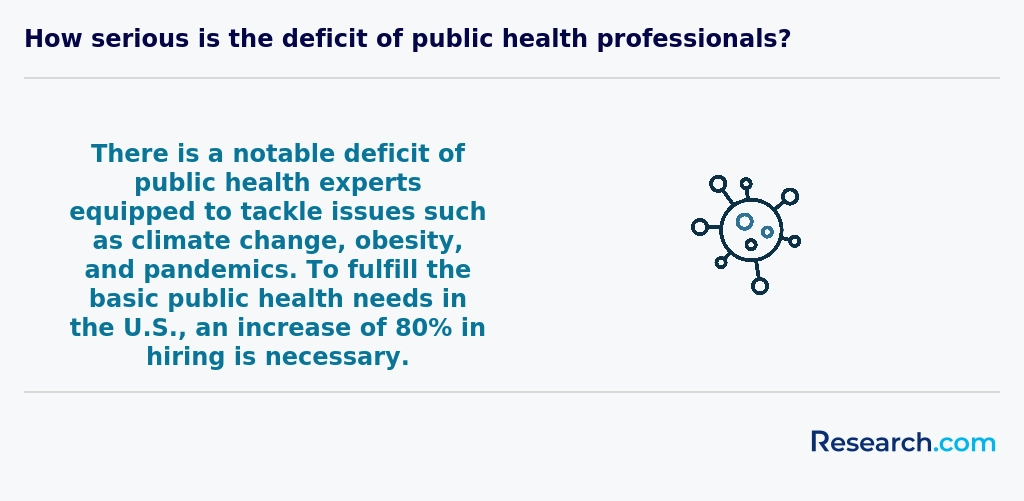
Navigating an online public health program successfully requires a blend of organization, proactive communication, and the effective use of available resources. Establishing a consistent study routine, setting clear academic goals, and engaging in virtual discussions are essential practices that can significantly boost your learning outcomes. Be sure to take advantage of academic advising, technical support, and career counseling services offered by your institution, as these resources can help streamline the online learning experience. Developing a strong network through peer interactions and mentorship initiatives not only enriches your educational journey but also opens pathways to future career opportunities. For example, students who research cost-effective options often find that exploring programs offered by affordable public health schools provides both quality education and financial benefits. By integrating these strategies into your study plan, you can enhance academic performance and build a solid foundation for a successful career in public health.
Diving into an online public health degree in America means navigating a landscape rich with courses that shape you into a community health champion. Imagine yourself at a well-regarded university like the University of North Carolina or Johns Hopkins, where graduates recall grappling with Epidemiology as if they were detectives tracing invisible outbreaks across neighborhoods. They don't just learn theory-they decode real patterns of disease spread, turning data into stories that save lives.
Then there's Biostatistics, a favorite among those who love turning chaos into clarity, crunching numbers that guide policies on air quality or vaccination campaigns. Environmental Health stretches your imagination further, painting vivid scenes of how pollution or workplace hazards ripple through communities, often inspired by case studies from schools like Emory University.
Courses in Health Policy and Management put you in the driver's seat, preparing you to lead change in how health systems serve diverse populations. Meanwhile, Social and Behavioral Sciences invite you to step into others' shoes, understanding the social puzzle behind health behaviors and disparities-making your education both relatable and deeply human.
Imagine diving into an online public health degree in America and unlocking a spectrum of specializations that feel like tailored pathways to changing the world. From the nuanced rhythms of epidemiology, where graduates from renowned schools like Johns Hopkins unravel disease mysteries amidst global crises, to the dynamic dance of health policy and management that graduates at UCLA describe as steering the future of hospital systems and community programs. These are not mere subjects; they are vibrant careers painted with real-life impact.
Picture studying environmental health-popular in programs at the University of North Carolina-where learners dissect pollution's hidden threats and climate change's ripple effects on your neighborhood's well-being. Or take biostatistics, beloved by those at Emory University, where graduates revel in cracking data puzzles that fuel transformative public health decisions. These public health concentration options in America craft experts ready to lead.
Other specialties like global health turn students into international advocates, while community health education sparks joy in creating tangible wellness programs. Some graduates, embracing a healthcare career path, find practical magic in health informatics or maternal and child health, weaving technology and compassion into daily life. This vivid array of online public health degree specializations USA offers invites every aspiring mind to find their flourishing niche.
Picture yourself navigating the labyrinth of best online public health degree programs USA, where each choice shapes a future devoted to community well-being. Graduates from schools like the University of Michigan cherish how accredited programs validated by CEPH not only sharpen their skills but also open doors to impactful careers. Imagine balancing late-night study sessions with a demanding job-here, flexibility and robust tech support become lifelines, turning remote classrooms into vibrant hubs of learning and collaboration.
Choosing affordable accredited public health degrees America means more than numbers; it's about envisioning those moments sitting alongside peers in capstone projects or engaging with faculty whose real-world expertise inspires and illuminates your path. One graduate fondly recalls how focusing on epidemiology at a top program transformed their abstract passion into actionable knowledge.
To explore cost-effective yet quality options that blend these elements seamlessly, consider diving into the Affordable Public Health Degree Programs Ranking in Washington, DC-a practical compass that once guided many aspiring public health professionals toward their dreams.
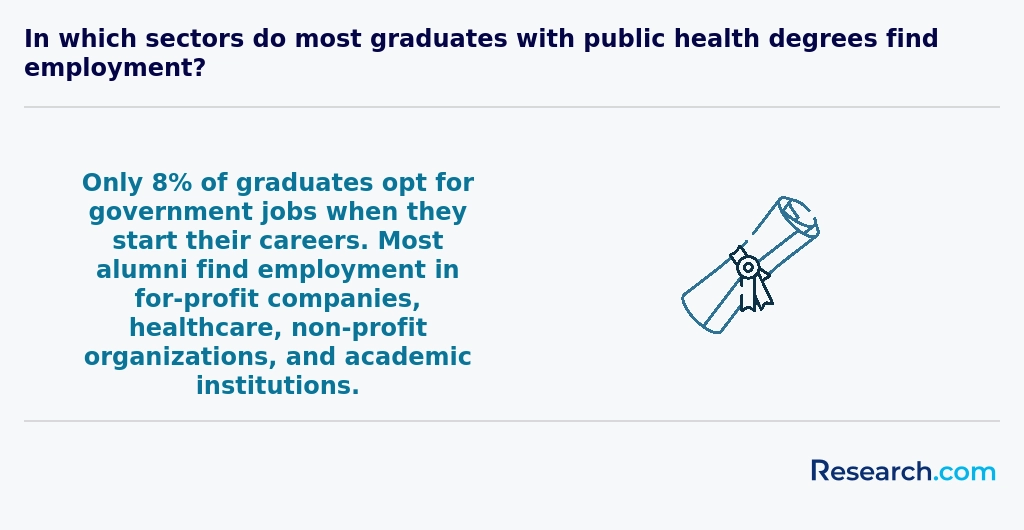
Imagine launching your career from the comfort of your living room while becoming a vital force in health education or epidemiology. Graduates from popular American institutions with an online public health degree often find themselves shaping communities as health educators or diving into data to stop disease outbreaks as epidemiologists. These paths sparkle with promise, especially with public health degree job opportunities America's evolving landscape offers, where even entry-level roles can lead to impactful future positions.
Many graduates share how working as public health analysts or health services managers in cities like Chicago or Boston connects them deeply to real-world challenges, from crafting policies that fight health disparities to streamlining healthcare systems. Some leverage their studies with online certifications that pay well, adding sharp edges to their skill sets and opening doors to exciting roles.
Networking in online programs at top schools gives students a front-row seat to global health debates and environmental health initiatives. This diverse palette of careers in online public health careers in the USA reflects a thrilling mix of data, policy, and hands-on service that many graduates embrace with enthusiasm and purpose.
The job market for graduates holding online public health degrees in America sparkles with opportunity, fueled by an urgent national spotlight on health equity and disease prevention. Picture a recent graduate from a top school like Johns Hopkins or the University of Michigan navigating job portals-roles as epidemiologists or health policy analysts are blossoming, especially in bustling hubs like California or New York. These meteorite-paced rises in job openings reflect real demand, making online public health jobs in the USA feel less like a hopeful dream and more like a tangible career path.
Many graduates recall the blend of flexible online study combined with hands-on internships that public health programs emphasize, which employers now crave. A community health worker stepping into a government agency or a healthcare institution often shares how these real-world experiences, alongside academic knowledge, crafted their confidence. The job outlook for public health graduates in America gleams brighter when practical experience meets accredited credentials.
For those cautiously budgeting, online courses from reputed universities offer a remarkable balance-competitive tuition paired with financial aid that lightens the load. When graduates realize they can tap into growing markets through remote roles or vibrant metropolitan healthcare networks, the decision feels smarter. Investing in such a degree aligns well with earning potential and career satisfaction, making it a choice worth exploring. Those intrigued might also consider exploring easy masters degrees online to find a path that fits their pace and passion.
2027 Best Online Bachelor's in Public Health Degree Programs Ranking in the USA
Investing in your education is a significant decision that can shape your future, and the Research.com team understands the importance of making informed choices. To support prospective students seeking high-quality public health education, we have carefully developed the "2027 Best Online Bachelor's in Public Health Degree Programs Ranking in the USA." Our dedication to quality, credibility, and accuracy is evident in the rigorous research and thorough analysis behind this ranking.
We utilized the following reputable data sources to ensure a comprehensive evaluation of public health programs:
By consulting this ranking, readers will gain valuable insights into the top online bachelor's public health programs, empowering them to make well-informed decisions about their education. For further information on how this ranking was created, please visit our Research.com methodology page.




# 9 position
Western Governors University
Bachelor of Public Health


# 13 position
Arizona State University Campus Immersion
Bachelor of Health Sciences - Healthy Lifestyles and Fitness Science


# 16 position
Walden University
Bachelor of Public Health




Frequently Asked Questions About public health
Online public health degree students in America can maximize their learning by actively engaging with course materials and participating in virtual discussions. Research shows that interaction with peers and instructors improves retention and understanding.
Utilizing available resources such as virtual libraries, webinars, and public health databases like those from the CDC can deepen knowledge and provide up-to-date information on American health trends.
Setting a consistent study schedule helps manage coursework alongside personal responsibilities, a critical factor given that many online students balance work or family commitments.
Finally, seeking internships or practicum opportunities within US public health organizations complements academic learning with practical experience, enhancing skill development.
The public health field is rapidly evolving with several emerging niches gaining attention in the United States. One significant area is epidemiology with a growing focus on data analytics and biostatistics, driven by the increased availability of health data and advanced computing tools. According to the Bureau of Labor Statistics, employment for epidemiologists is projected to grow 6% from 2022 to 2032.
Another rising niche is global health security, which addresses pandemic preparedness and response, highlighted by recent COVID-19 challenges. Environmental health is also expanding, focusing on climate change impacts on community health.
Health informatics, combining technology and public health to improve healthcare delivery, is expected to see substantial growth as digital health tools become widespread.
After completing an online public health degree in America, preparing for the job market involves several key steps. First, gaining practical experience through internships or volunteer opportunities with local health departments or nonprofit organizations is essential. The U.S. Bureau of Labor Statistics projects a 17% growth in public health jobs from 2022 to 2032, underscoring rising demand.
Networking is critical. Joining professional associations like the American Public Health Association (APHA) can offer job leads and mentorship. Also, acquiring relevant certifications, such as Certified Health Education Specialist (CHES), can improve employability.
Building a strong résumé that highlights skills in data analysis and community outreach is important to match employer expectations.
Employers in the U.S. value several key skills when hiring graduates with online public health degrees. Critical thinking and data analysis are essential, as public health professionals often interpret complex health data to inform decisions. Communication skills are also highly sought after, enabling graduates to effectively convey information to diverse audiences.
Knowledge of epidemiology and biostatistics remains fundamental, and familiarity with health policy and management enhances career opportunities. According to the U.S. Bureau of Labor Statistics, analytical skills improve job prospects in this field, which is projected to grow 17% through 2031.
Finding internships in America related to a public health degree involves a strategic approach. Many universities offering online public health programs maintain partnerships with local health departments, nonprofit organizations, and hospitals to place students in internships.
Additionally, national organizations like the American Public Health Association (APHA) and the Centers for Disease Control and Prevention (CDC) provide internship listings and resources tailored for public health students. According to the Bureau of Labor Statistics, internships can significantly improve employment prospects in public health fields by offering hands-on experience.
Students should also utilize online job portals such as Handshake and LinkedIn, filtering opportunities by location and sector. Networking with faculty and attending virtual career fairs hosted by schools or public health organizations can enhance chances of finding suitable internship positions.
Obtaining an online public health degree in America can significantly enhance career mobility and advancement. The U.S. Bureau of Labor Statistics projects a 12% growth in public health-related jobs from 2022 to 2032, faster than the average for all occupations. This growth increases demand for qualified professionals with accredited degrees.
Online degrees offer flexibility for working adults, enabling them to upskill without pausing their careers. Graduates can pursue roles in epidemiology, health education, and policy analysis, often qualifying for supervisory or specialist positions.
Additionally, many employers recognize accredited online public health degrees, which can lead to higher salaries and leadership opportunities.
Studying for a public health degree in America equips students with skills to work across multiple disciplines. The curriculum typically covers epidemiology, biostatistics, environmental health, health policy, and social sciences. This broad approach prepares graduates to tackle complex health issues involving medical, social, and economic factors.
Many programs emphasize teamwork and communication, fostering collaboration with professionals in medicine, government, and community organizations. According to the Association of Schools and Programs of Public Health (ASPPH), 85% of public health jobs require interdisciplinary competencies, highlighting the degree's practical relevance.
Moreover, real-world case studies and internships included in online programs provide hands-on experience in diverse health settings. This prepares students for dynamic roles in public health agencies, NGOs, and healthcare systems nationwide.
When choosing between a thesis and a non-thesis public health degree program in America, students should consider their career goals and learning preferences. Thesis programs often require original research, ideal for those seeking to pursue advanced studies or a research career. According to the Council on Education for Public Health (CEPH), about 30% of accredited programs offer thesis options, reflecting their research focus.
Non-thesis programs typically emphasize practical skills and coursework, appealing to professionals aiming to enter public health practice quickly. These programs often include internships or capstone projects instead of a formal thesis. Understanding the time commitment is crucial; thesis tracks usually take longer to complete due to research demands.
Examining program requirements and outcomes through school websites or the Association of Schools and Programs of Public Health (ASPPH) can help applicants make informed decisions aligned with their future plans.
Students based in America seeking to study public health abroad have several options through online programs offered by international universities. Many foreign institutions partner with U.S. schools to provide accredited online degrees, allowing students to gain a global perspective without relocating. These programs often include coursework emphasizing global health challenges and cross-cultural studies, important for careers in international health agencies.
Additionally, some U.S. universities offer study abroad or exchange programs integrated into their public health curricula, giving students hands-on experience overseas. According to the Association of Schools and Programs of Public Health (ASPPH), over 50% of graduates in public health express interest in global health competencies.
Financial aid and scholarships targeted at international study can also make these options more accessible.
Students pursuing an online public health degree in America can benefit from part-time jobs that offer practical experience while supporting their studies. Common roles include community health worker, health educator assistant, and research assistant positions. These jobs provide exposure to public health programs, data collection, and health promotion activities.
The U.S. Bureau of Labor Statistics notes that community health workers earned a median wage of $47,000 in 2023, reflecting the growing demand in this field. Many part-time opportunities are available in local health departments, nonprofits, and universities, allowing students to apply theory to real-world public health challenges.
Research assistant roles also help develop crucial skills in data analysis and epidemiology. Such experience strengthens resumes and enhances networking within the public health sector, positioning students for competitive employment after graduation.
Online public health programs in America offer various networking opportunities that connect students with professionals, alumni, and peers. Many accredited universities provide access to dedicated online forums and virtual events where students can engage with faculty and experts in the field. According to the Association of Schools and Programs of Public Health (ASPPH), these platforms foster collaboration and mentorship, critical for career development.
Students often benefit from memberships in professional organizations like the American Public Health Association (APHA), which hosts annual conferences and webinars open to online learners. These events help build networks, share research, and explore job prospects.
Additionally, some programs organize regional meet-ups and internships in local health departments, offering practical experience and face-to-face networking. Overall, online public health education in the U.S. includes structured opportunities for students to build vital professional connections.
Alumni networks offer significant benefits to students pursuing online public health degrees in America. These networks connect current students with graduates who have firsthand experience in public health careers, aiding mentorship and professional guidance. According to the American Public Health Association, networking is vital for job placement, with approximately 70% of jobs obtained through connections. Online students often face isolation, so active alumni communities help create valuable relationships and foster collaboration despite physical distances. Furthermore, alumni networks provide access to exclusive job listings, internships, and continuing education opportunities, strengthening a student's career prospects within the competitive US public health sector.
Customizing an online public health degree in America allows students to align their studies with specific career goals. Many programs offer concentrations such as epidemiology, health policy, biostatistics, or environmental health. Choosing a focus area helps develop expertise in a niche field, increasing job prospects.
Elective courses often enable further tailoring, letting students explore topics like global health or health education. Students can also pursue certificate options alongside their degree to gain specialized skills recognized by employers.
Most accredited programs follow guidelines from the Council on Education for Public Health (CEPH), ensuring a comprehensive foundation while allowing flexibility. According to the Bureau of Labor Statistics, specialized knowledge can improve employment outcomes in public health roles.
Online public health students in America face several common challenges. One major difficulty is managing practical experience requirements. Many programs require internships or hands-on fieldwork that can be hard to arrange remotely. According to the Association of Schools and Programs of Public Health, nearly 60% of programs include experiential learning components.
Another challenge is staying motivated in a largely self-paced online environment. Studies show that online students often struggle with feelings of isolation and lower engagement compared to traditional classroom settings.
Additionally, access to reliable technology and stable internet can limit some students, particularly in rural areas, where broadband penetration remains uneven.
Time management is also a concern, as many online public health students balance studies with work and family responsibilities.
An online public health degree in the United States opens doors to several valuable professional certifications. One widely recognized option is the Certified Health Education Specialist (CHES) credential offered by the National Commission for Health Education Credentialing (NCHEC). This certification validates expertise in health promotion and education, enhancing job prospects.
Graduates can also pursue the Certified Public Health (CPH) certification provided by the National Board of Public Health Examiners (NBPHE). The CPH credential demonstrates broad competency in public health practice and is respected nationwide.
Other certifications include the Registered Environmental Health Specialist (REHS) and Certified in Infection Control (CIC), depending on your career focus.
According to the U.S. Bureau of Labor Statistics, obtaining certifications can improve employment potential and salary in public health roles.
Writing a strong application for an online public health program in America requires careful preparation and attention to detail. Admissions committees value clear communication about your passion for public health and your career goals. Begin by thoroughly researching each program's curriculum and faculty to tailor your personal statement to their strengths.
Highlight any relevant experience, such as volunteering in community health or internships, and relate these to your motivation for pursuing public health education. According to the Association of Schools and Programs of Public Health (ASPPH), practical experience enhances application strength significantly.
Ensure your transcripts show academic readiness, especially in science and social science courses. Letters of recommendation should come from professionals familiar with your abilities and commitment. Finally, meet all deadlines and carefully proofread your materials to present a polished, professional application.
Public health careers in the United States are increasingly influenced by global health challenges, such as pandemics and environmental issues. American public health professionals often collaborate with international agencies like the World Health Organization to address health disparities worldwide. According to the U.S. Bureau of Labor Statistics, the demand for public health workers is projected to grow 17% from 2022 to 2032, reflecting a global need for skilled experts.
Many U.S. online public health degree programs incorporate global health perspectives, preparing students to work in diverse environments. This international focus helps graduates understand health systems beyond American borders and adapt solutions for varied populations.
Overall, a public health career links U.S. education with worldwide health priorities, highlighting its global relevance.
Gaining practical experience while pursuing an online public health degree in America is essential for career readiness. Many programs incorporate internships or field placements with local health departments, hospitals, or nonprofit organizations. These opportunities allow students to apply classroom knowledge to real-world situations, often required for degree completion.
Additionally, online students can participate in virtual simulations, case studies, and collaborative projects that mimic public health challenges. The Council on Education for Public Health (CEPH) accredits programs emphasizing hands-on experience, ensuring quality training. According to the Bureau of Labor Statistics, practical skills enhance employability in public health roles, which are projected to grow 17% from 2022 to 2032.
Choosing the right concentration within an online public health degree program in America requires understanding your career goals and interests. Popular concentrations include epidemiology, health policy, environmental health, and community health. Each focuses on different aspects of public health practice and research.
Consider your preferred work environment; for example, epidemiology often involves data analysis and disease tracking, while health policy centers on creating and evaluating public health laws. The Bureau of Labor Statistics notes that roles in public health are growing faster than average, with a 17% job increase projected through 2030.
Review each program's curriculum and faculty expertise. Accreditation by CEPH (Council on Education for Public Health) ensures quality education aligned with national public health standards.
- Online Health Science Degrees with Financial Aid https://www.edumed.org/online-schools/health-science-degrees/financial-aid/
- The Networking Guide for Public Health Professionals https://www.publichealthdegrees.org/resources/professional-networking/
- Public Health https://disabroad.org/program/public-health/
- Public Health Online | Online Public Health Degrees https://www.publichealthonline.org/
- Why Public Health is the Ideal Career Path for Gen Z - Reach Out https://we-reachout.org/why-public-health-is-the-ideal-career-path-for-gen-z/
- Careers in Public Health. Life’s Work https://www.publichealthcareers.org/
- The Interdisciplinary Nature of Public Health https://www.cune.edu/news/interdisciplinary-nature-public-health
- Young WFPHA Initiative – Empowering Young Public Health Professionals https://www.wfpha.org/young-wfpha/
- The 14 Fastest Online MPH Programs - MPH Online https://www.mphonline.org/fastest-online-mph-programs/
- Letter of Intent for Admissions to Masters of Public Health - how this program fits to my goals? https://essayforum.com/graduate/intent-admissions-masters-public-health-64817/










