2027 Most Affordable Online Public Health Degree Programs Ranking in the USA

Co-Founder and Chief Data Scientist
Choosing the right public health degree program can be overwhelming, especially with so many options available online. This article introduces the 2027 Most Affordable Online Public Health Degree Programs Ranking in the USA, created by the Research.com team of data scientists to guide you toward programs that balance quality and affordability.
By exploring this ranking, you'll gain insight into the best online programs tailored for students seeking accessible education. Pursuing a public health degree opens doors to meaningful careers that impact communities and promote well-being. Discover options that fit your goals and budget with confidence.
Key benefits of getting online public health degree in America
- Public health graduates can earn competitive salaries, such as $52,610 annually for Community Health Workers and up to $86,710 for Environmental Health Specialists, reflecting the strong demand for these roles.
- Career paths from universities like the University of Michigan often include roles in health education, safety, and environmental health, offering diverse opportunities to make a real impact.
- Online degrees from schools like Johns Hopkins provide flexibility, allowing students to balance work and study while gaining the same respected credentials as traditional programs.
- 2027 Most Affordable Online Public Health Degree Programs Ranking in the USA
- What can I expect from online public health degree in America?
- Where can I work with online public health degree in America?
What can I expect from online public health degree in America?
The average cost of an online public health degree in America dances between $15,000 and $45,000 depending on where you enroll and your residency status. Imagine a graduate from a well-known public university in California who juggled her job and family while paying closer to $20,000 for her Master of Public Health-she felt the investment was worth the hands-on case studies and virtual internships that truly grounded her learning. Meanwhile, a graduate from a prestigious private college on the East Coast might have encountered a tuition tag closer to $40,000 but gained access to renowned faculty and cutting-edge research opportunities that made the price feel like an investment in a brighter future.
Many students relish the flexibility technology affords, accessing lectures at 2 a.m. if needed or collaborating digitally on projects with peers nationwide. The varying costs are often offset by scholarships or employer tuition assistance, making the dream of contributing to America's public health workforce both achievable and inspiring.
Where can I work with online public health degree in America?
Graduates from online public health programs at universities like Johns Hopkins or the University of North Carolina find themselves at thrilling crossroads, stepping into roles that shape America's health landscape. Imagine working at the CDC, monitoring an outbreak in real time, or advising state health departments on emergency responses-these are real possibilities for those armed with this degree. The hands-on knowledge from their studies propels them into federal agencies or bustling hospitals, where they analyze data to improve patient care and reduce readmissions.
Others craft impactful stories as grant writers for nonprofits or spearhead community programs tackling health disparities in underserved neighborhoods. The thrill of turning policy into tangible change resonates deeply with many alumni who studied remotely yet feel infinitely connected to their communities.
Private sectors-pharmaceutical giants, insurance firms, consulting agencies-await those eager to blend health insights with business acumen, crafting wellness programs or shaping regulations. Many graduates revel in the flexibility of remote work, enjoying a career that merges purpose with freedom, embodying the dynamic spirit of modern American public health.
Picture yourself fresh out of an online public health degree from a top U.S. institution-the University of Michigan or Johns Hopkins, for example. Your first paycheck as a Community Health Worker might land around $52,610 per year, enough to feel proud stepping into your new role. Meanwhile, Health Educators, armed with solid training and passion, see an average of $69,790, fueling dreams of making real change in urban centers.
Keep climbing the ladder: Environmental Health Specialists and Occupational Health and Safety Specialists, roles often pursued by MPH graduates, earn approximately $86,710 and $85,570 annually, respectively. These salaries reflect not only technical expertise but also the high stakes of ensuring safe, healthy living and working conditions.
Graduates often share stories of moving from hands-on community roles into influential positions where they impact policies, all while their paychecks grow. Whether working in vibrant cities or through flexible online programs, these earnings capture the tangible rewards that match the fulfilling spirit of public health careers in America.
- Online public health degrees in the US range from bachelor's to doctoral levels, offered by accredited universities with remote study options.
- Bachelor's programs generally cost between $15,000 and $40,000, while master's programs range from $20,000 to $60,000 in total tuition and fees.
- Employment for public health professionals is projected to grow by about 17% from 2021 to 2031, faster than many other occupations.
- Starting salaries for public health graduates are typically $50,000 to $60,000 annually, with experienced professionals earning $80,000 to $100,000 or more.
- Many programs include preparation for certifications and licensure, which can improve job prospects and meet state requirements.
- Federal and state funding may be available to help offset costs of public health degree programs.
For undergraduates, the clock clicks closer to four years, the classic bachelor's journey, but often less rigid through online flexibility. Associate degrees zip by in about two, gearing up students swiftly for entry-level roles. Doctoral candidates embark on a more epic quest, spanning three to six years, fueled by passion and deep research.
- Degree level dictates tempo: Associate (2 years), Bachelor's (4 years), Master's (1-3 years), Doctoral (3-6 years).
- Full-time, part-time, and accelerated paths paint experience with colors of choice.
- Transfer credits from previous studies act as secret accelerators.
- CEPH-accredited programs ensure each step meets professional standards.
Graduates delight in the autonomy online study grants, crafting timelines that fit life's mosaic, proving that in public health, time is a personal journey rather than a fixed deadline.
Consider these additional online options for cost-effective health services careers:
- Medical billing and coding programs: affordable online medical billing and coding schools
- Health informatics certificates to manage and analyze healthcare data
- Healthcare administration degrees for leadership and management roles
- Community health worker certifications for direct outreach and support
Imagine sitting in your favorite coffee shop in Seattle, laptop open, diving into epidemiology lectures from the University of Washington-no classroom walls confining your learning. That's the beauty of online public health degrees in America: flexibility carved from your life's unique rhythm. Graduates from online programs often share how juggling family, work, and study becomes manageable, as courses from schools like Johns Hopkins or University of North Carolina can fit snugly between meetings or meal prep.
Meanwhile, on-campus experiences at places like the University of Michigan offer a different vibe: bustling corridors, late-night study sessions with peers, and face-to-face mentorship that fuels motivation and community. Graduates recall those spontaneous debates in campus coffee hubs, hands-on labs, or networking events that spark career connections.
Cost-wise, online degrees often sidestep hefty campus fees and commuting stress, easing financial strain without sacrificing the rigor upheld by CEPH accreditation. Both paths lead to the same Certified in Public Health credential, but the choice between digital freedom and in-person camaraderie shapes distinct journeys through America's vast public health landscape.
Choosing a CEPH-accredited program guarantees your degree meets national quality standards, unlocks federal aid opportunities, and boosts employer recognition.
- Council on Education for Public Health (CEPH): Ensures rigorous curriculum, qualified faculty, and meeting core public health competencies.
- Certified in Public Health (CPH): National credential that validates mastery of foundational public health knowledge.
- Certified Health Education Specialist (CHES): Ideal for roles in community outreach and health promotion, awarded by the National Commission for Health Education Credentialing.
- State-level credentials: Some positions, like epidemiologists or environmental health specialists, may require additional state certifications.
Complement your public health credentials by exploring related certifications like medical billing and coding certification to enhance administrative expertise and career flexibility.
The average cost of an online public health degree in America vibrates around $32,760, a figure that students pursuing this path often find both daunting and hopeful. Graduates from popular colleges who embarked on their journey at in-state rates reveal how $25,751 generally makes this dream more tangible, while out-of-state attendees navigate slightly higher waters near $31,430. Imagine a student at a top public university carefully planning each credit hour, conscious that every $200 to $400 spent per credit inch closer to that post-degree goal. This landscape of numbers is not just statistics; it's real-life budgeting, sprinkling hope amid bills.
Many students chasing an online MPH degree describe the struggle and joy wrapped into these prices. They balance cost against quality, often discovering unexpectedly affordable online public health programs 2027 offers, especially from institutions emphasizing value and access. One graduate recalls how financial aid and scholarships transformed a nearly overwhelming tuition into a manageable investment. The experience resonates particularly with those enrolling in programs with recognized CEPH accreditation - a quality seal that many graduates cherish as a guiding star through tuition decisions.
Prospective students must navigate beyond tuition alone, weighing fees for books, tech, and occasional in-person practicum duties. Those hungry for an accessible route across states often turn to resources like the affordable public health school lists, which map the promise of educational equity framed by cost-effectiveness. Such guidance helps students see their challenges reflected in real numbers and actionable choices, delivering a clearer vision of the investment behind every public health degree pursued online.
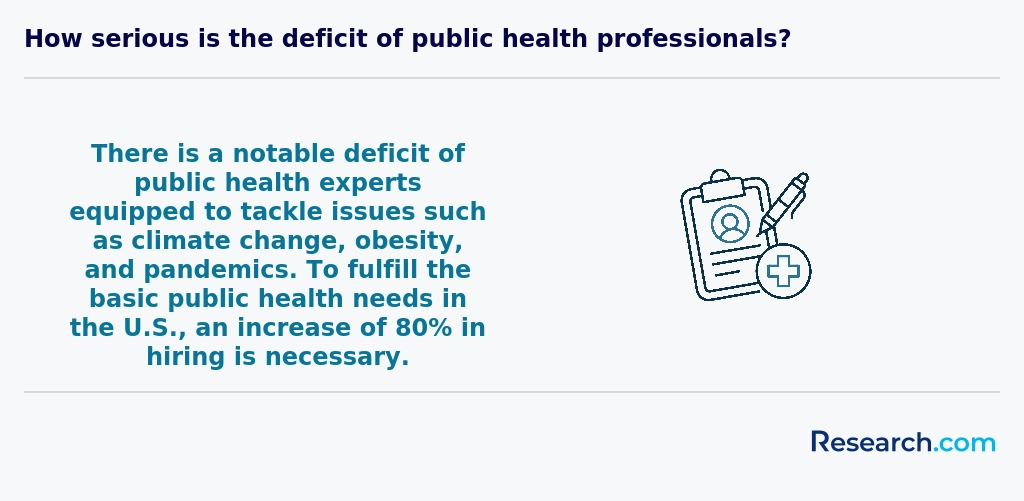
As the public health landscape continues to evolve, online degree programs are becoming increasingly dynamic to meet future challenges and industry demands. Today’s digital era is driving innovative teaching methods-ranging from virtual simulations to interactive case studies-that better prepare graduates for real-world public health crises. Additionally, the integration of big data analytics, telehealth, and cross-disciplinary collaboration is shaping how institutions develop their curricula, ensuring that graduates are equipped to adapt to rapidly changing health environments. Notably, research indicates that graduates from an affordable public health school can leverage modern educational tools to boost their career readiness, thereby enhancing both their skill set and overall return on investment. As technology continues to redefine education, prospective students can expect programs that not only offer cost-effective tuition but also foster deep engagement with contemporary public health challenges, positioning them for success in a competitive job market.
Imagine logging into your student portal at a top online public health program-say, the University of Michigan's or the University of North Carolina's-and discovering a treasure trove of financial aid opportunities waiting for you. Federal Pell Grants, for instance, often feel like a surprise gift; with awards up to $7,395 for the 2023-2024 year, they can slice through the hefty $10,560 average annual tuition for in-state undergrads like a warm knife through butter. Graduates recall how completing the FAFSA was their first real step toward turning dreams into reality.
Loans might sound daunting, but many online learners ease their worries through Direct Subsidized and Unsubsidized Loans, enjoying relatively low interest and flexible repayments-essential for balancing work and study. Graduate students often breathe easier too, even when juggling PLUS loans.
State-level scholarships spark joy too, especially for those planting roots in their home states. Some graduates vividly remember receiving health profession scholarships that symbolized not just money, but a calling to serve underserved communities.
Private organizations like the American Public Health Association bring more sparkle, offering scholarships that feel like personalized cheers from the sidelines. And when employers offer tuition reimbursement, it's as if your workplace believes in your mission as much as you do.
Finally, institutional aid and creative payment plans from universities ease the path even further, crafting a safety net around the unique rhythms of online learners across America.
Diving into an online public health degree in America feels like stepping onto a vibrant mosaic of possibilities, but it starts with a few essential stepping stones. Imagine a graduate from a top public university in California, recalling how their solid high school foundation-especially sharp skills in math and science-opened doors to an analytical world in public health. For undergraduates eyeing this path, a high school diploma or equivalent and a decent academic record lay the groundwork, with some schools still asking for SAT or ACT scores, though many now choose to look beyond test numbers.
At the graduate level, picture a student at a renowned East Coast university submitting transcripts that glow with a 3.0 GPA or above, along with heartfelt recommendation letters and a statement of purpose that echoes passion and readiness. Many felt these documents gave them a voice beyond the numbers, showing how their background in biology or social sciences translated into a mission toward healthier communities.
Doctoral aspirants often share stories of balancing professional public health work and research, reflecting how hands-on experience transformed their understanding before even starting their PhD journey. Across America, programs also expect proficiency in statistics, biostatistics, and computer literacy - practical tools for unraveling complex health data from the comfort of a laptop.

Public health graduates enhance their expertise and marketability by earning recognized certifications. Key options include:
- Certified in Public Health (CPH): Offered by the National Board of Public Health Examiners; requires an accredited degree and passing a comprehensive exam.
- Certified Health Education Specialist (CHES): Administered by the National Commission for Health Education Credentialing; focuses on planning and evaluating health education programs.
- Registered Environmental Health Specialist (REHS): Validates proficiency in assessing environmental factors affecting community health.
- Certified Epidemiologist (CPE): Demonstrates mastery in outbreak investigation and disease surveillance.
Benefits of certification:
- Validates specialized skills and knowledge
- Increases credibility with employers in government, nonprofits, and private sectors
- Opens advanced career paths and higher salary brackets
For alternative allied health credentials and quick-start programs, consider affordable online medical billing and coding schools.
Diving into an online public health degree in America means stepping into a vibrant tapestry of courses that animate the world of health from every angle. Graduates from well-known schools like the University of Michigan or Johns Hopkins describe starting with Introduction to Public Health, where the story of America's health landscape unfolds-imagine tracing the roots of disease prevention while sipping coffee in your living room. Next up, Biostatistics transforms numbers into narratives, turning raw data into powerful stories that shape policy and protect communities.
The pulse quickens with Epidemiology, where students explore the detective work behind tracking outbreaks, making invisible viruses and bacteria suddenly concrete and relatable. Graduates recall feeling the rush of empowerment studying Health Policy and Management courses, knowing they're gearing up to untangle America's complex healthcare systems.
Courses like Community Health Education and Global Health open doors to crafting programs that spark change locally and globally-imagine designing a campaign to boost vaccination in your own neighborhood or understanding pandemics on a worldwide scale. Electives such as Health Informatics and Emergency Preparedness round out this dynamic mix, preparing students for real-world impact with internships or capstone projects, where theory meets the urgent needs of communities today.
Diving into online public health degree specializations USA, students often find themselves enchanted by diverse pathways tailored to real-world impact. Imagine graduates from renowned universities like Johns Hopkins or the University of North Carolina, who embrace Epidemiology and become detectives of disease outbreaks, tracing invisible threads of contagion with precision and passion. Others gravitate toward Health Policy and Management, stepping into the shoes of decision-makers who mold healthcare landscapes, often inspired by stories of transforming community clinics.
Environmental Health captivates those who witness firsthand the intersection of polluted air and asthma rates in urban centers, inspiring advocacy that echoes beyond textbooks. Graduates exploring Global Health embark on journeys-virtual or in-person-to tackle infectious diseases and health disparities worldwide, feeling a profound connection to distant communities. Meanwhile, the spark of Community Health Education ignites the hearts of students aiming to empower neighborhoods, much like peers who have thrived in programs at universities known for hands-on outreach.
Recognizing the evolving nature of public health, some have chosen emerging fields like informatics and biostatistics, fueled by enthusiasm for data's storytelling power. For those curious about practical roles, such as becoming a public health nurse, these specializations reveal pathways woven tightly into the fabric of American public health career tracks in America.
Choosing the best online public health degree in America is like crafting a personalized roadmap through a busy city-you want clear signs (accreditation) from trusted guides like CEPH ensuring your journey is respected by employers nationwide. Graduates from well-known institutions in cities like Boston or San Diego often praise flexible, asynchronous classes that allowed them to juggle family, jobs, and studies without losing momentum or enthusiasm.
Imagine walking through a vibrant marketplace of curricula, where some stalls offer robust epidemiology knowledge, others specialize in policy or environmental health. A graduate from a top online public health program America shared how aligning coursework with real-world goals transformed her experience from textbook slog to inspiring career launchpad. Tuition is the price tag on your adventure; expect an average range of $5,000 to $15,000 for in-state options, but balancing cost with services like internships is the real treasure.
Many students find themselves wondering what is the easiest associates degree to get online, seeking pathways that fit their lives without sacrificing quality. Faculty who actively research public health and provide strong support turn learning into a lively dialogue rather than a one-sided lecture. When picking from the best affordable online public health degrees USA, think beyond numbers-embrace opportunities that fuel passion and practical skills.

Diving into an online public health degree career options USA opens a kaleidoscope of possibilities that graduates from schools like Johns Hopkins or the University of North Carolina eagerly embrace. Picture yourself as an epidemiologist decoding the mysterious dance of viruses and bacteria, fueling a surge of professional satisfaction by stopping outbreaks before they spiral. Graduates often share stories of working on the front lines of health crises, using data as their most powerful tool.
Others find joy in crafting community wellness programs as health educators, turning statistics into human stories that ripple through neighborhoods. They thrive on interaction and impact, a real contrast to the solitude of research. Those with a knack for leadership gravitate toward public health administration, steering massive projects from local government offices or bustling federal agencies while savoring rewarding salary ranges.
Emerging roles in environmental health bring adventure in safeguarding spaces we inhabit daily, blending science and service. Many students pursuing public health jobs in America with online degree appreciate the freedom to balance work and study, especially at universities championing flexible learning paths. For those eager to accelerate their progress, a quick associate degree can be a strategic stepping stone in this vibrant field.
The job market for graduates with an online public health degree in America bursts with opportunity like a sunrise breaking over a bustling city skyline. Alumni from top universities find themselves stepping into roles as health educators, epidemiologists, and community health workers, all fueled by an expanding demand that the U.S. Bureau of Labor Statistics enthusiastically forecasts will grow by 13% through 2031. Picture a graduate juggling family commitments while engaging with local communities, crafting programs that spark real change-this is the daily reality for those entering the field.
Many who pursue their degree online, often from institutions known nationwide, appreciate the flexibility to study while working or raising families. This practical approach has made the public health career opportunities in America feel accessible and empowering. Graduates share stories of thriving in cities known for paying well, like San Francisco or Carson City, creating ripples of wellness across neighborhoods. For those concerned about costs, exploring options at affordable online medical billing and coding schools can lighten the financial burden without sacrificing quality.
2027 Most Affordable Online Public Health Degree Programs Ranking in the USA
Investing in your education is a significant decision that can shape your future, and the Research.com team understands the importance of making informed choices. To support prospective students seeking affordable public health degrees, we have carefully developed the "2027 Most Affordable Online Public Health Degree Programs Ranking in the USA." Our dedication to quality, credibility, and accuracy is demonstrated through thorough research and comprehensive data analysis.
We utilized the following reputable data sources to ensure a robust evaluation:
By examining this ranking, readers will obtain essential insights to help identify affordable, high-quality online public health degree options that align with their educational and career goals. For more details about our approach, please visit our Research.com methodology page.


# 3 position
University of Maryland-College Park
Master of Public Health Practice and Policy, Online


# 12 position
Western Governors University
Bachelor of Public Health


# 15 position
Western Governors University
Master of Public Health


Frequently Asked Questions About public health
To maximize their learning experience, online public health students in America should actively engage with course materials and participate in virtual discussions. According to the Association of Schools and Programs of Public Health (ASPPH), interaction with peers and faculty enhances understanding and retention of public health concepts.
Students should also seek practical experiences, such as internships or community projects, which are often available virtually through partnerships with local health departments. Hands-on work complements academic learning and builds critical skills.
Utilizing university resources like online libraries, webinars, and tutoring services supports deep study and timely help. As public health addresses complex issues-from epidemiology to health policy-staying current on CDC recommendations and research is vital for students aiming to make an impact in the U.S. public health sector.
The field of public health is rapidly evolving, with several emerging niches gaining attention in the United States. One growing area is digital epidemiology, which uses big data and artificial intelligence to track disease outbreaks more effectively. According to the CDC, integrating technology has improved response times during health crises like COVID-19.
Another expanding specialization is environmental health, focusing on how climate change impacts human health. The National Institute of Environmental Health Sciences highlights that pollution-related illnesses cost the US billions annually.
Health equity is also a critical emerging area, emphasizing strategies to reduce disparities in healthcare access among underserved communities.
Preparing for the job market after completing an online public health degree in America involves strategic planning and skill-building. Graduates should focus on gaining practical experience through internships or volunteer opportunities, which 74% of employers in public health consider critical, according to the Association of Schools and Programs of Public Health (ASPPH).
Networking is essential; joining organizations like the American Public Health Association (APHA) can provide valuable connections and job leads. Additionally, obtaining professional certifications such as the Certified in Public Health (CPH) credential improves employability.
Familiarity with data analysis tools and communication skills also increases marketability in a field expected to grow by 17% through 2031, according to the U.S. Bureau of Labor Statistics.
Employers in the United States value public health graduates who possess strong analytical and communication skills. According to the U.S. Bureau of Labor Statistics, the ability to interpret health data and convey findings clearly is essential for effective decision-making.
Technical skills such as proficiency in statistical software like SAS or SPSS are also highly sought-after. A 2023 survey by the Council on Education for Public Health highlights that 78% of employers prefer candidates with hands-on experience in data management and epidemiological methods.
Moreover, teamwork and cultural competency are critical. Public health professionals often work with diverse populations and multidisciplinary teams to address complex health challenges at a community level.
Finding internships relevant to a public health degree in America requires proactive research and networking. Many universities offering online public health programs have partnerships with local health departments, hospitals, and nonprofit organizations that provide internship opportunities. Students should utilize their school's career services and internship portals.
The Centers for Disease Control and Prevention (CDC) offers internships and fellowships designed for public health students, providing hands-on experience in disease control and health promotion. Additionally, websites like USAJOBS.gov list federal public health internships.
According to the Association of Schools and Programs of Public Health (ASPPH), internships are crucial for skill development and employment readiness in the field.
An online public health degree in America enhances career mobility by providing flexible access to accredited programs without geographic constraints. According to the U.S. Bureau of Labor Statistics, public health employment is projected to grow 17% from 2022 to 2032, faster than average for all occupations. This growth creates new opportunities for graduates to enter diverse roles such as epidemiology, health education, and policy analysis.
Graduates with online public health degrees often experience faster career advancement because many employers recognize these degrees as equivalent to traditional ones, especially when from accredited institutions. The Council on Education for Public Health (CEPH) accredits programs ensuring quality standards that employers value.
Many professionals leverage online degrees to specialize or earn advanced credentials, supporting moves into leadership positions in government agencies, nonprofits, or healthcare organizations. Thus, online degrees align well with the evolving demands of the American public health workforce.
Studying for a public health degree in America equips students with a broad skill set essential for interdisciplinary roles. Programs often integrate courses in epidemiology, biostatistics, health policy, and social sciences, reflecting the complex nature of public health challenges. According to the Association of Schools and Programs of Public Health, over 60% of accredited programs emphasize collaborative learning to prepare graduates for diverse teams.
Students gain experience working with professionals from healthcare, government, and community organizations, developing communication and leadership skills. This approach enables graduates to address public health issues through multiple perspectives, such as medical, environmental, and social.
Choosing between a thesis and a non-thesis public health degree in America depends on your career goals and learning preferences. A thesis program typically requires original research, which suits students aiming for research roles or doctoral studies. According to the Association of Schools and Programs of Public Health, about 40% of public health master's students select thesis tracks to prepare for academia or scientific careers.
Non-thesis programs focus on coursework and practical skills, ideal for professionals seeking immediate workforce entry. These paths often include internships or capstone projects instead of research. The Council on Education for Public Health notes that non-thesis degrees provide hands-on experience valued by employers in government and healthcare sectors.
Consider time commitment as well: thesis programs often take longer to complete due to research demands. Reviewing program requirements and discussing with advisors can help align choice with your ambitions.
Students in America seeking to study public health abroad have several options for pursuing international experiences while enrolled in online degree programs. Many U.S. universities with accredited online public health degrees offer study abroad opportunities through partnerships with institutions in Europe, Asia, and Latin America. These programs often include short-term exchanges or summer fieldwork, allowing students to gain global health perspectives without interrupting their primary studies.
Additionally, some accredited American public health programs incorporate virtual global collaborations with international students and faculty, providing intercultural learning remotely. According to the Council on Education for Public Health (CEPH), approximately 75% of accredited U.S. schools offer some form of global health concentration or international practicum. Such options enable students to expand their understanding of worldwide public health challenges while maintaining U.S. accreditation standards.
Part-time jobs that complement an online public health degree in America often involve roles in healthcare support, community outreach, and data management. Positions such as health educator assistants, research aides, or medical record technicians allow students to gain practical experience while studying. According to the U.S. Bureau of Labor Statistics, employment for health educators is projected to grow 13% from 2021 to 2031, reflecting increasing demand.
Internships or part-time roles with local health departments or nonprofit organizations provide valuable insights into public health initiatives and policy implementation. Additionally, jobs in data entry or epidemiology support offer skills applicable to public health research and analysis.
Online public health programs in America offer various networking opportunities that connect students with professionals and peers nationwide. Many universities host virtual career fairs, webinars, and alumni mixers, fostering direct interaction. Students can join organizations such as the American Public Health Association (APHA), which has over 25,000 members and offers special access to online forums and events.
Additionally, online learners often engage in cohort-based learning, enhancing peer collaboration and support. Access to faculty who are active public health practitioners also provides mentorship and industry insights.
Such opportunities are vital for career development in the expanding US public health sector, where building professional networks can enhance job prospects.
Alumni networks provide significant advantages to online public health degree students in America. These networks connect current students with graduates who have valuable experience in diverse public health fields, including epidemiology, health policy, and community health.
Such connections can lead to mentorship opportunities, internships, and job placements. According to the Council on Education for Public Health, networking plays a crucial role in career advancement for public health professionals in the US.
Many alumni networks also offer exclusive access to job boards and professional events, helping students navigate a competitive healthcare job market that is expected to grow by 11% through 2031, according to the US Bureau of Labor Statistics.
Online public health degree programs in America often offer flexible curricula to help students align their education with career goals. Many schools provide options to select concentrations such as epidemiology, health policy, or environmental health. This customization allows students to develop expertise in specific public health fields relevant to their interests and job markets.
Students can also choose electives, capstone projects, or internships that focus on community health, biostatistics, or global health. According to the Association of Schools and Programs of Public Health (ASPPH), tailoring your degree enhances career readiness in a sector expected to grow by 17% through 2030, per the U.S. Bureau of Labor Statistics.
Some programs permit part-time study or accelerated tracks, further supporting individual schedules and goals. Before enrolling, prospective students should explore program options and accreditation to ensure their specialization meets professional standards.
Students pursuing online public health degrees in America often encounter several challenges unique to remote learning. One common difficulty is maintaining consistent motivation and time management without the structure of in-person classes. According to the National Center for Education Statistics, nearly 30% of online students report struggles with balancing coursework and personal responsibilities.
Another significant challenge is limited access to practical, hands-on experiences such as internships or community-based projects, essential for public health skills. Many programs strive to offer virtual alternatives, yet these may not fully replicate in-person learning.
Additionally, networking opportunities can be reduced online, making it harder for students to connect with peers and professionals, which is crucial for career development in the public health sector as noted by the Association of Schools and Programs of Public Health.
Graduates with an online public health degree in the United States often pursue professional certifications to advance their careers. One of the most recognized credentials is the Certified in Public Health (CPH) credential offered by the National Board of Public Health Examiners. This certification demonstrates mastery of core public health knowledge and is valued by employers nationwide.
Another important certification is the Certified Health Education Specialist (CHES), which focuses on health education and promotion. Many states also require licensure for epidemiologists and health administrators, depending on their job roles.
Professional certifications increase job opportunities and can lead to higher salaries. According to the Bureau of Labor Statistics, public health professionals with certifications often earn 10-20% more than those without. These certifications require ongoing education, keeping professionals current with public health trends and best practices.
Writing a winning application for an online public health program in America starts with a clear demonstration of your passion for public health. Programs often look for candidates who show commitment to improving community health, so highlight relevant experiences such as volunteering or work in healthcare settings.
Strong letters of recommendation from professionals in the field can significantly boost your application. According to the Council on Education for Public Health (CEPH), successful candidates typically have at least two letters from supervisors or academic mentors familiar with their skills.
Additionally, a well-crafted personal statement focused on your career goals and how the program fits into them is crucial. Mention any quantitative or research skills, as data analysis is central in U.S. public health education.
The global view of a public health career highlights its critical role in addressing worldwide health challenges such as pandemics, chronic diseases, and health disparities. In the United States, the field continues to grow, with the Bureau of Labor Statistics projecting a 17% increase in employment for health educators and community health workers between 2022 and 2032. This growth reflects global demands for professionals who can navigate diverse health systems and policies.
American online public health degrees prepare students to engage with international health issues, emphasizing skills in epidemiology, biostatistics, and health policy. Graduates often collaborate on global health initiatives, reinforcing America's commitment to health equity on a worldwide scale.
Gaining practical experience during an online public health degree in America is essential for career readiness. Many programs incorporate virtual internships or practicum placements with local or national health organizations. These opportunities allow students to apply theoretical knowledge in real-world settings remotely.
Additionally, students can engage in research projects under faculty supervision, often focused on pressing US public health issues like chronic disease prevention or health disparities. According to the Association of Schools and Programs of Public Health (ASPPH), 85% of accredited programs require a practical component to complete the degree.
Volunteering with community health departments or nonprofit groups can also provide hands-on experience while studying online.
Choosing the right concentration within an online public health degree in America starts with understanding your career goals. Common areas include epidemiology, health policy, global health, and community health education. Each has a specific focus: for example, epidemiology emphasizes disease investigation, while health policy centers on program development and legislation.
Consider the job market as well. The U.S. Bureau of Labor Statistics projects a 17% growth for health educators and community health workers from 2021 to 2031, reflecting strong demand. Research programs accredited by CEPH (Council on Education for Public Health) to ensure quality education aligned with industry standards.
Lastly, review curriculum flexibility and faculty expertise in your preferred concentration. Many programs offer specialized courses online, allowing you to tailor your studies to emerging public health challenges in the U.S.
- Steps to take when applying for a graduate program | PH SPOT https://phspot.org/how-i-think-i-got-into-grad-school/
- Today’s Guide to Public Health Certifications https://www.publichealthdegrees.org/resources/public-health-certifications/
- Students and Alumni associations - Europubhealth https://www.europubhealth.org/students-alumni-associations/
- Public Health (BS)-Online https://www.monroeu.edu/school-allied-health-professionals-online-programs/public-health-bs-online
- Are there Practical Experience Courses in an MPH Program? - Master's in Public Health Degree Programs https://www.masterspublichealth.net/faq/are-there-practical-experience-courses-in-an-mph-program/
- For Academic Public Health https://globalnetworkpublichealth.org/
- Public Health Challenges – IPA SDG Dashboard https://sdg.internationalpublishers.org/sdgaction/public-health-challenges/
- Letter of Intent for Admissions to Masters of Public Health - how this program fits to my goals? https://essayforum.com/graduate/intent-admissions-masters-public-health-64817/
- Financial Aid Guide https://www.publichealth.org/resources/financial-aid/
- 2025 Most Affordable Online MPH Programs https://www.onlineu.com/most-affordable-colleges/public-health-masters-degrees