2027 Fastest Online Bachelor's in Public Health Degree Programs Ranking in the USA

Co-Founder and Chief Data Scientist
Exploring options for an online bachelor's degree in public health can feel overwhelming. To help, this article presents the 2027 Fastest Online Bachelor's in Public Health Degree Programs Ranking in the USA, created by the Research.com team of data scientists.
This ranking guides students toward programs that combine speed, quality, and accessibility. Pursuing a public health degree opens doors to meaningful careers that improve community well-being and promote healthier futures. Reading this article will empower you to make confident, well-informed decisions about your education path.
Key benefits of getting online public health degree in America
- Graduates with a public health degree can expect strong earning potential, with roles like Environmental Health Specialists earning a mean annual wage of $86,710 and Health Educators making around $69,790.
- Career paths are diverse, ranging from community health work to occupational health and safety, allowing graduates from universities like the University of Michigan to find fulfilling roles in many impactful public health sectors.
- Completing a public health degree online, as seen with graduates from the University of California, offers flexible schedules and access to quality resources, making it easier to balance education with personal and work life.
- 2027 Fastest Online Bachelor's in Public Health Degree Programs Ranking in the USA
- What can I expect from online public health degree in America?
- Where can I work with online public health degree in America?
What can I expect from online public health degree in America?
The average tuition cost for an online public health degree in America typically ranges from $8,000 to $30,000 per year for undergraduate programs. For example, graduates from well-known institutions like the University of North Carolina at Chapel Hill or Johns Hopkins University report that while tuition may lean toward the higher end, robust financial aid packages and scholarships often ease this burden.
Students appreciate the flexibility that online formats provide, allowing them to balance studies with jobs or family commitments, which adds significant value beyond just the price. Many share positive experiences about completing internships or virtual practicum components through partnerships their universities maintain with local health departments, making their education both affordable and practical.
In-state tuition rates notably reduce costs at public universities, where motivated learners have successfully lowered their expenses by taking advantage of residency benefits. For aspiring public health professionals, these factors combine to make online education both an accessible and worthwhile investment in their careers.
Where can I work with online public health degree in America?
Graduates with an online public health degree in America commonly find employment in government agencies, including federal bodies like the CDC and various state or local health departments. These roles involve crafting policies, managing health programs, and coordinating community health initiatives, as reported by the U.S. Bureau of Labor Statistics (BLS). Many students from universities such as the University of North Carolina and Johns Hopkins University share positive experiences transitioning into these impactful positions.
Healthcare organizations also represent major employers. Graduates often work in hospitals and clinics, focusing on epidemiological data analysis and implementing disease prevention strategies. The Association of Schools and Programs of Public Health (ASPPH) highlights rising demand for these roles, especially as population health management gains prominence.
Nonprofit sectors provide meaningful opportunities for graduates passionate about health advocacy and serving underserved communities. Private companies, including pharmaceutical firms and consulting agencies, value public health specialists for program development and wellness initiatives, reflecting steady industry growth.
Additionally, academia and research institutions recruit for roles like research coordinators and data analysts, enabling graduates from institutions such as Boston University to engage directly in studies that shape health policy nationwide.
Graduates with an online public health degree in America can expect varied earnings depending on their chosen career path. For instance, community health workers earn a mean annual wage of approximately $52,610, while health educators see a higher average salary around $69,790. These roles often attract recent graduates from prominent programs like those at the University of North Carolina or Johns Hopkins University, where alumni share how foundational coursework prepares them for these stable entry-level positions.
More specialized jobs also offer compelling income. Environmental health specialists and occupational health and safety specialists typically earn mean annual wages of $86,710 and $85,570 respectively. Graduates pursuing these roles often highlight the blend of science and policy studied in their MPH programs, such as those offered online by universities like George Washington University.
The trajectory from starting salaries in the $50,000s to advanced positions exceeding $80,000 reflects not only the demand for skilled public health professionals but also the rewarding nature of protecting community wellbeing. Many online students emphasize how their degrees open doors in both government and private sectors, with salary growth corresponding to experience and certifications.
- Tuition for online public health degrees ranges from $7,000 to $15,000 per year at public universities and can exceed $20,000 at private schools.
- Job growth for public health workers is projected at 12% from 2022 to 2032, faster than average for all occupations.
- Starting salaries average around $45,000 per year, with mid-career earnings between $60,000 and $75,000.
- Programs usually require about 120 credit hours and follow CEPH accreditation for quality and relevance.
- Typical coursework covers epidemiology, biostatistics, health policy, environmental health, and community health promotion.
The time required to complete an online public health degree in America depends largely on the degree level and enrollment status. Typically, a full-time bachelor's degree takes about four years, mirroring the pace of traditional programs at institutions like the University of North Carolina at Chapel Hill or the University of Michigan. Some accelerated programs at schools such as Arizona State University allow students to finish in as little as three years by taking extra courses year-round.
Many online students balance work and family, leading around 34% to enroll part-time, which extends degree completion to five years or more. Graduates from programs at institutions like Johns Hopkins University reflect on positive experiences managing flexible schedules while maintaining rigorous study.
Master's degrees in public health, including online MPH programs from universities such as Emory and Columbia, generally require two years full-time. However, part-time options offer flexibility, extending studies to three years or longer without compromising accreditation standards set by CEPH.
Online learning can be uniquely rewarding when you set yourself up for success from day one. To thrive academically while juggling work, family, and personal commitments, consider establishing a dedicated study space, consistent routines, and leveraging productivity tools. Planning your schedule ahead of time not only minimizes stress but also enhances your retention of complex topics like epidemiology and biostatistics. In addition to time management, regularly engaging with peers and instructors is vital. Participate actively in online discussion boards, video conferences, and group projects to deepen your understanding and build a supportive community. Many students find that networking with professionals can open doors to internships and job opportunities after graduation. Utilizing university resources, such as academic advising and career counseling, can also be a game changer. Consider exploring the best public health programs available to gain insights into what top institutions offer beyond the standard curriculum. By combining effective study habits, interactive learning techniques, and professional networking, you can ensure that your online public health education is both successful and impactful.
Online public health degree programs in the U.S. offer notable flexibility, allowing students from universities like the University of North Carolina or Johns Hopkins to study asynchronously while managing work or family commitments. Graduates often express satisfaction with the ability to learn on their own schedule, making education more accessible without the burden of daily commuting or relocating.
Conversely, traditional on-campus programs at institutions such as UCLA or the University of Michigan provide immersive environments where face-to-face interaction with faculty and peers fosters stronger networking and mentorship opportunities. Students benefit from access to campus resources like laboratories and community internship placements, essential for hands-on public health training.
Cost differences exist but are less dramatic than might be assumed. For example, public in-state tuition can run around $10,000 annually, while private schools may charge upwards of $35,000. Online learners save on housing and transportation costs, though tuition itself often remains comparable due to accreditation requirements enforced by the Council on Education for Public Health (CEPH).
Graduates highlight that while online study demands greater self-discipline and challenges like technical issues, it equally inspires a sense of achievement for balancing life and learning. On-campus students appreciate structured schedules and community connection but face geographic and time constraints.
The average cost of an online public health degree in America typically centers around a median total of $48,840. For students attending institutions outside their home state, the median out-of-state total cost rises to about $58,260, while in-state students generally pay around $53,940. These figures emphasize the financial advantage of enrolling in public universities within one's state, which many graduates find helps manage expenses effectively without sacrificing quality education.
Graduates from well-known public universities share experiences highlighting that these costs often cover tuition and fees but may exclude additional expenses such as textbooks or specialized software. Despite this, many students appreciate the flexibility of online programs, especially those offered by institutions recognized in the best public health programs nationwide. This blend of affordability and academic reputation makes the pursuit of a public health degree accessible and rewarding.
When planning for the total tuition and fees for public health bachelor's in USA, it's important to consider potential variations due to program length or accelerated options that several colleges offer. Online learners often find that the ability to study at their own pace helps minimize costs and balances their personal and professional responsibilities. This practical approach has been praised by many students as a key factor in their successful completion of the degree.
Given these financial realities, prospective students keen on public health degrees should evaluate in-state options and explore available scholarships or financial aid to optimize their investment. The average cost of online public health degree USA programs is an essential metric but one that comes with flexibility and opportunities to reduce overall expenses.
As the field of public health continues to evolve, professionals equipped with an online public health degree will find themselves at the forefront of innovative solutions to global challenges. Demand for expertise in digital epidemiology, health data analytics, and AI-driven disease modeling is skyrocketing, driven by unprecedented access to real-time health data and advanced computational tools. Graduates who master these technologies can expect to collaborate with interdisciplinary teams, shaping policies that address pandemics, climate-related health crises, and health equity gaps. Telehealth and mobile health (mHealth) platforms are redefining how communities access preventive services and chronic disease management. Public health specialists now partner with technology firms to design user-friendly apps, ensuring underserved populations receive timely interventions. For those drawn to hands-on community engagement, exploring community health nursing careers offers a pathway to integrate clinical insights with population-level strategies, expanding the impact of public health initiatives. Climate change and environmental sustainability continue to create new roles in environmental health policy and risk assessment. Graduates with specialized training in environmental epidemiology will be in high demand to assess air and water quality, develop mitigation plans, and advise governmental agencies. Simultaneously, global health security careers are growing as international organizations seek professionals skilled in outbreak preparedness, vaccine distribution logistics, and cross-border health diplomacy. Looking ahead, lifelong learning and micro-credentials will become essential components of a public health professional’s toolkit. Short courses in genomic epidemiology, health informatics, and policy advocacy will allow alumni to stay current with rapid advancements. By proactively embracing these emerging trends and seeking targeted certifications, graduates can future-proof their careers and continue driving meaningful change in public health.
Students pursuing online public health degrees in America commonly rely on federal financial aid, notably through the FAFSA, which unlocks access to grants, loans, and work-study programs. For instance, Pell Grants provide up to $7,395 annually for eligible students, reducing tuition burdens significantly. Graduates from institutions like the University of North Carolina's Gillings School of Global Public Health often report that these grants were instrumental in financing their education.
Federal loans such as Stafford and Direct Unsubsidized Loans offer manageable interest rates and flexible repayment plans, a key factor for many balancing studies and personal commitments. State-specific aid is another vital resource; for example, New York's TAP program supports residents attending accredited online public health programs, providing essential relief amid rising education costs.
Scholarships from universities and professional bodies like the American Public Health Association also play a crucial role, offering merit or need-based funds that students from schools such as Johns Hopkins Bloomberg School of Public Health find valuable. Additionally, employer tuition reimbursement programs provide working professionals a welcome financial boost, enabling career advancement without overwhelming debt.
Institutional aid tailored for distance learners in these programs further complements these funding streams, helping students from various backgrounds access quality education affordably.
Online public health bachelor’s programs equip students with essential skills that drive success in diverse health roles:
- Data Analysis: Use epidemiological and biostatistical methods to interpret health data and inform policy.
- Risk Assessment: Evaluate environmental and community health hazards to design effective interventions.
- Health Communication: Craft clear messaging for varied audiences, from policymakers to at-risk populations.
- Program Planning: Develop, implement, and evaluate public health initiatives that address pressing health challenges.
- Cultural Competence: Apply strategies to promote equity and effectively engage diverse communities.
- Leadership & Ethics: Lead teams, uphold ethical standards, and advocate for health equity across all settings.
For those seeking to expand clinical expertise and patient care pathways, explore a pharmacy degree online.
Enrolling in an online public health degree in America requires meeting academic and experiential prerequisites tailored to the program level. For undergraduate degrees, such as those at popular institutions like the University of North Carolina or the University of Michigan, applicants generally need a high school diploma with a GPA around 2.5 to 3.0. Increasingly, test-optional policies allow students to focus on their academic records rather than standardized tests like the SAT or ACT.
Graduate programs, such as a Master of Public Health offered by schools like Johns Hopkins or UCLA, expect candidates to hold a bachelor's degree, preferably in health sciences or related fields. Graduates often recall that completing foundational courses in biology and statistics boosted their confidence during admissions.
Many programs appreciate practical experience-internships or volunteer roles in public health agencies-that showcase passion and commitment. Admissions committees also review letters of recommendation and personal statements, which students find valuable for expressing their unique career goals clearly and passionately.
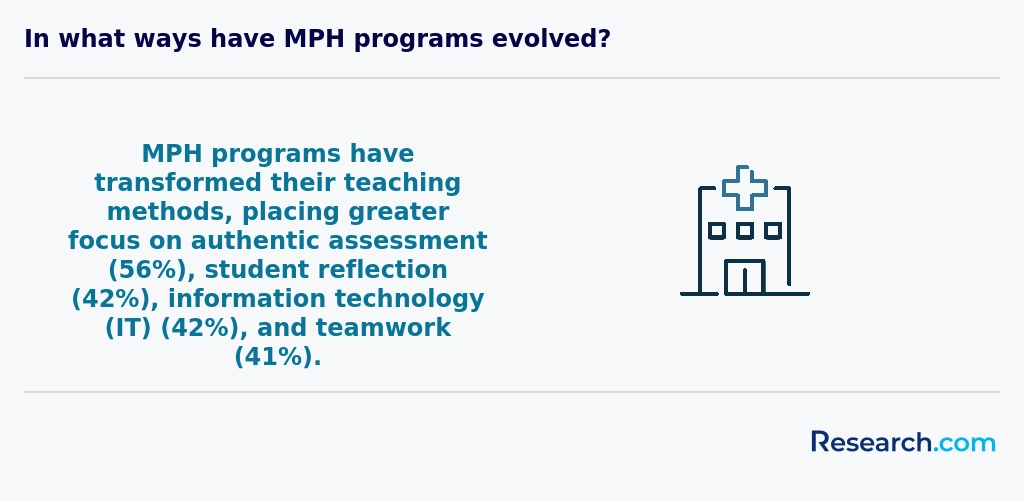
Online public health degree programs in America typically include core courses such as epidemiology, biostatistics, environmental health, health policy and management, and social and behavioral sciences. Graduates from well-known universities often describe their epidemiology classes as eye-opening, helping them understand patterns of disease spread, which proved crucial during the COVID-19 pandemic response simulations. Biostatistics courses train students to analyze complex health data, a skill valued highly in local health departments and nonprofits.
Many students appreciate environmental health classes for linking classroom theory with real-life issues like pollution's impact on urban communities, often studied through partnerships with institutions such as the University of North Carolina at Chapel Hill. Health policy and management courses prepare students to navigate U.S. healthcare systems, essential for roles in administration or advocacy. Social and behavioral sciences explore how cultural and behavioral factors influence health, relatable for graduates working in diverse community settings.
Additional courses frequently include an introduction to public health and global health, broadening perspectives to international challenges. Capstone projects immerse students in practical experiences, reinforcing enthusiasm and confidence for entering the public health workforce.
Online public health degree specializations USA commonly include Epidemiology, Health Policy and Management, Environmental Health, Community Health Education, and Global Health. These concentrations enable students to focus academically on critical aspects such as disease spread, policy impact, environmental risks, community outreach, and international health challenges. Graduates from institutions popular for public health programs in America often reflect on how these specializations equipped them to address real-world issues with confidence and insight.
For example, students at notable universities value how Epidemiology training sharpens their ability to analyze disease patterns during outbreaks, while those focusing on Health Policy become prepared for leadership roles affecting healthcare regulations. Many find the flexibility of online formats suits working professionals who seek advancement without uprooting their lives. The range of public health program concentrations in America also includes pathways leading to rewarding roles in administration, research, and advocacy.
Many graduates express enthusiasm about Community Health Education, often connecting it to fulfilling work in diverse settings. This aligns well with community health nursing careers, offering a practical avenue to apply their education directly within communities.
Choosing the best online public health degree in America involves prioritizing accredited programs recognized by the Council on Education for Public Health (CEPH), which guarantees curriculum quality and relevance. Graduates from schools like the University of Michigan and Johns Hopkins report that accreditation was crucial in ensuring their education met industry standards and boosted their employability in a competitive job market focusing on improving community health.
Cost remains a practical factor; public universities often offer more affordable accredited public health programs America-wide, with average tuition around $10,940 for in-state students. Many online students appreciate financial aid options and employer tuition reimbursement, making degrees more accessible without increasing debt. Considering program flexibility is essential too, as graduates from institutions that support asynchronous learning often highlight how balancing family, work, and study improved their academic success.
Specializations such as epidemiology and environmental health align with a 17% job growth forecast by the U.S. Bureau of Labor Statistics from 2022 to 2032. Selecting a program that matches personal career goals enhances prospects. Programs offering robust internship opportunities connect theory to practice, which many graduates found invaluable. For those seeking fast-track options, exploring a masters degree online 1 year can be ideal.

Graduates with an online public health degree in America often pursue diverse career paths such as health educators, community health workers, and epidemiologists. These roles emphasize disease prevention, wellness promotion, and analyzing health data to guide policies. For example, many graduates from popular universities report working in community settings educating individuals on healthy behaviors, reflecting the real-world impact of their training. According to the U.S. Bureau of Labor Statistics, employment for health educators and community health workers is projected to grow 11% from 2021 to 2031, highlighting strong job prospects.
Other career opportunities include health policy analysts and public health administrators who shape and implement health programs. Environmental health specialists assessing risks like pollution are also in demand, especially in states focusing on environmental justice. Biostatisticians apply data analysis to improve health outcomes while global health specialists address challenges beyond U.S. borders. Many of these graduates from online programs appreciate the ability to balance work and study, especially at well-known institutions offering flexible options.
Students exploring options often consider that in America, employment in public health careers typically requires at least a bachelor's degree. Tuition costs vary widely, but for those looking for accessible entry points, open admissions colleges provide a practical pathway without compromising job readiness. This variety of career paths reflects the robust online public health career opportunities USA offers to motivated students.
Employment prospects for graduates holding an online public health degree in America are notably robust. According to labor data, roles like health educators and community health workers are expected to grow by 12% between 2022 and 2032, outpacing many other fields. Graduates from well-known public health programs in universities across the U.S. often find rewarding positions within diverse settings such as hospitals, government agencies, and research institutions. These roles tap into skills in epidemiology, data analysis, and health communication-competencies emphasized in many online curriculums.
Individuals entering the job market benefit from a median salary around $60,000, though earnings can exceed $90,000 in metropolitan areas or with specialized expertise. Many graduates describe the satisfaction of contributing to pandemic response efforts or health equity initiatives, reflecting the field's dynamic and impactful nature. Students looking to optimize cost and quality frequently explore affordable online master's programs, which are increasingly available through top American institutions. This makes the online public health degree jobs USA landscape both accessible and promising for prospective students.
2027 Fastest Online Bachelor's in Public Health Degree Programs Ranking in the USA
Investing in your education is a significant decision that can shape your future, and the Research.com team understands the importance of making informed choices. To assist prospective students, we have meticulously created the "2027 Fastest Online Bachelor's in Public Health Degree Programs Ranking in the USA." Our dedication to quality, credibility, and accuracy is evident in the thorough research and analysis that underpin this ranking.
We utilized the following reputable data sources to ensure a comprehensive evaluation of public health programs:
By exploring this ranking, readers will gain valuable insights into the fastest online public health degree options, empowering them to make well-informed decisions about their educational journey. For more details on how this ranking was developed, please visit our Research.com methodology page.







# 13 position
Western Governors University
Bachelor of Public Health


# 16 position
Arizona State University Campus Immersion
Bachelor of Health Sciences - Healthy Lifestyles and Fitness Science


# 18 position
Walden University
Bachelor of Public Health


Frequently Asked Questions About public health
Students pursuing online public health degrees in America can maximize their learning by actively engaging with course materials and participating in virtual discussions. Public health programs often emphasize real-world applications, so seeking internships or volunteer opportunities with local health departments enhances practical knowledge.
Time management is crucial, as flexibility is a key benefit of online study, but it requires discipline to balance coursework with personal responsibilities. According to the Association of Schools and Programs of Public Health (ASPPH), nearly 75% of public health students find applied learning experiences critical to their success.
Additionally, leveraging university resources like online libraries and tutoring services supports deeper understanding. Networking through professional organizations such as the American Public Health Association can further connect students to industry experts and career opportunities.
Emerging niches in the public health field reflect the evolving challenges facing communities and the healthcare system in the United States. One key growth area is epidemiology focused on infectious disease preparedness, driven by recent global health crises. Graduates with expertise in data analytics are also in high demand, as public health increasingly relies on big data to guide policy and intervention strategies.
Another expanding niche is environmental health, addressing the impacts of climate change on community well-being. Mental health integration within public health programs is gaining prominence, responding to rising awareness about behavioral health.
According to the U.S. Bureau of Labor Statistics, jobs in health education and promotion are expected to grow 17% from 2022 to 2032, faster than average for all occupations.
To prepare for the job market after completing an online public health degree in America, students should focus on gaining relevant practical experience. Internships and volunteer roles with local health departments or NGOs can enhance resumes and build professional networks. According to the American Public Health Association, employers often seek candidates with hands-on experience alongside academic credentials.
Certification is also vital. Obtaining credentials like the Certified Health Education Specialist (CHES) can improve job prospects. The U.S. Bureau of Labor Statistics projects a 13% growth in health education jobs through 2032, emphasizing the importance of professional qualifications. Alumni should also engage in continuous learning and attend public health conferences to stay updated on industry trends and emerging challenges.
Employers in America seek several key skills when hiring graduates with online public health degrees. Critical thinking and data analysis rank highly, as professionals must interpret complex health data to inform policy and programs. Communication skills are essential for effectively conveying health information to diverse audiences.
Knowledge of epidemiology and biostatistics is often required, reflecting the importance of disease tracking and prevention. Leadership and project management abilities are also valued, particularly for coordinating community health initiatives. According to the U.S. Bureau of Labor Statistics, these competencies align with the expected growth in public health jobs through 2031.
Finding internships in America relevant to a public health degree requires strategic planning. Start by exploring resources from the Council on Education for Public Health (CEPH), which accredits many programs and often lists internship opportunities. Many universities have partnerships with local health departments, hospitals, and nonprofit organizations where students can gain hands-on experience.
Students should also use platforms like the American Public Health Association's (APHA) CareerMart, which regularly posts internships nationwide. According to the Bureau of Labor Statistics, internships significantly improve employment prospects in public health fields.
Networking through faculty, alumni, and professional groups is essential to uncover unadvertised positions.
Obtaining an online public health degree in America significantly enhances career mobility and advancement. The U.S. Bureau of Labor Statistics projects that employment in healthcare and public health occupations will grow 11% from 2021 to 2031, faster than average for all occupations. Graduates with this degree qualify for a wide range of roles, from health educators to epidemiologists, increasing their opportunities across sectors like government agencies, hospitals, and non-profits.
Online programs often offer flexible schedules, allowing working professionals to upskill without leaving their jobs, which supports career advancement. According to the Association of Schools and Programs of Public Health, demand for public health professionals is rising, further enhancing prospects for graduates. Earning an accredited online degree also meets many employer requirements, positioning students for leadership roles and salary increases.
Studying for a public health degree in America equips students with skills that cross traditional boundaries, preparing them for interdisciplinary roles. Programs often include coursework in epidemiology, biostatistics, health policy, and environmental health, integrating knowledge from biology, social sciences, and management. This broad curriculum fosters collaboration skills critical in addressing complex health problems.
According to the Association of Schools and Programs of Public Health (ASPPH), over 65% of public health graduates in the U.S. work in settings requiring teamwork across multiple sectors. Online degrees emphasize practical applications, encouraging communication and problem-solving with professionals from healthcare, government, and community organizations.
This interdisciplinary training matches the growing demand in the U.S. for public health workers capable of managing diverse challenges in disease prevention, health education, and policy analysis.
Choosing between a thesis and a non-thesis public health degree program in America depends largely on your career goals and learning preferences. A thesis program involves conducting original research and writing a detailed paper, which suits students aiming for research careers or advanced graduate studies. According to the Association of Schools and Programs of Public Health (ASPPH), about 35% of online public health programs offer a thesis option, mainly for academically oriented students.
Non-thesis programs focus on coursework and practical experience. These often appeal to professionals seeking to quickly enhance skills without the commitment of a research project. The Council on Education for Public Health (CEPH) accredits many such programs emphasizing applied public health practice.
Consider your time availability, interest in research, and long-term objectives when making your choice.
Students based in America seeking to study public health abroad often explore partnerships between U.S. institutions and foreign universities. Many American online public health programs include study-abroad options or international practicum experiences, allowing students to gain global perspectives while earning accredited U.S. degrees. According to the Association of Schools and Programs of Public Health (ASPPH), around 30% of public health programs encourage global learning experiences.
Additionally, some students enroll in international online programs recognized by U.S. accrediting bodies to combine global curriculum with American standards. The U.S. Centers for Disease Control and Prevention (CDC) emphasizes the growing value of international competencies in public health careers, reinforcing the benefits of such options.
Part-time jobs that complement public health degree education in America often include roles in healthcare support, community outreach, and data entry. Positions such as health educator assistants, medical records clerks, and research assistants provide practical exposure to public health principles alongside academic coursework. The Bureau of Labor Statistics (BLS) reported that healthcare support occupations grew by 13% from 2020 to 2030, reflecting strong demand.
Many students find opportunities with local health departments, nonprofit organizations, or hospitals, where they can engage in population health programs or data analysis tasks. These roles help develop skills in communication, epidemiology, and public health surveillance, enhancing employability after graduation.
Volunteering or internships also offer valuable experience, often flexible for online students juggling studies. Involving oneself in vaccine clinics or health education campaigns builds practical knowledge beneficial for degrees focused on disease prevention and health promotion.
Online public health programs in America offer a variety of networking opportunities, crucial for career growth in this field. Many universities provide virtual events, webinars, and career fairs that connect students with alumni and public health professionals nationwide. According to the Association of Schools and Programs of Public Health (ASPPH), over 80% of accredited programs encourage active online student engagement through professional organizations.
Students often join national groups like the American Public Health Association (APHA), which hosts digital conferences and local chapters. These platforms expand connections and provide mentorship possibilities. Additionally, practicum placements and collaborative projects foster relationships with health agencies and peers across states.
Alumni networks offer significant benefits to students pursuing online public health degrees in America. These networks create access to valuable professional connections, which are essential in public health careers where collaboration across agencies is common. According to the National Board of Public Health Examiners, networking is a key factor in securing public health jobs.
Students can find mentorship, internship opportunities, and career advice through alumni groups. Many universities host virtual events exclusive to alumni, fostering relationships that extend beyond graduation. Given the competitive job market in public health, these connections can improve employment outcomes and professional growth.
Additionally, alumni networks often share job leads specifically tailored to public health roles nationwide, enhancing post-graduate success.
Many online public health degree programs in America offer customizable options to help students align their education with specific career goals. You can often choose from various concentrations such as epidemiology, health policy, environmental health, or community health education.
Additionally, selecting electives related to your desired field enhances practical knowledge. Some programs provide internships or capstone projects, allowing you to gain hands-on experience tailored to your interests.
According to the Association of Schools and Programs of Public Health (ASPPH), over 75% of accredited public health programs include these flexible components. This customization improves job readiness in diverse roles across health departments, nonprofits, and government agencies.
Online public health students in America often face challenges related to balancing coursework with personal and professional responsibilities. Many learners are working adults, making time management a critical issue. According to the National Center for Education Statistics, nearly 60% of online students in the U.S. are employed full-time, which can complicate study schedules.
Another common difficulty is limited face-to-face interaction, which may affect networking and collaboration opportunities. Public health often relies on teamwork and real-world engagement, and the virtual format can impede this.
Technical issues and unequal access to reliable internet services also pose barriers, especially in rural areas.
With an online public health degree, graduates in the United States can pursue several valuable professional certifications that enhance career prospects. One of the most recognized is the Certified in Public Health (CPH) credential, offered by the National Board of Public Health Examiners. This certification demonstrates mastery of core public health knowledge and skills.
Other certifications include the Certified Health Education Specialist (CHES), which focuses on health education and promotion, and Certified Public Health Manager (CPHM), targeting leadership roles. These certifications often require a combination of education, experience, and passing an exam. According to the U.S. Bureau of Labor Statistics, public health jobs requiring certification are expected to grow by 17% through 2030, signaling strong demand.
Applying to an online public health program in the USA requires careful preparation and attention to detail. Start by researching accredited programs recognized by the Council on Education for Public Health (CEPH), as accreditation is critical for quality and future employment. Most programs ask for a personal statement-use this to clearly explain your motivation, relevant experience, and career goals.
Highlight any volunteer work or internships in healthcare, especially those addressing American public health challenges like chronic disease prevention or pandemic response. According to the U.S. Bureau of Labor Statistics, public health jobs are expected to grow 17% by 2031, so emphasize your understanding of this expanding field.
Include strong letters of recommendation from academic or professional sources who can attest to your skills and dedication. Finally, ensure your application is error-free and submitted before deadlines, improving your chance to stand out in competitive admissions.
Public health careers hold significant importance worldwide, with global health organizations emphasizing their key role in addressing health crises. In the United States, the demand for public health professionals is expected to grow by 12% from 2020 to 2030, according to the U.S. Bureau of Labor Statistics.
Globally, public health experts collaborate on issues such as pandemics, chronic diseases, and health equity. A degree earned online from an accredited American institution offers opportunities to engage in this international network.
The American public health system also aligns with global frameworks, preparing students for roles that impact health outcomes beyond national borders. This international scope enhances career prospects and contribution to global health improvements.
Gaining practical experience while studying for an online public health degree in America is essential for career readiness. Many programs include required internships or practicum placements, often coordinated with local health departments or community organizations. These hands-on experiences allow students to apply theoretical knowledge in real-world settings.
Furthermore, some universities partner with agencies like the Centers for Disease Control and Prevention (CDC), offering remote internship opportunities. According to the Bureau of Labor Statistics, practical experience is a key factor for employment in public health roles, which are expected to grow by 13% through 2032.
Students can also engage in volunteer work or research projects related to public health to enhance skills and networks.
Choosing the right concentration within an online public health degree program in America depends on your career goals and interests. Public health offers various specializations, such as epidemiology, health policy, environmental health, and community health education. Each focuses on different skill sets and job opportunities.
Consider labor market data from the U.S. Bureau of Labor Statistics, which projects a 11% growth in healthcare occupations from 2020 to 2030, including public health roles. Epidemiology and health policy concentrations often lead to positions in government agencies and research institutions.
It is important to review program curricula, admission requirements, and alignment with credentialing exams like the Certified in Public Health (CPH) exam. Also, think about practical training options, since hands-on experience improves employability.
- How to Be a Good Candidate for a Public Health Job https://www.publichealthdegrees.org/careers/highest-paid-public-health-jobs/good-candidate/
- For Academic Public Health https://globalnetworkpublichealth.org/
- Letter of Intent for Admissions to Masters of Public Health - how this program fits to my goals? https://essayforum.com/graduate/intent-admissions-masters-public-health-64817/
- Master of Public Health https://online.une.edu/public-health/master/
- Online Health Science Degrees with Financial Aid https://www.edumed.org/online-schools/health-science-degrees/financial-aid/
- Pre-Professional Health Experience Guide | PublicHealthOnline.org https://www.publichealthonline.org/pre-professional-experience/
- MPH Degree - A guide to help you decide | PH SPOT https://phspot.org/mph-degree-starter-guide/
- Careers in Public Health. Life’s Work https://www.publichealthcareers.org/
- Public Health: A Global Perspective https://www.routledge.com/Public-Health-A-Global-Perspective/Singh/p/book/9781032644226
- 20 Best Online Bachelor's in Public Health - MPH Online https://www.mphonline.org/best-online-bachelors-in-public-health/