2027 Public Health Degree Payback Report: Which Programs Deliver the Best Cost-to-Salary Return

Co-Founder and Chief Data Scientist
A public health degree can lead to careers in epidemiology, health education, policy, analytics, and healthcare management, but the payoff depends heavily on cost and career target. The Bureau of Labor Statistics reported a $83,980 median wage for epidemiologists in May 2024, showing why advanced public health training can be financially meaningful when aligned with the right role.
This guide helps prospective bachelor's, MPH, certificate, and doctoral students compare costs, salaries, job demand, and break-even timelines so they can choose a program with a realistic return.
Key Things You Should Know
- The strongest public health degree ROI usually comes from low-cost, CEPH-accredited bachelor's or MPH programs that connect directly to higher-paying roles such as epidemiologist, biostatistics analyst, health services manager, or population health analyst.
- Cost matters as much as salary: College Board's 2024 data lists average published tuition and fees at $11,610 for in-state public four-year institutions and $43,350 for private nonprofit four-year institutions, before aid and living costs.
- BLS May 2024 wage data shows wide career pay differences, from $49,900 for community health workers to $117,960 for medical and health services managers, so ROI depends on the occupation you are preparing for, not the degree name alone.
- What Is the Return on Investment of a Public Health Degree?
- Which Public Health Programs Deliver the Best Cost-to-Salary Return?
What Is the Return on Investment of a Public Health Degree?
The return on investment of a public health degree is the financial value you may receive from the credential compared with what you spend to earn it. In practical terms, ROI is shaped by tuition, fees, living expenses, lost income while studying, scholarships, debt, and the salary increase the degree helps you pursue.
For public health, ROI is not one-size-fits-all. A bachelor's degree may be enough for entry-level community health, health promotion, environmental health, or program coordinator roles. An MPH or MS is often more relevant for epidemiology, biostatistics, health policy, global health, public health analytics, and leadership tracks. A doctoral degree may make sense for research, academia, senior policy, or executive roles, but it usually has the longest payback period unless it is funded or employer-supported.
A useful ROI calculation starts with a simple payback formula: total net education cost divided by expected annual earnings gain. The "net" part is important. A program with a higher sticker price may still be affordable if it offers grants, assistantships, employer tuition benefits, or enough flexibility to let you keep working. A lower-cost program may produce weak ROI if it lacks accreditation, internships, analytics training, or employer connections.
The best way to think about public health degree value is by matching the credential to the job market. If your goal is frontline community work, an expensive MPH may not pay back quickly. If your goal is epidemiology, healthcare analytics, infection prevention, health policy analysis, or health services management, a well-priced graduate program can create a stronger salary pathway.
Which Public Health Programs Deliver the Best Cost-to-Salary Return?
The public health programs with the best cost-to-salary return are usually not the most prestigious or most expensive. They are the programs that combine reasonable net cost, recognized accreditation, applied experience, and strong alignment with higher-paying public health occupations.
The table below compares common public health education options by their usual payoff logic. Use it to decide which degree level fits your target role before comparing individual schools.
| Program type | Typical career target | Cost-to-salary return profile | Best fit |
| Public health certificate | Career changer, healthcare worker, analyst adding public health context | Potentially strong if it improves promotion odds without requiring a full degree | Students who already hold a degree or work in healthcare, data, policy, or nonprofit settings |
| Bachelor's in public health | Health educator, community health worker, program coordinator, environmental health assistant | Strongest when completed at low net cost, especially through in-state tuition or transfer credits | Students seeking entry-level public health roles or a foundation for graduate study |
| MPH | Epidemiologist, health policy analyst, program manager, public health consultant, population health analyst | Often the best overall balance when the program is affordable and includes practicum experience | Students targeting professional advancement, technical roles, or leadership tracks |
| MS in biostatistics, epidemiology, or public health analytics | Data analyst, epidemiology analyst, research analyst, biostatistics associate | Can produce high ROI when paired with quantitative skills and employer-recognized software experience | Students comfortable with statistics, coding, research methods, and data interpretation |
| DrPH or PhD | Senior researcher, faculty member, executive leader, policy expert | Most financially viable when funded, employer-sponsored, or tied to a clear senior-level goal | Experienced professionals who need doctoral training for research or leadership advancement |
In most cases, the best payback comes from an accredited public program, a reputable online MPH that allows continued employment, or a quantitatively focused master's program that leads to analytics-heavy roles. The weakest ROI often comes from high-cost programs chosen mainly for branding without a clear salary path, internship pipeline, or employer demand in the student's target region.
Students comparing public health with adjacent wellness and prevention careers may also look at exercise science degrees, especially if their interests lean toward fitness, rehabilitation support, performance, or health coaching rather than population-level research and policy.
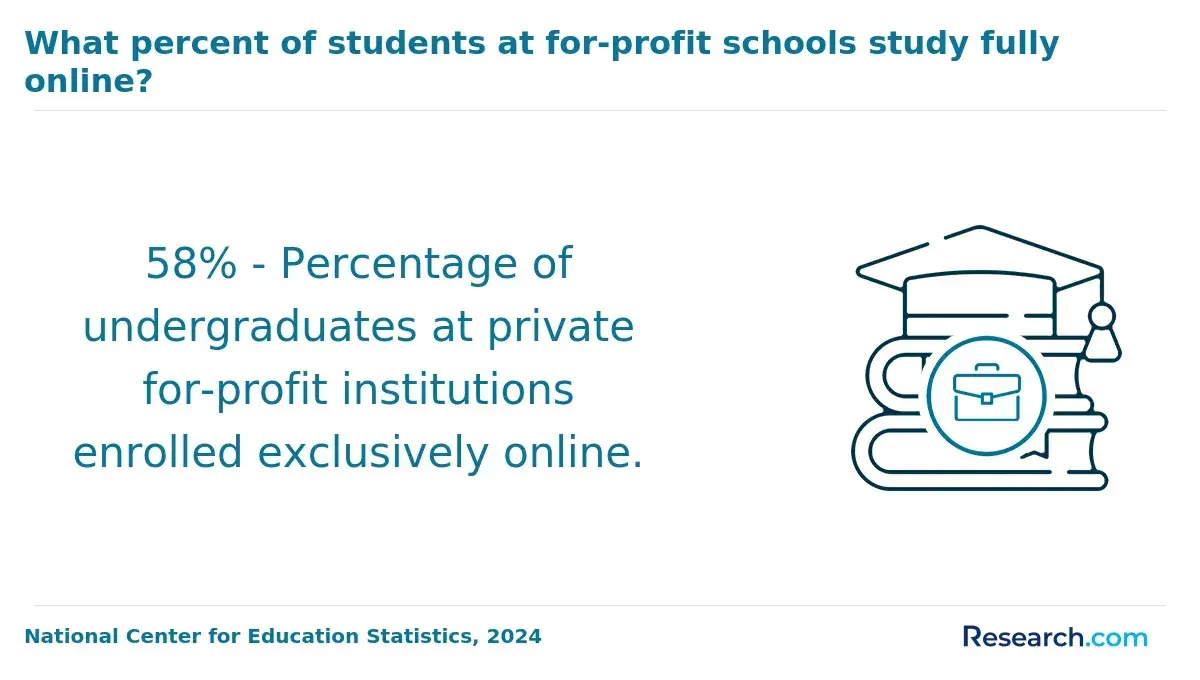
Tuition has a direct effect on public health degree payback because many entry and mid-level public health roles do not pay enough to absorb very high debt comfortably. A program can be academically strong but financially inefficient if the total cost is far above the salary range of the roles it prepares students to enter.
College Board's 2024 Trends in College Pricing data shows a major sticker-price gap: average published tuition and fees were $11,610 for in-state students at public four-year institutions and $43,350 at private nonprofit four-year institutions. This does not mean public schools are always better or private schools are always poor choices, but it does show why net price should be calculated before enrollment.
The table below summarizes the main cost factors that affect public health ROI. These are the items students should compare across schools, not just the headline tuition rate.
| Cost factor | Why it affects payback | What to check before enrolling |
| Net tuition after aid | Scholarships, grants, and assistantships can change the true cost substantially | Ask for a full aid estimate, not just the published tuition rate |
| Program length | Longer programs may add tuition and delay full-time earnings | Confirm credit requirements, practicum hours, and typical completion time |
| Online versus campus format | Online study may reduce relocation and commuting costs while allowing continued employment | Check whether online students receive the same practicum and career support |
| Transfer and prior-learning credits | Accepted credits can reduce total cost and time to graduation | Request a written transfer evaluation before committing |
| Debt and interest | Loan repayment can extend the break-even timeline even when salary improves | Estimate monthly payments under realistic borrowing scenarios |
Online programs can produce better ROI for working adults when they reduce opportunity cost. A student who can keep a public health, healthcare, nonprofit, or government job while earning an MPH may graduate with both the credential and additional experience. On-campus programs may be worth the higher cost when they provide stronger research assistantships, local agency placements, alumni networks, or access to specialized labs.
Students whose priority is entering direct patient care quickly should compare timelines carefully. In some cases, shorter clinical routes such as accelerated LPN programs may create faster workforce entry than a public health degree, although they lead to different responsibilities and advancement paths.
Break-even time is the number of years it may take for the financial benefit of a public health degree to equal the amount you spent to earn it. It is one of the clearest ways to compare programs because it converts tuition, debt, and salary change into a practical timeline.
Use this sequence before choosing a program. It forces you to compare real costs against realistic career outcomes instead of relying on rankings or advertised success stories.
- Estimate the full net cost, including tuition, fees, books, travel, technology, living expenses, and loan interest.
- Subtract grants, scholarships, employer tuition assistance, assistantships, and transfer-credit savings.
- Identify the specific job you are pursuing after graduation, not just the general field of public health.
- Compare your current or expected salary with the median salary for that target occupation in your region.
- Divide your net education cost by the annual earnings increase you reasonably expect from the credential.
For example, a working healthcare analyst earning a graduate public health credential at low net cost may break even faster than a full-time student who leaves the workforce for two years and borrows heavily. The same MPH can have different ROI for two students because their starting salaries, scholarships, local job markets, and work experience are different.
As a general decision rule, a shorter payback period is especially important for students entering lower-paid public service roles. A longer payback period may be acceptable for students using the degree to reach leadership, analytics, research, or management roles, but only if they have a credible path to those positions.
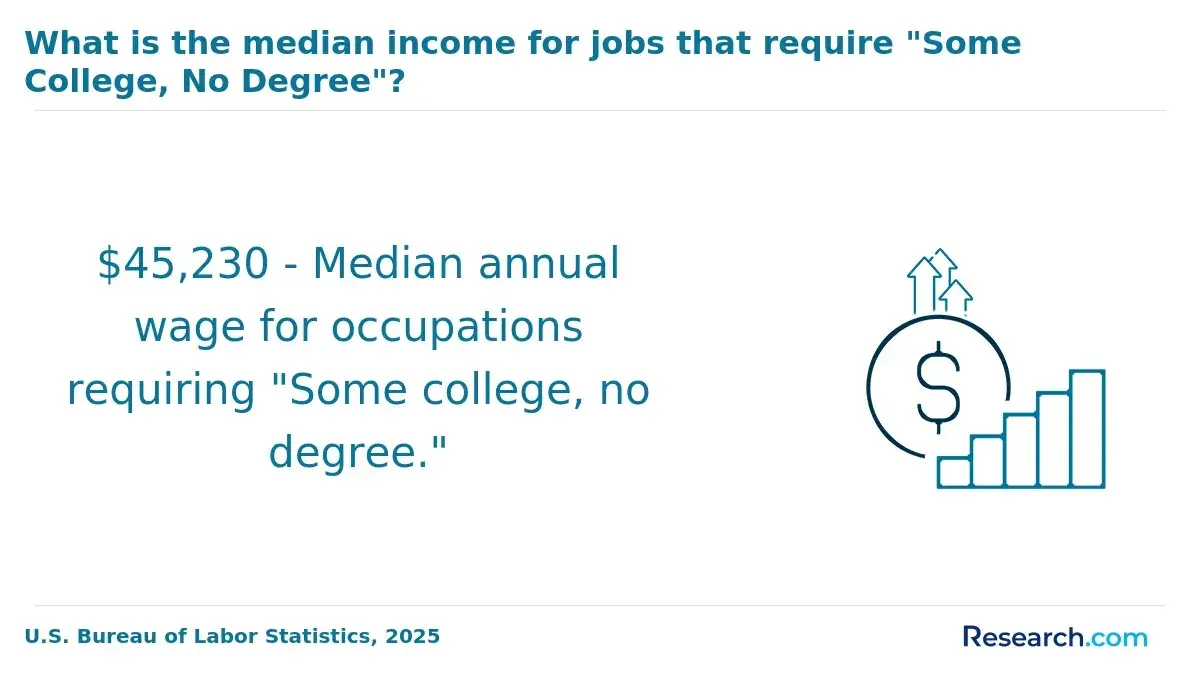
The biggest public health degree ROI drivers are not always obvious. Many students focus on school reputation, but employers often care more about accreditation, applied experience, analytic ability, and whether the program matches the role they need to fill.
The factors below have the greatest impact on whether a public health degree pays back financially. Review them before choosing a school or concentration.
- Accreditation: For public health programs, CEPH accreditation is an important quality signal and may matter for employers, fellowships, and doctoral admissions.
- Concentration: Epidemiology, biostatistics, health informatics, environmental health, and health management often lead to different salary ranges than general public health tracks.
- Practicum quality: Field placements with health departments, hospitals, insurers, research centers, or community organizations can turn coursework into job-ready experience.
- Technical skills: Data analysis, visualization, GIS, survey design, program evaluation, and grant reporting can improve employability across public health settings.
- Work flexibility: Programs that allow students to keep working can lower opportunity cost and strengthen resumes during school.
- Local labor market: Public health hiring varies by state, county, hospital system, nonprofit funding, and government budget cycles.
Several common mistakes can weaken ROI. The most serious is choosing a program without confirming accreditation or career outcomes. Another is borrowing for a broad public health degree without knowing whether the target job requires a bachelor's, an MPH, a specific concentration, or simply relevant experience. Students also sometimes ignore transfer-credit rules, assume online programs offer equal practicum support, or treat salary medians as guaranteed outcomes.
A stronger approach is to work backward from the job description. Collect postings for the roles you want, identify repeated requirements, and choose the program that fills those gaps at the lowest reasonable net cost.
Employer demand increases the value of a public health degree when it creates more openings, clearer advancement paths, or stronger competition for specialized skills. Demand is strongest where public health overlaps with healthcare operations, data analysis, chronic disease prevention, infectious disease surveillance, emergency preparedness, and population health management.
BLS projects employment for medical and health services managers to grow 23% from 2024 to 2034, much faster than the average for all occupations. That matters for public health students because many hospitals, clinics, insurers, and public agencies need professionals who understand quality improvement, community health needs, compliance, and population-level outcomes.
Current employer expectations are also changing. Public health workers are increasingly asked to use dashboards, analyze claims or surveillance data, evaluate interventions, communicate risk clearly, and coordinate across healthcare, government, and community partners. AI tools may automate parts of reporting and literature review, but they also increase the need for professionals who can validate data, interpret bias, protect privacy, and explain findings responsibly.
Students can improve the financial value of a public health degree before they ever enroll. The goal is to reduce avoidable cost while increasing the chance that the program leads to a specific, employable skill set.
Use the following steps to evaluate a public health program like an investment. These actions are especially important if you plan to borrow or enroll in a graduate program.
- Choose a target role first, then select the degree level and concentration that role commonly requires.
- Verify CEPH accreditation for public health programs, and ask whether specialized tracks have additional relevant recognition or employer partnerships.
- Compare total net price, not sticker price, including fees, practicum costs, travel, and likely loan interest.
- Ask admissions advisors for recent practicum sites, employer partners, career placement support, and examples of roles graduates pursue.
- Prioritize programs that teach marketable tools such as R, Python, SQL, Tableau, ArcGIS, SAS, program evaluation, and grant reporting when relevant to your goal.
- Look for paid internships, graduate assistantships, employer tuition benefits, or part-time formats that let you maintain income.
- Review job postings in your target city or state to confirm that employers request the credential you plan to earn.
Students should also ask hard questions about outcomes. What share of students complete the program on time? Are online students supported equally? How are practicum placements secured? Does the curriculum include a portfolio, capstone, or applied project that can be shown to employers? Are career services designed for public health roles, or are they general university services?
Public health ROI improves when students graduate with evidence of ability. A capstone evaluating a real community program, a dashboard built from public health data, a grant proposal, or a policy brief can be more persuasive to employers than coursework alone.
Students comparing public health with pharmacy should recognize that pharmacy has a different cost, licensure, and professional scope. Reviewing online PharmD programs can help clarify how a doctorate-level clinical pathway differs from a public health graduate degree in time, cost, and career purpose.
Public health can offer strong mission-driven value, but it does not always produce the fastest financial return compared with clinically licensed or highly technical healthcare fields. The right comparison depends on whether you want to work with populations, patients, data, policy, management, or research.
The table below compares public health with nearby fields from an ROI perspective. It is not a ranking; it shows which path may fit different goals and risk levels.
| Field | Typical focus | ROI strengths | ROI cautions |
| Public health | Population health, prevention, policy, epidemiology, community programs | Flexible across government, healthcare, nonprofit, research, and consulting settings | Generalist roles may not justify high graduate debt |
| Nursing | Direct patient care, clinical coordination, care management | Licensure can create clearer job requirements and demand signals | Requires clinical training, state licensure, and comfort with patient care |
| Health administration | Healthcare operations, finance, compliance, leadership | Can lead to high management salaries with experience | Management roles usually require work history, not just a degree |
| Bioinformatics | Biomedical data, genomics, computational biology | Strong fit for students with quantitative and coding ability | May require deeper technical preparation than a general MPH |
| Exercise science | Fitness, human performance, wellness, rehabilitation support | Good fit for prevention and wellness interests | Some higher-paying roles require graduate study or licensure in another field |
Compared with many clinical fields, public health often has broader career flexibility but fewer built-in licensure advantages. That flexibility can be valuable if you want to work in policy, prevention, program design, analytics, or health equity. It can be less financially efficient if you want a direct clinical role with a defined credential-to-job pathway.
A public health degree is worth it when the program is affordable, accredited, connected to practical experience, and aligned with a role that actually requires or rewards the credential. It is less likely to be worth it if you choose an expensive program without a target occupation, borrow heavily for a low-paid role, or assume that the degree alone will create a salary jump.
This degree is a strong fit for students who want to improve health at the community or population level rather than provide one-on-one clinical care. It can also be valuable for nurses, social workers, data analysts, healthcare administrators, laboratory professionals, and nonprofit workers who want to move into prevention, policy, epidemiology, quality improvement, or health equity leadership.
Students should consider another path if they primarily want bedside care, diagnostic authority, physical rehabilitation practice, or a heavily licensed clinical role. Public health can connect to healthcare, but it is not a substitute for nursing, medicine, physician assistant training, pharmacy, physical therapy, or other clinical credentials.
Before enrolling, make a final decision checklist. These questions help separate a high-value public health program from a costly credential with uncertain payoff.
- Does the target job usually require a public health degree, or would experience, certification, or a different credential be more efficient?
- Is the program CEPH-accredited, and does that matter for your intended employer or future graduate study?
- Can you complete the degree without taking on debt that exceeds your realistic salary path?
- Does the curriculum include applied projects, data tools, practicum support, and employer connections?
- Will the format let you keep working, gain experience, or reduce relocation costs?
- Have you compared at least three programs by net cost, completion time, practicum access, and career outcomes?
The best public health degree payback comes from intentional planning. Start with the job, verify the credential, calculate net cost, and choose the program that gives you the strongest combination of affordability, skills, field experience, and employer relevance.
Students interested in data-heavy public health work should compare public health analytics with bioinformatics and health data pathways. A helpful starting point is understanding what can you do with a bioinformatics degree, since bioinformatics can lead to more technical roles in genomics, computational biology, and biomedical data than a general MPH.
Public health graduates can earn very different salaries depending on occupation, degree level, location, employer, and technical skill set. Salary data should be used as a benchmark, not a promise, because BLS figures describe occupations rather than outcomes for every graduate of a specific program.
The table below uses BLS May 2024 median wage data for roles commonly connected to public health training. It helps show why career target is one of the biggest drivers of degree ROI.
| Public health-related role | Typical education pathway | Median annual wage, May 2024 | ROI implication |
| Community health worker | Certificate, associate, or bachelor's depending on employer | $49,900 | Best paired with low-cost education or employer-funded training |
| Health education specialist | Bachelor's; some roles prefer CHES or an MPH | $63,000 | Can be a practical bachelor's-level route if debt is limited |
| Social and community service manager | Bachelor's or master's plus experience | $78,240 | ROI improves when the degree supports management advancement |
| Environmental scientist or specialist | Bachelor's; some public health roles prefer graduate study | $80,060 | Strong for students combining environmental science, regulation, and public health |
| Epidemiologist | Usually master's degree | $83,980 | Often one of the clearer MPH payback paths if the program includes methods and practicum training |
| Medical and health services manager | Bachelor's or master's plus healthcare experience | $117,960 | High salary potential, but usually requires management experience in addition to the degree |
The salary pattern is clear: public health degrees pay back faster when they prepare students for specialized, analytical, managerial, or regulated environments. Generalist roles in outreach, education, and nonprofit programming can be meaningful and stable, but students should be especially cautious about taking on high graduate debt for jobs with modest salary ranges.
Skills also matter. Graduates with training in epidemiologic methods, SQL, R or Python, GIS, program evaluation, grant writing, health economics, or healthcare quality improvement may have more options than graduates with only broad survey coursework. Employers increasingly expect public health professionals to turn messy health data into usable decisions, not simply understand health theory.
Other Things You Should Know About Public Health
An MPH can be worth the cost if it is accredited, reasonably priced, and tied to a career goal such as epidemiology, public health analytics, health policy, program management, or healthcare quality improvement. It is riskier when students enroll without a target role or borrow heavily for lower-paid generalist positions.
Concentrations with strong technical or management applications often have the best ROI. Epidemiology, biostatistics, health informatics, environmental health, and health management may offer stronger salary pathways than broad general public health tracks, depending on the local job market and the student's experience.
Yes. An online public health degree can have strong payback if it is accredited, affordable, and provides the same practicum, faculty access, and career support as the campus version. Online study can also improve ROI for working adults by reducing relocation costs and allowing continued employment.
Most public health roles do not require state licensure in the same way nursing or pharmacy roles do. However, some employers may prefer certifications such as CHES, MCHES, CPH, or specialized credentials, and requirements can vary by role, state, and employer.
- How Long Until Your Degree Pays Off? A Timeline by Program https://blog.methodistcollege.edu/degree-pays-off-timeline
- Average Cost of College [2025]: Yearly Tuition + Expenses https://educationdata.org/average-cost-of-college
- Unlocked: Finding Long-Term Career Opportunities with a Public Health Degree https://masterspublichealth.com/what-can-you-do-with-a-masters-in-public-health/
- The Payback Period for Individual Investments in Higher Education https://gnpje.sgh.waw.pl/Okres-zwrotu-indywidualnych-inwestycji-w-wyzsze-wyksztalcenie,101441,0,2.html
- 2025 Most Affordable Online MPH Programs https://www.onlineu.com/most-affordable-colleges/public-health-masters-degrees
- Highest Paying Jobs in Public Health and their Salaries - MPH Online https://www.mphonline.org/highest-paying-jobs-public-health/
- Job Sector Guides - Public Health http://bonner.pbworks.com/Job+Sector+Guides+-+Public+Health
- Investment in a college degree pays off by age 34 - Utah System of Higher Education https://ushe.edu/investment-in-college-pays-off-by-34/
- Highest Paid Public Health Careers https://www.publichealthdegrees.org/careers/highest-paid-public-health-jobs/
- Research Summary: Education and Lifetime Earnings https://www.ssa.gov/policy/docs/research-summaries/education-earnings.html