2027 Public Health Degree Concentration Outlook Report: Which Tracks Are Growing Faster, Paying More, and Hiring More Consistently

Co-Founder and Chief Data Scientist
Choosing a public health concentration is also a choice about institution type, cost, credibility, flexibility, and return on investment. Federal labor data shows health care and social assistance remains one of the largest and most durable U. S. employment sectors, while BLS projections place several public health-adjacent roles above average growth. This report is for students comparing MPH, bachelor's, certificate, or online options. You will learn which tracks are growing faster, paying more, hiring more consistently, and how to judge whether a public, private nonprofit, for-profit, or online program fits your goals.
Key Things You Should Know
- Fastest-growth public health concentrations usually combine population health with analytics, management, or prevention science; BLS projects medical and health services managers to grow much faster than average in the 2023-2033 cycle.
- Highest salary potential is strongest in health administration, biostatistics, epidemiology with data skills, informatics, and policy roles; BLS 2024 wage data places medical and health services managers near the top among common public health-aligned careers.
- Best ROI depends less on campus prestige alone and more on net price, CEPH or regional accreditation, transfer credits, completion likelihood, debt, practicum access, and whether the concentration connects to consistent employer demand.
- How Do the Major Public Health Degree Concentrations Compare?
- Which Public Health Degree Concentrations Are Growing the Fastest?
How Do the Major Public Health Degree Concentrations Compare?
Public health concentrations are specialized tracks within a public health degree. At the bachelor's level, they often prepare students for entry-level health education, community programs, research support, environmental health, or graduate study. At the MPH or graduate certificate level, they usually lead to more specialized roles in epidemiology, biostatistics, health policy, public health administration, global health, environmental health, occupational health, informatics, or community health practice.
The best concentration depends on what kind of work you want to do: analyze disease patterns, manage programs, design prevention campaigns, evaluate policy, improve health equity, or work with data systems. The table below summarizes how the major tracks compare for typical career fit, hiring pattern, and education level.
| Concentration | Best Fit | Common Roles | Typical Education Level | Hiring Pattern |
| Epidemiology | Students who like disease investigation, surveillance, and applied research | Epidemiologist, surveillance analyst, research coordinator | MPH or master's often preferred | Strong in government, health systems, consulting, and research organizations |
| Biostatistics | Students with strong quantitative ability | Biostatistician, statistical analyst, data analyst | Master's usually preferred for independent analyst roles | Strong where health data, trials, and outcomes research are funded |
| Health Policy and Management | Students interested in leadership, finance, operations, and systems improvement | Program manager, policy analyst, health services manager | Bachelor's for support roles; MPH, MHA, or MBA for management | Consistent across hospitals, insurers, agencies, and nonprofits |
| Community Health and Health Promotion | Students who want direct community impact | Health education specialist, community health worker, outreach coordinator | Bachelor's or MPH depending on responsibility | Stable but often grant-dependent |
| Environmental and Occupational Health | Students interested in workplace safety, air, water, food, housing, or exposure risks | Environmental health specialist, occupational health specialist, safety coordinator | Bachelor's for some roles; MPH or certifications improve mobility | Stable in government, industry, construction, manufacturing, and consulting |
| Public Health Informatics | Students who want to combine health systems, analytics, and technology | Informatics analyst, health data analyst, population health analyst | Bachelor's plus technical skills or MPH/MS | Growing with electronic records, surveillance systems, and AI-enabled analytics |
| Global Health | Students interested in international programs, NGOs, and cross-cultural health systems | Program associate, monitoring and evaluation specialist, global health coordinator | MPH often preferred | Competitive and funding-sensitive |
A public university is often the best value when it offers strong advising, CEPH-accredited public health programs, local internship pipelines, and lower in-state tuition. A private nonprofit can be worth the higher price when it provides exceptional practicum placement, alumni networks, funded assistantships, or a specialized concentration that public options nearby do not offer.
Online delivery is not an institution type; it is a format. A student can choose an online public university, online private nonprofit, or online for-profit program. Employers typically care more about accreditation, relevant skills, practicum experience, and the institution's reputation than whether lectures were completed online or on campus.
Which Public Health Degree Concentrations Are Growing the Fastest?
The fastest-growing concentrations are the ones tied to health systems, data, chronic disease prevention, emergency preparedness, and population-level decision-making. In the latest BLS projection cycle, medical and health services managers are projected to grow far faster than the average for all occupations, which makes health policy, management, and administration one of the strongest public health-adjacent tracks for students seeking advancement potential.
Growth should be interpreted carefully. A concentration can show high projected growth but still have fewer total openings than a broader field. Students should compare both growth rate and the number of employers in their region before choosing a track.
| Growth Tier | Concentrations | Why Demand Is Rising | Best Student Profile |
| Very strong | Health policy and management, health administration, public health informatics | Health systems need managers who can improve quality, control costs, manage programs, and use data for population health decisions | Students who want leadership, operations, analytics, or policy roles |
| Strong | Epidemiology, biostatistics, applied public health data science | Agencies, hospitals, life sciences firms, and researchers need disease surveillance, outcomes analysis, and evidence evaluation | Students comfortable with statistics, coding, research design, and technical communication |
| Moderate to strong | Environmental health, occupational health, emergency preparedness | Workplace safety, climate-related hazards, food systems, housing quality, and disaster readiness continue to require trained personnel | Students who want regulatory, field-based, industrial, or consulting work |
| Moderate | Community health, health promotion, global health | Preventive health and equity programs remain important, but many positions depend on grants, local budgets, or nonprofit funding cycles | Students who value mission-driven service and community-facing work |
AI and automation are changing the fastest-growing tracks rather than replacing them. In epidemiology and informatics, employers increasingly expect graduates to understand dashboards, data cleaning, privacy rules, and responsible AI use. Students who want a more technical path may also explore adjacent fields such as what can you do with a bioinformatics degree, especially if they are interested in genomics, biomedical data, or computational research.
For working adults, online and hybrid programs can make high-growth tracks more accessible, but flexibility should not be the only deciding factor. A low-cost online program with weak practicum support may be less valuable than a moderately priced public or nonprofit program that connects students to health departments, hospitals, or analytics teams.
Salary potential is highest when a concentration leads to roles with management responsibility, advanced quantitative work, regulated expertise, or direct value to health care operations. BLS 2024 wage data places medical and health services managers at about $118,000 median annual pay, making health administration and policy-management tracks among the strongest public health-related choices for salary upside.
The table below uses broad U.S. labor-market patterns rather than school-specific outcomes. Actual pay depends on degree level, work experience, location, employer type, technical skills, and whether the role is in government, health care, consulting, insurance, academia, or private industry.
| Salary Potential Tier | Concentrations | Roles Driving Pay | Important Caveat |
| Highest | Health policy and management, health administration | Health services manager, quality director, population health manager, policy manager | Higher pay usually requires experience and supervisory responsibility |
| High | Biostatistics, informatics, epidemiology with data skills | Biostatistician, statistical programmer, data analyst, epidemiologist, outcomes research analyst | Students need quantitative training beyond basic public health coursework |
| Moderate to high | Environmental and occupational health | Occupational safety specialist, environmental health specialist, compliance analyst | Certifications and industry experience can strongly affect earnings |
| Moderate | Community health, health promotion, global health | Health education specialist, program coordinator, outreach manager | Mission-driven work can be rewarding but may offer lower early-career salaries |
Institution type affects salary ROI mainly through cost and career access, not because one category automatically produces higher earners. A public university with lower tuition and strong local employer relationships can outperform a more expensive private option. A private nonprofit may justify its price if it offers strong internships, alumni placement, assistantships, or a concentration with a clear employment pipeline.
Students comparing related health fields should also distinguish public health from clinical credentials. Public health generally focuses on populations and systems, while programs such as online PharmD programs prepare students for a regulated clinical pharmacy pathway with different costs, licensure rules, and salary dynamics.
The best entry-level opportunities usually come from concentrations with clear bachelor's-level roles or assistant-level pathways. Community health, health promotion, environmental health, emergency preparedness, and public health administration can offer accessible first jobs, while epidemiology, biostatistics, and policy research often become more competitive without graduate-level training or technical experience.
Entry-level public health hiring is practical: employers want applicants who can communicate with communities, manage projects, handle data accurately, document outcomes, and work within health systems. The table below shows how common concentrations translate into early-career work.
| Concentration | Entry-Level Accessibility | Common First Roles | How to Become More Competitive |
| Community health and health promotion | High | Health educator, outreach coordinator, community health worker, program assistant | Earn CHES eligibility if appropriate, build bilingual or community engagement skills, complete a practicum |
| Environmental health | Moderate to high | Inspection assistant, environmental health technician, safety coordinator | Check state or local requirements and add safety or environmental certifications when relevant |
| Public health administration | Moderate to high | Program assistant, project coordinator, quality improvement assistant | Learn Excel, budgeting basics, project management, and health care operations |
| Epidemiology | Moderate | Research assistant, surveillance assistant, data coordinator | Add R, SAS, SQL, GIS, and research methods experience |
| Biostatistics and informatics | Moderate for technical candidates | Data analyst, statistical assistant, informatics support analyst | Build a portfolio with reproducible analysis, visualization, and privacy-aware data handling |
| Global health | Competitive | Program assistant, monitoring and evaluation assistant, NGO coordinator | Develop language ability, evaluation skills, field experience, and grant-writing exposure |
Students who need the fastest route into health care employment should compare public health degrees with shorter credential pathways. For example, accelerated LPN programs may fit students who want direct patient-care roles sooner, while public health may fit those who prefer prevention, systems, policy, community education, or analytics.
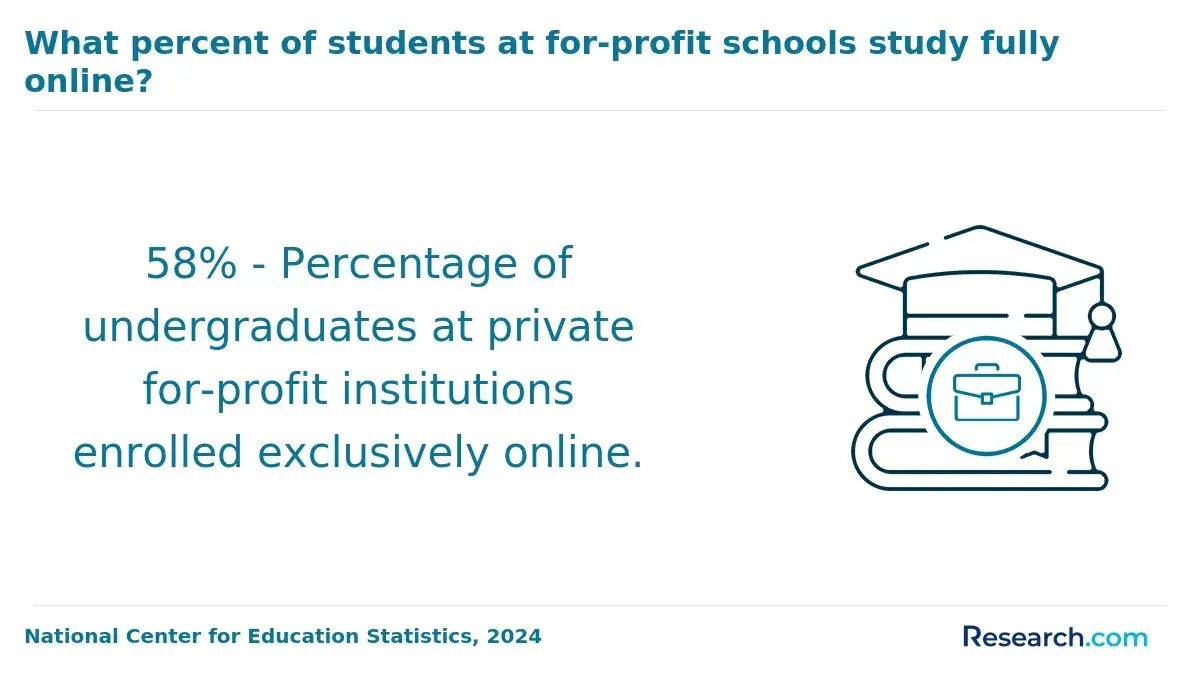
Public institutions often offer strong entry-level value because lower net cost reduces the pressure to land a high-paying job immediately. Private nonprofit programs can be strong when they provide structured internships and employer introductions. For-profit and online programs require extra due diligence: verify accreditation, transfer policies, graduation outcomes, and whether career services are robust enough for students with limited public health experience.
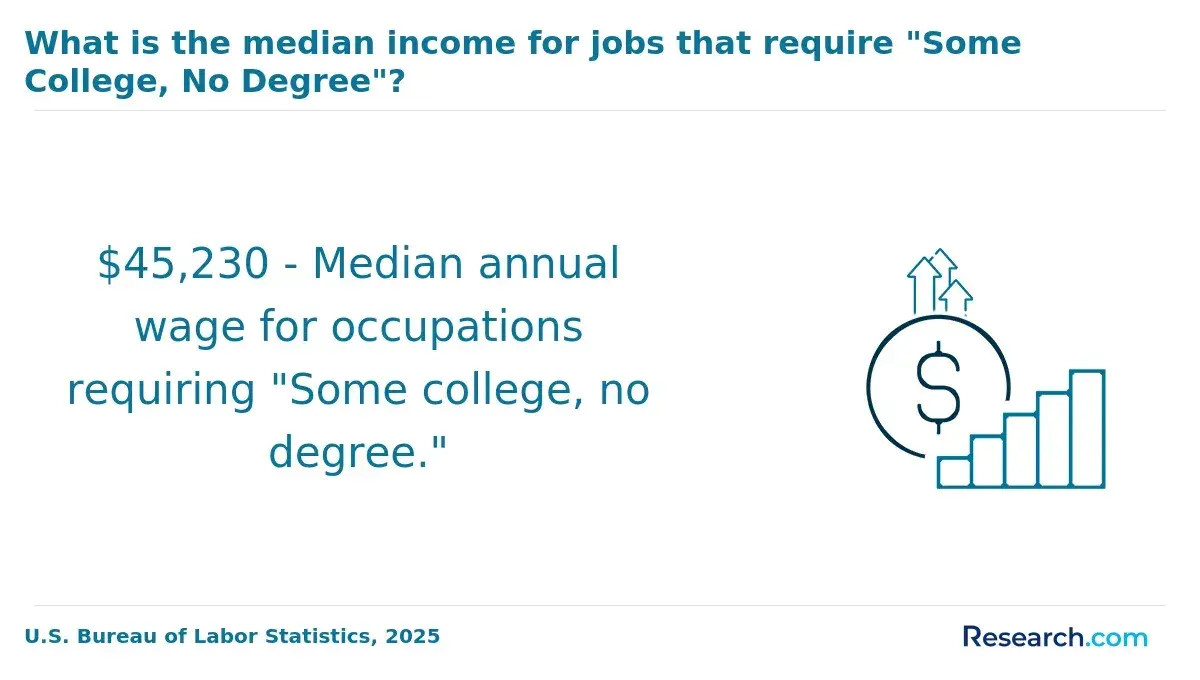
Public health graduates work across public agencies, health care, nonprofits, academia, consulting, insurance, life sciences, education, and private industry. The strongest concentration choice often depends on which employer group you want to enter, because a health department may prioritize surveillance and community health, while a hospital system may prioritize quality improvement, analytics, administration, and population health management.
The table below helps connect public health concentrations to the employers most likely to value them. Use it to identify which practicum placements, elective courses, and networking opportunities matter most when comparing programs.
| Employer Type | Concentrations Often Valued | Typical Work | Institution-Type Consideration |
| Local, state, and federal public health agencies | Epidemiology, environmental health, community health, emergency preparedness | Surveillance, inspections, outbreak response, education, program evaluation | Public universities often have strong local agency pipelines |
| Hospitals and health systems | Health administration, informatics, epidemiology, quality improvement | Population health, infection prevention, quality metrics, operations, care coordination | Programs with hospital practicum agreements can improve access |
| Insurance and managed care organizations | Policy, management, informatics, biostatistics | Utilization analysis, population risk, policy operations, quality reporting | Strong analytics coursework can matter more than campus format |
| Universities and research centers | Epidemiology, biostatistics, global health, behavioral science | Research coordination, data analysis, grant support, evaluation | Research universities may offer assistantships and faculty-led projects |
| Nonprofits and foundations | Community health, health equity, global health, program evaluation | Outreach, education, advocacy, grant management, evaluation | Lower-cost programs reduce financial risk in lower-salary mission-driven roles |
| Private industry and consulting | Occupational health, environmental health, policy, analytics | Compliance, risk management, safety, evaluation, strategic advising | Employer recognition and professional certifications can affect competitiveness |
Some students enter public health from wellness, kinesiology, or prevention-oriented backgrounds. In that case, exercise science degrees can pair well with public health interests in chronic disease prevention, workplace wellness, health coaching, or community physical activity programs.
When comparing schools, look beyond the list of employers on a website. Ask whether students actually complete practicums with those employers, whether remote learners can access the same placements, and whether the program has recent alumni working in your target concentration.
The strongest public health job markets are usually near large health systems, government agencies, research universities, biotech corridors, consulting firms, and state capitals. Large metro areas often offer more epidemiology, informatics, policy, and management roles, while rural and regional markets may have steady needs in community health, environmental health, emergency preparedness, and hospital administration.
Remote opportunities are most common in data-heavy, policy, evaluation, grant management, consulting, and informatics roles. Field-based work, inspections, outbreak response, community engagement, and some environmental health roles are less likely to be fully remote because they require local presence.
| Market Type | Concentrations With Strong Fit | Remote Potential | What Students Should Prioritize |
| Large metro health care markets | Administration, epidemiology, informatics, biostatistics, policy | Moderate to high for analytics and policy roles | Internships with hospitals, insurers, academic medical centers, and consulting firms |
| State capitals and government hubs | Policy, epidemiology, environmental health, emergency preparedness | Moderate depending on agency rules | Government practicum experience and familiarity with public-sector hiring |
| Research university regions | Biostatistics, epidemiology, global health, evaluation | Moderate for research and data roles | Faculty research experience, assistantships, and statistical software training |
| Rural and regional markets | Community health, environmental health, hospital administration | Lower for field-based roles | Local partnerships, broad skill sets, and willingness to handle multiple program functions |
| National consulting and nonprofit organizations | Policy, evaluation, informatics, health equity, global health | High for experienced candidates | Writing samples, evaluation skills, project management, and remote collaboration tools |
Online programs can be excellent for students who cannot relocate, but remote study does not automatically create remote employment. Students should choose a program that helps them build local or virtual practicum experience, a portfolio, and references from public health supervisors.
Institution type can affect geographic reach. A regional public university may have excellent local recognition but fewer national alumni connections. A well-known private nonprofit may have broader employer recognition but a higher net price. A fully online program can be practical for working adults, but students should confirm that career services, faculty access, and practicum coordination are designed for distance learners.
The most valuable public health graduates combine concentration knowledge with practical skills employers can verify. For data-centered tracks, that means statistics, coding, visualization, and research design. For community and management tracks, it means program planning, evaluation, budgeting, stakeholder communication, and grant documentation.
The following skill groups are worth prioritizing because they improve employability across multiple concentrations and institution types.
- Analytics skills: Excel, R, SAS, Python, SQL, Tableau, Power BI, GIS, survey methods, and reproducible reporting.
- Program skills: needs assessment, logic models, program evaluation, budgeting, quality improvement, implementation planning, and grant reporting.
- Communication skills: plain-language writing, risk communication, community presentations, policy briefs, and culturally responsive outreach.
- Health systems knowledge: health care delivery, insurance basics, health equity, privacy rules, population health, and public-sector operations.
- Professional experience: practicums, internships, research assistantships, volunteer work, capstone projects, and employer-sponsored projects.
Certifications are not always required, but they can help students signal readiness in specific tracks. Requirements vary by employer and state, so students should verify whether a credential is required, preferred, or simply helpful.
| Certification or Credential | Most Relevant Concentrations | How It May Help | Important Limitation |
| CHES or MCHES | Community health, health education, health promotion | Signals preparation in health education competencies | Not required for every outreach or program role |
| CPH | General public health, MPH graduates | Shows broad public health knowledge | Value varies by employer and job level |
| REHS or RS | Environmental health | Can support inspection and environmental health roles | State requirements differ |
| CSP or ASP | Occupational health and safety | Supports safety and risk management career paths | Experience requirements may apply |
| Project management credentials | Policy, administration, global health, program management | Useful for coordinating teams, budgets, timelines, and deliverables | Experience and portfolio evidence still matter |
| Data and cloud certificates | Informatics, epidemiology, biostatistics | Can demonstrate technical ability with data tools and platforms | Should complement, not replace, statistical and public health training |
Before paying for an extra certification, ask whether it will change the roles you can apply for or the salary band you can reasonably target. For many students, a strong practicum, data portfolio, or supervisor reference may be more valuable than a stack of unrelated certificates.
The best ROI usually comes from a concentration that aligns with durable employer demand and a program that keeps total cost manageable. Health administration, informatics, biostatistics, epidemiology with strong data skills, and environmental or occupational health often offer stronger financial upside than broader tracks, but a lower-paying community health path can still be a good investment if the degree is affordable and tied to meaningful career goals.
Published tuition is not the same as real cost. College Board's 2024-2025 pricing data places average published tuition and fees at about $11,610 for in-state public four-year institutions and about $43,350 for private nonprofit four-year institutions. That gap matters, but net price after grants, scholarships, assistantships, employer tuition benefits, and transfer credits is the number students should use for ROI decisions.
The table below compares institution and delivery models by how they commonly affect public health degree value. These categories can overlap: an online program may be public, private nonprofit, or for-profit.
| Model | Potential Advantages | Potential Trade-Offs | Best Fit | Use Extra Caution If |
| Public university | Often lower in-state tuition, strong regional employer recognition, public agency relationships | Out-of-state tuition can reduce value; large programs may require more self-advocacy | Students seeking lower debt, local internships, and regional employment | The program has limited advising, weak practicum support, or no relevant concentration |
| Private nonprofit institution | May offer strong alumni networks, small cohorts, specialized faculty, and funded opportunities | Higher sticker price can reduce ROI without aid | Students who receive strong scholarships or need a specialized track with proven outcomes | The school cannot provide recent placement evidence or practicum access |
| Private for-profit institution | May offer flexible scheduling and frequent start dates | Value varies widely; students must scrutinize accreditation, debt, completion, and employer recognition | Working adults who verify outcomes and receive enough aid or transfer credit to keep cost low | Credits may not transfer easily or the program lacks transparent outcomes |
| Online delivery | Flexible for working adults, caregivers, military students, and students far from campus | Requires self-direction; practicum coordination and networking may be weaker in some programs | Students who need flexibility and can access meaningful local or virtual field experience | Online students receive fewer services than campus students |
| Hybrid delivery | Balances flexibility with campus networking and hands-on experiences | Travel and scheduling requirements can add hidden costs | Students near campus who want flexibility without losing in-person access | Required campus sessions conflict with work or caregiving responsibilities |
To evaluate ROI, students should follow a structured process rather than relying on rankings or brand names alone.
- Calculate net price, not sticker price, including tuition, fees, books, technology, travel, lost work time, and expected borrowing.
- Confirm institutional accreditation and, when relevant, whether the public health program has CEPH accreditation or aligns with your career target.
- Compare completion likelihood by asking about graduation rates, part-time pathways, course availability, and support for working students.
- Map the concentration to real jobs in your target region using employer postings, practicum sites, alumni profiles, and salary ranges.
- Ask how many transfer credits apply and whether they shorten time to completion or only reduce elective requirements.
- Review career services for both campus and online learners, including practicum placement, employer events, portfolio support, and alumni access.
Common mistakes include choosing the cheapest program without checking accreditation, choosing the most prestigious program without calculating debt, assuming online means lower quality, assuming nonprofit means better outcomes, or enrolling in a concentration because it sounds interesting without checking job postings. The better approach is to compare cost, credibility, flexibility, and career alignment together.
Long-term job security is strongest when a concentration remains relevant across economic cycles, political shifts, and technology changes. Health administration, epidemiology, biostatistics, informatics, environmental health, occupational health, and emergency preparedness have durable foundations because they support health system operations, regulatory compliance, surveillance, risk management, and evidence-based decision-making.
Community health and global health can also provide meaningful long-term careers, but students should understand the funding landscape. Roles tied to grants, foundations, or international programs may be more vulnerable to budget changes than positions embedded in hospitals, government agencies, insurers, universities, or regulated industries.
| Long-Term Security Level | Concentrations | Why They Tend to Last | How Students Can Strengthen Security |
| Very strong | Health administration, informatics, biostatistics | Health systems need leaders and data professionals regardless of short-term public health priorities | Add management, analytics, finance, privacy, and quality improvement skills |
| Strong | Epidemiology, environmental health, occupational health | Disease surveillance, safety, inspection, compliance, and risk management are recurring needs | Build technical software skills, field experience, and relevant certifications |
| Moderate to strong | Emergency preparedness, policy, program evaluation | Organizations need planning and evaluation, but funding can vary by jurisdiction and priority | Develop grant, evaluation, and cross-sector collaboration skills |
| Moderate | Community health, global health | The mission is durable, but jobs can depend on local budgets, nonprofit funding, and donor priorities | Pair outreach skills with evaluation, data reporting, language ability, or program management |
The safest educational choice is usually not the most expensive or the most flexible by default. It is the program that helps you finish on time, borrow responsibly, complete relevant fieldwork, build current skills, and enter a concentration with real employer demand.
For most students, a public or well-aided private nonprofit program with strong accreditation and practicum support provides the clearest balance of cost and credibility. Online programs can be equally practical when they offer the same academic standards, faculty access, career support, and field placement coordination as campus programs. For-profit programs require the most careful review of debt, transferability, completion, and employer recognition before enrollment.
The most consistent hiring demand tends to appear in concentrations that match recurring employer needs rather than short-term grants. Health administration, epidemiology, environmental health, occupational safety, health informatics, and biostatistics are comparatively resilient because health systems, public agencies, insurers, and research organizations need these functions even when funding priorities change.
A useful way to judge hiring consistency is to ask whether the concentration connects to a permanent operational need, a regulatory requirement, or a recurring data function. The table below compares concentration demand by stability rather than headline growth.
| Concentration | Hiring Consistency | Why It Is Stable or Unstable | Employers to Watch |
| Health policy and management | High | Health organizations continuously need program leadership, compliance, quality improvement, budgeting, and operations support | Hospitals, insurers, public agencies, managed care organizations |
| Epidemiology | High to moderate | Surveillance and applied research are recurring needs, but some jobs depend on public funding cycles | Health departments, CDC-related contractors, universities, health systems |
| Biostatistics | High for technical candidates | Statistical analysis is central to research, evaluation, clinical studies, and outcomes measurement | Academic medical centers, life sciences firms, CROs, consulting firms |
| Environmental and occupational health | High | Many roles connect to safety, inspection, compliance, and risk management needs | Government agencies, manufacturing, construction, energy, consulting |
| Community health | Moderate | Demand is broad, but positions may be tied to grants, local budgets, and nonprofit funding | Nonprofits, public agencies, clinics, schools, community organizations |
| Global health | Variable | Roles can be competitive and influenced by donor priorities, travel budgets, and international funding | NGOs, universities, foundations, development contractors |
Cost matters more when demand is inconsistent. Students entering grant-funded or lower-paid community health roles should be especially cautious about borrowing heavily. In the 2024-2025 academic year, federal direct unsubsidized graduate loans carry a 8.08% interest rate, so graduate debt can compound quickly if a student chooses an expensive program without a strong career plan.
Before enrolling, compare schools using evidence that is more reliable than marketing claims. Ask for recent practicum sites, completion rates, typical time to graduation, employer partnerships, alumni job titles, and whether online students receive the same career services as campus students.
Other Things You Should Know About Public Health
Epidemiology is better if you want disease surveillance, research, and data investigation. Health administration is better if you want leadership, operations, budgeting, quality improvement, or management roles. Health administration often has stronger salary upside, while epidemiology can be ideal for students who enjoy analytical public health work.
Yes, online public health degrees can be respected when they come from accredited institutions with credible faculty, strong student support, and meaningful practicum experiences. Employers usually focus on accreditation, skills, experience, and institutional reputation rather than delivery format alone.
No. Public universities often have lower in-state tuition, but the lowest-cost option depends on net price after grants, scholarships, transfer credits, fees, time to completion, and borrowing. A private nonprofit with strong aid can sometimes cost less than an out-of-state public program.
Working adults often do well in online or hybrid programs in health administration, policy, community health, informatics, or program evaluation. The best choice is a flexible program that offers part-time pacing, practicum support near the student's location, transparent costs, and career services for online learners.
- Choosing an MPH Specialization - MPH Online https://www.mphonline.org/choosing-an-mph-specialization/
- Are There Areas of Specialization With a Master of Public Health Degree? - Healthcare Management Degree Guide https://www.healthcare-management-degree.net/faq/what-are-some-of-the-areas-of-specialization-i-can-pursue-while-completing-a-master-of-public-health-degree/
- Public Health Backlash Hurts Master's Program Enrollment | Think Global Health https://www.thinkglobalhealth.org/article/public-health-backlash-hurts-masters-program-enrollment
- Careers https://www.publichealthdegrees.org/careers/
- Interest in public health degrees jumps in wake of pandemic: Applications rise https://www.thenationshealth.org/content/51/6/1.2
- The future of master’s-level public health programs | EAB https://eab.com/resources/blog/adult-education-blog/the-future-of-masters-level-public-health-programs/
- Global Health and Public Health Majors and Minors at 411 Universities, 2019–2020 | Annals of Global Health https://annalsofglobalhealth.org/articles/10.5334/aogh.2837
- Explore Public Health Careers - Public Health https://www.publichealthonline.org/careers/
- Public Health Career Salaries: What to Expect Across Roles https://www.scuhs.edu/bshs-article/public-health-career-salaries-what-to-expect-across-roles/
- Enrollment in Higher Education https://odphp.health.gov/healthypeople/priority-areas/social-determinants-health/literature-summaries/enrollment-higher-education