
2027 Best Public Health Degree Programs Ranking in Tallahassee

Co-Founder and Chief Data Scientist
Choosing the right public health degree program is a big step for students in Tallahassee aiming to make a difference in their communities. This article introduces the 2027 Best Public Health Degree Programs Ranking in Tallahassee, created by the Research.com team of data scientists. It helps you explore the top options, giving clear insights into the programs worth considering.
Reading this guide will empower you with the knowledge to find a program that fits your goals. A public health degree opens doors to meaningful careers that improve lives and promote well-being. Your future in public health starts here.
Key benefits of getting public health degree in Tallahassee
- Graduates with a public health degree in Tallahassee can expect competitive salaries, such as $52,610 annually for Community Health Workers or up to $86,710 for Environmental Health Specialists, offering strong financial stability.
- Career options include roles like Health Educator or Occupational Health and Safety Specialist, with many local graduates finding rewarding work that makes a real difference in community well-being.
- Online public health degrees in Tallahassee provide flexibility, allowing students to balance work and study while still gaining valuable knowledge to excel in their careers without disrupting their daily lives.
- 2027 Best Public Health Degree Programs Ranking in Tallahassee
- What can I expect from public health degree in Tallahassee?
- Where can I work with public health degree in Tallahassee?
What can I expect from public health degree in Tallahassee?
Estimating the average cost of a public health degree in Tallahassee depends largely on whether you attend a public or private institution. At Florida State University (FSU), a popular choice for public health studies, in-state tuition significantly reduces expenses, making the degree more affordable for local students compared to out-of-state or private university rates. Graduates often recall managing tuition alongside scholarships tailored to health sciences, which alleviated financial pressure and allowed them to focus on internships and community projects.
While public universities offer lower tuition, students considering private colleges in Tallahassee face higher costs, which might be offset by financial aid or assistantships. Some graduates found balancing part-time work with their studies essential to cover expenses, highlighting that affordability isn't just about sticker price but also about available support and personal budgeting strategies.
Ultimately, the costs reflect more than just tuition; living expenses in Tallahassee are moderate, benefiting those who want a vibrant campus experience without overwhelming financial burden. These dynamics shape how students approach financing their education and gaining valuable hands-on experience in the city's robust public health environment.
Where can I work with public health degree in Tallahassee?
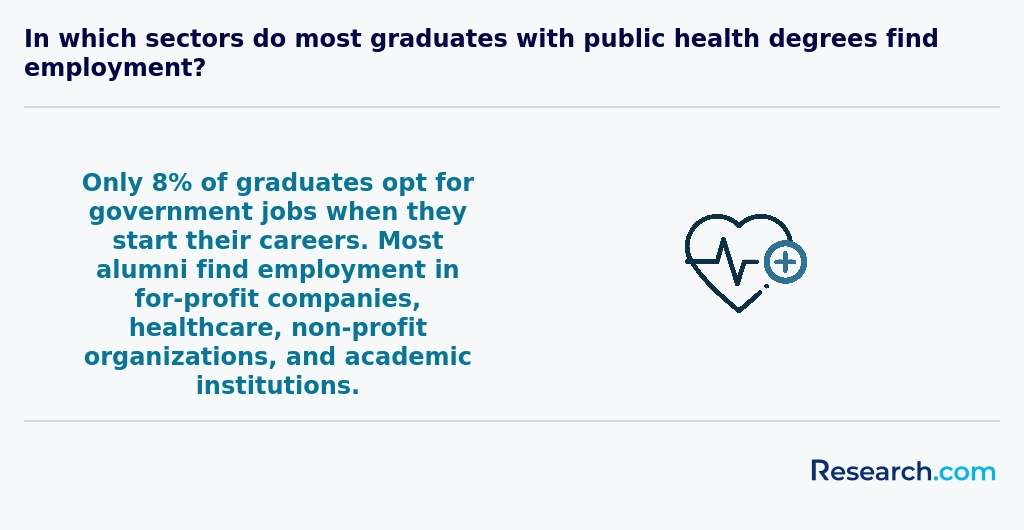
Graduates with a public health degree in Tallahassee typically find diverse career opportunities across local government, healthcare, non-profits, and academia. Many who studied at institutions like Florida State University report rewarding roles in the Florida Department of Health, where they contribute to statewide health initiatives such as epidemiology and policy analysis. A graduate might describe the daily satisfaction of improving community health by managing immunization programs within Leon County's health services.
Healthcare settings, including Tallahassee Memorial HealthCare, also offer practical roles focused on patient education and quality improvement. These environments challenge graduates to apply their knowledge directly in their hometown, witnessing the real-world impact of their efforts on population health.
Non-profit organizations like the Florida Public Health Institute attract those passionate about advocacy and health equity, creating a meaningful work experience tied to vulnerable communities. Meanwhile, academic positions supporting research and teaching allow some graduates to remain connected with their studies and foster new public health talent.
While these avenues are promising, some graduates note competition and suggest that gaining experience through internships locally is crucial for securing positions in Tallahassee's sometimes limited but specialized job market.
Graduates with a public health degree in Tallahassee often find salary opportunities aligned with state and national data but nuanced by local industry and institutional roles. For instance, community health workers typically earn a mean annual wage of about $52,610, which resonates with entry-level salaries reported by local graduates from Florida State University entering outreach or education roles.
Health educators, another common role for Tallahassee graduates, see higher mean wages near $69,790 annually. These figures parallel experiences of alumni who engage with local nonprofits or state health departments, where public engagement and educational initiatives offer rewarding professional avenues.
More specialized positions, such as environmental health specialists, command salaries around $86,710 annually, reflecting the demand within state government and related agencies headquartered in Tallahassee. Meanwhile, occupational health and safety specialists earn nearly $85,570 per year, a promising figure for graduates focusing on workplace health regulations.
These salary ranges highlight the positive emotional impact for graduates balancing passion with earning potential. While exact incomes vary with experience and specific employer type, public health degree holders in Tallahassee are positioned to make meaningful contributions with steadily improving financial rewards.
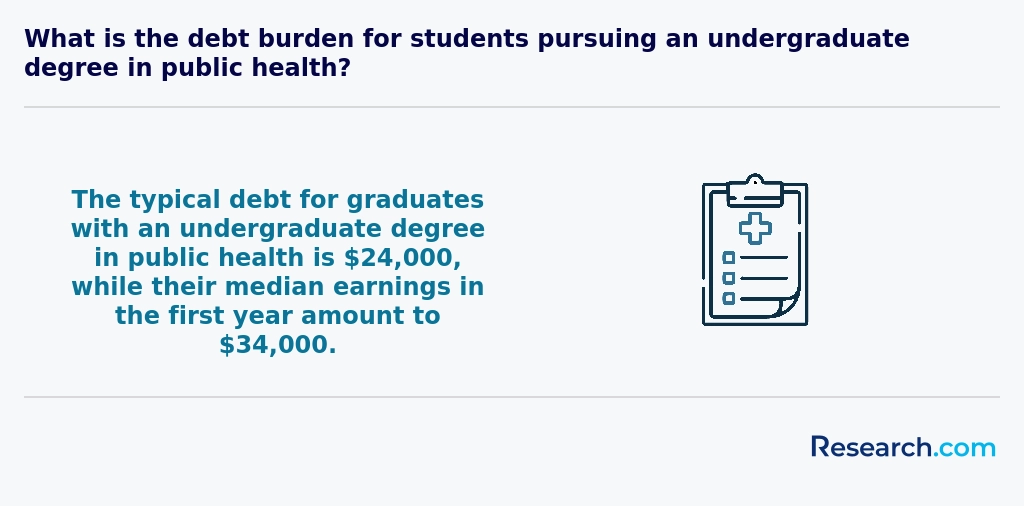
- Public health programs in Tallahassee offer Bachelor's and Master's degrees with in-state tuition ranging from $5,000 to $15,000 annually.
- Out-of-state students may face tuition costs that are double or more compared to in-state rates.
- Entry-level salaries for public health graduates start between $45,000 and $55,000 per year.
- Mid to late career salaries can rise to between $70,000 and $85,000 annually in Tallahassee.
- Job growth in public health fields is steady, supported by local government agencies and community health organizations.
- Students have access to internships and practicum experiences at state health departments and healthcare providers for practical training.
In Tallahassee, completing a public health degree varies mainly by the level of study and program format. For instance, many graduates from Florida State University share that finishing a Bachelor of Science in Public Health typically takes about four years of full-time commitment, matching the standard U.S. timeline of around 120 credit hours spread across eight semesters. This structure creates a manageable pace that balances coursework and life outside school, which many find encouraging rather than overwhelming.
Graduate students pursuing a Master of Public Health (MPH) often report taking about two years full-time. However, an accelerated one-year option exists for highly motivated students, though it demands intense workloads that aren't suitable for everyone. Some working professionals opt for part-time enrollment, extending their study to four years or more, reflecting the trade-off between flexibility and time.
Practical components such as internships further shape the timeline. Many Tallahassee students appreciate how hands-on experiences deepen learning but recognize these add months to program duration. Combined bachelor's to master's pathways also appeal to those wanting a faster route by integrating curricula, cutting down total years spent in school.
Students pursuing public health degrees in Tallahassee often face a clear distinction between online and on-campus formats, each shaping their educational journey differently. For example, graduates from Florida State University's on-campus program recall meaningful face-to-face interactions with faculty and peers, which fostered valuable connections through in-person lectures and community health projects. This direct engagement frequently led to internships facilitated by local health agencies-an experience that many found rewarding and essential for building a career network.
Conversely, online public health students from institutions like Florida A&M University emphasize the flexibility their programs provided, allowing them to balance coursework with jobs and family responsibilities seamlessly. The asynchronous nature of online classes lets students study at their own pace, although some graduates note the challenge of missing spontaneous campus networking or local mentorship opportunities common in Tallahassee's public health community.
Despite these differences, both formats hold equal accreditation, and graduates frequently stress the importance of personal discipline and proactive outreach in either setting to maximize professional growth.
The average cost of obtaining a public health degree in Tallahassee varies widely depending on residency status and institution. For many students attending Florida State University or Florida A&M University, the median in-state total cost is around $5,720, which aligns with the affordability commonly experienced by local residents. Graduates often speak positively about balancing quality education with manageable tuition fees. However, for out-of-state students, the cost may rise significantly, reaching closer to $31,476, reflecting a considerable financial commitment that needs to be carefully weighed.
Students pursuing public health degrees in Tallahassee report that beyond tuition and fees, expenses like textbooks, supplies, and living costs add up, influencing the total financial requirement. The public health degree tuition and fees Tallahassee students face reflect these broader living expenses, which can make budgeting an essential skill throughout their studies. Many find relief through scholarships and financial aid packages specific to these universities, which can substantially ease costs and make the experience more rewarding and less stressful.
In exploring cost factors, prospective students often consider alternatives like assisting roles or scholarships to reduce their bottom line. The value of Tallahassee's educational environment becomes clearer when understood alongside Nevada's economic advantages, offering an insightful comparison for those weighing regional tuition differences.
Below is the Research.com 2024 ranking of the leading Public Health degree programs in Tallahassee, FL, selected for their academic quality, hands-on learning opportunities, and graduate outcomes: 1. Florida State University (FSU) – Bachelor of Science in Public Health • CEPH-accredited program with concentrations in Epidemiology and Health Policy • Robust internship network through the Florida Dept. of Health 2. Florida A&M University (FAMU) – Bachelor of Science in Public Health • Emphasis on health disparities and community engagement • Access to minority health research centers and scholarship support 3. Tallahassee State College (TCC) – Associate of Science in Public Health • Two-year pathway with guaranteed transfer agreements to FSU and FAMU • Practical coursework in Environmental Health and Biostatistics 4. Southeastern College – Bachelor of Science in Public Health • Accelerated online and evening formats for working professionals • Career services including resume workshops and on-campus fairs 5. Keiser University–Tallahassee – Master of Public Health (MPH) • Small cohort sizes and personalized faculty mentorship • Capstone project opportunities with local nonprofits While these Tallahassee-based programs deliver exceptional value and outcomes, cost-conscious students may also consider out-of-state online options; see our Affordable Online Public Health Degree Programs Ranking in the West for additional insights.
Students pursuing public health degrees in Tallahassee often rely on a mix of federal, state, and local financial aid to manage costs. For instance, graduates from Florida State University have found the Pell Grant indispensable, as it provides up to $7,395 annually based on financial need-an amount that can significantly reduce the burden of tuition and living expenses. While undergraduates frequently benefit from grants like these, graduate students may lean more heavily on federal loans or assistantships associated with research programs, which also offer valuable practical experience.
State-specific aid, such as the Florida Bright Futures Scholarship, rewards academic excellence and can alleviate tuition costs for Florida residents, making public health education more accessible in Tallahassee. Scholarships targeting public health students, often funded by university departments or local organizations, provide additional relief. Graduates recall feeling supported not only financially but emotionally, thanks to scholarships from local foundations and associations like the American Public Health Association.
Many find work-study roles or employer tuition reimbursement programs particularly helpful, especially those employed in healthcare settings around Tallahassee, where employers encourage advancing public health expertise. These options not only ease financial pressure but build a strong network within the community, enriching both academic and professional journeys.
Navigating the application process is a critical step when choosing the right public health program, and understanding these steps can make your transition smoother and more informed. Begin by researching admission requirements for your target institutions; ensure you meet prerequisites-such as required coursework, minimum GPA, and any standardized testing scores-so you can confidently prepare your application package. Planning ahead is key: start by gathering strong letters of recommendation from instructors or professionals in the field and crafting a compelling personal statement that highlights your passion and dedication to community health. Another essential aspect is staying organized and mindful of deadlines. Prospective students should create a timeline that outlines each step-from application submission and financial aid forms to scholarship applications-to alleviate stress and improve your chances of acceptance. Utilize free resources provided by your chosen institutions, including virtual campus tours, admission webinars, and counseling services that can offer personalized advice about the enrollment process. For those who are budget-conscious, exploring affordable public health programs in florida can be a great starting point. These programs often provide detailed guidance on financial aid applications, scholarship opportunities, and low-cost online learning options that allow you to balance cost with quality education. Finally, consider reaching out to current students or alumni through social media groups or campus information sessions. Their insights can offer a real-world perspective on both the academic rigor and supportive campus culture, making your decision process more informed and optimistic about your future in public health.
To enroll in public health degree programs in Tallahassee, students typically need a solid academic foundation, starting with a high school diploma or GED for undergraduate tracks. Graduates from local institutions like Florida State University often recall that excelling in biology, chemistry, and math was key, as these subjects prepare candidates for complex public health topics.
Admission often requires standardized tests like the SAT or ACT, though some schools now adopt test-optional policies. Graduate programs, such as MPH degrees, expect a bachelor's degree, ideally with coursework in biology or statistics, yet they also welcome diverse academic backgrounds. This flexibility allows students with varied interests to pursue public health careers.
Applicants also benefit from submitting strong letters of recommendation and thoughtful personal statements that share genuine motivation and career aspirations. Many graduates highlight how relevant volunteer or work experience in health-related settings helped them stand out, especially when GRE scores were optional.
Engaging with Tallahassee's public health agencies for internships gives prospective students a practical edge, complementing academic prerequisites with real-world insight and confidence.
Tallahassee’s public health programs are distinguished by faculty whose expertise spans epidemiology, biostatistics, environmental health, and health policy. At Florida State University and Florida A&M University, professors hold leadership roles in nationally funded research projects, publish regularly in high-impact journals, and consult for agencies like the CDC and NIH. Their real-world insights into disease surveillance and health equity ensure that classroom concepts align with the latest public health challenges. Dedicated research centers-such as FSU’s Emerging Pathogens Institute and FAMU’s Environmental Toxicology Laboratory-offer students hands-on experience analyzing health data, conducting field assessments, and designing community interventions. Under faculty mentorship, students have co-authored papers on food insecurity, vector-borne diseases, and the social determinants of health, showcasing Tallahassee’s commitment to evidence-based practice. Opportunities to contribute to ongoing studies help students build critical skills and professional networks. Graduate students collaborate on grant-funded projects that evaluate vaccination outreach strategies, while undergraduates assist with community health assessments in underserved neighborhoods. Whether planning an internship or exploring the master of public health mph degree career path, engagement with faculty-led research equips graduates with a competitive edge in both academic and applied settings.
Public health degree programs in Tallahassee typically include core courses that provide a broad foundation for students. Graduates from popular institutions like Florida State University often recall how courses such as Introduction to Public Health grounded them in the historical and philosophical roots of the field, making complex ideas more accessible through real-world examples, like examining local health campaigns.
Epidemiology and Biostatistics are frequently highlighted for their practical applications. Students describe analyzing disease data from the surrounding community, which deepened their appreciation for the methods behind tracking health trends. Environmental Health courses bring awareness to challenges faced by Florida's diverse ecosystems, reinforcing lessons with fieldwork opportunities.
Health Policy and Management classes appeal to those interested in the state's regulatory environment, especially given Tallahassee's status as Florida's capital. Social and Behavioral Sciences often resonate through case studies involving local populations, providing insight into how behavior and environment influence wellness. Such courses collectively prepare students not just academically, but with experiences fostering confidence and a sense of purpose.
In Tallahassee, public health degree specializations often reflect the city's unique blend of urban and rural health concerns. Popular options include Epidemiology, which engages students in studying disease patterns-a critical skill given Tallahassee's active role in managing infectious diseases. Graduates from local universities often share enthusiasm about applying real-world epidemiological data to community health strategies, enhancing their learning experience. Another key specialization is Health Policy and Management, leveraging Tallahassee's status as Florida's capital. Here, students gain insight into policy formulation and healthcare administration, preparing them for roles in government or nonprofit sectors, as many graduates attest from their practicum experiences. Environmental Health is also prominent, with attention to Florida's climate challenges influencing coursework and research. Additionally, options like Biostatistics, Community Health Education, and Global Health provide broader expertise. Considering these areas, those interested in pathways such as healthcare management roles will find relevant preparation among these specializations, especially at institutions known for the best public health programs Tallahassee specializations offer.
Choosing the best public health degree in Tallahassee involves evaluating more than just the reputation of schools like Florida State University. Graduates often highlight the value of programs accredited by the Council on Education for Public Health (CEPH), which signals curriculum quality and can enhance job prospects locally and beyond. However, accreditation alone isn't enough-it's equally important to consider program specializations that resonate with your career goals, whether that's epidemiology, health policy, or environmental health. Many students appreciate courses connected directly to Tallahassee's public health agencies, offering hands-on internships that enrich learning.
Affordability also shapes decisions among those seeking affordable public health degrees in Tallahassee. In-state tuition rates here tend to be reasonable compared to private options, yet prospective students should plan for additional costs like books and housing. Faculty expertise and research opportunities in chronic disease prevention or community health disparities often inspire graduates to pursue impactful projects.
Finally, career support plays a crucial role; program networks linked to Tallahassee's public health sector can open doors. For those considering ancillary options, reviewing accredited medical assistant programs accredited medical assistant programs is a useful step in navigating related pathways.

Graduates holding a public health degree in Tallahassee often find diverse career paths, each with unique challenges and rewards. Many choose to work in government roles within Florida's Department of Health, gaining firsthand experience in monitoring disease outbreaks and developing targeted prevention programs. Others leverage Tallahassee's proximity to federal agencies such as the CDC and NIH, where they engage in research, policy development, or emergency response-a path praised by graduates for its impactful, fast-paced environment.
Some public health professionals gravitate toward nonprofit organizations, where they manage programs aimed at vulnerable communities and promote health equity. Healthcare institutions in the region also offer roles focused on health promotion and quality improvement, providing a collaborative setting alongside medical teams. Students from popular institutions like Florida State University appreciate how these career opportunities align with their academic training and financial considerations. Exploring gerontology career growth also complements public health expertise, expanding job opportunities beyond traditional roles.
Considering public health careers in Tallahassee means acknowledging a competitive but growing job market. Graduates report that entry-level salaries between $45,000 and $60,000 reflect both the region's economic landscape and the increasing demand projected by the U.S. Bureau of Labor Statistics. This blend of state and federal options makes public health a dynamic field in this vibrant city.

The public health job opportunities in Tallahassee reflect the city's role as Florida's capital, with steady demand in government agencies like the Florida Department of Health. Graduates often find themselves in diverse roles such as epidemiologists, health educators, or policy analysts, supported by a favorable 15% projected growth in public health occupations statewide. Those who studied at local universities, like Florida State University or Florida A&M University, often report gaining practical experience through community health initiatives, which enhances their employability in this competitive market.
Employment outlook for public health graduates Tallahassee is also shaped by expanding community programs targeting chronic diseases and emergency preparedness. Despite salaries being somewhat modest-ranging from $45,000 to $60,000 initially-graduates appreciate the meaningful impact of their work within public institutions and nonprofits. For students concerned about cost, exploring affordable public health programs in florida can be a strategic choice, especially considering in-state tuition rates. While some may worry about limited private sector roles, the strong local network of research and government jobs offers motivating opportunities for those focused on making a difference.
2027 Best Public Health Degree Programs Ranking in Tallahassee
Investing in your education is a significant decision that can shape your future, and the Research.com team understands the importance of making informed choices. To assist prospective students in Tallahassee, we have meticulously crafted the "2027 Best Public Health Degree Programs Ranking in Tallahassee." Our commitment to quality, credibility, and accuracy is reflected in the extensive research and analysis conducted to compile this ranking.
We utilized the following reputable data sources to ensure a comprehensive evaluation of public health degree programs:
By exploring this ranking, readers will gain valuable insights into the top public health programs available in Tallahassee, helping them make well-informed decisions about their educational paths. For more details on our methodology, please visit our Research.com methodology page.


Frequently Asked Questions About public health
Public health degree students in Tallahassee can maximize their learning experience by engaging deeply with local health organizations and programs. Tallahassee is home to the Florida Department of Health's headquarters, offering unique internship and networking opportunities critical for real-world exposure. Participating in community health initiatives in Leon County helps students apply classroom knowledge to local public health challenges.
Students should also leverage research opportunities at Florida State University, where public health research often addresses state-wide health priorities such as chronic disease and emergency preparedness. Access to expert faculty and regional data enhances skills development.
Active involvement in professional associations like the Florida Public Health Association also promotes career growth through workshops and conferences.
The field of public health is rapidly evolving, with several emerging niches gaining prominence. In Tallahassee, specialization areas such as epidemiology and health informatics have seen increased demand, partly due to the city's growing focus on disease surveillance and data-driven health strategies.
Another significant niche is environmental health, addressing local concerns like coastal pollution and climate-related health impacts in Florida. Additionally, community health and behavioral health are critical, reflecting efforts to improve mental health and chronic disease management in diverse populations.
These areas align with national trends highlighted by the Association of Schools and Programs of Public Health (ASPPH), supporting future career opportunities in Tallahassee's public health sector.
Preparing for the job market after earning a public health degree in Tallahassee involves several key steps. Networking through local organizations like the Florida Public Health Association can connect graduates with employers in the region. Internships, often arranged through Florida State University or Florida A&M University, provide valuable hands-on experience and increase job prospects. According to the Bureau of Labor Statistics, public health roles in Florida are projected to grow by 16% through 2030, reflecting strong demand locally.
Students should also consider obtaining relevant certifications such as Certified Health Education Specialist (CHES) to enhance their resumes. Attending local job fairs and joining public health professional groups in Tallahassee further support career entry. Staying current with public health trends and policies in Florida is essential for long-term success.
Employers in Tallahassee seek public health graduates with strong analytical and communication skills. Data interpretation is essential, as graduates often work with health statistics to inform policy decisions and community programs. According to the Florida Department of Health, understanding epidemiology and biostatistics ranks highly in local job postings.
In addition, employers value practical experience in community outreach and program management. Graduates must demonstrate the ability to collaborate with diverse populations and effectively promote health initiatives. Leadership and problem-solving skills are also in demand, helping public health professionals adapt to challenges such as disease outbreaks or health inequities in Leon County.
Knowledge of public health laws and ethical standards specific to Florida further strengthens a candidate's prospects in Tallahassee's competitive job market. These competencies collectively prepare graduates to contribute effectively in government and nonprofit sectors prominent in the city's public health landscape.
Finding internships relevant to a public health degree in Tallahassee involves tapping into local resources connected to health organizations and educational institutions. The Florida State University (FSU) College of Public Health & Social Work, for example, offers internship placement support and partnerships with agencies like the Florida Department of Health in Leon County. These internships provide hands-on experience in epidemiology, community health, and health policy.
Additionally, students can explore opportunities with local hospitals, non-profits, and government agencies that frequently offer internships focusing on public health initiatives.
According to the Florida Department of Health, Tallahassee's public health workforce is actively expanding, increasing the demand for trained interns.
Networking through professional associations and career fairs in Tallahassee also helps students identify and secure internships early in their academic careers.
A public health degree in Tallahassee offers significant advantages for career mobility and advancement. Tallahassee is home to major public health employers, including the Florida Department of Health headquarters, which actively seeks qualified graduates. Holding a degree in public health can open doors to roles in policy development, epidemiology, health education, and community health management.
According to the U.S. Bureau of Labor Statistics, public health-related jobs in Florida are projected to grow by 15% through 2031, driven by increasing healthcare demands. In Tallahassee, this growth reflects expanding opportunities in government agencies, nonprofits, and healthcare organizations.
Graduates with public health credentials often find themselves eligible for higher-paying positions and leadership roles, supported by local networks and continuing education programs available through Tallahassee-based institutions. This degree enhances both horizontal and vertical career shifts within the evolving public health landscape.
Studying for a public health degree in Tallahassee offers unique preparation for interdisciplinary roles due to the city's blend of academic resources and community health initiatives. Tallahassee is home to Florida State University and Florida A&M University, both providing curricula that integrate fields like epidemiology, environmental science, policy, and social behavior. This encourages students to develop skills applicable across varied public health domains.
The proximity to state health agencies, such as the Florida Department of Health, gives students access to practical experience and networking opportunities, which are essential for interdisciplinary collaboration. According to the Florida Department of Health, Tallahassee's public health challenges include addressing chronic disease and health disparities, requiring professionals adept in cross-sector teamwork.
Programs often incorporate real-world problem-solving, linking classroom knowledge with public policy, healthcare, and community outreach, thereby enhancing a graduate's ability to work with diverse teams and populations.
When choosing between a thesis and a non-thesis public health degree program in Tallahassee, students should consider their career goals and learning preferences. Thesis programs typically require original research and a written dissertation, which benefits those interested in research, academia, or advanced studies. Non-thesis options often focus on practical skills through internships or projects, suited for students seeking immediate workforce entry.
The Florida Department of Health shows strong local demand for practical public health professionals, which may make non-thesis programs more appealing for quick employment. Meanwhile, thesis programs might better prepare students aiming for doctoral studies or research roles.
Students should also assess faculty expertise and available resources at Tallahassee institutions to support their chosen path.
Students in Tallahassee seeking to study public health abroad have several avenues through U.S. higher education institutions. Florida State University, a major local university, often supports study abroad programs within its School of Public Health, allowing students to gain international experience while receiving academic credit.
These programs commonly involve partnerships with universities in countries such as the United Kingdom, Australia, and several European nations. Students can focus on global health topics, epidemiology, or health policy during these exchanges.
Additionally, organizations like the Council on Education for Public Health (CEPH) provide guidance on accredited programs that may include international study components, enhancing credentials with global perspectives.
Access to scholarships and fellowships specifically targeting study abroad is also increasing, making these opportunities more feasible for students based in Tallahassee.
Students pursuing public health degrees in Tallahassee have several part-time job opportunities that complement their education. Working as a research assistant at Florida State University or Florida A&M University provides hands-on experience in data collection and analysis, essential skills for public health careers. Local government agencies, including the Leon County Health Department, often seek part-time interns to support community health programs and epidemiology projects.
Additionally, positions such as health educators or outreach coordinators with nonprofits help students develop communication skills and understand public health initiatives at the grassroots level. According to the Bureau of Labor Statistics, Tallahassee has a growing public health sector, with employment in health education projected to increase by 12% by 2030, indicating ample opportunities for students. These roles offer valuable insights and foster professional networks within the local public health community.
Tallahassee offers robust networking opportunities for public health students, largely due to its role as Florida's capital and home to major public health institutions. Florida State University's College of Public Health provides access to events, seminars, and partnerships with the Florida Department of Health. These connections enable students to engage with public health professionals actively involved in policy and community health.
Local organizations such as the Big Bend Minority Chamber of Commerce and the Tallahassee Public Health Advisory Council host networking events that specifically focus on health initiatives. Additionally, Tallahassee's status as a governmental hub attracts internships and volunteer opportunities in public health administration and advocacy.
According to the Florida Department of Health, Tallahassee's public health workforce has grown by 12% in recent years, reflecting increasing regional demand for skilled professionals, which benefits students seeking career connections.
Alumni networks play a crucial role for public health degree students in Tallahassee by providing valuable professional connections. Graduates from local institutions, including Florida State University, often engage with these networks to share job leads, internships, and research opportunities. According to the Florida Department of Health, Tallahassee has a growing public health sector, increasing the importance of strong professional ties. These networks also offer mentorship, giving students guidance on career paths and advanced studies. Access to alumni events and online platforms helps students build relationships with professionals who understand challenges specific to Florida's public health landscape. This support enhances career readiness significantly.
Customizing a public health degree program in Tallahassee allows students to align their education with specific career goals. Many institutions in the area offer flexible curricula, enabling choices among concentrations such as epidemiology, health policy, or community health. Tallahassee's role as Florida's capital provides unique internship opportunities with state health departments and nonprofits, giving practical experience that enhances resumes.
Students may also select electives focusing on local public health challenges, like chronic disease prevention or health disparities prevalent in Florida's diverse population. Additionally, pursuing research projects with faculty addressing regional health issues can further individualize the learning experience and expand professional networks.
Public health students in Tallahassee often face challenges related to balancing rigorous coursework with practical field experiences. Many programs require internships or practicums, which can be difficult to arrange due to limited local public health agencies offering placements. According to the Florida Department of Health, Tallahassee's public health sector is smaller compared to major metropolitan areas, which limits hands-on opportunities for students.
Financial strain is another common issue, as tuition costs combined with living expenses can be high. Scholarships specific to public health are limited in the area, increasing reliance on federal loans. Additionally, students report difficulty in staying updated with rapidly evolving public health policies and technologies, a challenge nationwide but particularly noted among Florida programs by recent surveys from the Association of Schools and Programs of Public Health.
Graduates with a public health degree in Tallahassee can pursue several nationally recognized professional certifications to enhance their careers. One prominent option is the Certified in Public Health (CPH) credential, offered by the National Board of Public Health Examiners. This certification demonstrates mastery of core public health knowledge and skills.
Another widely respected certification is the Registered Health Education Specialist (CHES), provided by the National Commission for Health Education Credentialing, useful for those focusing on community education and outreach.
Professionals may also consider certifications in epidemiology, like the Certificate in Epidemiology from the Council of State and Territorial Epidemiologists, which is valuable given Tallahassee's role as Florida's public health hub.
These certifications often require a combination of education, experience, and passing an exam, helping graduates stand out in competitive job markets locally and nationally.
When applying to public health programs in Tallahassee, a strong application highlights your passion for community health and your understanding of local challenges. Begin with a clear personal statement detailing your motivation and connection to public health issues relevant to Florida, such as chronic disease prevention or disaster response.
Academic records should demonstrate competency in sciences and social sciences, with recommendations from professors or professionals familiar with your commitment to public health. Programs often value practical experience, so including volunteer work or internships in nearby health departments can strengthen your application.
According to the Florida Department of Health, Tallahassee has prioritized addressing health disparities, which you can reference to show awareness of regional priorities. Finally, tailor each essay to the specific program's focus and submit all documents before deadlines to improve your chances of admission.
Public health careers offer a broad global perspective, reflecting the interconnected nature of health challenges today. Graduates with degrees from Tallahassee institutions enter fields addressing issues like infectious diseases, environmental health, and health equity worldwide. The U.S. Bureau of Labor Statistics projects a 17% growth in public health jobs nationally from 2021 to 2031, driven by increased demand for disease prevention and health promotion globally.
Many Tallahassee programs incorporate global health topics to prepare students for work both locally and abroad. These careers often involve collaboration with international organizations such as the World Health Organization or the Centers for Disease Control and Prevention, which have strong operational ties in Florida.
Such global roles emphasize culturally informed strategies, critical for effective interventions in diverse populations. According to data from the Florida Department of Health, public health roles in the state increasingly address global health dissemination efforts, linking local actions to worldwide impact.
Gaining practical experience while studying public health in Tallahassee is essential for career development. Students can participate in internships offered by local health departments, such as the Florida Department of Health in Leon County, which frequently collaborates with universities to provide hands-on learning opportunities. These internships allow students to engage in community health assessments, epidemiology projects, and health promotion activities.
Many Tallahassee institutions also encourage volunteering with organizations like Big Bend Cares or the American Red Cross, where students can apply public health principles to real-world challenges.
Additionally, students may benefit from service-learning courses that blend classroom instruction with fieldwork, enhancing both knowledge and practical skills.
According to the Centers for Disease Control and Prevention (CDC), involvement in practical public health experiences significantly improves job placement rates after graduation.
Choosing the right concentration within a public health degree program in Tallahassee begins with understanding your career goals and the local health landscape. Tallahassee, as the capital of Florida, hosts diverse public health challenges including chronic disease prevention, environmental health, and health policy. According to the Florida Department of Health, the region emphasizes addressing disparities in rural and underserved communities.
Many universities in Tallahassee offer concentrations such as epidemiology, community health, and health policy management. Reviewing the curriculum, faculty expertise, and local internship opportunities can guide your decision. Additionally, consider aligning your focus with Tallahassee's workforce demands, where public health roles are growing by about 7% annually, per the U.S. Bureau of Labor Statistics.
Engaging with local public health agencies or attending university information sessions helps clarify which concentration fits your interests and the market needs.
- 2027 Best Public Health Degree Programs Ranking in Gainesville
- 2027 Best Public Health Degree Programs Ranking in Statesboro
- 2027 Best Public Health Degree Programs Ranking in Tampa
- 2027 Best Public Health Degree Programs Ranking in Savannah
- 2027 Best Public Health Degree Programs Ranking in Atlanta
- 2027 Best Public Health Degree Programs Ranking in Athens
- 2027 Best Public Health Degree Programs Ranking in Birmingham
- 2027 Best Public Health Degree Programs Ranking in Columbia
- 2027 Best Public Health Degree Programs Ranking in New Orleans
- 2027 Best Public Health Degree Programs Ranking in Fort Lauderdale
- Master of Science (M.S.) Major in Public Health Education and Promotion (Non-thesis Option) https://mycatalog.txstate.edu/graduate/education/health-human-performance/public-healthed-promo-nonthesis-ms/
- A Global Health Immersion Program for Nursing and Public Health Students | Annals of Global Health https://annalsofglobalhealth.org/articles/10.5334/aogh.4746
- What Can You Do With a Public Health Degree? https://www.publichealthdegrees.org/careers/what-can-you-do-with-public-health-degree/
- Public Health https://disabroad.org/program/public-health/
- For Academic Public Health https://globalnetworkpublichealth.org/
- Loading https://www.cpalms.org/PreviewResourceStudentTutorial/Preview/166485
- APHA Internships & Fellowships https://www.apha.org/professional-development/apha-internships
- Young WFPHA Initiative – Empowering Young Public Health Professionals https://www.wfpha.org/young-wfpha/
- Public Health: A Global Perspective https://www.routledge.com/Public-Health-A-Global-Perspective/Singh/p/book/9781032644226
- Public Health/Global perspective - Wikiversity https://en.wikiversity.org/wiki/Public_Health/Global_perspective










