
2027 Best Public Health Degree Programs Ranking in Fort Lauderdale

Co-Founder and Chief Data Scientist
Choosing the right public health degree program in Fort Lauderdale can be overwhelming. To help, this article presents the 2027 Best Public Health Degree Programs Ranking in Fort Lauderdale, developed by the Research.com team of expert data scientists.
By exploring this ranking, you can confidently identify programs that stand out for quality and impact. Earning a public health degree opens doors to meaningful careers that make a difference in communities.
This guide is designed to support your educational journey and empower you with reliable insights for an informed decision.
Key benefits of getting public health degree in Fort Lauderdale
- Public health degree graduates in Fort Lauderdale can earn well, with roles like Environmental Health Specialists earning about $86,710 annually and Medical Assistants earning around $43,350, showing strong financial potential.
- Career paths from public health degrees are diverse, including positions such as Community Health Workers and Occupational Health Specialists, offering rewarding opportunities to impact community wellbeing.
- Online public health degrees offer flexibility and convenience, making it easier for busy students to balance work and study while earning a respected credential from local universities.
- 2027 Best Public Health Degree Programs Ranking in Fort Lauderdale
- What can I expect from public health degree in Fort Lauderdale?
- Where can I work with public health degree in Fort Lauderdale?
What can I expect from public health degree in Fort Lauderdale?
The average cost of a public health degree in Fort Lauderdale varies depending on the institution and program level. At well-known local universities, undergraduate programs typically range from $15,000 to $25,000 per year for in-state students, while graduate programs such as the Master of Public Health (MPH) can cost between $20,000 and $35,000 annually. Graduates from these programs often mention that financial aid and scholarships are accessible, making the investment manageable and worthwhile.
Students consistently value the practical experience embedded in their studies, which often offsets tuition costs by enhancing job readiness. For example, one graduate recalled interning at a local health department, gaining firsthand knowledge in community health outreach that directly linked coursework with real-world challenges in Broward County.
Choosing programs accredited by the Council on Education for Public Health (CEPH) ensures academic rigor and better job prospects, which adds long-term value despite upfront costs. Fort Lauderdale's dynamic health environment, combined with solid educational support, helps students feel confident that their investment in a public health degree will lead to meaningful, fulfilling careers.
Where can I work with public health degree in Fort Lauderdale?
Graduates with a public health degree in Fort Lauderdale find opportunities across multiple sectors. Many begin their careers at the Broward County Health Department, working as epidemiologists or health educators managing disease control and emergency preparedness. These roles offer hands-on experience supporting community health, a rewarding aspect often mentioned by alumni from local colleges like Nova Southeastern University.
Hospitals such as Broward Health attract public health professionals to lead patient education and wellness initiatives, allowing recent graduates to impact preventive care directly. Internships during studies at institutions like Broward College often open doors to these roles, fostering confidence and practical skills.
Nonprofit organizations focused on HIV/AIDS awareness or maternal health provide meaningful settings for advocacy and program coordination. Graduates frequently highlight their satisfaction contributing to community-focused missions while gaining valuable research experience.
Additionally, corporate wellness roles and consulting firms offer dynamic career paths where graduates design employee health programs or analyze public health data, reflecting Fort Lauderdale's growing economy and emphasis on workplace safety.
Each of these paths supports graduates in building fulfilling careers rooted in local public health needs, demonstrating the degree's versatility in Fort Lauderdale's vibrant health sector.
Graduates with a public health degree in Fort Lauderdale can realistically expect to start their careers earning around $40,000 to $53,000 annually in entry-level roles such as community health workers, where the mean wage is approximately $52,610. For those who pursued studies at renowned local institutions, gaining hands-on experience and certifications has helped them step into health educator positions, which offer mean annual pay near $69,790, reflecting strong demand in Miami-Fort Lauderdale's healthcare environment.
Advancing with a Master of Public Health or specializing can lead to roles like environmental health specialists or occupational health and safety specialists, earning between $85,000 and $87,000 yearly. Graduates often share how internships with local health departments and networking within Fort Lauderdale's expanding public health sector opened doors to these lucrative roles.
Focusing on practical skills such as data analysis or program management, taught by prominent Fort Lauderdale colleges, has enabled graduates to exceed typical salaries. With Florida's health industry growth, aspiring professionals are encouraged to seize continuing education opportunities and certification incentives to maximize earning potential.
- Tuition for public health programs in Fort Lauderdale ranges from $15,000 to $30,000 per year for in-state students, while out-of-state students may pay over $35,000 annually.
- Entry-level salaries for bachelor's degree holders start around $45,000 to $55,000 per year.
- Graduates with a Master of Public Health (MPH) can expect salaries between $65,000 and $85,000 depending on experience and job role.
- Experienced professionals in roles like hospital administration or epidemiology can earn more than $90,000 annually.
- The job market is growing due to public health challenges, with employment growth projected above the national average in areas such as health education and community health.
Completing a public health degree in Fort Lauderdale generally takes about four years for a Bachelor of Science in Public Health (BSPH). Many graduates from local universities like Florida International University appreciate how the blend of general education and specialized courses keeps them engaged and motivated throughout the traditional timeline. Some highly driven students take advantage of accelerated programs, finishing in three years by taking heavier course loads.
For those pursuing a Master of Public Health (MPH), the standard is around two years of full-time study. Graduates often mention that practicum experiences and flexible hybrid formats available locally helped them balance work and study effectively. Part-time or online options offered by schools near Fort Lauderdale can extend completion time to three or four years but provide the essential flexibility for working professionals.
Doctoral degrees like the DrPH or PhD typically require four to six years, often involving research and leadership training. Although Fort Lauderdale has limited doctoral programs, many students enroll in nearby institutions or online programs tailored for South Florida, allowing them to maintain connections locally while advancing their expertise.
On-campus public health degrees in Fort Lauderdale, such as those offered by Nova Southeastern University, provide rich in-person experiences. Graduates often highlight the advantage of direct access to local hospitals and health departments for internships, enhancing practical skills and networking. This face-to-face environment supports immediate interaction with professors and peers, which many find motivating and helpful for group projects or real-time feedback.
Conversely, online programs offer flexibility that suits students balancing jobs or family commitments. Fort Lauderdale residents who choose online degrees appreciate the ability to study asynchronously, fitting coursework around busy schedules without commuting. Many find this approach less stressful and more affordable, since online tuition often avoids extra campus fees and housing costs.
Both learning modes cover core subjects like epidemiology and health policy, with accreditation from CEPH ensuring quality. Choosing between them depends on your personal needs: whether you value hands-on local engagement or flexible, cost-effective learning from anywhere in Fort Lauderdale's vibrant community.
Investing in a Public Health degree in Fort Lauderdale often yields strong financial returns when tuition costs are weighed against starting salaries and career growth. On average, a two-year Master of Public Health (MPH) in the region carries total tuition expenses of approximately $106,900, yet graduates enter the workforce earning mean annual wages of $66,710 as Health Educators and up to $83,820 as Environmental Health Specialists. This translates to a typical payback period of just 2–4 years, depending on specialization and employer sector. For bachelor’s degree seekers, a four-year program costing roughly $15,000–$25,000 per year can be recouped within 3–5 years, given the $49,900 average salary for entry-level Community Health Workers. Accelerated online and part-time pathways further shorten time to degree completion and reduce living-expense burdens. Prospective students keen to maximize value should compare programs not only by reputation and accreditation but also by net cost after scholarships, grants, and work-study options. For those prioritizing cost-effectiveness and minimal debt load, explore the Most Affordable Public Health Degree Programs, which pair lower tuition with robust career services. Ultimately, by selecting a program with strong alumni outcomes, comprehensive financial aid packages, and high employer placement rates, Fort Lauderdale Public Health graduates can achieve a rapid return on investment while making meaningful contributions to community health.
The average cost of a public health degree in Fort Lauderdale typically centers around $38,700 for in-state students and approximately $58,846 for out-of-state students. These figures reflect the total tuition expenses over the full course of study at prominent institutions in the area. Graduates from well-known Fort Lauderdale universities often mention feeling that their investment was worthwhile, given the quality of education and opportunities offered in public health fields.
Students pursuing a public health degree within Fort Lauderdale have options to manage their expenses. For example, community college pathways allow residents to start with lower tuition before transferring to four-year programs, making it easier to control overall costs. Those attending private colleges may face higher fees but often benefit from specialized programs that align closely with career goals in public health.
Beyond tuition, it's important to budget for additional fees, books, and living expenses, which can add up to several thousand dollars annually. A common approach among public health graduates is to combine part-time work or internships with studies, enabling practical experience while easing financial burdens. For students exploring healthcare-related fields, reviewing online nursing programs requirements Texas can offer helpful insights on flexible study options and cost management strategies beyond Fort Lauderdale.
Understanding the average cost and preparing for related expenses empowers prospective students in Fort Lauderdale to make informed decisions about their public health degree tuition and fees Fort Lauderdale, maximizing both education quality and affordability.

When deciding on a public health degree program, it is essential to not only consider the quality of the curriculum and the range of career opportunities but also the overall return on investment (ROI) from your educational experience. Evaluating ROI involves analyzing tuition costs alongside long-term career earnings, scholarship opportunities, and post-graduation support services. Prospective students should assess financial aid packages, compare program fees, and scrutinize hidden expenses like lab fees and living costs. In addition, researching alumni outcomes and job placement statistics can help you forecast potential earnings and the speed at which you may recoup your tuition investment. For instance, finding an affordable public health school in florida may offer lower upfront costs while maintaining high educational standards and robust career support. This balanced approach ensures that your degree not only enriches your skills and expertise but also provides financial viability and long-term career satisfaction.
Students pursuing a public health degree in Fort Lauderdale can access a range of financial aid designed to ease tuition costs, which typically range from $6,000 to $15,000 annually for in-state attendees. Many rely on federal aid through FAFSA, qualifying for Pell Grants up to $7,395 that don't require repayment, providing crucial relief for those from low-income backgrounds.
State scholarships like the Florida Bright Futures help local students attending public institutions offset fees, making education more affordable. Graduates from schools such as Nova Southeastern University share how institution-specific scholarships and graduate assistantships significantly reduced their expenses, allowing them to focus more on studies and less on finances.
Professional organizations, including the American Public Health Association and the Society for Public Health Education, offer student scholarships that not only ease financial pressure but build valuable public health networks. Combining these with federal or private loans-often featuring flexible repayment or forgiveness options-and local work-study opportunities helps make earning a public health degree in Fort Lauderdale a rewarding and manageable experience.
To enroll in a public health degree program in Fort Lauderdale, you'll generally need a high school diploma with strong foundations in biology, chemistry, and math. This ensures you're prepared for the scientific concepts common in courses at schools like Florida International University or Nova Southeastern University, both well-regarded in the area. Many graduates recall that having these basics made challenging subjects more manageable and boosted their confidence early on.
If you aim for a Master of Public Health (MPH), expect to hold a bachelor's degree-any major counts, but degrees involving biology, statistics, or social sciences strengthen your application. Fort Lauderdale programs often value a GPA around 3.0, reflecting steady academic commitment. Some graduates mention how their prior volunteer work in local clinics helped highlight their dedication during admissions.
Standardized tests like the GRE may not always be required, but checking each program's details matters. Familiarity with South Florida's public health challenges, such as flu outbreaks or tropical disease control, plus skills like bilingualism, can make your application stand out in this diverse community.
Practical experience is key: internships or volunteering at regional health organizations are frequently encouraged or required. Many successful students from local colleges say these opportunities enriched their learning and deepened their passion for public health.
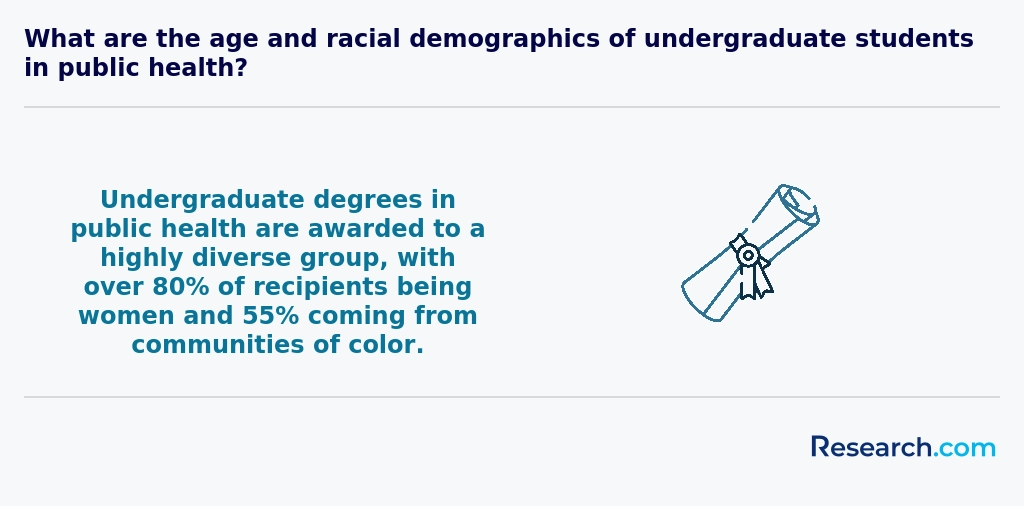
Earning industry-recognized certifications can significantly boost both your employability and earning potential in public health. Many graduates pursue credentials such as the Certified in Public Health (CPH) offered by the National Board of Public Health Examiners and the Certified Health Education Specialist (CHES) designation, which demonstrate specialized expertise and commitment to professional excellence. Key benefits of certification:
- Enhanced Credibility: Employers often prefer candidates with certifications, viewing them as proof of up-to-date knowledge and practical skills.
- Salary Uplift: Certified professionals report average salary increases of 8–12% compared to non-certified peers.
- Career Mobility: Credentials like CPH unlock leadership roles in government agencies, NGOs, and healthcare organizations.
- Networking Opportunities: Certification programs often include membership in professional associations, offering access to exclusive conferences, workshops, and mentorship programs. Preparation tips: 1. Review eligibility requirements early-most certifications require a bachelor’s degree or relevant work experience. 2. Enroll in preparatory courses or study groups to master core topics such as epidemiology, biostatistics, and health policy. 3. Schedule the exam well in advance, allowing time for practice tests and targeted review. To explore evolving master of public health mph degree careers and understand how certification aligns with different specializations, visit our dedicated career guide.
Public health degrees in Fort Lauderdale typically include key courses like Biostatistics, Epidemiology, Environmental Health, Health Policy and Management, and Social and Behavioral Sciences. Graduates from universities such as Nova Southeastern University often share how Biostatistics helped them confidently analyze health data during their internships with local health departments. Epidemiology courses prepare students to track disease outbreaks-a vital skill when dealing with mosquito-borne illnesses common in South Florida.
Environmental Health classes are particularly relevant in Fort Lauderdale, where students learn about managing pollution's impact on coastal communities. Health Policy courses guide students through the complexities of healthcare systems, which many find empowering when working on real projects with hospitals and clinics.
Social and Behavioral Sciences help students understand the cultural and social factors influencing health, insights graduates describe as essential when engaging diverse Fort Lauderdale populations. These practical, hands-on courses create enthusiastic public health professionals ready to make an impact locally.

Public health degree specializations Fort Lauderdale students pursue often include Epidemiology, where graduates learn to analyze disease patterns affecting the region's diverse communities. This hands-on experience equips students from schools like Florida International University to respond effectively to both infectious and chronic disease challenges unique to the urban environment.
Another key specialization is Health Policy and Management, ideal for those aiming to navigate Broward County's complex healthcare systems. Graduates from local programs express confidence in designing policies that improve community health outcomes, often working closely with regional hospitals and insurers as part of their training.
Environmental Health Sciences appeals to students passionate about Fort Lauderdale's coastal ecosystem. By focusing on water quality and climate-related health risks, graduates become vital contributors to addressing issues caused by hurricanes and rising sea levels. Community Health and Global Health tracks also draw students interested in tackling health disparities through culturally competent care.
Those exploring Fort Lauderdale public health career options often appreciate affordable tuition. At institutions like Nova Southeastern University, students find programs aligning with local priorities that foster meaningful community impact. For insight into related health fields' costs, see nurse practitioner degrees kansas cost.
When choosing the best public health degree in Fort Lauderdale, prioritize programs accredited by the Council on Education for Public Health (CEPH) to ensure quality and recognition by local employers. Graduates from Nova Southeastern University and Florida Atlantic University often highlight the benefits of practical experiences through internships with Fort Lauderdale's public health departments and hospitals, which bolster real-world skills. Consider programs offering specializations aligned with local needs, such as environmental health and community health, reflecting Fort Lauderdale's diverse and coastal population.
Affordability plays a key role; many find affordable public health degrees in Fort Lauderdale by leveraging in-state tuition and scholarship opportunities at these universities. Students also recommend exploring programs with strong career services and certification support, especially for the Certified Public Health (CPH) exam, which enhances employability in the competitive South Florida market.
For those balancing work and studies, explore local LPN work-study programs in Colorado that offer flexible pathways to enter the healthcare field while progressing academically.
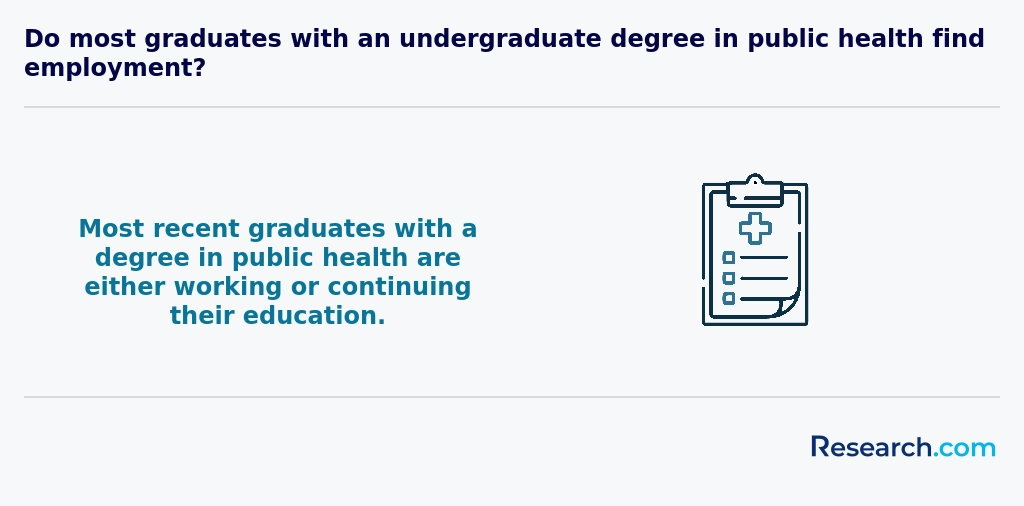
Graduates with a public health degree in Fort Lauderdale find promising career paths tailored to the region's unique needs. Many pursue roles as epidemiologists, especially given the tropical climate's impact on disease spread. This path offers rewarding work investigating health patterns and typically includes competitive salaries reflecting solid demand.
Another popular avenue is becoming health educators or community health workers, positions well suited to Fort Lauderdale's diverse populations. Graduates from local institutions like Nova Southeastern University often share how their roles creating culturally sensitive wellness programs bring meaningful change to Hispanic and Caribbean communities. These opportunities highlight practical ways to reduce health disparities and improve community wellbeing.
Administrators and policy analysts also play critical roles, managing local health organizations or shaping public health strategies for Miami-Dade County. Skills gained at colleges offering robust public health degrees are essential to meet Florida's growing health infrastructure needs.
Environmental health specialists address pressing challenges like water quality and climate impact in coastal areas. Students and graduates frequently apply concepts from their studies in Fort Lauderdale to real-world environmental health solutions, often aligning with public health model interventions that improve outcomes.
Exploring these public health career opportunities in Fort Lauderdale can connect you to rewarding roles that directly affect community health and safety.
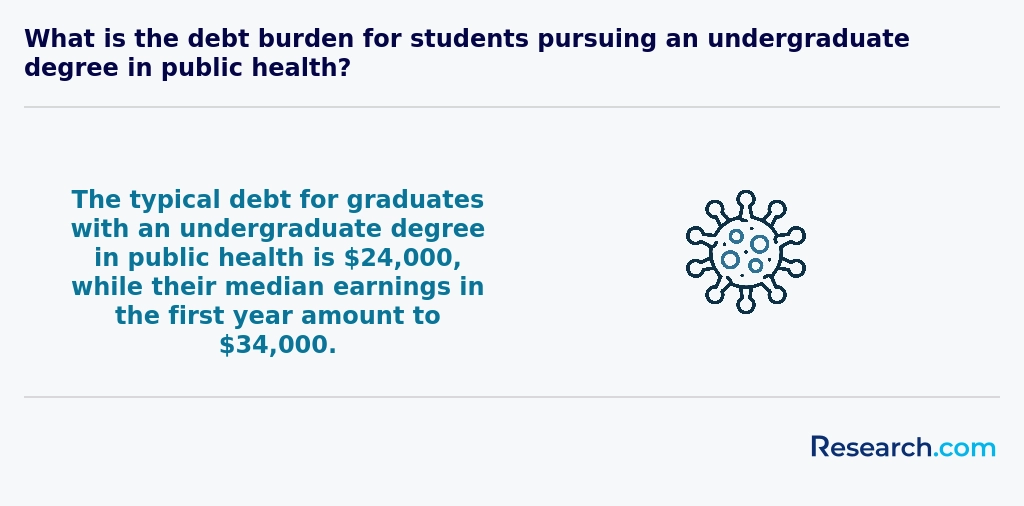
The public health job market Fort Lauderdale offers is promising for graduates, especially those from well-known local institutions. Graduates often find employment in hospitals, government agencies, and nonprofit organizations addressing community health issues. Many report that internships connected with universities here significantly improved their job placement, allowing them to contribute directly to disease prevention and health education programs within the vibrant Miami metro area.
Fort Lauderdale public health career opportunities extend into county health departments and private health services, fueled by ongoing investments in epidemiology and community wellness. Salary ranges are competitive, often between $50,000 and $75,000 annually, which aligns well with the city's cost of living, giving new graduates financial confidence as they start their careers.
Students appreciate that tuition costs at local universities remain affordable compared to national rates, with many opting for an affordable public health school in florida to minimize debt. This practical approach enhances career prospects by balancing education expense with sustainable job market entry.
2027 Best Public Health Degree Programs Ranking in Fort Lauderdale
Investing in your education is a significant decision that can shape your future, and the Research.com team understands the importance of making informed choices. To assist prospective students in Fort Lauderdale, we have meticulously crafted the "2027 Best Public Health Degree Programs Ranking in Fort Lauderdale." Our commitment to quality, credibility, and accuracy is reflected in the extensive research and analysis conducted to compile this ranking.
We utilized the following reputable data sources to ensure a comprehensive evaluation of public health programs:
By exploring this ranking, readers will gain valuable insights into the best public health degree programs available in Fort Lauderdale, helping them make informed decisions about their educational paths. For more details on our methodology, please visit our Research.com methodology page.


Frequently Asked Questions About public health
Public health degree students in Fort Lauderdale can enhance their education by engaging with local health organizations and community programs. Fort Lauderdale's diverse population offers unique public health challenges, providing students practical experience in addressing issues like infectious disease control and health education.
Fort Lauderdale is home to several hospitals and health departments where internships and volunteer opportunities allow students to apply classroom knowledge in real-world settings. According to the Florida Department of Health, active involvement in community outreach can improve understanding of social determinants of health affecting the region.
Additionally, students should leverage Fort Lauderdale's network of higher education institutions offering access to expert faculty and specialized courses in epidemiology and healthcare management.
The field of public health is rapidly evolving with several emerging niches gaining prominence, especially for students considering degrees in Fort Lauderdale. One key area is environmental health, focusing on climate-related challenges affecting South Florida, including hurricanes and water quality issues.
Another growing niche is health informatics, which combines data science and public health to improve healthcare delivery and disease surveillance. According to the Florida Department of Health, local demand for professionals skilled in big data analysis has increased by over 15% since 2020.
Additionally, community health equity is becoming vital, addressing disparities prevalent in urban and minority populations in Fort Lauderdale. These specialties offer promising career pathways for future public health graduates.
After earning a public health degree in Fort Lauderdale, preparing for the job market involves targeted strategies specific to the region's healthcare landscape. Graduates should focus on building practical experience through internships and volunteer work with local organizations such as the Broward County Health Department. According to the Bureau of Labor Statistics, Florida's demand for public health professionals is projected to grow by 15% through 2031, higher than the national average. Networking at local health events and joining professional associations like the Florida Public Health Association can increase job opportunities. Additionally, enhancing skills in data analysis and community health outreach aligns well with employer needs in Fort Lauderdale's public health sector.
Employers in Fort Lauderdale prioritize several key skills when hiring graduates with public health degrees. Strong analytical abilities are essential, as public health professionals must interpret data to identify health trends and risks. Communication skills are equally vital for educating diverse communities and collaborating with local agencies.
Knowledge of epidemiology, biostatistics, and health policy is highly valued, given Fort Lauderdale's ongoing efforts to manage infectious diseases and address healthcare disparities. Additionally, cultural competency is critical in this diverse region to effectively serve varied populations.
Familiarity with public health software and grant writing enhances job readiness. According to the Florida Department of Health, 2023 data shows a growing demand for professionals adept at both community outreach and program evaluation in Broward County.
Finding internships in Fort Lauderdale related to a public health degree involves exploring opportunities within local health departments, hospitals, and community organizations. Broward County Health Department offers internships focused on epidemiology, environmental health, and health promotion, providing practical experience for students. Fort Lauderdale's extensive network of healthcare providers, including Broward Health and Memorial Healthcare System, also often support student internships.
Students should utilize university career centers and online platforms such as Handshake and Idealist, which list relevant public health internship openings in the region. Networking through local chapters of organizations like the American Public Health Association can further improve chances of finding internships tailored to specific public health interests.
A public health degree in Fort Lauderdale significantly enhances career mobility and advancement opportunities. The region's growing healthcare and community health sectors create a demand for trained professionals, with the U.S. Bureau of Labor Statistics projecting a 12% growth in public health jobs in Florida through 2031. Graduates often find roles in hospitals, government agencies, nonprofits, and private companies focusing on health promotion and disease prevention.
Fort Lauderdale's diverse population requires culturally competent public health workers, making advanced degrees valuable for leadership roles. Earning a Master of Public Health (MPH) or specialized certifications can lead to higher salaries and managerial positions, with median wages for public health managers in the area above the national average, according to the Florida Department of Economic Opportunity.
Studying for a public health degree in Fort Lauderdale equips students with interdisciplinary skills essential for addressing complex health challenges. Programs typically integrate coursework in epidemiology, biostatistics, environmental health, and health policy, fostering a broad understanding of social determinants of health.
Fort Lauderdale's diverse population and proximity to global health organizations provide real-world opportunities for applied learning. Internships and collaborations with local health departments and community groups enhance practical experience across multiple sectors.
Data from the Florida Department of Health highlights the need for professionals able to bridge public health with areas like urban planning, education, and social work in the region. This multidisciplinary training prepares graduates for roles in research, policy, and program management.
Choosing between a thesis and a non-thesis public health degree program in Fort Lauderdale depends on your career goals and interests. Thesis programs require original research and are ideal if you plan to pursue a PhD or work in research-oriented roles. Non-thesis options focus more on practical skills, coursework, and internships, fitting those aiming for direct public health practice or administration.
Fort Lauderdale's growing public health sector, with a 12% job increase expected by 2028 according to the U.S. Bureau of Labor Statistics, favors applied skills. Local universities often provide hands-on opportunities in community health initiatives, which can benefit non-thesis students.
Consider your time commitment; thesis programs usually take longer due to research demands. Ultimately, weighing your professional ambitions and learning preferences helps determine the best fit for you.
Students based in Fort Lauderdale who wish to study public health abroad have several opportunities through U.S. institutions offering international study programs. Many universities encourage exchange programs or short-term study abroad options in countries with advancing public health systems. For example, partnerships between Florida International University and European or Latin American institutions provide practical global exposure.
Another option includes earning a public health degree online from an accredited U.S. school that offers international fieldwork components. This flexibility allows Fort Lauderdale students to gain global experience without relocating permanently.
Studying abroad can enhance understanding of diverse health challenges and policies, which is vital given Fort Lauderdale's culturally diverse population and public health priorities documented by the Broward County Health Department.
Fort Lauderdale offers several part-time job opportunities that align well with public health degree education. Students can find roles as community health workers or health educators, positions that often provide flexible hours and practical experience. According to the Bureau of Labor Statistics, Florida expects a 13% growth in community health jobs through 2030, indicating increasing demand. Local hospitals and health departments frequently seek interns or assistants to support public health outreach and data collection efforts. Additionally, nonprofit organizations focused on health equity and education in Fort Lauderdale provide volunteer and part-time roles that complement academic training. These positions help build skills applicable to public health careers.
Public health students in Fort Lauderdale benefit from numerous networking opportunities linked to the city's dynamic healthcare sector. Local universities, such as Nova Southeastern University, often host events and seminars where students can connect with professionals and alumni in public health fields. Fort Lauderdale's proximity to major health organizations offers access to internships and volunteer roles, providing valuable real-world experience while expanding professional contacts.
The Broward County Health Department regularly collaborates with educational institutions for workshops and public health initiatives, facilitating student involvement. Additionally, local chapters of national public health associations, like the American Public Health Association, hold meetings that encourage networking with experts regionally. These active connections can be crucial for career development and job placement.
Alumni networks offer valuable support to public health degree students in Fort Lauderdale by connecting them with experienced professionals and recent graduates. These networks facilitate mentorship opportunities, which are crucial for career guidance and skill development in the public health sector.
Students often gain access to exclusive internships and job openings through established alumni connections. In Fort Lauderdale, where public health challenges include tropical diseases and urban health disparities, these networks help students engage with local agencies like the Florida Department of Health.
According to the American Public Health Association, strong alumni networks can increase job placement rates by up to 20% for public health graduates. This makes them an essential resource for launching a successful career in the region's dynamic health environment.
Customizing your public health degree program in Fort Lauderdale starts with selecting electives that align with your career ambitions. Many local universities offer concentrations such as epidemiology, health policy, or environmental health, allowing students to tailor their studies.
Internship opportunities in Fort Lauderdale's diverse healthcare settings provide practical experience, crucial for careers in community health or administration. According to the Florida Department of Health, the region prioritizes addressing chronic diseases and disaster preparedness, areas where specialized coursework can be beneficial.
Additionally, students can engage in research projects focusing on local public health challenges, enhancing both skills and resumes.
Public health students in Fort Lauderdale commonly face challenges related to balancing rigorous coursework with practical experience. The competitive environment means students must manage time effectively while engaging in community health initiatives around Broward County, which often serves as a practical learning site.
Additionally, navigating financial constraints is a frequent concern. Although some local scholarships exist, tuition and living costs in Fort Lauderdale can be high compared to other Florida cities. According to the National Center for Education Statistics, 65% of public health undergraduates nationwide rely on some form of financial aid, indicating this challenge is widespread.
Students also encounter limited internship placement options locally, as agencies may have specific requirements amid the area's growing but still developing public health infrastructure. This can affect hands-on learning and networking opportunities essential for career advancement.
Graduates with a public health degree in Fort Lauderdale can pursue several professional certifications that enhance career opportunities. One widely recognized credential is the Certified in Public Health (CPH) certification offered by the National Board of Public Health Examiners. This credential validates core knowledge and skills in public health practice.
Another important certification is the Certified Health Education Specialist (CHES), which is ideal for professionals focused on community health education and promotion.
For those interested in epidemiology or biostatistics, the American Public Health Association supports certifications related to public health data analysis and disease prevention.
Fort Lauderdale's growing health sector, influenced by Florida's statewide public health initiatives, values these certifications for advancing leadership and specialized expertise. According to the Florida Department of Health, certified public health professionals are increasingly sought for leadership roles in the region's hospitals and government agencies.
To write a winning application for a public health program in Fort Lauderdale, start by clearly demonstrating your passion for community health issues relevant to the region. Fort Lauderdale faces unique public health challenges like mosquito-borne diseases and opioid addiction, so referencing local data from sources such as the Florida Department of Health can strengthen your essay.
Highlight relevant experience, including internships or volunteer work in clinics or community organizations. Public health programs in Fort Lauderdale often value practical exposure to urban and coastal health concerns. Be specific about your career goals and how the program aligns with them.
Finally, ensure your academic records and recommendations reflect strong analytical and communication skills, essential for success in public health studies and local health policy development.
The global perspective on a public health career highlights its importance in addressing worldwide health challenges such as pandemics, environmental health, and health equity. In the United States, including Fort Lauderdale, public health professionals collaborate with international organizations like the World Health Organization and CDC to shape health policies.
Public health degrees emphasize skills transferable globally, such as epidemiology, health communication, and program management.
According to the Florida Department of Health, Fort Lauderdale's diverse population offers unique learning opportunities related to global health issues such as infectious diseases and chronic conditions.
This global outlook enhances career prospects and prepares graduates to work both locally and internationally.
Gaining practical experience while studying for a public health degree in Fort Lauderdale is essential for career readiness. Many local universities, such as Nova Southeastern University, offer internships and practicum opportunities connected to regional health departments and nonprofit organizations.
Students can engage with the Broward County Health Department, where they may participate in community health initiatives, disease prevention, and health promotion programs. These experiences help build skills in real-world epidemiology and public health administration.
Additionally, Fort Lauderdale's diverse population allows students to work on projects addressing health disparities, chronic disease management, and environmental health, often supported by university partnerships and grant-funded programs.
Choosing the right concentration within a public health degree program in Fort Lauderdale depends on your career goals and local community needs. Common concentrations include epidemiology, health policy, environmental health, and community health education.
The Fort Lauderdale area faces specific public health challenges such as hurricane preparedness, infectious disease management, and health disparities among diverse populations. According to recent data from the Florida Department of Health, focusing on emergency management or epidemiology offers strong local relevance and job prospects.
Investigate concentrations offered by Fort Lauderdale schools, their faculty expertise, and internship opportunities with local health agencies. Consider how each specialization aligns with your interests and the evolving public health landscape in South Florida.
- 2027 Best Public Health Degree Programs Ranking in Tampa
- 2027 Best Public Health Degree Programs Ranking in Gainesville
- 2027 Best Public Health Degree Programs Ranking in Tallahassee
- 2027 Best Public Health Degree Programs Ranking in Savannah
- 2027 Best Public Health Degree Programs Ranking in Statesboro
- 2027 Best Public Health Degree Programs Ranking in Columbia
- 2027 Best Public Health Degree Programs Ranking in Athens
- 2027 Best Public Health Degree Programs Ranking in Atlanta
- 2027 Best Public Health Degree Programs Ranking in Birmingham
- 2027 Best Public Health Degree Programs Ranking in New Orleans
- 5 Internships for a Master’s in Public Health Student - Healthcare Administration Degree Programs https://www.healthcare-administration-degree.net/lists/5-internships-for-a-masters-in-public-health-student/
- Public Health: A Global Perspective https://www.routledge.com/Public-Health-A-Global-Perspective/Singh/p/book/9781032644226
- Global Health Perspectives https://globalhealthperspectives.com/
- Students and Alumni associations - Europubhealth https://www.europubhealth.org/students-alumni-associations/
- Public Health Challenges – IPA SDG Dashboard https://sdg.internationalpublishers.org/sdgaction/public-health-challenges/
- Medical University of GdaÅsk https://publichealth.mug.edu.pl/
- Online Degrees https://www.publichealthdegrees.org/online/
- Public Health Jobs | How to Boost Your Public Health Experience When Starting Out https://publichealthjobs.co.uk/blog/how-to-boost-your-public-health-experience-when-starting-out
- Steps to take when applying for a graduate program | PH SPOT https://phspot.org/how-i-think-i-got-into-grad-school/
- Engaging students through service-learning opportunities in public health https://sneb.org/engaging-students-through-service-learning-opportunities-in-public-health/










