
2027 Fastest Online Doctorate in Public Health Degree Programs Ranking in the Midwest

Co-Founder and Chief Data Scientist
If you're a student in the Midwest eager to advance your career in public health, finding the right online doctorate program is essential. This article introduces the 2027 Fastest Online Doctorate in Public Health Degree Programs Ranking in the Midwest, created by the Research.com team of data scientists.
Our ranking is designed to help you make an informed decision by highlighting programs that combine quality with flexibility. Pursuing a public health degree opens doors to making a real difference while enjoying personal and professional growth.
Key benefits of getting online public health degree in the Midwest
- Graduates with a public health degree in the Midwest can earn competitive salaries, such as $134,440 annually for Government Health Program Managers or $129,330 for Safety Directors, offering strong financial stability.
- Career paths often include roles like Environmental Health & Safety Director or Senior Public Health Management Consultant, showcasing diverse opportunities in healthcare, safety, and policy management.
- Online public health degrees from Midwest universities provide flexibility to balance work and study, making it easier to gain experience while earning a respected credential without relocating.
- 2027 Fastest Online Doctorate in Public Health Degree Programs Ranking in the Midwest
- What can I expect from online public health degree in the Midwest?
- Where can I work with online public health degree in the Midwest?
What can I expect from online public health degree in the Midwest?
The average cost of an online public health degree in the Midwest typically ranges between $15,000 and $40,000, though this varies widely depending on the institution and format. Graduates from popular programs at universities like the University of Iowa or the University of Illinois often reflect on balancing affordability with the value of accredited curriculum tailored for regional health challenges.
Many students appreciate the flexibility of asynchronous classes, which allow them to maintain full-time jobs or family responsibilities while progressing through the program. One graduate described how managing coursework alongside a community health job made the investment feel worthwhile, especially given the focus on Midwest-specific issues such as rural health disparities and chronic disease prevention.
However, some prospective students must critically assess the return on this investment. While some programs emphasize practical skills and local relevance, others may lack interactive components, which some graduates found limiting. Considering these factors, students should carefully compare tuition costs with program offerings and support services to ensure the best fit for both budget and career goals.
Where can I work with online public health degree in the Midwest?
Graduates with an online public health degree in the Midwest find themselves pursuing diverse career paths often shaped by regional opportunities. Many begin by working with state or local health departments in places like Illinois or Ohio, where their roles focus on disease prevention and emergency preparedness-tasks crucial amid ongoing public health challenges. For instance, graduates from the University of Michigan report stepping into roles supporting health promotion campaigns funded by state agencies, fostering both professional satisfaction and community impact.
Others leverage their skills in hospitals and healthcare systems within metropolitan hubs such as Chicago and Minneapolis, assisting with population health management or quality improvement projects. Alumni from prominent institutions like the University of Minnesota have shared how their data analysis work directly influences clinical decisions and policy updates, offering a rewarding blend of technical expertise and meaningful results.
Nonprofits and academic research institutions represent additional paths. Graduates affiliated with Midwestern universities often find themselves engaging in community outreach or collaborating on studies funded by the CDC and NIH. These opportunities highlight the flexibility and relevance of an online public health degree, particularly when balanced with local healthcare needs and evolving social determinants of health.
Graduates with an online public health degree in the Midwest can expect varied earnings depending on their career path and experience. For instance, a Government Health Program Manager typically earns a mean annual wage of $134,440, reflecting roles that require strong leadership and policy skills. Similarly, Environmental Health & Safety (EHS) Directors and Safety Directors share a comparable mean salary around $129,330, positions common among public health graduates focused on workplace and environmental health.
Some graduates advance to specialized roles such as Government Affairs Director, where salaries can be notably higher with a mean annual wage reaching $258,900. This suggests significant opportunities for those who pursue strategic or advocacy roles in public health. Senior Public Health Management Consultants earn a mean wage of $95,600, showing solid potential for professionals blending health expertise with management consulting.
Midwestern graduates from popular institutions like the University of Michigan or the University of Illinois often report satisfaction from securing these lucrative roles. They value how their degrees, coupled with local networking and internships, enable access to positions that offer both financial stability and professional growth. Nonetheless, regional differences within the Midwest and sector-specific demands mean salaries can vary, and some alumni advise gaining diverse experience to maximize earnings.
- The cost of online public health degrees in the Midwest ranges from $15,000 to $30,000, with in-state tuition often more affordable at public institutions in Illinois, Michigan, and Ohio.
- Health-related jobs in the Midwest, including public health roles, are expected to grow by about 14% by 2030 in states like Minnesota, Indiana, and Wisconsin.
- Entry-level salaries for public health professionals start around $55,000 to $65,000, increasing to over $90,000 with experience and advanced qualifications.
- Many online public health programs in the Midwest hold accreditation from the Council on Education for Public Health (CEPH), ensuring quality standards.
- Online programs offer flexibility for students to balance studies with work or family, while providing networking opportunities with regional public health professionals.
Completing an online public health degree in the Midwest generally depends on the degree level and a student's personal circumstances. For example, undergraduates at well-known institutions like the University of Iowa or Indiana University often finish their bachelor's degrees in about four years when studying full-time. Graduates frequently mention appreciating the balance these programs offer, allowing them to manage family or jobs without feeling overwhelmed.
For master's degrees such as the MPH, many Midwest universities provide flexible pacing. Some graduates from programs at Michigan State University recall finishing their degrees in as little as 12 to 18 months by enrolling full-time in accelerated tracks. Others, balancing full-time work, take two to four years, highlighting the need for schools to accommodate diverse schedules and professional demands.
Doctorate programs, including DrPH and PhD options offered by schools like the University of Minnesota, often span three to five years. Graduates emphasize how extended timelines enable deep research while managing life pressures, a flexibility that online formats uniquely support in the Midwest's educational landscape.
Choosing between online and on-campus public health degrees in the Midwest often hinges on balancing flexibility and direct engagement. Graduates from the University of Michigan's online program share how studying remotely allowed them to maintain full-time jobs while mastering public health concepts, a crucial advantage in a region where workforce demands continue to rise. Conversely, alumni of the University of Iowa emphasize the value of face-to-face interaction and hands-on experiences in campus research labs and local health agencies, which deepened their practical understanding.
In Midwest colleges like the University of Minnesota, online students benefit from digital platforms that enable learning anytime, anywhere-ideal for those living in rural communities. Meanwhile, on-campus students enjoy immediate access to professors and peer networks on vibrant campuses.
Cost considerations also play a role; while online programs reduce commuting and housing expenses, they sometimes carry tuition comparable to on-campus rates, reflecting extensive technological support.
Both paths maintain accreditation and deliver quality education but differ in daily experience, making it critical for students to align their choice with personal circumstances and learning preferences.
Achieving success in an online doctorate program in Public Health goes beyond selecting the right school-it requires a targeted approach to learning and personal development. To help you maximize your educational journey, consider these essential strategies: • Develop a structured schedule: Create a dedicated study plan that accommodates coursework deadlines and personal responsibilities. Consistent routines can improve focus and productivity, ensuring you stay on track throughout the program. • Establish a productive study environment: Set up a dedicated workspace free from distractions. Whether it’s a home office or a quiet library corner, a well-organized study space is key to deep concentration and efficient learning. • Engage in active learning: Participate in online discussion forums, virtual group projects, and interactive webinars. This not only reinforces your understanding but also helps build a professional network with peers and mentors in the field. • Leverage institutional resources: Take full advantage of available academic support, such as tutoring services, career counseling, and library resources. These supports can provide guidance and enhance your overall learning experience. • Stay informed about industry trends: Continuously update your knowledge on emerging public health issues and technological advancements. This proactive approach can give you a competitive edge in the job market upon graduation. For guidance on choosing the right educational path and gaining insights into top programs, consider exploring our comprehensive ranking of best online public health programs in illinois. By applying these success strategies, you can create a fulfilling and effective online learning experience that paves the way for a thriving career in public health.
The average cost of an online public health degree in the Midwest typically hovers around the median total cost of $61,560, reflecting expenses across various types of programs and institutions. Graduates from well-known public universities in states like Illinois and Ohio often remark that while the tuition is a significant investment, the affordable in-state rates-usually between $400 and $700 per credit hour-make these programs accessible compared to private colleges. These Midwest universities are praised for balancing quality education with cost-efficiency, which many students find encouraging when planning finances.
However, prospective students should recognize variability depending on residency status and the institution's pricing policies. Some learners attending private or out-of-state programs report paying upwards of $50,000 for master's degrees, which shows a wide spectrum of costs. For those interested in more advanced studies, Midwest affordable online public health doctorate tuition programs often range between $20,000 and $60,000, demanding greater financial planning but also offering competitive value when compared to national averages.
Many students appreciate that online formats from Midwestern schools often include flat-rate tuition or discounts targeted at fully remote learners, further helping mitigate the financial burden. This is a crucial consideration, especially for working professionals pursuing these degrees while managing other responsibilities. For example, students balancing work and nursing education in the region find that these cost-saving options combined with available scholarships contribute positively to their educational journey.

Ensuring that your online doctorate in Public Health is both credible and respected begins with programmatic accreditation. In the Midwest, the gold standard is accreditation by the Council on Education for Public Health (CEPH), which evaluates curriculum rigor, faculty qualifications, and continuous improvement processes. Prospective students should confirm that their institution also holds regional accreditation from a U.S. Department of Education–recognized agency, as this dual accreditation safeguards eligibility for federal financial aid and professional licensure. Beyond accreditation, reputable programs demonstrate transparency in outcomes data-such as graduation rates, job placement statistics, and faculty research impact. Look for schools that publish recent cohort performance and offer robust student support services, including dedicated online librarians, career counseling, and technical help desks. Accreditation review reports are often available on university websites or through CEPH’s searchable directory. For students balancing quality with cost, it’s wise to compare accreditation credentials alongside tuition rankings. For insights into programs that meet stringent quality standards without breaking the bank, explore our Inexpensive Public Health Degree Programs Ranking in Maryland, which highlights accredited options that deliver both value and academic excellence.
Students pursuing online public health degrees in the Midwest often benefit from a mix of financial aid options tailored to their unique circumstances. Graduates from prominent universities, such as those in Illinois or Ohio, frequently mention how federal aid programs-especially Pell Grants-played a critical role in managing tuition costs without accumulating debt. These grants, awarded based on demonstrated financial need, offer much-needed relief as Midwest institutions typically charge between $10,000 and $25,000 annually for in-state online students.
State-specific scholarships and grants are also significant. For example, recipients at Michigan public universities highlight the Michigan Tuition Incentive Program as a key factor that made their education feasible despite economic challenges. However, availability and eligibility criteria vary by state, demanding thorough research and proactive communication with financial aid offices to fully leverage these resources.
Institutional merit scholarships often reward academic and professional achievements, providing another layer of support. Graduates note that engaging early with their school's financial aid advisors helped uncover opportunities not widely advertised. Employer tuition reimbursement and loan forgiveness programs, like Public Service Loan Forgiveness, also appeal to public health professionals committed to Midwest communities, reducing long-term financial pressure and making continued education feel attainable.
Enrolling in an online public health degree program in the Midwest often means meeting clear academic prerequisites, yet the path varies notably across institutions like the University of Michigan or Indiana University. For undergraduate applicants, having a high school diploma or GED is essential, and many programs expect a GPA around 2.5 to 3.0. However, several programs have embraced test-optional policies, which reflects a more flexible approach that some students find encouraging when balancing work and studies.
Graduate applicants, especially for MPH programs, usually need a bachelor's degree. Graduates often share that while health-related coursework strengthens applications, relevant experience in fields such as sociology or biology can be equally valuable. For example, a student from the University of Minnesota who transitioned from a non-health background found professional work experience pivotal in their acceptance.
Many schools value one to two years of health-related work experience, emphasizing practical skills alongside academics. Applicants also must submit transcripts, recommendation letters, personal statements, and resumes, which some recent enrollees describe as an engaging way to reflect on their public health passion and goals. Midwest programs may require foundational courses in biology or stats if needed, ensuring all students start with solid ground.
Ensuring your online doctorate in Public Health is accredited by recognized bodies is critical for degree validity, financial aid eligibility, and employer recognition. The primary accrediting agency for public health programs is the Council on Education for Public Health (CEPH), which certifies that curricula meet rigorous competency standards. When evaluating program quality, confirm that your institution also holds regional accreditation from agencies recognized by the U.S. Department of Education, such as the Higher Learning Commission (HLC) or the North Central Association (NCA). CEPH-accredited programs typically require rigorous faculty credentials, a clear set of learning outcomes, and regular assessment of student competencies in areas like epidemiology, biostatistics, and health policy. Accreditation reviews also examine student support services-academic advising, career counseling, and technical assistance-ensuring comprehensive online learning experiences. Before applying, visit each school’s accreditation page and cross-check with the CEPH directory to verify current status. For students weighing cost alongside accreditation and program quality, you may also want to explore what are the most affordable masters in health science degrees to compare investment and outcomes across related graduate pathways.
Online public health degree programs in the Midwest typically include core courses such as epidemiology and biostatistics, which graduates often describe as eye-opening for understanding disease patterns and health data analysis. Students at popular Midwestern universities find these courses especially relevant when applying lessons to local health concerns like urban-rural disparities in disease prevalence.
Health policy and environmental health classes are common, reflecting regional needs where agriculture and industrial factors influence community wellness. Graduates recall appreciating how discussions about environmental health feel directly connected to their daily experiences living near industrial sites or farming communities in states like Illinois or Ohio.
- Social and behavioral sciences: exploring how community behaviors impact health outcomes, a favorite among students interested in grassroots health initiatives.
- Global health: expanding perspectives beyond state borders to international public health challenges.
- Health program planning and evaluation: emphasizing skills to design and assess real-world community interventions.
- Public health ethics: engaging with the tough moral questions faced in resource-limited settings.
Many graduates highlight practicum projects as transformative, blending academic theory with practical solutions tailored for Midwestern populations. This hands-on approach often deepens their connection to local public health issues, reaffirming their motivation to make tangible improvements in their communities.
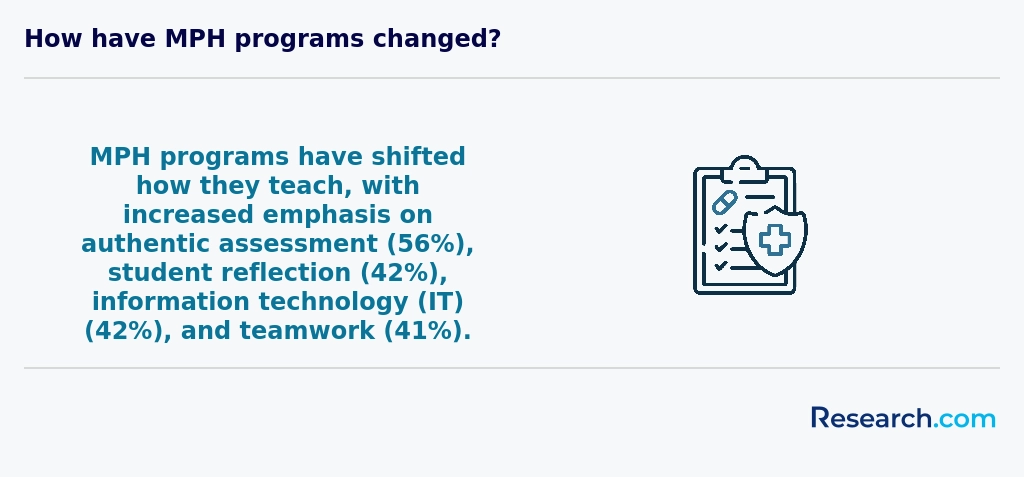
Online public health degree specializations in the Midwest commonly include epidemiology, health policy and management, environmental health, and community health education. Graduates from well-regarded programs often describe epidemiology as eye-opening, especially when analyzing disease outbreaks relevant to the region's agricultural communities. Health policy and management is frequently praised for its practical focus, where students engage with shifts in Midwestern healthcare systems, gaining confidence to influence policy reform.
Environmental health resonates strongly due to the Midwest's industrial landscape, with students reporting a rewarding sense of impact when studying issues like water quality and air pollution. Community health education specialization offers relatable experience, preparing learners to develop local health initiatives targeting chronic diseases common in nearby populations. Interestingly, some universities now add global health and biostatistics, reflecting how diverse populations and data-driven methods are increasingly critical, aligning well with Midwest doctorate in public health concentration options.
Those considering their path often find value in reviewing an online MSN program comparison, as it highlights flexible online formats and competitiveness in tuition that appeal to working professionals aiming to advance their careers without geographic barriers.
Choosing the best accredited online public health programs Midwest requires more than just reviewing tuition costs or rankings. Graduates from popular Midwestern universities often emphasize the importance of accreditation by the Council on Education for Public Health, which ensures a rigorous curriculum aligned with national standards. This matters especially when seeking jobs in areas facing rural health disparities or chronic disease management.
Flexibility in course delivery is also crucial. Some students appreciate asynchronous formats that fit demanding work schedules, while others prefer synchronous classes for real-time interaction. Considering practicum options nearby allows practical exposure without relocating, a feature praised by graduates balancing family and career.
Cost remains a key concern, especially when exploring affordable online public health doctorate Midwest programs. Public institutions in the region frequently offer lower in-state tuition compared to private schools. For those weighing financial options, exploring allied degree paths, such as an affordable direct entry master's in nursing, can sometimes offer complementary career routes worth considering.
Graduates pursuing online public health careers Midwest often find diverse options shaped by regional health challenges and resources. For instance, many alumni from prominent Midwest universities engage in epidemiology, where they analyze local disease trends such as those in Illinois or Ohio. This role gained renewed importance post-pandemic, highlighting how timely data informs public responses. The growth in these positions reflects real student enthusiasm, as graduates report feeling empowered by directly impacting community health.
Another common path involves health education and community outreach, especially vital in underserved rural areas across the Midwest. Graduates from respected colleges describe satisfaction working with non-profits or government programs, addressing disparities in access and fostering healthier behaviors locally. These experiences illustrate the rising demand for community health workers and the tangible benefits they deliver.
Some graduates transition into healthcare administration and policy analysis within the Midwest's expansive healthcare sector, blending public health expertise with management skills. Starting salaries here can be motivating, often reaching near $100,000 annually. Public health students balancing career goals may also explore connections with areas like nursing careers; for those interested, programs listed under Best nursing universities Alabama offer complementary perspectives.

The job market for online public health degree graduates in the Midwest shows steady growth, driven by expanding public health needs in both urban centers and rural areas. Graduates from popular institutions such as the University of Illinois at Chicago or the University of Michigan often share how their training enabled them to secure roles in state health departments or nonprofit organizations focused on health promotion. This reflects a positive Midwest public health job outlook, as employers value skills in data analysis, community outreach, and health policy-capabilities these programs emphasize.
Costs tend to be reasonable at public universities in the region, which typically charge between $300 to $600 per credit hour, resulting in attractive investment returns for many students. Some online public health careers Midwest include positions in hospitals expanding community health initiatives or corporate wellness programs, where graduates find meaningful work aligning with their passions.
Students also benefit from learning about healthcare delivery models that prepare them for diverse roles, enhancing their employability in the region's varied sectors.
2027 Fastest Online Doctorate in Public Health Degree Programs Ranking in the Midwest
Investing in your education is a significant decision that can shape your future, and the Research.com team understands the importance of making informed choices. To assist prospective students, we have meticulously developed the "2027 Fastest Online Doctorate in Public Health Degree Programs Ranking in the Midwest." Our commitment to quality, credibility, and accuracy is reflected in the extensive research and thorough analysis behind this ranking.
We utilized the following reputable data sources to ensure a comprehensive evaluation of public health programs:
By exploring this ranking, readers will gain valuable insights into the fastest online doctorate programs in the public health field throughout the Midwest, empowering them to make well-informed decisions aligned with their career goals. For more information about how this ranking was created, please visit our Research.com methodology page.

# 2 position
Walden University
Doctor of Public Health


Frequently Asked Questions About public health
Students pursuing online public health degrees in the Midwest can enhance their learning by actively engaging with course materials and participating in virtual discussions. The region's universities often provide access to local public health agencies, enabling students to gain practical experience through internships or community projects. According to the Association of Schools and Programs of Public Health, Midwest states report growing public health needs related to chronic diseases and rural health disparities, making hands-on learning especially relevant.
Networking with peers and faculty via webinars or online forums helps build professional connections. Utilizing university resources like career services and research databases is essential for academic success. Moreover, balancing studies with local public health initiatives can deepen students' understanding of regional challenges and solutions.
The public health field is evolving rapidly, with new niches emerging that attract students and professionals alike. One significant area is health informatics, which combines public health and data science to improve health outcomes. According to the Association of Schools and Programs of Public Health (ASPPH), demand for informatics specialists in the Midwest is expected to grow by 20% over the next decade.
Another rising niche is environmental health, particularly important in the Midwest due to agriculture and industrial impacts. Researchers focus on air and water quality, addressing challenges unique to the region.
Additionally, behavioral health and health equity are gaining attention as public health embraces social determinants of health to reduce disparities. Programs often include training on policy and community engagement.
Graduates with an online public health degree in the Midwest should focus on gaining practical experience to enhance employability. Internships and volunteer work with local health departments or non-profit organizations provide valuable skills and networking opportunities. According to the Bureau of Labor Statistics, the Midwest region is expected to see a 12% growth in public health jobs by 2030, emphasizing the importance of relevant experience.
Certification programs, such as the Certified in Public Health (CPH) credential, can improve job prospects. Additionally, building proficiency in data analysis software like SAS or R is highly recommended, as employers increasingly seek candidates with technical skills.
Employers in the Midwest consistently seek public health graduates with strong analytical and communication skills. These abilities are essential for assessing community health trends and effectively conveying findings to diverse audiences. According to the Bureau of Labor Statistics, data analysis proficiency is critical as public health roles increasingly rely on interpreting large datasets to inform policy decisions. Additionally, skills in program planning and management are highly valued, reflecting the region's emphasis on implementing local health initiatives.
Familiarity with epidemiology and biostatistics remains fundamental, as these help address health disparities prevalent in Midwestern communities. Employers also prioritize cultural competence and adaptability, given the Midwest's diverse and changing populations. The Association of Schools and Programs of Public Health highlights that technology literacy, particularly in health informatics, is growing in importance for regional public health work.
Finding internships in the Midwest relevant to a public health degree involves leveraging university resources and regional health organizations. Many Midwestern schools maintain partnerships with local health departments, hospitals, and nonprofits specializing in public health, offering structured internship opportunities.
The U.S. Bureau of Labor Statistics notes that states like Illinois, Ohio, and Minnesota have growing public health sectors. Students should explore state and city health department websites, where internships in epidemiology, community health, and policy often open.
Engaging with professional associations such as the Midwest Public Health Training Center can also connect students with local internship listings and networking events tailored to public health careers. Early applications and clear communication about career goals increase placement chances.
Obtaining an online public health degree in the Midwest can significantly enhance career mobility and advancement. The region's growing focus on healthcare and community wellness has increased demand for qualified public health professionals. According to the U.S. Bureau of Labor Statistics, employment of health educators and community health workers in the Midwest is projected to grow 11% by 2030, faster than the national average.
Online degrees offer flexibility, enabling students to continue working while gaining relevant skills. Many employers in states like Illinois, Ohio, and Michigan recognize accredited online programs, helping graduates qualify for leadership roles.
Professionals with advanced public health credentials often access higher salaries and broader career opportunities in government, non-profits, and healthcare organizations.
Studying for a public health degree in the Midwest equips students with skills necessary for interdisciplinary collaboration. Midwest programs emphasize integrating knowledge from epidemiology, healthcare policy, environmental health, and social sciences. This approach mirrors the diverse health challenges in the region, such as rural healthcare access and chronic disease management. According to the Association of Schools and Programs of Public Health, many Midwestern institutions incorporate practical experiences with local health departments, fostering teamwork across disciplines.
Students often engage with professionals in nursing, social work, and data analysis, preparing them for varied roles in public health. These programs stress problem-solving and communication skills essential for interdisciplinary work.
Choosing between a thesis and a non-thesis public health degree program in the Midwest largely depends on your career goals and learning preferences. Thesis programs emphasize research and prepare students for doctoral studies or research-intensive roles. Completing a thesis typically involves designing a study, collecting data, and writing a substantial paper, which can take an additional six months to a year.
Non-thesis programs focus more on practical skills and coursework, appealing to those aiming for leadership or applied public health positions. According to the Association of Schools and Programs of Public Health, many Midwest institutions offer both options, accommodating different student needs.
Consider program flexibility and time commitment; thesis tracks may take longer. Review program outcomes and faculty expertise carefully when deciding.
Students in the Midwest seeking public health studies abroad often explore online programs with international components or partnerships. While fully online public health degrees from Midwest institutions are primarily US-focused, some universities offer study-abroad opportunities or global fieldwork options in their curricula. For example, the University of Minnesota and the University of Illinois have established exchange programs with schools in Europe and Asia, allowing students to gain global experience while enrolled domestically.
The Consortium of Universities for Global Health reports increasing incorporation of global health topics, reflecting demand from Midwestern students for broader perspectives. Public health professionals in the Midwest benefit from exposure to diverse health systems, critical for tackling global pandemics and health disparities.
Part-time jobs can significantly enhance learning for students pursuing online public health degrees in the Midwest. Common opportunities include health educator assistants, where students support community programs promoting wellness. Positions in local health departments also provide valuable experience in data collection and disease surveillance.
According to the Bureau of Labor Statistics, the Midwest has a growing demand for health education specialists, projecting 7% growth through 2032. Working with nonprofit organizations focused on health equity offers practical exposure to social determinants of health.
Additionally, jobs in clinical settings, such as patient outreach or administrative roles, help students understand healthcare systems firsthand. These roles complement academic knowledge with real-world skills, strengthening resumes for future public health careers.
Online public health students in the Midwest have several networking opportunities that enhance their educational experience. Many universities offer virtual events, guest lectures, and discussion boards that connect students with faculty and peers. Professional organizations such as the Midwest Public Health Association provide regional conferences and webinars tailored to public health professionals.
The Midwest has a growing public health workforce, with states like Illinois and Ohio seeing a 10-15% increase in job openings annually, according to the U.S. Bureau of Labor Statistics. This growth fosters strong local networks for internships and job placements.
Additionally, partnerships between universities and local health departments allow students to engage in community projects, expanding their professional contacts across the region.
Alumni networks offer crucial support to students pursuing online public health degrees in the Midwest by connecting them with professionals who understand regional health challenges. These networks often provide access to job opportunities, internships, and mentorship programs tailored to the public health sector in states like Illinois, Ohio, and Minnesota.
Studies show that 85% of jobs in public health in the Midwest are filled through networking, highlighting the value of alumni connections (Midwest Public Health Association, 2023). Alumni can share insights on working in rural or urban health settings common in this region.
Furthermore, alumni events and online groups foster continuous learning and collaboration, essential for adapting to evolving public health issues such as opioid addiction and infectious disease outbreaks prevalent in the Midwest.
Customizing an online public health degree program in the Midwest allows students to align their education with specific career goals. Many universities offer concentrations such as epidemiology, health policy, or community health, enabling learners to specialize based on their interests. For instance, Indiana University and the University of Minnesota provide flexible curricula with elective options tailored to emerging regional health challenges.
Online programs also often include practicum or capstone projects that let students gain experience in local health departments or agencies. This practical exposure is valuable for careers in public health leadership or research.
The affordability and accessibility of Midwest online programs make it easier to balance education with work and family commitments, critical for many professionals seeking advancement.
Online public health students in the Midwest often face unique challenges related to access and resources. While many programs offer flexibility, connectivity can be an issue in rural areas where broadband internet access remains limited. According to the FCC, about 17% of rural Midwestern residents lack reliable high-speed internet, complicating participation in synchronous classes.
Time management is another common hurdle. Many students balance work, family, and school, making it difficult to commit to online coursework consistently. Public health programs also require practical experiences, which can be harder to arrange remotely or far from urban centers where internships are concentrated.
Diversity in program format and quality can lead to uncertainty about accreditation and transferability of credits, important factors for long-term career goals. According to the Association of Schools and Programs of Public Health (ASPPH), verifying program credibility is crucial for student success.
With an online public health degree from the Midwest, students can pursue several recognized professional certifications that enhance career prospects. The Certified in Public Health (CPH) credential, offered by the National Board of Public Health Examiners, is widely respected and achievable after graduation. This certification demonstrates mastery of core public health knowledge and skills.
Other options include the Certified Health Education Specialist (CHES) and the Registered Health Information Administrator (RHIA), depending on your focus area. According to the Association of State and Territorial Health Officials, over 60% of Midwest public health employers prefer candidates with such credentials.
These certifications often require passing a standardized exam and continuing education to maintain.
Crafting a winning application for an online public health program in the Midwest requires clear demonstration of your commitment and relevant experience. Highlight your background in health sciences, community service, or related work, emphasizing any regional experiences or challenges you have encountered. Admissions committees look for strong academic records, so include your GPA and standardized test scores if required. Personal statements should focus on your goals and how the program aligns with Midwest public health needs, such as rural healthcare disparities noted by the CDC. Letters of recommendation from professionals familiar with your skills strengthen your application.
The field of public health is increasingly recognized as vital on a global scale. Professionals with public health degrees address challenges like pandemics, chronic diseases, and health inequalities worldwide. For students in the Midwest, this means their education prepares them to work both locally and internationally.
According to the Association of Schools and Programs of Public Health (ASPPH), U.S. public health programs emphasize global health competencies, which are crucial in a connected world. The Midwest, home to several top-ranked schools, contributes significantly to global health research and initiatives.
Many public health careers involve collaboration with global agencies such as the World Health Organization and the Centers for Disease Control and Prevention, both of which value U.S. trained professionals. Thus, an online public health degree earned in the Midwest can open doors to worldwide opportunities.
Gaining practical experience while pursuing an online public health degree in the Midwest is essential for career readiness. Many universities in this region offer practicum or internship placements with local health departments, hospitals, or nonprofit organizations. These opportunities provide hands-on learning directly related to public health issues facing Midwestern communities, such as rural health disparities and chronic disease management.
According to the Association of Schools and Programs of Public Health (ASPPH), nearly 75% of accredited programs require fieldwork or applied practice experiences. Students can also participate in virtual simulations or community-based research projects, which are increasingly integrated into online curricula.
State health agencies in Illinois, Michigan, and Ohio are common partners, offering valuable exposure to state-specific public health challenges.
Choosing the right concentration within an online public health degree in the Midwest begins with understanding local health needs. For example, rural health is a critical focus due to significant healthcare access challenges in Midwestern states like Iowa and Nebraska, according to the CDC.
Students should consider their career goals and research concentrations offered, such as epidemiology, health policy, or environmental health. Data from the Bureau of Labor Statistics shows that health policy analysts and epidemiologists are among the fastest-growing public health roles nationwide, including in the Midwest.
Accreditation status of programs matters; regional accreditation ensures quality education recognized by employers. Finally, consulting state health department reports can reveal pressing public health issues, helping tailor your concentration to region-specific demands.
- Public Health Degrees & Careers | How To Work In Public Health https://www.learnhowtobecome.org/medical-health-careers/public-health/
- Financing Your Degree https://aspph.org/student-journey/financing-your-degree/
- Top 10 Best States for Public Health - MPH Online https://www.mphonline.org/best-states-for-public-health-jobs/
- Yes, the Public Health Job Market is Tough, But You’re Tougher! | PH SPOT https://phspot.org/yes-the-public-health-job-market-is-tough-but-youre-tougher/
- Pre-Professional Health Experience Guide | PublicHealthOnline.org https://www.publichealthonline.org/pre-professional-experience/
- Careers in Public Health. Life’s Work https://www.publichealthcareers.org/
- Illinois https://www.publichealthdegrees.org/st/illinois/
- Are there Practical Experience Courses in an MPH Program? - Master's in Public Health Degree Programs https://www.masterspublichealth.net/faq/are-there-practical-experience-courses-in-an-mph-program/
- Costs for Master of Public Health - Dual Online https://www.midwestern.edu/admissions/paying-college/cost-attendance/online-program-budgets/costs-master-public-health-dual-online
- Master of Science (M.S.) Major in Public Health Education and Promotion (Non-thesis Option) https://mycatalog.txstate.edu/graduate/education/health-human-performance/public-healthed-promo-nonthesis-ms/











